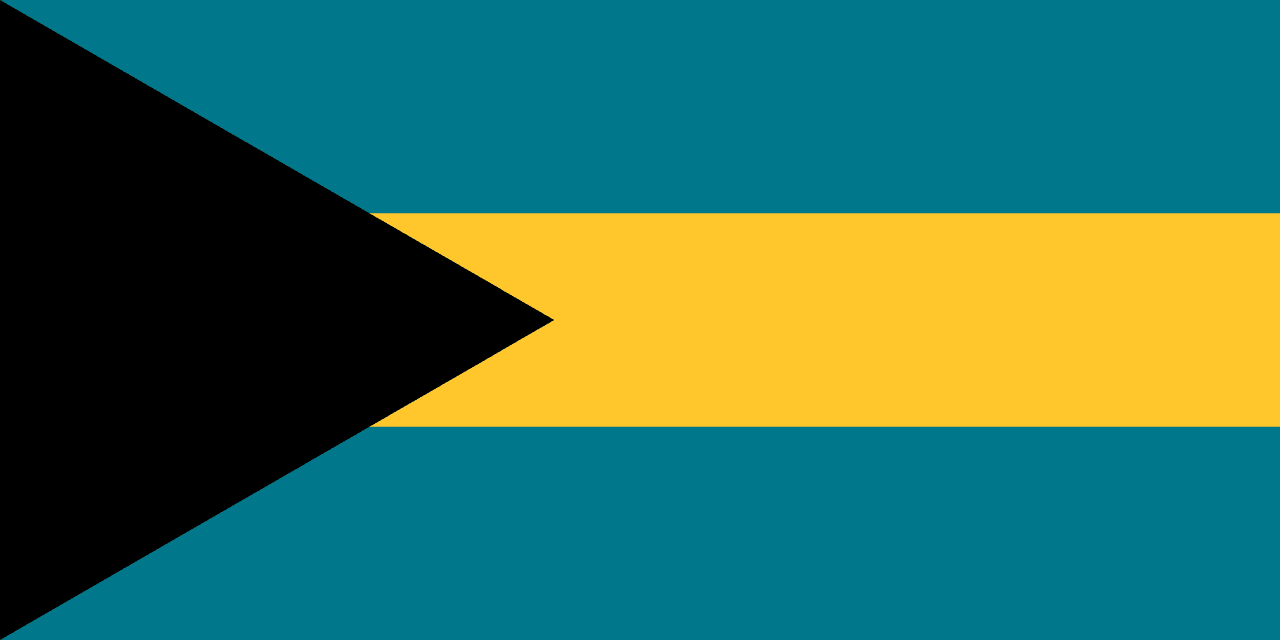
Eleuthera
The Birthplace of the Modern Bahamas, home to the Eleutheran Adventurers and a legacy of freedom and suffrage.
Figures from Eleuthera
Historically documented individuals of note.
Alvin Adderley
### Alvin Adderley: The Eleutheran Legal Giant and Constitutional Architect of The Bahamas Alvin Adderley (1919–2002) stands as one of the most intellectually formidable legal minds and devoted public figures in the modern history of the Commonwealth of The Bahamas. Born and raised on the historic island of Eleuthera during an era of intense colonial disenfranchisement, Adderley rose above socio-economic hurdles to become a champion of jurisprudence, equity, and constitutional reform. Throughout a career that spanned the mid-to-late twentieth century, he provided critical legal counsel during the turbulent era of the 1958 General Strike, championed universal adult suffrage alongside pioneering women suffragists, and helped shape the legislative transitions that culminated in the historic achievement of Majority Rule in 1967. Unlike many contemporaries whose gaze remained fixed solely on the commercial power centers of Nassau, Adderley was a lifelong defender of the Family Islands (Out Islands), working tirelessly to ensure that rural Bahamian communities were not left behind during the nation’s march toward independence in 1973. Renowned for his uncompromising ethics, sharp oratorical brilliance, and deep commitment to the rule of law, Adderley forged an enduring legacy as an architect of Bahamian legal democracy [1].  ### Early Life and Socio-Political Climate of Colonial Eleuthera Born in 1919 in Eleuthera, Alvin Adderley entered a society characterized by profound geographic and socio-economic stratification. Eleuthera, an island with a proud heritage dating back to the seventeenth-century arrival of the Eleutheran Adventurers, was economically dependent on small-scale agriculture, pineapple harvesting, and maritime trade. However, during the early twentieth century, the Family Islands existed in stark isolation from the capital city of Nassau on New Providence. Public infrastructure, paved roads, secondary high schools, and accessible healthcare were virtually non-existent outside the capital, leaving Family Island residents heavily dependent on community self-reliance and local religious institutions. Politically, the Bahamas was governed as a British Crown Colony under a rigid socio-political hierarchy dominated by the Bay Street Boys—a powerful mercantile oligarchy composed of wealthy white Nassau merchants. This elite minority controlled the House of Assembly through archaic electoral laws, including restrictive property qualifications, company votes, and plural voting structures that enabled wealthy landowners to cast ballots in multiple constituencies while effectively disenfranchising the Black working-class majority across the archipelago. Growing up in Eleuthera under these inequities, young Adderley developed an acute awareness of systemic injustice and the transformative power of education. His early schooling took place in community all-age schools in Eleuthera, where local headmasters instilled a rigorous command of English literature, classical history, and debate. Recognizing his extraordinary intellectual promise and analytical sharpness, his family supported his migration to Nassau to pursue advanced secondary studies. In Nassau, living near the bustling communities of Over-the-Hill and Grant's Town, Adderley witnessed firsthand the stark racial and economic disparities that defined colonial society. This dual exposure to rural Family Island struggles and urban working-class disenfranchisement solidified his resolve to pursue a legal career dedicated to structural reform and social justice [1]. ### Legal Apprenticeship and the Battle for Constitutional Equity Entering the legal profession in the Bahamas during the 1940s and 1950s required immense perseverance. Formal legal education in the Caribbean was limited, and Black Bahamians aspiring to join the Bar faced systemic skepticism and institutional barriers. Adderley pursued legal apprenticeships and rigorous private study, mastering statutory law, common law traditions, and constitutional jurisprudence. When he was called to the Bahamian Bar, he established a thriving legal practice that quickly became a beacon of hope for working-class Bahamians, labor organizers, and Out Island residents seeking honest representation. As an attorney, Adderley was noted for his meticulous preparation, courtroom eloquence, and fearless defense of civil liberties. He frequently handled complex land title disputes, defending generational Family Island landholdings from predatory encroachment and commercial speculation. During this vibrant era of political awakening, Adderley collaborated closely with emerging civil rights leaders and political visionaries. He formed intellectual and professional alliances with contemporaries such as [Sir Lynden Pindling](/profiles/lynden-pindling), the brilliant young lawyer who would become the Father of the Nation, and [Sir Milo Butler](/profiles/milo-butler), whose fiery agitation against racial discrimination shook the foundations of colonial rule. Adderley also drew deep inspiration from the courageous journalism of [Sir Etienne Dupuch](/profiles/etienne-dupuch), editor of *The Tribune*. When Dupuch introduced his watershed anti-discrimination resolution in the House of Assembly in January 1956, sparking the public dismantling of racial segregation in Bahamian hotels, theaters, and restaurants, Adderley publicly defended the legal legitimacy of civil equality. He argued passionately that legal discrimination violated the fundamental tenets of British common law and natural justice. > "The law must never be a fortress for the privileged few; it must serve as an open shield for the common man across every island and cay of our archipelago. True national sovereignty begins when justice is accessible in Eleuthera precisely as it is in Nassau." — Alvin Adderley [2] ### Political Rise, The 1958 General Strike, and Majority Rule The late 1950s marked a volcanic shift in Bahamian socio-political consciousness, and Adderley was at the center of the legal and legislative struggles. In January 1958, the historic General Strike erupted when taxi drivers protested against a hotel transportation monopoly that threatened their livelihoods. The strike quickly expanded into a massive, 16-day shutdown of Nassau's tourism economy, supported by the Bahamas Federation of Labour and working-class citizens demanding comprehensive social and electoral reform. During the General Strike, Adderley served as a crucial legal advisor to labor leaders and organizers. He worked tirelessly behind the scenes to negotiate legal protections for striking workers and prevent state-sponsored suppression. The magnitude of the strike forced the British Colonial Office to intervene, leading to the enactment of the Trade Union and Industrial Conciliation Act and initiating the first major reforms to the colony's antiquated electoral system. Aligning himself with the progressive ideals of the Progressive Liberal Party (PLP), Adderley actively campaigned for constitutional modernization. He was a vocal proponent of universal adult suffrage, working alongside trailblazing women leaders such as [Dame Doris Johnson](/profiles/doris-johnson) and the Women’s Suffrage Movement. Their combined advocacy culminated in the landmark legislation that granted Bahamian women the right to vote, exercised for the first time in the 1962 general election. The culmination of these decades of legal and political organizing arrived on January 10, 1967—a day immortalized in Bahamian history as Majority Rule Day. The election resulted in a historic deadlock that was resolved when labor leaders aligned with the PLP, bringing an end to over three hundred years of minority oligarchical governance. Following the triumph of Majority Rule, Adderley played an instrumental role in advising the new administration on legislative reform, parliamentary procedure, and judicial restructuring, ensuring that the transition of power was grounded in constitutional legitimacy [3]. ### Championing Family Island Development and Independence With Majority Rule achieved, the Bahamas embarked on the rapid road toward national sovereignty, culminating in full independence from Great Britain on July 10, 1973. Throughout this constitutional transition, Adderley served as a steadfast voice of conscience regarding the equitable development of the nation. He warned against the dangers of replacing a colonial mercantile elite with a Nassau-centric political bureaucracy that neglected the Family Islands. Drawing on his Eleutheran roots, Adderley advanced a comprehensive legislative agenda aimed at integrating the Out Islands into the modern economic framework of the Commonwealth. His policy contributions focused on three essential pillars: * **Judicial Decentralization:** Adderley advocated successfully for the expansion of magisterial circuits and legal aid services across Eleuthera, Abaco, Exuma, and Andros, ensuring that Family Island residents had direct access to judicial redress without enduring costly voyages to Nassau. * **Educational Expansion:** He championed state investment in secondary educational infrastructure across the rural islands, supporting the establishment of comprehensive high schools and technical vocational scholarships for Out Island youth. * **Generational Land Protection:** Recognizing that land was the primary foundation of Family Island economic survival, he helped draft statutory frameworks designed to protect communal and Quieting Titles from predatory foreign real estate speculation. Throughout his parliamentary and legal career, Adderley maintained a reputation for independent thinking and bipartisan respect. He engaged in rigorous, elevated parliamentary debates with colleagues across party divides, earning the admiration of peers such as journalist and politician [Sir Arthur Foulkes](/profiles/arthur-foulkes) and young legal practitioners like future Prime Minister [Hubert Ingraham](/profiles/hubert-ingraham) [4].  ### Later Years, Jurisprudential Legacy, and Passing In his later years, Alvin Adderley retired from active electoral politics to concentrate on his legal practice and serve as a senior mentor within the Bahamian legal fraternity. He became revered as an elder statesman of the Bar, frequently consulted by attorneys, judges, and lawmakers on complex questions of constitutional law, legal ethics, and statutory interpretation. He instilled in generations of younger lawyers the philosophy that legal practice was a sacred public trust rather than a mere vehicle for commercial accumulation. Even in retirement, his devotion to Eleuthera never wavered. He supported local agricultural initiatives, educational endowments, and community sports programs designed to empower young Eleutherans. On peaceful weekends, he returned frequently to his home island, walking the settlements of Governor's Harbour and Palmetto Point, engaging with elders, and encouraging students to pursue academic excellence. Alvin Adderley passed away peacefully in 2002 at the age of 83, leaving behind an extraordinary legacy of public service, legal brilliance, and constitutional integrity. His death drew tributes from leaders across the Commonwealth, who celebrated his quiet courage and foundational role in building modern Bahamian democracy. > "Alvin Adderley belonged to that rare generation of nation-builders who fought with briefcases and statutes rather than weapons. He gave our Constitution its moral heartbeat and ensured that the Out Islands were never left in the shadows of freedom." — Tribute by Parliamentary Colleagues, 2002 [5] Today, his memory is permanently etched into the cultural and athletic fabric of Eleuthera through the annual Alvin Adderley Memorial Road Race, which gathers hundreds of young athletes from across the island to compete in tribute to his lifelong commitment to youth development and community solidarity. His life remains an enduring testament to the power of intellectual rigor, legal justice, and unwavering dedication to island heritage.
View Profile →Clarence Bain
Clarence A. Bain (July 16, 1904 – July 14, 1971) stands as a monumental figure in Bahamian history, celebrated as a political pioneer, an eloquent orator, and a relentless advocate for workers' rights. Rising from humble beginnings on the island of Andros to the highest echelons of Bahamian governance, his life trajectory mirrored the political awakening of the Bahamian majority. A foundational member of the Progressive Liberal Party (PLP) and one of the legendary "Magnificent Six," Bain’s contributions were pivotal in dismantling the entrenched oligarchy of the Bay Street Boys and ushering in the era of Majority Rule in The Bahamas. ### Early Life and Foundations in Andros Clarence A. Bain was born on July 16, 1904, in the small, close-knit settlement of Love Hill on the island of Andros, the largest but least developed island in The Bahamas archipelago. Born to parents Alfred and Mary Bain, he grew up in an era where the Bahamian economy was largely dependent on subsistence farming, fishing, and the declining sponging industry. Educational opportunities for black Bahamians were severely restricted, and formal schooling was a luxury. Bain received his early education at the Calabash Bay Public School in Andros. Despite the limitations of his formal academic training, his time in Andros instilled in him a profound understanding of the struggles, the culture, and the indomitable spirit of the Bahamian working class. This intimate connection to the "Family Islands" (the Out Islands) would later become the cornerstone of his political identity. ### The American Sojourn and Political Awakening Like many young Bahamians and West Indians of his generation seeking better economic prospects, Bain emigrated to the United States. He would reside in the U.S. for an astonishing 36 years. This period spanning the 1920s to the early 1950s was a transformative era in American history, characterized by the oppressive racial segregation of the Jim Crow South, the Great Depression, the rise of the American labor movement, and the early rumblings of the modern Civil Rights Movement. Living as a black immigrant in the United States, Bain was thrust into a society rife with systemic inequality, but one that also offered a masterclass in grassroots organization, labor union mobilization, and political resistance. He absorbed the rhetoric of civil rights leaders, witnessed the power of collective bargaining, and understood the necessity of political enfranchisement. This lengthy American sojourn radicalized his worldview. When he looked back at The Bahamas, he recognized that the racial and economic subjugation of the black majority back home was a parallel injustice that demanded a highly organized, militant political response. ### Return to The Bahamas and the Rise of the PLP Upon returning to his homeland in 1954, Bain found a country firmly under the thumb of the "Bay Street Boys"—a tight-knit group of white merchants and lawyers who controlled the Bahamian economy and its political institutions. The electoral system was heavily rigged through gerrymandering, property voting, and the insidious "company vote," which effectively disenfranchised the vast majority of black Bahamians. Bain arrived at a critical juncture. The Progressive Liberal Party (PLP) had been founded just a year prior in 1953, established as the first national political party dedicated to representing the marginalized black majority. Bain enthusiastically threw his lot in with the PLP. He brought with him the organizational acumen and the fierce, unyielding rhetoric he had honed abroad. His charismatic personality and his ability to communicate complex political realities in the vernacular of the common man made him an immediate asset to the burgeoning movement.  ### The Magnificent Six and the 1956 Breakthrough The general election of 1956 represented a watershed moment in Bahamian political history. Running on the PLP ticket, Bain contested and won the seat for the Andros and Berry Islands constituency—a spectacular victory that demonstrated the shifting political tides in the Family Islands. Bain was one of six PLP candidates to secure a seat in the House of Assembly that year. This historic group—comprising Clarence Bain, [Lynden Pindling](/profiles/lynden-pindling), [Milo Butler](/profiles/milo-butler), [Randol Fawkes](/profiles/randol-fawkes), [Cyril Stevenson](/profiles/cyril-stevenson), and [Samuel Isaacs](/profiles/samuel-isaacs)—became immortalized as the "Magnificent Six." Their election marked the very first time an organized opposition bloc had successfully penetrated the Bahamian Parliament. The Magnificent Six disrupted the genteel, exclusionary club of the House of Assembly, introducing aggressive legislative debate and persistently highlighting the glaring inequities in labor rights, housing, education, and voting laws. ### The Struggle for Majority Rule and Black Tuesday Throughout the late 1950s and 1960s, Bain was at the forefront of the struggle for social justice. He played a critical supportive role during the 1958 General Strike, a massive labor protest that paralyzed Nassau and forced the colonial government to institute rudimentary labor reforms and slightly expand the electoral franchise. Bain consistently used his platform to advocate for universal adult suffrage and the elimination of the property vote. > *"If you can't fish, cut bait; if you can't cut bait, get the hell out of the boat."* Bain’s legendary oratory skills made him a beloved figure among the masses. He is most famously credited with the above expression. This sharply worded proverb perfectly encapsulated his no-nonsense approach to nation-building and party loyalty. It was a clarion call for action, demanding that those in the movement either contribute meaningfully to the fight for freedom or step aside. The phrase was later popularized by [Lynden Pindling](/profiles/lynden-pindling) during a fiery PLP convention and remains a staple of Bahamian political lexicon. The climax of this era of agitation was "Black Tuesday" on April 27, 1965. In a dramatic protest against the ruling United Bahamian Party's (UBP) blatant gerrymandering of constituency boundaries, Opposition Leader Lynden Pindling famously hurled the Speaker’s Mace out of the House of Assembly window, declaring that power belonged to the people outside. Simultaneously, [Milo Butler](/profiles/milo-butler) tossed the hourglasses used to limit debate times. Bain stood firmly alongside his colleagues during this radical act of defiance, which galvanized the populace and set the stage for the PLP’s ultimate triumph. ### Cabinet Service and Nation Building The relentless activism of Bain and his contemporaries finally bore fruit on January 10, 1967, when the PLP achieved "Majority Rule," ending centuries of white oligarchic governance. Following this historic victory, Premier [Lynden Pindling](/profiles/lynden-pindling) appointed Clarence Bain to his first cabinet. As a cabinet minister, Bain dedicated himself to dismantling the systemic barriers he had fought against for over a decade. He focused heavily on improving infrastructure, expanding educational access, and ensuring fair labor practices for Bahamian workers. His tenure in government was characterized by a deep, abiding commitment to the rural Bahamians of the Family Islands, ensuring that the newfound prosperity and political power in Nassau radiated outward to communities like his native Andros. ### Legacy and Passing Clarence A. Bain served his constituency and his country with distinction until his death on July 14, 1971, just two days shy of his 67th birthday. In recognition of his extraordinary public service and his pivotal role in shaping modern democracy in The Bahamas, he was appointed a Commander of the Order of the British Empire (CBE) in 1971 shortly before his passing. His legacy is permanently etched into the physical and institutional landscape of The Bahamas. The Clarence A. Bain Building on University Drive in New Providence stood for decades as a central hub of government administration. Furthermore, his beloved Andros honors his memory through the Clarence A. Bain Airport in Mangrove Cay. Today, Clarence Bain is remembered not merely as a politician, but as a fearless pioneer who leveraged the pain of systemic injustice into a triumphant crusade for equality, dignity, and the democratic rights of the Bahamian people.
View Profile →Dame Doris Johnson
### Introduction Dame Doris Sands Johnson stands as a monumental figure in the modern political and social development of the Commonwealth of The Bahamas. As an educator, activist, author, and politician, her life's work dismantled long-standing systems of gender and racial exclusion, laying the foundations for contemporary Bahamian democracy. At a time when the colony was dominated by a wealthy white mercantile oligarchy known as the "Bay Street Boys," Johnson emerged as the intellectual and rhetorical heart of the Women's Suffrage Movement. Her historic 1959 address to members of the House of Assembly was a watershed moment that catalyzed the enfranchisement of Bahamian women. Later, as the first woman appointed to the Senate, the first woman to serve in the Cabinet, and the first woman President of the Senate, she pioneered female leadership in the Caribbean. Through her academic leadership and her seminal book, *The Quiet Revolution in the Bahamas*, Johnson not only participated in the country's transition to Majority Rule and independence but also documented it, ensuring that future generations would understand the struggle for Bahamian self-determination. ### Early Life, Family, and Educational Hurdles Doris Louise Sands was born on June 19, 1921, in the historic settlement of St. Agnes, New Providence [1]. She was born into a Bahamian society defined by deep racial segregation, economic disparity, and colonial hierarchy. The majority of the population was of African descent, yet they held virtually no political power and faced systemic barriers in education, employment, and civic participation. Growing up in Nassau, Doris experienced these obstacles firsthand. Despite the lack of resources, she demonstrated an early passion for learning and a fierce intelligence. At the age of fifteen, she entered the colonial educational system as a pupil-teacher [2], a common apprenticeship system of the era where promising students assisted in teaching younger children while continuing their own studies under the guidance of a headmaster. This early experience solidified her lifelong belief in the transformative power of education. In 1943, she married Ratal Allen Johnson, and the couple welcomed a son [3]. The responsibilities of marriage and motherhood did not deter her academic ambitions. However, in the 1940s and 1950s, options for higher education within The Bahamas were virtually nonexistent for Black Bahamians, especially women. To obtain a university degree, she had to look abroad, embarking on a path that would require immense personal sacrifice and resilience. ### Academic Brilliance and International Education Doris Johnson's educational journey took her across North America, where she amassed credentials that made her one of the most highly educated Bahamians of her generation. She first traveled to the United States to study at Virginia Union University, a historically Black university in Richmond, Virginia [1]. In 1956, she graduated with a Bachelor of Arts degree in English and Education [2]. She then traveled to Canada to pursue further studies, enrolling at Macdonald College of McGill University, where she studied educational administration [1]. She continued her advanced training at the University of Toronto, earning a Master of Education degree [2]. This international exposure allowed her to study different educational models and connect with global movements for civil rights and colonial liberation. Her academic journey culminated in 1964 when she obtained a Doctor of Education (Ed.D.) degree from New York University [2]. With this achievement, Dr. Johnson made history as the first Bahamian woman to earn a doctorate in Education [2]. Her dissertation and research focused on standardizing and reforming the Bahamian curriculum, a body of work that she would later use to reform the national school system. ### The Rise of the Women's Suffrage Movement Upon returning to the Bahamas in the late 1950s, Dr. Johnson found a colony on the cusp of a political awakening. The Progressive Liberal Party (PLP) had been founded in 1953 as the first national political party, representing the Black majority and challenging the rule of the United Bahamian Party (UBP). However, while Black men were fighting for fair representation, Bahamian women of all races were completely disenfranchised. Dr. Johnson quickly became a central figure in the Women's Suffrage Movement, joining other pioneering activists such as Mary Ingraham, Mabel Walker, Georgiana Symonette, and Eugenia Lockhart. These women recognized that Majority Rule and true democracy could never be achieved as long as half the population was denied the right to vote.  The movement faced intense opposition from the UBP government and the conservative merchant elite, who argued that women were not suited for political life. Dr. Johnson utilized her educational background and oratorical skills to organize petitions, deliver public lectures, and mobilize women across the family islands. She brought a sophisticated intellectual framework to the movement, linking the struggle for women's votes to the broader global fight against colonial rule and racial oppression. ### The Landmark 1959 Address and the London Delegation The defining moment of the suffrage campaign occurred in January 1959. The Suffrage Movement had collected thousands of signatures demanding the enfranchisement of women, and Dr. Johnson requested permission to address the members of the House of Assembly directly. The ruling UBP members, adhering to strict colonial protocols, refused to allow a woman to speak inside the House chamber [3]. Undeterred, Dr. Johnson and her supporters organized an alternative forum. On January 19, 1959, she delivered her address to a gathering of sympathetic parliamentarians and citizens in a nearby magistrate's court [3]. Her speech was a masterclass in political rhetoric, combining constitutional law, moral philosophy, and democratic theory. > "Mr. Speaker and members of the Honourable House of Assembly, today invincible womanhood, mother of men and ruler of the world, raises her noble head and approaches the courts of justice with the clarion call for equal rights for all Bahamian Women." — Dr. Doris Johnson [4] In the address, she systematically dismantled the arguments against women's suffrage, pointing out the absurdity of a system that taxed women but denied them representation. She concluded with a direct challenge to the male politicians: > "We women press this demand and ask such enactment on the basis of not who is right, but what is right for our country. We seek no compromise. There is no alternative. We abhor any delaying action. We women ask only that you gentlemen move now to secure the rights of fifty-four thousand women, including your wives and daughters." — Dr. Doris Johnson [4] To maintain the pressure, Dr. Johnson led a delegation of suffragettes to London in 1961 [1]. They met with the British Secretary of State for the Colonies, Iain Macleod, presenting the petition and arguing that the colonial government was violating basic human rights. Their advocacy succeeded. Later that year, the Bahamian legislature passed the bill granting women the right to vote. On November 26, 1962, Bahamian women voted for the first time in a general election, a historic milestone that transformed the electorate and paved the way for the PLP's victory in 1967. ### Political Ascent and Legislative Milestones With the acquisition of voting rights, Dr. Johnson transitioned from activism to direct political participation. She formally joined the PLP, working closely with the party's leader, [Lynden Pindling](/profiles/lynden-pindling). In the historic general election of 1967, she contested the Eleuthera constituency, becoming one of the first women to run for a seat in the House of Assembly [1]. While she was not elected, her campaign was crucial in breaking down barriers for female candidates. Following the election, which resulted in a tie and the subsequent formation of the first PLP government under Prime Minister [Lynden Pindling](/profiles/lynden-pindling), Dr. Johnson was appointed to the Senate [2]. This appointment made her the first woman to serve in the Bahamian Senate [2]. Her political ascent continued rapidly. In 1968, Pindling appointed her to his Cabinet as the Minister of Transportation [1]. In this role, she became the first female Cabinet Minister in Bahamian history, managing the colony's infrastructure, aviation, and maritime affairs during a period of rapid economic growth. Following the nation's independence from Great Britain on July 10, 1973, Dr. Johnson was elected as the President of the Senate [2]. She was the first woman to hold this prestigious post, serving with distinction from 1973 until her retirement from the legislature in 1982 [2]. In 1979, she achieved another historic milestone when she was appointed to act as the Governor-General of the Bahamas during the temporary absence of Sir Gerald Cash, making her the first woman to perform the duties of the head of state [1]. ### "The Quiet Revolution" and Intellectual Legacy In addition to her political duties, Dr. Johnson was a passionate writer and historian. In 1972, she published her landmark book, *The Quiet Revolution in the Bahamas* [1]. The book is a seminal account of the socio-political transformation of the archipelago from the early 1950s to the achievement of Majority Rule. In the text, Johnson argued that the transition of power from the white oligarchy to the Black majority was a "quiet revolution" because it was achieved through peaceful, democratic, and legal means—specifically through the ballot box, labor strikes, and civil rights organizing—rather than the violent insurrections that characterized other colonial territories. She documented the critical role of trade unionists like [Randol Fawkes](/profiles/randol-fawkes) and religious leaders in mobilizing the population. Her second book, *Age of Awareness* (1980), focused on the role of education and cultural identity in post-independence Bahamas, urging young Bahamians to take pride in their heritage and participate in national development [1]. ### Later Years, Passing, and Posthumous Recognition In recognition of her extraordinary service to the British Empire and the Commonwealth, Queen Elizabeth II appointed Dr. Johnson as a Dame Commander of the Most Excellent Order of the British Empire (DBE) in 1979 [1]. Henceforth known as Dame Doris Johnson, she remained an active mentor to young women entering public life. Dame Doris Johnson passed away in Nassau on June 21, 1983, at the age of sixty-two [1]. Her passing was marked by national mourning, and she was honored with a state funeral attended by political and civic leaders from across the region. Her legacy remains central to the identity of The Bahamas. The Doris Johnson Senior High School in Nassau was established and named in her honor [2]. In 2023, during the 50th anniversary celebrations of Bahamian independence, Dame Doris Johnson was posthumously honored as a National Hero, the country's highest civic honor, securing her place in history as the mother of Bahamian democracy.
View Profile →George Thompson
### Early Life and the Eleutheran Landscape Born and raised in the heart of Eleuthera, George Thompson emerged from a community steeped in agricultural tradition and self-reliance. To understand Thompson, one must first understand Eleuthera during the mid-20th century. Long before the advent of mass tourism, Eleuthera was known as the breadbasket of the Bahamas, famous for its sweet pineapples and robust tomato crops. Gregory Town, nestled in the island's rolling hills and rugged coastlines, was the epicenter of this agrarian economy. Thompson grew up in an era defined by hard work and close-knit community ties. During the 1950s and 1960s, he distinguished himself not initially as a politician, but as a prominent local businessman. He operated a successful tomato and pineapple cannery in Gregory Town, which provided vital employment and economic stability to the area. His cannery was more than a business; it was a hub of social interaction, a place where local farmers brought their produce, and where the pressing issues of the day were hotly debated. Through his business dealings, Thompson developed an intimate understanding of the struggles faced by everyday Bahamians—the lack of infrastructure, the limited educational opportunities, and the glaring economic disparities that characterized the colonial era. ### The Political Climate: The Bay Street Boys and the Rise of Reform In the mid-20th century, the Bahamas was governed by an entrenched political and economic oligarchy known as the "Bay Street Boys." Operating under the banner of the United Bahamian Party (UBP), this predominantly white merchant class controlled the colony's wealth, land, and political machinery. The electoral system was heavily skewed in their favor, with voting rights tied to property ownership, a system designed to disenfranchise the Black majority. The Family Islands, or "Out Islands" like Eleuthera, were often neglected, lacking basic amenities like electricity, paved roads, and running water. As the winds of decolonization and civil rights swept across the globe in the 1950s and 1960s, a movement for political reform began to take root in the Bahamas. The Progressive Liberal Party (PLP) was formed in 1953 to champion the rights of the Black majority and challenge the UBP's dominance. George Thompson's political journey was complex. Initially, his prominence in the Eleutheran business community brought him into contact with the UBP establishment. However, as the inequities of the system became increasingly apparent, and as the UBP failed to address the fundamental needs of his beloved Gregory Town and the wider Eleutheran community, Thompson grew disillusioned. A rift developed, leading Thompson to fundamentally reassess his political allegiances. Recognizing that true progress required systemic change, he threw his considerable local influence behind the Progressive Liberal Party, aligning himself with rising figures like [Lynden Pindling](/profiles/lynden-pindling). ### The Road to Majority Rule: The 1967 General Election Thompson's defection to the PLP was a seismic shift in Bahamian politics. He brought with him an unparalleled popularity in Eleuthera. Affectionately dubbed the "Mayor of Gregory Town," his word was his bond, and his influence extended far beyond the walls of his cannery. The 1967 General Election is widely regarded as the most important event in modern Bahamian history. The PLP campaigned fiercely on a platform of equality, social justice, and majority rule. Thompson ran as the PLP candidate for Eleuthera, leveraging his deep community roots and his reputation as a champion of the common man. > "Thompson was affectionately known as the 'Mayor of Gregory Town' and was noted for his 'rustic eloquence' and homespun debating style. He possessed an uncanny ability to distill complex political issues into language that resonated deeply with the working-class Bahamian." When the ballots were counted on January 10, 1967, the result was a dramatic tie: the PLP and the UBP each won 18 seats. The balance of power rested with two independent candidates. Ultimately, the PLP was able to form a government, ushering in Majority Rule. This historic victory would not have been possible without George Thompson. By securing his seat and helping to deliver a second Eleuthera seat for Preston Albury, Thompson provided the critical numbers the PLP needed to break the UBP's stranglehold. He was a kingmaker in the truest sense, delivering the rural Family Island support that was essential for a national victory. ### The House of Assembly: A Voice for the Family Islands In the House of Assembly, George Thompson was an unforgettable presence. He was not a polished, formally educated lawyer like many of his contemporaries; rather, he was a self-made man whose authority derived from his lived experience and his unbreakable connection to his constituents. Thompson was renowned for his "rustic eloquence." When he took the floor, he commanded attention. He eschewed complex political jargon in favor of vivid imagery drawn from daily life, the Bahamian landscape, and the agricultural rhythms of Eleuthera. He spoke of the soil, the sea, and the sweat of the Bahamian worker. His speeches were passionate, often fiery, and always authentic. He fiercely advocated for the development of the Family Islands, demanding that the new PLP government fulfill its promises of modernization, infrastructure development, and economic opportunity beyond the capital of Nassau.  ### The Dissident Eight and the Birth of a Two-Party Democracy While Majority Rule was a triumphant milestone, the unity of the PLP was short-lived. By the late 1960s and early 1970s, ideological and personality conflicts began to fracture the party. A growing faction within the PLP, including Thompson, grew increasingly concerned with the leadership style of Premier [Lynden Pindling](/profiles/lynden-pindling). They accused Pindling of consolidating too much power, abandoning the founding principles of the party, and fostering a culture of sycophancy. Thompson, a man who had left the UBP because of its autocratic tendencies, refused to remain silent as he witnessed similar patterns emerging within his new party. He was known for his sharp wit and fearlessness in challenging leadership. > "In one particularly memorable parliamentary exchange, Thompson criticized Prime Minister Pindling's perceived duplicity by claiming he had 'two tongues'—accusing him of saying one thing to investors in Miami and the exact opposite to the Bahamian people in Nassau." The simmering tensions exploded in 1970. In a profound act of political courage, George Thompson joined seven other PLP members—[Cecil Wallace-Whitfield](/profiles/cecil-wallace-whitfield), [Arthur A. Foulkes](/profiles/arthur-a-foulkes), Maurice Moore, Warren J. Levarity, Dr. Curtis McMillan, Dr. Elwood Donaldson, and James Shepherd—in moving a vote of no confidence against Pindling's leadership. This group became immortalized in Bahamian history as the **"Dissident Eight."** Their rebellion led to their expulsion from the PLP. Unbowed, they formed the Free Progressive Liberal Party (FPLP) and shortly thereafter, in 1971, merged with elements of the old UBP to create the **Free National Movement (FNM)**. By taking this monumental step, Thompson and his colleagues ensured that the Bahamas would not slide into a de facto one-party state, a fate that befell many newly independent post-colonial nations. They established a robust, competitive two-party system that remains the bedrock of Bahamian democracy today. ### Legacy George Thompson's legacy is etched into the political and social fabric of the Bahamas. He navigated the treacherous waters of Bahamian politics during its most volatile and transformative era, transitioning from a local businessman to a national hero of Majority Rule, and ultimately to a founding father of the modern opposition. He passed away leaving behind a template for grassroots political leadership. In Eleuthera, his memory endures as the ultimate "Mayor of Gregory Town"—a man who canned tomatoes and pineapples but also harvested the seeds of democracy. He proved that political power does not solely reside in the elite circles of the capital, but can spring from the soil of the Family Islands, carried by men of rustic eloquence and unyielding principle.
View Profile →L.W. Young
### L.W. Young: Master Builder, Educational Champion, and Legislative Pioneer of The Bahamas **L.W. Young** (historically documented as **Leon Walton Young**, and celebrated in Bahamian oral and civic tradition as **Leroy Walter Young**; May 11, 1876 – July 30, 1962) was a transformative figure in the modern history of [The Bahamas](/islands/the-bahamas) [1]. Spanning the worlds of master craftsmanship, civic institution-building, legislative politics, and grassroots social reform, Young stood for over half a century as an unyielding champion of working-class Afro-Bahamians. For three consecutive decades—from January 1912 until 1942—he served as an elected Member of the House of Assembly for the Eastern District of New Providence, representing the vibrant Afro-Bahamian stronghold of Fox Hill while maintaining deep kinship, civic, and educational ties spanning [Eleuthera](/islands/eleuthera), Cat Island, and the wider Family Islands [2]. At a time when the British colony was governed by a tight mercantile and planter oligarchy colloquially known as the 'Bay Street Boys,' Young was among the rare Black voices inside the halls of power capable of standing toe-to-toe with the ruling establishment. He recognized earlier than most of his contemporaries that political freedom remained hollow without economic self-reliance and intellectual empowerment. Consequently, he dedicated his career to two interrelated missions: expanding accessible public schooling alongside vocational and technical education for Black youth, and securing freehold land ownership for ordinary families. Today, his visionary legacy lives on across the Bahamian educational landscape, commemorated indelibly in the **L.W. Young Junior High School** on Bernard Road in New Providence [3].  ### Ancestral Heritage, Early Life, and the Yoruba Legacy of Fox Hill Leon Walton Young was born on May 11, 1876, in Congo Town, a historic enclave within Fox Hill on the eastern end of New Providence [1, 2]. His mother, Caroline Pratt, was of direct Yoruba lineage, tracing her heritage to the liberated Africans who had been rescued from illicit transatlantic slave vessels by the British Royal Navy's West Africa Squadron following the abolition of the slave trade in 1807. These recaptives were settled in designated villages across New Providence—such as Fox Hill, Over-the-Hill (Grants Town and Bain Town), Adelaide, and Gambier—where they retained profound elements of African cultural autonomy, cooperative economics, and ancestral communal traditions [4]. Growing up in post-emancipation Fox Hill, Young was steeped in this legacy of collective resilience and dignity. His broader family networks reached across the turquoise waters to [Eleuthera](/islands/eleuthera) and Cat Island, islands that had long supplied New Providence with skilled seamen, farmers, and community builders. Young grew up witnessing firsthand the sharp social and economic disparities of the colonial order: while white merchants amassed fortunes through shipping, sponge exporting, and commercial monopolies, Afro-Bahamian families in Fox Hill and the Family Islands struggled against systemic underdevelopment, lack of secondary schooling, and oppressive tenant farming arrangements [2]. Determined to forge his own path, Young trained as a ship’s carpenter and house joiner. In his early twenties, like thousands of ambitious Bahamians of his generation seeking opportunity, he traveled to Key West and South Florida to work in the booming building trades [1, 3]. In the vibrant Bahamian diaspora of Key West, Young perfected his technical trade, mastered advanced structural carpentry, and witnessed the emerging African-American civil rights struggles and labor unions. This American interlude expanded his horizons, instilling in him an unshakeable belief that technical craftsmanship, financial discipline, and organized community action were the true levers of racial elevation [3]. ### Architectural Mastery, Village Estates, and Economic Empowerment Upon returning to Nassau in the early 1900s, Young quickly established a stellar reputation as an intelligent, meticulous, and reliable master builder [1]. His exceptional talent earned him appointments as building superintendent for prominent commercial figures, including merchant Charles Bethell. Young refused to be pigeonholed as a mere laborer; he pursued formal theoretical education in building design and construction, earning a recognized architectural diploma in 1916 [4]. Young's architectural and contracting expertise placed him at the center of the Bahamas' interwar building boom. In 1926, when the colony embarked on major modern tourism infrastructure, Young was awarded significant sub-contracts for the construction of the landmark Fort Montagu Hotel (later the Montagu Beach Hotel) on the eastern foreshore of New Providence [1, 3]. Beyond major commercial commissions, he invested his earnings directly back into his community. He designed, built, and operated the Walia Hotel and nightclub, providing a dignified hospitality and entertainment venue for Black Bahamians during an era of rigid racial segregation in downtown public accommodations [1]. Young understood with remarkable clarity that real independence required real property. At a time when working-class families were trapped in precarious tenancy arrangements, vulnerable to eviction by politically hostile landlords, Young purchased large tracts of land along the south side of Bernard Road in Fox Hill. He subdivided this acreage into affordable residential lots, creating the planned community known as **Village Estates** [1, 3]. By facilitating freehold homeownership for hundreds of Afro-Bahamian families, Young provided them with the legal and economic security needed to educate their children and exercise their civil rights without fear of economic reprisal [2]. > 'A man who owns the soil beneath his feet and possesses a useful craft in his hands cannot easily be bent to another man’s will. Education and freehold land are the twin pillars upon which our people must build their freedom.' — Leon Walton Young [2] ### The Crusade for Public Education and Technical Training Throughout the first half of the twentieth century, the state of public education in [The Bahamas](/islands/the-bahamas) was an acute crisis of deliberate colonial neglect. Under the administration of the Board of Education, funding was disproportionately skewed toward elite secondary institutions catering almost exclusively to white and wealthy residents, while the vast majority of Black children in New Providence and the Family Islands were relegated to understaffed, rudimentary All-Age schools that ceased instruction around age fourteen [5]. Secondary and post-primary education remained an unreachable luxury for the working class. Young approached education not merely as an academic pursuit, but as a critical civil rights imperative. Drawing upon his own journey as an artisan who attained architectural mastery through specialized technical training, Young became the colony's foremost legislative voice for comprehensive public schooling and industrial education [2, 5]. He passionately argued that the Bahamian economy could not flourish if its majority population was denied modern scientific, vocational, and technical knowledge. Inside the House of Assembly and in public forums throughout Fox Hill and the Family Islands, Young vigorously lobbied for: * **Universal Public Secondary Schooling:** The establishment of fully funded, state-supported junior and senior high schools accessible to all children regardless of social standing or family wealth. * **Vocational and Technical Institutes:** The integration of formal technical curricula—including carpentry, masonry, electrical work, plumbing, navigation, and agriculture—into the national school system to prepare Bahamian youths for skilled trades and economic self-determination [2]. * **Professional Teacher Training and Fair Compensation:** Adequate salaries, formal pedagogical certification, and improved working conditions for Bahamian headmasters and teachers, who served as the intellectual beacons of their respective communities [5]. * **Family Island Educational Parity:** Equal educational funding, modern school buildings, and qualified school administrators for Family Island settlements in [Eleuthera](/islands/eleuthera), Cat Island, Exuma, and Andros, halting the disenfranchisement of out-island youth [2]. Young actively mentored emerging headmasters, school administrators, and community educators, often dipping into his own personal resources to provide school supplies, building materials, and scholarships for promising students from modest backgrounds [3].  ### Thirty Years in the House of Assembly (1912–1942) On January 6, 1912, Young took his seat in the Bahamas House of Assembly after scoring a decisive electoral victory in the Eastern District of New Providence [1, 4]. His entry into parliament represented a seismic shift in Bahamian legislative politics. In an era preceding the birth of organized political parties, parliamentary elections were dominated by wealthy merchants who used patronage, open voting, and credit monopolies to secure legislative seats. Running as an independent popular candidate rooted in Fox Hill, Young gave the working-class eastern settlements an articulate, incorruptible advocate [4]. His thirty-year tenure (1912–1942) made him the senior parliamentarian for the Eastern District and one of the longest-serving Black legislators in the history of the colony [1, 2]. His presence was an enduring irritant to the colonial oligarchy. In 1915, reactionary opponents attempted to strip him of his parliamentary seat by orchestrating a hostile inquiry before the legislative Committee on Qualifications [4]. They alleged that his earlier residence in Florida had made him an American citizen, which would disqualify him from serving in a British colonial parliament, and raised spurious claims regarding his financial solvency [4]. Young defended himself with formidable poise, producing indisputable evidence of his British subject status and financial stability, thoroughly defeating the challenge and consolidating his standing as a champion who could not be intimidated by Bay Street maneuverings [4]. Inside the House, Young fought tenaciously for local infrastructure that transformed everyday life: paved roads through Fox Hill, improved drainage, clean water supplies, public health clinics, and telegraph and postal links connecting New Providence with outposts in Cat Island and [Eleuthera](/islands/eleuthera) [2]. > 'Let no man imagine that the people of the Eastern District will forever remain silent while the wealth of this colony is directed only into private pockets. The working men and women who build these roads, harvest these fields, and construct these edifices deserve their rightful share of education, health, and dignity.' — Leon Walton Young, House of Assembly Address [4] ### The Battle for Electoral Reform and the Secret Ballot Among Young's most enduring democratic contributions was his relentless crusade for electoral reform and the introduction of the **secret ballot** [4]. Until the mid-twentieth century, Bahamian elections were governed by an archaic system of open voting, where electors were required to declare their votes orally in front of colonial magistrates, employers, and landlords. Furthermore, the company vote and plural voting systems allowed wealthy property owners to cast multiple votes across multiple island constituencies [6]. Under this coercive system, ordinary working men risked immediate eviction, loss of employment, or denial of bank credit if they dared to vote against the candidates favored by the ruling merchant class. Young was among the pioneering figures who educated the Bahamian electorate on the vital necessity of the Australian (secret) ballot [4]. He held outdoor community meetings across Fox Hill, the Eastern District, and Family Island settlements, explaining how the secret ballot would dismantle voter intimidation and safeguard the sanctity of the franchise. While the secret ballot was finally instituted in New Providence in the 1940s and extended to the Out Islands in the 1950s—largely through the subsequent mass political mobilization of leaders like [Milo Butler](/profiles/milo-butler) and [Sir Etienne Dupuch](/profiles/sir-etienne-dupuch)—Young was the crucial legislative and civic pioneer who had laid the groundwork for decades [4, 6]. In the 1942 general election, during the social and political turbulence surrounding the historic Burma Road Riots, Young lost his seat in the House of Assembly [1, 4]. In 1949, he made a final bid to return to the legislature, but perceiving the rapidly changing political currents and facing a challenging campaign climate, he gracefully withdrew from electoral politics, transitioning into the revered role of community elder statesman [4]. ### Mentorship, Cultural Leadership, and the Path to Majority Rule Retirement from active parliamentary office did not diminish Young's profound influence on Bahamian public life. Throughout the 1940s and 1950s, his home and businesses in Fox Hill served as informal intellectual salons where emerging civic, trade union, and political leaders sought his counsel [2, 3]. Young served as a bridge between the early twentieth-century independent reformers and the modern mass movements that emerged in the 1950s under the banner of the Progressive Liberal Party (PLP) [6]. Trailblazers of the generation that would ultimately achieve **Majority Rule** in 1967 and national independence in 1973—including future Prime Minister [Sir Lynden Pindling](/profiles/sir-lynden-pindling), future Governor-General [Sir Milo Butler](/profiles/milo-butler), [Arthur Dion Hanna](/profiles/arthur-dion-hanna), and early premier [Sir Roland Symonette](/profiles/sir-roland-symonette)—drew invaluable lessons from Young’s thirty-year parliamentary struggle, his mastery of constitutional procedures, and his steadfast defense of ordinary people [2, 6]. Young was also a dedicated guardian of Fox Hill's unique cultural heritage. He was an enthusiastic patron of **Fox Hill Day**—the historic annual festival celebrated on the second Tuesday of August to commemorate emancipation, featuring traditional African plaiting of the maypole, brass band music, and ancestral feasts [4]. Young ensured that the festival remained a vital site of cultural education and communal pride for younger generations. ### Final Years, Enduring Memorials, and the Golden Eagles In 1960, after a lifetime of rigorous physical and intellectual exertion, Young suffered a severe, debilitating stroke [1, 3]. During his final years of illness, he was cared for by his family and devoted community members, converting to Roman Catholicism prior to his death [1]. On July 30, 1962, at the age of 86, Leon Walton Young passed away peacefully in New Providence [1, 3]. His funeral drew hundreds of mourners from every walk of Bahamian life—from prominent legislators and magistrates to humble carpenters, farmers, and market women from Fox Hill, [Eleuthera](/islands/eleuthera), and Cat Island [1]. In recognition of his monumental services to Bahamian education, community upliftment, and parliamentary democracy, the Government of The Bahamas bestowed upon him the highest civic honor by naming the **L.W. Young Junior High School** (now a premier secondary school complex located on Bernard Road in eastern New Providence) in his perpetual memory [1, 3]. Serving generations of Bahamian students, the school—proudly known across the nation as the home of the 'Golden Eagles'—stands directly on the terrain of Bernard Road where Young pioneered homeownership and community empowerment [3]. L.W. Young’s life stands as a testament to the transformative power of practical intelligence, civic courage, and devotion to public service. In an era of profound disenfranchisement, he proved that a son of liberated Africans from Congo Town could master the technical arts, hold colonial oligarchs accountable for thirty years in parliament, build enduring neighborhoods, and ignite an educational revolution that continues to empower generations of Bahamian youth [1, 2, 4]. ### References - [Bahamianology - The 30-Year MP: Leon Walton Young (L.W. Young) and Legislative Politics in Pre-Party Bahamas](https://bahamianology.com/) - [L.W. Young Junior High School - History and Heritage of Our Namesake](https://lwyoungsecondary.wixsite.com/goldeneagles) - [Fox Hill Community Archives - Liberated African Heritage, Bernard Road, and the Legacy of L.W. Young](https://www.bahamas.gov.bs/) - [Department of Archives The Bahamas - Guide to the Records of the House of Assembly (1729–1967)](https://www.bahamas.gov.bs/archives)
View Profile →Preston Albury
Preston Hilton Albury (May 23, 1924 – March 9, 1980) stands as one of the fundamental architects of the modern Bahamas, a man whose life seamlessly bridged the gap between technical expertise, grassroots trade unionism, and transformative political leadership. Born on the picturesque island of Eleuthera, Albury rose from humble beginnings to become a decisive figure in the Bahamian struggle for Majority Rule and self-determination. His journey from a diesel engineer in the battlefields of World War II to a respected Member of Parliament in the Bahamian House of Assembly is a testament to the resilience, ambition, and vision of a generation that dismantled centuries of colonial oligarchy. Today, he is celebrated not only as a political pioneer but as a "nation builder" who dedicated his life to the empowerment of his fellow Bahamians, particularly the residents of his native Eleuthera. ### Early Life and the Colonial Context of Eleuthera Preston Hilton Albury was born on May 23, 1924, in Governor's Harbour, Eleuthera, during a period when the Bahamas was deeply entrenched in British colonial rule. In the 1920s, Eleuthera, like many of the Family Islands (or Out Islands) of the Bahamas, was an isolated and agrarian society. Economic power was overwhelmingly concentrated in the capital, Nassau, and more specifically in the hands of a white merchant elite colloquially known as the "Bay Street Boys." For black Bahamians living in Eleuthera, opportunities for advanced education and upward economic mobility were severely restricted by systemic racial and class barriers. Despite these limitations, Albury's early education on the island instilled in him a profound sense of community and a rigorous work ethic. However, it was the global upheaval of the Second World War that provided the young Albury with an unprecedented opportunity to expand his horizons. Leaving the tranquil shores of Eleuthera, he enlisted in the military and served with the Royal Engineers. > "Preston Albury represented the quintessential Bahamian transformation—a man who worked with his hands in the engines of progress, only to later steer the political engine of an entire nation." During his service in 1944, Albury was stationed in Italy and later in Egypt, where he was responsible for the critical transportation of military supplies. It was during this period that he pursued formal technical education, studying diesel and automotive engineering. This international exposure was profoundly transformative. Like many black soldiers from the Caribbean and the Americas, Albury returned home from the war with enhanced technical skills, a broader worldview, and an awakened consciousness regarding civil rights and political equality. The juxtaposition of fighting for freedom abroad while being subjected to systemic marginalization at home catalyzed a political awakening among returning Bahamian veterans.  ### Professional Career and Breaking Barriers Upon his return to the Bahamas after the war, Albury leveraged his newly acquired engineering expertise to secure employment in sectors that were beginning to modernize. He took a position as a Ground Engineer at Oakes Field in Nassau, working for British South American Airways. In an era where technical and administrative positions were largely dominated by expatriates or the white Bahamian minority, Albury's presence in the aviation engineering field was a significant achievement. His technical acumen and natural leadership qualities soon propelled him into management. He eventually took on the role of manager at the Consolidation Construction Company, further cementing his reputation as a capable administrator and a pioneer for black Bahamians in corporate leadership. During the 1950s, the Bahamas was experiencing an economic boom driven by tourism and foreign investment, yet the wealth generated was highly unequally distributed. Albury recognized that economic empowerment for the black majority was impossible without political power and labor rights. He became actively involved in the burgeoning trade union movement, advocating for fair wages, safe working conditions, and the rights of Bahamian workers against foreign and oligarchic exploitation. ### The Political Awakening and the PLP As Albury organized workers and managed construction projects, his frustration with the political status quo deepened. The United Bahamian Party (UBP), representing the interests of the white merchant elite, maintained a tight grip on the House of Assembly through property voting qualifications, plural voting, and heavily gerrymandered districts that diluted the power of the black majority. In the late 1950s, Albury officially joined the [Progressive Liberal Party](/profiles/progressive-liberal-party) (PLP), the country's first national political party, which had been founded in 1953 to fight for the rights of the black majority. Under the charismatic leadership of figures like [Lynden Pindling](/profiles/lynden-pindling), the PLP became the vanguard of the civil rights movement in the Bahamas. Albury’s strong roots in Eleuthera and his reputation as a pragmatic problem-solver made him a vital asset to the party. His initial foray into electoral politics was fraught with challenges. In the 1962 general elections, Albury ran as the PLP candidate for his native Eleuthera. Despite the PLP winning the popular vote nationwide, the severely gerrymandered districts allowed the UBP to retain control of the government, and Albury was unsuccessful in his bid for a parliamentary seat. > "The struggles we faced as a people under the oligarchy were not mere obstacles; they were the very forge upon which the character of the modern Bahamas was struck, demanding resilience, unity, and an unwavering commitment to justice." This defeat did not deter him. The years between 1962 and 1967 were marked by intense political agitation. The PLP, including Albury, campaigned tirelessly across the archipelago, educating voters, organizing boycotts, and protesting the glaring inequities of the system. The climax of this tension occurred in 1965 when [Lynden Pindling](/profiles/lynden-pindling) dramatically threw the Speaker's mace out of the window of the House of Assembly, signaling that the authority of the UBP government was no longer recognized by the people. ### The 1967 Election and Majority Rule The general election of January 10, 1967, stands as the most pivotal moment in Bahamian history, known simply as "Majority Rule Day." Preston Albury once again stood as the PLP candidate for Eleuthera. In a historic and fiercely contested election, the PLP tied the UBP with 18 seats each in the House of Assembly. With the support of independent candidates, the PLP formed the first black-led government in the history of the colony. Preston Albury successfully won his seat, finally achieving his goal of representing the people of Eleuthera in Parliament. His victory was not just a personal triumph; it was a profound vindication for the people of the Family Islands who had long been neglected by the central government. As a Member of Parliament, Albury became a crucial voice for Eleuthera, advocating for infrastructural development, better educational facilities, and economic opportunities for his constituents.  ### Nation Building and Public Service Following the achievement of Majority Rule, the PLP government embarked on a massive project of nation-building, culminating in the Bahamas gaining full independence from Great Britain on July 10, 1973. Throughout the 1970s, Albury transitioned from a revolutionary activist into a seasoned statesman and public administrator. Recognizing his engineering background and administrative prowess, the government appointed Albury as the Chairman of the Bahamas Electricity Corporation (BEC) in January 1971. He served in this vital role until February 1974. During his tenure, he was tasked with modernizing and expanding the national power grid to meet the demands of a rapidly growing, newly independent nation, while also navigating the complexities of the 1973 global oil crisis. His leadership at BEC was characterized by a commitment to extending reliable electricity to underserved communities, thereby improving the standard of living for thousands of Bahamians. Albury continued to serve the public in various capacities, including a stint as the chairman of the Bahamas Racing Commission in 1978. Beyond his civil service, he also returned to the private sector in significant leadership roles. He became the president and chief operating officer of General Acceptance Corporation (Eleuthera) Limited, a company instrumental in the development of the Cape Eleuthera Resort. Through this role, Albury worked to bring sustainable tourism and economic development to his home island, ensuring that Eleuthera benefited from the country's growing hospitality industry. ### Legacy and Final Years Preston Hilton Albury passed away prematurely on March 9, 1980, at the age of 56. His death was mourned across the Bahamas, with political allies and opponents alike recognizing his monumental contributions to the nation. He had dedicated his life to the dismantling of inequality and the construction of a modern, democratic Bahamas. To honor his enduring legacy and his specific commitment to the advancement of Eleuthera, the government posthumously named a high school in Rock Sound, Eleuthera, the **Preston H. Albury High School**. Today, the school stands as a beacon of educational excellence on the island, producing generations of students who benefit from the very rights and opportunities that Albury fought so hard to secure. Preston Albury's life story is an indelible chapter in Bahamian history. He remains a towering figure—a diesel engineer who built the infrastructure of a new nation, a trade unionist who fought for the dignity of labor, and a statesman who guided Eleuthera and the Bahamas out of the shadows of colonialism and into the light of sovereignty.
View Profile →
Samuel "Preach" Kemp
Samuel "Preach" Kemp (c. 1884 – 1971) was an undisputed titan of Bahamian oral tradition, a master storyteller, and an enduring cultural icon of Eleuthera. Born in the vibrant, close-knit settlement of Tarpum Bay on the island of Eleuthera, Kemp dedicated his life to the preservation of Bahamian folktales, maritime lore, and the intricate histories of the archipelago’s working-class people. During an era when the written history of The Bahamas was largely dictated by British colonial administrators and the white mercantile elite, Kemp served as a living archive for the Afro-Bahamian experience. Through his unparalleled command of the "old story" tradition, he safeguarded the ancestral memories, moral philosophies, and communal triumphs of his people. ### Early Life in Tarpum Bay Samuel Kemp was born into a family of seafarers and subsistence farmers in Tarpum Bay, Eleuthera, in the late 19th century. The exact date of his birth remains unrecorded in official colonial registries, but oral accounts place it around 1884, shortly after the devastating hurricanes of the 1880s. Growing up in Eleuthera—an island deeply rooted in the history of the Eleutheran Adventurers and early loyalist settlements—Kemp was surrounded by a rich tapestry of dialects, folklore, and maritime survivalism. The settlement of Tarpum Bay, originally known as Glenelg, was a unique socio-cultural crucible. During the late 18th century, American Loyalists had fled to the Bahamas following the American Revolutionary War, bringing with them enslaved Africans. The interactions between the descendants of the Eleutheran Adventurers (the first English settlers), the Loyalists, and the enslaved populations created a complex linguistic and cultural environment. Kemp was born into this rich amalgamation. His dialect was a profound mixture of British nautical terminology, African syntax, and indigenous Caribbean rhythms. This linguistic heritage was the bedrock of his storytelling prowess. As a child, he would sit for hours at the feet of the village elders, absorbing not just the plots of the stories, but the intonations, the dramatic pauses, and the subtle gestures that brought them to life. The elders recognized a rare gift in the boy; he had a prodigious memory and an innate understanding of human psychology, allowing him to tailor his tales to whatever audience sat before him, whether they were rambunctious children or weary farmers. His father, a master boatbuilder and sponger, instilled in him a deep respect for the ocean. His mother, known locally as a "bush medicine" healer and midwife, was his first introduction to the power of the spoken word. It was on the porches of Tarpum Bay, under the glow of kerosene lamps and the vast Bahamian night sky, that a young Samuel first heard the legendary tales of B'Rabby, B'Booky, and the mystical creatures that populated Bahamian folklore. > "The story ain't just in the words, it’s in the breath between them. A man who forgets his stories is a man who has lost his map in the middle of the deep blue sea." – Samuel "Preach" Kemp Kemp earned the nickname "Preach" not because he was an ordained minister, but because of the mesmerizing, oratorical cadence with which he spoke. Even as a young man, he possessed a booming baritone voice and a theatrical physicality that could hold an entire village in rapt attention. When he spoke, it was said that his words carried the rhythm of the waves crashing against the Glass Window Bridge. ### The Sponging Era and Maritime Lore In the early 20th century, the Bahamian economy was heavily reliant on the sponging industry. Like many young men from the Family Islands, Kemp left Eleuthera to work on the sponging vessels that sailed out of Nassau and navigated the treacherous shallows of the Great Bahama Bank. Life on a sponging schooner was grueling, dangerous, and isolating. Men spent weeks at a time away from their families, facing violent squalls, blistering heat, and the constant threat of shipwreck. It was aboard these vessels that Kemp truly honed his craft as a master storyteller. At night, after the day's harvest of sponges was laid out to dry, the crew would gather on the deck. Here, Kemp would weave elaborate narratives to entertain, educate, and comfort his fellow sailors.  His maritime lore was a blend of practical navigation, historical memory, and supernatural myth. He told stories of phantom ships that sailed through the Exuma Cays, of the legendary Lusca—a giant octopus said to pull unwary sailors into the blue holes of Andros—and of the heroic exploits of enslaved Africans who had navigated the treacherous Bahamian waters to find freedom. Through these tales, Kemp preserved the collective trauma and resilience of the Bahamian seafaring community. He provided a spiritual anchor for men who lived their lives at the mercy of the ocean. ### The Art of "Talkin' Old Story" In Bahamian culture, the act of storytelling is often referred to as "talkin' old story." It is a highly interactive, communal practice where the audience is just as important as the storyteller. A traditional session begins with the storyteller calling out, "Bunday!" to which the audience responds, "Ehhh!" This call-and-response establishes a shared space of imagination and cultural solidarity. Kemp was a master of the "Bunday" tradition. His repertoire was vast, encompassing hundreds of folktales, proverbs, and riddles. He was particularly famous for his renditions of the B'Rabby (Brer Rabbit) and B'Booky stories. In Kemp's hands, B'Rabby was not merely a trickster figure; he was a symbol of Afro-Bahamian resistance, a small but cunning protagonist who constantly outwitted larger, more powerful adversaries—a clear allegory for the struggles of the Black working class against the colonial establishment. The thematic depth of Kemp's stories cannot be overstated. Beyond B'Rabby and B'Booky, he also recounted the terrifying legends of the Chickcharney—owl-like cryptids of Andros that could twist a man’s neck completely around if shown disrespect. While many dismissed these stories as mere superstitions designed to frighten children, Kemp utilized them as sophisticated ecological parables. The Chickcharney stories were warnings against the wanton destruction of the Bahamian pine forests. Similarly, his tales of the Lusca served as cautionary guides for navigating the treacherous blue holes and underwater cave systems. Kemp was an educator in the truest sense, using the oral tradition to pass down critical survival knowledge and environmental stewardship to a population that was largely denied formal education by the colonial authorities. In this way, storytelling was not just art; it was a pedagogical tool essential for the continuation of Bahamian life. Furthermore, Kemp was a prominent social commentator. He used his stories to critique the inequalities of his time, often weaving contemporary political figures and local gossip into his ancient folktales. During the labor strikes of the 1930s and 1942, Kemp's stories subtly encouraged solidarity and resilience among the working-class people of Eleuthera and New Providence. His influence extended far beyond mere entertainment; he was a vital conduit for grassroots political consciousness, laying the cultural groundwork for the eventual rise of leaders like [Sir Lynden Pindling](/profiles/sir-lynden-pindling) and [Sir Milo Butler](/profiles/sir-milo-butler). ### Cultural Preservation and Later Life By the time the sponging industry collapsed in the late 1930s due to a devastating fungal blight, Kemp had returned to Eleuthera full-time. As the island transitioned towards agriculture and, later, tourism, Kemp became fiercely dedicated to preserving the "old ways." He recognized that modern technology, radio, and changing economic structures were beginning to erode the oral traditions of the Family Islands. He spent his later decades traveling between the settlements of Eleuthera—from Bannerman Town in the south to Harbour Island in the north—officiating at weddings, funerals, and community festivals. He became an indispensable cultural ambassador. When foreign anthropologists and folklorists, following in the footsteps of early researchers like Elsie Clews Parsons, visited The Bahamas in the 1950s and 1960s to document Caribbean oral traditions, they were invariably directed to "Preach" Kemp. Following the devastating Labor Riots of 1942 (often called the Burma Road Riots), the political landscape of the Bahamas began to shift dramatically. The struggle for majority rule was gaining momentum. While Kemp was never a politician in the formal sense, his porch in Tarpum Bay became a gathering place for young intellectuals and activists who were seeking to understand the soul of the nation they were trying to build. Figures who would later form the Progressive Liberal Party, including early supporters of [Sir Lynden Pindling](/profiles/sir-lynden-pindling) and [Clement T. Maynard](/profiles/clement-t-maynard), would occasionally travel to Eleuthera to listen to Kemp. He reminded them that political independence would mean nothing without cultural independence. He argued fiercely that the Bahamian identity was distinct and worthy of preservation, a radical notion in a society that had long been taught to revere British culture above its own. > "We ain't write our history in books. We write it in the minds of our children. If they stop listening, we stop existing." – Samuel "Preach" Kemp Despite his encounters with foreign academics, Kemp remained deeply skeptical of extracting Bahamian culture for external consumption. He insisted that the true power of the "old story" could only be experienced in the physical presence of the community, feeling the sea breeze and hearing the crackle of a fire. He adamantly refused to be recorded on commercial audio equipment, believing that the mechanical reproduction of his voice would strip the soul from his stories. Consequently, his legacy relies entirely on the memories of those he taught and the subsequent generations of Bahamian storytellers who have kept his spirit alive.  ### Legacy as a Bahamian Cultural Icon Samuel "Preach" Kemp passed away peacefully in his sleep in 1971, at his home in Tarpum Bay, surrounded by his extensive family and generations of disciples. His funeral was one of the largest in Eleuthera's history, characterized not by somber mourning, but by a continuous, multi-day celebration of storytelling, rake-and-scrape music, and community feasting. Today, Kemp is remembered as a foundational pillar of Bahamian cultural identity. The revival of oral storytelling in modern Bahamian schools and national festivals owes a massive debt to his lifelong dedication. In an era where the Caribbean was rapidly modernizing and grappling with its post-colonial identity, Kemp provided a stabilizing connection to the past. He ensured that the voices of enslaved ancestors, resilient spongers, and cunning tricksters were not drowned out by the march of time. He remains a testament to the power of the oral tradition—a man who, armed with nothing but his voice and his memory, built an indestructible monument to the Bahamian spirit. Through the continued practice of "talkin' old story," the voice of Samuel "Preach" Kemp still echoes across the limestone shores of Eleuthera.
View Profile →
Sir Roland Symonette
### Introduction Sir Roland Theodore Symonette, affectionately known to many Bahamians as "Pop," holds a unique and highly contested place in the history of the Bahamas. As the nation’s first Premier, serving from 1964 to 1967, Symonette presided over the transition of the archipelago from a crown colony to internal self-government [1]. His path to the summit of Bahamian political power was extraordinary: born into a humble family in the Out Islands, he amassed vast wealth through Prohibition-era rum-running, built a commercial empire, and became the leader of the United Bahamian Party (UBP) [2]. Symonette represented the interests of the "Bay Street Boys"—the white mercantile and financial elite who dominated the economic and political life of the colony for decades. His career was a focal point in the dramatic struggle for Majority Rule, which culminated in the historic election of 1967, when the black majority, led by [Lynden Pindling](/profiles/lynden-pindling), swept the UBP from power [3]. Today, Symonette is remembered both as a visionary builder who laid the infrastructure of the modern Bahamian economy and as the face of an exclusive oligarchy. ### Early Life in Eleuthera and Humble Beginnings Roland Theodore Symonette was born on December 16, 1898, in the small, isolated settlement of The Current, located in North Eleuthera [4]. He was one of nine children born to Edwin Symonette, a Methodist minister, and his wife Lavina [5]. Growing up in the Out Islands at the turn of the twentieth century, Symonette’s early life was defined by the economic stagnation and lack of opportunity that characterized the rural Bahamas. Formal education in the Out Islands was rudimentary at best. Symonette attended the local public school in The Current, but his formal schooling ended at an early age. He was a self-made man who learned through practical experience, working as a schoolteacher, a farmer, and a fisherman in his youth to help support his large family [4]. These formative years on the sea and in the soil gave him a deep knowledge of the Bahamian geography and marine transport, skills that would prove crucial to his subsequent rise to wealth. ### The Prohibition Era and the Rum-Running Boom The defining catalyst for Symonette’s rise was the passage of the Eighteenth Amendment to the United States Constitution in 1919, which banned the manufacture, sale, and transportation of intoxicating liquors. This created an insatiable demand for alcohol in the United States and triggered a massive smuggling boom in the nearby Bahamas. Because liquor remained legal under British colonial law, Nassau and the West End of Grand Bahama were transformed overnight into bustling transshipment hubs. Symonette, with his intimate knowledge of Bahamian waters and vessel navigation, seized the opportunity. He acquired a fleet of boats and established a highly successful bootlegging operation, transporting liquor from Nassau to the edge of U.S. territorial waters, where it was transferred to American speedboats [2]. The profits from this trade were immense. By the time Prohibition was repealed in 1933, Symonette had transformed himself from a struggling Out Island fisherman into one of the wealthiest men in Nassau. > "During Prohibition, Nassau was a gold mine, and those who had the courage to navigate the waters and handle the cargo made fortunes that changed the face of the island forever." [2] ### Building a Commercial Empire Unlike many bootleggers who squandered their fortunes, Symonette systematically invested his wealth into legitimate Bahamian enterprises, becoming a cornerstone of Nassau’s commercial development. He founded Symonette Shipyards on the Nassau harbor, which became the premier shipbuilding and repair facility in the colony [2]. During World War II, the shipyard expanded significantly, constructing vessels for the British Royal Navy and providing vital employment for hundreds of Bahamian laborers.  Beyond shipbuilding, Symonette’s business empire grew to include: * **Real Estate and Infrastructure:** He purchased vast tracts of land in Nassau and the Out Islands. He became a primary government contractor, building roads, harbors, wharves, and public works throughout the islands [4]. * **Tourism and Hospitality:** He invested heavily in the hospitality industry, helping to build the hotels and resorts that would establish the Bahamas as a luxury tourist destination [3]. * **Industrial Ventures:** He operated shipping lines, retail businesses, and a Gulf Oil refinery subsidiary on Hog Island (now Paradise Island) [2]. By the 1950s, Symonette was not only one of the largest employers in the Bahamas but also a central figure in the mercantile group that controlled Nassau’s primary commercial district along Bay Street. ### The "Bay Street Boys" and the United Bahamian Party Symonette’s political career began in 1925 when he was elected to the House of Assembly representing the Harbour Island district [4]. He would hold this seat, and later the representation of the Shirley constituency, continuously for over fifty years, making him one of the longest-serving parliamentarians in Bahamian history. During this era, the Bahamian political system was highly undemocratic. The country was ruled by the "Bay Street Boys"—a tightly knit oligarchy of white merchants, lawyers, and businessmen who controlled the House of Assembly and the Executive Council [6]. They maintained power through a combination of property qualifications for voting, gerrymandered constituency boundaries that favored the sparsely populated Out Islands over Nassau, and the "plural vote," which allowed wealthy property owners to vote in multiple constituencies [7]. In 1953, the political status quo was challenged by the formation of the Progressive Liberal Party (PLP), which represented the interests of the black majority and demanded electoral reforms. In response, Symonette and his associates formed the United Bahamian Party (UBP) in 1958 [8]. As leader of the UBP, Symonette advocated for an economic policy focused on attracting foreign investment, developing the offshore banking sector, and expanding tourism. Under his guidance, the Bahamas experienced a period of unprecedented economic growth, but the wealth remained concentrated in the hands of the white elite, and racial segregation remained a defining social reality in Nassau.  ### First Premier and the Road to Majority Rule In 1964, a new constitution granted the Bahamas internal self-government, establishing a ministerial system. As leader of the governing UBP, Sir Roland Symonette (who had been knighted by Queen Elizabeth II in 1959) was appointed the first Premier of the Bahamas [1]. His tenure as Premier was marked by escalating racial and political tensions. The PLP, led by the charismatic young lawyer [Lynden Pindling](/profiles/lynden-pindling), mounted a powerful campaign against the UBP, calling for "one man, one vote" and an end to the oligarchy [9]. A pivotal moment occurred on April 27, 1965—a day known as "Black Tuesday"—when Pindling threw the historic speaker's mace out of the House of Assembly window to protest the UBP's gerrymandered electoral boundaries [3]. The tension culminated in the historic general election of January 10, 1967. The election was a direct referendum on Symonette’s government and the rule of the Bay Street Boys. The result was a dramatic tie: both the UBP and the PLP won eighteen seats in the House of Assembly [10]. The balance of power rested with two men: [Randol Fawkes](/profiles/randol-fawkes) of the Labour Party and Alvin Braynen, an independent member [11]. Both threw their support behind the PLP. Lynden Pindling formed the government, becoming the country's first black Premier, an event celebrated in Bahamian history as the achievement of Majority Rule. ### Later Life and Polarizing Legacy Following the 1967 election, Symonette stepped down as Premier but remained a dominant figure in the House of Assembly, serving as the Leader of the Opposition until 1972. He continued to represent his constituency until his retirement from active politics in 1977, capping fifty-two years of continuous legislative service [4]. He died on March 13, 1980, in Nassau, at the age of eighty-one [5]. Sir Roland Symonette's legacy remains deeply polarizing in the modern Bahamas: * **The Visionary Builder:** His supporters view him as a self-made patriot who rose from poverty to build the country’s modern infrastructure, tourism industry, and financial sector, paving the way for the nation’s prosperity [4]. * **The Oligarch:** His detractors view him as the symbol of racial exclusion and economic inequality, who utilized undemocratic political structures to protect the privileges of a minority elite [6]. His historical significance was codified when his portrait was placed on the Bahamian fifty-dollar banknote, and he remains a central figure in any analysis of the twentieth-century Bahamas.
View Profile →Stephen Dillet
# Stephen Dillet: Breaking Barriers in Bahamian Governance ### Introduction and Early Life The historical landscape of the Caribbean is defined by individuals whose lives bridged the immense chasms of race, class, and colonial power. Among these towering figures in the history of the Bahamas is Stephen Dillet (c. 1797–1880). Remembered as a pioneering statesman, public official, and astute businessman, Dillet achieved what was once thought impossible: he became the first person of African descent to be elected to the Bahamian House of Assembly. His life story is not merely one of personal triumph, but a reflection of the tumultuous era of the 19th-century Caribbean, marked by revolution, emancipation, and the arduous struggle for civil rights. Stephen Dillet was born around 1797 in Saint-Domingue, the French colony that would soon become the independent nation of Haiti following the most successful slave rebellion in human history. His parentage reflected the complex social hierarchies of the colony. His father, Etienne Dillet, was a French army officer, while his mother, Hester Argo (also recorded as Mary Catherine Esther Argo), was a woman of African descent. In Saint-Domingue, free people of color often occupied a precarious middle ground, possessing some wealth and education but denied the full rights of white citizens. The eruption of the Haitian Revolution forced the Dillet family into exile. Fleeing the violence and instability that consumed Saint-Domingue, Dillet and his mother sought refuge elsewhere. Their journey, however, was interrupted. Around 1802, when Stephen was just a young boy of five or seven years old, the vessel on which they were traveling was intercepted by a British privateer. Rather than reaching their intended destination, they were brought to Nassau, the capital of the British colony of the Bahamas. This dramatic twist of fate set the stage for Dillet’s remarkable life in a new land. ### Rise to Prominence in Nassau Arriving in Nassau as a refugee, young Stephen faced significant challenges. The Bahamas in the early 19th century was a deeply stratified society. A small, white elite—primarily composed of descendants of the Eleutheran Adventurers and Loyalist refugees from the American Revolution—dominated the political and economic life of the colony. The majority of the population consisted of enslaved Africans, while a growing class of free people of color navigated the restrictive "civil disabilities" laws that denied them the right to vote, serve on juries, or hold public office. Despite these systemic barriers, Dillet demonstrated remarkable resilience and industry. He was apprenticed as a tailor, a trade that provided a path to economic independence. Through skill, hard work, and business acumen, Dillet established himself as a highly successful tailor, notably serving the British military garrison stationed in Nassau. His business success allowed him to amass property and wealth, which were crucial prerequisites for social mobility in colonial society. Dillet’s rise was also facilitated by his integration into key social institutions. He became a prominent member of the local Freemasonry community and served as a vestryman at Christ Church Cathedral. These affiliations connected him with the influential figures of Nassau, granting him a degree of respectability and social standing that was exceptional for a man of color at the time. His polished manners, European features, and wealth allowed him to traverse the social divides of Nassau, even as he remained fundamentally disenfranchised by the colonial legal system. ### The Fight for Civil Rights The 1820s and 1830s were a period of profound transformation in the British Caribbean. The abolitionist movement in Britain was gaining momentum, culminating in the Slavery Abolition Act of 1833. In the Bahamas, free people of color began organizing to demand the repeal of the discriminatory laws that relegated them to second-class citizenship. Dillet emerged as a leading voice in this movement, using his influence and resources to advocate for equality. > "The election of Stephen Dillet shattered the centuries-old assumption that governance in the Bahamas was the exclusive preserve of the white elite, paving the way for a more representative democracy." In 1830, following intense lobbying by free people of color and pressure from the British Colonial Office, the Bahamian legislature reluctantly passed an act granting limited rights to free non-white subjects. However, full civil equality was not achieved until 1833, when an act was passed that entirely removed the civil disabilities affecting free people of color. This legislative victory opened the door for men like Dillet, who met the strict property qualifications, to vote and run for political office. ### The Historic Election of 1833 The general election of 1833 was a watershed moment in Bahamian history. It was the first election in which men of color could participate as voters and candidates. Stephen Dillet boldly put himself forward as a candidate for the House of Assembly. His campaign was a test of the new legal reality, challenging the deeply entrenched prejudices of the white establishment. Dillet was successfully elected, marking a monumental achievement. However, the white elite, alarmed by this challenge to their dominance, sought to block his entry into the legislature. Using a technicality, they initially barred Dillet from taking his seat. The ensuing political controversy highlighted the intense resistance to racial equality in the colony. A special election was held in 1834 to resolve the dispute, and Dillet emerged victorious once again. When he finally took his seat in the House of Assembly in 1834, Stephen Dillet officially became the first person of African descent to serve in the Bahamian parliament. His presence in the legislative chamber was a profound symbol of changing times, challenging the racist ideologies that had underpinned colonial rule for centuries. He paved the way for other men of color, such as [John Deane](/profiles/john-deane) and [Thomas Minns](/profiles/thomas-minns), who also entered the legislature during this transformative period. ### Parliamentary Career and Public Service Dillet’s career in the House of Assembly spanned many years, during which he proved himself to be an effective and dedicated legislator. He navigated the complex and often hostile environment of colonial politics with skill and diplomacy. His perspective as a man of color allowed him to advocate for the interests of the newly emancipated population, although his politics were often moderate, reflecting his status as a wealthy property owner. It is important to acknowledge the historical complexities of Dillet’s life. Modern historians note that, like many successful free people of color in the 19th-century Caribbean, Dillet himself owned enslaved people before emancipation. This paradox underscores the nuanced reality of race and class in the colonial era, where economic survival and social advancement were often inextricably linked to the institution of slavery, even for those who suffered under its broader racial hierarchy. Beyond his legislative duties, Dillet compiled an extraordinary record of public service. He held numerous significant administrative positions that were previously reserved exclusively for white men. In 1846, he was appointed Postmaster General of the Bahamas. He later served as the Inspector of the Police Force (1851), Coroner, Justice of the Peace, and Deputy Adjutant-General of the New Providence Militia. His appointment to these roles demonstrated not only his competence but also the gradual, albeit slow, erosion of racial barriers in the colonial administration. ### Later Life and Legacy Throughout his life, Dillet resided in a grand home in Nassau, known today as Balcony House. This iconic building, characterized by its distinctive wooden balcony overhanging the street, is now a museum and stands as a tangible link to Dillet’s life and the 19th-century history of the Bahamas. It is the oldest existing wooden residential building in Nassau, serving as a monument to his lasting presence in the city. Stephen Dillet remained a respected and influential figure in Bahamian society until his death in 1880 at the age of approximately 83. His passing was mourned by many, and he was remembered for his pioneering role in Bahamian politics and his lifelong dedication to public service. Today, Stephen Dillet’s legacy is commemorated in various ways. The Stephen Dillet Primary School in Nassau bears his name, ensuring that future generations of Bahamians are educated about his pivotal role in their nation's history. He is remembered as a trailblazer who, through sheer determination and intellect, dismantled the racial barriers of the colonial establishment. His life story from a young refugee fleeing revolution to a towering statesman in the Bahamian House of Assembly remains one of the most compelling narratives of the Caribbean legacy. He stands as a testament to the enduring human spirit and the relentless pursuit of equality and representation. 
View Profile →