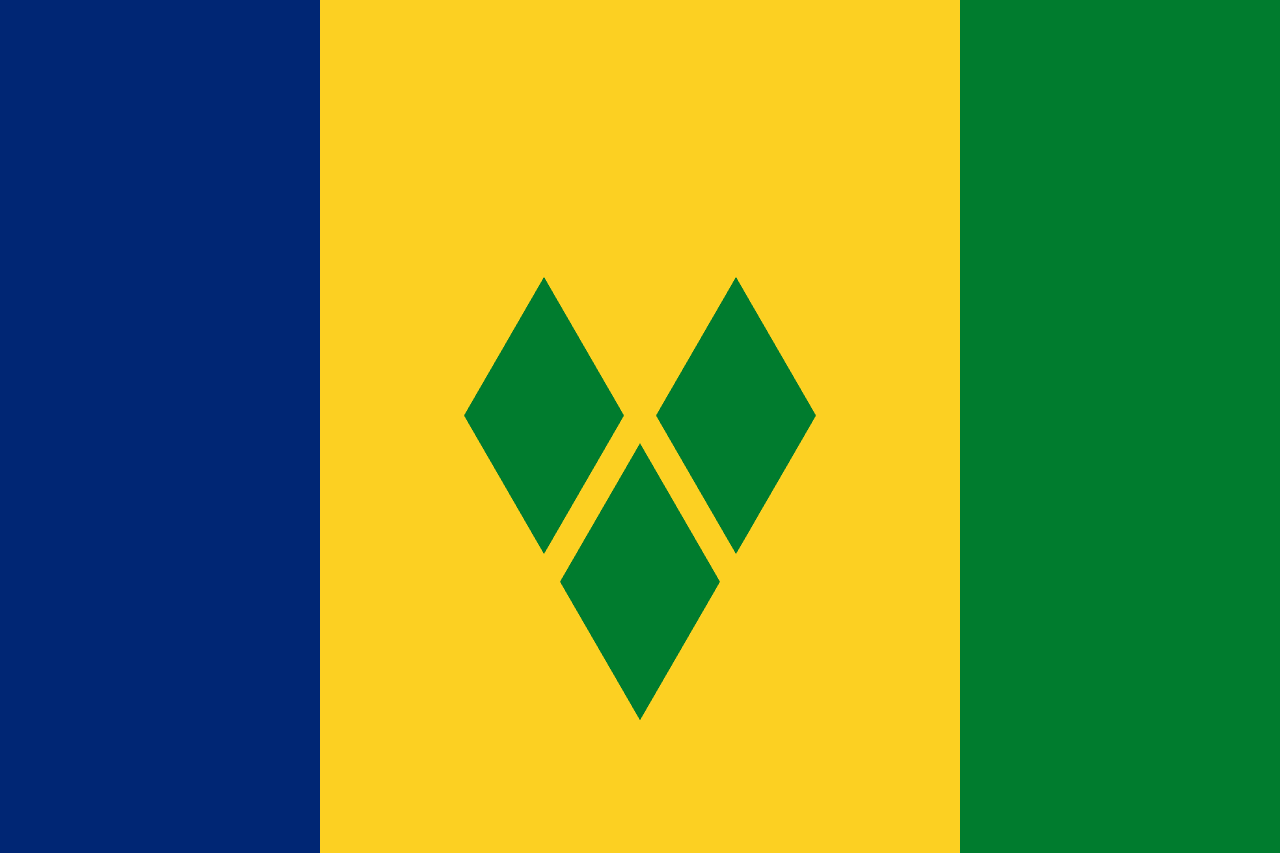
Saint Vincent & the Grenadines
The "Land of the Blessed," known for its rugged volcanic landscape and the fierce resistance of the Garifuna people.
Figures from Saint Vincent & the Grenadines
Historically documented individuals of note.

Chief Joseph Chatoyer
### Introduction Chief Joseph Chatoyer, also known in Garifuna history as Satuyé, is revered as the first National Hero of Saint Vincent and the Grenadines [1]. As a paramount chief of the Garifuna (historically designated by British colonizers as the "Black Caribs"), Chatoyer represents the apex of anti-colonial resistance in the windward Caribbean during the late eighteenth century [2]. His leadership during the First and Second Carib Wars challenged the military might of the British Empire and sought to secure a permanent homeland for a unique ethnic group born of African and Indigenous American synthesis [3]. Chatoyer’s life was defined by his diplomatic sophistication, military ingenuity, and unwavering dedication to the sovereignty of his people [4]. His tragic death on March 14, 1795, marked the beginning of the end for the independent Garifuna nation on Saint Vincent, yet it solidified his legacy as an enduring symbol of liberty and indigenous autonomy across the Caribbean and Central America [5]. ### Origins: The Birth of Yurumein and the Garifuna To understand Chatoyer's rise to prominence, one must examine the socio-cultural landscape of Saint Vincent, known as Yurumein to its original inhabitants [6]. By the seventeenth century, the island had become a sanctuary for two distinct populations: the indigenous Kalinago (Yellow Caribs) and shipwrecked or runaway West African slaves [7]. Over decades, these groups intermarried, shared agricultural techniques, and synthesized their languages and customs, giving birth to the Garifuna, or Black Caribs [8]. They developed a formidable maritime culture, utilizing swift piraguas (dugout canoes) to navigate the turbulent waters of the Grenadines, and established thriving agricultural communities based on the cultivation of cassava, sweet potatoes, and tobacco [9]. The Garifuna occupied the fertile windward side of Saint Vincent, a region characterized by rich volcanic soil and dense tropical rainforests [10]. They fiercely defended their territory against European encroachment, establishing a reputation as formidable warriors. While European empires laid claim to the Caribbean islands, Saint Vincent was formally designated a "neutral" island by the British and French under the Treaty of Aix-la-Chapelle in 1748 [11]. This neutrality, however, was a diplomatic fiction. The British coveted the island's fertile plains for sugarcane cultivation, a crop that demanded vast tracts of land and a large enslaved labor force [12]. ### The Encroachment and the First Carib War (1772–1773) Following the Treaty of Paris in 1763, Great Britain assumed formal control of Saint Vincent and began active attempts to survey the island’s northern plains, where the Garifuna resided [13]. British surveyors, backed by armed military escorts, began cutting roads through Garifuna lands, inciting immediate resistance. Joseph Chatoyer emerged as a prominent diplomatic and military leader during this period [14]. Recognizing that British encroachment threatened the very existence of his people, Chatoyer organized a unified front of Garifuna clans to defend their ancestral territory [15]. The conflict erupted into the First Carib War in 1772. Chatoyer utilized the island's rugged, mountainous interior to conduct a highly effective guerrilla campaign [16]. His warriors, familiar with every ravine and ridge, ambushed British patrols, cut off supply lines, and destroyed colonial outposts [17]. Chatoyer also demonstrated remarkable diplomatic skill. He sent envoys to neighboring Martinique to secure arms and ammunition from the French, who were eager to undermine British colonial authority in the region [18]. The resistance of the Garifuna on Saint Vincent during this era shares deep thematic resonance with other Caribbean anti-colonial struggles, such as the rebellion led by [Bussa](/profiles/bussa) in Barbados, or the fierce autonomous campaigns of [Nanny of the Maroons](/profiles/nanny-maroons) in Jamaica [19]. Just as the Jamaican Maroons had forced the British to sign treaties recognizing their autonomy, Chatoyer's military pressure compelled the British colonial administration to seek a diplomatic resolution [20]. ### The Treaty of 1773: An Uneasy Compromise In February 1773, the British government, weary of a costly and protracted war, signed a peace treaty with Chatoyer and other Garifuna chiefs [21]. This treaty was a historic anomaly; it was one of the few instances in which the British Empire was forced to negotiate a formal peace treaty with a non-white indigenous population in the Caribbean [22]. > "The Black Caribs of St. Vincent were a people whose spirit of independence could not be subdued by the arms of Great Britain." — Bryan Edwards, *The History, Civil and Commercial, of the British Colonies in the West Indies* [23] Under the terms of the treaty, the Garifuna ceded a portion of their land to the British but were granted recognized sovereignty over the northern third of Saint Vincent, extending from the Byera River to Point Espagnol [24]. In return, Chatoyer and his fellow chiefs were forced to take an oath of allegiance to King George III, return runaway slaves who had sought refuge in their territories, and promise not to enter into alliances with foreign powers, particularly France [25].  While the treaty brought a temporary cessation of hostilities, it did not resolve the fundamental conflict. British planters continued to view the fertile Garifuna lands with covetous eyes, and the Garifuna remained deeply suspicious of British intentions. During this period, as figures like [Alexander Hamilton](/profiles/alexander-hamilton) were witnessing the transition of colonial power in the northern Caribbean, Chatoyer was staging a radical, armed defense of sovereignty on the shores of Saint Vincent [26]. ### The Interwar Years and the French Alliance The peace established by the 1773 treaty was fragile. During the American Revolutionary War, the French captured Saint Vincent in 1779 with the active assistance of the Garifuna, who saw the French as a lesser threat than the land-hungry British [27]. However, the Treaty of Versailles in 1783 returned the island to British control, and the colonial administration immediately resumed its policy of containment and encroachment against the Garifuna [28]. Tensions reached a boiling point in the early 1790s with the onset of the French Revolution. French republican agents, led by Victor Hugues from Guadeloupe, sought to destabilize British colonies by inciting rebellions among the enslaved and indigenous populations [29]. Hugues sent emissaries, weapons, and revolutionary propaganda to Saint Vincent, promising French assistance in securing full independence for the Garifuna. Chatoyer, recognizing a strategic opportunity to permanently expel the British, forged a formal military alliance with the French republicans [30]. ### The Second Carib War (1795–1796) and the Rise to Dorsetshire Hill In March 1795, Chatoyer launched a coordinated rebellion that marked the beginning of the Second Carib War, also known as the Garifuna Rebellion [31]. Chatoyer divided his forces into two main divisions: he led the eastern force along the windward coast, while his brother, Duval, led the western force along the leeward coast [32]. The campaign was highly coordinated and initially met with spectacular success. Chatoyer’s forces swept through the British sugar plantations, burning crops, liberating enslaved laborers, and driving the British militia back toward the capital, Kingstown [33]. By mid-March, Chatoyer’s eastern force had united with French republican troops and local French settlers at Dorsetshire Hill, a strategic ridge overlooking Kingstown [34]. From this vantage point, Chatoyer prepared to launch a final assault to capture the capital and reclaim the entire island for the Garifuna [35]. The British administration was in a state of panic, realizing that the fall of Kingstown would mean the loss of the colony [36]. > "I will die before I submit to the British." — Attributed to Chief Joseph Chatoyer during his final stand at Dorsetshire Hill [37]. ### The Death of a Hero: March 14, 1795 On the night of March 14, 1795, the British launched a desperate, pre-emptive counter-attack on Dorsetshire Hill [38]. Led by Major Alexander Leith of the British military forces, a detachment of soldiers climbed the steep slopes under the cover of darkness [39]. In the ensuing melee, Chatoyer was confronted by Leith. According to historical accounts, the two men engaged in hand-to-hand combat, during which Chatoyer was run through and killed [40]. .jpg) The death of Chatoyer was a devastating psychological blow to the Garifuna forces. Although they were numerically superior, the loss of their paramount chief and chief strategist shattered their morale. The British succeeded in retaking Dorsetshire Hill, forcing the Garifuna and French forces to retreat into the interior mountains [41]. ### The Defeat and the Garifuna Diaspora Although Chatoyer’s brother, Duval, continued to lead the resistance, the rebellion gradually lost momentum. In 1796, General Ralph Abercromby arrived in Saint Vincent with a massive force of over 4,000 British troops to crush the rebellion once and for all [42]. The Garifuna were eventually forced to surrender. Determined to prevent any future uprisings, the British colonial government decided to deport the entire Garifuna population from Saint Vincent [43]. Over 4,000 Garifuna men, women, and children were rounded up and transported to the barren, waterless island of Baliceaux in the Grenadines [44]. Deprived of proper food, clean water, and shelter, more than half of the refugees died of yellow fever and malnutrition within a few months [45]. In March 1797, the survivors—approximately 2,000 individuals—were packed onto British transport ships and exiled to the island of Roatán off the coast of Honduras [46]. From Roatán, the Garifuna migrated to the mainland of Central America, establishing vibrant communities along the coasts of Honduras, Belize, Guatemala, and Nicaragua [47]. This forced migration birthed the modern Garifuna diaspora, which continues to preserve its unique language, music, and spiritual traditions to this day [48]. ### Legacy and Historical Assessment For over two centuries, Chief Joseph Chatoyer’s memory was preserved primarily through the oral traditions of the Garifuna diaspora [49]. In Saint Vincent, colonial historians often depicted him as a rebellious instigator. However, with the rise of West Indian nationalism and the decolonization movement in the twentieth century, Chatoyer’s historical legacy was reassessed [50]. This legacy of fierce regional pride would later inspire twentieth-century Caribbean leaders such as [Robert Llewellyn Bradshaw](/profiles/robert-llewellyn-bradshaw) as they fought for labor rights and political independence from the British crown [51]. In later generations, pan-Caribbean intellectuals and activists, including [Marcus Garvey](/profiles/marcus-garvey), would look back at these early indigenous and African-descended resistance movements as foundational pillars of regional self-determination [52]. On March 14, 2002, the parliament of Saint Vincent and the Grenadines passed the National Heroes Act, officially declaring Chief Joseph Chatoyer the country's first National Hero [53]. Today, March 14 is celebrated annually as National Heroes Day, a public holiday marked by wreaths laid at his monument at Dorsetshire Hill and cultural festivals celebrating the indigenous heritage of the island [54]. Chatoyer stands as a towering figure of Caribbean resistance, whose fight for sovereignty remains a source of pride for both Vincentians and the global Garifuna community [55].
View Profile →
Dr. John Parmenas Eustace
Dr. John Parmenas Eustace was born on December 17, 1905, on Mayreau, the smallest inhabited island in the Grenadines chain, which was then a dependency of Saint Vincent [1]. At the turn of the 20th century, the Grenadines were extremely isolated, lacking basic infrastructure, healthcare, and educational facilities [1]. The social and political structure of Saint Vincent and the Grenadines was dominated by the British colonial administration, which operated under a rigid class and color caste system. Secondary education was a highly restricted privilege, open almost exclusively to the children of the white plantocracy, colonial officials, and a few wealthy colored families who could afford the steep fees of the government-run St. Vincent Boys Grammar School and the Girls' High School [2]. Eustace was the son of Reynold Lambert Eustace and Beatrice St. Hilaire Eustace [1]. Despite the isolation of his birthplace, he showed exceptional academic promise from an early age [1]. He moved to Kingstown for his education and, upon completing his schooling, entered the colonial civil service, which was the most prestigious and secure career path available to a young colored Vincentian at the time [2]. However, Eustace soon became deeply troubled by the social inequalities around him, particularly the systematic denial of secondary education to the children of the working class, peasant farmers, and the poor [2].  ### The Founding of the Intermediate School (1926) In 1926, at the young age of 20, Eustace made the bold and controversial decision to resign from his secure civil service position [2]. Guided by a deep sense of Christian duty and a belief that education was a fundamental human right, he set out to establish a new kind of school [2]. Alongside his brother, [Sir Joseph Lambert Eustace](/profiles/joseph-lambert-eustace) (who would later serve as the second Governor-General of Saint Vincent and the Grenadines), he founded the Intermediate School, which would later be renamed the Intermediate High School (IHS) [1]. The Intermediate School was a revolutionary institution. It was the first private, non-governmental secondary school in Saint Vincent, and the first to operate as a co-educational institution [2]. Most importantly, Eustace designed the school to be accessible to everyone, regardless of their race, color, social class, or religious creed [2]. He set the tuition fees as low as possible and actively sought out students from poor and disadvantaged backgrounds who were locked out of the government schools [2]. The early years of the school were marked by extreme financial hardship. Lacking government funding or wealthy backers, Eustace and his brother operated the school on a shoestring budget, often using makeshift classrooms and personal funds to keep the doors open [2]. In 1941, Bertram "Timmy" Richards was appointed principal, a position he would hold for an astonishing 48 years until 1989. Under Richards' long leadership, the school became a pillar of the Vincentian education system, affectionately known by generations of students as the "Timmy School." ### The Canadian Connection and the Emmanuel High Schools In 1936, Eustace married Minnie Hubble, a Canadian missionary who had come to Saint Vincent to engage in evangelical and educational work [1]. The marriage was a true partnership of shared values. Together, Minnie and John Parmenas worked tirelessly to expand educational opportunities and plant churches across the island [1]. In the post-World War II era, the demand for secondary education in Saint Vincent grew rapidly, but government provision remained inadequate. In 1952, Eustace founded his second major secondary school, the Emmanuel High School Kingstown (EHSK) [2]. Like the Intermediate School, EHSK was dedicated to serving the poor and marginalized [2]. It was later renamed the Dr. J. P. Eustace Memorial Secondary School in his honor. Recognizing that rural students faced great difficulties traveling to Kingstown for secondary schooling, Eustace turned his attention to the Marriaqua Valley, a major agricultural region. In 1963, he founded the Emmanuel High School Mesopotamia (EHSM) [1]. This school brought quality secondary education directly to the children of rural farmers [1]. Eustace's daughter, Grace Eustace, who inherited her parents' dedication to education and service, served as the principal of EHSM for many years, guiding the school's growth and ensuring it maintained its strong academic and Christian foundations. > "He did not wait for the government to act; he took the chalk and the Bible in his hands and went to the villages to build the schools that would educate our nation." — A Vincentian tribute to the educational mission of Dr. J.P. Eustace.  ### Healthcare, Religion, and the Christian Brethren Movement Eustace’s contribution to Saint Vincent and the Grenadines was not limited to education. He was also a pioneer in healthcare, becoming the first Vincentian to qualify as an optometrist and optician [3]. In an era when eye care was virtually non-existent for the general public, Eustace opened an optometry practice in Kingstown [3]. He used this practice as a form of social ministry, providing free eye examinations and distributing spectacles free of charge to the poor, the elderly, and the disabled who suffered from vision defects [3]. Eustace's social work was deeply rooted in his evangelical Christian faith [1]. He was a leading figure in the Christian Brethren assembly in Saint Vincent [1]. As a Minister of Religion, he traveled extensively throughout the island, preaching the Gospel and planting numerous churches, Gospel Halls, and chapels, particularly in underserved rural areas [1]. He viewed education, healthcare, and spiritual ministry as interconnected parts of a single mission to uplift the Vincentian people from colonial neglect. ### Academic Brilliance and Linguistic Talents Dr. Eustace was renowned for his intellectual and linguistic capabilities. He was a polyglot who mastered English, Spanish, French, Latin, Greek, and Hebrew [3]. He personally taught these languages to his students, demonstrating that children from humble backgrounds could achieve the highest levels of academic and intellectual excellence [3]. His teaching methods emphasized character development, self-discipline, and a love of learning, inspiring generations of Vincentians who would go on to hold prominent positions in government, medicine, law, and education both at home and abroad. ### Legacy and the National Hero Status Dr. John Parmenas Eustace passed away on November 1, 1989, leaving behind a monumental legacy [1]. Through the schools he founded, he had democratized secondary education in Saint Vincent and the Grenadines long before the government adopted the policy of universal secondary education [2]. His work broke the class and color barriers that had defined the colonial education system, enabling thousands of working-class Vincentians to achieve social mobility and contribute to the development of their country [2]. In recent decades, there has been a growing movement in Saint Vincent and the Grenadines to formally recognize Dr. Eustace as a National Hero. Politicians, educators, and social commentators, including former minister Luke Browne, have actively advocated for his elevation to this status alongside Paramount Chief [Joseph Chatoyer](/profiles/joseph-chatoyer) [1]. Today, Dr. Eustace is celebrated as the "Father of the Education Revolution," a visionary whose life of selfless service in education, healthcare, and religion transformed the social landscape of his nation.
View Profile →Ellsworth "Shake" Keane
### Introduction Ellsworth McGranahan "Shake" Keane was a rare and brilliant polymath of the twentieth-century Caribbean diaspora, achieving international renown both as a pioneering jazz trumpeter and flugelhornist and as an award-winning poet. Born in St. Vincent and the Grenadines, Keane’s creative journey was characterized by migration and a relentless crossing of boundaries. He moved from the colonial Caribbean to postwar London, toured the concert halls of West Germany, returned home to help shape his newly independent nation, and spent his final years in the quiet landscapes of Norway. In the musical realm, Keane was a key architect of the Joe Harriott Quintet, the group that introduced European free-form jazz in the early 1960s. In literature, his poetry merged the vernacular rhythms of the West Indies with the improvisational freedom of jazz, culminating in his 1979 Casa de las Américas Prize-winning collection, *One a Week with Water*. Throughout his life, Keane struggled with the displacement of the migrant, the indifference of political regimes, and the difficult task of balancing two demanding creative callings.  ### Early Life and Nickname in Kingstown Ellsworth Keane was born in Kingstown, the capital of St. Vincent, on May 30, 1927. He grew up in an environment where music and language were deeply valued. His father, Charles Keane, was a prominent local musician who taught Ellsworth and his brothers to play brass instruments. The young Ellsworth showed an immediate aptitude for the trumpet, performing publicly by the age of six and leading a family band with his brothers by fourteen. St. Vincent in the 1930s and 1940s was a British crown colony, heavily reliant on sugar and arrowroot production, and deeply marked by colonial stratification. In this environment, Keane found an escape in literature, particularly the works of William Shakespeare. He read the plays voraciously and would frequently recite passages to his classmates, a habit that earned him the nickname "Shake." While some childhood friends claimed the moniker also referred to his love of chocolate milkshakes, it was his theatrical command of language that defined his early years [1]. Before he left the island, Keane had already begun publishing poetry, releasing two pamphlets, *L'Oubli* (1950) and *Ixion* (1952), which showed a sophisticated command of classical forms and modernist themes. ### The London Years: Literature, BBC, and Jazz In 1952, Keane joined the historic migration of West Indian intellectuals to the United Kingdom, arriving in London with plans to study English literature at the University of London. He quickly became a vital presence in the Caribbean expatriate literary circle. He worked closely with producer [Henry Swanzy](/profiles/henry-swanzy) on the BBC’s ground-breaking radio program *Caribbean Voices*, which served as a crucial launchpad for writers like [George Lamming](/profiles/george-lamming), [Kamau Brathwaite](/profiles/kamau-brathwaite), and [Derek Walcott](/profiles/derek-walcott). Keane read his own poetry, reviewed the work of others, and conducted interviews, helping to foster a distinct West Indian literary identity in exile. To support himself, Keane played trumpet in London’s jazz clubs, moving from traditional swing to the complex rhythms of bebop. In 1959, he joined the quintet led by the Jamaican alto saxophonist [Joe Harriott](/profiles/joe-harriott). Between 1960 and 1965, this group recorded a series of albums—*Free Form* (1960), *Abstract* (1962), and *Movement* (1963)—that pioneered European free jazz. Working alongside Harriott and bassist [Coleridge Goode](/profiles/coleridge-goode), Keane developed a highly personal voice on the trumpet and flugelhorn. Rather than relying on standard chord progressions, the quintet focused on collective improvisation, texture, and emotional expression. > "Shake Keane was a musician of rare lyricism. His flugelhorn had a warm, vocal quality that brought a poetic depth to Joe Harriott's abstract compositions." [2] Keane’s choice of the flugelhorn was significant; its wider bore produced a darker, rounder, and more burnished tone than the trumpet, which suited his lyrical, narrative approach to improvisation. His playing was a musical extension of his poetry, marked by sudden shifts in mood, humor, and a deep, blues-inflected Caribbean sensibility. ### The European Continental Phase: Germany In 1965, as the London jazz scene shifted under the influence of rock and roll, the Joe Harriott Quintet disbanded. Keane relocated to Cologne, Germany, accepting a position as a featured soloist with the Kurt Edelhagen Radio Orchestra. Edelhagen’s big band was one of the most prestigious jazz orchestras in Europe, and Keane spent seven years there, enjoying financial stability and professional respect that had been hard to come by in London. Despite the comfortable life in Germany, Keane felt increasingly isolated from his literary roots. He continued to write poetry, but the lack of an English-speaking literary community left him feeling detached. He began to yearn for a return to the Caribbean, hoping to contribute to the cultural development of his homeland, which was moving toward independence from Britain. ### Return to St. Vincent and the Crisis of Culture In 1972, the Premier of St. Vincent, [James Mitchell](/profiles/james-mitchell) (later Sir James Mitchell), invited Keane to return to the island to serve as its first Director of Culture. Keane accepted the post with enthusiasm, envisioning a comprehensive cultural program that would document Vincentian folklore, establish community libraries, and integrate the arts into the national school curriculum.  However, Keane's return was marred by political division. In 1974, a political shift brought [Milton Cato](/profiles/milton-cato) to power as Premier. The Cato administration had little interest in Keane's progressive cultural policies, viewing them with suspicion. Keane found himself caught in bureaucratic battles, his funding slashed, and his initiatives blocked. The situation reached a crisis during the teacher strikes and civil unrest of the late 1970s. Keane, who sympathized with the strikers, became a target of government disapproval. In 1975, he resigned from his post, disillusioned by the political hostility. > "A poet in a political office is like a trumpet player in a library—eventually, someone is going to tell you to make less noise." [3] Despite this heartbreak, the late 1970s was a period of intense artistic output for Keane. Following the catastrophic eruption of the La Soufrière volcano in April 1979, he wrote *The Volcano Suite*, a cycle of five poems that captured the raw power of the eruption and the resilience of the Vincentian people. That same year, his poetry collection *One a Week with Water* won the prestigious Casa de las Américas Prize in Havana, Cuba, a major triumph that recognized his unique blending of standard English, West Indian nation language, and jazz rhythms. ### Final Years: New York, Norway, and Legacy Unable to sustain himself financially or creatively in St. Vincent, Keane left the island in 1981, moving first to New York. In the late 1980s, seeking a quieter environment, he relocated to Norway, settling in Bergen and later Oslo. In Norway, Keane was embraced by the local jazz community, performing frequently and teaching young musicians. He continued to write, though his work remained largely unpublished during this period. In 1997, Keane was diagnosed with stomach cancer. He died in a hospital in Oslo on November 10, 1997, at the age of seventy. In accordance with his wishes, his remains were returned to St. Vincent and buried in the churchyard of St. George's Cathedral in Kingstown, returning him to the landscape that had shaped his earliest songs. Today, Shake Keane is recognized as a vital figure in Caribbean modernist poetry and a pioneer of global jazz. His biographer, Philip Nanton, has helped restore his literary reputation through the biography *Riff: The Shake Keane Story* (2021), illustrating how Keane's life reflected the challenges and the creative triumphs of the Windrush generation.
View Profile →Elma Francois
### Early Life: A Daughter of the Soil Elma Francois was born on **October 14, 1897**, in the village of Overland, St. Vincent, in the heart of the Windward Islands. She entered the world as a child of the soil — her parents were agricultural laborers, and her earliest years were defined by the grinding poverty that shaped the lives of most Afro-Caribbean working people in the twilight of the Victorian era. St. Vincent was a British Crown Colony where the plantation economy had long since calcified into an immovable system of racial and economic hierarchy, one that dispensed cruelty to its laborers with bureaucratic efficiency. From a young age, Elma was put to work picking cotton and toiling in the sugar factories, the same brutal routines that had claimed the bodies and spirits of generations before her. Yet something distinguished her almost immediately: she refused to accept the logic of exploitation as a natural order. As a teenager, she made her first attempt at labor organizing, rallying her fellow factory workers to demand better conditions. The response from management was swift and predictable — she was dismissed from her job. That early sacking would prove to be the first of many acts of institutional retaliation she would face throughout her life, and each time, rather than retreat, she advanced [1][2]. In **1919**, at the age of twenty-two, Francois made the fateful decision to migrate to Trinidad and Tobago, leaving behind her young son Conrad in the care of her mother. She arrived in Port of Spain with little more than her resolve, initially finding work as a domestic servant and washerwoman in the colony's bustling capital. It was grinding, invisible labor — the kind historically performed by Black women across the Caribbean and treated as something less than work — but Port of Spain also offered something St. Vincent could not: a world in ferment [3].  *Historical map of Trinidad and Tobago from the late nineteenth century, the colonial landscape Elma Francois would come to challenge.* ### Finding Her Politics: The World of Colonial Port of Spain Trinidad in the 1920s was alive with competing ideologies. The Pan-African ideas of Marcus Garvey circulated through the streets and barber shops of Laventille. The labor movement — led by figures like **Captain Arthur Cipriani**, who helmed the Trinidad Workingmen's Association (TWA) — was gaining political momentum, even if it operated largely within a reformist, constitutionalist framework. The influence of international communism and socialism was filtering into the colony through pamphlets, newspapers, and the testimony of returning sailors and students [4]. Francois threw herself into this world with ferocious energy. She joined the TWA and educated herself voraciously, reading every political text she could obtain. Contemporaries recalled her holding **"rap sessions" by candlelight** in public squares across Port of Spain, drawing together workers, the unemployed, and the curious, and speaking to them in the vivid, unadorned language of the street rather than the studied cadences of the educated class. She was known simply as **"Comrade Francois,"** and there was no irony in the title — she was, in every sense, a comrade to those who came to listen [5][6]. She eventually concluded that the TWA's reformist approach was insufficient to address the structural violence of colonialism. Francois began gravitating toward Marxist analysis, which she synthesized with a fierce Afro-Caribbean consciousness. By the early 1930s, the Great Depression had devastated the economies of the British West Indies. Unemployment was catastrophic. Workers in the oilfields of southern Trinidad, the sugar estates of central Trinidad, and the docks of Port of Spain were living in conditions of desperate precarity [7]. ### Building the Movement: NUM and NWCSA In **1934**, Elma Francois and her partner James (Jim) Barrette co-founded the **National Unemployed Movement (NUM)**, one of the first organizations in the Caribbean to explicitly advocate for the rights of the unemployed as a distinct political constituency. The NUM organized marches, submitted petitions to the colonial government, and created mutual aid networks for those who had been cast aside by the collapsing economy. Building on this foundation, in **1935**, Francois and her allies founded the **Negro Welfare Cultural and Social Association (NWCSA)**, a boldly Marxist-oriented organization that took a wider view of liberation. The NWCSA's ideology was grounded in Black internationalism — the belief that the struggle of African-descended workers in Trinidad was connected to the struggles of Black people across the globe. When Italy invaded Ethiopia (Abyssinia) in 1935, the NWCSA was at the forefront of local protests, connecting the colonial violence in Africa to the colonial violence in Trinidad. Crucially, despite its name, the NWCSA maintained an interracial membership that welcomed Indian and Chinese workers, reflecting Francois's belief that class solidarity had to transcend racial lines [7][8]. The NWCSA also played a pivotal role in building the formal labor movement in Trinidad. The organization helped to establish and grow trade unions including the **Federated Workers Trade Union** and the **Seamen and Waterfront Workers Trade Union**, institutions that would underpin workers' bargaining power for decades to come [3]. > *"Elma Francois was not just a labor organizer. She was an ideologist, a strategist, and a moral force — one of the most significant political intellects the Caribbean produced in the twentieth century."* ### The 1937 Sedition Trial: A Woman Alone Before the Law The defining moment of Elma Francois's public life came in the wake of what historians call the **"Butler Riots"** of 1937 — a series of explosive labor uprisings ignited by oil worker and labor agitator [Tubal Uriah "Buzz" Butler](/profiles/tubal-uriah-buzz-butler). Beginning in the southern oilfields, the strikes and disturbances swept across Trinidad during the summer of 1937, terrifying the colonial administration and forcing it into confrontation with the labor movement it had long tried to co-opt or suppress. The authorities moved swiftly to decapitate the movement's leadership. Elma Francois was arrested and charged with **sedition** — specifically, for her fiery speeches and her organizing work with the NWCSA. She thus became the **first woman in the history of Trinidad and Tobago to be charged with sedition**, a milestone that carried the full weight of colonial judicial violence behind it [1][2]. What happened next astonished even her allies. Francois declined to retain a lawyer, choosing instead to defend herself in court. The sedition trials ran from **October 1937 through February 1938**, playing out before a jury composed entirely of men. Francois took the stand in her own defense and spoke with an eloquence and intelligence that belied the colonial assumption that a Black working-class woman from St. Vincent could not match wits with the Crown. She dissected the charges against her, questioned the legitimacy of the laws she was accused of breaking, and turned the courtroom into a platform for her broader political views. The jury returned a verdict of **not guilty**. The acquittal was a sensation — a historic triumph not only for Francois personally, but for the labor movement, for Black women in the Caribbean, and for all those who had dared to challenge colonial authority on its own terrain [4][9].  ### The Final Years and the Anti-War Stance In the years following her acquittal, Francois continued to organize, though the colonial government remained watchful. When World War II erupted, she took a position that again set her apart from the mainstream: she vocally opposed the conscription and voluntary enlistment of Black men into the British armed forces. Her argument was pointed and principled — why should Black people, who were subjected to systematic racial discrimination within the British Empire, be expected to lay down their lives for a Crown that did not recognize their full humanity? It was a position that drew fierce criticism but also articulated a logic that would resonate across the Caribbean and the broader African diaspora [1][2]. Elma Francois died on **April 17, 1944**, at the age of forty-six, from complications arising from a thyroid condition. She had spent nearly three decades fighting, organizing, writing, speaking, and sacrificing for a vision of a world without exploitation or racial hierarchy — and she died without seeing that world arrive. ### Legacy: National Heroine In **1987**, the government of Trinidad and Tobago officially declared Elma Francois a **National Heroine** of the Republic — one of only a handful of women to be accorded that distinction. The recognition came more than four decades after her death, a reflection both of how long it can take for history to acknowledge its most radical figures and of the enduring power of the movement she helped build. Today, the **Elma Francois Institute** at the Cipriani College of Labour and Cooperative Studies bears her name, a fitting tribute to a woman who believed that education and political consciousness were weapons of liberation. Streets, community centers, and cultural events in Trinidad and Tobago continue to invoke her memory. She stands as an enduring symbol of the inseparable connections between the struggles for labor rights, racial justice, women's liberation, and anti-colonial sovereignty in the Caribbean [5][6]. > *"She was one of those rare human beings who never separated the personal from the political. Every wash she took in, every meeting she attended, every speech she gave was an act of resistance."*
View Profile →George Augustus McIntosh
George Augustus McIntosh was born on March 6, 1886, in Kingstown, the capital of Saint Vincent and the Grenadines. At the time, Saint Vincent was a crown colony under the British Windward Islands administration. The social structure of the island was highly stratified, with a small white plantocracy owning the vast majority of arable land, a colored middle class seeking political reforms but excluded from power, and a large black working class consisting of impoverished estate laborers, peasant farmers, and urban workers [1]. This social inequality was exacerbated by the decline of the sugar industry and the devastating eruption of the La Soufrière volcano in 1902, which displaced thousands and caused widespread economic ruin [1]. Growing up in this environment, McIntosh was the son of Donald McIntosh, a Scottish immigrant, and Charlotte Glasgow, a Vincentian woman [1]. His mixed heritage placed him within the rising colored middle class, but his life’s work would be defined by his solidarity with the poor [1]. At the age of 17, McIntosh began working as a trainee pharmacist at the Kingstown General Hospital, which would later be renamed the [Milton Cato](/profiles/milton-cato) Memorial Hospital in honor of the island’s first prime minister. Under the tutelage of colonial medical officers, McIntosh acquired a deep knowledge of pharmacology and medicine, receiving his official certification as a pharmacist in 1909 [1]. After a brief period working in Grenada, he returned to Saint Vincent to establish his own business on Middle Street in Kingstown [1].  ### The Middle Street Pharmacy as a Political Cradle McIntosh’s pharmacy, known simply as "McIntosh's Drug Store," quickly became much more than a commercial enterprise [1]. Located near the bustling Kingstown market square, it served as a vital community hub and a sanctuary for the poor [1]. During the early 20th century, healthcare was a luxury that the vast majority of Vincentians could not afford. McIntosh frequently provided free medical consultations, diagnosed ailments, and prepared affordable, low-cost remedies or even gave them away free of charge to those in desperate need [1]. Through these interactions, McIntosh developed a profound understanding of the deep-seated grievances, economic exploitation, and absolute lack of political representation facing the Vincentian working class [1]. To combat the high levels of illiteracy and build political awareness, McIntosh placed a large blackboard outside his shop [1]. Each day, he wrote summaries of local and international news, explained legislative developments, and educated the public on their rights. The pharmacy became a cradle of political consciousness, where laborers gathered to discuss their struggles and learn about the wider world. ### Representative Government and Early Activism (1919–1934) In 1919, McIntosh co-founded the Saint Vincent Representative Government Association (RGA) alongside other prominent members of the colored middle class [1]. The RGA campaigned vigorously against the autocratic Crown Colony system, advocating for the reintroduction of elected representation in the Legislative Council, which had been abolished in the late 19th century [1]. Their efforts culminated in the 1925 constitution, which allowed for a limited number of elected seats in the legislature, though the franchise remained heavily restricted to wealthy property owners [1]. McIntosh also turned his attention to municipal politics. He was elected to the Kingstown Board (the local town council) and served as its chairman for ten terms [1]. On the board, he fought for urban improvements, sanitation, public markets, and better housing for Kingstown’s working-class residents. His municipal work demonstrated his practical administrative abilities and solidified his reputation as a dedicated public servant who could bridge the gap between the middle class and the laboring masses. ### The Watershed of 1935: Riots, Arrest, and Treason Trial The year 1935 marked a turning point in the history of Saint Vincent and the wider Caribbean. The Great Depression had devastated the regional economy, leading to mass unemployment, plummeting wages, and extreme poverty [2]. Despite these conditions, the colonial administration under Administrator Arthur Francis Grimble and the Governor of the Windward Islands, Sir Selwyn MacGregor Grier, decided to introduce a series of new tax measures in the Legislative Council [2]. These included increased customs duties on essential goods such as matches, food, and clothing, which would disproportionately affect the poorest Vincentians [2]. On October 21, 1935, a large, angry crowd of working-class Vincentians gathered outside the Court House in Kingstown, where the Legislative Council was meeting to approve the taxes [2]. The demonstrators demanded to speak with Governor Grier or Administrator Grimble to voice their grievances [2]. When the authorities refused to meet them and dismissed their concerns, the situation escalated into civil unrest [2]. Protesters forced their way into the courthouse yard, and riots broke out in Kingstown and spread to rural areas, with laborers striking on estates and blocking roads [2]. Because of his reputation as a trusted advocate, the crowds turned to McIntosh, urging him to act as their representative [2]. McIntosh went to the Court House to mediate between the demonstrators and the colonial officials, attempting to defuse the violence by conveying the people’s demands for tax relief and land reform [2]. However, the colonial authorities, alarmed by the scale of the uprising, interpreted his mediation as instigation. On November 11, 1935, McIntosh was arrested and charged with treason-felony, a capital offense [2]. His trial, which took place from December 5 to December 11, 1935, became a sensation [2]. The colonial prosecution attempted to paint McIntosh as the mastermind behind a communist conspiracy to overthrow the government. However, the defense successfully demonstrated that McIntosh had acted solely as a peaceful mediator trying to prevent bloodshed [2]. The trial ended abruptly when the presiding magistrate dismissed all charges, concluding that there was no credible evidence to justify the case [2]. McIntosh’s acquittal was met with massive public celebrations in the streets of Kingstown. He emerged from the ordeal as a national hero and the undisputed leader of the working class. > "He is the father of our modern political consciousness, the man who stood in the dock for the working people of Saint Vincent when the colonial authorities sought to crush their spirits." — Historical Vincentian perspective on the 1935 trial.  ### The Workingmen's Cooperative Association and Legislative Dominance Recognizing the need for a structured organization to channel the newly awakened political consciousness of the working class, McIntosh founded the Saint Vincent Workingmen’s Cooperative Association (SVWCA) in early 1936 [2]. The SVWCA was a unique institution, combining the functions of a cooperative society, a trade union, and a political party [2]. This structure was designed to bypass the legal restrictions on trade unions in the colony at the time. Under McIntosh’s leadership, the SVWCA organized estate workers, dockworkers, and peasant farmers. In the 1937 Legislative Council elections—the first held under a slightly expanded franchise—the SVWCA contested five elected seats and won all of them, securing a majority of the elected members [2]. For the next fourteen years, McIntosh and his association dominated the Legislative Council, using their platform to push for sweeping social and economic reforms. ### Social Reform, Religious Freedom, and Regional Alliances During his tenure in the Legislative Council, McIntosh championed numerous causes that laid the foundation for the modern Vincentian state [1]. He was instrumental in passing the Workingmen’s Compensation Act, establishing land settlement schemes that purchased large estates to be subdivided and sold to peasant farmers, and advocating for civil service salary reforms. He also campaigned for educational improvements, including compulsory primary education and the creation of an agricultural school [1]. One of McIntosh’s most enduring achievements was his defense of the Spiritual Baptists, a religious group popularly known as "Shakers" [1]. The Shakerism Prohibition Ordinance of 1912 had banned the religion, reflecting the colonial authorities' and established churches' prejudice against African-derived religious practices [1]. McIntosh fought tirelessly against this discrimination. In 1939, he introduced a motion in the Legislative Council calling on the government to define "Shakerism" and provide a right of appeal for those convicted under the ordinance [1]. His advocacy began the long struggle that eventually led to the repeal of the ban in 1965. McIntosh also recognized that the struggles of Vincentian workers were part of a broader regional movement. He was a founding member of the Caribbean Labour Congress (CLC) in 1945, working alongside other pioneering Caribbean leaders such as [Robert Llewellyn Bradshaw](/profiles/robert-llewellyn-bradshaw) of Saint Kitts, [Grantley Adams](/profiles/grantley-adams) of Barbados, [Norman Manley](/profiles/norman-manley) of Jamaica, and [Tubal Uriah "Buzz" Butler](/profiles/tubal-uriah-buzz-butler) of Trinidad and Tobago. He advocated for a West Indian Federation and regional self-government, believing that the Caribbean islands could only achieve true independence through unity. ### Suffrage, Decline, and Legacy The introduction of universal adult suffrage in 1951 transformed the political landscape of Saint Vincent. While McIntosh had spent decades campaigning for the right of every Vincentian to vote, the new electorate was larger and more radical than the old one. In the 1951 elections, the SVWCA was swept aside by the rise of the political firebrand [Ebenezer Joshua](/profiles/ebenezer-joshua) and his Eight Army of Liberation, which later became the People's Political Party (PPP). Joshua's populist rhetoric and direct appeal to agricultural workers resonated more strongly with the newly enfranchised masses, and the SVWCA lost all its seats. Following this defeat, McIntosh retired from active politics, returning to his pharmacy and his local community work. He passed away on November 1, 1963. Today, George Augustus McIntosh is recognized as the "Father of Trade Unionism" and a pioneer of democracy in Saint Vincent and the Grenadines. Although the country’s sole official National Hero remains Paramount Chief [Joseph Chatoyer](/profiles/joseph-chatoyer), there is a strong and persistent movement in Vincentian society to elevate McIntosh to the same status in recognition of his role in forging the nation's political consciousness.
View Profile →
Hugh Mulzac
### Introduction Hugh Nathaniel Mulzac (1886–1971) stands as a monumental figure in maritime history and the civil rights movement, forever remembered as the first African-American to command a ship in the United States Merchant Marine. Born in the small, sun-drenched outpost of Union Island in Saint Vincent and the Grenadines, his life was defined by the sea and a relentless, decades-long battle against the entrenched systemic racism of the early-to-mid 20th century [1]. Mulzac's journey from a young Caribbean islander with nautical ambitions to the historic captain of the *SS Booker T. Washington* during World War II is a testament to extraordinary resilience. Beyond his pioneering achievements on the water, Mulzac was a fierce labor activist, a staunch advocate for integrated workplaces, and a man who famously refused to command a segregated "Jim Crow" vessel, forcing the U.S. government to change its policies during a critical global conflict [2].  ### Early Life and Caribbean Roots Hugh Mulzac was born on March 26, 1886, on Union Island, a small landmass in the Grenadines archipelago, which was then a part of the British colony of Saint Vincent. Growing up surrounded by the Caribbean Sea, the ocean was an inescapable reality and a natural calling for the young Mulzac. The maritime traditions of the West Indies ran deep in his community, where inter-island trading and boat-building were ways of life. His grandfather had been a shipwright, and his father was a planter who managed an estate, but it was the sea that captured Mulzac's imagination. He received his early education on Saint Vincent, completing high school there [3]. The British colonial education system provided a strict foundation, but Mulzac knew that his future lay beyond the shores of his home island. Driven by a desire to see the world and master the intricacies of navigation, he went to sea shortly after finishing his secondary education. His early years were spent serving as an ordinary seaman on British merchant vessels, learning the ropes of seamanship the hard way—through grueling physical labor, long voyages across turbulent oceans, and the strict hierarchy of shipboard life. ### Nautical Education and World War I Recognizing that ambition alone would not secure him the command he desired, Mulzac sought formal education to back up his practical experience. He traveled to the United Kingdom and enrolled in the Nautical School in Swansea, Wales [4]. This was a significant achievement for a young Black man from the Caribbean at the turn of the century. At Swansea, he mastered navigation, maritime law, and ship management, eventually earning his mate's license. When World War I erupted, Mulzac put his skills to use, serving as a ship's officer on both British and American vessels. He braved the treacherous, U-boat-infested waters of the Atlantic, delivering vital supplies to the Allied war effort. It was during this period that he became intimately familiar with the American maritime industry, eventually choosing to immigrate to the United States. He became a naturalized U.S. citizen in 1918, hoping that the "Land of Opportunity" would allow him to realize his ultimate dream: commanding his own ocean-going vessel [1]. ### The Jim Crow Merchant Marine In 1920, Mulzac made history by becoming the first African American to pass the rigorous United States shipping master’s examination [2]. Earning his Master's license meant he was legally and professionally qualified to command any vessel on the ocean. However, he quickly ran head-first into the brutal reality of America's racial caste system. The U.S. maritime industry was deeply segregated, and the unwritten rule of the sea was that a Black man could not command a white crew. Despite holding the highest possible certification, shipping companies outright refused to hire Mulzac as a captain or even as a mate. For over two decades, he was humiliatingly forced to work below his qualifications, primarily finding employment in the steward’s department—working as a cook or a chief steward [4]. It was a crushing blow to a man who had dedicated his life to mastering navigation, yet he refused to leave the sea. He endured the indignity, biding his time and fighting for better conditions as an early and active member of the National Maritime Union, advocating for the rights of all sailors, regardless of race. ### The Black Star Line and [Marcus Garvey](/profiles/marcus-garvey) During this frustrating period, Mulzac found a brief glimmer of hope in the Black nationalist movement led by [Marcus Garvey](/profiles/marcus-garvey). Garvey’s Universal Negro Improvement Association (UNIA) had launched the Black Star Line, an ambitious shipping venture intended to facilitate global trade among Black nations and transport passengers to Africa. To Mulzac, a Black-owned shipping line seemed like the perfect opportunity to finally exercise his command credentials. In 1920, Mulzac joined the Black Star Line and was appointed chief officer on the *SS Yarmouth*, one of the line's prominent vessels [5]. However, the dream quickly soured. Mulzac was a seasoned, highly trained mariner, and he was deeply dismayed by the poor management, financial mismanagement, and lack of maritime expertise among the Black Star Line's leadership. He realized that the enterprise was being run by political opportunists rather than experienced shipping professionals. Unwilling to compromise his professional standards, Mulzac resigned from the UNIA in 1921, later writing critical assessments of the venture's inevitable failure [6]. ### World War II and the SS Booker T. Washington The onset of World War II dramatically shifted the landscape of the American maritime industry. The U.S. required a massive fleet to transport troops and supplies across the globe, leading to the rapid construction of "Liberty ships." The demand for experienced mariners skyrocketed. In 1942, at the age of 56, Mulzac's moment finally arrived. The U.S. Maritime Commission offered him the command of the *SS Booker T. Washington*, the very first Liberty ship named in honor of an African American, [Booker T. Washington](/profiles/booker-t-washington) [1]. However, the offer came with an insulting caveat: the commission intended for the ship to have an all-Black crew, strictly adhering to military segregation policies. Mulzac, a lifelong integrationist and union man, firmly rejected the condition. He knew that accepting a segregated ship would only reinforce the racist notion that Black and white sailors could not work together. > "Under no circumstances will I command a Jim Crow ship," Mulzac boldly declared to the government officials. "Everything I had been fighting for all my life was at stake... I could not accept the command of the Booker T. Washington if she was to be manned by a segregated crew." [2] His principled stand sparked a tense standoff, but with the backing of the NAACP, powerful labor unions, and a desperate need for captains, the Maritime Commission caved. Mulzac was granted an integrated crew, representing over a dozen nationalities and multiple races, all working harmoniously under his command.  Between 1942 and 1947, Captain Mulzac led the *Booker T. Washington* on 22 highly successful round-trip voyages. He transported approximately 18,000 soldiers and critical armaments to the European and Pacific theaters [4]. Despite facing the constant threat of Nazi U-boats and navigating treacherous war zones, Mulzac never lost a single crew member or passenger, proving definitively that an integrated crew led by a Black captain could operate with supreme excellence. ### The McCarthy Era and Blacklisting Mulzac returned from World War II a decorated hero, but his triumph was short-lived. Following the war, the U.S. shipping industry reverted to its discriminatory practices. Private commercial vessels once again refused to hire him as a master, stripping him of the command he had so valiantly exercised during the global crisis [3]. To make matters worse, the post-war period ushered in the Red Scare and the McCarthy era. Mulzac’s radical past, his lifelong dedication to militant labor unions, and his outspoken socialist political views made him a prime target for the U.S. government's anti-communist witch hunts. In 1950, citing national security concerns, the Coast Guard revoked his seaman’s papers and his master’s license, effectively blacklisting him from the industry he had dedicated his life to [4]. For a decade, Mulzac was grounded, forced to take odd jobs to survive while enduring immense political persecution. Yet, just as he had fought the shipping bosses, he fought the federal government. He engaged in a grueling 15-year legal battle to clear his name. Finally, in 1960, a federal judge ruled that the revocation of his license was unconstitutional, and his credentials were fully restored [7]. ### Later Years and Legacy At the age of 74, Mulzac briefly returned to the sea, working as a night mate—a quiet end to a tumultuous career. In 1963, he published his autobiography, *A Star to Steer By*, a powerful memoir detailing his battles against the dual evils of racial capitalism and Jim Crow segregation. The book remains a seminal text in maritime and African-American history [8]. Hugh Mulzac passed away in New York in 1971 at the age of 84. He left behind a legacy that transcended the ocean. By refusing to compromise his dignity and demanding equality on the decks of the *SS Booker T. Washington*, he struck a massive blow against institutional racism. He proved that excellence knows no color line, and his courage paved the way for generations of minority mariners who followed in his wake. Today, Mulzac is celebrated not just as a master mariner from the Grenadines, but as a towering pioneer of the civil rights movement.
View Profile →Norma Keizer
### Introduction Norma Keizer (née Ince), who lived from May 10, 1934, to February 19, 2013, was a pioneering Vincentian educator, community leader, and journalist who left an indelible mark on the social, educational, and media landscapes of Saint Vincent and the Grenadines [1][2]. Over a career spanning more than five decades, Keizer transitioned from a legendary, transformative headmistress at the country's premier girls' secondary school to the founding managing editor of the *Searchlight* newspaper, one of the nation's most respected independent publications [1][3]. Her life's work was dedicated to the dual missions of intellectual empowerment and civic transparency [3]. Guided by an unwavering commitment to social justice, regional identity, and journalistic integrity, Keizer nurtured generations of Vincentian leaders and helped construct a robust, independent press that remains a cornerstone of the nation's democracy today [3][4].  ### St. Vincent in the Mid-Twentieth Century: A Social Landscape To understand Norma Keizer's trajectory, one must examine the socio-political environment of Saint Vincent during her youth in the 1930s and 1940s. At the time, the island was a British Crown Colony characterized by sharp class divisions and limited educational opportunities, particularly for women and working-class families [1]. Secondary education was a privilege reserved for the colonial elite or those few who could secure highly competitive scholarships [1]. The political landscape was beginning to shift as local leaders like [Ebenezer Joshua](/profiles/ebenezer-joshua) and later [Milton Cato](/profiles/milton-cato) began organizing labor movements and advocating for self-governance. It was in this climate of emerging national consciousness that Keizer grew up, developing a deep belief that education was the most powerful instrument for social mobility and national development [1]. ### Childhood and Family Background in Kingstown Born on May 10, 1934, in the capital city of Kingstown, Norma Ince was the daughter of Agatha Seaton and George Ince [1][4]. From her earliest years, she demonstrated an exceptional intellect and an insatiable appetite for learning [1]. She received her primary education at the Hope Methodist School and the Kingstown Methodist School [1][3]. In 1948, her academic excellence was recognized when she was awarded the prestigious Kingstown Town Board Scholarship to attend the St. Vincent Girls’ High School (GHS), an elite institution established in 1911 to educate the young women of the colony [1][3]. At GHS, Keizer excelled across all disciplines, proving herself to be a trailblazing student in a system designed to limit local advancement [1]. ### Academic Triumph and Higher Education In 1951, Keizer achieved a historic academic milestone [1]. She, along with classmate double-scholar, became one of the first two female students in Saint Vincent and the Grenadines to be awarded a First Division School Certificate [1][3]. This achievement broke barriers for Vincentian women, proving their intellectual capabilities on par with any in the British Empire [1]. In 1953, she earned a Higher School Certificate [1][3]. Armed with these credentials, she began studying for a Bachelor of Arts degree from the University of London as an external student, balancing her studies with early teaching duties [1][3]. She later attended the University of the West Indies (Mona Campus) in Jamaica, where she completed her Bachelor of Arts (General) degree [1][3]. To further her professional qualifications, she traveled to the United Kingdom, earning a Post Graduate Certificate in Education from the University of London, and later obtained a Diploma in Education Administration and Management from the International Training Institute in Sydney, Australia [3]. This international academic exposure provided her with a global perspective on educational development, which she would later apply to her home country [3]. ### Dedication to the Classroom: The Girls' High School Years Keizer's professional teaching career began in 1954 [1]. After brief assignments at the Georgetown Government School and the Georgetown Teachers’ Training Centre, she returned to her alma mater, the Girls’ High School, in November 1954 as a staff member [1][3]. For the next thirty-six years, GHS would be the center of her professional life [1]. As a teacher, Keizer was known for her pedagogical versatility, teaching History, English Language, English Literature, French, Mathematics, and Latin [1]. She was particularly renowned for her history classes [1][3]. At a time when colonial curricula focused almost exclusively on British and European history, Keizer sought to instill a sense of regional pride in her students [3]. She was instrumental in introducing West Indian History into the curriculum, encouraging young Vincentian women to study their own heritage, from the resistance of the Garinagu leader [Joseph Chatoyer](/profiles/joseph-chatoyer) to the post-emancipation developments of the Caribbean [3]. Her students recalled that she did not merely teach facts; she made history come alive, fostering critical thinking and civic responsibility [3]. ### Transforming GHS: Leadership and Modernization In 1975, Keizer was appointed Headmistress of the Girls' High School, a position she held until her retirement in 1990 [3]. Her fifteen-year tenure as headmistress was a period of unprecedented growth and modernization for the institution [3]. Keizer oversaw a massive expansion of the school's physical and academic infrastructure [3]. She was instrumental in the construction of a new Learning Resource Centre, a modern library, and state-of-the-art science laboratories that allowed female students to pursue STEM subjects at advanced levels [3]. She also championed extracurricular development, establishing the school's hard court for netball and tennis, and founding the GHS Steel Orchestra, integrating traditional Caribbean musical culture into the formal school environment [3]. Under her leadership, GHS solidified its reputation as the premier secondary institution in the country, consistently producing top academic results and nurturing women who would go on to hold leadership positions in government, medicine, law, and business across the region [3]. ### Mentorship and Social Support Beyond institutional development, Keizer was revered for her deep maternal care and mentorship of her students [1]. She was described as "soft-spoken but firm," maintaining high standards of discipline while showing profound empathy for students facing financial hardship [1][3]. Keizer quietly intervened to support students who could not afford school uniforms, textbooks, or examination fees, often dipping into her own pockets or mobilizing resources from wealthy patrons to ensure that no student was forced to drop out due to poverty [1]. She believed that the Girls’ High School should be a place where any young woman, regardless of her socio-economic background, could achieve her full potential [1]. ### A Second Calling: The Birth of Interactive Media and Searchlight In 1990, after thirty-six years of service to GHS, Keizer retired from public education [3]. However, her retirement was short-lived. In the early 1990s, a group of Vincentian intellectuals and civic activists—including Adrian Fraser, Sebastian "Bassy" Alexander, Oscar Allen, and Renwick Rose—sought to establish a new, independent newspaper to provide a voice for democratic debate and counter the political polarization of the existing media landscape [2]. To launch this ambitious venture, the founders needed a managing editor who possessed absolute public trust, intellectual authority, and administrative rigor [3]. They turned to Norma Keizer [3]. In 1995, Interactive Media Limited was incorporated, and on April 7, 1995, the first edition of the *Searchlight* newspaper was published, with Keizer serving as its founding Managing Editor [2][3]. > "She was the moral anchor of the project," one of the founders later recalled. "Her name alone gave the paper instant credibility." [3] ### Building a Legacy of Free Press and Editorial Rigor Although Keizer had no formal background in journalism, she applied the same administrative excellence and high standards of discipline to the newsroom that she had used at GHS [3]. She quickly mastered the business of newspaper production, guiding the *Searchlight* from its humble beginnings as a struggling weekly publication to a dominant national newspaper [3]. Keizer prioritized the training and professionalization of her staff, establishing partnerships with regional media giants like the *Nation* newspaper of Barbados to facilitate technical training and editorial exchanges [3]. Under her leadership, the *Searchlight* became renowned for its accurate reporting, balanced editorial stance, and commitment to public service [3]. She fiercely defended the independence of the press, resisting political pressure from both government and opposition forces [3]. She also mentored young journalists, including her daughter, Clare Keizer, who would eventually succeed her as Chief Executive Officer and Editor-in-Chief [2].  ### Philanthropy and the Norma Keizer Scholarship Foundation Keizer believed that a newspaper was not merely a commercial business but a social institution with a responsibility to uplift the community [3]. She used the *Searchlight* to launch charity drives, highlight community struggles, and support education [3]. Following her death, Interactive Media Limited established the Norma Keizer Scholarship Foundation (NKSF) in 2015 to honor her memory [2]. The foundation provides multi-year scholarships, bursaries, and financial assistance to students entering secondary school, ensuring that her lifelong passion for educational access continues to benefit Vincentian children from low-income families [2]. ### Final Years, Passing, and Call for National Hero Status Norma Keizer passed away on February 19, 2013, at the age of seventy-eight, following a period of illness [3][4]. Her death prompted a national outpouring of grief and tribute [3]. Leaders from across the political spectrum, including Prime Minister [Dr. Ralph Gonsalves](/profiles/ralph-gonsalves), paid tribute to her contribution to nation-building [3]. In the years since her passing, public intellectuals and citizens have repeatedly proposed Norma Keizer as a candidate for the title of National Hero of Saint Vincent and the Grenadines, alongside figures like the indigenous leader [Joseph Chatoyer](/profiles/joseph-chatoyer) [3]. Her legacy lives on in the thousands of women she educated, the high standards of the Vincentian press she helped establish, and the continuing work of the scholarship foundation that bears her name [3].
View Profile →
Robert Milton Cato
# Robert Milton Cato: The Father of Independence Robert Milton Cato (June 3, 1915 – February 10, 1997) was a towering figure in the political landscape of the Caribbean. Revered as the "Father of Independence" in Saint Vincent and the Grenadines, Cato's life and career were deeply intertwined with his homeland's journey from a British colony to a sovereign, independent state. A lawyer by profession, a veteran of World War II, and a seasoned politician, Cato served his country with distinction, holding the unique record of being the only leader to serve as Chief Minister, Premier, and eventually the first Prime Minister of Saint Vincent and the Grenadines. His political legacy is anchored in the founding of the Saint Vincent Labour Party (SVLP), an organization that became a vehicle for progressive change, constitutional reform, and the ultimate realization of national sovereignty. In an era marked by the decline of the British Empire and the rise of Caribbean nationalism, Cato emerged as a pragmatic and steadfast leader who sought to balance the aspirations of his people with the complex realities of post-colonial development. ### Early Life and Formative Years Robert Milton Cato was born on June 3, 1915, in Saint Vincent, which was then a part of the British Windward Islands. Growing up in the early 20th century, Cato witnessed firsthand the deep social and economic inequalities that characterized colonial society. The local economy was largely dependent on agriculture, particularly arrowroot and bananas, and the majority of the population labored under difficult conditions with limited political rights or representation. Cato's intellectual promise was evident early on. He attended the prestigious Saint Vincent Grammar School from 1928 to 1933, an institution that educated many of the island's future leaders. Following his secondary education, he began his professional life working for a local solicitor in Kingstown, where he gained an initial grounding in the law and a closer look at the legal and administrative workings of the colonial government. The outbreak of World War II interrupted his civilian life but broadened his horizons. Eager to serve and see the world, Cato enlisted in the First Canadian Army. He saw active duty on the battlefields of Europe, serving in France, Belgium, Holland, and Germany. He attained the rank of sergeant, an experience that not only forged his leadership skills but also exposed him to the global struggles for freedom and self-determination. The returning West Indian servicemen often brought back with them a renewed sense of purpose and a heightened intolerance for colonial subjugation, sentiments that would fuel the burgeoning nationalist movements across the region. > "The experience of war, of fighting for freedom on foreign soil, inevitably forced many West Indians to question the lack of freedom in their own homelands. It was a catalyst for the political awakening of a generation." After the war, Cato chose to pursue formal legal training. He traveled to London, the heart of the empire, where he was admitted to the Middle Temple. In 1948, he was called to the Bar. His time in London allowed him to interact with other West Indian students and intellectuals, many of whom were debating the future of the Caribbean, the prospects of a West Indies Federation, and the inevitable path to decolonization. ### Return to Saint Vincent and the Birth of the SVLP Upon his return to Saint Vincent, Cato established a successful legal practice, but his true calling lay in public service and politics. The political scene in Saint Vincent at the time was heavily influenced by [Ebenezer Joshua](/profiles/ebenezer-joshua) and his People's Political Party (PPP), which drew its strength from the working-class and trade union movements. While Joshua was a fiery populist, Cato approached politics with the measured pragmatism of a lawyer. In 1955, recognizing the need for a political organization that could appeal to a broader cross-section of Vincentian society—including the middle class, civil servants, and progressive elements of the working class—Cato co-founded the Saint Vincent Labour Party (SVLP). Under his leadership, the SVLP adopted a moderate socialist platform. It advocated for better wages, improved social services, and, most importantly, greater political autonomy for Saint Vincent. Cato's political ascent was steady. He became the elected representative for East St. George, a constituency he would faithfully serve for 23 years. The SVLP quickly emerged as the main opposition to Joshua's PPP, setting the stage for a defining political rivalry that would shape Vincentian politics for decades.  ### The Gradual Path to Autonomy The political evolution of Saint Vincent and the Grenadines was a phased process, and Cato was at the helm during its most critical junctures. As the British government began to dismantle its empire, it introduced constitutional changes that granted varying degrees of self-rule. In 1967, Cato achieved a major milestone when he led the SVLP to victory, becoming the Chief Minister of Saint Vincent. During his tenure (1967–1969), he focused on modernizing the island's infrastructure and diversifying its agricultural economy. However, his sights were set on a higher goal: statehood. In 1969, Saint Vincent became an Associated State of the United Kingdom. This status granted the island full internal self-government, while Britain retained responsibility for foreign affairs and defense. With this transition, Cato's title changed from Chief Minister to Premier. Although his first stint as Premier ended in 1972 following electoral defeat, he remained a formidable opposition leader and returned to power in 1974. During his second term as Premier (1974–1979), Cato aggressively pursued the ultimate objective of full independence. The global climate was highly receptive to decolonization, and several neighboring islands, including Grenada and Dominica, had already taken or were taking the leap. Cato engaged in extensive constitutional talks with the British government, demonstrating his formidable legal acumen and diplomatic skill. He had to navigate not only the demands of the British but also the concerns of the domestic opposition and the specific anxieties of the Grenadines, some of whose residents felt marginalized by the central government in Kingstown. ### The Dawn of Independence Cato's defining moment arrived on October 27, 1979, when Saint Vincent and the Grenadines officially became a fully independent, sovereign nation within the Commonwealth. As the Union Jack was lowered and the new national flag was raised, Robert Milton Cato was sworn in as the country's first Prime Minister. The achievement cemented his title as the "Father of Independence." > "Independence is not merely a change in constitutional status; it is a profound psychological shift. It requires us to take full responsibility for our destiny, to build a nation that reflects our values, and to stand as equals on the world stage." The transition, however, was not without its immediate challenges. Just weeks after independence, in December 1979, Cato's government faced a brief armed rebellion on Union Island, one of the Grenadines. The uprising, driven by local grievances and demands for secession, tested the resolve of the newly independent state. Cato responded swiftly, requesting assistance from neighboring Barbados to quell the rebellion and restore order. The incident underscored the fragility of the new nation and the ongoing challenge of maintaining national unity across a multi-island state. Despite this early turbulence, Cato capitalized on the post-independence momentum to secure a resounding victory in the 1979 general elections, held in December of that year. The SVLP's triumph was a strong mandate for Cato's leadership and his vision for the country's development. ### Post-Independence Leadership and Final Years As Prime Minister from 1979 to 1984, Cato focused on nation-building. His administration prioritized education, healthcare, and the expansion of the agricultural and tourism sectors. He also served multiple terms as Minister of Finance, demonstrating a hands-on approach to the country's economic management. Under his stewardship, Saint Vincent and the Grenadines began to establish its diplomatic presence, joining international bodies such as the United Nations and the Organization of American States (OAS). Regionally, Cato was a strong proponent of Caribbean integration. He worked closely with other regional leaders to strengthen the Caribbean Community (CARICOM) and the Organization of Eastern Caribbean States (OECS), recognizing that the small island developing states of the Caribbean were stronger together. By the mid-1980s, the political winds in Saint Vincent were shifting. Economic challenges and a desire for new leadership led to a decline in the SVLP's popularity. In the general elections of July 1984, Cato and the SVLP were defeated by the New Democratic Party (NDP), led by [Sir James Fitz-Allen Mitchell](/profiles/james-mitchell). Following this defeat, Cato, ever the statesman, gracefully retired from active politics, closing the chapter on a public service career that had spanned over three decades. ### Legacy of a Statesman Robert Milton Cato spent his final years out of the public eye, but his impact on his nation was indelible. He passed away on February 10, 1997, at the age of 81. His death was mourned across the region, and he was remembered as a pioneer of Vincentian democracy. Cato's legacy is physically enshrined in the institutions of the state he helped create. The primary healthcare facility in Kingstown was renamed the Milton Cato Memorial Hospital in his honor, a fitting tribute to a man who dedicated his life to the welfare of his people. Beyond the monuments, Cato's true legacy lies in the constitutional framework of Saint Vincent and the Grenadines. He successfully steered his nation through the complex and often perilous waters of decolonization without succumbing to the authoritarianism that plagued some other newly independent states of the era. His commitment to parliamentary democracy, the rule of law, and the upliftment of the Vincentian people remains the cornerstone of the nation's identity. Robert Milton Cato was not just a politician; he was the architect of a sovereign nation, forever etched in the annals of Caribbean history.
View Profile →