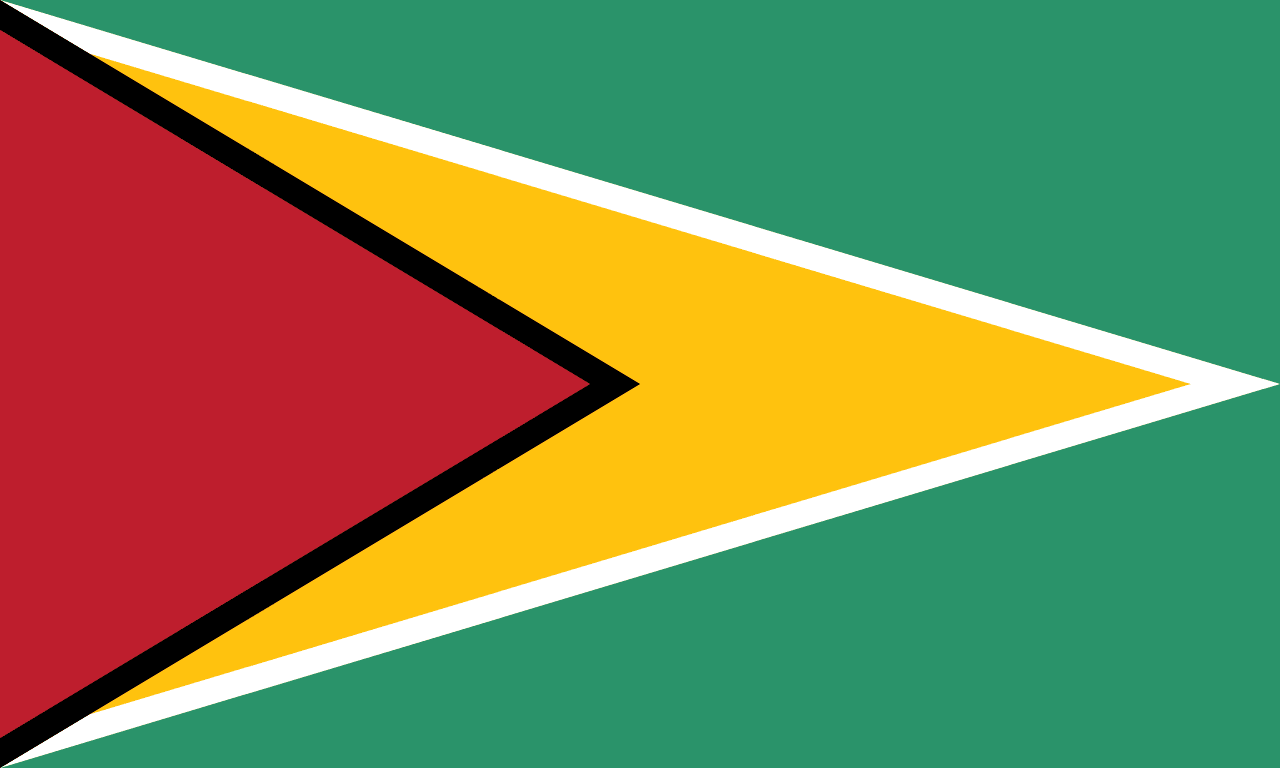
Guyana
The "Land of Many Waters," known for its vast rainforests, its complex political history, and its towering intellectual and literary contributions.
Figures from Guyana
Historically documented individuals of note.

Beryl Gilroy
### Introduction Beryl Gilroy (née Answick) was a pioneering Guyanese-British educator, novelist, poet, and psychotherapist who emerged as one of the most vital intellectual voices of the post-war Windrush generation. Moving to London in 1951, Gilroy overcame intense racial prejudice and institutional barriers to become London’s first Black headteacher in 1969. In doing so, she paved the way for multicultural education in the United Kingdom. Alongside her educational career, Gilroy was a prolific writer whose literary work explored the complexities of immigration, identity, aging, and gender. Her landmark memoir, *Black Teacher*, and novels such as *Frangipani House* and *Boy Sandwich* carved out a crucial space for Black women's narratives in British and Caribbean literature. Her transition later in life to ethno-psychotherapy highlighted her holistic commitment to the mental health and cultural dignity of African-Caribbean families in the diaspora. ### Early Life in Skeldon (1924–1943) Beryl Agatha Answick was born on August 30, 1924, in Skeldon, a coastal town in the Berbice region of British Guiana (now Guyana) [1]. She grew up in a colonial environment defined by the sugar plantation economy, where rigid social hierarchies based on race and class were the norm. Her childhood was marked by ill health, which led her to spend much of her early life away from the rigid structure of colonial primary schools. Instead, Gilroy was raised within a large, vibrant extended family under the primary care of her maternal grandparents. Her grandparents held non-traditional views on education, favoring practical, experiential learning over the rote instruction of colonial classrooms [1]. As a result, Gilroy did not enter formal full-time schooling until she was twelve years old [1]. This delay, far from hindering her development, allowed her to cultivate a rich interior life and a deep connection to local culture and oral traditions. ### The Influence of Sally Louisa James The most influential figure in Gilroy’s early life was her maternal grandmother, Sally Louisa James [1]. James was a strong, independent woman who managed the family’s smallholding, practiced herbal medicine, and served as a vital community storyteller [2]. She possessed an extensive knowledge of Guyanese folklore, oral history, and traditional proverbs, which she shared constantly with the young Beryl. Through her grandmother, Gilroy learned to appreciate the complexity and wisdom of Caribbean folk culture. Sally Louisa James’s stories did not merely entertain; they served as lessons in resilience, morality, and identity. This rich oral heritage later served as the creative foundation for Gilroy's novels. Her grandparents also encouraged a love of reading, providing her with books and teaching her to observe the world around her with a critical eye. This early grounding in self-worth and cultural pride would prove essential when she faced the hostile racial climate of post-war Britain. > "My grandmother was a woman of soil and story. She taught me that the roots of a plant go deep, but the roots of a story go deeper, sustaining us when the winds of change blow cold." — Beryl Gilroy [3] ### Academic Beginnings and Georgetown (1943–1951) Once she entered formal education, Gilroy progressed rapidly. In 1943, she moved to Georgetown to attend the Government Teachers' Training College [2]. During her time in the capital, she witnessed the early stirrings of the Guyanese independence movement, which would later be led by figures like [Cheddi Jagan](/profiles/cheddi-jagan) and [Forbes Burnham](/profiles/forbes-burnham), who were beginning to organize the working class. She spent two years in rigorous training, graduating in 1945 with a first-class teaching diploma [2]. Gilroy began her teaching career in Guyanese primary schools, where she quickly gained a reputation for her innovative teaching methods and child-centered approach. She worked in various schools in Georgetown, developing curricula that integrated local culture and practical experiences. Her success as an educator led to her selection for a prestigious colonial scholarship to pursue advanced studies in England, a journey that would alter the course of her life.  ### Post-War Migration and the University of London In 1951, Beryl Gilroy boarded a ship bound for England, joining thousands of other Caribbean nationals who migrated to the UK in search of education, employment, and new opportunities—a movement that came to define the Windrush generation. Upon arriving in London, she enrolled at the University of London, where she pursued a diploma in child development [1]. At the university, Gilroy studied child psychology, pedagogy, and sociology, gaining a deep theoretical understanding of child development. She was particularly interested in how social environments and trauma affected learning and emotional growth. Despite her high academic performance and professional experience, she soon discovered that her qualifications meant little in a society deeply divided by racial prejudice. ### Discrimination and Resilience in London Upon completing her diploma, Gilroy eagerly applied for teaching posts in London. She was met with immediate and systematic rejection. School boards and headteachers routinely refused to interview her, or openly stated that white parents would not tolerate a Black woman teaching their children [2]. To survive, Gilroy was forced to take low-paying, unskilled jobs [2]. She worked in a commercial laundry, sorted mail in a mail-order firm, and did clerical work [2]. These years of underemployment were deeply frustrating, but they also gave her a firsthand view of the working-class immigrant experience in Britain. She witnessed the isolation, housing discrimination, and economic struggles faced by the Windrush generation, themes that she would later depict in her fiction. Throughout this difficult period, she maintained her intellectual pursuits, reading widely and writing short stories and essays. ### Trailblazer in Camden: London’s First Black Headteacher In the late 1950s, as the British school system faced a shortage of teachers due to the post-war baby boom, and as the immigrant population grew, school boards slowly began to hire Caribbean teachers. Gilroy was finally offered a teaching post in 1953 [2]. She proved to be an outstanding educator, capable of managing difficult classrooms and earning the respect of both students and parents. Her career reached a historic milestone in 1969 when she was appointed headteacher of Beckford Primary School in Camden, North London [1]. This appointment made her the first Black headteacher in London [1].  Serving as headteacher at Beckford from 1969 to 1982, Gilroy faced immense pressure. She was a public figure in a highly charged political atmosphere. She had to navigate hostility from some white parents, skepticism from colleagues, and the challenges of teaching in a rapidly diversifying urban neighborhood. Gilroy responded by transforming Beckford into a model of multicultural, progressive education. She developed inclusive curricula, brought diverse history and literature into the classroom, and created support systems for immigrant children who were often pathologized by the mainstream British school system. Her work sits alongside the pioneering efforts of other Caribbean intellectuals who migrated to the UK during this period, carrying the regional aspirations championed by leaders like [Eric Williams](/profiles/eric-williams) and [Cheddi Jagan](/profiles/cheddi-jagan) into the educational and cultural spheres of the metropole. ### Literary Emergence and "Black Teacher" In 1976, Gilroy published her groundbreaking memoir, *Black Teacher* [2]. The book recounts her arrival in Britain, her struggles to find work, her experiences in London classrooms, and her journey to becoming a headteacher. *Black Teacher* is celebrated for its wit, honesty, and sharp social commentary. It provided British readers with a rare, inside view of the school system through the eyes of a Black woman, exposing the subtle and overt racism that permeated British institutions. The book also highlighted Gilroy's educational philosophy. She argued that children are not blank slates, but individuals shaped by their cultural backgrounds and families. She advocated for an education system that validated the identities of all students, prefiguring the debates over multiculturalism and decolonizing the curriculum that would follow in subsequent decades. ### The Novels: Exploring Caribbean and Diasporic Identity After retiring from Beckford Primary School in 1982, Gilroy dedicated herself to writing, producing a series of novels that established her as a major Caribbean novelist. In 1986, she published *Frangipani House*, which won the Greater London Council's Creative Writing Prize and was shortlisted for the Commonwealth Writers' Prize [2]. Set in a Guyanese rest home, the novel focuses on Mama King, an elderly woman who fights to maintain her dignity and independence against institutionalization and the neglect of her family. The novel is a powerful critique of the colonial disruption of family structures and the neglect of the elderly. Her next novel, *Boy Sandwich* (1989), explored the intergenerational differences within a family of Guyanese immigrants in London [2]. The novel depicts the tensions between the older generation, who dream of returning to the Caribbean, and their British-born grandchildren, who must navigate their identity as Black British citizens. Gilroy also wrote historical novels, including *Stedman and Joanna: A Love in Bondage* (1991), based on the historical journals of John Gabriel Stedman, which explored the complexities of love and slavery in Suriname, and *Inkle and Yarico* (1996), which re-imagined the popular colonial fable of a shipwrecked English merchant who sells his indigenous lover into slavery [2]. ### Ethno-Psychotherapy and Academic Contributions In her later years, Gilroy returned to academia to address the psychological needs of the Black British community. She earned a PhD in counseling psychology and established herself as a practitioner of ethno-psychotherapy [1]. Her therapeutic practice focused on the specific mental health challenges faced by Black welfare women and children, which she argued were often misdiagnosed or ignored by mainstream white psychologists. She wrote papers and delivered lectures on how historical trauma, migration, and systemic racism impacted the self-esteem and family structures of African-Caribbean people in Britain. ### Legacy and Final Years Beryl Gilroy passed away from a heart attack on April 4, 2001, in London, at the age of seventy-six [2]. Her death was mourned by the literary and educational communities, who recognized her as a pioneer who had transformed both British classrooms and Caribbean literature. In the years following her death, her legacy has continued to grow. In 2021, following community-led campaigns to rename institutions associated with slavery, Beckford Primary School was renamed West Hampstead Primary School [13]. The school commissioned a massive 15-meter mural of Beryl Gilroy on its grounds to honor her years of service and historic leadership [7]. In 2025, a prestigious London Blue Plaque was unveiled in her honor at the North London Collegiate School, securing her place in the physical and cultural history of the city she helped shape [5].
View Profile →
Cheddi Jagan
### Introduction Cheddi Berret Jagan (March 22, 1918 – March 6, 1997) is universally recognized as the "Father of the Nation" of Guyana. A prominent anti-colonial leader, dedicated Marxist, and lifelong advocate for the working class, Jagan’s political journey reflects the turbulent mid-20th-century struggles of the Caribbean and Latin America against the backdrop of the Cold War. As the co-founder of the People’s Progressive Party (PPP), he became the first Chief Minister of British Guiana, and eventually, after decades of foreign-backed marginalization, the President of an independent Guyana. ### The Sugar Plantations: Early Life and Hardships Cheddi Jagan was born in the rural village of Port Mourant in Berbice, British Guiana. He was the eldest of 11 children born to Indian indentured laborers who had been brought to the Caribbean to work on the sprawling sugar plantations [1]. Growing up in abject poverty, Jagan was profoundly shaped by the harsh realities of plantation life. He witnessed firsthand the exploitation of agricultural workers by the "plantocracy"—the British colonial elite who controlled the colony's economy and social hierarchy. Despite having limited formal education themselves, Jagan’s parents recognized the power of schooling as a means of escaping poverty. They made significant sacrifices to send him to the local primary school. Recognizing his intellectual potential, his father subsequently sent the 15-year-old Jagan to Georgetown, the colonial capital, to attend Queen's College, the most prestigious secondary school in British Guiana [2]. This move from the rural countryside to the urban center exposed him to the broader inequalities woven into the fabric of colonial society. However, job opportunities for young men of his background remained scarce, prompting a decision that would alter the course of his life and his country's history. ### American Education and Political Awakening In 1936, with the financial backing of his family, Jagan immigrated to the United States to pursue higher education. He initially enrolled at Howard University in Washington, D.C., for a pre-dental course. During his time in the U.S. capital, Jagan encountered the stark realities of racial segregation in the American South, a profound experience that deepened his understanding of systemic oppression and racial injustice [3]. To finance his studies, he worked odd jobs, including as a tailor and an elevator operator, immersing himself in the struggles of the American working class. He later transferred to Northwestern University and the YMCA College in Chicago. There, he earned a Bachelor of Science degree in 1942, followed by a Doctor of Dental Surgery (DDS) degree. Chicago provided the fertile intellectual ground for Jagan’s political awakening. He was introduced to socialist and Marxist literature and closely followed the Indian independence movement led by Mahatma Gandhi and Jawaharlal Nehru. It was also in Chicago that he met [Janet Rosenberg](/profiles/janet-jagan), a young nursing student with strong left-wing convictions. The two quickly bonded over their shared political ideologies and were married in 1943. Janet Jagan would not only become his lifelong partner but also a formidable political force in her own right, serving as a co-founder of the Guyanese independence movement. ### The Birth of the PPP and the Anti-Colonial Struggle Dr. Cheddi Jagan and Janet Jagan returned to British Guiana in 1943. Jagan established a successful dental practice in Georgetown, but his true passion lay in dismantling the colonial apparatus. He immediately became involved in trade unionism, representing the interests of the very sugar workers among whom he had grown up. In 1946, the Jagans, along with trade unionists Ashton Chase and Jocelyn Hubbard, formed the Political Affairs Committee (PAC). The PAC was a Marxist study group and political organization that laid the groundwork for a broader anti-colonial movement. Through their publication, the *PAC Bulletin*, they began educating the masses on political economy, labor rights, and the necessity of self-determination. > "We, the People, have won!" — Cheddi Jagan's rallying cry, reflecting his unwavering belief in the power of the working masses. Recognizing the need for a unified, mass-based political movement, Jagan and his allies launched the People’s Progressive Party (PPP) on January 1, 1950. The PPP was a revolutionary development in Guyanese politics: it was the country's first modern political party and, crucially, a multi-ethnic coalition. Jagan served as the party leader, while [Forbes Burnham](/profiles/forbes-burnham), a charismatic Afro-Guyanese lawyer, became its Chairman, and Janet Jagan acted as Secretary. The PPP successfully united the two major ethnic groups of British Guiana—the Indo-Guyanese agricultural workers and the Afro-Guyanese urban working class—under the banner of independence and democratic socialism. ### The 1953 Election and British Intervention The culmination of the PPP's organizing efforts came in April 1953, during British Guiana’s first elections under universal adult suffrage. The PPP secured a landslide victory, winning 18 out of 24 seats in the legislature. Cheddi Jagan became the Chief Minister, embarking on a bold legislative agenda aimed at labor reform, improving education, and challenging the dominance of the multinational sugar companies. However, Jagan's Marxist rhetoric and rapid pace of reform alarmed the British colonial authorities and the plantocracy. In the paranoid atmosphere of the early Cold War, Winston Churchill's government in London viewed the PPP administration as a potential beachhead for Soviet influence in South America [4]. Just 133 days after the PPP took office, the British government drastically intervened. They suspended British Guiana’s constitution, dispatched warships and troops to Georgetown, and ousted Jagan’s democratically elected government. Jagan was subsequently imprisoned for six months for defying movement restrictions.  ### The Split, the CIA, and the Cold War Crucible The suspension of the constitution and the ensuing repression caused a severe rupture within the anti-colonial movement. In 1955, the PPP split along ideological and ethnic lines. [Forbes Burnham](/profiles/forbes-burnham), sensing that Jagan's overt Marxism would forever alienate the Western powers, broke away to form the People’s National Congress (PNC). This schism tragically institutionalized racial voting patterns in Guyana that persist to this day. Despite the split and the gerrymandering of electoral boundaries by the British, Jagan’s popularity among the rural Indo-Guyanese base ensured his return to power. He won the elections in 1957 and 1961, serving as Premier. However, his second stint in power coincided with the height of the Cold War and the aftermath of the Cuban Revolution. The United States, under the Kennedy administration, became obsessed with preventing a "second Cuba" in the Western Hemisphere. > "We were in office, but not in power." — Cheddi Jagan, reflecting on the intense foreign sabotage of his premiership. Declassified documents later revealed that the CIA, in cooperation with British intelligence (MI5), orchestrated a massive covert operation to destabilize Jagan's government [5]. They funded strikes, fomented labor unrest, and backed Burnham's PNC. The campaign culminated in severe racial violence between 1962 and 1964. To finally remove Jagan, the British imposed a system of proportional representation for the 1964 elections, which allowed a coalition of the PNC and a conservative party to oust the PPP, even though Jagan's party won a plurality of the vote.  ### The Long Wilderness and the Return to Democracy For the next 28 years, Cheddi Jagan remained in opposition as [Forbes Burnham](/profiles/forbes-burnham) led Guyana down a path of authoritarianism and economic ruin. The PNC maintained power through decades of heavily rigged elections, a fact widely recognized by international observers. Throughout this "long wilderness," Jagan remained a tireless advocate for democracy, human rights, and the working class, functioning as the moral conscience of the nation. The end of the Cold War finally shifted the geopolitical landscape. Under immense international pressure, including from former U.S. President Jimmy Carter, the Guyanese government agreed to electoral reforms. In October 1992, Guyana held its first free and fair elections since 1964. Cheddi Jagan, at the age of 74, emerged victorious and was sworn in as the President of the Cooperative Republic of Guyana [6]. Upon taking office, Jagan declared a policy of "no retribution, no witch-hunting," aiming to heal the deep racial and political divides that had scarred the nation. His presidency focused on rebuilding the country's devastated infrastructure, restoring democratic institutions, and advocating for a "New Global Human Order"—a framework for international relations prioritizing poverty alleviation and equitable development between the Global North and South. ### Final Years and Legacy Cheddi Jagan served as President until he suffered a heart attack in February 1997. He passed away on March 6, 1997, at the Walter Reed Army Medical Center in Washington, D.C. His death was mourned across the nation and the Caribbean region. Dr. Jagan's legacy is complex and monumental. While his ideological rigidity sometimes isolated him in a polarized world, his integrity, incorruptibility, and lifelong dedication to the marginalized are unquestioned. He is remembered not just as a politician, but as a visionary who sacrificed his personal liberty and decades of political power for the principle that the working people of Guyana deserved to control their own destiny.
View Profile →
E.R. Braithwaite
### Introduction E.R. Braithwaite (Edward Ricardo Braithwaite) was a Guyanese-born novelist, educator, and diplomat whose life and literature captured the profound complexities of race, identity, and migration in the post-war British Empire. He is best known for his 1959 autobiographical novel, *To Sir, With Love*, which detailed his experiences as a Black teacher in London's war-torn East End and became a seminal text of post-colonial literature. Braithwaite's life, however, extended far beyond the classroom. He was a Royal Air Force pilot, a Cambridge-educated physicist, a pioneering social worker, and a diplomat who served as Guyana's first Permanent Representative to the United Nations and as its Ambassador to Venezuela. Throughout his long career, Braithwaite used his pen and his voice to challenge racial prejudice and expose the systemic injustices of colonialism and apartheid.  ### Early Life and Education in British Guiana Eustace Edward Ricardo Braithwaite was born on June 27, 1912, in Georgetown, British Guiana. He grew up in a household that placed a premium on intellectual achievement and cultural refinement; both of his parents had attended the prestigious Queen's College in Georgetown, which was the premier educational institution in the colony. His father was a successful businessman, and his mother was an educated woman who instilled in him a love of reading and a belief in his own intellectual capacity. Braithwaite attended Queen's College, where he excelled in academics and athletics. The school, modeled on British public schools, provided a rigorous classical education but also reinforced the colonial hierarchy, where white British administrators occupied the apex of society. Despite the colonial context, Braithwaite was raised to believe that academic excellence and refined behavior would shield him from racial discrimination. In the late 1930s, Braithwaite traveled to the United States to pursue higher education. He enrolled at the City College of New York (CCNY), a vibrant intellectual hub known at the time as "the Harvard of the proletariat." He graduated in 1940 with a Bachelor of Science degree in Physics. His time in New York exposed him to the vibrant culture of the Harlem Renaissance, but also to the sharp realities of American segregation. ### Military Service in the Royal Air Force With the outbreak of World War II, Braithwaite felt a duty to defend the British Empire, which he still viewed as a beacon of civilization and justice. In 1940, he enlisted in the Royal Air Force (RAF). He trained as an aircrew cadet and became a pilot, flying missions during the war. For Braithwaite, his years in the RAF were a revelation. He found that in the high-stakes environment of wartime military aviation, racial distinctions were largely minimized. Pilots and aircrews depended on one another for survival, and Braithwaite felt accepted and respected as an equal. He later wrote: > "In the RAF, I was a pilot first and a Black man second. The sky did not recognize color, and my comrades judged me by my skill and courage, not my ancestry." This experience of equality in the military would make the discrimination he encountered in post-war civilian life all the more shocking and painful. ### Post-War Cambridge and the Shock of Discrimination After demobilization, Braithwaite decided to continue his education in Britain. He was accepted to the University of Cambridge, where he studied physics and cosmology. He earned his Master of Science degree in 1949. Armed with an advanced degree from one of the world's most prestigious universities and a distinguished record of military service, Braithwaite was highly optimistic about his career prospects in post-war Britain, which was facing a shortage of scientific and engineering talent. However, he quickly ran into a wall of institutional and social racism. He applied for dozens of positions in industrial physics and engineering, only to be rejected repeatedly. In interview after interview, employers made it clear that they would not hire a Black man to supervise white workers or represent their firms. This period of rejection was a turning point in Braithwaite's life. It shattered his belief in British meritocracy and colonial paternalism. He realized that his education, manners, and military service were not enough to overcome the color bar in British society. He found himself facing financial ruin and psychological despair. ### Teaching in the East End and *To Sir, With Love* Desperate for employment, Braithwaite accepted a teaching position at St. George-in-the-East, a secondary modern school in Stepney, a poverty-stricken and war-damaged neighborhood in London's East End. The school was populated by working-class, rebellious white students who had been traumatized by the Blitz and rejected by the grammar school system. Initially, Braithwaite was met with hostility, disruptive behavior, and racial slurs. The students, accustomed to authoritarian teaching methods and harboring deep-seated prejudices, refused to cooperate. Realizing that traditional teaching methods would not work, Braithwaite decided to change his approach. He decided to treat the students not as children, but as adults. He insisted that the boys address the girls as "Miss" and that the girls address the boys as "Mr." In turn, he demanded that they address him as "Sir." He took the students on field trips to museums, galleries, and parks, exposing them to a wider cultural world. He engaged them in honest discussions about race, class, and ethics. Slowly, his students began to respond, developing a deep respect and affection for their teacher. Braithwaite’s experiences at the school became the basis for his first and most famous book, *To Sir, With Love*, published in 1959. The book was an instant bestseller, praised for its poignant depiction of the power of education and mutual respect to overcome social barriers. In 1967, it was adapted into a major motion picture starring Sidney Poitier. The movie’s title song, sung by Lulu, became a global hit, cementing the story’s place in popular culture. ### Social Work and *Paid Servant* After leaving teaching, Braithwaite transitioned to a career in social welfare. In 1958, he became a child welfare officer for the London County Council, specialized in placing non-white children in foster and adoptive homes. At the time, Black and mixed-race children in the British care system faced severe discrimination, and white families were often reluctant to adopt them. Braithwaite’s work in this field exposed him to the deep-seated racial biases of the British welfare state and the foster care system. He documented these experiences in his 1962 book, *Paid Servant*. The book provided a critical look at the bureaucratic and social hurdles faced by minority children in Britain, advocating for reform and highlighting the dedication of the social workers who tried to help them. ### Travel, Novels, and the Diplomatic Career In 1962, Braithwaite also published *A Kind of Homecoming*, a travelogue documenting his first visit to West Africa. He visited several newly independent nations, including Ghana, Guinea, Liberia, and Sierra Leone. The book reflected his complex feelings as a member of the African diaspora: while he felt a deep cultural connection to the continent, he also realized that his education and upbringing made him an outsider—a "Black Englishman" trying to find his place in a rapidly changing Africa. He followed this with *Choice of Straws* (1965), a novel that departed from autobiography to explore the psychology of racial violence and prejudice from the perspective of a white working-class youth in London who becomes involved in a racial attack. With the independence of Guyana in 1966, the newly formed government under [Forbes Burnham](/profiles/forbes-burnham) sought to recruit talented Guyanese expatriates to build the nation’s diplomatic corps. Braithwaite was appointed as Guyana’s first Permanent Representative to the United Nations, a post he held from 1967 to 1969. In this role, he represented the young nation on the global stage, advocating for decolonization, international development, and human rights. During his tenure, he was also elected as the president of the UN Council for South West Africa, overseeing efforts to end South Africa’s illegal occupation of Namibia. In 1969, he was appointed as Guyana’s Ambassador to Venezuela, where he worked to manage bilateral relations during a period of territorial disputes between the two nations. ### South Africa and *Honorary White* In the 1970s, Braithwaite returned to writing and academic life. In 1973, he was invited to visit South Africa, a nation then ruled by the brutal system of apartheid. Previously, Braithwaite's books, including *To Sir, With Love*, had been banned by the South African government due to their themes of racial equality and Black intellectual authority. To facilitate his visit, the South African government granted him the status of "Honorary White." This was a designation the regime used for prominent non-white foreign visitors to allow them access to white-only hotels, restaurants, and transport, thereby avoiding diplomatic incidents while maintaining the facade of apartheid. Braithwaite accepted the status in order to witness the reality of apartheid firsthand, but he found the designation deeply offensive. In his 1975 book, *Honorary White*, he described the psychological horror of the system, the systemic degradation of the Black majority, and the cognitive dissonance of his own temporary, privileged status. He wrote: > "To be an 'Honorary White' was to be a guest in a house where the family was treated as servants. It was a status that gave me the right to breathe white air, but it did not make me free; it made me a collaborator in my own humiliation." The book was a powerful indictment of the apartheid regime, contributing to the international movement against South African white supremacy. ### Academic Legacy and Final Years In his later years, Braithwaite moved to the United States, where he embark on a long and distinguished academic career. He taught English and creative writing at several prestigious institutions, including New York University, Howard University, and Florida State University. He continued to write, lecture, and mentor young writers, remaining an advocate for educational reform and civil rights. Braithwaite lived an extraordinarily long and active life. In 2012, on the occasion of his 100th birthday, he was honored by the President of Guyana for his contributions to literature and international relations. He passed away on December 12, 2016, in Rockville, Maryland, at the age of 104. E.R. Braithwaite's legacy endures in his writing and in the path he paved for subsequent generations of Black writers and educators. His life was a testament to the power of dignity and education to challenge prejudice, and his literature remains a vital record of the post-colonial immigrant experience.
View Profile →
Forbes Burnham
### Introduction Linden Forbes Sampson Burnham (1923–1985) was one of the most dominant, charismatic, and controversial political figures in the modern history of the Caribbean [1]. He served as the leader of Guyana for over two decades—first as Premier of British Guiana (1964–1966), then as Prime Minister of independent Guyana (1966–1980), and finally as the nation's first Executive President (1980–1985) [1]. Burnham began his political career as a brilliant anti-colonial lawyer co-leading a united, multi-ethnic nationalist movement alongside [Cheddi Jagan](/profiles/cheddi-jagan) [2]. However, the pressures of the Cold War and local ethnic rivalries led to a permanent split in the movement. Under Burnham's leadership, Guyana gained independence, nationalized its major industries, and declared itself a "Cooperative Republic" [3]. Yet, his regime became increasingly authoritarian, maintaining power through systemic electoral fraud, suppressing opposition figures like [Walter Rodney](/profiles/walter-rodney) and [Martin Carter](/profiles/martin-carter), and presiding over a severe economic decline [4].  ### Early Life and Academic Brilliance Linden Forbes Sampson Burnham was born on February 20, 1923, in Kitty, a suburb of Georgetown, British Guiana [5]. He was the son of James Ethelbert Burnham, a respected Methodist schoolmaster, and Rachel Abigail Sampson [5]. Growing up in a household that valued education and discipline, Burnham proved to be an exceptional student. He attended Central High School and later the prestigious Queen's College in Georgetown [6]. At Queen's College, Burnham won multiple academic distinctions, including the Centenary Exhibition and the Government Junior Scholarship [6]. In 1942, he was awarded the British Guiana Scholarship as the colony's top student [6]. Due to the disruptions of World War II, Burnham could not immediately travel to the United Kingdom [6]. He earned a Bachelor of Arts degree from the University of London through external examinations while teaching at Queen's College [6]. In 1945, he traveled to London to study law at the London School of Economics (LSE) and Gray's Inn [6]. In London, Burnham was active in student politics, serving as president of the West Indian Students' Union [6]. He was known for his sharp intellect and oratorical skills, winning the Best Speaker's Cup awarded by the Faculty of Law. He was admitted to the bar in 1948 and returned to British Guiana in 1949 to establish a successful legal practice [5]. ### The Nationalist Alliance and the Split of 1955 Upon his return, Burnham joined the nationalist movement against British colonial rule [7]. In 1950, he co-founded the People's Progressive Party (PPP) alongside Dr. [Cheddi Jagan](/profiles/cheddi-jagan), an Indo-Guyanese dentist, and Jagan's American-born wife, Janet Jagan [7]. The PPP was a historic alliance that successfully united the Afro-Guyanese (largely urban workers) and Indo-Guyanese (largely rural sugar workers) populations under a socialist, anti-colonial banner [7]. Burnham served as the party's chairman, while Jagan was its leader [7]. In the 1953 general elections under the new Waddington Constitution, the PPP won a landslide victory, winning 18 of the 24 elected seats [8]. Jagan became the leader of the government, and Burnham was appointed Minister of Education [8]. However, the PPP's radical reforms alarmed the British colonial administration and local business elites. After only 133 days in office, the British government suspended the constitution, landed troops in Georgetown, and deposed the PPP administration, claiming a communist takeover was imminent [8]. The suspension of the constitution led to deep divisions within the PPP [9]. Ideological differences and personal rivalries between Jagan and Burnham intensified [9]. Jagan was committed to orthodox Marxism-Leninism, while Burnham was more pragmatic, reformist, and nationalist [9]. This rift culminated in a formal split in 1955. Burnham took his faction of the party, which eventually became the People's National Congress (PNC) in 1957. The split solidified along racial lines, with the majority of Afro-Guyanese supporting Burnham's PNC and Indo-Guyanese supporting Jagan's PPP [9]. ### Foreign Intervention and the Rise to Power (1964) During the late 1950s and early 1960s, British Guiana was plagued by intense racial violence and political instability [10]. Fearing that Jagan would lead an independent Guyana into the Soviet camp, the United States government (under Presidents John F. Kennedy and Lyndon B. Johnson) worked with the British government to prevent Jagan from retaining power [11]. Through the CIA, the United States funded labor strikes, anti-government demonstrations, and racial riots to destabilize Jagan’s administration [11]. Meanwhile, the British government introduced a system of proportional representation for the 1964 elections, designed to make it difficult for Jagan's PPP to win an outright majority [12]. In the December 1964 elections, although the PPP won the largest share of the vote (46%), Burnham's PNC (40.5%) formed a coalition government with the conservative, pro-business United Force (TUF) led by Peter D'Aguiar [12]. Sir Richard Luyt, the British Governor, exercised his discretionary powers to appoint Burnham as Premier [12]. The coalition also included Amerindian leader [Stephen Campbell](/profiles/stephen-campbell) as Parliamentary Secretary in the Ministry of Home Affairs, representing the interests of the interior population [13].  ### The Cooperative Republic and Economic Policies On May 26, 1966, British Guiana achieved independence under the name Guyana, with Burnham as Prime Minister [14]. In 1970, Burnham declared Guyana a "Cooperative Republic" and adopted a policy of cooperative socialism [14]. The government sought to control the "commanding heights" of the economy to achieve economic independence [15]. Between 1971 and 1976, the Burnham administration nationalized the country’s major foreign-owned industries, including the Canadian-owned Demerara Bauxite Company (DEMBA) and the British-owned sugar giant Booker McConnell [15]. By the late 1970s, the state controlled approximately 90% of the economy [15]. While these nationalizations were initially popular as symbols of post-colonial sovereignty, the economy soon suffered from mismanagement, corruption, and a lack of investment. Guyana experienced severe shortages of basic goods, leading to the rise of a black market and a decline in living standards [15]. ### Authoritarian Consolidation and the Death of Walter Rodney To maintain power in the face of economic decline and growing opposition, Burnham consolidated his authority [16]. The PNC regime utilized voter suppression, military intimidation, and institutional manipulation to rig elections in 1968, 1973, and 1980 [16]. Burnham declared the "Paramountcy of the Party," establishing that all state institutions—including the judiciary, the military, and the civil service—were subordinate to the PNC [16]. This authoritarian system was challenged in the late 1970s by the Working People's Alliance (WPA), co-founded by [Eusi Kwayana](/profiles/eusi-kwayana) and led by the charismatic historian [Walter Rodney](/profiles/walter-rodney) [17]. The WPA threatened Burnham's regime by mobilizing a multiracial coalition of workers [17]. The Burnham government responded with repression. On June 13, 1980, Rodney was killed by a bomb explosion in Georgetown [17]. While the government denied involvement, subsequent investigations, including a 2016 Commission of Inquiry, concluded that Rodney was assassinated in a state-sponsored conspiracy [17]. During this period, Burnham’s international reputation was also shadowed by the Jonestown massacre of November 1978 [18]. The Burnham administration had permitted Jim Jones and his Peoples Temple to establish a commune in the Guyanese interior, viewing the project as a positive contribution to agricultural development [18]. The subsequent mass murder-suicide of over 900 people exposed the government's close ties to Jones and drew international criticism [18]. In 1980, Burnham introduced a new constitution that created the office of Executive President, granting himself broad powers [1]. He assumed the presidency that year. To bolster the intellectual credibility of his government in the late 1960s, Burnham had invited the poet [Martin Carter](/profiles/martin-carter) to serve as Minister of Information and Culture [19]. However, Carter resigned in 1970 in protest of the government's authoritarian drift, expressing his disillusionment in his writings [19]. > "We are not interested in creating a society where the few exploit the many, but one where the resources of the nation are shared for the benefit of all." [20] ### Death and Legacy Forbes Burnham died on August 6, 1985, at the Georgetown Hospital during throat surgery [5]. He was 62 years old. His body was initially sent to the Soviet Union for embalming, with plans for permanent open display, but due to political and economic shifts, he was eventually buried in a mausoleum in the Botanical Gardens in Georgetown [5]. He was succeeded by Desmond Hoyte, who began a process of economic liberalization and electoral reform, leading to the first free and fair elections in 1992 [5].  Forbes Burnham remains a complex and polarising figure in Guyanese and Caribbean history. Supporters credit him with leading the country to independence, establishing national sovereignty, and promoting regional integration. Critics point to his authoritarian methods, the suppression of political dissent, and the legacy of economic ruin and ethnic division that characterized his twenty-one years in power.
View Profile →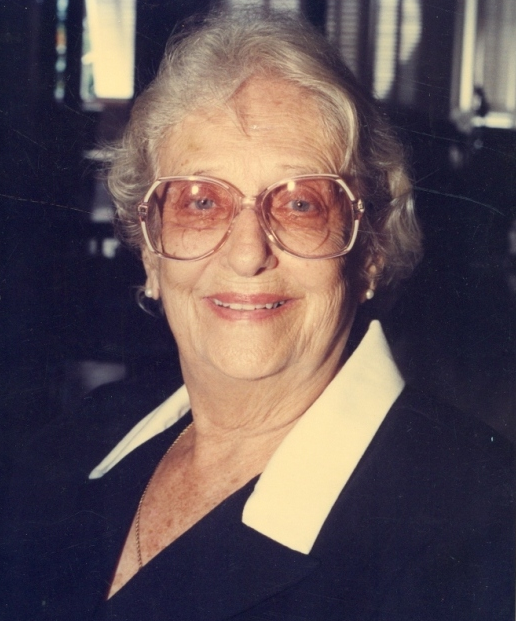
Janet Jagan
### Introduction Janet Jagan (née Rosenberg) was one of the most influential and controversial political figures in 20th-century Caribbean history. Serving as the first female President of Guyana from 1997 to 1999, she was also the first American-born woman and the first Jewish person to serve as a head of state in South America. Her life was defined by a remarkable journey from the suburbs of Chicago to the vanguard of the Guyanese anti-colonial movement. Alongside her husband, [Cheddi Jagan](/profiles/cheddi-jagan), she co-founded the Political Affairs Committee (PAC) and the People’s Progressive Party (PPP), shaping the political landscape of British Guiana and steering the colony through its turbulent transition to independent Guyana. Her career spanned more than half a century of legislative work, ministerial leadership, grassroots organizing, and journalistic activism.  ### Early Life, Education, and Marriage Janet Rosalie Rosenberg was born on October 20, 1920, in Chicago, Illinois, to a middle-class Jewish family. Her maternal grandparents were Jewish immigrants from Romania, and her paternal grandparents had emigrated from Hungary. Growing up in a relatively conservative household, Janet was encouraged to pursue education but was expected to follow traditional gender roles. However, she early on showed a fiercely independent spirit, joining various progressive organizations and developing a keen interest in aviation, political science, and social welfare. She attended the University of Detroit and later Wayne State University and Michigan State College. In 1942, while working as a student nurse at the Cook County School of Nursing in Chicago, she met a charismatic young dentistry student from British Guiana, [Cheddi Jagan](/profiles/cheddi-jagan). The two connected deeply over their shared interest in Marxist theory, colonial liberation, and social justice. Their relationship blossomed rapidly, and they were married on August 5, 1943, despite the fierce opposition of both of their families—Janet's parents disapproved of her marrying a non-white foreigner, while Cheddi's parents, who were traditional East Indian sugar plantation workers, were wary of an American Jewish daughter-in-law. In December 1943, Janet left the United States and accompanied Cheddi to British Guiana, arriving in a colony dominated by the sugar oligarchy and marked by deep racial, class, and gender divisions. She immediately took up work in her husband's dental clinic in Georgetown, but her focus quickly shifted to the appalling living and working conditions of the colony's working class. ### Anti-Colonial Activism and the WPEO Upon her arrival in British Guiana, Jagan found a society where the vast majority of the population, particularly women, were disenfranchised and exploited. She threw herself into labor organizing and social activism. In 1946, Jagan co-founded the Women's Political and Economic Organisation (WPEO) alongside [Winifred Gaskin](/profiles/winifred-gaskin) and Frances Stafford. The WPEO was the first political organization in British Guiana dedicated entirely to women's rights, advocating for universal adult suffrage, better working conditions for domestic and industrial female workers, and women's education. Jagan wrote: > "We had to fight on two fronts: against the colonial authorities who denied us our basic political rights, and against a patriarchal system that kept women in subjection." Through the WPEO, Jagan mobilized women across ethnic divisions, organizing rallies and educational seminars that bridged the gap between Afro-Guyanese and Indo-Guyanese women. In the same year, 1946, Janet and Cheddi Jagan, along with labor leaders Ashton Chase and H.J.M. Hubbard, formed the Political Affairs Committee (PAC). The PAC was designed to raise political consciousness and coordinate the anti-colonial struggle. Janet Jagan served as the editor and principal writer of the *PAC Bulletin*, a newsletter that exposed the abuses of colonial administrators and sugar estate owners, introducing socialist ideals to the local population. ### Founding of the PPP and the 1953 Constitutional Crisis The work of the PAC laid the foundation for the establishment of the People's Progressive Party (PPP) on January 1, 1950. The PPP was British Guiana's first modern, mass-based political party. It was structured as a multi-racial coalition, uniting the Indo-Guyanese population (led by [Cheddi Jagan](/profiles/cheddi-jagan)) and the Afro-Guyanese population (led by [Forbes Burnham](/profiles/forbes-burnham)). Janet Jagan was elected as the party's General Secretary, a position she held continuously for twenty years, from 1950 to 1970. Her organizational skills, attention to detail, and tireless work ethic made her the administrative backbone of the party. In 1950, Jagan became the first woman elected to the Georgetown City Council, breaking a significant barrier in local government. Three years later, in April 1953, British Guiana held its first elections under universal adult suffrage. The PPP won a landslide victory, capturing 18 of the 24 seats in the House of Assembly. Janet Jagan was elected as a member of the legislature and was appointed Deputy Speaker, making her the first woman to hold that post in the Caribbean. However, the PPP's radical platform of land reform, labor rights, and national independence alarmed the British colonial administration and the United States government. Under the shadow of the Cold War, Winston Churchill's government feared that the Jagans would establish a communist outpost in South America. On October 9, 1953, after the PPP government had been in office for only 133 days, the British government suspended the constitution, declared a state of emergency, sent in troops, and dismissed the elected ministers. ### Imprisonment and the Split in the PPP In the crackdown that followed the suspension, the colonial authorities restricted the movement of PPP leaders. In 1954, Janet Jagan was arrested and charged with possessing banned literature and holding political meetings in violation of the emergency regulations. She was sentenced to six months of hard labor at the Georgetown Prison. Her time in prison was difficult, but she refused to compromise her principles. She later recalled: > "Prison was designed to break our spirit, but it only strengthened our resolve to rid our country of colonial domination."  After her release, Jagan was placed under house arrest and restricted to the municipal boundaries of Georgetown for two years. During this period of political isolation, the colonial administration sought to dismantle the PPP. In 1955, the party suffered a devastating ideological and racial split. [Forbes Burnham](/profiles/forbes-burnham) broke away from the Jagans to form the People's National Congress (PNC), which became a predominantly Afro-Guyanese party, while the PPP became increasingly associated with the Indo-Guyanese community. This division would plague Guyanese politics for decades. ### Ministerial Leadership and Opposition Despite these setbacks, the PPP won the 1957 elections. Janet Jagan was elected to the legislature and was appointed Minister of Labour, Health, and Housing. In this role, she implemented major reforms, including expanding rural healthcare clinics, establishing new housing schemes for working-class families, and strengthening labor laws to protect agricultural workers. Her tenure was marked by a practical focus on improving the daily lives of citizens. In 1961, the PPP was again victorious, and Jagan served as a senator and later as Minister of Home Affairs from 1963 to 1964. This was a period of intense civil unrest, ethnic violence, and CIA-sponsored destabilization campaigns aimed at preventing Cheddi Jagan from leading an independent Guyana. Janet Jagan resigned her ministerial post in June 1964 in protest over the colonial police force's handling of the civil disturbances and their failure to protect citizens. When British Guiana achieved independence as Guyana in 1966 under a coalition led by [Forbes Burnham](/profiles/forbes-burnham), the PPP was forced into opposition. Burnham's PNC regime maintained power through a series of increasingly fraudulent elections. During the long "opposition years" (1964–1992), Janet Jagan remained a vital voice. She edited the *Mirror* newspaper, which became a leading voice of resistance against Burnham's authoritarian rule and press censorship. She was also a founding member of the Union of Guyanese Journalists and founded the Women's Progressive Organisation (WPO), which continued to lobby for gender equality and human rights. ### Return to Democracy and the Presidency In 1992, following international pressure and the end of the Cold War, Guyana held its first free and fair elections in nearly three decades. The PPP won, and Cheddi Jagan was sworn in as President, with Janet Jagan serving as First Lady. During this time, she represented Guyana at various international forums and served as chairperson of the Guyana National Deciduous Fruit Company and other social organizations. On March 6, 1997, Cheddi Jagan died of a heart attack. The nation was plunged into grief. In the transitional government that followed, Janet Jagan was appointed Prime Minister and First Vice President by President Samuel Hinds. Later that year, the PPP selected her as its presidential candidate for the December 1997 elections. Her candidacy was met with fierce opposition from the PNC, led by Desmond Hoyte, who attacked her on the basis of her foreign birth and her age (she was 77 at the time). Despite a polarizing campaign, Janet Jagan won the election, becoming the first female President of Guyana and the first American-born woman to serve as a head of state in the Western Hemisphere. She was sworn in on December 19, 1997. Her presidency was marked by intense political unrest, protests, and street violence orchestrated by the opposition, who challenged the election results. Despite the instability, Jagan worked to maintain economic reforms, improve infrastructure, and address social inequality. In August 1999, following a mild stroke and advice from her doctors, she voluntarily resigned the presidency, handing over power to her finance minister, Bharrat Jagdeo. ### Later Years, Death, and Legacy In retirement, Janet Jagan remained active in the PPP and continued to write and publish, including children's books that celebrated Guyanese history and culture. She died on March 28, 2009, in Georgetown at the age of 88. Her funeral was attended by thousands of Guyanese from all walks of life. Janet Jagan's legacy is complex and deeply felt. To her supporters, she was a champion of the poor, a pioneer for women's liberation, and a founding mother of the Guyanese nation. To her detractors, she was a Marxist ideologue whose early radicalism contributed to the Cold War conflicts that fractured Guyana along ethnic lines. Regardless of political perspective, her place as a towering figure in the history of Caribbean politics and the global struggle for women's political representation is secure.
View Profile →Martin Carter
### Introduction Martin Wylde Carter (1927–1997) was a towering figure of Caribbean literature and political activism, whose life and poetry were inextricably bound to the anti-colonial struggle, the fight for national sovereignty, and the complex post-independence realities of British Guiana (later Guyana). Widely known as "Guyana’s poet of resistance," [1] Carter’s voice was uniquely powerful. Unlike many of his contemporaries who sought the safety of exile, Carter chose to remain in his homeland, witnessing and recording the painful transition from colonial domination to national autonomy. His work combined a passionate commitment to social justice with an intensely private, reflective lyricism, making him one of the most distinctive and influential poets in the Anglophone Caribbean [2].  ### Early Life and Education Born on June 7, 1927, in the colonial capital of Georgetown, British Guiana, Carter was raised in a middle-class family that reflected the diverse cultural mosaic of the colony [3]. His parents, Victor and Violet Carter, were of mixed African, Indian, and European ancestry, a background typical of Georgetown's urban middle class. His father worked as a public servant, and the household was one where reading and intellectual inquiry were encouraged. In the 1930s and 1940s, British Guiana was a strictly stratified colonial society, dominated by British administrative officials and sugar plantation owners. Racial and social hierarchies dictated daily life. Carter attended the prestigious Queen's College in Georgetown, an institution known for producing the colony's intellectual elite. It was here that he developed a profound love for the English literary tradition, as well as the classics. However, he also began to perceive the deep injustices of the colonial system. After graduating from Queen's College, Carter entered the colonial civil service, working first in the Post Office and later as a secretary to the superintendent of the Camp Street Prison in Georgetown [3]. This latter role was highly ironic, as it gave Carter a direct, close-up look at the penal system that he would later inhabit as a political detainee [4]. ### Political Awakening and the People's Progressive Party By the late 1940s, British Guiana was experiencing a wave of political radicalism. Returning soldiers from World War II and organized sugar workers were demanding reform. In 1946, a Marxist dentist named [Cheddi Jagan](/profiles/cheddi-jagan) and his wife Janet Jagan founded the Political Affairs Committee (PAC) to agitate for workers' rights and self-determination. Martin Carter was drawn into this intellectual circle, alongside other young radical thinkers such as [Eusi Kwayana](/profiles/eusi-kwayana) (then known as Sydney King) and [Forbes Burnham](/profiles/forbes-burnham) [5]. In 1950, the PAC evolved into the People's Progressive Party (PPP), British Guiana’s first modern, multi-ethnic political party. The PPP united the two largest ethnic groups in the colony: the Indo-Guyanese (represented by Jagan) and the Afro-Guyanese (represented by Burnham). Carter became an active member of the PPP, writing articles and political poetry for the party's organ, *Thunder*. His poetry during this period was marked by an intense revolutionary zeal, aimed at awakening the consciousness of the working class and defying the colonial authorities [6]. ### The 1953 Constitutional Crisis and Detention at Atkinson Field In April 1953, British Guiana held its first elections under universal adult suffrage, established by the new Waddington Constitution. The PPP won a landslide victory, taking 18 of the 24 seats in the Legislative Council. Cheddi Jagan became the leader of the government. However, the PPP's radical platform, which included labor reforms and land redistribution, deeply alarmed the British colonial establishment and the sugar barons. On October 9, 1953—just 133 days after the PPP government took office—the British government, led by Prime Minister Winston Churchill, suspended the constitution, dispatched British troops to Georgetown, and deposed the elected government, claiming that the PPP was plotting a communist coup. The colonial authorities declared a state of emergency and began arresting and detaining PPP leaders and activists without trial. Among those arrested was Martin Carter. He was detained by the British military at Atkinson Field, a military airport facility (built by the United States during World War II) located outside Georgetown [7]. This experience of detention was a turning point in Carter's life and resulted in his most famous collection, *Poems of Resistance from British Guiana*, published in London in 1954. It was during this period of confinement that Carter wrote the verses that defined a generation. His poetry from Atkinson Field was not merely political rhetoric; it was a visceral, highly artistic response to confinement and the crushing of democratic hope. In his poem "Looking at Your Hands," he wrote: > "I do not sleep to dream, but dream to change the world." [8] This line became a rallying cry for anti-colonial activists across the Caribbean. Another poem from this period, "This is the Dark Time, My Love," captured the heavy atmosphere of military occupation: > "This is the dark time, my love, / All round the land brown beetles crawl about. / The shining sun is hidden in the sky / Red flowers bend their heads in awful sorrow." [9] The "brown beetles" were the iron-clad vehicles of the British troops patrolled the streets of Georgetown, and the poem reflected the collective trauma of a nation under occupation. Carter was released from detention in January 1954 but was arrested again later that year for participating in an illegal political demonstration. ### Post-Detention Dissension and the Split of the Nationalist Movement Upon his release, Carter found a political landscape that was rapidly deteriorating. In 1955, the fragile multiracial alliance that had powered the PPP fractured. Personal and ideological rivalries between [Cheddi Jagan](/profiles/cheddi-jagan) and [Forbes Burnham](/profiles/forbes-burnham) led to a split in the party. This split quickly took on racial dimensions, with the Indo-Guyanese supporting Jagan's PPP and the Afro-Guyanese supporting Burnham's new party, the People's National Congress (PNC). This political fracture deeply disillusioned Carter, who believed that racial division was a colonial trap that would undermine genuine independence and social progress. He distanced himself from the formal party structures of both the PPP and the PNC, refusing to align himself with either ethnic camp. His poetry during the late 1950s reflected this shift, moving from the triumphant, collective voice of *Poems of Resistance* to a more introspective, philosophical style. In collections like *Poems of Shape and Motion* (1955), he explored themes of individual isolation, the limitations of language, and the difficulty of maintaining integrity in a corrupted society. ### Post-Independence Service and Disillusionment Guyana finally achieved independence from Great Britain on May 26, 1966, under a coalition government led by [Forbes Burnham](/profiles/forbes-burnham). In 1967, Burnham, seeking to bolster the intellectual and cultural credibility of his government, invited Carter to serve as the Minister of Information and Culture. Believing that he could contribute to national development and foster cultural unity in the newly independent nation, Carter accepted the post. As Minister, Carter represented Guyana at international forums, including the United Nations, and worked to establish national cultural institutions. However, he soon grew uncomfortable with the authoritarian direction of Burnham’s administration. The government began using state resources to consolidate power, suppress dissent, and manipulate the press. Realizing that he was being used as a progressive facade for an increasingly repressive regime, Carter resigned his ministerial post in 1970. Upon his resignation, Carter published the poem "A Mouth Is Always Muzzled," a blistering critique of the compromising nature of political power: > "a mouth is always muzzled / by the food it eats to live." [10] The poem was a public declaration of his refusal to remain silent in exchange for the privileges of office.  ### Later Years, Resistance under Authoritarianism, and Lasting Legacy After leaving government, Carter returned to his quiet life in Georgetown, dedicating himself to writing and teaching. He became a writer-in-residence at the University of Guyana, where he mentored generations of young writers. Throughout the 1970s and 1980s, Guyana descended into economic stagnation and political repression. The Working People's Alliance (WPA), led by the brilliant historian [Walter Rodney](/profiles/walter-rodney), emerged to challenge Burnham’s dictatorship, advocating for multiracial working-class solidarity. Carter supported the WPA's struggle. In 1978, during a public protest against a government-sponsored referendum designed to concentrate power in Burnham's hands, Carter was physically assaulted by government-backed thugs. The sight of the country's national poet being beaten on the streets of Georgetown shocked the nation and galvanized the opposition. Carter's later poetry collections, including *Poems of Succession* (1977) and *Selected Poems* (1989), reflected the dark years of the Burnham dictatorship. His verse became more fragmented, elliptical, and somber, yet it never lost its moral authority. He remained a symbol of intellectual and moral integrity in a society fractured by political violence and racial distrust. Martin Carter died on December 13, 1997, in Georgetown, and was buried at the Seven Ponds Monument in the National Park, a resting place reserved for national heroes. He was posthumously awarded the Order of Roraima, Guyana’s second-highest national honor, for his contributions to literature and the struggle for freedom. Today, his work is studied globally, and he is remembered not only as a master of Caribbean poetry but as a voice that refused to be silenced by either colonial masters or post-colonial dictators.
View Profile →
Sir Shridath Ramphal
### Introduction Sir Shridath "Sonny" Ramphal stands as one of the most towering diplomatic figures of the twentieth century, not only within the Caribbean but across the global stage. As a lawyer, politician, and international civil servant, Ramphal's career was defined by an unyielding commitment to the ideals of regional integration, the sovereignty of developing nations, and the universal defense of human rights. From his early days drafting the legal frameworks of a nascent Guyana to his fifteen-year tenure as the second Secretary-General of the Commonwealth, Ramphal emerged as a key architect of post-colonial international relations. His diplomacy was instrumental in the dismantling of apartheid in South Africa, the mediation of Zimbabwe’s independence, and the restructuring of regional governance through the Caribbean Community (CARICOM). His life’s work represents a bridge between the decolonization movements of the mid-twentieth century and the contemporary struggle for global economic and environmental justice. ### Early Life and Education Shridath Ramphal was born on October 3, 1928, in New Amsterdam, British Guiana (now Guyana) [1]. He was the eldest of five children born to James "Jimmy" Ramphal and Grace Ramphal. His family background was deeply rooted in the education and social advancement of the colony; his father, Jimmy Ramphal, was a pioneering Presbyterian schoolteacher who dedicated his life to expanding secondary education opportunities for the Indo-Guyanese community and the working class [2]. This environment of intellectual curiosity and social service profoundly shaped young Shridath’s world view. Ramphal completed his secondary education at the prestigious Queen’s College in Georgetown, the colony's capital, where he excelled academically [2]. Like many ambitious West Indians of his generation, he looked to the United Kingdom to pursue professional training. In 1947, he traveled to London to study law at King's College London [1]. During his time in the metropole, he immersed himself in the legal culture of the empire, being called to the bar at Gray’s Inn in 1951, where he won the Arden Scholarship [3]. He went on to earn a Master of Laws degree, cementing a legal brilliance that would soon become his primary tool in dismantling colonial structures [3]. ### The Dream of Federation (1953–1962) Upon returning to British Guiana in 1953, Ramphal was appointed crown counsel in the Attorney General’s Office [2]. This was a turbulent era in Guyanese history, marked by intense political struggles for self-determination led by nationalist figures such as [Cheddi Jagan](/profiles/cheddi-jagan) and [Forbes Burnham](/profiles/forbes-burnham). Ramphal, however, directed much of his early energy toward the grand vision of West Indian unity. He strongly believed that the individual colonies of the Caribbean were too small to survive independently in the post-colonial world, and that federating was the only path to genuine sovereignty. In 1958, Ramphal joined the federal civil service of the newly established West Indies Federation [1]. Relocating to Trinidad, he served as a legal draftsman and was eventually promoted to assistant attorney-general in 1961 [1]. The Federation, which brought together ten English-speaking Caribbean territories, was plagued by regional rivalries, economic disputes, and constitutional disagreements. Despite the efforts of committed federalists, the project collapsed in 1962 after Jamaica voted to withdraw in a national referendum. The dissolution of the Federation was a bitter disappointment for Ramphal, but it solidified his resolve to find other, more resilient avenues for Caribbean integration. > "The West Indies Federation collapsed because we loved our separate islands more than we loved our collective region. It was a tragedy of small differences." — Sir Shridath Ramphal [4] ### Architect of Guyana’s Independence and Foreign Policy (1965–1975) Following the collapse of the Federation, Ramphal spent time in the United States as a Guggenheim Fellow at Harvard Law School [3]. However, the call of nation-building was strong. In 1965, on the eve of Guyana’s independence, Prime Minister [Forbes Burnham](/profiles/forbes-burnham) invited Ramphal to return home to serve as the country’s Attorney General [2]. Ramphal accepted the post, playing a central role in drafting the 1966 independence constitution of Guyana [2].  In 1967, Ramphal's responsibilities expanded when he was appointed Minister of State for Foreign Affairs [1]. In 1972, he became the Minister of Foreign Affairs, a post he held until 1975 [1]. During this period, Ramphal crafted a highly sophisticated foreign policy for Guyana, which had recently declared itself a Cooperative Republic. He aligned the nation with the Non-Aligned Movement, seeking to navigate the tensions of the Cold War by establishing relationships with both Western democracies and socialist states, while advocating for the economic rights of the global South [5]. ### Elevating CARIFTA to CARICOM Ramphal recognized that while political federation had failed, economic cooperation was essential for the Caribbean. Working closely with Prime Minister [Forbes Burnham](/profiles/forbes-burnham) of Guyana, Prime Minister [Eric Williams](/profiles/eric-williams) of Trinidad and Tobago, and Prime Minister [Errol Barrow](/profiles/errol-barrow) of Barbados, Ramphal became a key diplomat in the transition from the Caribbean Free Trade Association (CARIFTA) to the Caribbean Community (CARICOM) [5]. The Treaty of Chaguaramas, signed in 1973, formally established CARICOM, creating a framework for functional cooperation, common market integration, and foreign policy coordination among member states. Ramphal's legal draftsmanship and diplomatic tact were instrumental in negotiating the terms of the treaty, ensuring that the interests of smaller, less-developed countries in the region were protected. ### Commonwealth Secretary-General (1975–1990) Ramphal’s diplomatic successes in the Caribbean and his leadership within the Non-Aligned Movement did not go unnoticed. At the Commonwealth Heads of Government Meeting (CHOGM) in Kingston, Jamaica, in 1975, he was unanimously elected as the second Secretary-General of the Commonwealth [1]. He was the first person from the developing world to hold the office, a transition that marked a shift in the Commonwealth from an Anglocentric club of former colonies into a multicultural, multilateral forum of equals [6].  Ramphal served three consecutive terms as Secretary-General, holding the post until 1990 [1]. Throughout his fifteen years at the helm, he worked tirelessly to leverage the moral authority of the Commonwealth to address global economic disparities and racial injustice. He championed the cause of "small states," advocating for international mechanisms to protect vulnerable island nations from economic shocks and security threats [6]. ### Dismantling Apartheid and the Gleneagles Agreement The defining battle of Ramphal’s tenure as Secretary-General was the campaign against the racist apartheid regime in South Africa. Ramphal believed that the Commonwealth could not claim any moral standing if it tolerated racial oppression within or outside its ranks. He mobilized the organization to implement economic, political, and cultural sanctions against Pretoria [6]. In 1977, Ramphal drafted the Gleneagles Agreement, which committed Commonwealth members to discouraging sporting contacts with South Africa [7]. This agreement dealt a significant psychological blow to the apartheid regime, which valued international sporting competition, particularly in rugby and cricket. Ramphal faced fierce opposition from British Prime Minister Margaret Thatcher, who opposed economic sanctions, arguing they were counterproductive. Despite this high-profile conflict, Ramphal maintained a unified front among the remaining Commonwealth nations, keeping the pressure on South Africa [6]. In 1986, Ramphal convened the Commonwealth Eminent Persons Group (EPG), co-chaired by Malcolm Fraser of Australia and Olusegun Obasanjo of Nigeria [8]. The EPG traveled to South Africa, met with imprisoned leader Nelson Mandela, and formulated a programmatic framework for a peaceful transition to democratic rule. The EPG's report dismantled the South African government's propaganda and paved the way for the eventual international consensus on mandatory sanctions [8]. > "Sonny Ramphal was one of the true heroes of our liberation. When others wavered, his voice was a clarion call for justice." — Nelson Mandela [9] ### Zimbabwe's Independence and the Lancaster House Conference Another monumental success of Ramphal's diplomacy was his mediation in the independence of Zimbabwe (formerly Rhodesia). By the late 1970s, the nation was locked in a brutal civil war between the white-minority government of Ian Smith and the African liberation forces led by Robert Mugabe and Joshua Nkomo. During the 1979 Lancaster House Conference in London, negotiations frequently reached deadlocks, particularly over the issue of land redistribution. The liberation forces refused to sign any agreement that did not guarantee the return of land to the black majority, while the British and Rhodesian governments insisted on protecting private property rights. Ramphal intervened behind the scenes, securing a critical promise from the United States government to fund a land-acquisition program [10]. This assurance broke the deadlock, leading to the signing of the Lancaster House Agreement and the birth of democratic Zimbabwe in 1980 [10]. ### The West Indian Commission and "Time for Action" After stepping down as Commonwealth Secretary-General in 1990, Ramphal returned his focus to the Caribbean. In 1989, CARICOM heads of government established the West Indian Commission, appointing Ramphal as its chairman [11]. The commission was tasked with conducting a comprehensive review of the region’s development and proposing strategies for the future of Caribbean integration. Under Ramphal's leadership, the commission traveled throughout the Caribbean and its diaspora, consulting with citizens from all walks of life. The resulting 1992 report, titled *Time for Action*, remains a landmark text in Caribbean integration studies [11]. The report warned that the Caribbean risked marginalization in a rapidly globalizing world unless it deepened its integration process. It proposed several radical reforms, including the creation of the Association of Caribbean States (ACS) to bridge the gap between English, Spanish, and French-speaking territories, and the establishment of a regional court of final appeal, which eventually became the Caribbean Court of Justice (CCJ) [11]. ### Academic Stewardship and Later Years In addition to his diplomatic work, Ramphal was a passionate supporter of education in the Commonwealth. He served as Chancellor of the University of the West Indies (1989–2003), Chancellor of the University of Warwick (1989–2002), and Chancellor of the University of Guyana (1990–1992) [1]. In these roles, he advocated for research-led development and regional educational collaboration. Ramphal also served on several high-level international commissions, including the Independent Commission on International Development Issues (the Brandt Commission), the Independent Commission on Disarmament and Security Issues (the Palme Commission), and the World Commission on Environment and Development (the Brundtland Commission). Through these forums, he helped coin the term "sustainable development," linking environmental protection with global economic equity. Sir Shridath Ramphal passed away on August 30, 2024, at the age of 95 [1]. His passing was met with global mourning, with leaders from Africa, the Caribbean, and the Commonwealth paying tribute to a man who spent his life crafting agreements, building institutions, and fighting for a more just global order.
View Profile →
Stephen Campbell
### Introduction Stephen Joseph Campbell (1897–1966) was a pioneering Lokono (Arawak) politician and activist, whose life and career marked a watershed moment in the history of Guyana's Indigenous peoples. As the first Amerindian member of the British Guiana Legislative Council, Campbell emerged as the primary advocate for Indigenous land rights, education, and political representation during the crucial years leading to Guyana’s independence [1]. At a time when national politics was dominated by the racial and ideological divisions of the coastal populations, Campbell gave voice to the marginalized communities of the vast interior, ensuring that their ancestral land claims were legally recognized and protected under the country's independence constitution [2].  ### Early Life and Catholic Mission Heritage Stephen Joseph Campbell was born on December 26, 1897, in Santa Rosa, Moruca, located in the Essequibo region of British Guiana [3]. His parents, Tiburtio A. Campbell and Maria dos Santos, were of Lokono (Arawak) and Portuguese descent, a heritage reflective of the historical migrations and missionary settlements in the North West District. Moruca was home to a large population of Amerindians who had converted to Roman Catholicism, and the Santa Rosa Mission was a central institution in the community. Tragedy struck early in Campbell's life when both of his parents died, leaving him orphaned at a young age [4]. He was raised by his grandmother, who instilled in him a deep faith and a strong sense of community responsibility. Campbell attended the Santa Rosa Catholic Mission School, which was one of the few institutions providing formal education to Indigenous children in the interior at the time. Under the guidance of Catholic priests and teachers, Campbell excelled academically and became literate in English, a skill that would later prove crucial in his political advocacy [5]. ### Diverse Professional Life in the Interior Because opportunities for Indigenous youth were severely limited in colonial British Guiana, Campbell pursued a variety of occupations that took him across the length and breadth of the country's rugged interior. He began his working life as a teacher and catechist, serving in remote communities in the Pomeroon, Moruca, and Rupununi regions [3]. In these roles, he not only educated children but also acted as a community leader, liaison, and spiritual counselor for Indigenous families who were often isolated from the colonial administration. To support his family, Campbell also engaged in physical labor. He worked as a rubber-tapper (collecting balata from the forest canopy), as a farmer cultivating subsistence crops, and as a laborer in the bauxite mines of Mackenzie (now Linden) [4]. These diverse experiences gave Campbell a profound, firsthand understanding of the socio-economic challenges facing the interior population. He witnessed the exploitation of Amerindian laborers, the lack of medical facilities and schools in the interior, and, most importantly, the vulnerability of Indigenous families who had no legal title to the land they had inhabited for generations [5]. ### Entry into Colonial Politics For much of the colonial period, the political affairs of British Guiana were directed from Georgetown, with little regard for the interior. The constitution of the colony restricted voting rights based on property and income qualifications, effectively disenfranchising the vast majority of the Amerindian population. However, the constitutional reforms of the 1950s, which introduced universal adult suffrage, began to change the political dynamics. Following the suspension of the constitution in 1953 and the subsequent political realignment, a new election was scheduled for 1957. A group of politicians formed the National Labour Front (NLF), a conservative party that sought to represent the interests of the rural and interior communities, offering an alternative to the Marxist-leaning People's Progressive Party (PPP) led by [Cheddi Jagan](/profiles/cheddi-jagan) and the newly formed People's National Congress (PNC) led by [Forbes Burnham](/profiles/forbes-burnham). Campbell, now 60 years old and widely respected in the North West District, was invited to run as the NLF candidate for the North West constituency [6]. ### The Historic 1957 Election The election of September 1957 was a historic turning point. Stephen Campbell ran a vigorous campaign, traveling by canoe and on foot through the rivers and creeks of the North West District to meet with Amerindian voters. He spoke to them about the need for representation, education, and the protection of their lands. On September 10, 1957, the election results were announced. Campbell won his seat, defeating his opponents and becoming the first Amerindian in the history of British Guiana to be elected to the Legislative Council [7]. His victory was celebrated throughout the interior as a triumph for Indigenous representation. When he was sworn in, Campbell entered a chamber dominated by lawyers, merchants, and political theorists from Georgetown. Yet, he stood as a representative of the first peoples of the Guianas, determined to bring their issues to the national stage. ### The Struggle for Amerindian Land Rights As British Guiana moved closer to independence in the early 1960s, Campbell realized that the greatest threat facing the Amerindian population was the lack of legal title to their ancestral lands. Under British colonial law, all lands in the interior not explicitly granted to private owners were classified as Crown Lands. The Amerindians lived on these lands by custom, but they had no legal ownership. Campbell feared that once the British withdrew, a sovereign government dominated by coastal political parties might expropriate these lands for mining, forestry, or agricultural colonization, displacing the Indigenous communities. To strengthen his advocacy, Campbell joined The United Force (TUF) party, led by the prominent businessman Peter D'Aguiar [8]. TUF represented a coalition of conservative, middle-class, and religious interests, and it gained significant support among the Amerindian population due to Campbell's influence. As the deputy leader of TUF, Campbell became the primary voice for the interior during the negotiations for the country's independence. ### The London Conferences and the Duncan Sandys Petition Between 1962 and 1965, a series of Constitutional Conferences were held at Lancaster House in London to negotiate the terms under which British Guiana would become independent. Campbell traveled to London to participate in these conferences, representing the interests of the Amerindian people. During the 1962 conference, Campbell took a historic step. He presented a petition written on a long, beautifully inscribed scroll to the British Secretary of State for the Colonies, Duncan Sandys [9]. The petition was signed by twenty-six Amerindian captains (chiefs) representing communities across the colony. The document demanded that the British government secure legal land titles for the Amerindian people as a non-negotiable precondition for granting independence to British Guiana. In private meetings with Sandys, Campbell argued passionately that the Amerindians, as the original inhabitants of the country, had a natural and moral right to their lands. He warned that without constitutional protections, their way of life would be destroyed. The historian Sydney Allicock later summarized the spirit of Campbell's struggle: > "Stephen Campbell fought not just for land ownership in a legal sense, but for the space so that Indigenous peoples could live in harmony with other living things." [10] Campbell’s persistent lobbying bore fruit. The British government agreed that the Amerindian land claims must be addressed. In the final Independence Agreement of 1965, a provision was inserted requiring the government of the newly independent nation to establish a commission to investigate and resolve the land claims of the Indigenous population.  ### Final Years and the Birth of the Lands Commission In the December 1964 elections, held under a system of proportional representation, TUF entered into a coalition government with [Forbes Burnham](/profiles/forbes-burnham)’s PNC, displacing [Cheddi Jagan](/profiles/cheddi-jagan)’s PPP. Campbell was appointed Parliamentary Secretary (effectively Permanent Secretary) in the Ministry of Home Affairs, with special responsibility for Amerindian Affairs [11]. In this role, Campbell began the work of preparing for the Amerindian Lands Commission. However, his health was failing. He had spent decades traveling through the humid and demanding environment of the interior, which took a heavy toll on his body. In early 1966, he traveled to Toronto, Canada, for medical treatment. Stephen Campbell died in Toronto on May 12, 1966—just two weeks before Guyana celebrated its independence on May 26 [11]. He was buried in Canada, far from the rivers and forests of Moruca, but his legacy was already secured. As a direct result of the constitutional provisions Campbell had fought for, the Amerindian Lands Commission was formally established in 1966. The Commission conducted a comprehensive survey of Indigenous communities, culminating in a landmark report in 1969 that recommended the granting of legal land titles to dozens of Amerindian villages. This report laid the foundation for the Amerindian Act of 1976 and its subsequent revisions, which legally recognized Indigenous ownership of large swathes of Guyana's interior [12]. ### Legacy and National Recognition Today, Stephen Campbell is recognized as a national hero of Guyana. In honor of his contributions, the Guyanese government declared September to be Amerindian Heritage Month, with September 10—the anniversary of his election to the Legislative Council in 1957—celebrated annually as Amerindian Heritage Day [13]. In 2018, the Ministry of Citizenship building in Georgetown was officially renamed the Stephen Campbell House in his honor. He is remembered as a visionary leader who bridged the gap between the traditional lifestyle of the interior and the modern political system, ensuring that the first peoples of Guyana would have a permanent, secure place in the independent nation.
View Profile →
Walter Rodney
### Introduction Dr. Walter Anthony Rodney (1942–1980) was a pioneering Guyanese historian, political activist, and Pan-Africanist scholar whose intellectual and revolutionary work profoundly influenced the global Black Power movement, dependency theory, and post-colonial studies [1]. Best known for his landmark book *How Europe Underdeveloped Africa*, Rodney bridged the gap between academic scholarship and grassroots political organizing [2]. His life was defined by a commitment to the liberation of working-class and marginalized communities, particularly in the Caribbean and Africa. In his native Guyana, his efforts to unite the racially divided working class against the authoritarian regime of [Forbes Burnham](/profiles/forbes-burnham) made him a target of state surveillance, culminating in his tragic assassination in 1980 at the age of 38 [3].  ### Early Life and Academic Foundations in British Guiana Born on March 23, 1942, in Georgetown, British Guiana, Walter Rodney grew up in a working-class household [4]. His father, Edward Rodney, was a tailor, and his mother, Pauline Rodney, was a seamstress. His parents instilled in him a deep respect for education and social awareness. Edward Rodney was also an active supporter of the anti-colonial People's Progressive Party (PPP), led by [Cheddi Jagan](/profiles/cheddi-jagan). Growing up in this highly politicized household, the young Walter was introduced early to the ideas of nationalist struggle and class consciousness, frequently accompanying his father to political meetings and distributions of party literature [4]. Rodney's intellectual brilliance became apparent early. He attended Queen's College, the premier secondary school for boys in Georgetown, where he excelled as an orator, debater, and student leader [5]. His academic excellence earned him an open scholarship in 1960 to the University College of the West Indies (UCWI) in Mona, Jamaica [5]. At UWI, Rodney studied history, graduating with First Class Honors in 1963. He was not only a brilliant student but also an active participant in campus politics, student government, and athletic activities [5]. ### London and the SOAS Years After graduating from UWI, Rodney traveled to the United Kingdom to pursue his doctorate in history at the School of Oriental and African Studies (SOAS), University of London [6]. At SOAS, Rodney focused on African history, a field that was then dominated by Eurocentric perspectives [6]. His dissertation, titled *A History of the Upper Guinea Coast 1545–1800*, was completed in 1966 when he was just 24 years old [6]. Published by Oxford University Press in 1970, this study challenged standard colonial interpretations of the slave trade. Rodney argued that the transatlantic slave trade had a structurally devastating effect on African societies, disrupting local economies and social structures, while enriching European merchant capitalists [7]. This research established Rodney as a formidable historian of Africa and set the stage for his subsequent work on dependency theory. ### The "Groundings" and the 1968 Rodney Riots in Jamaica In 1968, Rodney returned to Jamaica to take up a lectureship in African History at UWI Mona [8]. Realizing that academic knowledge was often isolated from the public, Rodney sought to democratize history. He left the university campus to engage directly with the urban poor, Rastafarians, and unemployed youth in the slums of Kingston, such as Trench Town [8]. In these informal meetings, which he termed "groundings," Rodney shared lessons in African history, Black consciousness, and the realities of neocolonialism [9]. Rodney’s popularity among the marginalized masses alarmed the conservative Jamaican administration of Prime Minister Hugh Shearer. The government viewed his Marxist views and popularity among the Rastafari as a security threat [9]. In October 1968, while Rodney was attending the Congress of Black Writers in Montreal, Canada, the Jamaican government declared him *persona non grata* and banned him from re-entering the country [10]. When news of Rodney's expulsion reached Kingston on October 16, 1968, UWI students organized a protest march to the Prime Minister's office [10]. The demonstration quickly escalated as thousands of working-class citizens joined the students [10]. The resulting civil unrest, known as the "Rodney Riots," shut down parts of Kingston and resulted in property damage, clashes with police, and several deaths [10]. Though the government suppressed the riots, the events marked a critical turning point in Jamaica's history, signaling the arrival of the Black Power movement in the Caribbean. The speeches and essays Rodney produced during this period were compiled into his influential book, *The Groundings with My Brothers* (1969). > "The black intellectual, the black academic must attach himself to the activity of the black masses. The black academic must be a spokesperson for the masses, translating their struggles and their aspirations into terms that are understood by those who hold power, but more importantly, he must return to the masses what they have given him." [11] ### The Tanzanian Years and Ujamaa Following his exile from Jamaica, Rodney moved to Dar es Salaam, Tanzania, in 1969, where he joined the faculty of the University of Dar es Salaam [12]. At the time, Tanzania was a hub of socialist and anti-imperialist thought, guided by President Julius Nyerere's policy of Ujamaa (African socialism) [12]. Dar es Salaam attracted liberation fighters, intellectuals, and activists from across the globe [12]. During his five years in Tanzania, Rodney participated in intense debates about African development. He sought to reconcile Marxism (scientific socialism) with Nyerere's traditional, communalist Ujamaa [13]. In his essay *Ujamaa and Scientific Socialism*, Rodney argued that Ujamaa could serve as a path to scientific socialism if it incorporated a class analysis of post-colonial society [13]. It was during this productive period that Rodney wrote his masterwork, *How Europe Underdeveloped Africa* (1972). In this book, Rodney argued that Africa’s modern challenges were not the result of internal failings, but rather the consequence of centuries of European exploitation [14]. Using a historical materialist framework, he demonstrated how European powers extracted resources, labor, and capital from Africa to fuel their own industrial development, while systematically underdeveloping African institutions and economies [14]. ### Return to Guyana and the Working People's Alliance (WPA) In 1974, Rodney returned to Guyana, hoping to take up a position as Professor of History at the University of Guyana [15]. However, the authoritarian government of [Forbes Burnham](/profiles/forbes-burnham) blocked his appointment [15]. Undeterred, Rodney remained in Guyana and became a co-founder and leader of the Working People's Alliance (WPA), which formally transitioned into a political party in 1979 [16]. The WPA, which included other radical figures like [Eusi Kwayana](/profiles/eusi-kwayana), was a unique political force in Guyana because it sought to bridge the deep ethnic divide between the Afro-Guyanese and Indo-Guyanese working classes, which had been exploited by Burnham's PNC and [Cheddi Jagan](/profiles/cheddi-jagan)'s PPP [16]. Rodney’s message of cross-ethnic solidarity and democratic socialism posed a direct threat to Burnham's regime [16]. Rodney traveled across the country, organizing rallies, teaching history, and mobilizing bauxite workers and sugar estate laborers.  Alongside other prominent figures like the poet [Martin Carter](/profiles/martin-carter), Rodney stood against the regime's repressive policies. As the WPA gained momentum, the Burnham government intensified its campaign of harassment against Rodney. He was arrested, put on trial on trumped-up arson charges, placed under constant surveillance, and subjected to physical threats [17]. Despite the danger, Rodney refused to leave Guyana, declaring: > "For the only people who can write the history of the working class are those who are prepared to take a stand in the struggle of the working class." [17] ### Assassination and Legacy On the night of June 13, 1980, Walter Rodney was killed in Georgetown when a bomb exploded in a walkie-talkie he had been given by Gregory Smith, a sergeant in the Guyana Defence Force who was acting as a government agent [18]. Rodney was 38 years old. The Burnham administration claimed that Rodney had died when a bomb he was carrying to attack a prison exploded accidentally [18]. However, his family, the WPA, and international observers maintained that it was a state-sponsored assassination. For decades, Rodney's family fought for justice. In 2014, the Guyanese government established a Commission of Inquiry into his death [19]. The Commission's report, released in 2016 and formally adopted by the Guyanese Parliament in 2021, concluded that Rodney's death was a conspiracy involving the Guyanese state and that Gregory Smith was a state agent acting on behalf of the Burnham administration [19]. Walter Rodney’s legacy remains a guiding light for activists, scholars, and Pan-Africanists worldwide. His work demonstrated that academic scholarship must be paired with political action. Today, the Walter Rodney Foundation, established by his family, continues to promote his ideas of social justice, education, and human liberation.
View Profile →Wilson Harris
## Introduction Sir Theodore Wilson Harris (1921–2018) stands as one of the most innovative and philosophically profound voices in 20th-century literature. Born in British Guiana (now Guyana), Harris rejected the conventions of the traditional, linear novel, opting instead for a visionary, mythic approach to storytelling. His writing transcends simple narrative, delving deeply into the psychic and historical wounds of colonialism, the blending of cultures, and the monumental, ancient presence of the South American landscape. Celebrated for his masterpiece, *Palace of the Peacock*, Harris carved a unique path in postcolonial literature, transforming the dense Guyanese rainforests into a complex metaphorical space where past, present, and future collide. ## Early Life and the Colonial Context Wilson Harris was born on March 24, 1921, in the coastal town of New Amsterdam, British Guiana. The territory at the time was a complex mosaic of ethnicities, cultures, and histories—a British colony built upon the violent displacements of indigenous Amerindian peoples, the enslavement of Africans, and the indentureship of East Indians and Portuguese. This multifaceted demographic reality became the foundational bedrock of Harris’s later literary explorations into "cross-culturalism." [1] Harris’s early life was marked by significant personal loss. His father passed away when he was merely an infant, and his stepfather, to whom he had grown close, later disappeared into the vast, unforgiving rainforests of the Guyanese interior. This tragic absence introduced Harris at a young age to the profound mysteries and dangers of the hinterland, a landscape that swallows people and histories whole. Despite these challenges, Harris received a premier colonial education, attending the prestigious Queen's College in the capital city of Georgetown between 1934 and 1939. There, he absorbed European literature, philosophy, and history, but he soon found that these Western frameworks were inadequate for capturing the hybrid reality of the Caribbean and South American experience. ## The Surveyor Years: Mapping the Mythic Landscape Perhaps the most defining period of Harris’s life began in 1942 when he embarked on a career as a government land and hydrographic surveyor. For sixteen years, until 1958, Harris mapped the vast, uncharted interior of British Guiana. He navigated the treacherous rapids of the Essequibo and Potaro rivers, hacked through dense, ancient rainforests, and traversed the sweeping Rupununi savannas. These expeditions were not merely scientific or topographical endeavors; they were profound psychic and spiritual journeys. As a surveyor, Harris came into intimate contact with the indigenous Amerindian communities whose ancestral knowledge of the land stood in stark contrast to the extractive, geometric worldview of colonial mapping. > "The landscape of the Guianas was not a static backdrop for human action; it was a living, breathing participant in the unfolding drama of consciousness and time, demanding a completely new architecture of the imagination." This deep immersion into the interior fundamentally altered his perception of time and space. The rainforest, with its hidden depths, ancient geological formations, and layers of decaying matter, became a metaphor for the human unconscious and the buried traumas of colonial history. Harris realized that the traditional realist novel—with its linear progression and clear distinctions between subject and object—could not possibly capture the overwhelming, immersive reality of the Guyanese jungle. His time alongside the rivers and trees shaped a conviction that history in the Americas was not a straight line of progress, but rather a complex web of intertwined fates. He shared this intellectual ferment with his contemporaries back in Georgetown, including prominent writers like [Martin Carter](/profiles/martin-carter) and [A.J. Seymour](/profiles/a-j-seymour), though Harris's vision would ultimately take a vastly different aesthetic direction.  ## Early Literary Endeavors Harris began articulating his complex vision through poetry and essays in the late 1940s and 1950s. He became a regular contributor to *Kyk-over-Al*, the pioneering Guyanese literary magazine founded by [A.J. Seymour](/profiles/a-j-seymour). Under the pseudonym "Kona Waruk," Harris published his first book, a poetry chapbook titled *Fetish*, in 1951. He followed this with a more substantial collection, *Eternity to Season*, in 1954. These early poetic works laid the groundwork for his later novels, exploring the mythic dimensions of the Guyanese landscape and beginning to deconstruct the rigid boundaries of language and narrative form. [2] However, Harris found the literary environment of British Guiana too restrictive for the expansive scope of his vision. Like many Caribbean writers of his generation—including figures like [George Lamming](/profiles/george-lamming) and [Samuel Selvon](/profiles/samuel-selvon)—he felt the necessity to migrate in order to find publishers and a broader readership. In 1959, he left Guyana for England, setting the stage for his emergence as a novelist of global importance. ## *Palace of the Peacock* and The Guyana Quartet In 1960, shortly after arriving in London, Harris published his debut and most celebrated novel, *Palace of the Peacock*. The book was a literary earthquake, radically distinct from the social realism that characterized much of Caribbean literature at the time. The novel follows a multiracial crew navigating a riverboat up a dangerous Guyanese river, led by the ruthless, colonizing figure of Donne. They are ostensibly pursuing an Amerindian workforce that has fled deeper into the jungle. However, as the journey progresses, it becomes apparent that the crew is actually dead—they are ghost figures trapped in a cyclical purgatory, doomed to repeat the traumas and violence of the colonial past. [3] Through this liminal space between life and death, Harris dismantles the "colonial ego" embodied by Donne. As the crew ascends the river and ultimately reaches a towering waterfall, they undergo a spiritual transformation. The "palace of the peacock" emerges as a dazzling symbol of transcendent unity, where the fragmented, antagonistic identities of the crew are reconciled in a profound, mystical vision. *Palace of the Peacock* served as the first installment of an ambitious four-part series known as *The Guyana Quartet*. It was followed by: * ***The Far Journey of Oudin* (1961):** An exploration of the indentured East Indian experience, examining class struggles, fate, and survival on the coastal plains. * ***The Whole Armour* (1962):** A narrative centered on the Pomeroon coast, focusing on themes of guilt, innocence, and the necessity of communal sacrifice. * ***The Secret Ladder* (1963):** A novel that directly draws upon Harris's surveying background, examining the conflict between the rational, scientific worldview and the deep, mythic realities of the indigenous and African descendant communities. Together, the *Quartet* mapped not only the geography of Guyana but its turbulent soul. ## Philosophy of Cross-Culturalism At the heart of Wilson Harris’s expansive bibliography, which includes over 20 novels and numerous volumes of critical essays, is his concept of "cross-culturalism." Harris vehemently rejected the idea of racial or cultural purity, which he viewed as a destructive legacy of colonialism. Instead, he argued that the Americas were defined by a profound, if often violent, cross-fertilization of peoples. > "A culture is a living organism; when it ceases to be cross-cultural, it begins to die in upon itself, locked in the static prisons of history." He believed that literature must reflect this fluidity. In his critical works, such as *The Womb of Space* (1983), Harris advocated for an "architecture of the imagination" that could collapse the binaries of oppressor and oppressed, colonizer and colonized, living and dead. By breaking down linear narratives, he invited readers into a space where true psychological healing and historical reconciliation could occur. His philosophical alignment puts him in dialogue with other monumental Caribbean intellectuals like [Edouard Glissant](/profiles/edouard-glissant), who also theorized on the complex, intertwined roots of Caribbean identity. [4] ## Later Life and Legacy Harris remained in England for the rest of his life, writing prolifically well into his twilight years. Despite the notorious difficulty of his prose—which demands that readers surrender their expectations of conventional plot and character development—he garnered widespread international acclaim. He was awarded the Guyana Prize for Literature on multiple occasions, received the Mondello International Literary Prize in 1992, and was granted honorary doctorates from numerous institutions, including the University of the West Indies. In 2010, at the age of 89, he was knighted by Queen Elizabeth II for his services to literature, an ironic but fitting tribute to a writer who had spent his life dismantling the psychic structures of the British Empire. [5] Sir Wilson Harris passed away on March 8, 2018, in Chelmsford, England, at the age of 96. His legacy is that of a literary titan who fundamentally expanded the possibilities of the English language. He did not merely describe the postcolonial world; he created entirely new mythologies for it, ensuring that the deep, resonant voices of the Guyanese interior would echo through the halls of global literature forever.
View Profile →