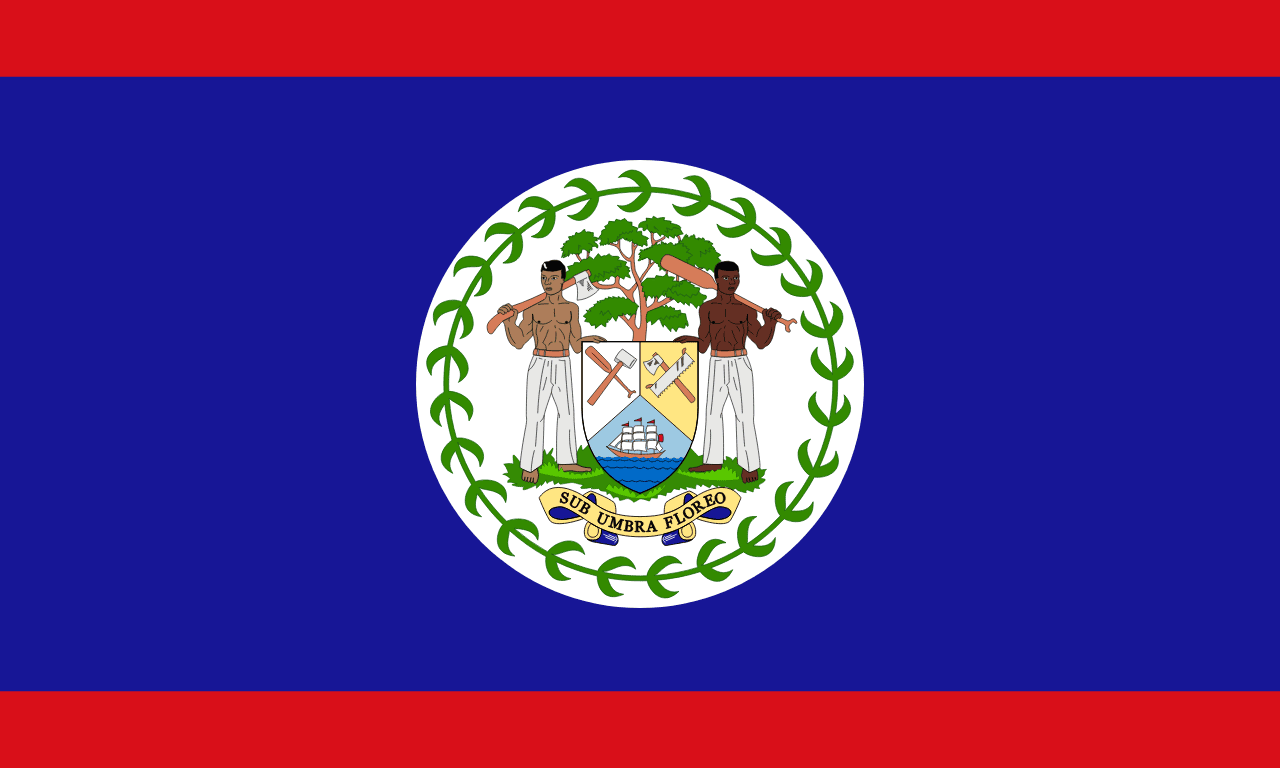
Belize
The Jewel of Central America, a land of ancient Maya heritage, vibrant Garifuna culture, and the only English-speaking nation in the region.
Figures from Belize
Historically documented individuals of note.
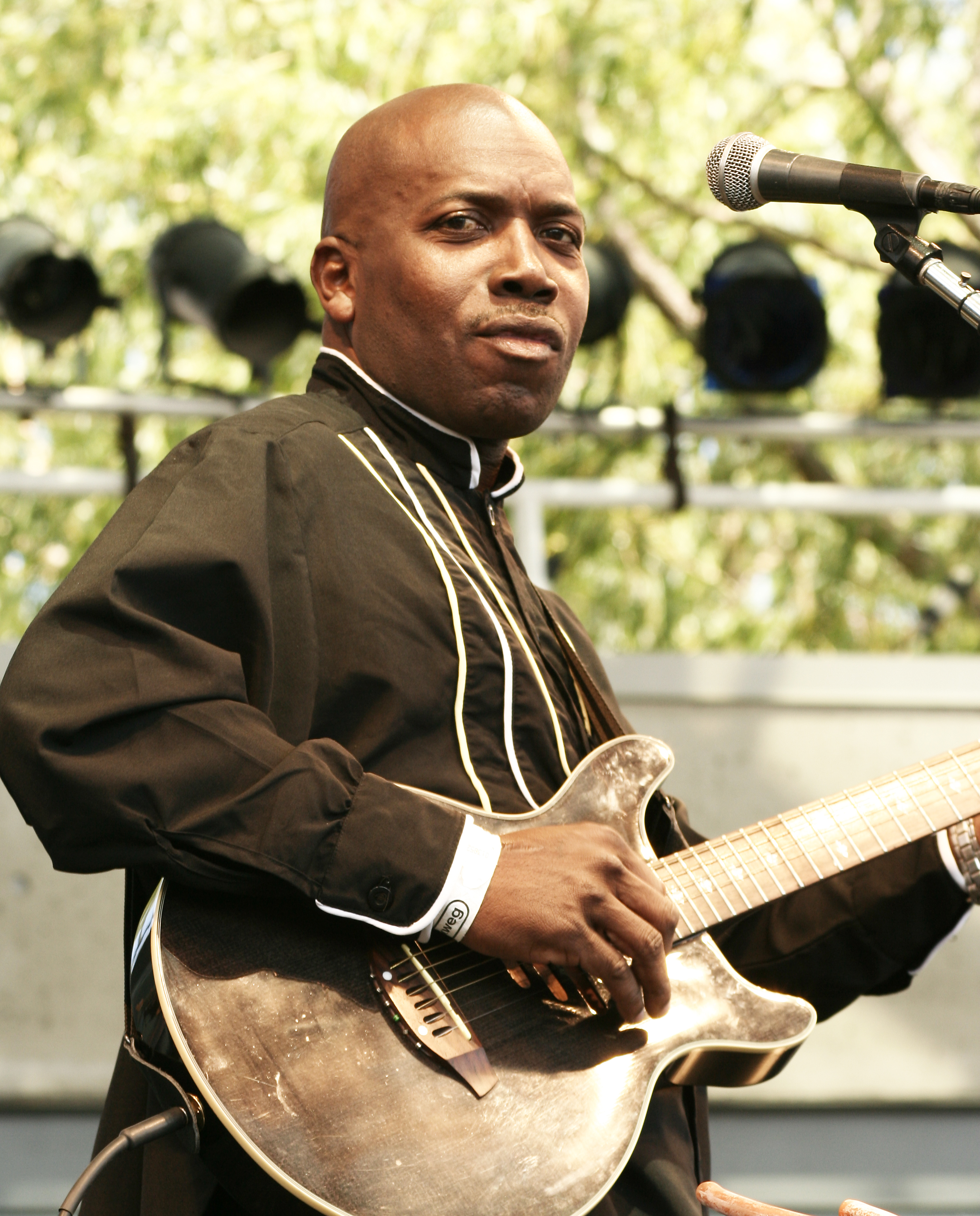
Andy Palacio
### Andy Palacio: The Garifuna Cultural Ambassador and Global Pioneer of Punta Rock Andy Palacio (December 2, 1960 – January 19, 2008) stands as one of the most celebrated and historically significant musicians, cultural activists, and public figures in the modern history of Belize and the wider Caribbean and Central American diaspora. Born in the remote coastal village of Barranco in southern Belize, Palacio dedicated his life to rescuing, modernizing, and promoting the rich cultural heritage of the Garifuna people (Garinagu). Beginning his career as a rural high school educator, he underwent a profound political and cultural awakening while volunteering in the Nicaraguan Literacy Campaign in 1980, where he witnessed the alarming extinction of the Garifuna language among younger generations. Driven by a fierce determination to prevent cultural erasure in his homeland, Palacio turned to music as an instrument of cultural preservation and resistance. He became the global pioneer and leading exponent of **Punta Rock**, a high-energy genre synthesizing traditional Garifuna sacred rhythms with modern instrumentation. In his later years, through visionary collaborations with producer Ivan Duran and Stonetree Records, Palacio founded The Garifuna Collective and released his critically acclaimed masterpiece album, *Wátina* (2007). Serving as Belize’s official Cultural Ambassador and Deputy Administrator of the National Institute of Culture and History (NICH), Palacio was instrumental in securing UNESCO's proclamation of Garifuna language, music, and dance as a Masterpiece of the Oral and Intangible Heritage of Humanity. Honored as a UNESCO Artist for Peace, his extraordinary life left an indelible mark on global world music and indigenous rights [1].  ### Roots in Coastal Barranco and Garifuna Heritage Andy Palacio was born on December 2, 1960, in the coastal settlement of Barranco, the southernmost Garifuna village in the Toledo District of Belize. To understand Palacio’s life and mission is to understand the dramatic, resilient history of the Garifuna people. Descended from West and Central Africans who intermarried with indigenous Island Caribs (Kalinago) and Arawaks on the Caribbean island of St. Vincent (Yurumein), the Garinagu fiercely resisted British colonial subjugation. Led by legendary paramount chiefs such as [Joseph Chatoyer](/profiles/joseph-chatoyer), who died defending their sovereignty in 1797, the Garinagu were eventually exiled by British forces to Roatan Island off the coast of Honduras, from where they migrated and established vibrant coastal communities across Belize, Honduras, Guatemala, and Nicaragua. Growing up in Barranco, young Palacio was immersed in a community deeply rooted in ancestral traditions. Daily life was accompanied by the polyrhythmic beats of the *primero* and *segunda* drums, the soulful melodies of acoustic *paranda* songs, and the sacred, multi-day spiritual ceremonies known as *dugu*, where ancestors are honored and propitiated. Despite the immense cultural wealth of Barranco, the village faced severe economic marginalization, geographic isolation, and a steady outward migration of working-age adults seeking employment in Belize City or North America. Palacio received his early education in local mission schools before completing his secondary and tertiary studies to become a high school social studies teacher. In the classrooms of Belize, he observed with growing unease that colonial educational models and encroaching North American media were creating a widening disconnect between Garifuna youth and their ancestral language. Many young people, fearing social prejudice, were abandoning the fluent Kweyol-Arawak linguistic structures of their parents in favor of English and Belizean Creole [1]. ### The Nicaraguan Literacy Campaign Awakening In 1980, at the age of nineteen, Palacio made a decision that forever altered the trajectory of his life and career. Following the triumph of the Sandinista Revolution in Nicaragua, the government launched the historic National Literacy Campaign (*Cruzada Nacional de Alfabetización*), calling on international volunteers to help eradicate illiteracy across rural and coastal communities. Eager to contribute to regional social transformation, Palacio traveled to Nicaragua and volunteered as a literacy brigadista. He was assigned to the isolated Caribbean coastal region around Orinoco and Pearl Lagoon, home to Nicaragua's historical Garifuna population. While teaching literacy, Palacio eagerly sought out local Garifuna elders, expecting to converse in their shared ancestral tongue. Instead, he encountered a devastating reality: while elderly residents retained faint cultural memories and snippets of traditional songs, the Garifuna language had suffered complete linguistic extinction among the children and young adults, who spoke only English Creole and Spanish. The cultural transmission had been entirely broken. This encounter profoundly shook young Palacio. It was a stark, living preview of what awaited the Garifuna communities of Belize if aggressive steps were not taken to revitalize the culture. He realized that formal classroom teaching was insufficient to counteract the overwhelming tides of cultural assimilation. > "When I went to Nicaragua and saw Garifuna people who could no longer speak their mother tongue or sing their ancestral songs, it hit me like a physical blow. I realized that if we did not fight for our culture right then in Belize, we were looking at our own extinction. Music became my weapon of preservation." — Andy Palacio [2] ### Revolutionizing Garifuna Music: The Rise of Punta Rock Returning to Belize with renewed revolutionary fire, Palacio abandoned his formal teaching career to become a full-time musician, cultural organizer, and broadcaster. He recognized that to capture the imagination of young Garinagu, traditional music had to be made exciting, contemporary, and commercially viable. During the early 1980s, brilliant Belizean artist and musician Pen Cayetano had begun experimenting with **Punta Rock**—a genre that took the traditional sacred and secular *punta* rhythm, played on hollowed wooden drums, and electrified it by adding electric lead guitars, driving basslines, synthesized keyboards, and energetic arrangements. Palacio enthusiastically embraced Punta Rock, forming bands and recording tracks that quickly transformed the Belizean music landscape. Throughout the late 1980s and 1990s, he released a string of successful albums, including *Nabi*, *Til Da Mawnin*, and *Keimoun* (1995). His music electrified dancehalls across Belize, Honduras, Guatemala, and the sprawling Garifuna diaspora communities in New York, Los Angeles, and Chicago. By singing catchy, dynamic lyrics entirely in the Garifuna language, Palacio instilled an unprecedented wave of cultural pride among youth, proving that their indigenous tongue belonged on modern radio stations and international stages alongside reggae, soca, and salsa. As his influence expanded, Palacio used his platform to foster national unity across Belize's diverse ethnic tapestry—bridging Garifuna, Maya, Mestizo, and Creole populations. His cultural leadership resonated deeply with the foundational nation-building vision of political leaders and historical figures such as [George Price](/profiles/george-price), the Father of the Nation, cultural documentarians like [Monrad Metzgen](/profiles/monrad-metzgen), feminist organizers such as [Gwendolyn Lizarraga](/profiles/gwendolyn-lizarraga), indigenous rights defenders like [Marcus Canul](/profiles/marcus-canul), and nursing pioneers like [Cleopatra White](/profiles/cleopatra-white) [3].  ### Stonetree Records, Paul Nabor, and the Masterpiece *Wátina* By the late 1990s, while Punta Rock enjoyed immense commercial success, Palacio grew concerned that electronic production and fast tempos were overshadowing the deep, soulful acoustic roots of Garifuna *paranda* music. He sought a more intimate, organic artistic direction that would immortalize the voices of elderly master musicians. This quest led to his historic partnership with Belizean producer Ivan Duran and the establishment of Stonetree Records in Benque Viejo del Carmen. Palacio and Duran embarked on an extensive musical archaeology project across Central America, recording veteran acoustic guitarists and percussionists for the groundbreaking compilation *Paranda* (1999). During this endeavor, Palacio played an indispensable role in introducing the international music world to Paul Nabor (Nabi), a legendary seventy-year-old fisherman, *parandero*, and spiritual temple leader from Punta Gorda. Palacio encouraged Nabor to record his deeply emotional composition "Naguya Nei" ("I Am Moving On"), which became an instant Garifuna anthem and catapulted the elder musician to global veneration. Building on this acoustic renaissance, Palacio and Duran founded **The Garifuna Collective**—a multigenerational ensemble that united master drummers, singers, and guitarists across age divides. The collective retreated to a makeshift recording studio inside a thatched house by the sea in Hopkins Village to craft what would become Palacio's magnum opus: the 2007 album ***Wátina*** ("I Called Out"). *Wátina* seamlessly blended acoustic paranda, punta rhythms, soulful melodies, and social commentary. Featuring instruments such as turtle shells, sisal shakers (*chakka*), and indigenous drums, the album explored themes of ancestral connection, political corruption, migration, and indigenous survival. Upon its release, *Wátina* became a global phenomenon. It reached number one on the European World Music Charts, received ecstatic reviews from mainstream international media, and was universally acclaimed as one of the finest world music recordings of the decade [4]. ### Global Ambassador, UNESCO Recognition, and Untimely Passing Andy Palacio’s monumental contributions to cultural preservation were formally recognized by the Government of Belize, which appointed him as the nation's official Cultural Ambassador and Deputy Administrator of the National Institute of Culture and History (NICH). In this official capacity, Palacio was not merely a performer but a cultural statesman. He spearheaded Belize’s intensive diplomatic and academic campaign at the United Nations Educational, Scientific and Cultural Organization (UNESCO). His relentless advocacy bore historic fruit in May 2001, when UNESCO officially proclaimed the Garifuna Language, Music, and Dance as a "Masterpiece of the Oral and Intangible Heritage of Humanity." This prestigious international designation mandated global protection and funding for Garifuna cultural institutions, fulfilling the vow Palacio had made to himself two decades earlier in Nicaragua. Throughout 2007, Palacio and The Garifuna Collective embarked on a triumphant world tour, performing at major concert halls and festivals across North America, Europe, and Latin America. In October 2007, Palacio was awarded the prestigious WOMEX Award in Seville, Spain—the global music industry's highest honor—and was formally designated a UNESCO Artist for Peace. Tragically, at the absolute zenith of his international career, Palacio suffered a sudden medical emergency. On January 16, 2008, he experienced a severe stroke and subsequent heart attack in Belize City. Despite emergency medical evacuation to Chicago and subsequent return to Belize, Andy Palacio passed away on January 19, 2008, at the age of 47. His untimely death plunged Belize and the global music community into profound mourning. Thousands of grieving citizens, dignitaries, and fellow musicians attended his official state funeral in Belize City, after which his body was carried by sea across the Caribbean waters back to his native village of Barranco for traditional burial accompanied by sacred drumming. > "Andy Palacio did not just sing songs; he resurrected the pride of a nation and placed the Garifuna soul onto the world stage. His voice remains an eternal flame warning us to cherish who we are before time washes it away." — Tribute by Ivan Duran and The Garifuna Collective, 2008 [5] Today, Andy Palacio is immortalized as a national hero in all but name. His pioneering vision ensured that Garifuna culture not only survived the threats of modern assimilation but flourished as a beacon of indigenous pride, resilience, and artistic brilliance for generations to come.
View Profile →Cleopatra White
### Introduction and Historical Context of British Honduras Cleopatra Eugenie White (1898–1987) stands as one of the most monumental figures in the social, medical, and political history of Belize, formerly known as British Honduras [1]. Born at the turn of the twentieth century, White emerged during an era marked by intense colonial neglect, widespread poverty, and severe public health deficits across the Caribbean region. In British Honduras, healthcare infrastructure was largely centralized within the urban confines of Belize City, leaving vast rural communities and river valleys entirely unserved by formal medical institutions [2]. Throughout her extraordinary sixteen-year career as a frontline rural public health nurse, White defied bureaucratic apathy and geographical isolation to deliver vital medical care, maternal health services, and sanitary education to remote villages [3]. Her pioneering spirit, however, extended far beyond clinical care. Recognizing that public health is intrinsically tied to social organization and community self-governance, White revolutionized grassroots democracy in Belize by establishing the country's very first village council system in Gales Point Manatee [2]. Working alongside prominent contemporaries and drawing inspiration from regional socio-political movements led by figures such as [Marcus Garvey](/profiles/marcus-garvey) and locally championed by [Vivian Seay](/profiles/vivian-seay), White demonstrated that women could serve as primary catalysts for national development, civil resilience, and cultural preservation [4]. Today, her lasting contributions continue to resonate through modern Belizean healthcare institutions, village governance frameworks, and national disaster management protocols. ### Early Life, Orphanhood, and Educational Foundations Cleopatra Eugenie White was born on June 28, 1898, in British Honduras, to parents Joseph and Maria White [4]. Her childhood was struck by profound tragedy when both of her parents died while she was still a young girl, leaving her orphaned in an uncompromising colonial environment that offered minimal social safety nets [5]. Despite the severe emotional and financial hardships of orphanhood, White exhibited an innate intellectual curiosity, immense personal resilience, and a deep-seated compassion for the vulnerable around her. She was fostered and guided by supportive community members who recognized her potential and ensured she received a foundational education [4]. White attended Miss Zeila Braddick’s elementary school for girls, an institution known for instilling strict discipline and academic rigor, before continuing her formal schooling at the Ebenezer Elementary School in Belize City [6]. During her formative years, White witnessed firsthand the ravages of preventable tropical diseases, infant mortality, and poor sanitation that afflicted the working-class populations of Belize City. These early observations ignited her lifelong commitment to nursing and social welfare [1]. Though she never married or had biological children of her own, White possessed an extraordinary maternal devotion that she channeled into raising and mentoring numerous adopted children and community youth [4]. Among those she nurtured was Edward P. Yorke, who would later grow under her guidance to become one of Belize's most respected and renowned educators, ultimately having a major secondary school named in his honor [7]. Through educational perseverance and moral fortitude, White laid the groundwork for a career that would transform public health across her nation.  ### The Black Cross Nurses and Mentor Vivian Seay The defining professional turning point of Cleopatra White's early career occurred through her deep involvement with the Black Cross Nurses Association (BCNA) [4]. Founded in the early 1920s as the women's auxiliary wing of [Marcus Garvey](/profiles/marcus-garvey)'s Universal Negro Improvement Association (UNIA), the Black Cross Nurses sought to combine professional medical training with racial uplift, self-reliance, and community sanitation [1]. In British Honduras, the local chapter was pioneered and led by the formidable nurse and social activist [Vivian Seay](/profiles/vivian-seay) [4]. Recognizing White's exceptional leadership qualities, unwavering work ethic, and natural talent for patient care, Seay took the young nurse under her wing, serving as her primary mentor and professional confidante [5]. Under Seay's tutelage, White quickly ascended through the ranks of the Black Cross Nurses, eventually being appointed as the organization's second matron [1]. In this executive role, White supervised the training of dozens of young Belizean women in basic first aid, hygiene, nutrition, and maternal and infant care [4]. The Black Cross Nurses operated as a quasi-public healthcare force, conducting neighborhood sweeps in Belize City to combat outbreaks of dysentery, malaria, and tuberculosis, while educating impoverished mothers on proper sterilization and infant feeding techniques [2]. This grassroots public health work instilled in White a holistic understanding of medicine—one that viewed health not merely as the treatment of disease, but as the active empowerment of entire communities through education, cleanliness, and preventative care. Her leadership within the BCNA firmly established her reputation as a formidable public servant and paved the way for her formal integration into the colonial government's medical service. > 'Cleopatra White was more than a healthcare provider; she was a foundational architect of rural civic governance in Belize, transforming the role of the public health nurse into that of a community leader and pioneer of local democracy.' ### Rural Healthcare Pioneer: Double Head Cabbage and Gales Point In 1943, recognized for her exceptional clinical aptitude and leadership within the Black Cross Nurses, Cleopatra White was selected as part of the historic first cohort of Belizean nurses to undergo formal, advanced public health training under the colonial medical department [6]. Upon successfully completing her certification, White embarked on what would become the most celebrated phase of her life's work: serving as a frontline rural health nurse [3]. While many medical professionals sought the relative comfort and security of urban hospital assignments in Belize City, White willingly accepted postings in the most remote, underserved rural expanses of the colony [2]. Her initial assignment placed her in the village of Double Head Cabbage, located along the Belize River Valley [4]. Here, she traveled by dugout canoe, horseback, and on foot over treacherous, muddy terrain to attend to difficult childbirths, treat tropical fevers, and administer immunizations to isolated families [2]. However, her most enduring legacy was forged during her subsequent transfer to the Gales Point Manatee community, a picturesque but isolated coastal village situated on a peninsula jutting into the Southern Lagoon [3]. For over sixteen consecutive years, Nurse White served as the sole medical authority for Gales Point and the surrounding rural districts [4]. Operating without modern clinical facilities, electricity, or immediate access to physicians, she delivered hundreds of babies, set broken bones, sutured wounds, and managed chronic ailments with extraordinary diagnostic skill and resourcefulness [1]. To the inhabitants of Gales Point, Nurse White was revered not merely as a medical officer, but as a community matriarch whose clinical expertise was matched only by her profound empathy and tireless dedication. ### Birth of Local Democracy: The First Village Council During her sixteen-year tenure in Gales Point Manatee, Cleopatra White observed a critical institutional void that severely hindered rural progress: isolated villages possessed no formal administrative mechanisms to voice their needs, manage community resources, or organize collective action [2]. Rural communities were governed entirely from afar by colonial district commissioners who rarely visited and little understood local challenges [3]. Driven by her conviction that public health required social cohesion and self-determination, White spearheaded a revolutionary civic experiment [5]. In the early 1950s, she brought together the elders, fishermen, farmers, and mothers of Gales Point to establish the very first organized Village Council in the history of Belize [2]. White designed a structured framework where villagers elected representatives to manage village cleaning campaigns, oversee communal water sources, resolve minor local disputes, and coordinate directly with central government authorities [6]. This pioneering democratic body proved extraordinarily effective, rapidly transforming Gales Point into a cleaner, more organized, and empowered community [3]. When colonial officials observed the remarkable civic stability and improved sanitation achieved by Nurse White's village council, the government officially adopted her model [5]. Throughout the 1950s and 1960s, the Village Council system was systematically replicated across rural Belize, eventually becoming the statutory framework for local rural governance that endures across the nation to this day [2]. Through this groundbreaking initiative, Nurse White cemented her status as a foundational pioneer of grassroots Belizean democracy. > 'In the rural reaches of Gales Point and across the Belize District, Nurse White's tireless dedication during hurricanes and daily medical crises proved that true public health extends beyond medicine into social empowerment and leadership.'  ### Disaster Relief and Hurricane Preparedness Belize's geographical location renders it perennially vulnerable to devastating tropical cyclones, and Cleopatra White stood at the absolute forefront of disaster management and emergency medical relief throughout three of the most catastrophic hurricanes in the nation's history [2]. As a young auxiliary nurse, she participated in relief operations following the horrific 1931 hurricane that destroyed much of Belize City and claimed over two thousand lives [3]. This traumatic experience instilled in her an acute awareness of the need for structured disaster preparedness [2]. Decades later, during her leadership in Gales Point, Nurse White utilized her newly established Village Council to organize rigorous hurricane evacuation drills, establish emergency food shelters, and coordinate rapid medical response teams [3]. Her foresight saved countless lives when Hurricane Janet struck the region in 1955 [2]. Six years later, on October 31, 1961, the apocalyptic category 5 Hurricane Hattie made direct landfall on Belize City, causing unprecedented destruction and displacement [3]. Working tirelessly amidst flooded streets, shattered buildings, and widespread devastation, Nurse White worked around the clock to treat trauma victims, prevent cholera outbreaks, and organize shelter hygiene [1]. Following the hurricane, when the colonial government established the planned refugee resettlement community of Hattieville inland, Nurse White volunteered to serve as the very first resident public health nurse at the newly constructed Hattieville Clinic, restoring hope and medical stability to thousands of displaced survivors [3]. ### Cultural Promotion, Later Years, and National Honors Beyond her medical and civic achievements, Cleopatra White was a passionate advocate for the preservation and celebration of Belizean cultural heritage [6]. In an era when colonial curriculum dominated the schools, she actively organized plays, folklore recitals, and musical performances for schoolchildren in Gales Point and Belize City, instilling pride in local traditions and historical narratives [8]. She collaborated closely with emerging national figures such as [George Cadle Price](/profiles/george-cadle-price) and early labor champions like [Antonio Soberanis Gómez](/profiles/antonio-soberanis-gomez) in cultivating a distinct, prideful national consciousness among the working class [4]. In recognition of her extraordinary, self-sacrificing service to the people of Belize, White received numerous prestigious accolades throughout her lifetime. In 1953, she was awarded the coveted Victoria Medal in recognition of her outstanding achievements in rural community development and public health [3]. Five years later, in 1958, her contributions were acknowledged across the British Commonwealth when she was appointed a Member of the Order of the British Empire (MBE) [6]. White traveled personally to London, England, to accept the insignia, bringing immense pride to her homeland [3]. Cleopatra White retired from active nursing in the late 1960s but remained an esteemed advisor and community elder until her passing in 1987 at the age of 89 [1]. Today, her immortal legacy is permanently enshrined in Belize's healthcare infrastructure through the Cleopatra White Polyclinic, a major multi-specialty medical center in Belize City named in her honor [8]. Through her lifelong dedication, Nurse White forever elevated the standard of public health, empowered rural governance, and etched her name as a true heroine of the Belizean nation.
View Profile →
George Cadle Price
### Early Life and the Crucible of Nature Born on January 15, 1919, in the coastal settlement of Belize City—then the capital of the British colony of British Honduras—George Cadle Price emerged from a society deeply stratified by race, class, and colonial administration. He was one of eleven children born to William and Irene (née Escalante) Price. His father was a military man and auctioneer, while his mother was of Mestizo descent, a blending of heritages that would later prove symbolic of Price’s vision for a unified, multicultural Belize. In his youth, Price attended Holy Redeemer Primary School and later St. John’s College (SJC), the premier Catholic secondary school in Belize City. It was during his time at SJC that Price experienced a defining trauma: the devastating 1931 hurricane that struck Belize City on the 10th of September. The hurricane destroyed St. John's College, claiming the lives of many of his classmates and teachers. Price narrowly survived the catastrophic storm by clinging to the wreckage. This apocalyptic event left an indelible mark on his psyche, instilling in him both a profound sense of divine purpose and an acute awareness of the vulnerability of his homeland. It would later influence one of his most significant nation-building decisions: the relocation of the national capital. ### A Calling Redirected: From Priesthood to Politics Deeply devout, Price initially sought a life of spiritual service. Influenced by Catholic social justice teachings, particularly Pope Leo XIII's encyclical *Rerum Novarum*, which championed the rights of workers and the poor, he felt drawn to the priesthood. He traveled to the United States to study at a seminary in Mississippi, but the harsh realities of racial segregation in the American South during the Jim Crow era repelled him. He subsequently transferred to the Seminario Conciliar in Guatemala City. The outbreak of World War II, however, disrupted his studies, forcing his return to British Honduras. Back in Belize, Price secured employment with Robert Sydney Turton, one of the colony’s wealthiest men and a major exporter of mahogany and chicle. Turton, a fierce opponent of the British colonial establishment, deeply influenced the young Price. Working as Turton’s personal secretary, Price was exposed to the inner workings of colonial economics and the systemic exploitation of Belizean labor and resources. This practical education in political economy, combined with his deeply held religious convictions regarding social justice, catalyzed his transition from aspiring priest to political agitator. ### The Catalyst of 1949 and the Birth of the PUP The turning point in Belizean political history—and Price’s life—occurred on December 31, 1949, when the British Governor arbitrarily devalued the British Honduran dollar. This decision, made to protect British commercial interests at the expense of local purchasing power, triggered widespread outrage among the working class. In response, Price, along with other rising political figures like John Smith, Leigh Richardson, and [Philip Goldson](/profiles/philip-goldson), formed the People's Committee to protest the devaluation. This grassroots movement quickly gained momentum, channeling decades of anti-colonial frustration. On September 29, 1950, the People's Committee evolved into the People's United Party (PUP). George Cadle Price became the party’s central driving force. > "We are small in size, but we are big in spirit." – George Cadle Price Price’s organizing skills and charismatic connection with the masses transformed the PUP into a formidable political machine. He traveled tirelessly across the country, often by foot or on horseback, visiting remote villages that colonial officials had long ignored. He championed what he called the "peaceful, constructive Belizean revolution," advocating for universal adult suffrage, improved labor conditions, and ultimately, self-government. ### The Long Road to Independence Price’s political ascent was rapid. In 1954, under a new constitution that granted universal adult suffrage, the PUP swept the national elections. Price became the undisputed leader of the anti-colonial movement. In 1961, he was appointed First Minister, and when British Honduras achieved internal self-government in 1964, he became the country’s first Premier.  As Premier, Price faced the monumental task of nation-building. Following the devastation of Hurricane Hattie in 1961, he spearheaded the audacious project to build a new, inland capital city. Belmopan, carved out of the jungle, was a testament to his vision of a modern, secure, and sovereign state, safe from coastal vulnerabilities. However, the path to full independence was heavily obstructed by neighboring Guatemala, which laid a historical claim to the entire territory of Belize. For decades, the threat of a Guatemalan military invasion loomed over the colony, forcing the British to maintain a defense garrison and delaying the transition to sovereignty. Price proved to be a masterful diplomat. Recognizing that Britain was eager to divest itself of its colonial obligations but unable to resolve the Guatemalan dispute, Price launched an international offensive. Throughout the 1970s, he tirelessly lobbied the United Nations, the Non-Aligned Movement, the Commonwealth, and CARICOM (which he helped integrate Belize into) to garner global support for Belize's right to self-determination and territorial integrity. His efforts isolated Guatemala internationally and culminated in a series of UN resolutions affirming Belize's right to independence with its borders intact. ### The Architect of a New Nation On September 21, 1981, George Cadle Price’s lifelong objective was realized. The Union Jack was lowered, and the new Belizean flag was raised. Price became the first Prime Minister of an independent Belize. > "Belize, with the help of God and the support of its people, will stand upright and will do its duty and help bring peace, stability and prosperity to our region and to wider circles of our planet Earth." – George Cadle Price His leadership style was uniquely ascetic. Despite his immense power, Price lived a remarkably modest life. He resided in a simple home, drove a modest vehicle, and was frequently seen walking the streets of Belize City, collecting trash and chatting with ordinary citizens. He never married and had no children, famously dedicating his life entirely to his country. He viewed his political service as an extension of his thwarted religious vocation—a ministry to the people of Belize. ### Later Years and Enduring Legacy Price served as Prime Minister from 1981 to 1984, and again from 1989 to 1993, gracefully accepting electoral defeats in the intervening years, which cemented Belize's democratic tradition. He officially stepped down as leader of the PUP in 1996 but remained a revered elder statesman until his death on September 19, 2011, at the age of 92—just two days before the 30th anniversary of the independence he had fought so hard to achieve. In 2000, he was awarded the Order of National Hero, the highest honor in Belize, becoming the first person to receive the distinction. Today, George Cadle Price is universally remembered as the "Father of the Nation." His legacy is not merely the political independence of Belize, but the forging of a distinct Belizean identity. In a region often fractured by racial and ethnic divides, Price’s vision was inclusive, bridging the Afro-descendant Creole population and the Mestizo, Maya, Garifuna, and East Indian communities into a single, unified citizenry. He transformed a neglected colonial outpost into a proud, sovereign nation, bridging the cultural divide between the Caribbean and Central America.
View Profile →Gwendolyn Lizarraga
### Introduction Gwendolyn Margaret Lizarraga, MBE (née Smith; July 11, 1901 – June 9, 1975), affectionately revered across Belize as "Madam Liz," stands as a towering colossus in the socio-political and economic emancipation of modern Belize [1][2]. A fearless iconoclast, pioneering entrepreneur, and impassioned champion of working-class women, she shattered centuries of entrenched patriarchal tradition in what was then British Honduras [3]. In 1961, she inscribed her name into the history books by becoming the first woman ever elected to the national Legislative Assembly [1][4]. Shortly thereafter, she broke another monumental barrier when Premier [George Price](/profiles/george-price) appointed her as the country’s first female Cabinet Minister, entrusting her with the vital portfolios of Education, Housing, and Social Services [2][5]. Whether commanding timber camps in the dense mahogany jungles or commanding respect on the floor of parliament, Madam Liz fought relentlessly for gender equality, fair labor standards, and the fundamental dignity of the Belizean people [3][6]. ### Early Life, Education, and Entrepreneurial Defiance Gwendolyn Margaret Smith was born on July 11, 1901, in the remote settlement of Maskall Village in the Belize District of British Honduras [1][2]. Born to Sidney Smith and Guadalupe Baeza, she spent her formative years navigating both the vibrant urban culture of Belize City and the rugged rural hinterlands [1]. She received her early education at Mr. Datsun Primary School and St. Mary’s Primary School, before attending the prestigious St. Catherine’s Academy, a girls' secondary institution run by the Sisters of Mercy that instilled in her a sharp analytical intellect and a deep sense of moral obligation to the underprivileged [1][2]. In 1926, at the age of twenty-five, she married Victor Manuel Lizarraga, a talented photographer, with whom she built a loving family comprising five children [1][5]. Refusing to be confined by the restrictive Victorian gender norms that dictated early twentieth-century colonial society, Gwendolyn ventured boldly into the male-dominated world of commerce, agriculture, and forestry [3]. She established and personally managed extensive chicle and mahogany timber operations in the dense interior rainforests of British Honduras [1][2]. In an era when respectable women were expected to be demure and domestic, Madam Liz became a legendary figure of defiance and executive authority. She routinely drove a rugged Land Rover over treacherous logging trails, wore trousers and knee-high leather boots, carried a licensed sidearm for protection in the wilderness, and smoked cigarettes with unflinching self-assurance [1][3]. Operating in a cutthroat colonial industry dominated by powerful foreign conglomerates like the Belize Estate and Produce Company, she held her ground with extraordinary business acumen. She earned the fierce, lifelong loyalty of her forest workers—known locally as chicleros and mahogany cutters—by treating them with unprecedented fairness, humanity, and respect [3][5]. ### Championing Labor Rights and Equal Pay Madam Liz’s firsthand experiences as an employer in the remote timber camps exposed her directly to the severe economic exploitation and systemic inequalities suffered by the Belizean working class, particularly female laborers [3][6]. Long before organized feminist movements gained a foothold in the Caribbean basin, she emerged as a vocal and uncompromising crusader for labor rights and gender equity [1][6]. She instituted strict revolutionary policies on her own agricultural and timber concessions, guaranteeing equal pay for equal work regardless of gender—a radical and unprecedented stance in the 1930s and 1940s [1][3]. As the labor movement in British Honduras began to coalesce under early working-class champions like [Antonio Soberanis Gómez](/profiles/antonio-soberanis-gomez), Gwendolyn Lizarraga lent her formidable voice, organizational skill, and financial resources to the anti-colonial labor struggle [1][3]. In April 1943, during the foundational organizing meetings of the British Honduran Trade Union (BHTU), she was invited as a keynote speaker [1][3]. Addressing a packed hall of male laborers and union organizers, she passionately urged trade union leaders to embed explicit protections for female workers into their core constitutional platform, demanding equal wages, humane working conditions, and an absolute end to the gender wage gap [1][3][6]. Her impassioned speech galvanized working women across Belize City, establishing her as the undisputed political godmother of the Belizean women's rights movement [3][4]. > "Where there is hatred, let us sow love; where there is oppression, let us plant the seeds of justice and equal reward for the toil of every woman's hand." [4][5] ### Grassroots Mobilization: The United Women's Group and Credit Union Recognizing that true socio-economic liberation required systematic political organization, Madam Liz aligned herself with the burgeoning nationalist anti-colonial movement led by [George Price](/profiles/george-price) and the People's United Party (PUP) [5][7]. In 1959, she took a historic step by founding the United Women's Group (UWG), conceived as the dynamic women's socio-political wing of the PUP [3][6]. Traveling tirelessly by boat, truck, and foot across coastal villages, interior towns, and river settlements, she mobilized thousands of women from diverse ethnic backgrounds—Creole, Mestizo, Garifuna, and Maya—uniting them into a formidable, disciplined political constituency [3][6]. Through the UWG, women were educated on their civil rights, encouraged to participate actively in public discourse, and prepared for leadership roles in community governance [3][6].  Madam Liz understood with profound structural clarity that political empowerment was inextricably linked to financial independence [3][7]. In colonial Belize, working-class women were systematically barred from accessing traditional commercial bank loans or acquiring real estate independently of male co-signers or husbands [3]. To shatter this economic servitude, she co-founded the United Women's Credit Union [2][3][7]. Through this cooperative financial institution, modest weekly savings from washerwomen, cooks, teachers, and domestic workers were pooled together into a collective capital fund [3]. Under Madam Liz's guidance, the credit union provided accessible micro-loans that enabled hundreds of Belizean women to purchase their own parcels of land, construct family homes, and establish independent small enterprises [2][3][7]. This initiative fundamentally altered the socio-economic landscape of Belize City, transforming marginalized women into autonomous property owners and empowered economic actors [3][7]. ### Political Breakthrough: First Female Legislator and Cabinet Minister By 1961, Madam Liz’s immense grassroots popularity and tangible contributions to national development made her a natural and formidable candidate for national political office [1][4]. In the historic general election of March 1961—the first held under a new ministerial constitution granting greater self-governance—she stood as the People's United Party candidate for the Pickstock electoral division in Belize City [1][4]. Running a spirited, highly organized campaign that galvanized the urban working class, she won a resounding victory by a landslide, etching her name indelibly in history as the first woman ever elected to the British Honduras Legislative Assembly [1][4][7]. Following her electoral triumph, Premier [George Price](/profiles/george-price) recognized her exceptional executive abilities and visionary dynamism, appointing her as Minister of Education, Housing, and Social Services [2][5][7]. With this landmark appointment, she became the first woman in the history of Belize to hold a Cabinet portfolio [1][2]. Madam Liz approached her ministerial duties with the same relentless energy and practical efficiency that characterized her business career [3]. She was decisively re-elected by her Pickstock constituents in the general elections of 1965 and 1969, serving continuously in Cabinet for thirteen transformative years [1][4]. As Minister of Housing, she spearheaded visionary urban planning schemes to alleviate the squalid, overcrowded living conditions of the urban poor [2][7]. She oversaw the acquisition of land and the construction of new low-cost residential neighborhoods, most notably King's Park in Belize City, ensuring that working-class families had access to affordable, dignified housing equipped with proper sanitation and clean water [2][7]. As Minister of Education, she democratized access to secondary learning by establishing the country’s first national system of public junior secondary schools, breaking the elite denominational monopoly on higher education and opening academic doors for thousands of underprivileged youth across rural and urban zones [2][5][7]. In Social Services, she expanded welfare protections for elderly citizens, orphaned children, and destitute families, laying the institutional foundations of Belize's modern social safety net [2][7]. ### Later Years, National Honors, and Immortal Legacy By 1974, declining health forced Madam Liz to step back from active political life, retiring from her cabinet post and legislative seat shortly before the 1974 general election [1][4]. Even in retirement, she remained a revered national matriarch and elder stateswoman, frequently consulted by political leaders, trade unionists, and grassroots activists seeking her wisdom and moral guidance [3]. On June 9, 1975, Gwendolyn Margaret Lizarraga passed away peacefully in Belize City at the age of seventy-three, leaving behind a nation profoundly and permanently transformed by her courage, compassion, and vision [1][2]. Her passing was mourned across the entire country, and she was accorded an official state funeral befitting her monumental stature [2][4]. In recognition of her lifetime of pioneering service, the government of independent Belize posthumously conferred upon her the highest national honors, cementing her legacy as a foundational National Heroine of Belize [4][7]. In 1999, her memory was immortalized with the founding of the Gwendolyn Lizarraga High School (affectionately known as "Gwen Liz") in Belize City, a public secondary institution dedicated to academic excellence and social inclusion [2][7]. Furthermore, numerous streets, avenues, and women's empowerment centers across the nation bear her name as an enduring tribute [2][7]. Each year during National Women's Month and on National Heroes and Benefactors Day, Belizeans celebrate the indelible footprint of Madam Liz [4][7]. She is remembered not merely as the first woman to hold political power, but as a fearless pioneer who taught generations of Caribbean women to stand tall, claim their equal economic and political rights, and build a more just and equitable society [1][3][6].
View Profile →Marcus Canul
### Introduction and Overview Marcus Canul (c. 1820s – September 1872) stands as a legendary military general, political chief, and indomitable defender of indigenous sovereignty in the history of Belize [1]. For over a century, colonial historiography relegated Canul to the status of a rebellious bandit and marauder who terrorized British settlements. However, rigorous modern historical re-examination has unveiled Canul as a sophisticated, patriotic leader of the Icaiche Maya who waged a legitimate, heroic defense against British imperial encroachment [2]. Operating during the volatile decades of the mid-19th century, Canul united indigenous factions along the contested frontier of northern and western Belize, fighting resolutely to protect ancestral Maya lands, preserve their economic self-determination, and demand formal recognition from European colonial powers [3]. Canul’s life and military campaigns represent one of the most significant anti-colonial indigenous resistances in Caribbean and Central American history, paralleling the fierce struggles waged by early freedom fighters such as [Joseph Chatoyer](/profiles/joseph-chatoyer) in St. Vincent and later nationalist figures like [Thomas Vincent Ramos](/profiles/thomas-vincent-ramos) [4]. Today, Marcus Canul is celebrated as a national hero by the Maya community and modern Belizean historians, symbolizing the enduring resilience, territorial pride, and martial valor of the Maya civilization in the face of overwhelming imperial hegemony [5]. ### Historical Context: The Caste War and Imperial Encroachment To comprehend the rise of Marcus Canul, one must examine the profound geopolitical convulsions generated by the Caste War of Yucatán (Guerra de Castas), which erupted in 1847 [2][6]. Initiated by the native Maya population against the oppressive political and economic domination of the white and mestizo elite (the Yucatecos) in southeastern Mexico, the conflict transformed the entire Yucatán Peninsula into a fierce battleground for indigenous liberation. As the war intensified, independent Maya states emerged, most notably the Cruzoob (Chan Santa Cruz Maya) in the east and the Icaiche Maya in the deep southern rainforests bordering British Honduras [3]. During this period, the British settlement of Belize (formally declared the Colony of British Honduras in 1862) was aggressively expanding its commercial logging footprint [1]. British timber conglomerates, hungry for lucrative mahogany and logwood exports to fuel European industrialization, pushed relentlessly deeper into the interior forests of the northern and western districts along the Río Hondo and Río Bravo. This expansion occurred entirely without the consent of the indigenous Maya who had inhabited and cultivated these lands for millennia [5]. British logging enterprises indiscriminately cut down sacred forests, destroyed Maya agricultural milpas (cornfields), and disrupted traditional hunting grounds, treating indigenous territory as terra nullius—empty land free for colonial extraction [4].  ### Rise to Leadership and Defense of Maya Sovereignty By the 1860s, Marcus Canul had risen through martial prowess and political sagacity to become the *General Superior* and principal chief of the Icaiche Maya [1][2]. Operating from fortified forest strongholds near the borderlands, Canul recognized that British commercial logging posed an existential threat to the survival and autonomy of his people. Rather than engaging in chaotic violence, Canul adopted a highly structured, sovereign foreign policy: he asserted formal legal ownership over the forests of northern and western Belize and demanded that British timber companies pay annual financial rental agreements (*renta*) and tax compensation for the timber extracted from Maya soil [3][4]. Canul’s demand for land rent was a profound direct challenge to the authority of the British Crown. It established that the Maya were not passive subjects of European empires, but sovereign landowners entitled to economic compensation and diplomatic respect [5]. When British logging magnates—backed by the colonial administration in Belize Town—arrogantly refused to pay rental fees and continued their unauthorized logging incursions, Canul mobilized the Icaiche military apparatus to enforce territorial boundaries and protect their homeland [1]. > "The forests and rivers are the inheritance of our fathers. We shall not permit strangers to strip our lands and leave our children in poverty without paying the tribute demanded by justice." ### Military Campaigns and Asserting Authority Canul proved to be a master of asymmetric woodland warfare, utilizing the dense rainforest terrain to neutralize the technological superiority of British colonial weaponry. Beginning in the mid-1860s, he launched a series of highly disciplined, tactical campaigns aimed at disrupting illegal British logging camps, confiscating timber equipment, and enforcing rent collection along the Río Bravo and Booth’s River [2][3]. One of the most dramatic demonstrations of Canul’s military effectiveness occurred in December 1866 during the **Battle of San Pedro (Qualm Hill)** [1][4]. When a detachment of British colonial troops and armed civil posse marched into the interior to dislodge Maya forces and protect logging interests, Canul led a brilliant tactical ambush. The Icaiche fighters completely routed the British forces, inflicting significant casualties and forcing a chaotic retreat back to the coast [1]. Canul successfully captured several prominent British logging agents and soldiers, holding them as prisoners of war to compel the colonial administration to engage in formal diplomatic negotiations regarding land boundaries and rental payments [4]. The victory at San Pedro sent shockwaves of panic through the ruling elite in Belize Town. Fearful that Canul’s forces would overrun the entire northern territory, the Lieutenant Governor declared martial law and urgently appealed to the Governor of Jamaica for imperial reinforcements [3]. Troop ships dispatched detachments of the renowned West India Regiment to fortify northern outposts, underscoring the immense martial threat that Marcus Canul posed to the British Empire in Central America [5]. ### The Battle of Orange Walk (1872) Tensions between the Icaiche Maya and the British colonial administration culminated on September 1, 1872, in the historic **Battle of Orange Walk**—the last major armed conflict fought on Belizean soil [1][6]. Frustrated by continuous British incursions, the refusal of colonial authorities to honor rental tributes, and aggressive trade blockades imposed against Maya settlements, Canul organized a bold offensive against the strategic garrison town of Orange Walk [2]. At dawn on September 1, Canul commanded a force of approximately 150 to 180 veteran Icaiche warriors across the Río Hondo into Orange Walk [1][6]. His strategic objectives were to neutralize the military barracks, seize accumulated timber tax revenues, and capture the District Magistrate to force a definitive peace treaty recognizing Maya land sovereignty [2]. Launching a multi-pronged surprise assault, Canul’s forces swiftly captured the town center and surrounded the fortified British barracks, which were defended by a detachment of the 1st West India Regiment under the command of Lieutenant Smith [6]. A fierce, hours-long battle ensued, characterized by intense urban combat and heavy musket fire across the barricades [1]. The disciplined West India Regiment soldiers utilized their defensive fortifications to withstand the repeated advances of the Maya warriors. Demonstrating remarkable personal courage, General Canul led his men from the frontlines, actively directing fire against the barracks gate [2]. During the height of the engagement, Canul was struck by a British rifle bullet, sustaining a severe, mortal wound to the chest [1][6]. Recognizing the loss of their commander and facing mounting casualties against fortified artillery, the Icaiche officers executed an orderly, tactical withdrawal, carrying their dying general across the border back into the safety of Mexican territory [2]. ### Historiographical Shift: From "Bandit" to National Hero Marcus Canul succumbed to his battle wounds shortly after returning to Icaiche territory in September 1872 [1]. Following his death, the British colonial administration embarked on an extensive ideological campaign to vilify his memory. For over a century, colonial textbooks and official dispatches depicted Canul as a bloodthirsty bandit, a foreign invader, and a lawless marauder whose defeat symbolized the triumph of British "civilization" over indigenous "savagery" [4][5]. This distorted historiography served to justify the subsequent pacification and expropriation of Maya lands across northern Belize. However, with the rise of the Belizean independence movement in the late 20th century—spearheaded by visionaries like [George Cadle Price](/profiles/george-cadle-price) and championed alongside indigenous renaissance movements—a profound revisionist historiography took root [5]. Indigenous scholars, notably through organizations such as the Northern Maya Association of Belize, alongside progressive academic historians, meticulously deconstructed colonial archives [4]. They revealed that Canul was not a foreign bandit, but an indigenous patriot defending territorial integrity against unprovoked imperial aggression [3]. His demands for land rent were validated as sophisticated legal assertions of indigenous sovereignty. ### Lasting Legacy in Modern Belize Today, Marcus Canul occupies a revered position in the pantheon of Belizean history. He stands alongside modern giants like [Thomas Vincent Ramos](/profiles/thomas-vincent-ramos) and [Philip Goldson](/profiles/philip-goldson) as a pillar of anti-colonial resistance and national dignity [5]. Annual commemorative ceremonies are held in Orange Walk and Corozal districts to honor his sacrifice and celebrate the rich cultural heritage of the Maya people [4]. Canul’s legacy has profoundly shaped modern Belize’s multi-ethnic identity, reinforcing the crucial truth that the nation’s history is rooted not only in British logging settlements, but equally in the fierce, unyielding resistance of its indigenous populations [3]. Educational curricula across Belize now teach the Battle of Orange Walk not as a colonial victory over bandits, but as a tragic and heroic stand for indigenous freedom [6]. Through monuments, cultural festivals, and scholarly literature, General Marcus Canul is immortalized as an eternal sentinel of Maya sovereignty and an inspirational icon in the global struggle for indigenous rights [1][5].
View Profile →Monrad Metzgen
### Historical Context: British Honduras at the Turn of the Century At the dawn of the twentieth century, British Honduras—known today as the vibrant and independent nation of Belize—was a colony navigating the complex currents of imperial administration, economic vulnerability, and social stratification. Dominating the settlement’s economy was the forestry industry, built upon the extraction of logwood and mahogany by a largely working-class Afro-Belizean and Creole population. Power and commerce remained concentrated in the coastal settlement of Belize City, where a small merchant elite and British colonial officials directed the affairs of the territory. Infrastructure across the rural interior was rudimentary at best; transport relied heavily on waterways, coastal doreys, and unpaved mud trails that became impassable during the rainy seasons [1]. Within this colonial framework, possibilities for upward mobility among ordinary Belizeans were strictly tethered to the civil service. Education and administrative competence provided a rare ladder for dedicated young men of humble parentage to enter public administration [2]. It was during this transformative era of social awakening and emerging national consciousness that Monrad Sigfrid Metzgen would rise to prominence, ultimately shaping the civic, athletic, and historical identity of Belize. ### Early Life and Roots of Humility Monrad Sigfrid Metzgen was born in Belize City in 1894 into a respectable yet modest Creole family. His father, Carl Alexander Metzgen, had dedicated his life to government service, eventually achieving the notable post of Auditor General of British Honduras—a remarkable feat for a local civil servant in an era dominated by expatriate administrators [2]. His mother, Esther Almira Bevans, instilled in her children a rigorous ethic of discipline, community responsibility, and intellectual curiosity. Growing up in the bustling wooden neighborhoods of Belize City, young Monrad was intimately familiar with both the vibrant Creole culture of the coastal capital and the stark socio-economic challenges faced by the colony's working class [3]. Educated in local primary and secondary institutions, Metzgen displayed an early affinity for mathematics, record-keeping, and colonial history. Rather than seeking wealth in private mercantile enterprise, he felt a profound calling to public service, viewing the colonial administrative apparatus not merely as a bureaucracy, but as a vital instrument for community organization and national improvement [2]. ### Ascendancy in Civil Service and Public Administration In 1910, at the tender age of sixteen, Metzgen entered the government service as a humble copyist [2]. In an age before mechanical reproduction or digital record-keeping, copyists were the bedrock of colonial administration, tasked with meticulously transcribing legal records, revenue logs, and official dispatches. His immaculate handwriting, relentless attention to detail, and tireless work ethic quickly distinguished him from his peers [4]. Over the subsequent two decades, Metzgen ascended through the ranks of the civil service with steady determination. He served with distinction as an Internal Revenue Officer before being appointed as District Commissioner—a role equivalent to a local magistrate and administrative governor—in the districts of Orange Walk and Stann Creek [2]. In these rural outposts, Metzgen gained a profound appreciation for the agrarian struggles of Maya and Garifuna communities, as well as the isolation of interior settlements. His administrative career culminated in his appointment as Auditor and eventually Director of Colonial Audits, where he instituted rigorous standards of fiscal accountability across government departments [4]. Throughout his official duties, he often collaborated with early political pioneers such as [Antonio Soberanis Gómez](/profiles/antonio-soberanis-gomez), observing the burgeoning labor movement that would later catalyze Belize’s push toward self-determination under leaders like [George Price](/profiles/george-price) and [Philip Goldson](/profiles/philip-goldson). ### The 1931 Hurricane: Heroism Amidst Devastation On September 10, 1931—ironically during the national celebrations commemorating the Battle of St. George's Caye—one of the deadliest natural disasters in Caribbean history struck Belize City. A Category 4 hurricane unleashed unmitigated fury upon the low-lying capital, bringing catastrophic wind gusts and a massive tidal surge that swallowed entire neighborhoods. Over two thousand Belizeans lost their lives in a matter of hours, and thousands more were left homeless amidst floating debris and collapsed wooden structures [5]. > **"In the darkest hours of national catastrophe, true patriotism is measured not by official titles, but by the willingness to shoulder the burdens of the afflicted and bring order from chaos."** At the time, Metzgen was serving as a lieutenant and Captain in the British Honduras Defense Force and Territorial Army [2]. Mobilizing instantly amidst the wreckage, Captain Metzgen took decisive command of rescue and relief operations. He organized search parties to extract survivors from collapsed dwellings, established emergency distribution centers for potable water and rations, and coordinated the grim but necessary task of burying the dead to prevent cholera outbreaks [5]. His selfless heroism and calm leadership under unimaginable duress earned the immense gratitude of the Belizean populace. In recognition of his extraordinary gallantry and administrative dedication during the crisis, King George V appointed Monrad Metzgen a Member of the Order of the British Empire (MBE) [2].  ### Founding the Holy Saturday Cross Country Cycling Classic While Metzgen’s contributions to civil administration were profound, his most celebrated cultural legacy was born from a keen sociological observation during a trip to the rural interior. In early 1928, while visiting villages along the Western Highway (now the George Price Highway) near San Ignacio and the Cayo District, Metzgen observed villagers riding rudimentary bicycles over grueling, rutted dirt tracks for over seventy miles just to attend weekly cricket matches [3]. He was captivated by their extraordinary physical endurance and the sheer determination required to traverse such unforgiving terrain. Inspiring local leaders, Metzgen conceived of a grueling endurance bicycle race across the colony. He recognized that a cross-country race would not only foster national unity and promote physical fitness among Belizean youth, but would also serve as a powerful public demonstration of the urgent need for improved road infrastructure connecting Belize City to the western frontier [3]. On April 7, 1928, during the Easter holidays, the inaugural Holy Saturday Cross Country Cycling Classic was launched. Metzgen personally secured trophies, garnered sponsorship from local merchants, and chronicled the expedition in his seminal publication, *Blazing Trails in British Honduras* (1928) [4]. Today, the Cross Country Cycling Classic remains the most prestigious and passionately celebrated sporting event in Belize, standing as a living monument to Metzgen’s visionary civic spirit [3]. ### Preserving History: Baron Bliss Day and Colonial Chronicles Metzgen possessed a deep reverence for history, firmly believing that a community ignorant of its past could never successfully navigate its future. He became one of the colony’s most prolific historians and chroniclers during the 1920s. In 1925, collaborating with Henry Edney Conrad Cain, he compiled and published *The Handbook of British Honduras*, a monumental compendium of historical narratives, demographic statistics, geographical surveys, and cultural observations [5]. Crucially, the handbook preserved authentic Creole proverbs and folklore, celebrating the unique linguistic and cultural heritage of the Afro-Belizean majority at a time when colonial institutions often marginalized local culture [5]. In 1928, Metzgen authored *Shoulder to Shoulder, or the Battle of St. George’s Caye, 1798*, a historical text that celebrated the defense of the settlement by the Baymen and enslaved Africans against Spanish forces [4]. Furthermore, when the eccentric British benefactor Henry Edward Ernest Victor Bliss (Baron Bliss) died off the coast of Belize in 1926, leaving a massive fortune to the colony, Metzgen played an instrumental role in chronicling the benefactor's wishes and organizing the first annual Harbour Regattas [4]. He worked alongside colonial governors to cement March 9 as Baron Bliss Day (now observed as National Heroes and Benefactors Day), ensuring that historical gratitude and maritime sports became permanent fixtures of the national calendar [4].  ### Literary Philosophy and Agricultural Advocacy Beyond sports and historical documentation, Metzgen was a deeply pragmatic economic thinker who anticipated the developmental challenges of post-colonial Caribbean economies. Serving during the global Great Depression of the 1930s, he witnessed firsthand the severe economic shocks caused by the colony's over-reliance on imported foodstuffs and volatile timber exports [4]. Through public lectures and essays, he championed agricultural self-sufficiency and rural farming cooperatives. > **"Grow what we eat and eat what we grow."** [4] This rallying cry, coined and popularized by Metzgen decades before it became a standard tenet of Caribbean regional economic integration, urged Belizeans to cultivate their rich domestic soil. He lobbied the colonial administration to provide agricultural credits and technical training to smallholders in the Stann Creek and Cayo districts, planting the intellectual seeds for Belize's modern agricultural sector [4]. ### Legacy and Posthumous Recognition Monrad Sigfrid Metzgen passed away in 1956, leaving behind a legacy of integrity, civic dynamism, and intellectual patriotism that few in Belizean history have matched [2]. He bridged the gap between colonial civil service and authentic national development, using his administrative authority to elevate the cultural, athletic, and historical consciousness of his people. In 2009, the Government of Belize formally celebrated his extraordinary life by posthumously awarding him the Order of Distinction, enshrining him among the official National Heroes of Belize [2]. Whether through the spinning wheels of cyclists racing toward San Ignacio on Holy Saturday, the annual sails billowing in the Belize City harbor during benefactor celebrations, or the historical preservation of Creole folklore, Monrad Metzgen’s spirit endures as a foundational pillar of Belizean identity [3].
View Profile →
Philip Goldson
### Roots in British Honduras: A Colonial Childhood Philip Stanley Wilberforce Goldson was born on **July 25, 1923**, in Belize City, in what was then known as **British Honduras** — a small Central American colony of the British Empire sandwiched between Guatemala to the west and Mexico to the north, with the Caribbean Sea stretching endlessly to the east [3]. He was the second son of Peter Edward Goldson and Florence Matilda Babb Goldson, a family of modest means navigating life under the weight of colonial rule [4]. The Belize City of Goldson's childhood was a place of stark contrasts: a vibrant urban port community defined by the timber and chicle industries, yet marked by deep social inequality, racial stratification, and the pervasive subordination of colonial governance. The great hurricane of 1931 had devastated the city when Goldson was only eight years old, a catastrophe that deepened existing poverty and reinforced for an entire generation the fragility of life under distant colonial administrators who held all the real power. Despite the absence of formal secondary schooling — a luxury unavailable to most boys of his social background — Goldson was relentlessly self-educated. Studying at night and through correspondence, he earned his **Cambridge University Overseas Junior Certificate in 1939** and his **Senior School Certificate in 1941** [3][5]. These achievements were remarkable for a young man with no secondary school foundation, and they signalled the disciplined, tenacious intellect that would define his entire public career. ### From Civil Servant to Voice of the People In 1941, Goldson joined the **British Honduras Civil Service**, where he worked for six years before his restless conscience drew him towards journalism and activism [3][4]. During his civil service years, he honed his writing skills, editing the *Civil Service Chronicle* and the cultural quarterly *OUTLOOK* for St. John's College, and contributing short stories to the **BBC in London** [4][5]. He was a man for whom the written and spoken word were not merely instruments of communication but weapons of liberation. Goldson also became deeply involved in the **labour movement**, serving as the national organiser and general secretary of the **General Workers' Union** — giving him direct contact with the working poor whose suffering and grievances would motivate his political activism for the rest of his life [3]. By the late 1940s, the political temperature in British Honduras was rising. The sudden devaluation of the British Honduran dollar by the colonial government in 1949 — which immediately reduced the purchasing power of ordinary citizens — ignited widespread outrage and gave birth to organised nationalist resistance. From this ferment emerged the **People's Committee**, which would shortly become the **People's United Party (PUP)** — and Goldson was at its founding [6]. ### Co-Founding the People's United Party In **1950**, alongside [George Price](/profiles/george-price) and other nationalist luminaries, Philip Goldson helped found the **People's United Party**, the organisation that would drive Belize to independence and reshape its political landscape for generations [4][5]. Goldson served as Assistant Secretary of the PUP, using his position to articulate the nationalist cause through journalism as much as through political organising. His platform was *The Belize Billboard*, one of the territory's most influential newspapers, and Goldson wielded its columns with unflinching courage. In **1951**, he and his colleague **Leigh Richardson** published an editorial that would change the course of both their lives. The piece argued, plainly and defiantly, that there were *"two roads to independence: evolution and revolution"* [5][7]. The colonial authorities regarded this as sedition — a direct incitement to revolt against the Crown. > *"There are two roads to independence: evolution and revolution."* — Philip Goldson and Leigh Richardson, editorial in *The Belize Billboard*, 1951 — the statement that led to their imprisonment for sedition. Both men were arrested, tried, and sentenced to **one year of hard labour** [3][4]. Goldson served his sentence without flinching. And characteristically, he used his imprisonment productively: he studied law by correspondence from his prison cell, emerging from incarceration with his intellect sharpened, his resolve steeled, and his commitment to Belizean freedom more ferocious than before [5][7]. His imprisonment, far from silencing him, made him a martyr and a symbol of principled resistance to colonial rule. ### A Multi-Party Democratic Architect Goldson's subsequent political career was as complex as it was long. Following shifts in ideology and strategy within the PUP, he eventually departed from the party and became one of the most important architects of Belize's **two-party democratic system** — a contribution every bit as significant as his earlier nationalist agitation. From **1958 to 1973**, he was a central figure in the **National Independence Party (NIP)**, providing a credible opposition to the PUP's dominance [1]. Then, in **1973**, he was one of the founding forces behind the **United Democratic Party (UDP)**, which merged the NIP with other opposition groups to create the major political force that would eventually form government and remains one of Belize's two dominant parties today [1][4].  *The Philip S. W. Goldson International Airport in Belize City — renamed in 1989 to honour his decades of service to the nation.* From **1965 to 1998**, Goldson served as a member of the **House of Representatives** for the Albert constituency in Belize City — more than three decades of unbroken legislative service [4]. He served in various ministerial capacities, including as Minister of Housing and Home Affairs, and was consistently one of the most powerful voices in the legislature, whether in government or in opposition. ### The Sentinel of Sovereignty: Guatemala and the Territorial Dispute If one issue defined Philip Goldson's later career above all others, it was the **defence of Belizean sovereignty** against Guatemala's long-standing and, in Goldson's view, entirely unfounded territorial claim to all of Belize [1][4]. Guatemala had refused to recognise Belizean independence when it was achieved on **September 21, 1981**, insisting that the entire country — 22,966 square kilometres — was rightfully Guatemalan territory, a claim rooted in a disputed succession of colonial treaties. Goldson was Guatemala's most persistent and vocal critic within Belize. He consistently warned against complacency among the Belizean public, insisting that national independence could never be taken for granted in the face of a determined neighbour's irredentist claims. He refused to soften his position even as successive governments explored negotiated compromises, earning both admirers and critics for his uncompromising stance. In the 1990s, when negotiations between Belize and Guatemala intensified in ways Goldson believed threatened Belizean territorial integrity, he founded the **National Alliance for Belizean Rights (NABR)** — an organisation dedicated to educating the public about the details of the dispute and mobilising civil society to resist any settlement that ceded Belizean land or maritime areas [1][4]. It was a final act of patriotic vigilance from a man who had spent his entire adult life in service of his country's freedom. > *"Philip Goldson consistently warned against taking national independence for granted and insisted that the Belizean people remain informed and vigilant."* — Documented in multiple national tributes following his death in 2001. ### Legacy: Father of Democracy Philip Goldson passed away on **October 3, 2001**, at the age of 78, having spent more than half a century in active public life [1][4]. In **2008**, he was formally designated a **National Hero of Belize**, the highest honour the state can bestow [2]. The tributes to Goldson are not merely ceremonial. In **1989**, the **Philip Goldson International Airport** in Belize City — the country's principal international gateway — was renamed in his honour, ensuring that every traveller entering or departing Belize encounters his name [4][6]. His former residence has been converted into the **Goldson House for Democracy and Patriotism** in Belmopan, serving as a museum, research centre, and living monument to his role in establishing and defending Belizean democracy [5][7]. His soubriquet — **"Father of Democracy"** — is not merely honorific. It speaks to a specific and irreplaceable contribution: while [George Price](/profiles/george-price) is rightly celebrated as the "Father of the Nation" for leading Belize to independence, it was Goldson who gave that nation a functioning democratic opposition. Without him, the PUP's dominance might have calcified into the kind of one-party hegemony that blighted other post-colonial states in the region. Goldson's insistence on building credible, principled opposition parties — the NIP and then the UDP — ensured that Belizean democracy would be competitive, accountable, and genuinely pluralistic. His story is one of extraordinary moral courage: a man who endured imprisonment for speaking truth to colonial power, who studied law in a prison cell, who built parties and institutions, who stood for decades in the legislature arguing for the rights of the poor, the disabled, and the territorially vulnerable — and who never stopped believing, even in his final years, that democracy required constant tending and defence. Philip Goldson was not merely a politician. He was a journalist, a trade unionist, a legal thinker, a party builder, and a guardian of national sovereignty. He embodied the full scope of what it means to dedicate a life to public service in the truest and most demanding sense of that phrase.
View Profile →Samuel Haynes
### Introduction: The Nationalist Voice of Belize Samuel Alfred Haynes (1899–1971) stands as one of the most intellectually vibrant, politically fearless, and culturally foundational figures in the modern history of Belize [1]. A decorated soldier, militant civil rights activist, prolific Pan-Africanist journalist, and gifted lyricist, Haynes dedicated his life to dismantling colonial oppression and instilling a profound sense of dignity, liberty, and self-determination among Black people in British Honduras and across the global diaspora [2]. Operating during a turbulent epoch characterized by global war, racial violence, and colonial exploitation, Haynes emerged from the crucible of working-class Belize City to become a pivotal leader in the 1919 Ex-Servicemen's Riot—an event widely recognized by historians as the first major anti-colonial uprising in 20th-century Belize [3]. His militant advocacy soon drew the attention of legendary Jamaican Pan-Africanist [Marcus Garvey](/profiles/marcus-garvey), catapulting Haynes into the highest executive echelons of the Universal Negro Improvement Association (UNIA) in the United States [4]. Yet, despite his international prominence as a civil rights leader and editor of the world-renowned *Negro World* newspaper, Haynes' most enduring and universally celebrated contribution to his homeland lies in his literary genius [5]. He is the immortal lyricist of 'Land of the Gods,' a stirring patriotic poem written in defiance of colonial subjugation that was later adapted under the leadership of [George Cadle Price](/profiles/george-cadle-price) to become 'Land of the Free'—the official national anthem of an independent Belize [6]. Through his words, activism, and visionary courage, Samuel Haynes provided the ideological and spiritual soundtrack for a nation fighting to claim its freedom. ### Early Life in Colonial British Honduras Samuel Alfred Haynes was born in 1899 in the British colony of British Honduras, growing up within the vibrant yet deeply impoverished working-class neighborhoods of Belize Town (now Belize City) [1]. At the turn of the century, British Honduras existed under a rigid colonial hierarchy dominated by a white merchant elite and foreign forestry conglomerates who controlled the colony's land, mahogany trade, and political institutions [3]. The majority non-white population faced disenfranchisement, economic marginalization, and systemic racial discrimination [2]. Despite these oppressive socio-economic barriers, young Haynes exhibited an exceptional command of language, an acute intellect, and a voracious appetite for literature and history [4]. Educated in local colonial schools, he quickly perceived the stark contradictions between the British ideals of liberty taught in the classroom and the daily subjugation experienced by Belizean laborers [1]. As a young man coming of age amidst the intellectual currents of the early 1900s, Haynes was deeply influenced by the struggles of the working class and the emerging cultural consciousness within the Caribbean. He developed a deep reverence for the natural beauty of his homeland—its barrier reef, pristine rivers, and dense mahogany forests—while simultaneously harboring a burning indignation toward the colonial structures that denied his people the rights to the wealth beneath their feet [6]. This duality of immense patriotic love for the land and fierce resistance against colonial rule would become the defining hallmark of his entire philosophical and literary trajectory. 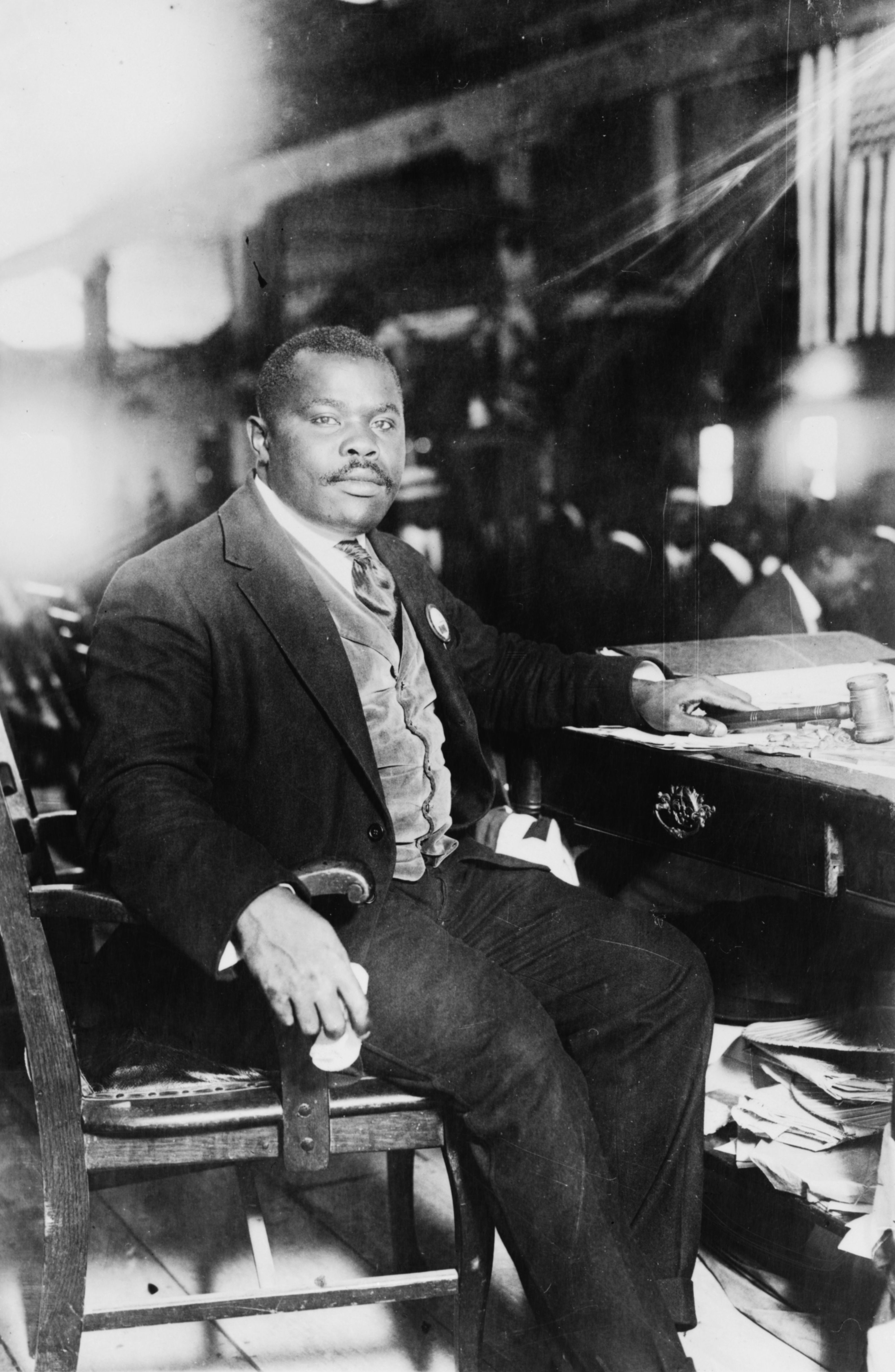 ### World War I Service with the British West Indies Regiment With the outbreak of the First World War in 1914, the British Empire called upon its colonial subjects across the Caribbean to defend King and Country [1]. Driven by a complex mixture of youthful idealism, economic necessity, and the promise that military service would earn political respect and equal citizenship for West Indians, Samuel Haynes enlisted in the British Army in 1916 [7]. He was assigned to the British West Indies Regiment (BWIR), joining hundreds of fellow Belizean and West Indian volunteers on the arduous journey across the Atlantic [3]. Haynes served with distinction in the grueling Middle Eastern theatre, participating in military campaigns against the Ottoman Empire in Egypt, Palestine, and Mesopotamia [1]. However, the reality of military service proved to be a bitter, disillusioning awakening for Haynes and his compatriots [3]. Rather than being treated as honorable brothers-in-arms, Black soldiers of the BWIR were subjected to virulent racism by British commanders [7]. They were frequently segregated, issued inferior rations, denied commissions as officers, and relegated to hazardous, menial labor tasks such as digging trenches, hauling heavy ammunition under enemy artillery fire, and clearing sanitation ditches [3]. When West Indian soldiers dared to protest these indignities, they were met with draconian military discipline [7]. For Haynes, witnessing the shedding of Black blood for an empire that viewed them as racially inferior shattered any lingering illusions of benevolent colonial benevolence [1]. The battlefield became his ideological crucible, transforming the educated young soldier into a radical, militant anti-colonial nationalist determined to fight for self-determination upon his return home. > 'Samuel Haynes transformed the bitter disillusionment of Black West Indian veterans into a powerful beacon of anti-colonial nationalism, giving voice to a burgeoning Belizean identity through organizational leadership and immortal verse.' ### The 1919 Ex-Servicemen's Riot and Awakening of Anti-Colonialism In 1919, Samuel Haynes and his fellow surviving veterans returned to British Honduras expecting welcoming heroes' receptions and promised employment opportunities [3]. Instead, they stepped off the troopships into a colony gripped by severe economic recession, exorbitant inflation, food shortages, and widespread racial hostility from colonial administrators [7]. Compounding their grievance, colonial officials refused to grant the returning veterans their promised military pensions and back pay, while local white merchants artificially inflated the prices of basic foodstuffs [3]. The simmering fury boiled over on the night of July 22, 1919, when hundreds of exasperated ex-servicemen marched through the streets of Belize Town in what erupted into the historic 1919 Ex-Servicemen's Riot [1]. The uprising quickly gained massive popular support from the urban working class, targeting colonial businesses, government buildings, and oppressive merchant establishments [3]. Samuel Haynes emerged as a primary intellectual and strategic leader during the revolt [7]. While sharing the justifiable anger of the veterans, Haynes also demonstrated extraordinary maturity and tactical foresight [1]. Once the initial demonstration made its powerful statement against colonial oppression, Haynes used his commanding respect among the troops to help restore civil order, preventing unnecessary loss of life while channeling the movement's energy into organized political demands [7]. In the aftermath of the uprising, when colonial authorities cracked down and imprisoned several veteran leaders, Haynes spearheaded public agitation and legal defense efforts, ultimately securing pardons and concessions from the colonial governor [1]. The 1919 uprising permanently altered the political landscape of Belize, marking the birth of modern Belizean labor consciousness and setting the stage for future nationalist leaders like [Antonio Soberanis Gómez](/profiles/antonio-soberanis-gomez) and [Philip Goldson](/profiles/philip-goldson). ### Leadership in Marcus Garvey's Universal Negro Improvement Association (UNIA) Recognizing that local agitation needed global solidarity, Samuel Haynes channeled the momentum of the 1919 veterans' movement into organizing the British Honduras division of the Universal Negro Improvement Association (UNIA) [4]. Founded by the brilliant Jamaican visionary [Marcus Garvey](/profiles/marcus-garvey), the UNIA preached racial pride, Black economic independence, Pan-African unity, and anti-colonial self-reliance [2]. Haynes became the general secretary and intellectual dynamo of the local Belize City branch, which quickly swelled to become one of the most active and influential UNIA chapters in the entire Caribbean, boasting thousands of dedicated members [4]. Working closely with prominent local organizers such as nurse [Vivian Seay](/profiles/vivian-seay), Haynes established local UNIA businesses, educational cooperatives, and mutual aid societies that empowered the Belizean working class [3]. In July 1921, Haynes orchestrated a historic triumph by successfully inviting [Marcus Garvey](/profiles/marcus-garvey) himself to visit British Honduras [4]. Garvey's arrival in Belize City was met with ecstatic jubilation by thousands of citizens [3]. During his stay, Garvey recognized the extraordinary oratorical brilliance, organizational genius, and ideological clarity of young Samuel Haynes [1]. Impressed by his leadership, Garvey personally recruited Haynes to relocate to the United States to assume executive leadership responsibilities within the global UNIA headquarters [5]. Accepting the call to advance the international Black liberation struggle, Haynes migrated to America in the early 1920s, embarking on a brilliant career on the world stage [4]. > 'O, Land of the Free by the Carib Sea, / Our manhood we pledge to thy liberty! / No tyrants here linger, despots must flee / This tranquil haven of democracy.'  ### Journalistic Contributions: Editing the Negro World in the United States Upon arriving in the United States, Samuel Haynes rose rapidly through the national ranks of the UNIA [1]. He was elected President of the influential Pittsburgh Division of the UNIA, where he mobilized thousands of African American steelworkers and Caribbean immigrants, championing civil rights, labor equity, and Black entrepreneurship across the industrial Midwest [5]. His leadership caught the attention of the global movement's intellectual elite, leading to his appointment to the editorial board of the *Negro World*—the official global newspaper of the UNIA [4]. With a weekly circulation reaching hundreds of thousands of readers across the Americas, Europe, and Africa, the *Negro World* was the most widely read and influential Black newspaper on the planet [5]. As an editor and contributing writer, Haynes utilized his sharp, eloquent pen to denounce European colonialism in Africa and the Caribbean, expose racial lynching and segregation in the Jim Crow South, and advocate for international human rights [1]. His journalistic essays were celebrated for their analytical rigor and passionate defense of Black dignity [4]. Even while operating in the United States, Haynes never forgot his native Belize; he regularly published articles detailing the economic exploitation of British Honduras, keeping the struggles of the Belizean working class visible before an international audience [3]. ### 'Land of the Gods': Composition of the Immortal Anthem Despite his international travels and global activism, Samuel Haynes’ heart remained inextricably tethered to his beloved Belize [1]. During the late 1920s, while reflecting deeply on the natural splendor, cultural resilience, and unrealized destiny of his homeland, Haynes penned a masterful poetic ode originally titled 'Land of the Gods' [6]. Written during an era when Belizeans were forced to sing 'God Save the King' and pledge allegiance to a distant British monarch, Haynes' poem was a revolutionary act of cultural reclamation [4]. The lyrics painted a breathtaking panorama of Belize's physical geography—its Baymen heritage, the sparkling Caribbean Sea, the fertile river valleys, and the majestic forest canopy—while embedding a profound political philosophy of freedom, democracy, and resistance against tyranny [6]. Lines such as *'No tyrants here linger, despots must flee / This tranquil haven of democracy'* were direct rebukes of colonial despotism and a rallying cry for self-determination [4]. Recognizing the emotional power of Haynes' verse, prominent Belizean musical director and composer Selwyn Walford Young composed a majestic, stirring musical score to accompany the poem in 1963 [6]. Together, Haynes' words and Young's music created an anthem that immediately captivated the hearts of the Belizean people, becoming the unofficial patriotic hymn of the nationalist movement [1]. ### Adaptation to 'Land of the Free' and National Legacy As British Honduras accelerated along the path toward peaceful decolonization under the leadership of Premier [George Cadle Price](/profiles/george-cadle-price) and the People's United Party during the 1960s and 1970s, the quest for authentic national symbols took center stage [6]. Price and the nationalist leadership recognized that Samuel Haynes' 'Land of the Gods' perfectly encapsulated the soul and aspirations of the emerging nation [1]. With slight modifications to adapt the phrasing for modern independence—most notably retitling the work 'Land of the Free'—the song was officially adopted as the national anthem of Belize upon the attainment of sovereign independence on September 21, 1981 [6]. Although Samuel Haynes passed away in 1971 before witnessing the official lowering of the Union Jack and the raising of the Belizean flag, his spirit lives on every time his anthem is sung across the nation [1]. Today, he is revered as a national hero of Belize [2]. In posthumous recognition of his monumental life's work, the Belizean government and community leaders established the Samuel Haynes Institute of Excellence in Belize City—a premier educational and community development center dedicated to uplifting young Belizeans through academic support, arts, and leadership training [8]. From the trenches of World War I to the executive suites of the UNIA and the eternal verses of the national anthem, Samuel Haynes dedicated his entire existence to the liberation of his people, bequeathing to Belize a legacy of freedom that will endure forever.
View Profile →Thomas Vincent Ramos
### Introduction and Ancestral Heritage Thomas Vincent Ramos (September 17, 1887 – November 13, 1955) stands as one of the most venerated civil rights activists, educators, and visionary leaders in the history of Belize [1]. Celebrated officially as a National Hero, Ramos dedicated his life to uplifting the Garifuna people from systemic socioeconomic marginalization and asserting their rightful place within the national consciousness of Central America. To understand the profound magnitude of Ramos’s life work, one must first examine the harrowing and heroic trajectory of the Garifuna lineage. Born from the intermingling of Indigenous Arawak, Kalinago (Carib), and escaped African enslaved people on the Eastern Caribbean island of St. Vincent (Hairoun), the Garifuna forged a fiercely independent society [2]. Under the valiant leadership of figures like [Joseph Chatoyer](/profiles/joseph-chatoyer), they resisted British colonial subjugation for decades during the Carib Wars. Following Chatoyer’s death and their ultimate defeat in 1796, thousands of Garifuna were forcibly exiled by the British Crown to the inhospitable island of Roatán off the coast of Honduras in 1797. Undeterred by displacement and extreme adversity, the survivors migrated across the Caribbean coast of Central America, establishing vibrant coastal settlements in Honduras, Guatemala, and southern British Honduras (now Belize). It was within this rich yet structurally oppressed diaspora that Thomas Vincent Ramos emerged. Combining intellectual rigor, spiritual devotion, and relentless grassroots community organizing, Ramos transformed a fragmented and neglected population into a politically proud and culturally cohesive community [3]. ### Early Life, Education, and Migration to Belize Thomas Vincent Ramos was born on September 17, 1887, in the bustling port town of Puerto Cortés, Honduras. His mother was a Belizean Garifuna woman who instilled in him a deep appreciation for his ancestral roots across the border [1]. From his earliest years, Ramos exhibited an insatiable thirst for knowledge and academic self-improvement. Recognizing that formal education was the primary vehicle for collective liberation, he pursued his primary studies in Wesleyan Methodist mission schools. Not content with basic literacy, the ambitious young Ramos enrolled in rigorous international correspondence courses, mastering complex disciplines such as business administration, journalism, accounting, and public speaking [3]. These foundational skills endowed him with the articulate eloquence and organizational acumen that would later define his negotiations with British colonial governors. During his teenage years, Ramos migrated north to the Stann Creek District of British Honduras, feeling a profound pull toward the growing Garifuna settlements along the Belizean coast. By 1923, he had permanently established his residence in Dangriga (then known as Stann Creek Town), which served as the cultural capital of the Garifuna population in Belize [4]. In 1914, he married Elisa Marian Fuentes, a partnership that provided profound emotional stability and resulted in a large, devoted family [1]. To support his household and finance his activist endeavors, Ramos worked tirelessly across multiple occupations: he served as a dedicated school teacher, managed a local grocery store, cultivated agricultural plots as a farmer, and actively promoted youth sports and musical initiatives [3]. This multifaceted immersion into daily community life allowed Ramos to witness firsthand the severe inequities suffered by his people under British colonial rule. ### The Socio-Political Climate of Colonial Belize In the early decades of the 20th century, British Honduras operated under a rigid colonial hierarchy that heavily favored a small white elite of timber merchants, absentee landowners, and colonial administrators [4]. The indigenous Maya and Afro-descendant populations—including the Creoles and the Garifuna—were subjected to institutionalized racism, economic exploitation, and political disenfranchisement. Southern Belize, particularly the Stann Creek and Toledo districts where the majority of Garifuna resided, suffered from profound governmental neglect. There were virtually no paved roads connecting the south to Belize Town, healthcare facilities were abysmal or non-existent, and educational institutions received meager funding from the colonial treasury [5]. Furthermore, the Garifuna faced unique sociocultural prejudices. Often stereotyped by colonial authorities and neighboring communities through distorted historical narratives, they were systematically excluded from civil service positions, administrative roles, and medical professions. In this suffocating atmosphere of racial exclusion, anti-colonial agitation began to brew across the territory. Ramos’s activism developed alongside early Belizean labor movements led by figures such as [Antonio Soberanis Gómez](/profiles/antonio-soberanis-gomez), who challenged the exploitative wage structures of the Belize Estate and Produce Company during the Great Depression [5]. While contemporaries like Soberanis focused heavily on labor mobilization in the capital, Ramos recognized that the Garifuna required a specialized socio-cultural and civil rights awakening to preserve their identity and secure fundamental human dignities from the Crown. ### Grassroots Activism and Mutual Aid Societies Witnessing the devastating impact of poverty, disease, and lack of social safety nets in Dangriga, Ramos initiated a groundbreaking era of grassroots institutional building. In 1924, he founded the **Carib Development and Sick Aid Society**, a pioneering mutual aid organization designed to provide comprehensive healthcare assistance, financial aid during severe illnesses, and dignified burial stipends for impoverished Garifuna families [1][3]. In an era long before modern social security or universal healthcare existed in Central America, Ramos’s society literally saved countless lives and prevented grieving families from falling into absolute financial ruin. > "We must unite not merely to preserve the memory of our ancestors, but to construct a living fortress of dignity, health, and self-reliance for generations yet unborn." Seeking to bridge the artificial colonial borders that separated the Garifuna nation, Ramos expanded his organizational framework by establishing the **Carib International Society** [1]. This transnational network connected Garifuna communities across British Honduras, the Republic of Honduras, and Guatemala, fostering regional solidarity and economic cooperation. In 1921, recognizing the powerful unifying force of visual symbolism, Ramos designed the official **Garifuna Flag** [6]. Composed of three horizontal stripes—black representing the resilience and suffering of the African heritage, white symbolizing peace and liberation, and yellow denoting the warmth of the sun and agricultural abundance—the flag became an immortal emblem of Garifuna sovereignty and cultural pride.  ### The Campaign for Garifuna Settlement Day While Ramos achieved monumental success in mutual aid and economic solidarity, he understood that true liberation required the official validation of Garifuna history within the civic calendar of the colony. For decades, the arrival of the Garifuna to the shores of Belize had been treated as a footnote by British colonial historians. Ramos sought to immortalize the historic events of November 19, 1823, when a large contingent of Garifuna exiles led by Alejo Beni landed on the shores of southern Belize seeking refuge and freedom [3][4]. In 1941, Ramos formally established "Carib Disembarkment Day" and launched a relentless political lobbying campaign directed at the British colonial administration. Drawing upon his refined skills in journalism and public speaking, he petitioned Governor Sir John Adams Hunter, arguing passionately that the Garifuna’s immense agricultural, infrastructural, and cultural contributions to British Honduras merited formal state recognition [4]. Encountering bureaucratic resistance and colonial skepticism, Ramos persisted with unwavering determination, mobilizing community petitions, organizing civic parades, and demonstrating the overwhelming economic and moral force of the Garifuna populace. His tireless advocacy yielded a historic triumph: in 1943, the colonial government officially granted public holiday status to Carib Disembarkment Day in the Stann Creek District [3]. The following year, in 1944, recognition was successfully extended to the Toledo District. This breakthrough marked the first time in Caribbean colonial history that an indigenous and Afro-descendant community successfully compelled a British administration to legally establish a holiday honoring their anti-colonial migration and heritage [5]. In 1977, under the broader nationalistic movement led by Premier [George Cadle Price](/profiles/george-cadle-price) and supported by patriots like [Philip Goldson](/profiles/philip-goldson), the holiday was expanded nationwide across all of Belize and renamed **Garifuna Settlement Day** [4]. ### Advocacy for Healthcare, Civil Rights, and Community Welfare Ramos’s vision extended far beyond cultural commemoration; he was a pragmatic civil rights strategist who fought vigorously for systemic institutional reforms. During the 1930s and 1940s, southern Belize suffered from alarming mortality rates due to malaria, tuberculosis, and infant complications. The Stann Creek District Hospital was chronically understaffed and operated exclusively by personnel who did not speak the Garifuna language or understand local customs, leading to widespread mistrust and inadequate healthcare delivery [1]. Ramos directly challenged the colonial Department of Health, demanding the immediate recruitment and professional medical training of native Garifuna women as nurses and healthcare practitioners in southern hospitals [1][5]. He argued that language access and cultural representation were fundamental human rights in medical care. Due to his relentless public pressure and diplomatic negotiations, the colonial administration conceded, opening doors for generations of Garifuna women to enter the medical professions and dramatically improving health outcomes across the region. Furthermore, Ramos lobbied for agricultural subsidies to protect Garifuna farmers from predatory fruit conglomerates and spearheaded the creation of youth community centers to cultivate leadership and moral integrity among the next generation [3]. ### Lasting Legacy and National Hero Status Thomas Vincent Ramos passed away on November 13, 1955, in his beloved hometown of Dangriga at the age of 68 [1]. His funeral was one of the largest solemn gatherings in the history of southern Belize, attended by thousands of mourners from across Central America who arrived to pay homage to their fallen champion. Though he did not live to see Belize attain independence in 1981, his tireless foundational work was instrumental in shaping the multi-ethnic democratic ethos of the modern nation. In recognition of his extraordinary contributions to human rights, cultural preservation, and national unity, the Government of Belize bestowed upon Thomas Vincent Ramos the highest posthumous honor, officially designating him a **National Hero of Belize** [4]. Today, his legacy vibrates powerfully across the nation every November 19 during Garifuna Settlement Day. The festivities commence at dawn with the *Yurumein*—a deeply moving, traditional re-enactment where Garifuna boats approach the coastline amidst the thunderous, sacred rhythms of Primero and Segunda drums, chanting ancestral songs of exile and homecoming [4][6]. Moreover, his name is permanently etched into the physical geography of the nation along the Thomas Vincent Ramos Highway, and his former residence in Dangriga has been transformed into the T.V. Ramos Monument and Museum [3]. As global recognition of Garifuna culture culminated in UNESCO proclaiming the Garifuna language, dance, and music as a Masterpiece of the Oral and Intangible Heritage of Humanity in 2001, Thomas Vincent Ramos is universally celebrated as the visionary architect who transformed a marginalized exile community into an enduring, globally respected pillar of human resilience [2][5].
View Profile →
Zee Edgell
### Introduction and Historical Backdrop Zelma Inez Tucker, universally celebrated and immortalized in Caribbean letters as Zee Edgell, stands as the foundational pillar of modern Belizean literature and a towering intellectual figure across the post-colonial Americas. Born on October 21, 1940, in Belize City—then the administrative and commercial capital of the British crown colony of British Honduras—Edgell came of age during a period of profound socio-political transformation. The middle decades of the twentieth century witnessed the awakening of anti-colonial consciousness across the Caribbean basin, and British Honduras was no exception. Under the magnetic leadership of early nationalists such as [George Cadle Price](/profiles/george-cadle-price) and [Philip Goldson](/profiles/philip-goldson), the Belizean people began to challenge centuries of imperial exploitation, timber plantation hegemony, and cultural subjugation. It was amidst this electric atmosphere of nascent nationalism, labor strikes, and the quest for self-determination that young Zelma absorbed the complex rhythms, Creole linguistic nuances, and social stratifications of her homeland. Edgell would later harness these indelible childhood memories to craft literary masterpieces that gave birth to a distinct national literature, ensuring that Belize’s unique geographical and cultural identity—bridging the Anglo-Caribbean and Central American worlds—was vividly inscribed onto the global literary map.  ### Early Life and Formative Influences Born into a respected middle-class Creole family, Zelma Inez Tucker was the daughter of Clive Tucker, a dedicated printer and civil servant, and Veronica Tucker (née Symons). Her household was one steeped in community awareness, respect for education, and the rich storytelling traditions of Belize City. Growing up in wooden colonial-style houses elevated on stilts to survive the frequent tropical floods and hurricanes, Edgell observed the intricate social fabric of her community. She witnessed the daily triumphs and struggles of women who held families together amidst economic austerity. For her formal education, she attended St. Catherine’s Academy, a prestigious Roman Catholic girls' secondary school run by the Sisters of Mercy in Belize City. The convent school environment—characterized by strict academic discipline, religious orthodoxy, and intense peer dynamics across different racial and economic classes—left an enduring impression on her psyche. Years later, St. Catherine’s Academy would serve as the direct inspiration for the fictional convent school attended by the titular protagonist in her groundbreaking debut novel, *Beka Lamb* [1]. The education she received there instilled in her a formidable command of the English language and classical literature, yet it also made her acutely aware of the glaring absence of local Caribbean voices in the books she read. This realization planted the early seeds of her lifelong mission to write stories that reflected the reality of her own people. > "In writing *Beka Lamb*, I wanted to record the history of a pivotal time in Belize, to capture the voice, the humor, and the resilience of our people before the memory of that colonial struggle faded away into silence." — Zee Edgell [2] ### Journalism, International Travels, and Public Service Determined to pursue a career in writing, Edgell left British Honduras in the early 1960s to study journalism at the Polytechnic of Central London (now the University of Westminster) in the United Kingdom. Living in London during the height of post-war Caribbean migration exposed her to a broader pan-African and West Indian diaspora, bringing her into intellectual alignment with contemporaneous Caribbean thinkers and writers like [George Lamming](/profiles/george-lamming), [Stuart Hall](/profiles/stuart-hall), and [Una Marson](/profiles/una-marson). Following the completion of her journalistic training in 1965, she worked briefly as a reporter for *The Daily Gleaner* in Kingston, Jamaica, where she covered dynamic social and cultural developments across the region. In 1967, she returned to her homeland to serve as the founding editor of *The Reporter*, a vibrant weekly newspaper in Belize City. In this pioneering editorial role, Edgell provided crucial news coverage and fearless commentary during a time when Belizean political discourse was reaching a boiling point. Her work brought her into contact with emergent revolutionary intellectuals and activists, including [Evan X Hyde](/profiles/evan-x-hyde), whose Black Power movement was challenging traditional colonial structures. In 1968, she married Al Edgell, an American educator and international development administrator. Her marriage embarked her on an extraordinary global odyssey spanning over two decades. Accompanying her husband on diplomatic and humanitarian assignments, Zee Edgell lived and worked in diverse locales across Africa, Asia, and the Middle East, including extended residencies in Nigeria, Afghanistan, Bangladesh, and Somalia. Despite residing thousands of miles away from the Caribbean, her geographical displacement paradoxically sharpened her focus on Belize. The solitude of expatriate life provided her with the emotional distance and reflective quietude necessary to reconstruct her homeland in prose. Whenever she returned to Belize, she contributed directly to national building. Most notably, from 1981 to 1982—coinciding exactly with Belize achieving official independence from Great Britain on September 21, 1981—Edgell was appointed as the very first Director of the Women’s Bureau in the Government of Belize. In this historic public service role, she laid the foundational institutional framework for gender equality, women’s empowerment, and social welfare policies in the newly sovereign nation [3]. ### Literary Masterpieces and Thematic Explorations Zee Edgell’s literary debut, *Beka Lamb* (1982), altered the landscape of Caribbean literature forever. Published just months after Belize gained independence, the novel is set in 1950s British Honduras and chronicles the coming-of-age of a fourteen-year-old Creole girl, Beka Lamb, alongside the tragic downfall of her friend, Toycie Qualo. Masterfully intertwining personal maturation with political awakening, the novel mirrors Beka’s journey toward self-discipline and emotional maturity with the colony's tumultuous struggle for independence led by the People’s United Party. Through vibrant dialogue that seamlessly blends English with Belizean Creole, Edgell celebrated the matriarchal strength of Caribbean women, exemplified by the unforgettable character of Granny Ivy. *Beka Lamb* won the prestigious Fawcett Society Book Prize in the United Kingdom in 1982 and became the first Belizean novel to gain widespread international acclaim, eventually becoming a mandatory text on the Caribbean Examinations Council (CXC) syllabus for generations of students. > "Edgell gave Belize its first international literary voice, proving that the intimate, everyday triumphs of Caribbean women are inextricably tied to the destiny of the nation itself." — Contemporary Literary Review [4] Following the monumental success of her debut, Edgell continued to explore the complexities of Belizean history and identity through three additional critically acclaimed novels. Her second novel, *In Times Like These* (1991), confronted the agonizing political divisions and social upheaval of the late 1970s and early 1980s, as Belize navigated sovereignty negotiations amidst the menacing geopolitical threat of invasion from neighboring Guatemala. Through the protagonist Pavana Leslie, Edgell examined the intersection of female professional ambition, single motherhood, and political morality. Her third novel, *The Festival of San Joaquin* (1997), marked a courageous thematic and geographical departure. Set in the Mestizo village of San Joaquín in northern Belize, the protagonist, Luz Marina, is a woman returning home after serving a prison sentence for killing her abusive husband in self-defense. This pioneering feminist work tackled taboo subjects of domestic violence, economic dependency, and religious hypocrisy, demonstrating Edgell’s profound empathy for all ethnic communities within Belize’s multicultural tapestry. Finally, her fourth novel, *Time and the River* (2007), reached back into the early nineteenth century during the height of slavery in forestry plantations. Focusing on the life of Leah Lawson, a young enslaved woman who navigates the brutal hierarchies of mahogany extraction and slave rebellions along the Belize River, the novel provided a vital corrective to colonial historiography by placing Black women at the very center of resistance and survival [5]. Her body of work stands proudly alongside the great literary canons constructed by giants such as [Derek Walcott](/profiles/derek-walcott), [V. S. Naipaul](/profiles/v-s-naipaul), and [Kamau Brathwaite](/profiles/kamau-brathwaite). ### Academic Career and Lasting Legacy In 1993, Zee Edgell transitioned into academia, joining the faculty of the Department of English at Kent State University in Ohio, United States. As a tenured Professor of Creative Writing and Literature, she spent sixteen years mentoring aspiring writers, introducing students to post-colonial theory, and championing Caribbean literature until her official retirement as Professor Emerita in 2009. She also held visiting professorships and writer-in-residence positions at Old Dominion University and San Diego State University. Throughout her academic career, she remained fiercely devoted to her Belizean roots, regularly returning home to conduct writing workshops and participate in national literary festivals. In recognition of her unparalleled contributions to literature and community service, Queen Elizabeth II named Zee Edgell a Member of the Order of the British Empire (MBE) in the Queen’s Birthday Honours list of 2007. Two years later, in 2009, the University of the West Indies (UWI) conferred upon her an honorary Doctorate of Letters (DLitt), cementing her status as an intellectual titan of the Caribbean. Zee Edgell passed away peacefully on December 20, 2020, in St. Louis, Missouri, at the age of 80, leaving behind a grieving nation and a global community of admirers [6]. Today, her literary archives and personal papers are meticulously preserved, ensuring that scholars and future generations can study the evolution of her genius. As the undisputed "Mother of Belizean Literature," Zee Edgell’s legacy endures in every Belizean child who reads her words and recognizes their own voice, history, and dignity reflected on the printed page.
View Profile →