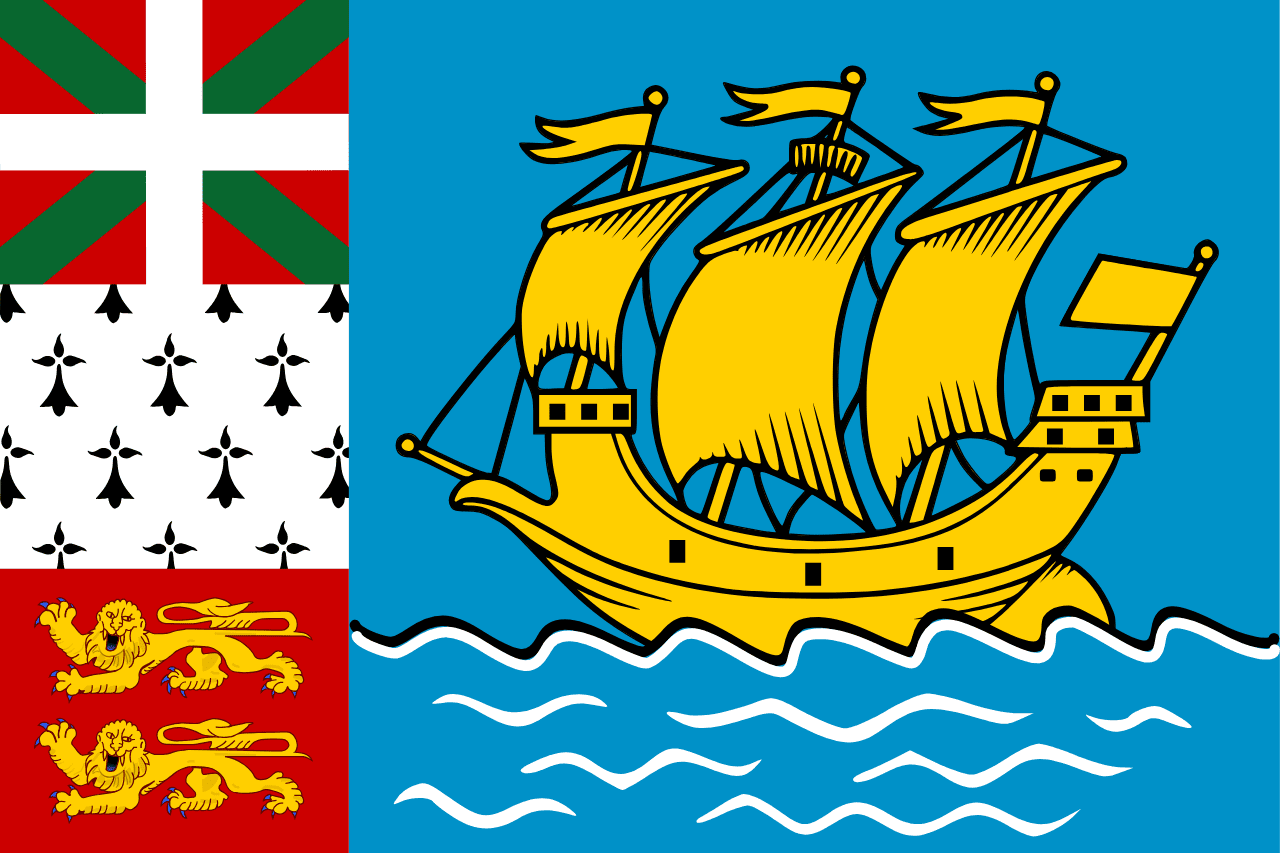
Saint Pierre
The Paris of the Caribbean, a city of monumental intellectual and cultural life, resilient through the tragedy of 1902.
Figures from Saint Pierre
Historically documented individuals of note.
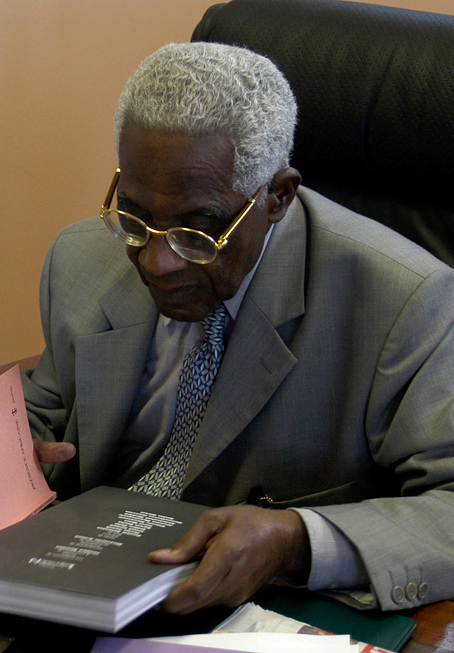
Aimé Césaire
### The Island That Made a Poet To understand Aimé Césaire — the poet, the philosopher, the politician — one must first understand Martinique. When Césaire was born on **26 June 1913** in the village of **Basse-Pointe**, on the northern tip of Martinique, the island had been a French possession for nearly three centuries. Its population, overwhelmingly of African descent, lived under a system that officially recognised them as French citizens after the abolition of slavery in 1848, yet denied them equal dignity, economic opportunity, or cultural recognition in practice [1]. Basse-Pointe sat in the shadow of Mount Pelée, the volcano that had devastated the island's former capital Saint-Pierre just eleven years before Césaire's birth — a catastrophic reminder of the island's precariousness and power. It was a landscape of extraordinary beauty and historical violence: lush sugarcane fields worked, not long before, by enslaved hands; a people carrying the weight of colonialism in their very names, language, and aspirations [2]. Aimé Fernand David Césaire was born into a family of modest means but extraordinary intellectual aspiration. His father, Fernand Césaire, worked as a tax inspector, and his mother, Marie Elléanore Hermine, was a seamstress. There were six children in the household. From his earliest years, the young Aimé demonstrated a ferocious academic brilliance that set him apart from his peers. He excelled at the local school in Basse-Pointe before earning a scholarship to attend the prestigious **Lycée Schoelcher** in Fort-de-France — named after the French abolitionist Victor Schoelcher — where he began to develop the intellectual foundations that would define his life's work [3]. ### Paris and the Birth of Négritude In **1931**, at the age of eighteen, Césaire won a scholarship to continue his studies in France, entering the elite **Lycée Louis-le-Grand** in Paris and later gaining admission to the even more prestigious **École Normale Supérieure** — one of France's *grandes écoles* that has produced generations of the nation's intellectual and political leaders [4]. It was a remarkable achievement for a young Black man from a French Caribbean colony in the early twentieth century, and it placed him at the centre of one of the most intellectually fertile moments in modern history. Paris in the early 1930s was alive with intellectual ferment. Surrealism was reshaping European art and literature. The Harlem Renaissance had sent waves of Black American cultural confidence across the Atlantic. Anti-colonial movements were gathering force across Africa and Asia. Into this ferment stepped Césaire, who quickly became part of a generation of Black students from across the French colonial world studying in Paris and confronting, for the first time, the full weight of their shared condition [4]. The most transformative encounter of his young life was with **Léopold Sédar Senghor**, a student from Senegal who would go on to become that country's first president and one of Africa's most celebrated poets. Together, and alongside **Léon-Gontran Damas** from French Guiana, Césaire and Senghor became the founding triumvirate of what they called **Négritude** — a term Césaire himself coined [4][5]. In **1934**, the three co-founded the student journal ***L'Étudiant noir*** (*The Black Student*), which became the incubator for Négritude thought. The movement was, at its core, a philosophical and literary revolt against the French colonial policy of **assimilation** — the idea that colonial subjects could only achieve full humanity by shedding their African identities and becoming French in culture, language, and aspiration. Négritude rejected this premise entirely. It insisted that African cultural heritage, history, and identity were not burdens to be discarded but treasures to be reclaimed, celebrated, and placed proudly at the centre of a new Black consciousness [5].  > *"My mouth shall be the mouth of those calamities that have no mouth, my voice the freedom of those who break down in the prison holes of despair."* > — Aimé Césaire, *Notebook of a Return to the Native Land* (1939) ### *Cahier d'un retour au pays natal*: A Masterpiece of the 20th Century The work that would secure Césaire's place in the literary canon was composed during his student years and first published in 1939 in the Parisian journal *Volontés*. ***Cahier d'un retour au pays natal*** — translated into English as ***Notebook of a Return to the Native Land*** — is a long, torrential poem of extraordinary ambition and power [6]. The *Cahier* traces the journey of a narrator — clearly autobiographical — who returns to his native Martinique after years of study in France. What he finds is a people ground down by poverty, colonialism, and self-contempt: a society that has internalised its own degradation. The poem moves through waves of despair, anger, and ultimately a fierce, defiant affirmation of Black identity and humanity. Césaire employed the techniques of **Surrealism** — which he had encountered and transformed in Paris — to fracture conventional poetic logic and release a torrent of images, myths, and ancestral memories that European colonialism had suppressed [6][7]. The great French poet **André Breton**, the leader of the Surrealist movement, encountered the poem in Martinique during his wartime exile in 1941 and was overwhelmed by it, calling it "the greatest lyrical monument of this time." Breton helped bring the poem to a wider readership, and it was subsequently published in a bilingual edition with an introduction by Breton — though Césaire was always careful to assert his independence from European Surrealism, insisting that his use of its techniques was in service of an African and Caribbean consciousness, not a European one [7]. The *Cahier* was revised and expanded several times, reaching its definitive form in 1956. It has since been translated into dozens of languages and is considered one of the foundational texts of postcolonial literature worldwide. ### *Discours sur le colonialisme*: A Declaration of War on Colonial Ideology In **1950** (published in expanded form in 1955), Césaire published ***Discours sur le colonialisme*** (*Discourse on Colonialism*), a searing polemical essay that remains one of the most important documents of anticolonial thought ever written [8]. The *Discours* opens with a stark provocation: European civilisation, Césaire argues, is neither civilised nor universal — it is a barbaric system that has revealed its true nature through the colonial enterprise. His central argument is that colonialism does not merely dehumanise the colonised; it also **de-civilises the coloniser**. The violence, racism, and exploitation deployed against colonial peoples do not remain contained in the colonies — they return, transformed, to the heart of Europe itself. In one of the essay's most prophetic passages, Césaire draws a direct line between **European colonialism and the rise of Nazism**: the techniques of terror, racial hierarchy, and industrial murder that horrified Europeans when deployed by Hitler against other Europeans were, he argued, simply the colonial boomerang returning home — methods that Europe had long practised in Africa, Asia, and the Caribbean, now turned against itself [8]. The *Discours* was an immediate sensation in anticolonial circles and has only grown in influence. [Frantz Fanon](/profiles/frantz-fanon), Césaire's most famous student and a fellow Martinican, would develop and extend many of its ideas in his own landmark works. Today, the *Discours* is assigned in universities across the world and remains essential reading for anyone seeking to understand the moral and intellectual architecture of colonialism. ### Mayor of Fort-de-France: Five Decades of Public Service Césaire returned to Martinique in 1939, and despite having composed one of the most incendiary anticolonial poems in literary history, he channelled much of his revolutionary energy into the conventional structures of democratic politics — with remarkable results. In **1945**, he was elected both **Mayor of Fort-de-France**, Martinique's capital, and **Deputy for Martinique** in the French National Assembly in Paris — a dual role he would hold for decades, commuting between the Caribbean and the French parliament [2]. At this stage of his political life, he was a member of the **French Communist Party**, which he saw as the political vehicle most committed to anti-colonialism and racial justice. In **1946**, Césaire successfully championed the landmark legislation that transformed Martinique, Guadeloupe, French Guiana, and Réunion from colonies into **Overseas Departments of France** (*départements d'outre-mer*) — giving their citizens full, formal equality with metropolitan French citizens and access to French social services, education, and welfare provisions. This was a complex political achievement that has been debated ever since: some critics argue that departmentalisation merely replaced one form of colonial dependency with another; defenders argue that it secured genuine material improvements in living standards and political rights for Martinicans [2][3]. In **1956**, Césaire publicly and dramatically resigned from the French Communist Party, publishing an *Open Letter to Maurice Thorez* (the party's leader) in which he explained that the party's Eurocentrism made it incapable of understanding or truly championing the specific conditions of colonised peoples [5]. He argued that the liberation of Black people could not be merely a sub-chapter in a European class struggle — it demanded its own political consciousness and its own leadership. In **1958**, he founded the **Martinican Progressive Party** (*Parti progressiste martiniquais*, PPM), a social-democratic party that remained a major force in Martinican politics for decades. He served as Mayor of Fort-de-France until **2001** — a tenure of over fifty years — transforming the city through investments in culture, education, and infrastructure [2]. He served in the National Assembly until **1993**, making his combined political career one of the longest and most consequential in French Caribbean history. ### Theatre of Decolonisation In the 1960s, as the drama of African decolonisation unfolded around him, Césaire turned to theatre as a new vehicle for his ideas. His plays engage directly with the turbulent history of the postcolonial world: - ***La Tragédie du Roi Christophe*** (1963) tells the story of **Henri Christophe**, the Haitian revolutionary who declared himself king after independence. The play explores the painful ironies of self-rule: the danger that the liberated colonised might reproduce the very structures of oppression they fought to destroy [3]. - ***Une Saison au Congo*** (1966) dramatises the assassination of **Patrice Lumumba**, the Congolese independence leader murdered in 1961 with the complicity of Western powers — a searing indictment of neo-colonialism. - ***Une Tempête*** (1969), his radical reworking of Shakespeare's *The Tempest*, recasts Caliban as a Caribbean Black man resisting his enslavement by the European coloniser Prospero — one of the most celebrated instances of postcolonial literature "writing back" to the European canon. ### Legacy and Death In his final decades, Césaire became a living monument — fêted by presidents and intellectuals alike, the subject of documentaries and academic conferences, his face on postage stamps and murals across Martinique. When he died on **17 April 2008** in Fort-de-France, at the age of ninety-four, French President Nicolas Sarkozy flew to Martinique for the state funeral. Thousands lined the streets of the capital he had governed for over half a century [1]. His influence on Caribbean, African, and global intellectual life is incalculable. He provided the philosophical vocabulary for a generation of anticolonial thinkers and activists. His insistence that Black identity was a source of pride, beauty, and power — at a time when the entire weight of European civilisation was arrayed to argue the opposite — was an act of extraordinary intellectual and moral courage.
View Profile →Auguste Joyau
### Auguste Joyau: Chronicler of Martinican Identity and the Legacy of Saint-Pierre ### Introduction and Overview Auguste Joyau (1903–1984) stands as one of the most dedicated and influential cultural historians and literary figures in 20th-century Martinique. Operating during a transformative era when the French Antillean intelligentsia was beginning to assert its distinct cultural identity against centuries of colonial assimilation, Joyau dedicated his life to documenting the historical evolution, folklore, and literary heritage of his island homeland. Born in Fort-de-France just one year after the catastrophic volcanic eruption of Mount Pelée obliterated the former cultural and economic capital of Saint-Pierre, Joyau grew up in an island profoundly shaped by grief, memory, and reconstruction [1]. Throughout a multi-decade career as an author, civil servant, literary critic, and cultural organizer, he co-founded early native literary journals such as *Lucioles*, authored foundational historical texts on early French colonization, and produced sweeping surveys of Antillean literature. His masterwork, *La Martinique : carrefour du monde caraïbe* (*Martinique: Crossroads of the Caribbean World*), received the prestigious Prix Broquette-Gonin from the Académie française in 1968, cementing his reputation as a premier interpreter of Caribbean civilization [2]. Serving as Vice-President of the *Société d'histoire de la Martinique*, Joyau tirelessly championed the preservation of local archives and historical memory, leaving an indelible mark on Caribbean historiography. ### Early Life, Family Roots, and the Shadow of Saint-Pierre Auguste Joyau was born on September 3, 1903, in Fort-de-France, the administrative capital of Martinique. His birth occurred at a pivotal socio-psychological juncture in Caribbean history: exactly sixteen months earlier, on May 8, 1902, Mount Pelée had erupted with unimaginable fury, completely destroying the city of Saint-Pierre and killing nearly 30,000 inhabitants within minutes [3]. Prior to the disaster, Saint-Pierre had been celebrated globally as the 'Paris of the Caribbean'—a sophisticated urban center renowned for its vibrant theater, grand architecture, distilleries, intellectual salons, and diverse cosmopolitan population. Genealogical records indicate that members of the Joyau family had long been established in Saint-Pierre as prominent distillers, merchants, and civic figures [4]. The sudden annihilation of this cultural epicenter cast a long shadow over Joyau’s upbringing. Growing up in Fort-de-France, which rapidly expanded to absorb refugees and assume the mantle of the island's primary city, the young Joyau was surrounded by survivors who recounted stories of Saint-Pierre's lost glory. These oral histories instilled in him a deep reverence for the past and an urgent realization that cultural memory must be rigorously preserved before it is swept away by time or natural disaster. He received his formal education at the Lycée Schœlcher in Fort-de-France, an elite institution that served as the intellectual crucible for generations of Martinican leaders, including future luminaries such as [Aimé Césaire](/profiles/aime-cesaire) and [Frantz Fanon](/profiles/frantz-fanon). Immersed in classical French literature alongside the emerging currents of West Indian consciousness, Joyau developed a refined literary style and a formidable analytical intellect.  ### The Literary Awakening: Co-Founding Lucioles in 1925 During the 1920s, Martinique experienced a profound cultural awakening. Educated young Antilleans began questioning the rigid Eurocentric curriculum imposed by the colonial administration, seeking instead to articulate an authentic Caribbean voice. In 1925, at the age of twenty-two, Auguste Joyau joined forces with fellow young intellectuals and writers to co-found the literary journal *Lucioles* (*Fireflies*) [5]. Published in Fort-de-France, *Lucioles* emerged as one of the earliest and most vital periodicals dedicated to showcasing native Antillean poetry, fiction, and literary criticism. The journal served as a critical stepping stone in the intellectual lineage leading to the Négritude movement. While earlier Martinican writing often imitated Parisian literary conventions, Joyau and his collaborators used *Lucioles* to explore local themes, tropical landscapes, Creole folklore, and the psychological realities of Caribbean life. In his editorial contributions and essays, Joyau argued that Antillean literature possessed its own unique genius, born from the synthesis of European language and African-descended historical experience. This pioneering work helped cultivate a receptive audience for later Caribbean literary pioneers, establishing dialogue with contemporaneous intellectual movements led by figures like [Paulette Nardal](/profiles/paulette-nardal) in Paris and [René Maran](/profiles/rene-maran). > 'A people without literature is a people without a mirror. If we rely solely on reflections cast from across the Atlantic, we remain forever strangers to our own soil. Our task is to illuminate the hidden fireflies of Antillean memory and let our own history speak.' — Auguste Joyau, essay on Caribbean literary identity, circa 1928 [6] ### Chronicler of Colonial Martinique: Belain d'Esnambuc and Historical Scholarship Alongside his literary activism, Joyau entered the civil service, balancing administrative responsibilities with exhaustive historical research. He recognized that understanding modern Martinique required a rigorous examination of its colonial origins. In the mid-20th century, he turned his analytical focus toward the 17th century, researching the complex dynamics of early European settlement, indigenous Carib displacement, and the establishment of the plantation economy. In 1950, Joyau published *Belain d'Esnambuc*, a detailed historical biography of Pierre Belain d'Esnambuc, the Norman adventurer and colonizer who established the first permanent French settlement on the island of Saint-Christophe (St. Kitts) in 1625 and subsequently claimed Martinique for France in 1635 [7]. Drawing extensively from colonial archives, administrative correspondence, and early maritime logs, Joyau provided a nuanced portrait of European expansionism in the Caribbean. Rather than presenting a sanitized hagiography, Joyau examined the harsh realities of early colonial enterprise—the ruthless competition between European powers, the precariousness of early settlements, and the tragic subjugation of the indigenous Kalinago population. His historical approach demonstrated a commitment to empirical archival documentation, setting a high standard for Caribbean historical scholarship. ### Crossroads of the Caribbean: Prix Broquette-Gonin and Masterworks During the 1960s, Joyau produced his most mature and celebrated works, synthesizing decades of research into accessible, authoritative volumes. His writings celebrated the cultural vitality and historical centrality of the Lesser Antilles. Among his notable publications during this period was *Héroïnes et aventurières de la mer Caraïbe* (*Heroines and Adventurers of the Caribbean Sea*), a captivating historical collection that highlighted the oft-overlooked lives of women—from formidable plantation matriarchs to maritime figures—who shaped the social fabric of the West Indies [8]. In 1967, Joyau published his monumental work, *La Martinique : carrefour du monde caraïbe* (*Martinique: Crossroads of the Caribbean World*) [9]. In this sweeping study, Joyau analyzed Martinique not as a peripheral colonial outpost, but as a vibrant geopolitical and cultural pivot connecting North America, South America, and Europe. He explored the island's unique social stratification, its linguistic evolution, its economic transformations, and its enduring contributions to global culture. The book received widespread critical acclaim across the French-speaking world. In 1968, the Académie française awarded Joyau the prestigious Prix Broquette-Gonin in literature and history, recognizing the exceptional scholarly merit and cultural significance of his work [10]. This accolade brought international attention to Martinican historiography and validated Joyau's lifelong dedication to his homeland.  ### Preserving Caribbean Memory: Society of History and Later Years Throughout his later career, Joyau played an institutional role in safeguarding Martinique's historical heritage. He was elected Vice-President of the *Société d'histoire de la Martinique* (Society of History of Martinique), where he led initiatives to locate, catalog, and publish endangered historical manuscripts, parish registers, and colonial records [11]. He also served as a corresponding member of the prestigious *Académie des sciences d'outre-mer* in Paris, representing Antillean scholarship on an international stage. In addition to his historical monographs, Joyau authored *Panorama de la littérature à la Martinique*, an indispensable literary history that chronicled the evolution of Martinican letters from the early colonial chronicles to the explosive modernist poetry of [Aimé Césaire](/profiles/aime-cesaire) and philosophical essays of [Édouard Glissant](/profiles/edouard-glissant) [12]. He mentored young historians and writers, consistently emphasizing that thorough archival research must underpin all cultural critique. Even in his retirement, his home in Fort-de-France remained a vibrant salon for researchers, writers, and students visiting from across the Caribbean and Europe. > 'To understand the Antillean soul, one must walk the ruined cobblestones of Saint-Pierre and read the forgotten registers of our parishes. History is not merely dates and governors; it is the heartbeat of a resilient people who built a rich civilization amidst the wreckage of empires.' — Auguste Joyau, address to the Société d'histoire de la Martinique [13] ### Enduring Legacy and Historiographical Impact Auguste Joyau passed away peacefully in Fort-de-France on July 31, 1984, at the age of eighty. His passing marked the end of an intellectual era characterized by classical erudition, meticulous archival research, and deep civic devotion. Today, Joyau is remembered as a foundational pillar of Caribbean historiography. His pioneering efforts to document the legacy of Saint-Pierre ensured that the memory of the 'Paris of the Caribbean' survived intact for future generations. His co-founding of *Lucioles* helped ignite the Martinican literary renaissance, while his award-winning historical studies established Martinique's rightful place as a central crossroads of Caribbean civilization. By preserving the written and oral heritage of his people, Auguste Joyau constructed an enduring bridge connecting Martinique's colonial past to its modern cultural identity.
View Profile →Dr. Jean-Baptiste-René Poutu
### Introduction and the Golden Age of Saint-Pierre During the eighteenth century, the port city of Saint-Pierre, Martinique, reigned as the unchallenged cultural, intellectual, and commercial metropolis of the French Antilles. Revered across the Atlantic basin as the "Paris of the Caribbean" and the "Pearl of the Antilles," Saint-Pierre was an architectural marvel of stone warehouses, grand residences, cobblestone boulevards fed by fresh mountain aqueducts, and an opulent municipal theatre that mirrored the grand halls of Bordeaux and Nantes [1]. Nestled against the dramatic amphitheatre formed by the lush volcanic slopes of Mount Pelée and opening onto an expansive, bustling roadstead crowded with hundreds of merchant ships, the city was a thriving crossroads of Atlantic trade. Yet beneath this veneer of colonial prosperity and cosmopolitan refinement lay an extraordinarily perilous epidemiological landscape. Positioned in the tropical Atlantic convergence zone, Saint-Pierre was perpetually vulnerable to catastrophic outbreaks of virulent infectious diseases—most notably yellow fever (*la fièvre jaune* or *le vomito negro*), smallpox (*la petite vérole*), malignant dysentery, and malaria [2]. In this fraught environment, where life was precarious and European newcomers, seasoned maritime crews, and enslaved plantation laborers succumbed in vast numbers, medical leadership was not merely an administrative appointment; it was an existential necessity. Amidst these formidable perils emerged Dr. Jean-Baptiste-René Poutu, an Enlightenment-trained physician, royal medical administrator, and celebrated philanthropist whose clinical brilliance and compassionate public health governance left an indelible mark upon the history of Saint-Pierre and the Windward Islands [3]. Operating during the pivotal mid-to-late eighteenth century—an era that also witnessed the birth in Saint-Pierre of revolutionary hero [Louis Delgrès](/profiles/louis-delgres) in 1766—Dr. Poutu distinguished himself through his tireless devotion to clinical science, hospital modernization, and municipal humanitarianism [1][3]. At a time when European colonial medicine was often paralyzed by rigid dogmatism, excessive bloodletting, and crude humoral theories, Poutu championed empirical bedside observation, environmental sanitation, and the systematic integration of Caribbean botanical remedies into military and civilian healthcare [4]. Later celebrated by 20th-century Martinican chroniclers such as [Auguste Joyau](/profiles/auguste-joyau) and remembered as a foundational precursor to Caribbean clinical humanism, Dr. Poutu served as chief physician at the prestigious Hôpital Militaire of Saint-Pierre, directed vital epidemic response campaigns, and bequeathed substantial philanthropic endowments to ensure that medical care was extended to the city’s poorest and most vulnerable inhabitants [5].  ### Early Life, Enlightenment Training, and Arrival in the Antilles Jean-Baptiste-René Poutu was born in France during the early decades of the eighteenth century, coming of age during the intellectual zenith of the French Enlightenment [2]. Drawn to the natural sciences and the healing arts, he pursued medical education at one of France's premier medical faculties, widely believed to be the prestigious Faculty of Medicine at Montpellier, renowned throughout Europe for its empirical clinical traditions and emphasis on environmental, botanical, and physiological observation [3]. Unlike the more conservative scholastic faculties of Paris, Montpellier trained its physicians to view the human body in dynamic interaction with its physical environment, climate, and geography—a pedagogical framework that would prove profoundly transformative when applied to the complex ecosystems of the Caribbean [4]. Upon completing his medical doctorate and clinical surgical clerkships, Dr. Poutu entered the royal medical and naval service of the French Crown [2]. During the mid-eighteenth century, the geopolitical rivalries of the Seven Years' War and the subsequent expansion of French Atlantic trade dramatically elevated the strategic importance of Martinique. The colonial administration urgently required skilled, forward-thinking medical officers capable of maintaining garrison health and preventing the devastating mortality rates that routinely decimated European naval squadrons anchored in the Caribbean [5]. Accepting an overseas commission, Dr. Poutu sailed across the Atlantic, arriving at the sun-drenched bay of Saint-Pierre. The reality confronting the young physician upon his arrival was stark. Saint-Pierre was a bustling, high-density port city where thousands of sailors, merchant traders, French colonial administrators, free people of color (*gens de couleur libres*), and enslaved Africans lived in close proximity [1][2]. The humid tropical climate, coupled with inadequate drainage in the lower maritime quarters of Le Mouillage and the continuous influx of non-immune European soldiers and sailors, created ideal conditions for explosive disease transmission. Newly arrived Europeans regularly succumbed within weeks of arrival to what contemporaries termed *le mal de terre* or the "acclimatization fever"—an acute, lethal manifestation of tropical fevers [3]. Far from retreating in disillusionment, Dr. Poutu dedicated himself to understanding the etiology and pathology of these conditions, embarking upon a medical career that would span decades of devoted public service in Martinique [6]. ### Service at the Hôpital de Saint-Pierre and Hospital Reform In Saint-Pierre, institutional healthcare was anchored by two primary establishments: the civilian Hôpital de la Charité, historically administered by religious orders, and the grand Hôpital Militaire (Military Hospital), situated in the elevated Fort district overlooking the bay [1][5]. Appointed as a royal physician (*médecin du Roi*) and subsequently rising to become chief medical administrator at the Hôpital Militaire, Dr. Poutu inherited a clinical infrastructure that was severely overburdened and vulnerable to hospital-acquired pestilence [2]. In the eighteenth century, European military hospitals were notorious for high mortality rates; cross-infection, poor ventilation, and contaminated water supplies frequently transformed infirmaries into death traps [4]. Dr. Poutu immediately instituted sweeping structural and hygienic reforms that anticipated modern public health standards by decades [3]. Recognizing that stagnant air and overcrowding exacerbated febrile contagion, he re-engineered the hospital’s spatial layouts, mandating cross-ventilation through louvered wooden shutters and high vaulted ceilings designed to capture refreshing marine trade winds (*les alizés*) [5]. He established strict protocols for the regular laundering of bedding, the separation of infectious cases into dedicated isolation wards, and the continuous flushing of hospital latrines using freshwater channels drawn from the Roxelane River [2][4]. Furthermore, Dr. Poutu revolutionized the nutritional and therapeutic regimens provided to convalescing patients. Rejecting the standard, austere rations of salt pork and hard biscuit, he insisted on fresh tropical broths, citrus juices, seasonal vegetables, and clean rainwater collected in cisterns [3]. Most notably, Poutu rejected the rigid social stratification that often governed colonial medical care. While his primary official mandate was to preserve the health of royal troops, naval marines, and colonial officers, Dr. Poutu opened the doors of the hospital infirmaries to indigent townspeople, mariners stranded without ship subsidies, and injured laborers, insisting that the physician's sworn duty to relieve suffering superseded social caste or imperial hierarchy [5][6]. > *"The physician in these islands must be both a student of nature and a servant of humanity; for disease knows neither flag nor station, and the fever that strikes the soldier in the barracks will spare neither the merchant in his counting house nor the laborer in the field."* > — Attributed to Dr. Jean-Baptiste-René Poutu in his clinical observations on Antillean fevers, Saint-Pierre, c. 1778 [4] ### Frontline Leadership During Epidemics: Yellow Fever and Smallpox The true measure of Dr. Poutu’s courage and clinical leadership emerged during the catastrophic epidemic waves that periodically engulfed Saint-Pierre [2]. The most terrifying of these visitations was yellow fever, known locally as *la fièvre jaune* or *le vomito negro* due to the harrowing black vomit that signaled terminal gastrointestinal hemorrhage [3]. Striking with sudden, ferocious lethality, yellow fever could incapacitate entire garrisons and merchant crews within days. Operating long before [Carlos J. Finlay](/profiles/carlos-j-finlay) in Cuba and Walter Reed elucidated the mosquito vector (*Aedes aegypti*) at the end of the nineteenth century, eighteenth-century physicians operated in terrifying darkness regarding the true mechanics of transmission [7]. Nevertheless, Dr. Poutu demonstrated remarkable epidemiological intuition [3]. Observing that outbreaks clustered in the humid, stagnant lowlands surrounding the docks and during the hottest rainy months of the *hivernage*, he implemented rigorous municipal quarantine measures [2]. Ships arriving from known epidemic epicenters in the Gulf of Mexico or South America were placed in mandatory quarantine off the coast of Saint-Pierre. Sick sailors were transported to isolated lazarettos established outside the dense urban perimeter, preventing the introduction of infectious waves into the civilian populace [4]. Within his wards, Poutu abandoned the aggressive bloodletting (*saignées*) and corrosive mercury treatments championed by metropolitan dogmatists, recognizing that such depleting therapies hastened circulatory collapse in fever-weakened patients [5]. Instead, he pioneered gentle, supportive therapy focused on sustained rehydration, cooling herbal infusions, and mild purgatives designed to sustain the patient's vital forces until the febrile crisis subsided [3][6]. Simultaneously, Dr. Poutu became a fearless champion of variolation—the early practice of smallpox inoculation that preceded Edward Jenner's cowpox vaccine [2]. When smallpox threatened to decimate Martinique's urban and rural populations, Poutu confronted intense resistance from conservative colonial magistrates and frightened plantation owners who feared that inoculation would intentionally spread the plague [4]. Drawing upon contemporary scientific treatises from Europe and the American colonies, Poutu published practical advisories, conducted successful public demonstrations of variolation, and systematically inoculated hundreds of children, enslaved individuals, and hospital personnel [3][5]. His steadfast advocacy mitigated the severity of smallpox outbreaks in Saint-Pierre, saving thousands of lives and establishing a precedent for public vaccination campaigns in the French Caribbean [2][6].  ### Tropical Pharmacopeia and Scientific Treatises Dr. Poutu’s intellectual contributions extended far beyond clinical administration into the realm of natural history and tropical pharmacology [3]. Like contemporaneous Caribbean naturalist-physicians such as [Dr. Hans Sloane](/profiles/dr-hans-sloane) in Jamaica, Poutu recognized that the European pharmacopeia was ill-equipped to address the diverse pathological conditions of the West Indies [8]. He turned with intense curiosity to the native flora of Martinique and the rich ethnobotanical knowledge preserved by Afro-Caribbean healers (*remédieurs*) and indigenous tradition [4]. Working in collaboration with apothecaries in Saint-Pierre and botanists cultivating the early experimental gardens on the slopes of Mount Pelée, Dr. Poutu conducted systematic clinical trials evaluating local plant remedies [3]. He investigated the febrifuge properties of local cinchona-like barks, the digestive efficacy of bitter wood (*Quassia amara*), the anti-inflammatory virtues of sarsaparilla, and the powerful astringent properties of guava leaf infusions for combating dysenteric dehydration [4][5]. His findings were synthesized in comprehensive clinical reports, treatises, and memoranda dispatched to the Royal Society of Medicine (*Société Royale de Médecine*) and the Ministry of the Marine in Paris [2]. In these writings, Poutu argued passionately that colonial physicians must discard European biases and construct an authentic tropical medicine rooted in empirical Antillean clinical realities [6]. ### Civic Philanthropy and Testamentary Endowments Beyond his clinical brilliance, Dr. Poutu was revered throughout Saint-Pierre for his exceptional generosity and humanitarian benevolence [1][3]. He observed firsthand how the crushing poverty of the port’s lower classes and the precarious legal standing of free people of color often barred them from obtaining essential medications and professional medical consultations [2]. In response, Dr. Poutu established a free outpatient dispensary in the city, where he dedicated designated mornings each week to treating indigent patients free of charge, supplying compounding medicines and tinctures at his own personal expense [5]. As he accumulated significant wealth through his private consultations with wealthy merchant families and land holdings, Dr. Poutu channeled his financial resources back into the civic fabric of Saint-Pierre [3]. He funded municipal improvements to the city's public fountains, ensuring that clean, mountain-sourced drinking water flowed into the lower neighborhoods where waterborne illnesses were most prevalent [1][4]. Upon his retirement and in his final testamentary bequests, Dr. Poutu formalized his philanthropic legacy by endowing permanent charitable trusts [2]. These bequests provided annual subsidies to the municipal hospitals of Saint-Pierre, funded dowries for impoverished orphan girls, and established an emergency medical relief fund dedicated to assisting poor families during times of epidemic crises [3][5]. His generosity solidified his reputation not merely as a master of medicine, but as a genuine father of the city. > *"In the history of Saint-Pierre, before the mountain extinguished its vibrant soul, there were men whose devotion to life built the very fabric of our civilization. Dr. Poutu belonged to that noble lineage of healers who saw medicine not as an instrument of empire, but as an altar of mercy."* > — Retrospective reflection on the medical history of Saint-Pierre [5] ### The Shadow of Mount Pelée and Enduring Historiographical Legacy Dr. Jean-Baptiste-René Poutu lived out his final years in Saint-Pierre, honored by royal authorities, municipal leaders, and the generations of citizens whose families he had saved from fever and epidemic terror [2][3]. The city he loved and served so faithfully would ultimately suffer one of the most famous catastrophes in human history. On the morning of **May 8, 1902**, the towering volcano Mount Pelée erupted with cataclysmic violence; a fiery pyroclastic surge (*nuée ardente*) swept down the mountain at hundreds of miles per hour, completely incinerating Saint-Pierre in less than three minutes and claiming nearly 30,000 lives [1][9]. The total destruction of Saint-Pierre obliterated its grand municipal archives, colonial hospitals, pharmacies, monuments, and parish registries, burying centuries of vibrant Antillean history under volcanic ash [1][9]. In the wake of this monumental tragedy, the surviving documentary traces of pre-eruption figures—preserved in overseas archives, ministerial correspondence, and historical compendia—became invaluable historical treasures [3][5]. In the twentieth century, Martinican scholars, including cultural historian [Auguste Joyau](/profiles/auguste-joyau) and intellectuals influenced by [Aimé Césaire](/profiles/aime-cesaire) and [Frantz Fanon](/profiles/frantz-fanon), revisited the archival record to reconstruct the intellectual and medical heritage of pre-1902 Saint-Pierre [1][5]. Through this historiographical rediscovery, the legacy of Dr. Jean-Baptiste-René Poutu was rightfully reaffirmed. He stands today as a pioneering titan of Caribbean medical history: an Enlightenment physician who modernized tropical hospital care, a courageous public health leader who stemmed the tide of devastating epidemics, and a compassionate philanthropist whose life illustrated that the highest calling of medicine is universal humanitarian service [2][3][5]. ### References - [Archives nationales d'outre-mer (ANOM) - Personnel colonial et officiers de santé de la Martinique (Série E)](http://anom.archivesnationales.culture.gouv.fr) - [Généalogie et Histoire de la Caraïbe (GHC) - Les médecins du Roi et l'administration hospitalière à Saint-Pierre](https://www.ghcaraibe.org) - [Société d'Histoire de la Martinique - Histoire médicale et hospitalière de Saint-Pierre avant 1902](https://www.patrimoines-martinique.org) - [Gallica / BnF - Recueil de mémoires et d'observations sur les maladies des climats chauds et les hôpitaux militaires des Antilles](https://gallica.bnf.fr) - [Auguste Joyau, La Martinique : carrefour du monde caraïbe, Éditions des Horizons Caraïbes (Prix Broquette-Gonin de l'Académie française)](https://www.academie-francaise.fr)
View Profile →
Franck Perret
Frank Alvord Perret (known affectionately throughout the French Antilles as Franck Perret) stands among the most intrepid and consequential pioneers in the history of modern volcanology [1]. Operating during an era when the science of volcanic monitoring was in its absolute infancy, Perret bridged the worlds of late-nineteenth-century electrical engineering and early-twentieth-century earth sciences [2]. Born in Connecticut and seasoned in the high-voltage laboratories of Thomas Edison, Perret gave up a lucrative commercial career in the United States after a severe physical collapse, redirecting his inventive genius toward the terrifying mechanics of erupting volcanoes [3]. His field research across Mount Vesuvius, Kilauea, and Stromboli redefined observational geology, but it was his legendary relationship with Martinique and its infamous volcano, Mount Pelée, that secured his immortal legacy [4]. Facing the harrowing 1929–1932 eruption cycle of Mount Pelée, Perret stationed himself mere hundreds of meters from descending pyroclastic flows, deciphering the deadly physics of *nuées ardentes* (glowing clouds), safeguarding the traumatized survivors of northern Martinique, and single-handedly establishing the Musée Volcanologique de Saint-Pierre [1, 5]. ### Early Life, Edison’s Laboratory, and Electrical Innovation Frank Alvord Perret was born on August 2, 1867, in Hartford, Connecticut, into a family that prized mechanical ingenuity and industrious scholarship [2]. Demonstrating a prodigious talent for physics and mathematics from his youth, Perret enrolled at the Polytechnic Institute of Brooklyn (later New York University Tandon School of Engineering), where he immersed himself in the emerging discipline of electrical engineering [3]. During the late 1880s, New York City was the epicenter of the American electrical revolution, driven by the intense commercial competition between direct-current and alternating-current power systems [6]. Upon completing his studies, Perret entered the laboratory of Thomas Alva Edison in New York, working alongside some of the world's most brilliant practical minds [1, 3]. In Edison’s workshops, Perret contributed directly to the perfection of direct-current dynamos, regulators, and early electric traction motors [2]. In 1886, at the remarkably young age of nineteen, Perret co-founded the Elektron Manufacturing Company in Brooklyn [3]. There, he patented the celebrated "Perret electric motor"—a pioneering low-speed multipolar DC motor renowned for its compact design, efficiency, and exceptional torque [6]. The Perret motor found widespread commercial application across North America, powering early electric passenger elevators, factory machinery, and experimental battery-driven road carriages [2, 3].  However, the unrelenting demands of running an industrial manufacturing enterprise, coupled with relentless laboratory research and patent litigation, took a catastrophic physical toll [1]. By 1904, Perret suffered from severe "nervous prostration"—a contemporary clinical term for total physical and psychological exhaustion [3]. Medical specialists warned him that continued work in the high-stress industrial electrical sector would prove fatal, recommending an extended period of absolute rest and convalescence in the Mediterranean climate of southern Italy [2, 4]. ### The Italian Awakening: Vesuvius and the 1906 Cataclysm Arriving in Naples in 1904, Perret was immediately captivated by the brooding silhouette of Mount Vesuvius [4]. What was intended as a tranquil convalescence quickly transformed into a lifelong scientific vocation [1]. Visiting the Royal Vesuvius Observatory (Osservatorio Vesuviano), situated on the volcano's northern slopes, Perret met its renowned director, Professor Raffaele Vittorio Matteucci [4, 7]. Recognizing Perret's keen analytical mind and electrical expertise, Matteucci appointed the American as an honorary assistant at the observatory [4]. > "To understand the mountain, one must live with it, breathe its vapors, feel its subterranean pulses, and conquer fear through relentless observation. Saint-Pierre was not dead; it was merely waiting for science to give it back its courage." [1] In April 1906, Mount Vesuvius unleashed one of its most destructive and violent eruptions of the modern era [7]. While the civilian population fled the surrounding towns and the Italian military organized frantic evacuations, Matteucci and Perret refused to abandon their post [4, 7]. For weeks, the observatory was pummeled by falling lapilli, blinding clouds of suffocating ash, toxic gases, and violent seismic tremors that threatened to collapse the stone structure [1, 7]. Perret developed an ingenious method of sensory monitoring: driving a heavy wooden walking stick into the earth and holding the head of the cane between his teeth, he used his skull bones as a natural acoustic amplifier to listen to the magma moving subterranean conduits [8]. Through this auditory technique and his electrical instrumentation, Perret identified continuous seismic vibrations preceding major paroxysms, discovering what volcanology now universally classifies as "volcanic harmonic tremors" [1, 8]. Perret’s extraordinary courage during the 1906 crisis earned him international acclaim [4]. In recognition of his heroism and scientific dedication in remaining at the observatory to document the eruption, King Victor Emmanuel III of Italy made Perret a Knight of the Order of the Crown of Italy [3]. The engineer from Hartford had definitively found his calling: he would spend the remainder of his life deciphering the world's deadliest volcanoes [2]. ### Scientific Instrumentation and Global Fieldwork Perret's true genius lay in applying the precision of electrical engineering to natural earth systems [8]. Believing that volcanoes gave subtle auditory, electrical, and thermal warnings before erupting, he set about designing the instruments necessary to detect them [5]. He developed the "sub-soil microphone" (or volcanic seismophone), an adaptation of early telephone carbon transmitters encased in heavy metal housing and buried deep within volcanic rock [8]. This sensitive instrument allowed researchers to listen directly to the internal fracturing of rock, gas expansion, and the ascent of magma columns days before surface activity manifested [1, 8]. In 1911, Perret joined forces with fellow American geologist Thomas Jaggar and Harvard volcanologist Reginald Daly to establish the Hawaiian Volcano Observatory on the rim of Kilauea's caldera [3, 9]. Perret designed specialized optical pyrometers and tele-thermometers capable of measuring the intense heat of molten basalt lava lakes from a safe distance, as well as vacuum sampling cylinders to collect volcanic gases directly from fumaroles [8, 9]. That same year, his groundbreaking work caught the attention of the Geophysical Laboratory of the Carnegie Institution of Washington, which appointed Perret a permanent Research Associate in Volcanology—a prestigious affiliation that provided financial support and publication backing for the rest of his career [1, 3]. Over the next two decades, Perret traveled ceaselessly across the globe to observe volcanic eruptions in real time [2]. He conducted hazardous field investigations at Stromboli and Mount Etna in Sicily, Mount Teide in the Canary Islands, and the catastrophic 1914 eruption of Sakurajima in Japan [1, 4]. Yet throughout all these international expeditions, his mind remained haunted by the enigmatic, apocalyptic catastrophe that had unfolded in the Caribbean Sea in the spring of 1902 [5]. ### The Shadow of 1902: The Tragedy of Mount Pelée On May 8, 1902, the French Caribbean island of Martinique witnessed the most lethal volcanic disaster of the twentieth century [10]. Mount Pelée, a stratovolcano towering over the northern coast, unleashed a colossal pyroclastic density current—a superheated hurricane of incandescent gas, pulverized rock, and ash that swept down the mountain at over one hundred miles per hour [10, 11]. In less than three minutes, the radiant, cosmopolitan port of Saint-Pierre, celebrated across the hemisphere as "the Paris of the Antilles," was entirely annihilated [5, 10]. An estimated 28,000 to 30,000 men, women, and children perished instantly from thermal shock and asphyxiation, leaving only two known survivors, notably the imprisoned laborer Louis-Auguste Cyparis (Ludger Sylbaris) [10, 12].  The disaster stunned the scientific world [10]. French geologist Alfred Lacroix traveled to Martinique in the wake of the cataclysm, publishing a monumental geological survey and coining the French term *nuée ardente* ("glowing cloud") to describe the previously unclassified phenomenon [11]. However, Lacroix had observed the aftermath, not the living, dynamic mechanics of the active flows [1, 5]. For nearly three decades, northern Martinique remained shrouded in grief and superstition. While courageous survivors like [Victor Depaz](/profiles/victor-depaz) returned to clear the ash, rebuild the famous Depaz rum distillery, and revive agriculture on the volcano's fertile lower slopes, the ruins of Saint-Pierre were regarded as a cursed graveyard [1, 10]. ### The Crucible of 1929–1932: Defying the Dragon on Morne Lenard In mid-September 1929, Mount Pelée violently stirred from its twenty-seven-year slumber [5]. Deep rumblings shook northern Martinique, fumaroles billowed acrid sulfurous smoke, and ash began raining down upon the newly resettled communities [1, 13]. Panic immediately swept the island [5]. Terrified citizens, haunted by the nightmare of 1902, prepared to abandon Saint-Pierre, Le Prêcheur, and surrounding villages en masse, threatening to permanently depopulate the northern half of Martinique [1, 14]. Recognizing the urgency of the moment, Frank Perret boarded the first available steamship to the West Indies, arriving in Martinique in late 1929 [1, 5]. Where others saw imminent doom, Perret saw an extraordinary scientific imperative and a humanitarian duty [1]. He immediately realized that distant observations from naval vessels offshore or from the southern capital of Fort-de-France could not provide the granular data necessary to predict the volcano's path or reassure the trembling populace [5, 13]. Perret made an astonishing decision: he chose to establish his permanent observation station on the volcano itself [1]. In 1930, on the high, razor-thin knife-edge crest of **Morne Lenard**, overlooking the deep gorge of the Rivière Blanche, Perret erected a small wooden and corrugated-iron shelter [1, 14]. This location placed him directly adjacent to the exact canyon down which the 1902 nuées ardentes had raced to the sea [5]. From this precarious aerie, armed with his sub-soil microphones, tele-thermometers, and large-format cameras, Perret lived alone for months, staring directly into the glowing throat of Mount Pelée [1, 5]. > "A fiery avalanche of incandescence, gliding without noise upon a cushion of expanding gas, possessing all the swiftness of an explosion and yet maintaining the cohesive density of a liquid cataract." [5] In late 1930, Perret experienced one of the most harrowing close encounters in scientific history [1]. While he was stationed inside the Morne Lenard hut, a colossal explosion blasted out of the summit dome, hurtling a massive, superheated *nuée ardente* directly toward his ridge [1, 5]. As the blinding black-and-crimson cloud rushed forward, Perret slammed shut the heavy wooden storm shutters of his hut [1]. Within seconds, the shelter was enveloped in absolute, suffocating darkness, battered by flying volcanic gravel, and heated like a brick kiln [1, 5]. Air pressure fluctuated wildly as superheated gases swept past [5]. Calmly, by the glow of an electric torch, Perret recorded barometric fluctuations, air temperature, and acoustic vibrations [1]. Miraculously, the main dense underflow of the avalanche split in two along the deep ravines flanking Morne Lenard, sparing the ridge crest from direct kinetic impact [1, 14]. Perret emerged unharmed into an ash-choked landscape, having secured unprecedented data on the internal mechanics of pyroclastic density currents [1, 5]. Perret’s continuous observations revolutionized volcanological theory [5]. He demonstrated that a *nuée ardente* is not merely a cloud of smoke and ash, but a self-explosive emulsion of incandescent magma particles suspended in violently expanding gases [1, 5]. He explained how the continuous auto-explosive discharge of gas from within individual particles created a fluidized boundary layer, allowing million-ton avalanches of volcanic debris to slide downhill with virtually zero ground friction at terrifying velocities—and, astonishingly, in eerie silence beneath their turbulent upper convective plumes [1, 5]. ### Civic Salvation, the Musée Volcanologique, and Lasting Legacy Crucially, Perret's scientific presence saved northern Martinique from economic death [1]. By meticulously tracking the growth of the summit dome and the topography of the Rivière Blanche drainage, Perret assured local civic leaders, including municipal notables like [Dr. Jean-Baptiste-René Poutu](/profiles/rene-poutu), that the 1929–1932 eruptive activity was strictly topographically constrained to the western valleys and did not pose an immediate threat to the rebuilt districts of Saint-Pierre [1, 13]. His calm authority and public lectures dispelled superstitious panic, allowing agricultural workers and merchants to remain in their homes without succumbing to paralyzing fear [1, 14]. Perret fell deeply in love with the people and heritage of Saint-Pierre [1, 5]. Determined to preserve the memory of the 1902 tragedy while educating future generations on the science of volcanic risk, Perret embarked on a personal campaign to establish a permanent museum [1, 15]. In 1933, utilizing his own modest personal funds, scientific collections, and private donations, Perret founded the **Musée Volcanologique de Saint-Pierre** [1, 15]. He scoured the ruins of the buried city, painstakingly unearthing and cataloging everyday artifacts transformed by the 1902 heat: melted perfume flasks fused into abstract glass sculptures, petrified loaves of bread, warped church bells, fused silverware, charred books, and melted clock faces forever frozen at 7:52 AM—the exact moment the cloud struck [1, 15]. Beside these haunting mementos, Perret installed his original sub-soil microphones, seismological diagrams, rock specimens, and breathtaking photographs of the 1929–1932 dome growth [15]. The museum was both a scientific observatory and a sacred shrine to the 30,000 souls lost in the disaster [1, 15]. In 1937, the Carnegie Institution of Washington published Perret’s definitive monograph, *The Eruption of Mt. Pelée 1929–1932* [5]. Richly illustrated with his own high-resolution photographs and intricate technical drawings, the volume instantly became an international classic of geological literature, providing the foundational template for modern physical volcanology and pyroclastic deposit analysis [5, 8]. The French government awarded Perret the prestigious Legion of Honour (*Légion d'honneur*), and the municipal council of Saint-Pierre bestowed upon him the title of Honorary Citizen of the city he had helped save [1, 3]. Perret remained in Martinique through the late 1930s, tending his beloved museum and mentoring visiting geologists [1]. With the outbreak of World War II and the imposition of the naval blockade around Vichy-controlled Martinique, Perret's declining health forced his return to the United States in 1940 [1, 3]. He passed away in New York City on January 12, 1943, at the age of seventy-five [2, 3]. In 1950, the Carnegie Institution posthumously published his final comprehensive treatise, *Volcanological Observations*, synthesizing a lifetime of empirical fieldwork across the world's most perilous mountains [8]. Decades later, the intellectual and cultural resonance of the Martinican experience inspired Caribbean thinkers like [Aimé Césaire](/profiles/aime-cesaire) to reflect on Mount Pelée as both a symbol of natural apocalypse and anticolonial rebirth [16]. Today, the institution Perret built stands proudly as the **Mémorial de la Catastrophe de 1902 – Musée Frank A. Perret**, fully renovated in the historic Quartier du Mouillage in Saint-Pierre [15]. Frank Alvord Perret remains revered throughout Martinique not merely as an eccentric foreign scientist, but as a devoted guardian who walked into the volcanic fire to bring light, clarity, and enduring hope to an island reborn from ash [1, 15]. ### References - [Frank Alvord Perret (1867–1943) Biographical Memoir - National Academy of Sciences / Carnegie Institution](https://www.carnegiescience.edu) - [The Eruption of Mt. Pelée 1929–1932 by Frank A. Perret - Carnegie Institution of Washington Publication No. 458](https://archive.org/details/eruptionofmtpele00perr) - [Frank Perret's The Eruption of Mt. Pelée 1929–1932 - Skulls in the Stars](https://skullsinthestars.com/2021/04/24/frank-perrets-the-eruption-of-mt-pelee-1929-1932/) - [Mémorial de la Catastrophe de 1902 – Musée Frank A. Perret (Saint-Pierre, Martinique)](https://www.memorial1902.org) - [Volcanological Observations by Frank A. Perret - Carnegie Institution of Washington Publication No. 549](https://archive.org/details/volcanologicalob00perr)
View Profile →
Frantz Fanon
### Historical Context: Colonial Martinique and Assimilation Frantz Fanon was born on July 20, 1925, in Fort-de-France, the capital of the French Caribbean colony of Martinique [1]. At the time of his birth, Martinique was governed under a deeply entrenched colonial hierarchy that promoted cultural assimilation while systematically denying true political and racial equality to the Black majority. The French colonial policy of assimilation sought to shape the local Afro-Caribbean bourgeoisie into "Black Frenchmen," teaching them to despise their African heritage and embrace Parisian language, values, and manners as the pinnacle of human civilization [2]. Within this suffocating social structure, race and class were inextricably intertwined: white descendants of plantation owners (the békés) held economic dominance, a mixed-race and Black middle class served the colonial administration, and the vast majority of Black laborers remained trapped in agricultural poverty. Growing up in a middle-class family—his father Félix Casimir Fanon was a customs inspector and his mother Éléonore Médélice was a shopkeeper of mixed Afro-Martinican and Alsatian descent—young Fanon experienced firsthand the subtle and overt psychological fractures inflicted by a society obsessed with racial gradation and cultural mimicry [3]. This early exposure to colonial alienation laid the groundwork for his revolutionary lifelong quest to dismantle imperial domination. ### Early Life and the Influence of Aimé Césaire Fanon received his secondary education at the prestigious Lycée Schoelcher in Fort-de-France, where he encountered a figure who would fundamentally alter the course of his intellectual development: the poet and statesman [Aimé Césaire](/profiles/aime-cesaire) [4]. Césaire had recently returned from Paris, bringing with him the fiery, anti-colonial ideology of the Négritude movement, which he had co-founded with Léopold Sédar Senghor and Léon-Gontran Damas. As Fanon’s literature and philosophy teacher, Césaire delivered impassioned lectures that challenged the Eurocentric curriculum and urged Antillean youth to take pride in their Blackness and African roots [4]. Alongside the pioneering intellectual work of Martinican salonistes like [Paulette Nardal](/profiles/paulette-nardal), Césaire’s teachings electrified Fanon, instilling in him a profound consciousness of racial pride and anti-imperialism [5]. However, while Fanon deeply revered Césaire as an intellectual spiritual father, he would eventually diverge from Césaire’s later political path. When Césaire supported departmentalization in 1946—integrating Martinique fully into the French Republic—Fanon came to believe that true liberation could never be achieved through assimilation or legislative compromise with the colonizer, but only through total decolonization and the revolutionary overthrow of colonial structures [6]. ### World War II and the Reality of European Racism The outbreak of World War II brought the brutal reality of fascism directly to Martinique's shores when the island fell under the control of the Vichy regime, represented by Admiral Georges Robert [3]. Thousands of racist white French sailors were stationed on the island, subjecting the Antillean population to daily indignities and racial abuse. Disgusted by Vichy collaboration and driven by a patriotic duty to fight tyranny, eighteen-year-old Fanon slipped away from Martinique in 1943 to join the Free French forces in Dominica [1]. He was subsequently shipped to North Africa and Europe, serving with distinction in the French Army’s 5th Infantry Division during the grueling Battle of Alsace, where he was wounded by shrapnel and awarded the Croix de Guerre for bravery [7]. Yet, Fanon’s wartime military service proved to be a profoundly disillusioning watershed moment. Within the ranks of the liberating French army, he experienced blatant racial segregation and institutional white supremacy: white troops were given superior food, equipment, and medical quarters, while Black Antillean and African tirailleurs were treated as expendable cannon fodder [2]. When Nazi Germany surrendered, white French troops led the victory parades, while Black soldiers were quietly pushed to the back. This hypocrisy shattered Fanon’s belief in French universalism, teaching him that to the European mind, a Black man remained inferior regardless of his patriotism or sacrifice [8]. ### Psychiatric Revolution and Medical Training in Lyon Following the war, Fanon remained in France on a military scholarship, enrolling at the University of Lyon to study medicine, psychiatry, literature, and philosophy [1]. Immersing himself in the intellectual ferment of postwar France, he studied phenomenology, existentialism, and psychoanalysis, reading deeply the works of Maurice Merleau-Ponty, Jean-Paul Sartre, Karl Marx, and Sigmund Freud [9]. During his psychiatric residency, Fanon trained under the innovative Catalan psychiatrist François Tosquelles at the Saint-Alban psychiatric hospital [10]. Tosquelles practiced institutional psychotherapy, a revolutionary methodology that treated psychiatric clinics not as human warehouses, but as democratic, cooperative communities where patients actively participated in hospital management and work therapy. Fanon realized that mental illness could not be understood purely through biological or neurological lenses; it was deeply intertwined with social, economic, and political alienation [10]. He synthesized these clinical insights with his lived experiences as a Black man in a white-dominated world, concluding that colonialism was an inherently pathogenic system that systematically distorted the human psyche [8]. ### Black Skin, White Masks: Anatomy of Colonial Sociopathy In 1952, at the age of twenty-seven, Fanon published his first canonical masterpiece, Black Skin, White Masks (Peau noire, masques blancs), originally written as his doctoral thesis in psychiatry before being rejected by his conservative medical faculty for its radical philosophical tone [2]. The book is a searing psychoanalytic diagnosis of the psychological toll of racism and colonial subjugation. Fanon explored how the Antillean and colonized subject is forced to wear a "white mask"—adopting European language, culture, and psychology—in a desperate bid for human recognition in a world governed by white supremacy [11]. He argued that racism creates a profound existential inferiority complex, splitting the Black psyche and alienating individuals from their own bodies and history. > "The Black man has no ontological resistance in the eyes of the white man... For the Black man there is only one destiny. And it is white." [11] Fanon dissects the neuroses of interracial desire, language adoption, and cultural mimicry, demonstrating that colonial racism is a sociopathic structure that dehumanizes both the oppressed and the oppressor. Crucially, Black Skin, White Masks was not merely a diagnostic critique; it was a call to psycho-political liberation. Fanon declared that true catharsis required disalienation—rejecting European standards of humanity and refusing to be imprisoned by the past. His analysis provided an indispensable theoretical framework for future Black liberation thinkers, resonating deeply with the intellectual movements of contemporaries like [C. L. R. James](/profiles/c-l-r-james) and anticipating the radical consciousness of [Stokely Carmichael](/profiles/stokely-carmichael) and Walter Rodney [12]. ### The Blida-Joinville Years and Algerian Revolutionary Awakening In 1953, seeking to apply his psychiatric theories in a colonial setting, Fanon accepted the post of Chef de Service (Head of Psychiatry) at the Blida-Joinville Psychiatric Hospital in Algeria [13]. Upon arriving, he found a racially segregated asylum where European patients received modern psychotherapy while indigenous Muslim Algerians were subjected to primitive confinement, shock treatments, and racist theories by French clinicians asserting that North Africans had "primitively developed brains" incapable of complex emotion [14]. Fanon immediately revolutionized the hospital, desegregating wards, introducing Tosquelles' social therapy, establishing patient committees, and incorporating traditional Algerian storytelling, music, and religious practices into psychiatric treatment [10].  When the Algerian War of Independence erupted in November 1954 under the leadership of the National Liberation Front (FLN), Fanon’s hospital became a microcosm of colonial violence. By day, Fanon treated French police officers and paratroopers suffering from psychological breakdowns caused by torturing Algerian suspects; by night, he secretly treated traumatized FLN freedom fighters who had been subjected to that exact same torture [14]. Witnessing this horrific symmetry of colonial brutality radicalized Fanon completely. He concluded that psychiatric healing was impossible within a colonial structure that continuously generated trauma. In a historic open letter of resignation submitted to the French Resident Minister in December 1956, Fanon declared that colonialism was a systematic negation of human madness and dignity, relinquishing his medical post to join the Algerian revolution openly [13]. ### Exile in Tunis, El Moudjahid, and Pan-African Diplomacy Expelled from Algeria by French authorities in early 1957, Fanon relocated to Tunis, Tunisia, where he emerged as a central intellectual and diplomatic figure for the FLN provisional government [1]. Joining the editorial board of El Moudjahid, the FLN’s official French-language newspaper, Fanon wrote blistering incisive articles articulating the philosophical and moral justification for Algerian armed resistance [15]. His essays analyzed the role of women in the revolution, the transformation of the veil from a traditional garment into a revolutionary camouflage, and the restructuring of the Algerian family under the pressures of anti-colonial war—themes later compiled in his influential 1959 book A Dying Colonialism (L'An V de la révolution algérienne) [16].  In 1960, the FLN appointed Fanon as its roving Ambassador to Ghana, placing him at the vibrant epicenter of Pan-African anti-imperialism in Accra [1]. There, he forged close relationships with visionary African leaders such as Kwame Nkrumah, Patrice Lumumba, and Roberto Holden. Fanon traveled extensively across Mali, Ethiopia, and Guinea, working tireless diplomatic channels to open southern supply routes across the Sahara Desert for Algerian combatants [14]. He envisioned the Algerian struggle not as an isolated national revolt, but as the vanguard of a continental African revolution against Western imperialism, sharing the radical internationalist vision later championed by figures like [Fidel Castro](/profiles/fidel-castro) and [Che Guevara](/profiles/che-guevara) [17]. ### The Wretched of the Earth: Canonical Manifesto of Liberation In late 1960, during a grueling diplomatic reconnaissance mission across the Sahara, Fanon was diagnosed with acute myeloid leukemia [13]. Knowing that his life was slipping away rapidly, he spent his final ten months working in a feverish intellectual frenzy in Tunis and Rome, dictating his magnum opus, The Wretched of the Earth (Les Damnés de la Terre), to his devoted wife Josie Fanon [18]. Published in 1961 with a fiery, provocative preface by Jean-Paul Sartre, the book immediately became one of the most canonical and revolutionary texts of the twentieth century [19]. In The Wretched of the Earth, Fanon presents an uncompromising analysis of decolonization. He argues that because colonialism is established and maintained solely through systematic violence, it cannot be reformed through peaceful negotiation; it must be completely dismantled through counter-violence by the colonized masses [19]. For Fanon, armed struggle serves a dual purpose: it destroys the colonial machinery and acts as a cathartic, cleansing force that purges the colonized subject of internalized inferiority and despair. > "Decolonization is the meeting of two forces, opposed to each other by their very nature... Decolonization never takes place unnoticed, for it influences individuals and modifies them fundamentally." [19] Equally profound was Fanon’s prophetic warning in the chapter titled "The Pitfalls of National Consciousness." Long before post-colonial disillusionment swept Africa and the Caribbean, Fanon predicted that replacing white colonial rulers with a corrupt, self-serving native bourgeoisie would lead to neo-colonial dependency, dictatorship, and economic stagnation [20]. He insisted that true independence required radical decentralization, socialist redistribution of wealth, and the continuous political elevation of the peasant masses. ### Untimely Death and Global Immortality In October 1961, Fanon traveled to Bethesda, Maryland, for experimental cancer treatment at the National Institutes of Health, arranged by American contacts [13]. Tragically, the treatment came too late. On December 6, 1961, Frantz Fanon died of pneumonia resulting from leukemia at the age of just thirty-six, only days after receiving the first published copies of The Wretched of the Earth [1]. In accordance with his final wishes, his body was smuggled back across the Tunisian border into revolutionary Algeria, where he was buried with full military honors in an FLN martyrs' cemetery in Ain Kerma [14]. Though Fanon’s life was cut tragically short, his monumental intellectual legacy shaped global liberation movements for generations. His writings became essential reading for anti-apartheid activists in South Africa, Palestinian resistance fighters, the Black Panther Party in the United States, and Caribbean revolutionary theorists like [Édouard Glissant](/profiles/edouard-glissant) and [Marcus Garvey](/profiles/marcus-garvey) scholars [21]. Frantz Fanon remains an eternal lighthouse of anti-colonial philosophy, reminding oppressed peoples everywhere that true freedom demands the courageous creation of a new, emancipated humanity.
View Profile →
Léona Gabriel
### Introduction and Overview Léona Gabriel (June 8, 1891 – August 11, 1971), born Léona Gabriel-Soïme and affectionately revered by contemporaries across the French Antilles as "la Chabine dorée" (the Golden Chabine) and "Madame Tradition," stands among the most consequential cultural figures, vocalists, and musical preservationists in modern Caribbean history. A brilliant singer, lyricist, guitarist, folklorist, and radio presenter, Gabriel served as the indispensable living bridge connecting the lost nineteenth-century musical culture of [Saint Pierre](/islands/saint-pierre) to the global explosion of French Antillean biguine in Paris during the interwar years. Long before the theoretical framework of Antillean cultural pride was codified in Parisian intellectual circles by figures such as [Aimé Césaire](/profiles/aime-cesaire), [Suzanne Césaire](/profiles/suzanne-cesaire), and [Paulette Nardal](/profiles/paulette-nardal), Léona Gabriel was already projecting Caribbean cultural dignity upon European stages, singing unapologetically in Antillean Creole and celebrating the folklore of her homeland. Her artistic trajectory was forged in the crucible of disaster and migration. Surviving as an eleven-year-old girl the apocalyptic 1902 eruption of Mount Pelée—which incinerated Saint-Pierre, the historic "Paris of the Caribbean," in mere minutes—Gabriel absorbed the songs, salon mazurkas, and proto-biguines of a devastated society, carrying them into the global diaspora. From French Guiana and the frantic construction sites of the Panama Canal to the iconic cabarets of Montparnasse during the *Années Folles* (Roaring Twenties), Gabriel captivated European audiences. Performing as "Mademoiselle Estrella" alongside clarinetist Alexandre Stellio at the legendary Bal Blomet and the 1931 International Colonial Exhibition, she made the biguine an international dance phenomenon. Later returning to Martinique, her tireless archival work, popular weekly radio broadcasts, and monumental 1966 songbook *Ça ! c'est la Martinique* safeguarded generations of oral heritage, ensuring that the musical soul of Saint-Pierre survived long after its stones had turned to dust.  ### Early Life in Saint-Pierre and the Pelée Cataclysm (1891–1902) Léona Gabriel was born on June 8, 1891, on the island of [Martinique](/islands/martinique). Born into a world shaped by the lingering hierarchies and social renegotiations of the post-emancipation French West Indies, her heritage embodied the island's complex social landscape: her father was a white Creole estate manager, while her mother was of proud Afro-Caribbean descent [1]. Gabriel spent her early childhood immersed in the unique sights, sounds, and vibrant rhythms of northern Martinique, where daily life gravitated toward the grand port and cultural capital of [Saint Pierre](/islands/saint-pierre). At the close of the nineteenth century, Saint-Pierre was celebrated across the Americas and Europe as the "Paris of the Antilles." Sheltered beneath the emerald slopes of Mount Pelée along a picturesque crescent bay, the city boasted paved boulevards, gas lighting, a world-class 800-seat classical theatre modeled after the Grand Théâtre of Bordeaux, sophisticated botanical gardens, and an irrepressible musical culture. Here, European classical traditions, ballroom quadrilles, and French mazurkas mingled dynamically with the polyrhythmic drumming, call-and-response chants, and syncopated cadence of African-descended working communities. In this vibrant sonic melting pot, early forms of the *biguine*—a fast-paced, syncopated dance in 2/4 time—flourished alongside street serenades and topical carnival songs. As a young girl gifted with an exceptional ear and a crystalline vocal range, Léona absorbed these melodies, memorizing the witty, satirical verses sung by local washerwomen, dockers, and street troubadours. This vibrant urban universe was abruptly destroyed on the morning of May 8, 1902. Following weeks of rumbling tremors and ash falls that local colonial authorities tragically minimized, Mount Pelée erupted with incomprehensible fury. A devastating pyroclastic surge—a boiling cloud of incandescent volcanic gases, ash, and pulverized rock exceeding 1,000 degrees Celsius—swept down the mountain at hundreds of miles per hour, completely incinerating Saint-Pierre in under three minutes. Nearly 30,000 people were killed almost instantaneously, leaving only a handful of miracle survivors such as [Louis-Auguste Cyparis](/profiles/cyparis) [2]. While Léona and her immediate family escaped the direct fatal blast, the catastrophic upheaval shattered their lives. In the chaotic, disease-ridden months that followed the catastrophe, both of Gabriel's parents perished, leaving the eleven-year-old girl an orphan among thousands of displaced refugees who fled southward toward Fort-de-France [3]. The total obliteration of Saint-Pierre’s artists, ballrooms, and musical archives left a deep psychic impression on young Léona, instilling in her a fierce, lifelong determination to preserve the cultural memory of the ruined city. > "The volcano wiped away the stone houses and silenced our great theatres, but it could never kill the rhythm. We carried the songs of Saint-Pierre in our throats, keeping the ashes from ever claiming our souls." ### Diasporic Odyssey: French Guiana and the Panama Canal (1905–1919) Following the death of her parents and the disruption of Martinique's colonial economy, young Léona was placed at the age of fourteen under the guardianship of an aunt, who relocated her to Cayenne, French Guiana, on the northeastern shoulder of South America [4]. The move began Gabriel's expansive diasporic education. In Cayenne, she was enrolled in a rigorous secretarial and commercial academy from 1908 to 1912, mastering French stenography, typing, and business correspondence—attaining a level of professional training rare for a young Caribbean woman of color during that era. Yet her musical passion burned undiminished. Cayenne hosted a substantial, energetic community of Martinican emigrants, laborers, and exiled artisans who had fled the economic aftermath of the 1902 eruption. In this vibrant expatriate enclave, Gabriel met a gifted young clarinetist from Martinique named Alexandre Stellio, who was similarly honing his musical craft away from home. Gabriel began accompanying herself on the guitar, singing traditional Creole melodies and pre-eruption Martinican biguines at community gatherings, family serenades, and cultural clubs. Her agile vocal phrasing, rich timbre, and encyclopedic memory of Antillean songbooks quickly made her a beloved performer across Cayenne's West Indian community. Upon completing her secretarial training, Gabriel ventured farther into the Caribbean diaspora, moving to the Isthmus of Panama. During the early 1910s, Panama was the epicenter of a historic global engineering project: the construction of the Panama Canal. Tens of thousands of Afro-Caribbean workers—principally from Jamaica, Barbados, Martinique, and Guadeloupe—labored under hazardous conditions to excavate the continental divide [5]. Leveraging her elite clerical qualifications, Gabriel secured a position as an executive secretary and typist for the French canal administrative company founded by Ferdinand de Lesseps and its affiliated contractors. Her years in Panama provided a profound pan-Caribbean political and cultural awakening. Working and living alongside West Indian laborers, she experienced firsthand the shared struggles and musical affinities of the African diaspora, listening to early Jamaican mento, Trinidadian calypso, and Colombian cumbia. These experiences cemented her conviction that Caribbean popular music was a potent instrument of community identity, working-class resilience, and anti-colonial dignity. ### The Parisian Triumph: Biguine and the *Années Folles* (1920–1939) Following the conclusion of World War I, Paris emerged as the cosmopolitan nexus of the global avant-garde. In 1920, equipped with poise, professional experience, and an extraordinary vocal talent, Léona Gabriel relocated to the French capital. She arrived just as Paris was entering the *Années Folles* (the Roaring Twenties), an era defined by a fervent cultural appetite for Black diasporic art, American jazz, and African rhythms, popularized by icons like Josephine Baker. In Paris, Gabriel immediately became an essential pillar of the expatriate Antillean cultural circle. In 1924, West Indian political activist Jean Houël opened the *Bal Colonial* at 33 Rue Blomet in the 15th arrondissement—a dance hall that rapidly achieved legendary status as the "Bal Blomet" or "Bal Nègre" [6]. The venue became the vibrant epicenter of Antillean social life in Paris, attracting a diverse audience of Caribbean students, dockers, and intellectuals alongside European bohemian icons such as Robert Desnos, André Breton, Ernest Hemingway, and Joan Miró, who flocked to the venue to experience authentic Afro-Caribbean dance music.  When Alexandre Stellio arrived in Paris in 1929 to assume musical directorship of the Bal Blomet and the prestigious cabaret *La Boule Blanche* in Montparnasse, he immediately chose Léona Gabriel as his premier female vocalist [7]. Taking the evocative stage name "Mademoiselle Estrella" (and celebrated as "la Chabine dorée"), Gabriel conquered the Parisian nightlife. Her vocal delivery was marked by crystalline pitch, playful irony, and an impeccable command of the Creole language's subtle vocal nuances. Working in concert with the emerging Antillean intellectual movements spearheaded by [Paulette Nardal](/profiles/paulette-nardal) at the Clamart Salon, Gabriel provided the sonic reality to the burgeoning philosophy of Caribbean cultural pride. The apex of Gabriel’s Parisian career arrived during the 1931 Paris International Colonial Exhibition (*Exposition Coloniale Internationale*) in the Bois de Vincennes [8]. While the imperial exposition was designed to celebrate French colonial dominion, the performances by Alexandre Stellio’s orchestra and Léona Gabriel in the Martinican pavilion transformed the event into an artistic triumph of Antillean identity. Millions of international visitors were swept away by the syncopated exuberance of the biguine, the elegant sway of the Creole mazurka, and Gabriel’s charismatic stage presence. Almost overnight, the biguine became the musical obsession of Paris, rivaling American jazz in dance halls and private salons across the European continent. ### Landmark Recordings and the Genesis of Antillean Classics Recognizing her commanding popularity, premier European gramophone record labels moved swiftly to sign Gabriel to exclusive recording contracts. Throughout the late 1920s and 1930s, she recorded dozens of seminal shellac 78-RPM discs for prestigious labels including Odéon, Polydor, and Salabert [9]. Billed variously under her pseudonym Mademoiselle Estrella and as Léona Gabriel, she recorded with the finest Caribbean and European jazz instrumentalists in Paris, including clarinetists Alexandre Stellio and Alexandre Kindou, and celebrated banjoists such as Henri Boye. Her recorded catalog was a masterclass in Creole storytelling, combining romantic sentimentality with biting social commentary, topical satire, and carnival exuberance. Unlike commercial artists who translated their songs into conventional French for mass consumption, Gabriel insisted on singing predominantly in Martinican Creole, utilizing double entendres and metaphorical humor to critique colonial arrogance, gossip, social pretensions, and gender dynamics. Among her landmark recordings were: - **"A si Paré"** (1930): An electrifying, uptempo carnival biguine celebrating community resilience and joy, which remains one of the foundational anthems of Martinican music. - **"Régina Coco"**: A razor-sharp lyrical satire lampooning the affected manners and bourgeois pretensions of the colonial elite. - **"Pacotille"**: A picturesque character sketch immortalizing the hardships and sharp wit of itinerant Caribbean street merchants. - **"La grev baré mwen"** (The Strike Has Blocked Me): A brilliant, politically conscious chronicle of the daily disruptions caused by working-class harbor and transit strikes, reflecting her acute social awareness. - **"Liva"** and **"Gadez ! Madame là !"**: Dynamic biguines recorded for Odéon that demonstrated her impeccable comic timing and virtuosic syncopated phrasing. ### The Controversy and Triumph of "Maladie d'amour" No song in Léona Gabriel's extensive repertoire carries greater historical intrigue and global renown than the immortal classic **"Maladie d'amour"** [10]. Gabriel originally composed and recorded the song in Paris in 1931 with the *Orchestre de la Boule Blanche*. Drawing inspiration from a nineteenth-century Martinican folk melody rooted in the oral traditions of Saint-Pierre, Gabriel crafted original Creole lyrics that gently satirized an eccentric, aging Caribbean woman known locally as "Chacha," who was notorious for pursuing much younger romantic partners ("Chacha, ou trop aimen ti-moun..."). > "Our biguine is not merely dance music to sip rum by in Parisian salons; it is our history, our satire, and our shield. When we sing in Creole, we speak the truth of our suffering and the triumph of our joy." In 1948, Gabriel's nephew, the celebrated French Guyanese-Martinican entertainer Henri Salvador, recorded a French-language pop adaptation of "Maladie d'amour" arranged with lyricist Maurice Vandair [11]. Salvador's recording became an unprecedented international hit, selling hundreds of thousands of copies and dominating European airwaves. However, the initial commercial release failed to properly acknowledge Gabriel’s foundational authorship and previous 1931 recordings. Refusing to allow her creative intellectual property to be erased, Gabriel mounted a courageous and determined legal contest before the Society of Authors, Composers and Publishers of Music (SACEM) in Paris. Presenting her vintage Odéon vinyl pressings, original lyric sheets, and historical documentation from the 1930s, Gabriel defended her artistic legacy. While SACEM ultimately classified the underlying melodic motif as part of the public domain of Antillean folklore, the regulatory body formally acknowledged Gabriel's indispensable authorial contribution and lyric composition, guaranteeing her rightful royalties and cementing her historical credit as the originator of one of the most famous melodies in twentieth-century world music. ### Return to Martinique: Radio Pioneer and *Ça ! c'est la Martinique* (1948–1971) In 1948, following the hardships of World War II and the historic 1946 legislative transformation that turned Martinique from a colonial possession into an official overseas department of France under Mayor and Deputy [Aimé Césaire](/profiles/aime-cesaire), Léona Gabriel returned permanently to Martinique alongside her husband, the respected military physician Dr. Norbert Soïme [12]. Returning to an island pulsing with political awakening and anti-colonial debate—fostered by intellectuals such as [Frantz Fanon](/profiles/frantz-fanon) and later [Édouard Glissant](/profiles/edouard-glissant)—Gabriel recognized a different, equally urgent cultural challenge. She observed with dismay that the younger generation of Martinicans, seduced by American swing and European pop music, was rapidly losing touch with the rich Creole songs, proverbs, and acoustic biguines of pre-1902 Saint-Pierre. She resolved to devote the remainder of her life to the cultural and ethnomusicological preservation of Martinican oral memory. Joining the territorial broadcasting network, Radio Martinique (ORTF), Gabriel conceived and hosted a weekly cultural radio program titled ***Ça c'est la Martinique*** [13]. For nearly two decades, her warm, commanding voice became an indispensable feature of Sunday afternoons across the island. Accompanied in the studio by master instrumentalists such as clarinetists Hurard Coppet and Archange Saint-Hilaire, Gabriel performed live, shared historical anecdotes from the golden era of Saint-Pierre, recited folk poetry, and interviewed elderly tradition bearers. Her broadcasts functioned as a weekly university of Antillean folklore, earning her the revered national nickname of "Madame Tradition." The ultimate culmination of Gabriel’s life’s work arrived in 1966 with the publication of her seminal book, ***Ça ! c'est la Martinique*** [14]. Far more than a songbook, this volume was a monumental ethnomusicological achievement. It collected, transcribed, and analyzed dozens of traditional Creole biguines, mazurkas, quadrilles, lullabies, and funeral laments, complete with musical notation, original Creole lyrics, French translations, and rich historical commentaries. Gabriel painstakingly documented repertoires that had previously survived only in oral memory or on decaying shellac discs. By committing these songs to print, she rescued the musical legacy of pre-eruption [Saint Pierre](/islands/saint-pierre) from permanent oblivion, creating an enduring archival resource that stands alongside the foundational historical treatises of [Auguste Joyau](/profiles/auguste-joyau) and the scientific accounts of volcanologist [Franck Perret](/profiles/franck-perret). ### Enduring Legacy and Cultural Immortality Léona Gabriel passed away peacefully in Fort-de-France on August 11, 1971, at the age of eighty [15]. Her funeral was attended by thousands of admirers, musicians, and civic leaders who gathered to pay homage to a cultural matriarch who had carried the heartbeat of Martinique across oceans and through profound historical trauma. Today, Léona Gabriel is recognized as a titan of Caribbean heritage. She broke through the racial and gender barriers of her era, demonstrating that Antillean Creole was a vehicle for extraordinary lyrical wit, poetic sophistication, and universal artistic value. By rescuing the musical spirit of Saint-Pierre from the ash of Mount Pelée and planting it firmly in the international consciousness, she ensured that the cultural heritage of Martinique would never be silenced. Her compositions continue to be performed by contemporary Caribbean ensembles, her book remains a sacred text of Antillean musicology, and her legacy endures as a shining testament to the resilience, creativity, and indomitable spirit of the Caribbean people. ### References - [Outre-Mer Memory - Léona Gabriel, la voix d'or de la biguine](https://outremermemory.com/leona-gabriel) - [Médiathèque Caraïbe (LAMECA) - Léona Gabriel (1891-1971)](https://www.lameca.org/dossiers/biguine/leona-gabriel) - [Bibliothèque Nationale de France (BnF) - Archives Sonores: Léona Gabriel (Mademoiselle Estrella)](https://data.bnf.fr/fr/13996847/leona_gabriel/) - [Ville de Paris - Histoire du Bal Blomet et de la Biguine Antillaise](https://www.paris.fr/pages/le-bal-blomet-temple-de-la-biguine-a-paris) - [Frémeaux & Associés - Anthologie de la Musique Créole des Antilles Françaises (1929-1940)](https://www.fremeaux.com/index.php?option=com_virtuemart&page=shop.product_details&product_id=74)
View Profile →
Louis-Auguste Cyparis
Louis-Auguste Cyparis (born Ludger Sylbaris, c. June 1, 1874 – 1929) occupies an extraordinary, almost mythic place in the annals of Caribbean history and global volcanology [1]. An Afro-Martinican laborer of humble origins, Cyparis became internationally renowned as the miraculous sole survivor within the urban perimeter of the apocalyptic May 8, 1902 eruption of Mount Pelée on the island of [Martinique](/islands/martinique) [2]. The cataclysmic event wiped out the vibrant cultural capital of [Saint-Pierre](/islands/saint-pierre)—celebrated throughout the Atlantic world as the "Paris of the West Indies"—annihilating over 30,000 citizens in less than three minutes beneath an incandescent hurricane of superheated ash and volcanic gas [3]. Confined on the eve of the disaster to a subterranean stone solitary confinement cell (*le cachot*) following a tavern altercation, Cyparis was shielded from the direct kinetic fury of the deadliest pyroclastic flow in recorded human history [4]. His horrific four-day ordeal trapped in the suffocating darkness of a smoldering necropolis, his dramatic rescue, his subsequent pardon, and his global career with the Barnum & Bailey Circus transformed him into an enduring symbol of human endurance, tragic serendipity, and the complex racial and colonial realities of early twentieth-century Caribbean life [1, 5]. ### Early Life and Colonial Saint-Pierre Ludger Sylbaris was born on June 1, 1874, on the Habitation La Donneau sugar plantation near the rugged coastal fishing commune of Le Prêcheur, situated on the northwest slopes of Mount Pelée in northern [Martinique](/islands/martinique) [1, 2]. Born only a generation after the definitive abolition of slavery in the French colonies in 1848, Sylbaris grew up in a society still rigidly stratified along racial, economic, and caste lines [6]. Like thousands of working-class Afro-Martinican men of his era, he possessed little formal education and entered the agricultural and maritime labor pool at an early age. He worked variously as a field hand cutting sugarcane, a day laborer on the docks, and an itinerant sailor aboard coastal lighters that ferried casks of sugar and rum between the northern plantations and the harbor warehouses of [Saint-Pierre](/islands/saint-pierre) [2, 7].  At the turn of the twentieth century, [Saint-Pierre](/islands/saint-pierre) was the undisputed jewel of the French Antilles [3]. Boasting a population of approximately 30,000 residents, the city featured paved streets illuminated by modern gas lamps, pristine hillside canals, the botanical wonders of the Jardin des Plantes, an impressive 800-seat neoclassical Grand Théâtre modeled after the opera house of Bordeaux, and a flourishing press [3, 8]. The city's bustling port was perpetually crowded with steamships and multi-masted schooners from Bordeaux, Liverpool, and New York. However, beneath this glittering bourgeois facade lay deep social polarization. Political power was fiercely contested between the reactionary white planter aristocracy (the *békés*) and a rising class of mixed-race and Black republicans championed by fiery orators such as [Marius Hurard](/profiles/marius-hurard) [8]. Sylbaris lived on the margins of this cosmopolitan society—a muscular, spirited young laborer navigating the crowded taverns, waterfront docks, and tenement quarters of the Mouillage district [1, 7]. ### The Gathering Storm: Mount Pelée and Colonial Hubris In early 1902, the brooding stratovolcano towering 4,500 feet above the city began to stir violently after decades of dormancy [9]. By April, Mount Pelée was venting dense columns of black smoke, raining volcanic ash over northern villages, and unleashing localized earth tremors that cracked masonry walls [3, 9]. Swarms of venomous fer-de-lance pit vipers and millions of insects, driven from the steaming upper slopes, descended into residential quarters and cane fields, fatally biting dozens of laborers and domestic animals [2, 9]. On May 5, a catastrophic lahar—a torrent of boiling mud, boulders, and scalding water caused by the rupture of the crater lake Étang Sec—swept down the Rivière Blanche gorge, obliterating the Guérin sugar refinery and drowning its owner and scores of workers [3, 9]. Despite these terrifying omens, the colonial administration failed catastrophically to evacuate [Saint-Pierre](/islands/saint-pierre) [8, 10]. A critical second round of French legislative elections was scheduled for Sunday, May 11, 1902. Fearing that a mass civilian exodus would result in an electoral defeat for the conservative colonial administration, Governor Louis Mouttet appointed a scientific commission that issued false reassurances, declaring that the volcano presented no imminent danger to the city [8, 10]. Military detachments were stationed along the southern coastal road leading toward Fort-de-France to intercept and turn back fleeing families [10]. Meanwhile, rural refugees from surrounding mountain hamlets flocked into the supposed safety of the stone-built city, swelling the population to well over 30,000 souls [3, 10]. Among those trapped by circumstance, political complacency, and colonial decree was Ludger Sylbaris [1]. ### Arrest, Brawling, and the Vault of the Cachot On the night of May 7, 1902, mere hours before the fatal explosion, twenty-seven-year-old Sylbaris was involved in a violent tavern brawl in [Saint-Pierre](/islands/saint-pierre) [1, 7]. Historical accounts vary regarding the exact genesis of the altercation: some contemporaneous police dockets recorded a drunken street scuffle, while others reported a heated dispute involving a cutlass or knife in which another laborer was wounded [2, 7]. Known to municipal gendarmes as an unruly and rebellious spirit who had previously run afoul of the authorities for disorderly conduct, Sylbaris was swiftly apprehended and taken to the municipal jail on Rue Victor-Hugo [1, 4].  Because of his defiance, the prison guards decided to isolate him from the general prison population and locked him into the jail's underground punishment bunker—the solitary confinement cell known locally as *le cachot* [4, 7]. This fateful administrative decision saved his life [1]. The *cachot* was not an ordinary jail cell; it was a bombproof masonry vault sunk partially into the hillside behind the main prison building [4]. Constructed of massive, hand-cut volcanic and basalt stone blocks mortared with thick lime, its walls were more than two feet thick, supporting a heavy vaulted stone ceiling [4, 11]. It had no external windows. Its single, heavy wooden door, bound with thick wrought-iron bands, opened to the south away from the summit of Mount Pelée, facing a sheltered inner courtyard wall [4]. The only ventilation came through a narrow, horizontal slit above the door frame, scarcely wider than a man's palm [4, 7]. In this damp, pitch-black subterranean tomb, Sylbaris was left to sober up on a wooden bench, entirely unaware that his punitive cell was about to become the only effective shelter on the island [1]. ### May 8, 1902: The Apocalypse of the Nuée Ardente On the morning of May 8, 1902—Ascension Day—the skies over [Saint-Pierre](/islands/saint-pierre) were bright and deceptive [3]. Shortly before 8:00 AM, the upper southwestern flank of Mount Pelée abruptly ruptured [9]. With a colossal detonation that was heard hundreds of miles away in Saint Kitts and Trinidad, a towering black cloud billowed into the stratosphere, and a massive lateral pyroclastic density current—what French mineralogist Alfred Lacroix and American pioneer [Franck Perret](/profiles/franck-perret) would scientifically categorize as a *nuée ardente* ("glowing cloud")—roared down the mountain [9, 12]. Moving at speeds exceeding 150 to 300 miles per hour, this superheated avalanche of incandescent pulverized rock, ash, and toxic gases at temperatures surpassing 1,000 degrees Celsius (1,800°F) engulfed [Saint-Pierre](/islands/saint-pierre) in less than two minutes [9, 12]. Stone mansions, the cathedral, the Grand Théâtre, and the prison were instantly flattened or stripped bare; iron lampposts melted like candle wax, and merchant ships anchored in the roadstead burst into flames and capsized [3, 8]. The entire population—from Governor Mouttet and the elite planter dynasties, such as the relatives of industrialist [Victor Depaz](/profiles/victor-depaz), to humble shopkeepers, dockers, and children—perished almost instantaneously from extreme thermal shock, fatal pulmonary burns, and asphyxiation [3, 10]. > "It was 8:00 am. They had not yet come to bring me the day's ration when suddenly a tremendous noise was heard. Everyone was shouting for help, 'I'm burning, I'm dying.' After 5 minutes, nobody was shouting anymore, except me, when a smoke rushed with violence by the small window of my door. This smoke burned so much that for a quarter of an hour, I jumped to the right and left to avoid it." [1] Inside the *cachot*, the thick stone walls and hillside earth resisted the direct kinetic shockwave that shattered the surrounding city [4, 11]. However, the superheated convective cloud forced its way through the narrow ventilation slit above the door [1, 7]. The atmosphere inside the vault instantly became an oven [1]. The incandescent ash and searing volcanic vapors set Cyparis's clothing on fire and blistered his flesh [1, 2]. Desperately stripping his smoldering rags from his body, he held his breath and leaped back and forth across the cell, trying in vain to escape the scorching heat that irradiated from the stone ceiling and floor [1, 7]. His back, shoulders, arms, and legs were horrifically seared with deep second- and third-degree burns, yet because the air exchange through the tiny slit was limited, the oxygen inside the cell was not entirely depleted, and his internal respiratory tract was spared the fatal inhalation of incandescent ash that killed those outside [4, 12]. ### Four Days in the Smoldering Tomb Following the passage of the initial fiery surge, an eerie, total silence fell over [Saint-Pierre](/islands/saint-pierre) [3]. The bustling port of 30,000 citizens had become an ash-choked graveyard of smoldering ruins [3, 8]. Trapped in utter darkness, surrounded by falling masonry from the collapsed prison yard, Sylbaris lay curled on the blistering floor of his stone cell in excruciating agony [1, 7]. For four days and four nights, Sylbaris remained entombed alive without food or medical care [1, 2]. He had only a small container of water that had been left in his cell before the eruption, which he rationed drop by drop to moisten his parched, swollen lips [1]. Outside, secondary explosions, continuous ash falls, and intense firestorms consumed what remained of the city's timber and rum warehouses [3, 9]. The heat radiating through the subterranean masonry remained punishingly intense. In interviews years later, Cyparis recalled slipping in and out of consciousness, praying in Creole, and listening to the dreadful silence of the city where only days before music, commerce, and human laughter had echoed through the streets [1, 5]. On the morning of Sunday, May 11, 1902—four days after the cataclysm—a search-and-rescue party of brave volunteers from the neighboring fishing village of Le Carbet and Morne-Rouge entered the smoking ruins to search for survivors and assess the destruction [2, 7]. As the men picked their way through the shattered debris of the prison on Rue Victor-Hugo, they suddenly froze: faint groans and desperate cries for help were emanating from deep beneath a pile of rubble and ash [1, 7]. Frantically clearing away the charred timbers and volcanic debris, they uncovered the iron-reinforced door of the *cachot* [4]. Prying open the swollen door, they were stunned to discover a naked, emaciated Black man, covered in blisters and severe burns, trembling in the corner of the vault [1, 2]. He was the sole living soul retrieved alive from the central ruins of the city [1, 3]. ### Medical Convalescence, Pardon, and International Sensation Rescue workers carried Sylbaris out of the wasteland of [Saint-Pierre](/islands/saint-pierre) to a makeshift medical station in Le Carbet, before transferring him southward to the military hospital in Fort-de-France [1, 2]. There, he was attended by colonial physicians and military surgeons working in the clinical traditions established by historical medical reformers such as [Dr. Jean-Baptiste-René Poutu](/profiles/rene-poutu) [13]. For weeks, Sylbaris hovered between life and death as doctors treated his catastrophic burn wounds, dehydration, and systemic shock [2]. His back and arms developed severe, thick keloid scar tissue that would permanently mark his body as a living testament to the firestorm [1, 5]. As the sole survivor of an urban holocaust that had captivated the attention of the world, Sylbaris became an immediate international sensation [1, 5]. European, American, and Caribbean newspapers rushed to publish sensationalized accounts of "The Lone Survivor of Saint-Pierre" [14]. Because all court records, legal dockets, and municipal authorities in Saint-Pierre had been utterly destroyed in the eruption, and recognizing the miraculous hand of fate in his survival, the acting French colonial administration granted Sylbaris a complete official pardon for his pre-eruption offenses [1, 2]. The man who had entered the cell as an obscure, condemned brawler walked out a free man and a global folk hero [1]. ### Barnum & Bailey: "The Man Who Lived Through Doomsday" Word of Sylbaris's miraculous ordeal soon reached the United States, catching the attention of James A. Bailey, the famed showman and proprietor of the Barnum & Bailey Circus ("The Greatest Show on Earth") [5, 14]. Recognizing the immense commercial appeal of the Mount Pelée cataclysm, which had dominated front-page headlines worldwide, Bailey dispatched talent scouts to Martinique to recruit the survivor [5]. Adopting the stage name **Auguste Cyparis** (often billed as **Louis-Auguste Cyparis**), Sylbaris signed a lucrative contract and sailed for the United States in late 1902 [1, 5]. > "The Only Living Object That Survived in the 'Silent City' of Death... The Man Who Lived Through Doomsday, preserved by a miracle when thirty thousand souls were swept to eternity in three seconds." [5] Touring across North America, the United Kingdom, and continental Europe with Barnum & Bailey's celebrated sideshow, Cyparis became one of the most famous and highly paid sideshow performers in the world [5, 15]. Circus stagehands constructed a full-scale replica of the stone *cachot* of Saint-Pierre [5]. At every stop, crowds of thousands packed the circus tents to gaze upon Cyparis as he stepped out of the replica dungeon, dressed in tailored tropical attire, and dramatically stripped to the waist to reveal the terrifying keloid burns covering his back, torso, and arms [5, 15]. Through French and Creole interpreters, he recounted the horrifying minutes of the eruption and the agonizing days in the tomb [1, 5]. Cyparis was celebrated as the first Black performer to achieve headline star billing with the Barnum & Bailey main exhibition during an era of rigid Jim Crow segregation in the United States [5, 15]. While circus promotion inevitably embellished aspects of his story—falsely claiming he was awaiting execution on the guillotine when the volcano struck—his genuine scars and authentic testimony transfixed audiences, providing a visceral, human connection to a natural disaster that had stunned the civilized world [5, 14]. ### Later Years, Panama, and Historical Legacy After several grueling years on the international circus circuit, Cyparis grew weary of the relentless travel, theatrical spectacle, and sensationalism [1, 5]. Having accumulated modest financial savings from his circus wages, he quietly retired from public performance around 1910 [1]. Drawn into the massive migration wave of Afro-Caribbean laborers who traveled to Central America to work on the construction of the Panama Canal and related regional infrastructure, Cyparis relocated to the Republic of Panama [2, 16]. He lived out his final years in quiet obscurity, far from the circus tents and the ruins of his homeland, passing away in Panama in 1929 at the age of fifty-five [1, 2]. Decades after his death, Louis-Auguste Cyparis remains an immortal figure in Caribbean cultural memory and geological lore [1, 4]. In modern volcanology, his survival provided scientists such as [Franck Perret](/profiles/franck-perret) and later researchers with critical empirical evidence regarding the internal temperatures, gas dynamics, and protective architectural barriers capable of resisting pyroclastic surges [11, 12]. In Martinican literature and folklore, Cyparis's story was embraced by anticolonial intellectuals and poets, including [Aimé Césaire](/profiles/aime-cesaire), as a potent allegory: the poor, rebellious Black laborer who survived the fiery wrath that consumed his colonial masters [6, 17]. Today, the ruins of [Saint-Pierre](/islands/saint-pierre) stand protected as the "Pompeii of the Caribbean" [3]. At the center of the archaeological park, amidst the shattered foundations of the colonial theatre and cathedral, the **Cachot de Cyparis** remains fully intact, officially classified as a French historical monument (*monument historique*) [4]. Thousands of travelers and historians visit the moss-covered stone vault each year, standing before its heavy threshold to contemplate the incomprehensible twist of fate that preserved a solitary condemned laborer while an entire civilization burned away to ash [1, 4]. ### References - [Ludger Sylbaris - The Man Who Lived Through Doomsday (Martinique Heritage Archives)](https://www.patrimoines-martinique.org/ludger-sylbaris) - [The Eruption of Mount Pelée (1902) and the Ruins of Saint-Pierre - USGS & Volcanological Studies](https://pubs.usgs.gov/gip/volc/pelee.html) - [The Cachot de Cyparis: Prison Cell and Historical Monument - Saint-Pierre Tourisme](https://www.saintpierre-martinique.fr/patrimoine/cachot-cyparis) - [Barnum & Bailey Circus History: Auguste Cyparis 'The Lone Survivor' - Circus Historical Society](https://www.circushistory.org/BandB/Cyparis1903.htm) - [The Paris of the West Indies and the 1902 Cataclysm - Caribbean Historical Quarterly](https://www.caribbeanstudies.org/martinique-1902-pelee)
View Profile →Marius Hurard
### A Child of Abolition Marius Hurard was born on **October 14, 1848**, in [Saint-Pierre, Martinique](/islands/martinique) — a date of profound symbolism. The very year of his birth was the year that the French Second Republic, swept up in the revolutionary fervour sweeping Europe, formally abolished slavery throughout its colonies. The child who came into the world as the last shackles fell was destined to spend his life fighting to make that emancipation real: in the courts, in the legislature, in the streets, and above all, in the press. Saint-Pierre at mid-century was the undisputed capital of the French Antilles — a bustling, cosmopolitan city of some 26,000 souls, crammed onto a narrow strip of coastline beneath the brooding green cone of [Mount Pelée](/islands/martinique). It was called the "Paris of the West Indies," and for good reason: its waterfront warehouses, its Parisian-style iron balconies, its opera house, its rum distilleries, and its fashionable cafés made it the most vibrant city in the Caribbean. But beneath the sophistication lay a society riven by the deepest contradictions. The white Creole planter class — the *békés* — still controlled the land and the great sugar *habitations* as they had for two centuries. The formerly enslaved majority and the growing class of free people of color were nominally citizens of the French Republic, but education, economic power, and social respectability remained jealously guarded by the old elite. It was into this world of magnificent promise and grinding inequality that Marius Hurard was born, and it was this world he would spend his life trying to transform.  *The ruins of Saint-Pierre, Martinique, after the 1902 eruption of Mount Pelée — the city that was Hurard's home and battlefield for over fifty years. (Public domain, via Wikimedia Commons)* ### The Making of a Republican Lawyer The details of Hurard's early education are somewhat sparse in the historical record, but the trajectory of his career makes clear that he received an excellent formation in law, almost certainly in metropolitan France, as was common for the aspirational men of color who formed the backbone of the Antillean professional class. He returned to Saint-Pierre as a **brilliant lawyer** (*avocat*), a profession that gave him not only a livelihood but a platform, a set of rhetorical skills, and an intimate understanding of the machinery of the French legal and colonial system — a system he would spend decades both exploiting and challenging. By the time Hurard came of age professionally, the political context in Martinique had shifted dramatically. The collapse of the Second Empire and the establishment of the **Third Republic** in 1870 had restored universal male suffrage to the colonies — a right that had been stripped away after the coup of 1851. Black Martinicans, who formed the vast majority of the male electorate, could now vote again. The question was who would harness that electoral power, and to what ends. The conservative *béké* establishment — clerical, anti-republican, and determined to preserve their economic dominance — represented one pole. The emerging republican movement, rooted in the free colored bourgeoisie and urban working class, represented the other. Hurard threw himself into the republican camp with the full force of his personality and his pen. ### Founding *Les Colonies*: The Voice of Black Republicanism In **January 1878**, Marius Hurard made his most lasting mark on Martinican history when he founded the newspaper ***Les Colonies*** in Saint-Pierre. The founding of *Les Colonies* was an act of radical political ambition. At a time when the established press was largely controlled by or sympathetic to the *béké* elite, Hurard created what contemporaries recognized as **"the first journal of the republican men of color in Martinique."** [1] The paper was ferociously republican, anti-clerical, and anti-reactionary. Its columns attacked the entrenched power of the conservative planter class, championed the rights of agricultural workers and the urban poor, and demanded that the full panoply of French republican rights — education, suffrage, civil equality — be extended in practice as well as theory to all Martinicans. In an era when newspapers were the primary instrument of political life, *Les Colonies* was Hurard's greatest weapon. > *"We confess we cannot understand this panic. Where could one be better off than in St. Pierre?"* > — Marius Hurard, writing in *Les Colonies*, May 7, 1902 [2] The newspaper was more than a political organ: it was a community institution. It documented the struggles of cane workers against the *usiniers* (sugar mill owners), reported on political developments in the French National Assembly that affected the colony, and gave a voice to a population that had for centuries been silenced. For over two decades, *Les Colonies* served as the daily companion and champion of the Black republican community of Saint-Pierre. ### President of the General Council: The Battle for Secular Education Hurard's journalistic influence was matched by his political ascent. He served as **President of the General Council of Martinique** — the island's primary deliberative body — most notably in **1880–1881** and again in **1888**. These were years of titanic political struggle, and Hurard was at the center of it all. His most celebrated achievement as president of the General Council was his campaign for **secular, free, and universal public education**. In the 1880s, education in Martinique remained almost entirely in the hands of religious congregations — specifically, the clergy connected to the dominant conservative Catholic institutions — and was effectively reserved for the children of those who could afford private fees, meaning largely the white and light-skinned elite. The mass of Black Martinicans, the sons and daughters of the formerly enslaved, had no realistic access to quality education. Hurard understood that education was not merely a social good but a political weapon. An educated Black electorate could not be manipulated, could not be intimidated, could vote intelligently and organize effectively. His fight for *l'école laïque* (the secular school) was therefore inseparable from his broader political project of genuine republican equality. Facing obstruction from the colonial administration and from the clerical establishment, Hurard took matters into his own hands with characteristic boldness. He engineered a vote in the General Council to fund, recruit, and pay secular teachers directly — bypassing the metropolitan government's inaction and the *bekés*' resistance. He personally traveled to metropolitan France to recruit qualified secular teachers and bring them to Martinique, well ahead of the generalization of the landmark **Ferry Laws** that would eventually secularize education throughout the French Republic in the 1880s. The results were concrete and lasting: Hurard's efforts led directly to the creation of the **Lycée de Saint-Pierre** (1881), the first secular public *lycée* for boys on the island, and the **Pensionnat Colonial** (1884), a secular boarding school for girls. These institutions represented a genuine rupture with the colonial educational order and opened the doors of learning to a generation of Martinicans who would otherwise have been denied them. [3] ### Deputy to the French National Assembly: Twelve Years of Parliamentary Combat In **1881**, Marius Hurard was elected as a **Deputy of Martinique to the French National Assembly**, a position he would hold for twelve remarkable years until **1893**. Representing Martinique in the Palais Bourbon in Paris placed him at the very heart of French republican politics during its most formative decade, and he used the platform relentlessly. In Paris, Hurard argued for the full assimilation of Martinique as a French department — the principle that Martinicans should enjoy not some colonial simulacrum of French rights but the genuine article. He pushed for the extension of French labor laws, for trade regulations that would protect Martinican workers against the stranglehold of the *usiniers*, and for the secular educational reforms that were simultaneously being rolled out in metropolitan France to be applied with equal vigour in the colonies. The 1880s were also years of ferocious internal strife within the republican movement itself. In **1885**, a rupture occurred between Hurard and his fellow republican politician Ernest Deproge, who accused Hurard of excessive political pragmatism and of colluding with *béké* autonomist factions on certain economic questions. The split was real and consequential: Deproge founded the *Parti Radical Socialiste Martiniquais* (also known as the *Union Républicaine*), while Hurard reorganized his own faction into the ***Parti Républicain Progressiste***. These rival republican parties — both rooted in the Black and colored Creole political tradition — competed fiercely throughout the late 1880s and 1890s, making Martinican politics a battlefield of extraordinary intensity. [4] ### The Sugar Crisis and the Defense of Workers The backdrop to all of Hurard's political battles was an economy in painful transformation. The late nineteenth century witnessed the industrialization of the [Martinican](/islands/martinique) sugar industry — the rise of the great *usines centrales* (central sugar factories), which concentrated production, drove down the wages of cane workers, and further entrenched the economic dominance of the great landowning families, both *béké* and metropolitan French. The small-scale peasant cultivators and day laborers who formed the base of the Black community found themselves squeezed between falling sugar prices on world markets and the relentless downward pressure of the *usiniers* on their wages and land rights. Through his law practice, his newspaper, and his political speeches, Hurard gave voice to these workers. *Les Colonies* documented labor abuses, reported on strikes and protests, and demanded that republican political equality be matched by a measure of economic justice. His position was always complex — he was himself, by the 1890s, the owner of significant rum distillery interests, placing him in an ambiguous relationship with the very economic structures he critiqued — but his political allegiance to the working class of color remained consistent and fierce. [5] ### The Final Years: Political Twilight and Volcanic Rumblings Hurard lost his seat in the National Assembly in **1893**, and although he remained an influential figure in Martinican public life — through *Les Colonies*, through his law practice, and through continued involvement in local politics — he never again reached the heights of national elected office. The political landscape was shifting: new voices, more radical in some respects, were emerging, and the factional wars of the republican movement continued to fragment Hurard's coalition. Yet *Les Colonies* kept publishing, week after week, year after year, remaining one of the principal organs of political opinion in Saint-Pierre well into the new century. By **1902**, Hurard was in his early fifties, a senior statesman of Martinican journalism and political life, his newspaper an institution of the city. In the spring of that year, [Mount Pelée](/islands/martinique) began to stir. Ash falls, earth tremors, and the suffocating smell of sulfur had been alarming the population for weeks. A local political crisis compounded the natural one: **legislative elections were scheduled for May 11, 1902**, and neither the colonial government nor the political establishment wanted a mass evacuation that might disenfranchise voters or destabilize the political situation. Hurard, for reasons that historians still debate — electoral calculation, genuine scientific scepticism, civic loyalty, or simple fatal optimism — used *Les Colonies* to reassure his readers. The paper published an interview with Gaston Landes, a professor at the Lycée, drawing comparisons to the relatively benign activity of Vesuvius above Naples. On **May 7, 1902** — the last edition the newspaper would ever publish — Hurard's editorials were still urging calm: > *"Saint-Pierre at the foot of Mount Pelée is no more dangerous than Naples at the foot of Vesuvius."* > — *Les Colonies*, May 7, 1902 [6] ### May 8, 1902: The End of a World At **8:02 in the morning of May 8, 1902**, Mount Pelée unleashed a catastrophic pyroclastic surge — a superheated cloud of gas, rock, and volcanic ash traveling at devastating speed — that obliterated Saint-Pierre in minutes. The city that had been the "Paris of the West Indies," the city Hurard had loved and fought for and argued about and celebrated in print for a quarter century, was gone. Approximately **30,000 people** perished in the space of moments. Among them was **Marius Hurard**, along with his entire editorial staff and the offices of *Les Colonies*. [7] The destruction was so complete that very few survived. The most famous survivor was [Louis-Auguste Cyparis](/profiles/cyparis), a prisoner whose thick-walled underground cell shielded him from the blast, and who would later travel the world with Barnum & Bailey's Circus as living proof of the catastrophe's scale. In the years that followed, the pioneering volcanologist [Franck Perret](/profiles/franck-perret) would arrive in Martinique to study the volcano's continued activity and eventually establish the museum that now preserves the memory of that terrible day. The destruction of Saint-Pierre did not merely kill Marius Hurard and his newspaper. It shattered an entire political and cultural world — the world of Black republican Saint-Pierre, of the colored bourgeoisie that had created the most vibrant Francophone Caribbean city of the era, of a political tradition that had produced schools, newspapers, elected representatives, and the beginnings of a genuinely egalitarian vision for Martinique's future. The island's political and cultural center of gravity shifted permanently to Fort-de-France. ### Legacy: The Man Who Built the Schools and Printed the Truth Marius Hurard's legacy is complex and contested, as befits a man who lived in complex and contested times. The paternalistic assumptions that sometimes colored his rhetoric — the ways in which even the most progressive politicians of his era could reproduce the hierarchies they claimed to oppose — have attracted critical scrutiny from later historians. His role in downplaying the volcanic danger in the days before the eruption has made him a figure of tragedy as much as of heroism. Yet the ledger of his positive achievements is substantial. The secular schools he built, at personal and political cost, educated generations of Martinicans. His newspaper gave a voice to a community that had never had one. His twelve years in the French National Assembly kept Martinique's demands for full republican equality on the metropolitan political agenda. His fierce opposition to the *béké* establishment modeled a form of political engagement that would inspire later generations of Martinican leaders — among them, in spirit and in method, figures like [Aimé Césaire](/profiles/aime-cesaire), who would take up the fight for Martinican dignity and departmentalization in the generation that followed.  *The ruins of Saint-Pierre's cathedral, 1902. The entire city where Hurard built his newspaper and his career was obliterated in minutes. (Public domain, via Wikimedia Commons)* Hurard was born in the year slavery ended in [Martinique](/islands/martinique). He died when the city he loved ended — a symmetry so tragic it feels almost literary. But between those two endings, he filled a lifetime with furious, consequential, often brilliant political and journalistic labor in the service of a community that had been told it did not deserve education, representation, or a voice. He gave them all three, for as long as he could, in print and in person, until the volcano took it all away. ### References 1. [Marius Hurard — Wikipedia](https://fr.wikipedia.org/wiki/Marius_Hurard) 2. [Marius Hurard — Assemblée nationale (French National Assembly biographical record)](https://www.assemblee-nationale.fr/sycomore/fiche.asp?num_dept=4279) 3. [Marius Hurard et l'école laïque en Martinique — saintjoseph972.com](https://www.saintjoseph972.com/marius-hurard) 4. [Les Colonies — efgwrites.com (historical overview of the newspaper)](https://www.efgwrites.com/les-colonies-martinique) 5. [Marius Hurard et la presse républicaine — La Tribune des Antilles](https://www.latribunedesantilles.net/marius-hurard) 6. [L'éruption de la Montagne Pelée et ses victimes — memorial1902.org](https://www.memorial1902.org) 7. [The 1902 eruption of Mount Pelée — The Guardian](https://www.theguardian.com/science/2002/may/08/martinique1902) 8. [Marius Hurard — AMARHISFA (Association Martiniquaise pour la Recherche en Histoire et Sciences Sociales)](https://www.amarhisfa.fr/marius-hurard) 9. [Les Colonies et la catastrophe du 8 mai 1902 — azmartinique.com](https://www.azmartinique.com/les-colonies-1902) 10. [Category: 1902 eruption of Mount Pelée — Wikimedia Commons](https://commons.wikimedia.org/wiki/Category:1902_eruption_of_Mount_Pel%C3%A9e)
View Profile →