
Spanish Town
The Ancient Capital of Jamaica, a city of monumental intellectual giants, revolutionary missionaries, and scientific pioneers.
Figures from Spanish Town
Historically documented individuals of note.
Enid Bennett
# Enid Bennett: A Stalwart of Jamaican Politics ## Introduction Enid Maude Bennett (1931–2017) stands as a towering figure in the political history of Jamaica. Serving an unprecedented 30 continuous years as a Member of Parliament for the parish of St. Catherine, she was a pioneering force who shattered glass ceilings in a heavily male-dominated arena. As a lifelong stalwart of the Jamaica Labour Party (JLP), Bennett’s career was defined by her unwavering commitment to grassroots development, her pragmatic approach to governance, and her enduring connection with the working-class citizens she represented. ## The Historical Backdrop: A Nation in Transition The 1930s in Jamaica were a crucible of social and political transformation. When Enid Bennett was born on May 18, 1931, the island was a British colony grappling with widespread poverty, limited franchise, and deep racial and class divides. The labor rebellions of 1938, which swept across the Caribbean, were a direct response to these inequities. These uprisings gave birth to Jamaica's modern political framework, leading to the formation of the country's two major political parties: the Jamaica Labour Party (JLP) founded by [Alexander Bustamante](/profiles/alexander-bustamante), and the People's National Party (PNP) founded by [Norman Manley](/profiles/norman-manley). Growing up in Linstead, a vibrant market town in the agricultural heartland of St. Catherine, Bennett witnessed firsthand the struggles of the working class—the farmers, the market women, and the laborers. Her parents, James Bennett, a haulage contractor, and Margaret Gordon, a housewife and farmer, embodied the resilient Jamaican spirit. This environment was deeply influential; it shaped her political consciousness and instilled a profound empathy for the marginalized. When she attended Linstead Primary School and later St. Helen's Commercial School, education was a prized commodity, a tool for upward mobility in a colonial society that offered few avenues for advancement for young women. ## The Path to Local Governance: Sligoville and the Parish Council Bennett's foray into public life was rooted in grassroots community service. Long before she walked the halls of the national parliament, she cut her political teeth at the local government level. She was elected as a Parish Councillor for the Sligoville division in the St. Catherine Parish Council. Sligoville holds a sacred place in Jamaican history as the first free village established after the abolition of slavery in 1834. Representing a community with such a profound legacy of emancipation and self-determination required a deep understanding of land rights, agricultural challenges, and rural development.  During her time in the Parish Council, Bennett distinguished herself as a pragmatic and tireless advocate. She focused on the unglamorous but essential mechanics of local governance: road maintenance, access to potable water, rural electrification, and the construction of basic community infrastructure. This period was crucial in forging her reputation. She learned how to navigate bureaucratic hurdles and, more importantly, how to listen to her constituents. ## National Ascension and the Tumultuous 1970s Bennett’s transition to the national stage occurred in 1967 when she was elected as the Member of Parliament for Central St. Catherine. This victory was significant, as women were severely underrepresented in Jamaican politics at the time. However, it was her shift to the St. Catherine West Central constituency in 1976 that would define her career. The 1970s and 1980s were arguably the most turbulent decades in Jamaica's post-independence history. The ideological polarization between the democratic socialism of [Michael Manley](/profiles/michael-manley) (PNP) and the conservative, pro-Western stance of [Edward Seaga](/profiles/edward-seaga) (JLP) fractured the nation. Elections during this era were frequently marred by intense political tribalism and violence. Navigating this highly charged atmosphere required extraordinary political acumen, courage, and a deep reservoir of goodwill among the electorate. Bennett succeeded where many others failed because she deliberately eschewed the politics of division. Her focus remained steadfastly on constituency development and the well-being of the people, regardless of their political affiliation. This unifying approach allowed her to maintain her seat through landslide victories and narrow margins alike, surviving the sweeping political tides that frequently unseated her contemporaries. > "I promise to serve." — Enid Bennett's famous campaign mantra, which she embodied throughout her 30 unbroken years in parliament. ## Breaking Barriers: Leadership within the JLP In a highly patriarchal society where political power was concentrated almost exclusively in the hands of men, Bennett’s rise within the Jamaica Labour Party hierarchy was revolutionary. In 1978, she shattered a significant glass ceiling by being elected as a Deputy Leader of the JLP. This made her the first woman in Jamaica's history to hold such a high-ranking executive position within a major political party. This achievement cannot be overstated. It signaled a shift in the political culture, proving that women could not only mobilize voters at the grassroots level but also wield executive authority and shape party policy. ## Ministerial Service and Policy Impact Following the JLP's massive electoral victory in 1980, Bennett was appointed to the executive branch of government. From 1980 to 1982, she served as Minister of State in the Ministry of Local Government. This appointment was a natural fit, allowing her to leverage her extensive background as a parish councillor to implement reforms aimed at decentralizing power and improving the efficiency of local authorities across the island. Subsequently, she was appointed as Minister of State in the Ministry of Labour and Social Security, serving from 1982 to 1989. In this capacity, she was at the forefront of managing the social fallout of the structural adjustment programs imposed by international financial institutions during the 1980s. She worked diligently to strengthen social safety nets, advocate for workers' rights, and implement programs to assist the elderly and the most vulnerable segments of Jamaican society. ## Champion of St. Catherine Throughout her 30-year national career, Bennett remained intimately tied to St. Catherine. She was a driving force behind the modernization of Spanish Town, Linstead, and their surrounding environs. She understood that St. Catherine, with its rapidly growing population and critical position between the capital city of Kingston and the rural parishes, required robust infrastructure.  She lobbied relentlessly for the construction of new schools, the upgrading of medical clinics, and the paving of farm-to-market roads that allowed rural farmers to transport their goods more efficiently. Her dedication was deep and personal; she was known to greet constituents by name, frequently attending local events, funerals, and community gatherings, thereby knitting herself inextricably into the social fabric of the parish. ## Legacy and Final Years When Enid Bennett finally retired from parliament in 1997, she had achieved a feat unmatched by any female politician in Jamaica at the time: 30 unbroken years of representational service, encompassing seven consecutive general election victories. She transitioned into the role of a venerated elder stateswoman, offering counsel to younger generations of politicians and remaining a fierce advocate for community upliftment. In recognition of her lifetime of service, she was awarded the Order of Distinction (Commander Class) and later, in 2012, the Order of Jamaica (OJ)—the country's fourth-highest national honor. Enid Maude Bennett passed away on December 22, 2017, at the age of 86, in her hometown of Linstead. The nation paused to mourn a true patriot, and she was accorded an official funeral in January 2018 at St. Helen’s Catholic Church in Linstead. Dignitaries, prime ministers, and ordinary citizens alike gathered to celebrate her life. She is remembered not just as a politician, but as a devoted servant of the people who transformed the landscape of St. Catherine and forever altered the trajectory of women in Jamaican governance. Her life remains a powerful testament to the enduring impact of dedicated, grassroots political service in the Caribbean.
View Profile →Eustace Bird
Eustace Bird stands as one of the most multifaceted and influential civic leaders in mid-twentieth-century Jamaica [1]. His life, traversing the boundaries of colonial administration, post-independence nation-building, cultural development, and international diplomacy, reflects the broader narrative of Jamaica's emergence onto the global stage. Though his name may not dominate the political headlines of the era like some of his contemporaries, Bird’s structural and administrative contributions formed the bedrock upon which modern Kingston, and indeed the broader Jamaican housing sector, was constructed. His career was characterized by a profound dedication to public service, an early passion for the literary arts, and an enduring commitment to the sustainable development of his island nation. ### Early Life and Military Service in a Changing World Born in Jamaica around 1898, Eustace Noel Bird came of age during a period of immense global and local turbulence. The island was firmly under British colonial rule, yet the stirrings of social change and labor rights were beginning to ripple through the Caribbean. Like many young West Indian men of his generation, Bird was called upon to serve the British Empire during the First World War. Records indicate that he enlisted in the British West Indies Regiment (BWIR), rising to the rank of Sergeant [2]. Service in the BWIR was a profoundly transformative experience for West Indian soldiers. They faced the grueling conditions of global conflict while also confronting the stark realities of systemic racism and unequal treatment within the military hierarchy. The collective experiences of these returning servicemen—many of whom returned radicalized and deeply conscious of the need for self-determination—played a crucial role in fueling the nationalist movements across the Caribbean in the 1920s and 1930s. For Bird, the discipline, leadership skills, and broadened worldview acquired during his military service would serve as the foundation for his subsequent career in public administration and civic leadership. ### A Renaissance Figure: The Literary Arts in 1930s Jamaica Before he became a towering figure in public administration, Eustace Bird was heavily involved in the burgeoning cultural and literary scene of pre-independence Jamaica. In the 1920s and 1930s, Kingston was undergoing a cultural renaissance. Intellectuals, writers, and artists were actively seeking to define a distinct Jamaican identity separate from the colonial metropole. During this vibrant era, Bird established himself as a distinguished elocutionist and patron of the performing arts [3]. He frequently participated in poetry recitals, literary contests, and theatrical productions, moving in the same circles as legendary Jamaican cultural figures such as [Una Marson](/profiles/una-marson) and Douglas Judah. Marson, a pioneering feminist, playwright, and the first Black female broadcaster for the BBC, was instrumental in championing Jamaican literature and the use of the local vernacular. Bird’s active participation in these literary circles highlights his belief in the importance of cultural articulation as a precursor to political and economic self-determination. It also underscores his multifaceted nature—not merely an administrator of laws and lands, but a man deeply attuned to the soul of his nation. > "The true measure of a nation’s development is not found merely in the structures we build, but in the cultural identity and dignity we cultivate alongside them." ### The KSAC Era: Architect of the Modern City By the 1950s and 1960s, Eustace Bird had transitioned into the realm of public administration, taking on increasingly significant roles within the Kingston and St. Andrew Corporation (KSAC). The KSAC was the central municipal authority responsible for the governance, infrastructure, and urban planning of Jamaica’s capital and its most populous parish. During a period of rapid urbanization and demographic shifting, the role of the KSAC was critical in managing the expansion of Kingston. Bird initially served as the Commissioner of Lands within the KSAC, a position that required a deep understanding of urban geography, property law, and social equity [4]. His success in this role eventually led to his appointment as the Commissioner of the Kingston and St. Andrew Corporation itself [1]. As Commissioner, Bird acted as the de facto mayor and chief executive of the city, overseeing public works, civic administration, and the reception of international dignitaries. His tenure at the helm of the KSAC coincided with some of the most dynamic years in Jamaican history, bridging the final years of colonial rule and the dawn of independence in 1962. Bird was tasked with modernizing the city’s administrative apparatus to meet the demands of a newly independent nation, ensuring that the municipal government could effectively deliver services to its rapidly growing population. ### Diplomacy on the Local Stage: Welcoming Global Icons Perhaps the most enduring historical images of Eustace Bird are from his role as the face of Kingston during two of the most significant state visits in Jamaican history. As Commissioner of the KSAC, he was responsible for officially welcoming international dignitaries to the capital, presenting them with the symbolic keys to the city. In June 1965, Bird had the profound honor of welcoming the American civil rights leader, Rev. Dr. Martin Luther King Jr., to Kingston [5]. Dr. King’s visit was a momentous occasion for Jamaicans, who closely followed the struggle for racial equality in the United States. In a grand civic ceremony, Bird presented Dr. King with the keys to the city, symbolizing the solidarity between the Jamaican people and the African American civil rights movement. 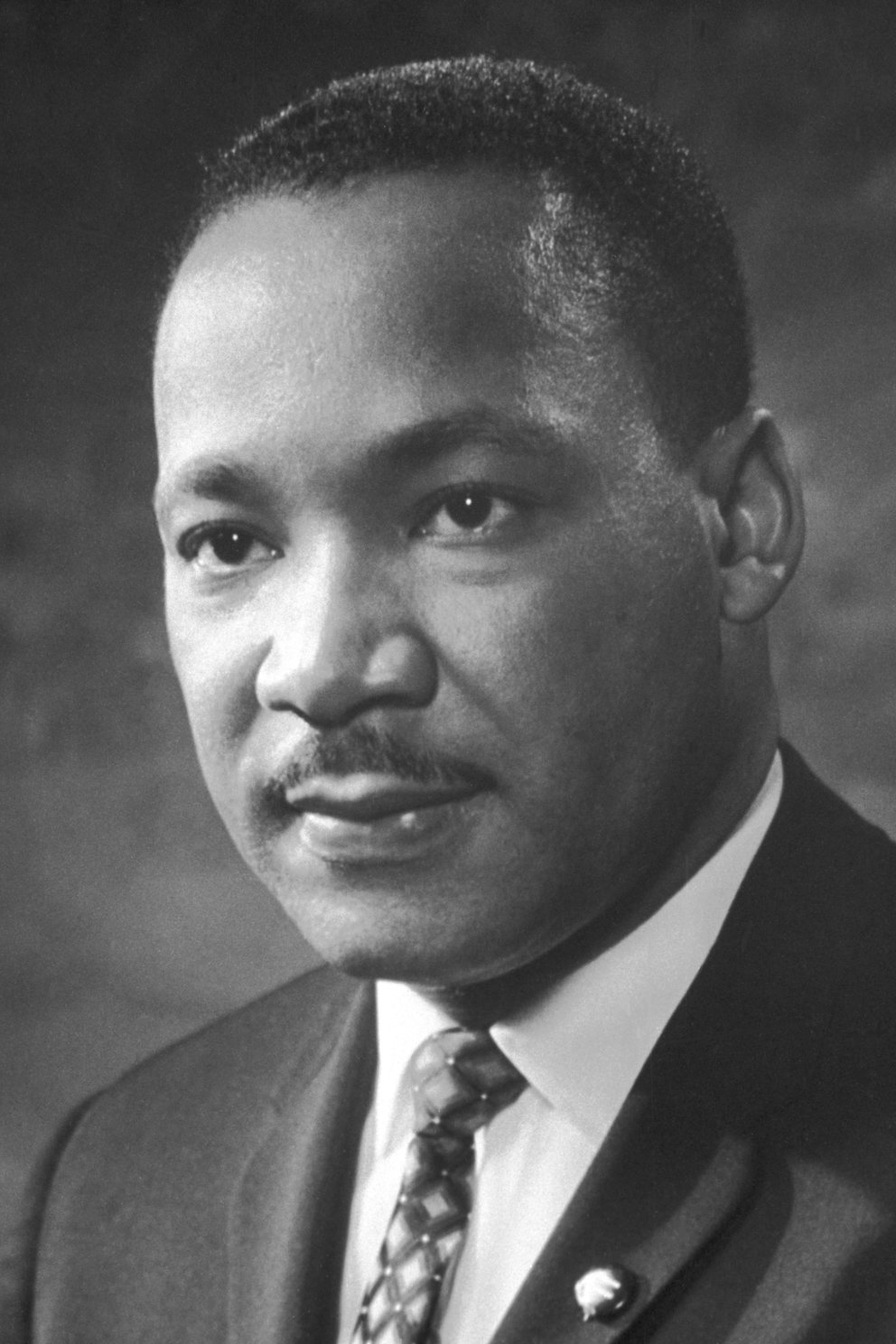 Less than a year later, in April 1966, Bird presided over an event that would leave an indelible mark on Jamaican culture and religious history: the state visit of Emperor Haile Selassie I of Ethiopia [6]. The Emperor’s arrival at the Palisadoes Airport (now Norman Manley International Airport) was met by an estimated 100,000 Rastafari and other Jamaicans in a state of ecstatic reverence. Amidst the overwhelming crowds and profound spiritual energy of the moment, it was Eustace Bird, representing the civic authority of the capital, who formally presented the keys of Kingston to the Emperor [6]. > "When the Emperor arrived, the city stood still. It was more than a diplomatic protocol; it was the collision of ancient African majesty and modern Caribbean aspiration, managed under the steady civic hand of leaders like Eustace Bird." These ceremonies were not mere formalities; they were critical moments of international diplomacy that affirmed Jamaica’s place on the world stage. Bird’s dignified presence and administrative competence during these high-stakes events cemented his reputation as a statesman of the highest order. ### The Jamaica Developers Association and Nation-Building Following his distinguished career in public service, Eustace Bird did not retire from public life; instead, he pivoted to the private sector, bringing his vast experience in land management and administration to the nascent real estate development industry. In 1969, he became the first Secretary/Manager of the newly formed Jamaica Developers Association (JDA) [1]. Bird held this pivotal position for an astounding 22 years, stepping down only in 1991. During his tenure, the JDA evolved into a powerful voice for the construction and housing sectors. Bird’s encyclopedic knowledge of municipal regulations, combined with his visionary approach to urban development, made him an indispensable asset to the association.  His most enduring contributions during this era were legislative. Bird played a highly influential role in drafting and lobbying for critical pieces of national legislation, most notably the Housing Act and the Real Estate (Dealers and Developers) Act [1]. These laws provided the regulatory framework necessary to protect consumers, standardize construction practices, and facilitate the orderly expansion of housing across the island. Under his guidance, the JDA worked closely with successive governments to address the island’s chronic housing shortages and to promote sustainable urban planning. Beyond the boardroom, Bird was also a man of the land. He co-owned the Clifton Mount Coffee Estate, nestled high in the Blue Mountains [7]. This venture highlighted his connection to Jamaica’s agricultural heritage and his entrepreneurial spirit, contributing to the export of some of the world’s most sought-after coffee. ### Legacy and The Eustace Bird Bursary Eustace Bird’s legacy is woven into the very fabric of modern Jamaica—from the administrative protocols of its capital city to the legal frameworks governing its built environment. His transition from a colonial soldier and literary arts patron to a chief municipal administrator and, finally, a titan of the real estate development sector, illustrates a life lived in parallel with the maturation of his country. To honor his unparalleled contributions to the construction and development industry, the Jamaica Developers Association established the Eustace Bird Bursary [1]. This prestigious award is granted annually to third-year students at the University of Technology, Jamaica (UTech), specifically those pursuing degrees in the Faculty of the Built Environment. Through this scholarship, Bird continues to shape the future of Jamaica, empowering the next generation of structural engineers, architects, and urban planners to build upon the formidable foundation he laid. His life remains a testament to the quiet, structural power of dedicated civic leadership and administrative excellence.
View Profile →Hon. Dr. Jonathan Grant
### Introduction to a Pre-Independence Stalwart The Honorable Jonathan Grant (c. 1914–1962)—sometimes affectionately or honorifically remembered as Hon. Dr. Jonathan Grant within the communities he served—remains one of the most profound figures in the socio-political development of pre-independence Jamaica. Serving as a distinguished educator, a dedicated public servant, and a formidable Minister of Labour and Social Welfare, Grant’s life mirrored the transformative journey of Jamaica itself. He emerged during an era when the island was still deeply entrenched in British Crown Colony rule, and he died on the very eve of the nation’s historic transition to political independence. As a stalwart of the People’s National Party (PNP) and the Member of Parliament for South Eastern St. Catherine, Grant championed the causes of the underprivileged, the rural poor, and the working class. His legacy is permanently inscribed not only in the progressive labor policies of the era but also in the physical landscape of Jamaican education, most notably through the Spanish Town institution that bears his name. ### Early Life and the Jamaican Colonial Context Jonathan Grant was born around 1914 in the modest district of Ballards Pen in the parish of St. Catherine, Jamaica. To understand the trajectory of Grant’s life, one must understand the socio-economic realities of Jamaica during the early twentieth century. At the time of his birth, Jamaica was a highly stratified society characterized by extreme inequalities in wealth, education, and land ownership. The vast majority of the population—descendants of emancipated Africans—labored on sugar estates, banana plantations, or small subsistence plots, often trapped in a cycle of endemic poverty. Access to quality education was a privilege largely reserved for the colonial elite and a small, emerging middle class. For a young boy from Ballards Pen, the pathways to upward mobility were incredibly narrow. However, Grant exhibited an early intellectual curiosity and an intrinsic drive that distinguished him from his peers. In these rural communities, the local schoolteacher was often the most revered figure—a beacon of knowledge and a pillar of communal leadership. Recognizing education as the most potent tool for social emancipation, Grant dedicated himself to his studies. He eventually secured a position as an assistant teacher, an achievement that marked his initial foray into public service. > "He stood as a monumental exemplar of upward mobility through character and an unyielding dedication to the working class and underprivileged." — [Norman Manley](/profiles/norman-manley), reflecting on the life of Jonathan Grant.  ### The Crucible of Education and Commerce Grant’s tenure as an educator profoundly shaped his worldview. Standing at the front of a classroom, he bore daily witness to the systemic disadvantages faced by his students—malnutrition, lack of resources, and the looming reality that without structural change, their futures would mirror the hardships of their parents. While he believed deeply in the power of the classroom, Grant eventually recognized that addressing the root causes of poverty required a broader sphere of influence. Transitioning from education into the private sector, Grant spent several years working in the insurance industry and in commercial trade. This shift proved to be a masterclass in the economic realities of Jamaican life. Traveling across the island and negotiating with laborers, farmers, and business owners, he developed an intricate understanding of the island's economic machinery. He saw firsthand the vulnerabilities of the working class—the lack of social safety nets, inadequate wages, and the perilous conditions under which many Jamaicans toiled. This dual background in education and commerce forged a unique political philosophy in Grant: one that combined a passionate, empathetic commitment to social welfare with a pragmatic understanding of economics. ### Political Awakening and the 1938 Labour Riots The late 1930s served as a watershed moment in Jamaican history, forever altering the island’s political landscape and cementing Grant’s path toward national leadership. In 1938, decades of economic stagnation, low wages, and abysmal living conditions erupted into island-wide labor riots. Workers from the sugar estates in Westmoreland to the docks in Kingston went on strike, demanding better pay and the right to unionize. Out of this crucible emerged towering figures like [Alexander Bustamante](/profiles/alexander-bustamante), who championed the labor movement, and [Norman Manley](/profiles/norman-manley), who founded the People's National Party (PNP) later that same year, advocating for self-government and systemic social reform. [1] For Jonathan Grant, the events of 1938 were a political awakening. The PNP’s platform, heavily influenced by democratic socialist principles, resonated deeply with his own observations as a teacher and insurance agent. Grant threw himself into the political fray, organizing at the grassroots level in his native St. Catherine. He became a vital conduit between the national leadership of the PNP and the rural working-class constituents who were desperate for representation. His reputation as a man of the people—approachable, articulate, and fiercely dedicated—began to spread. ### Rise to National Prominence The introduction of universal adult suffrage in 1944 under a new constitution was a revolutionary step toward Jamaican self-governance. It enfranchised the Black majority and fundamentally shifted the dynamics of political power. Grant spent the following decade building a formidable political base in St. Catherine. His relentless organizing culminated in the historic general elections of 1955. In 1955, the PNP, under the leadership of [Norman Manley](/profiles/norman-manley), secured a sweeping victory, defeating Bustamante's Jamaica Labour Party (JLP) and forming the government for the first time. Jonathan Grant was elected as the Member of Parliament for the South Eastern St. Catherine constituency. Taking his seat in the House of Representatives, Grant finally possessed the legislative authority to enact the changes he had envisioned for decades. He quickly distinguished himself as an eloquent debater and a tireless advocate for rural development, agricultural reform, and educational expansion.  ### Minister of Labour and Social Welfare Grant’s political career reached its zenith in 1959 when he was appointed Minister of Labour and Social Welfare in the pre-independence government. [1] This portfolio was arguably one of the most critical and challenging positions of the era, as the government sought to transition a colonial, agrarian economy into a modern, self-sufficient nation. As Minister, Grant was instrumental in shaping the modern Jamaican labor framework. He spearheaded initiatives aimed at formalizing collective bargaining processes, improving workplace safety standards, and expanding social safety nets for the island’s most vulnerable populations. Drawing upon his early experiences as a teacher, he also pushed for social welfare programs that integrated vocational training with community development, ensuring that marginalized youth had viable pathways to employment. At various points during his tenure, Grant was also called upon to act as the Minister of Agriculture, reflecting his deep understanding of the agrarian sector and the trust placed in him by the Chief Minister. Under Grant's stewardship, the Ministry of Labour tackled the deeply ingrained inequalities characteristic of the colonial plantation economy. He championed the implementation of minimum wage boards for various sectors, ensuring that domestic workers, shop assistants, and agricultural laborers received fair compensation for their toil. Furthermore, Grant recognized that true social welfare extended beyond mere wages; he advocated fiercely for the establishment of pension schemes, workers' compensation for industrial accidents, and improved housing conditions for the urban poor who were increasingly migrating to Kingston and Spanish Town in search of economic opportunity. His diplomatic acumen was frequently tested as he mediated tense labor disputes between powerful expatriate-owned corporations and the militant trade unions that had emerged following the 1938 riots. Through a combination of fierce advocacy and pragmatic negotiation, Grant managed to secure significant concessions for workers without destabilizing the fragile pre-independence economy, earning him the enduring respect of both organized labor and the broader political establishment. > "The true measure of our progress is not found in the wealth of the few, but in the dignity, the security, and the welfare we afford to the laboring many." — Attributed to Jonathan Grant during his tenure as Minister of Labour. ### The Final Years and an Enduring Legacy The early 1960s were a period of intense political polarization in Jamaica. The failed West Indies Federation referendum in 1961 precipitated early elections in April 1962, framed as a definitive mandate on who would lead the nation into formal independence later that year. In a tightly contested and highly emotional race, the PNP narrowly lost the election to the JLP. Jonathan Grant, despite his immense popularity and tangible record of service, lost his seat in South Eastern St. Catherine. Tragically, Grant did not live to see the independent Jamaica he had spent his entire life working to build. He passed away suddenly on June 16, 1962, at the age of 48, mere weeks before the Union Jack was lowered for the final time on August 6, 1962. [1] His untimely death sent shockwaves across the nation. In a poignant eulogy, Norman Manley lamented the loss of a man who embodied the highest ideals of public service and the transformative potential of the Jamaican spirit. Though his life was cut short, Jonathan Grant’s impact on Jamaica proved indelible. In recognition of his massive contributions to community development and education, the Jamaican government established Jonathan Grant High School on White Church Street in Spanish Town. Officially opening its doors on October 6, 1980, the institution began as a secondary school before being upgraded to a comprehensive high school in 1988. Today, the school stands as a living monument to his legacy, educating thousands of students in the very parish he dedicated his life to serving. Beyond the brick and mortar of the Spanish Town high school, Grant’s legacy is woven into the very fabric of Jamaica’s modern social infrastructure. The progressive labor legislations he championed during his ministerial tenure laid the groundwork for the comprehensive labor laws that govern the nation today. He represented a generation of pioneering Caribbean leaders who firmly believed that political independence would be meaningless without concurrent economic justice and social equity. Every Jamaican worker who today enjoys the protections of collective bargaining, workplace safety standards, and regulated working hours owes a debt of gratitude to the foundational work of leaders like Jonathan Grant. His life story continues to inspire young Jamaicans, serving as a powerful reminder that with education, resilience, and a commitment to communal upliftment, it is possible to transcend the limitations of one's birth and fundamentally alter the course of a nation's history.
View Profile →
Louise Bennett-Coverley
### Introduction Louise Simone Bennett-Coverley (1919–2006), affectionately and universally known as "Miss Lou," stands as a colossal figure in the cultural history of Jamaica and the broader Caribbean. As a pioneering poet, folklorist, writer, educator, and cultural ambassador, she single-handedly transformed the perception of Jamaican Patois (or Creole) from a marginalized dialect into a globally recognized language of profound literary expression. Through her poetry, performances, and public advocacy, Miss Lou gave a voice to the ordinary Jamaican, capturing the wit, wisdom, and resilience of the island's working classes. She is widely regarded as the "mother of Jamaican culture," laying the foundation for modern Jamaican literature, music, and performance art by embracing the "nation language" long before it was socially acceptable to do so. ### Early Life and The Colonial Context Born on September 7, 1919, in Kingston, Jamaica, during the height of British colonial rule, Louise Bennett grew up in a society deeply divided by race, class, and language. Her father, Augustus Cornelius Bennett, was a bakery owner who tragically passed away when Louise was only seven years old. Following his death, she was raised primarily by her mother, Kerene Robinson, a resilient dressmaker who instilled in her daughter a deep sense of pride and self-worth. Growing up in Kingston, Louise attended Ebenezer and Calabar Elementary Schools before moving on to St. Simon's College and Excelsior College. In the 1920s and 1930s, the educational system in Jamaica was strictly modeled after British institutions. Students were taught to revere the "Queen's English" and European literature, while the local language—Patois—was heavily stigmatized. It was often derided as "broken English" or the language of the uneducated. However, the young Louise possessed a keen ear for the cadences, idioms, and vibrant storytelling of the people around her. She was fascinated by the market women, the street vendors, and the rural migrants who navigated their daily struggles with humor and sharp linguistic ingenuity. ### Awakening of a Literary Voice It was during her time at Friends College in Highgate, St. Mary, that Miss Lou's deep and abiding interest in Jamaican folklore was formally ignited. Exposed to the rich oral traditions of the island—including Anansi spider stories, digging songs, and proverbs—she began to realize that the Jamaican language possessed its own unique syntax, rhythm, and poetry. She began writing poetry at a young age, penning her first dialect poem when she was just fourteen. > "I was raised in a society where the language of the people was suppressed, but I knew that our Patois was the beating heart of our nation. It is the language of our soul." By 1943, her work started gaining traction. Her poems were first published in the *Sunday Gleaner*, a major milestone that introduced her work to a broader audience. These early writings often focused on everyday Jamaican life, satirizing the pretentions of the colonial elite while celebrating the shrewdness of the common folk. Her ability to capture the authentic voice of the Jamaican people quickly made her a household name. ### Breaking Barriers: London and RADA In 1945, Miss Lou achieved a historic breakthrough by becoming the first Black student to attend the prestigious Royal Academy of Dramatic Art (RADA) in London, after winning a British Council Scholarship. This was a transformative period for her. While in London, she did not assimilate into the expected British theatrical molds; instead, she boldly showcased her Jamaican heritage. She hosted radio programs for the BBC, including *Caribbean Carnival* and *West Indian Night*, broadcasting the sounds and stories of the Caribbean back to the region and to the growing West Indian diaspora in the UK. She also gained invaluable stage experience performing with repertory companies in Coventry, Huddersfield, and Amersham.  Her time in England solidified her understanding of the global significance of Caribbean culture. She rubbed shoulders with other expatriate Caribbean intellectuals and artists, contributing to the burgeoning pan-Caribbean consciousness that was beginning to challenge colonial hegemony. ### Return to Jamaica and the Little Theatre Movement Returning to Jamaica, Miss Lou threw herself into the cultural revitalization of the island. She became an indispensable force within the Jamaican Little Theatre Movement, particularly through her involvement in the annual national pantomime. She helped to indigenize this traditionally British theatrical form, replacing European fairy tales with Jamaican folklore, Anansi stories, and local historical narratives. She married Eric Winston Coverley, an impresario and early promoter of Jamaican talent, in 1954. Together, they formed a formidable cultural partnership, raising one son, Fabian, and several adopted children. Miss Lou’s career expanded into education and social work. She taught drama, lectured on folklore at the University of the West Indies, and worked tirelessly with the Jamaica Social Welfare Commission, traveling across the island to collect oral histories, folk songs, and proverbs that might otherwise have been lost to time. ### Championing Jamaican Patois At the core of Miss Lou's enduring legacy is her fierce defense of Jamaican Patois. During an era when the educational system actively discouraged the use of dialect, she used her platform to demonstrate that Patois was a valid, sophisticated medium for poetry and social commentary. She argued that the language was a creative linguistic adaptation forged in the crucible of the transatlantic slave trade, blending English vocabulary with West African grammar and syntax. By writing and performing exclusively in Patois, she validated the lived experiences of millions of Jamaicans. Her most famous poems, such as "Colonization in Reverse" and "Noh Lickle Twang," offered biting, humorous critiques of post-colonial migration, identity, and cultural imperialism. She paved the way for future generations of Caribbean writers, dub poets, and reggae lyricists—from [Mutabaruka](/profiles/mutabaruka) to Bob Marley—who would take the "nation language" to the global stage. ### Later Years, International Reach, and Legacy In her later years, Miss Lou lived in Toronto, Canada, where she continued to serve as a cultural ambassador for Jamaica, beloved by the vast West Indian diaspora. She remained active in the arts until her passing on July 26, 2006. Her passing was mourned globally, but her legacy was permanently enshrined in the cultural bedrock of the Caribbean. She was awarded the Order of Merit (OM), the Order of Jamaica (OJ), and the Order of the British Empire (MBE) for her monumental contributions to literature and the arts. Today, she rests in the National Heroes Park in Kingston, a fitting tribute to a woman who taught a nation to love its own voice. Louise Bennett-Coverley did not just record Jamaican culture; she legitimized it, ensuring that the proverbs, songs, and language of her ancestors would echo for generations to come.
View Profile →Osmond Fairclough
## Osmond Theodore Fairclough Osmond Theodore (O.T.) Fairclough (1904–1970) remains one of the most consequential, yet often understated, figures in the modern political history of Jamaica. As the primary architect and founding father of the People’s National Party (PNP), and the visionary behind the groundbreaking *Public Opinion* newspaper, Fairclough laid the intellectual and organizational foundation for Jamaican self-government. While history frequently highlights the charismatic leadership of his contemporaries, it was Fairclough’s unyielding determination, structural acumen, and radical imagination that coalesced the fragmented nationalist sentiments of the 1930s into a unified, formidable political movement. His life’s work was dedicated to dismantling the deep-seated racial and economic hierarchies of colonial Jamaica and empowering the Black majority to claim their rightful place in the governance of their nation. ### Early Life and Formative Years Osmond Theodore Fairclough was born on February 28, 1904, in the rural district of Bethel Town, Westmoreland, Jamaica. Raised in a period when the British Empire still firmly dictated the socioeconomic realities of its Caribbean colonies, Fairclough grew up acutely aware of the limitations placed upon Jamaicans of African descent. The colonial administration severely restricted the political enfranchisement of the Black majority, reserving legislative power and economic control for a small, white elite and expatriate class. Despite these systemic barriers, Fairclough was an exceptional student, demonstrating an early aptitude for organization, economics, and critical thought. He attended the prestigious Calabar High School in Kingston, an institution known for producing several of Jamaica’s future leaders. Graduating from Calabar in 1922, Fairclough quickly realized that the colonial glass ceiling offered very little room for a bright, ambitious young Black man to rise in the professional ranks of his own country. Seeking better opportunities and an escape from the suffocating racial caste system of Jamaica, he made the consequential decision to migrate to neighboring Haiti. ### The Haitian Experience Fairclough spent approximately eight years in Haiti, a period that profoundly shaped his political, economic, and racial consciousness. Unlike Jamaica, Haiti was the world’s first free Black republic, a nation forged through a successful slave revolution. For a young Jamaican accustomed to British colonial subjugation and the pervasive myth of white supremacy, the Haitian context provided a radical, living alternative. He saw firsthand a society where Black people managed their own affairs, governed their own institutions, and navigated the complexities of international finance. In Haiti, Fairclough secured a position at the National Bank of Haiti. Over his tenure, he proved himself to be a brilliant financier and manager, eventually rising to the prestigious rank of regional or assistant manager. This role not only sharpened his administrative and financial skills but also demonstrated his capacity to lead at an executive level. His time in Haiti solidified his belief in the intellectual and leadership capabilities of Black people, a conviction that would later drive his unyielding political organizing in Jamaica. ### Return to a Segregated Jamaica In 1934, Fairclough returned to his homeland, heavily armed with executive experience, financial expertise, and a broadened worldview. However, he returned to a Jamaica that was still rigidly segregated along lines of race and class. The upper echelons of business and commerce were fiercely guarded by the colonial elite. When Fairclough sought employment commensurate with his impressive resume at the foreign-owned commercial banks in Kingston, he was met with explicit, degrading racism. Despite his proven track record as a bank manager in Haiti, he was summarily rejected for managerial roles because of his dark skin. In one particularly egregious instance that has since become a part of Jamaican political lore, a commercial bank offered the highly qualified former regional manager a position as a janitor or porter. > "We must build a nation where the Black man is no longer a tenant in his own country, but the architect of its future." This profound insult was a turning point in Fairclough’s life. Rather than breaking his spirit, this overt discrimination served as the catalyst for his radicalization. He realized that personal advancement was impossible without systemic change, and that the only way to dismantle the oppressive colonial apparatus was to organize the masses and demand absolute self-government. ### The Launch of *Public Opinion* Recognizing that the fight against colonialism required an intellectual awakening, Fairclough turned to journalism. He believed that the nationalist movement needed a vehicle to disseminate radical ideas, challenge the colonial narrative, and unify the emerging intelligentsia. In February 1937, Fairclough founded the weekly newspaper *Public Opinion*. *Public Opinion* was an immediate sensation and a profound disruption to the conservative media landscape of Jamaica. In its very first editorial, titled "New Wine in New Bottles," Fairclough articulated the paper’s mission: to organize the unorganized public sentiment of the island and to focus attention on the urgent need for national development and self-determination. To achieve this, Fairclough assembled a brilliant cadre of progressive thinkers, writers, and activists. The paper featured contributions from heavyweights such as the historian [Hedley Powell Jacobs](/profiles/hedley-powell-jacobs), the radical journalist [Frank Hill](/profiles/frank-hill), the pioneering feminist and playwright [Una Marson](/profiles/una-marson), and the fiery novelist [Roger Mais](/profiles/roger-mais). *Public Opinion* championed universal adult suffrage, human rights, and the formation of a robust labor movement, effectively serving as the intellectual incubator for Jamaica's anti-colonial struggle.  ### The Crucible of 1938 and the Birth of the PNP The year 1938 is universally recognized as the watershed moment in modern Jamaican history. Frustration over low wages, horrific working conditions, and widespread poverty erupted into massive labor riots across the island. The sugar workers in Frome and the dockworkers in Kingston led strikes that paralyzed the colonial economy. While figures like [Alexander Bustamante](/profiles/alexander-bustamante) emerged as the charismatic leaders of the labor uprising, Fairclough recognized that street protests, without a cohesive political strategy, would not result in lasting structural change. He possessed the tenacity of purpose to insist that the energy of the labor movement must be channeled into a formal, organized political party dedicated to achieving self-government. Fairclough began holding intensive strategic meetings with his *Public Opinion* circle. He knew that to gain broad legitimacy, the new party needed a leader with unimpeachable standing in Jamaican society. He set his sights on [Norman Manley](/profiles/norman-manley), the island's most brilliant and respected barrister. Manley was initially hesitant to enter the chaotic fray of politics, but Fairclough was relentless. He repeatedly approached Manley, arguing passionately that it was his patriotic duty to lead the movement for Jamaican independence. Fairclough’s persistence paid off. On September 18, 1938, the People's National Party (PNP) was officially launched at the Ward Theatre in Kingston, with Norman Manley as its leader. However, it was Fairclough who had done the painstaking groundwork, drafting the initial frameworks and rallying the essential progressive voices to make the launch possible. ### General Secretary and the Engine of the Party Following the party's formation, Fairclough assumed the role of the PNP’s first General Secretary. In this capacity, he was the literal engine of the organization. He traveled tirelessly across the island, setting up party groups, educating the peasantry and working class on their political rights, and building the grassroots infrastructure that would sustain the PNP for decades to come. Fairclough’s vision for the PNP was deeply rooted in egalitarianism and a commitment to the Black intelligentsia. He firmly believed that only a nationalist party, driven by the intellectual and moral force of the Jamaican people, could dismantle the colonial apparatus. Under his organizational leadership, the PNP became a formidable machine that successfully campaigned for universal adult suffrage, which was finally granted by the colonial authorities in 1944, drastically shifting the balance of power to the Jamaican majority. ### Later Life and Enduring Legacy Throughout his life, Fairclough remained a steadfast servant of the Jamaican people, often working tirelessly behind the scenes while others took the spotlight of elected office. He continued to manage *Public Opinion*, ensuring it remained a voice for the marginalized, a forum for Caribbean literature, and a check on political power. He passed away in 1970, having lived to see his ultimate dream—an independent Jamaica—realized in 1962. > "He possessed a quiet radicalism, a profound belief that the Jamaican people were capable of governing themselves, and he dedicated every waking hour to proving that belief true." Today, O.T. Fairclough is revered as a founding father of Jamaican nationalism. To honor his unparalleled dedication to the grassroots workers of the political movement, the PNP established the O.T. Fairclough Trust Fund. This fund provides educational grants and support to long-standing party workers and their families, a fitting tribute to a man who always prioritized the welfare and education of the ordinary citizen over personal glory. Osmond Fairclough's story is a remarkable testament to the power of resilience. Denied a place in the colonial economy because of his race, he chose not to accept defeat. Instead, he built the very institutions—both in the press and in politics—that would eventually dismantle that colonial economy, leaving an indelible mark on the Caribbean and laying the cornerstone for a free Jamaica.
View Profile →
Sir Clifford Campbell
# Biography of Sir Clifford Campbell ## Introduction Born in the twilight of the 19th century in a Jamaica still deeply entrenched in British colonial rule, Sir Clifford Clarence Campbell (June 28, 1892 – September 28, 1991) would rise from the humble beginnings of a rural schoolteacher to become the first native-born Governor-General of an independent Jamaica. His life and career traced the arc of Jamaica's own journey from a British crown colony to a sovereign nation. A man of quiet dignity, deep religious faith, and profound commitment to public service, Campbell embodied the aspirations of the newly independent nation. When he was appointed Governor-General on December 1, 1962, it was not merely an administrative transfer of power; it was a profound symbolic moment for the Jamaican people, who for the first time saw one of their own—a Black Jamaican from the rural working class—occupying the highest office in the land, representing the British monarch but belonging entirely to the soil of Jamaica. ## Early Life and the Colonial Context Clifford Clarence Campbell was born on June 28, 1892, in Petersfield, a small rural district in the western parish of Westmoreland, Jamaica. He was the son of James Campbell, a civil servant, and Blanche Campbell (née Ruddock). Growing up in Westmoreland at the turn of the century, Campbell experienced a Jamaica that was rigidly stratified by race and class. The legacy of the plantation economy still loomed large, and opportunities for social advancement for the Black majority were severely limited. However, one of the few avenues for upward mobility was education. Campbell's parents recognized this and ensured that he received a solid foundational education. He attended Petersfield Elementary School from 1901 to 1912. Demonstrating a keen intellect and an aptitude for leadership early on, Campbell set his sights on the teaching profession—a highly respected vocation in rural Jamaican communities. In 1913, he gained admission to the prestigious Mico Training College (now The Mico University College) in Kingston. Established in the 19th century through the Lady Mico Charity, the institution was one of the premier teacher training colleges in the Western Hemisphere and played a pivotal role in creating a black and brown educated middle class in Jamaica. > "His appointment as the first Jamaican-born Governor-General was not just a political milestone; it was a powerful statement of national identity, proving to the masses that a son of the soil could occupy King's House." ## A Life Dedicated to Education Graduating from Mico in 1915, Campbell returned to his native Westmoreland to begin his career as an educator. In 1916, he became the headmaster of Fullersfield Government School. He subsequently served as headmaster at Friendship Elementary School and later at Grange Hill Government School. For nearly three decades, Campbell devoted himself to the education of Jamaica's youth. In the rural communities where he taught, the schoolmaster was a figure of immense authority and respect, often serving as a community leader, counselor, and mediator. Campbell excelled in this multifaceted role. He was known as a strict disciplinarian but also as a deeply compassionate man who believed fiercely in the potential of his students. He understood that education was the key to breaking the cycle of poverty and marginalization that affected so many rural Jamaicans. During these years, Campbell also cultivated his family life. On August 4, 1920, he married Alice Estephene Jolly. Their union would produce four children: two sons, Winston and Newton, and two daughters, Clare and Myrtle. His wife, who would later become Lady Campbell, was a steadfast partner throughout his long career, known for her own grace and dedication to social causes. ## Entry into Politics and the Struggle for Representation The late 1930s were a period of intense social and political upheaval in Jamaica. The labor rebellions of 1938, spurred by poor working conditions and economic hardship, catalyzed the formation of the modern Jamaican political system. The two dominant figures to emerge from this crucible were [Sir Alexander Bustamante](/profiles/alexander-bustamante), who founded the Jamaica Labour Party (JLP), and his cousin [Norman Washington Manley](/profiles/norman-washington-manley), who founded the People's National Party (PNP). In 1944, Jamaica was granted a new constitution that instituted Universal Adult Suffrage, giving the right to vote to all adult Jamaicans regardless of race, property, or income. This was a watershed moment, and it prompted Campbell to step out of the classroom and into the political arena. Aligning himself with Bustamante's JLP, Campbell ran for the Western Westmoreland seat in the House of Representatives in the historic 1944 elections. Given his long-standing reputation as a dedicated educator and community leader, he secured a resounding victory. Campbell's political career was characterized by the same diligence and integrity he had shown as a headmaster. From 1945 to 1949, he served as the Chairman of the House Committee on Education, where he advocated for the expansion of educational facilities and the improvement of teachers' working conditions. His peers respected his even-tempered nature and parliamentary skills, leading to his appointment as the Vice-President of the Elected Members' Association (1945–1954) and subsequently as the Speaker of the House of Representatives from 1950 to 1955. Following the JLP's defeat in the 1955 elections, Campbell's political career experienced a lull, but his commitment to public service did not wane. When the JLP returned to power in 1962, on the eve of Jamaica's independence, Bustamante appointed Campbell to the upper house of the legislature, where he briefly served as the President of the Senate. ## The First Native Governor-General Jamaica officially gained its independence from the United Kingdom on August 6, 1962. Initially, Sir Kenneth Blackburne, the last colonial governor, stayed on as the first Governor-General to ensure a smooth transition. However, there was a strong consensus among the Jamaican political elite—including both Prime Minister Bustamante and Opposition Leader Norman Manley—that the post of Governor-General should soon be filled by a native Jamaican. More specifically, both leaders agreed that the appointee should be a Black Jamaican, a true representative of the majority of the population, to symbolize the transfer of power and to foster a sense of national pride and unity. Sir Alexander Bustamante recommended his old colleague, Sir Clifford Campbell, to Queen Elizabeth II for the post. On December 1, 1962, Sir Clifford Campbell was officially sworn in as the Governor-General of Jamaica. The occasion was marked by widespread celebration. When Campbell moved into King's House, the traditional residence of the British governors, it shattered the final psychological barrier of colonial rule.  > "He brought to King's House the quiet dignity of a rural schoolmaster and the profound wisdom of a man who had seen Jamaica transition from a divided colony to a proud, independent nation." ## A Decade of Dignity at King's House Sir Clifford Campbell served as Governor-General for an impressive tenure of ten years, from 1962 to 1973. Throughout the turbulent 1960s—a decade marked by significant social change, the rise of the Rastafari movement, and growing political polarization—Campbell remained a unifying figure above the partisan fray. He brought a distinctively Jamaican flavor to the role, yet maintained the necessary decorum and constitutional neutrality required of the Queen's representative. He was heavily involved in philanthropic and social work, serving as a patron for numerous organizations. He was particularly passionate about youth development, serving as the patron for the Boy Scouts, the Boys and Girls Brigades, and the Jamaica Youth Club Council. He believed that the future of the new nation rested on the moral and intellectual development of its young people. During his tenure, he hosted numerous foreign dignitaries, including visits from the British Royal Family, and he represented Jamaica abroad with grace and statesmanship. For his distinguished service, he received several high honors. He was made a Knight Grand Cross of the Order of St Michael and St George (G.C.M.G.) and a Knight Grand Cross of the Royal Victorian Order (G.C.V.O.). Later, the Jamaican government awarded him the Order of the Nation (O.N.), one of the country's highest national honors. ## Legacy and Later Years Sir Clifford Campbell retired from the office of Governor-General on February 28, 1973, at the age of 80. He was succeeded by [Florizel Glasspole](/profiles/florizel-glasspole). Campbell spent his twilight years in quiet retirement, though he remained a revered elder statesman in Jamaican society. He passed away on September 28, 1991, at the remarkable age of 99. His legacy is deeply inscribed in the modern history of Jamaica. As an educator, he shaped the minds of generations of rural Jamaicans. As a politician, he helped to lay the democratic foundations of the nation during its transition to self-rule. And as Governor-General, he redefined the highest office in the land, proving that leadership and dignity were not the exclusive preserve of the colonial masters. Today, his memory is preserved not only in the annals of Jamaican history but also through institutions such as the Sir Clifford Campbell Primary School in Savanna-la-Mar, Westmoreland, ensuring that his lifelong commitment to education continues to bear fruit in the parish of his birth. Sir Clifford Campbell remains a towering figure in Jamaican history, a man who rose from the chalkboard to the throne room, guided by an unwavering faith in his country and its people.
View Profile →Sir John Mordecai
## Sir John Mordecai: The Administrative Architect of the Caribbean Dream Sir John Stanley Mordecai (1903–1993) stands as one of the most distinguished Jamaican civil servants of the twentieth century and a central architect of the British Caribbean’s most ambitious political project: the [West Indies Federation](/islands/west-indies-federation). At a time when the Caribbean was transitioning from strict colonial rule toward self-determination, Mordecai represented the administrative backbone of the regional integration movement. He was an exemplary public official whose career was defined by an unyielding commitment to the ideal of regional unity and nationhood. Though the Federation ultimately collapsed, Mordecai's administrative leadership and his later scholarly contributions ensured that the lessons of this grand experiment would not be lost to history. His seminal 1968 work, *The Federal Negotiations*, remains the definitive account of the Federation's rise and fall. ### Early Life and the Jamaican Colonial Civil Service Born on October 21, 1903, in [Jamaica](/islands/jamaica), John Mordecai came of age in an era when the British Empire still firmly controlled the political and economic destiny of the Caribbean. The early twentieth century was a period of limited opportunities for local Jamaicans in the upper echelons of government, as the highest administrative posts were almost exclusively reserved for expatriate British officials. However, Mordecai possessed a sharp intellect and a meticulous administrative capability that soon set him apart. Entering the Jamaican civil service as a young man, Mordecai navigated a complex bureaucracy that demanded both rigid adherence to protocol and diplomatic finesse. This period of his life was crucial; it was here that he developed his profound understanding of government machinery, public administration, and the intricate socio-economic challenges facing Jamaica. During the 1930s and 1940s, as labor riots swept through the region and a new generation of political leaders—such as [Norman Manley](/profiles/norman-manley) and Alexander Bustamante—began demanding better conditions and self-government, Mordecai observed the shifting tides of history from within the government apparatus. Unlike the fiery politicians who rallied the masses, Mordecai was the quintessential technocrat. He understood that the transition from a colony to an independent nation required more than just impassioned speeches; it required robust institutions, sound economic planning, and a capable civil service. His dedication to these principles propelled him through the ranks, earning him the respect of both the British colonial authorities and the emerging local leadership. ### Transition to Regional Governance: The Regional Economic Committee The aftermath of World War II brought a renewed push for Caribbean integration. British policymakers and local leaders alike began to see a political and economic union of the West Indian territories as the most viable path to independence. In this climate of cautious optimism, Mordecai transitioned from local Jamaican politics to the broader regional stage. He was appointed as the Executive Secretary of the Regional Economic Committee (REC). The REC was a vital precursor to the political union, tasked with harmonizing the disparate economies of the British West Indian territories, managing regional trade, and laying the structural groundwork for a federal government. > "The true foundation of any political union in the West Indies must first be built on the bedrock of economic cooperation and shared administrative capacity." In his role at the REC, Mordecai faced monumental challenges. The Caribbean islands, separated by vast stretches of the Caribbean Sea, had historically developed insular economies that competed against one another rather than cooperating. They exported similar agricultural products, such as sugar and bananas, primarily to the UK, and had little inter-island trade. Mordecai worked tirelessly to break down these barriers, mediating disputes between island representatives and fostering a sense of shared economic destiny. His tenure at the REC proved that regional cooperation was practically feasible, setting the stage for the formal establishment of a political federation.  ### Architect and Guardian of the West Indies Federation The momentum generated by the REC culminated in the creation of the Pre-Federal Organization in 1956, with Mordecai serving as its Secretary. He was deeply involved in drafting the administrative blueprints for the new federal government. When the [West Indies Federation](/islands/west-indies-federation) was officially inaugurated in 1958, bringing together ten territories including Jamaica, Trinidad and Tobago, and Barbados, Mordecai was the natural choice to become the Federal Secretary. As Federal Secretary, Mordecai was the chief official of the Federation, tasked with translating the lofty ideals of political leaders like [Grantley Adams](/profiles/grantley-adams) (the Federation's only Prime Minister) and [Norman Manley](/profiles/norman-manley) into functional governance. His role required an extraordinary balancing act. The federal government was chronically underfunded, possessing limited taxation powers and relying heavily on mandatory contributions from the territorial governments. Moreover, the political leaders of the two largest and wealthiest islands—Jamaica's Norman Manley and Trinidad's Eric Williams—chose to remain in their respective territorial legislatures rather than seeking federal office, leaving the federal government politically weakened. Despite these structural flaws, Mordecai's administrative brilliance kept the federal machinery running. He was elevated to the position of Deputy Governor-General of the West Indies Federation in 1960, serving directly under the Governor-General, Lord Hailes. In this capacity, Mordecai was not merely a civil servant but a central figure in the intricate political negotiations that sought to keep the fragile union intact. ### The Collapse and the Aftermath The tensions within the Federation eventually reached a breaking point. Jamaica, feeling that it was contributing disproportionately to the federal budget while being underrepresented in the federal parliament, grew increasingly dissatisfied. The final blow came in 1961 when Jamaica held a national referendum on its continued membership. Against the wishes of Premier Norman Manley, the Jamaican electorate voted to withdraw from the Federation. The result was catastrophic for the regional project. Trinidad's Eric Williams soon followed with his famous arithmetic calculus: "One from ten leaves nought," signaling Trinidad and Tobago's departure as well. During this tumultuous period, Mordecai served as the acting Governor-General in the absence of Lord Hailes. He worked desperately to craft "salvage proposals" to preserve some form of union among the remaining Eastern Caribbean territories, but the political will had evaporated. The West Indies Federation was formally dissolved in 1962. > "The failure of the Federation was not a failure of the West Indian people, but a failure of leadership to reconcile insular fears with the grand vision of a united Caribbean destiny." For Mordecai, the collapse of the Federation was a profound personal and professional disappointment. He had dedicated the peak of his career to building a united Caribbean nation, only to watch it dismantle due to parochialism and political maneuvering. ### *The Federal Negotiations* (1968): A Definitive History Determined to ensure that the mistakes of the past would not be repeated, Mordecai turned to scholarship. In 1968, he published his magnum opus, *The West Indies: The Federal Negotiations*. The book is widely regarded as the most authoritative, comprehensive, and objective account of the federal experiment. Written from the unique perspective of a "participant-observer," Mordecai's book meticulously details the complex negotiations, the personality clashes, and the structural deficiencies that doomed the Federation. He analyzed the conflicting visions of Caribbean leaders, the reluctance to cede territorial sovereignty to a central government, and the economic anxieties that ultimately pulled the islands apart. The book was further elevated by an insightful epilogue written by the renowned St. Lucian economist and Nobel laureate Sir Arthur Lewis, who provided a broader economic analysis of the failure. *The Federal Negotiations* remains required reading for political scientists, historians, and anyone interested in Caribbean integration. It stands as a testament to Mordecai's analytical rigor and his enduring commitment to the region. ### Later Life and Enduring Legacy After the dissolution of the Federation, Mordecai returned to his native Jamaica, which had since achieved full independence. Though he had stepped back from the front lines of regional politics, he continued to contribute to public life. From 1971 to 1978, he served as the first chairman of the Jamaica Racing Commission, bringing his administrative expertise to the regulation and development of the island's horse racing industry. Sir John Mordecai died in 1993, leaving behind a legacy that transcends his island home. He is remembered not as a charismatic politician who stood on soapboxes, but as the quiet, indispensable architect of the Caribbean’s most noble political experiment. His life's work demonstrated the critical importance of strong institutions and capable administration in the pursuit of national and regional development. Today, as organizations like CARICOM continue to strive for deeper economic and political integration in the region, the foundational work of Sir John Mordecai—both in building the early administrative structures of the Federation and in diagnosing its eventual failure—remains profoundly relevant. He was a visionary who believed that the true strength of the Caribbean lay in its unity, and his contributions will forever be etched into the annals of West Indian history. ### References 1. [Sir John Mordecai - Norman Girvan](https://normangirvan.org/) 2. [Routledge - West Indies Federation History](https://www.routledge.com/)
View Profile →Thomas P. Lecky
# Dr. Thomas Phillip Lecky: Father of the Jamaican Dairy Industry ## Introduction Dr. Thomas Phillip (T.P.) Lecky (December 31, 1904 – 1994) stands as a monumental figure in Caribbean agricultural science. Often heralded as the "Father of the Jamaican Dairy Industry," Lecky revolutionized animal husbandry in the tropics. His crowning achievement, the creation of the Jamaica Hope cattle breed, transformed the economic landscape for small-scale farmers in Jamaica and beyond. As the first Jamaican to earn a Ph.D. in agriculture, Lecky's life was a testament to the power of indigenous scientific inquiry applied to solving local problems. > "Any realistic vision of change must be based on the notion of empowerment of people." ## Early Life and the Seeds of Curiosity Born on December 31, 1904, in the lush, verdant Swift River Valley of Portland, Jamaica, Lecky was the twelfth of 13 children. His upbringing was rooted in the soil; his father was a small-scale farmer who understood the rhythms of nature but also the harsh realities of agricultural life in the early 20th-century Caribbean. Growing up on a small family farm, young Lecky was exposed to the daily struggles and physical demands of tilling the land. He witnessed firsthand the vulnerability of local farmers to natural disasters—such as hurricanes that would wipe out banana crops in a matter of hours—and the systemic inefficiencies of colonial-era farming practices. These formative experiences cultivated a deep empathy for the plight of the rural farmer and ignited a lifelong curiosity about nature. His father, recognizing his son’s inquisitive mind, encouraged his questions about livestock and plant life. Lecky began his formal education at the Swift River Primary School. It was here that his academic brilliance first shone through. Despite the limited resources typical of rural Jamaican schools at the time, Lecky's dedication to learning propelled him forward. ## Educational Journey and Mentorship At the age of 17, Lecky's potential was recognized when he earned a merit scholarship to attend the Government Farm School (which later evolved into the Jamaica School of Agriculture) at Hope, St. Andrew. This institution was the epicenter of agricultural research in Jamaica, located on the historic Hope Estate. It was at the Government Farm School that Lecky encountered H.H. Cousins, the Director of the Department of Agriculture and a pioneering British agricultural chemist. Cousins had initiated cattle breeding experiments at Hope Farm in 1910. Recognizing Lecky’s keen intellect and passion for animal husbandry, Cousins took him under his wing. This mentorship was pivotal; it introduced Lecky to the scientific principles of genetics and the specific challenges of tropical dairy farming. However, Lecky's thirst for knowledge could not be satiated in Jamaica alone. He recognized that to truly revolutionize Caribbean agriculture, he needed advanced scientific training. In an era when few Jamaicans had the opportunity for higher education abroad, Lecky embarked on a remarkable academic journey. He traveled to Canada, earning a Diploma in Agriculture from MacDonald College (part of McGill University) in 1930. He subsequently earned a Bachelor of Science degree with honors from the University of Toronto. Lecky's academic pursuits culminated in Scotland, where he attended the prestigious University of Edinburgh. In 1951, he successfully defended his doctoral thesis, which focused on the genetic improvement of dairy cattle in the tropics. With this achievement, he made history as the first Jamaican to earn a Ph.D. in agriculture. ## The Challenge of Tropical Agriculture To understand the magnitude of Lecky's contribution, one must understand the state of Jamaican agriculture in the early to mid-20th century. The dairy industry was struggling. Local Jamaican cattle, while extremely hardy and resistant to tropical diseases and tick-borne illnesses, produced very little milk. They were primarily used as draft animals or for beef. On the other hand, the colonial administration and wealthy planters had attempted to import high-yielding European dairy breeds, such as Holsteins and Jerseys. However, these temperate breeds were ill-suited for the harsh Jamaican climate. They suffered immensely from the intense tropical heat, were highly susceptible to tick-fever and other local diseases, and could not thrive on the poor-quality tropical pasture grass. The result was high mortality rates and abysmal milk production, making dairy farming a risky and unprofitable venture, particularly for small farmers who could not afford expensive imported feed or veterinary care. Lecky saw this dilemma clearly. The solution was not to force European animals to adapt to the tropics, nor was it to accept the low yields of local cattle. The solution lay in genetics: creating a completely new breed that combined the best traits of both. ## The Creation of the Jamaica Hope Upon returning to Jamaica, Lecky took charge of the breeding program at Hope Farm. Building upon the foundational work started by H.H. Cousins, Lecky applied his advanced knowledge of genetics to embark on a rigorous, decades-long crossbreeding initiative. His strategy was meticulous. He chose the British Jersey cow for its high milk fat content and relative adaptability compared to other European breeds. He crossed these Jerseys with the Zebu cattle (which had been imported from India and possessed exceptional heat tolerance and tick resistance) and the local Jamaican cattle.  The process required immense patience, careful selection, and precise record-keeping. Lecky had to carefully monitor each generation, selecting only the animals that exhibited the desired combination of traits: high milk yield, heat tolerance, disease resistance, and the ability to thrive on local forage. After decades of dedicated research and selective breeding, Lecky's masterpiece was officially introduced in 1952. He named it the **Jamaica Hope**. The Jamaica Hope was a triumph of agricultural science. It was the first indigenous breed of cattle in Jamaica. The breed was uniquely adapted to the tropics, capable of producing significant quantities of milk even in hot, humid conditions, and demonstrating a remarkable resistance to ticks and tick-borne diseases. For the Jamaican dairy industry, the Jamaica Hope was revolutionary. It democratized dairy farming. Small-scale farmers, who previously could not afford the high maintenance costs of European breeds, could now maintain productive dairy herds. The breed significantly boosted national milk production, improved the livelihoods of thousands of rural families, and reduced Jamaica's reliance on imported dairy products. ## Beyond the Jamaica Hope: A Broadening Legacy Dr. Lecky's genius was not limited to dairy cattle. He recognized the need for improved beef breeds in Jamaica as well. Applying the same rigorous genetic principles, he spearheaded the development of three additional indigenous Jamaican cattle breeds: 1. **Jamaica Red (Jamaica Red Poll):** A hardy, hornless beef breed developed primarily from English Red Poll stock with some Zebu influence, designed for efficient meat production on tropical pastures. 2. **Jamaica Black:** A breed created by crossing Aberdeen Angus with Zebu cattle, combining the high meat quality of the Angus with the environmental resilience of the Zebu. 3. **Jamaica Brahman:** A breed meticulously developed from Zebu cattle imported from India, optimized for the Jamaican environment. Through these four distinct breeds, Lecky effectively completely reshaped the genetic landscape of Jamaican livestock. > "The Jamaica Hope stands as a living monument to scientific perseverance and a deep understanding of the tropical environment." ## Environmentalism and Later Life Beyond his work as a geneticist and animal breeder, Dr. Lecky was a visionary environmentalist long before the term gained mainstream popularity. He was a vocal advocate for sustainable agricultural practices and the conservation of Jamaica's natural resources. He frequently warned about the dangers of soil erosion and advocated for the protection of hillsides, understanding that the long-term viability of agriculture depended on a healthy ecosystem. Lecky was deeply committed to knowledge transfer. He served as a mentor to countless young agricultural scientists and farmers, sharing his expertise and instilling in them a sense of national pride in Jamaican agricultural innovation. In 1994, he published his autobiography, *Cattle and I*, which documented his lifelong journey in science and agriculture. ## Honours and Recognition Dr. Lecky’s monumental contributions did not go unnoticed. He received widespread acclaim both nationally and internationally. - In 1958, he was awarded the Officer of the Order of the British Empire (OBE) for his services to agriculture. - In 1970, he became the very first recipient of the prestigious [Norman Manley](/profiles/norman-manley) Award for Excellence, recognizing his unparalleled impact on national development. - In 1978, the Government of Jamaica conferred upon him the Order of Merit (OM), one of the nation's highest civilian honors, for his distinguished contribution to science. ## Conclusion Dr. Thomas P. Lecky passed away in 1994, but his legacy lives on in every pasture across Jamaica and the wider Caribbean. The Jamaica Hope, Jamaica Red, Jamaica Black, and Jamaica Brahman cattle continue to be the backbone of the Jamaican livestock industry. Lecky's life story is a powerful narrative of how indigenous scientific research, driven by a deep understanding of local challenges and a commitment to empowering people, can fundamentally transform a nation's economy and secure its agricultural future. He remains an enduring icon of Caribbean scientific achievement.
View Profile →
William Knibb
### Introduction: The Titan of Caribbean Emancipation Reverend William Knibb (7 September 1803 – 15 November 1845) stands as one of the most formidable, courageous, and transformative figures in the history of Jamaica and the transatlantic abolitionist movement [1]. An English Baptist missionary, schoolteacher, orator, and social visionary, Knibb dedicated his life to the spiritual dignity, physical liberation, and socioeconomic empowerment of enslaved and newly emancipated Black Jamaicans [2]. Operating during the twilight of the British sugar empire, Knibb emerged as the fiercest moral adversary of the Jamaican plantocracy—a ruthless colonial oligarchy that maintained hundreds of thousands of African men, women, and children in brutal chattel bondage [3].  Knibb’s fearless advocacy reached a historic watershed during the 1831–1832 Baptist War (also known as the Christmas Rebellion), led by the enslaved Baptist deacon and Jamaican National Hero [Sam Sharpe](/profiles/sam-sharpe) [1]. Falsely accused by enraged white planters of inciting the insurrection, Knibb endured arrest, death threats, and the physical destruction of his chapels by white supremacist vigilantes [4]. Rather than retreat, Knibb returned to Great Britain in 1832 to launch a blistering, nationwide oratorical campaign that shattered the political influence of the West India Interest in Parliament [2]. His explosive public addresses and devastating testimony before parliamentary select committees directly compelled the passage of the Slavery Abolition Act 1833 [5]. Following legal emancipation, Knibb spearheaded the fight against the oppressive six-year "apprenticeship" system, ultimately bringing about complete, unconditional freedom on August 1, 1838 [1]. Recognizing that legal freedom without economic autonomy was an illusion, Knibb pioneered the revolutionary **Free Village System**, purchasing large tracts of land and selling freehold plots to formerly enslaved families to establish self-sufficient peasant communities such as Kettering and Granville [3]. His radical commitment to racial equality and social justice laid the intellectual and spiritual foundations later inherited by Jamaican freedom fighters like [George William Gordon](/profiles/george-william-gordon) and [Paul Bogle](/profiles/paul-bogle) [6]. In 1988, on the 150th anniversary of full emancipation, the Government of Jamaica posthumously conferred upon William Knibb the **Order of Merit (OM)**—making him the first white man ever to receive Jamaica’s third-highest national honour [1]. --- ### Early Life and Spiritual Calling in Kettering William Knibb was born on September 7, 1803, in the market town of Kettering in Northamptonshire, England [2]. He was one of eight children born to Thomas Knibb, a tradesman who suffered repeated financial hardship, and Mary Dexter Knibb, a woman of deep Christian faith and exceptional moral fortitude [7]. Kettering occupied a unique place in the history of British nonconformity; it was the birthplace of the Baptist Missionary Society (BMS), founded in 1792 by William Carey, Andrew Fuller, and John Ryland [2]. Raised in an atmosphere saturated with missionary zeal, young William absorbed values of universal brotherhood, biblical literacy, and evangelical compassion from an early age. Knibb received his early education at the Kettering Grammar School [7]. In 1816, at the age of thirteen, he was apprenticed to John Gray Fuller, a prominent printer in Bristol and the son of BMS founder Andrew Fuller [2]. Moving to Bristol—a thriving commercial port city historically enriched by the transatlantic slave trade—Knibb mastered the craft of printing, typesetting, and publishing, skills that would later prove invaluable during his political campaigns [7]. Concurrently, he attended the Broadmead Baptist Church, where he was baptized by Dr. John Ryland and began teaching at a Sunday school for working-class children in the poor districts of Bristol [2]. In 1822, William’s older brother, Thomas Knibb, was appointed by the Baptist Missionary Society as master of a mission school for enslaved and free children in Kingston, Jamaica [1]. Thomas was a passionate, gifted educator, but tropical disease proved lethal; in April 1823, after only a few months on the island, Thomas succumbed to yellow fever [7]. When news of his brother’s tragic death reached the printing office in Bristol, William was profoundly moved. Without hesitation, he confronted his employer and declared his life's purpose: "I will go! If the Society will accept me, I will go and take my brother’s place" [2]. --- ### Arrival in Jamaica: Kingston and Spanish Town (1824–1829) In October 1824, after being formally accepted by the Baptist Missionary Society and marrying Mary Watkins—a courageous woman who became his indispensable partner throughout his missionary trials—Knibb set sail for Jamaica aboard the ship *Ocean* [7]. He landed in Morant Bay in January 1825 and reached Kingston in February, immediately assuming control of the East Queen Street Baptist Day School [1]. In Kingston, Knibb took charge of hundreds of Black pupils, many of them enslaved children who attended with the reluctant permission of their masters or under cover of night [2]. Under Knibb’s dynamic pedagogy, the school flourished, demonstrating the intellectual brilliance of Black children and directly refuting the racist dogma of the colonial plantocracy [3]. In 1829, Knibb was transferred to Spanish Town (then the capital of Jamaica) and nearby Ridgemount, where he assisted the veteran missionary James Phillippo and was ordained as a fully consecrated minister of the gospel [1]. Living in Kingston and Spanish Town brought Knibb face-to-face with the daily, unspeakable barbarities of chattel slavery [3]. He watched enslaved men, women, and children being auctioned at the public vendue, witnessed brutal public floggings on the parade grounds, and listened to congregants recount harrowing stories of families torn apart by sale [5]. White overseers and plantocrats viewed Christian education and literacy among enslaved people with pathological paranoia, correctly sensing that the gospel of Christian equality was incompatible with human bondage [4]. Knibb’s diary entries during this period record his mounting moral outrage at the colonial system, setting the stage for his emergence as an unapologetic activist [7]. --- ### Pastoral Leadership in Falmouth and the Sugar Economy In 1830, following the death of missionary James Mann, Knibb was called to pastor the Baptist church in Falmouth, the bustling parish capital of Trelawny on Jamaica's north coast [1]. Trelawny was the jewel of the British West Indian sugar empire, boasting over eighty expansive sugar estates powered by more than 26,000 enslaved laborers [3]. The enslaved population outnumbered the white planter class by more than twenty to one, creating an atmosphere of constant tension, surveillance, and planter brutality [4]. Knibb’s arrival transformed Falmouth’s Suffield Baptist Church into the vibrant epicenter of spiritual and communal life for the enslaved population of western Jamaica [1]. Thousands of enslaved field laborers walked miles through the dark after grueling sixteen-hour workdays on the cane pieces to attend Knibb’s services, prayer meetings, and literacy classes [2]. Knibb preached a message of divine love, human dignity, and spiritual freedom that resonated deeply with the oppressed workforce. He instituted a class-leader system, appointing trustworthy and respected enslaved elders as deacons and leaders within the church, granting Black men and women administrative autonomy and spiritual leadership entirely denied to them in secular society [3]. Knibb’s magnetic preaching and genuine love for his congregation caused church membership to swell rapidly, eventually numbering thousands of communicants and inquirers across Trelawny [7]. However, this rapid growth provoked visceral terror among white estate owners, attorneys, and bookkeepers, who viewed Knibb’s chapel as a hotbed of sedition and insolence [4]. Local magistrates began passing repressive parish regulations to prohibit nighttime worship, harassed church members, and publicly threatened Knibb with violence if he did not cease teaching enslaved people to read [2]. --- ### The 1831 Baptist War and Planter Retaliation In late December 1831, the simmering grievances of Jamaica's enslaved majority culminated in the largest slave rebellion in the island’s history: the Great Jamaican Slave Revolt, also known as the **Baptist War** or the **Christmas Rebellion** [1]. The uprising was conceived and led by [Sam Sharpe](/profiles/sam-sharpe), an educated, deeply religious enslaved deacon in the Montego Bay Baptist Church [4]. Drawing inspiration from biblical teachings of liberty and news of British parliamentary debates on abolition, Sharpe organized an underground network of enslaved leaders across western Jamaica, planning a widespread nonviolent general strike immediately following the Christmas holidays [3]. The laborers resolved to withhold their labor after December 27, 1831, until white estate owners agreed to pay wages and recognize their natural freedom [4]. When Knibb arrived at Salter’s Hill near Falmouth on December 27 to dedicate a newly constructed chapel, he learned of the planned strike [2]. Fully aware of the merciless military power of the British garrison and the local white militia, Knibb addressed the assembled congregation of over a thousand enslaved laborers, pleading with them not to strike or resort to force: "I hear that some of you believe the King of England has made you free. It is not true! Go back to your work, I beseech you... Do not bring blood upon your heads!" [7]. Despite Knibb’s desperate warnings, the movement could not be contained. When plantation managers attempted to coerce workers at gunpoint, violence erupted. Enslaved rebels set fire to the trash houses and cane fields of the Kensington Estate in St. James, triggering a massive insurrection that swept across the parishes of St. James, Trelawny, Hanover, and Westmoreland [4]. Over 20,000 enslaved freedom fighters mobilized under Sharpe's lieutenants, burning estates and driving colonial forces into coastal enclaves [1]. Although the rebellion was predominantly targeted at property rather than human life—only fourteen whites were killed—the colonial authorities responded with apocalyptic savagery. British regular troops under Sir Willoughby Cotton and the Jamaican militia crushed the uprising, executing over 500 enslaved people through firing squads and public hangings, including [Sam Sharpe](/profiles/sam-sharpe) himself, who walked to the scaffold with immortal dignity [3]. --- ### Arrest, Persecution, and the Colonial Church Union In their fury and humiliation, the white plantocracy sought a convenient scapegoat, blaming the Baptist missionaries for the uprising [4]. On January 1, 1832, Knibb was arrested at his home in Falmouth by the local militia, alongside fellow missionaries Francis Gardner and William Whitehorne [1]. He was subjected to vile insults, denied medical attention, and marched under armed guard under the scorching sun to Montego Bay, where he was incarcerated in a stifling, disease-ridden guardroom [7]. During Knibb's imprisonment, white planters, magistrates, and colonial militia officers organized a violent vigilante terrorist network known as the **Colonial Church Union (CCU)**, led by the Anglican rector of St. Ann, George Wilson Bridges [4]. The CCU’s stated objective was to eradicate nonconformist Christianity from Jamaica, expel all "sectarian" missionaries, and maintain slavery by terror [2]. Between January and March 1832, CCU mobs rampaged across the island, burning, blowing up, and dismantling more than twenty Baptist and Methodist chapels [1]. In Falmouth, while Knibb languished in custody, a mob of white militia officers and town magistrates systematically pulled down the Suffield Baptist Church, reducing the magnificent sanctuary to rubble and using its timber to construct a white supremacist club [7]. Knibb faced imminent danger of extrajudicial execution. Planters circulated fabricated petitions demanding his lynching, and colonial prosecutors attempted to bribe and torture enslaved prisoners into testifying that Knibb had preached armed rebellion [2]. However, enslaved Christians displayed extraordinary heroism; even when faced with the lash and the gallows, Knibb's congregants steadfastly refused to utter false testimonies against their beloved minister [7]. With zero evidence of complicity, the Attorney General in Spanish Town was forced to drop the capital charges of high treason, and Knibb was released on bail in February 1832 [1]. However, with his chapel demolished and CCU death squads actively hunting him, it became evident that his continued presence in Jamaica was impossible without resolving the fundamental question of slavery itself [3]. --- ### The 1832 Campaign in Britain: "Whatever May Be the Consequence, I Will Speak!" Recognizing that the survival of Christian missions and the basic humanity of the Black population could never coexist with colonial slavery, the Jamaican Baptist missionaries decided that William Knibb must travel to England to lay the unvarnished truth before the British public and the Imperial Parliament [1]. Knibb embarked for Britain in April 1832, arriving in London in early June [2]. Upon his arrival, Knibb was confronted by the timid leadership of the Baptist Missionary Society. The Society's executive committee, terrified of political entanglements and losing wealthy patrons, strictly instructed Knibb to confine his public remarks to the destruction of property and religious persecution, admonishing him not to attack the institution of slavery itself [7]. Knibb rejected this compromise with righteous indignation. He declared that if the Society would not allow him to plead the cause of the enslaved, he would resign his commission, throw himself upon the public, and walk barefoot through the streets of England to tell the horrors he had witnessed [2]. On June 21, 1832, the pivotal confrontation occurred during the BMS Annual General Meeting held at the packed Spa Fields Chapel in London [1]. When Knibb rose to speak, he began by describing the missionary work in Jamaica, but quickly pivoted to expose the systemic brutality, torture, and moral filth of chattel slavery [7]. As his voice swelled with passionate fury, the BMS secretary, John Dyer, visibly alarmed by the political nature of the address, reached up from behind and forcefully tugged on Knibb's coat tails, whispering for him to sit down and be silent [2]. Knibb wheeled around, repudiated the restraint with majestic defiance, and proclaimed to the stunned auditorium: > "Whatever may be the consequence, I will speak. At the risk of my connexion with the Society, and of all I hold dear, I will avow this... Lord, open the eyes of Christians in England, to see the evil of slavery and to banish it from the earth!" The auditorium erupted in an ocean of thunderous applause, tears, and standing ovations [2]. Knibb’s audacious defiance broke the conspiracy of institutional silence forever, aligning the British evangelical movement irreversibly with the cause of immediate, unconditional emancipation [5]. Over the next eighteen months, Knibb became the moral battering ram of the British abolitionist movement [1]. Alongside fellow returned missionary Thomas Burchell and anti-slavery stalwarts such as Thomas Fowell Buxton and Joseph Sturge, Knibb traversed England, Scotland, and Wales, addressing hundreds of thousands of citizens in town halls, cathedrals, and public squares [2]. In great metropolitan centers like London, Manchester, Bristol, and Edinburgh, Knibb held audiences spellbound with his electrifying oratory. At massive rallies in London's Exeter Hall, he dramatically produced and cast down upon the stage heavy iron slave collars, branding irons, and cat-o'-nine-tails whips smuggled out of Jamaica, forcing the British public to look upon the physical instruments of colonial sadism [7]. In July 1832, Knibb delivered four days of grueling, meticulous testimony before the Select Committees of the House of Commons and the House of Lords on the State of the West Indian Colonies [1]. Under hostile interrogation from pro-slavery peers and plantation shareholders, Knibb provided forensic, unimpeachable evidence of planter atrocities, the illegal demolition of chapels, the corruption of colonial magistrates, and the heroic, peaceful martyrdom of [Sam Sharpe](/profiles/sam-sharpe) [3]. His testimony dismantled the plantocracy's propaganda and generated an irresistible national movement that compelled Parliament to introduce legislation. On August 28, 1833, King William IV gave royal assent to the **Slavery Abolition Act 1833**, declaring the end of legal slavery across the British Empire effective August 1, 1834 [5]. --- ### Abolition of 1833 and Defeating the "Apprenticeship" Fraud Armed with over £13,000 raised in Great Britain to compensate for the destroyed chapels, William Knibb returned in triumph to Jamaica in August 1834 [1]. Upon his arrival in Falmouth, he was met at the wharf by thousands of weeping, singing Black Jamaicans who hailed him as their spiritual father and liberator [7]. Knibb immediately organized the reconstruction of the Suffield Baptist Church, supervising the erection of a colossal stone sanctuary with double galleries designed to seat 3,000 worshippers—the largest chapel on the island [1]. However, Knibb’s celebration was cut short by the realization that the Abolition Act contained a fraudulent, exploitative loophole: the **Apprenticeship System** [3]. Designed by the British government to appease the plantocracy, the system mandated that while all enslaved children under six were immediately free, all adult field hands were reclassified as "predial apprentices" and forced to continue working forty and a half hours per week without wages for their former masters for a period of six years [5]. Apprenticeship proved to be slavery under another name. Planters used their absolute control over housing, food rations, and medical care to extort unpaid labor from the apprentices [3]. Special Magistrates, predominantly former British military officers who were wined and dined by estate owners, routinely sentenced apprentices to horrific floggings and solitary confinement for petty infractions. Worse still, planters installed the **treadmill**—a massive revolving wooden wheel upon which recalcitrant workers were suspended by their wrists and forced to march continuously under threat of having their shins smashed and their bodies lacerated by the cat-o'-nine-tails [5]. Knibb declared unrelenting war on the apprenticeship fraud [2]. He meticulously documented every case of abuse in Trelawny, recording the names of brutal magistrates, overseers, and injured workers. When the Quaker philanthropist Joseph Sturge arrived in Jamaica in 1837 to investigate conditions, Knibb guided him through the estates and workhouses, providing the irrefutable data that Sturge subsequently published in England in his blockbuster exposé, *The West Indies in 1837* [1]. The revelations provoked national outrage across Great Britain, unleashing a flood of petitions demanding an immediate end to the system [2]. Faced with mounting unrest across Jamaica and relentless pressure from Westminster, the Jamaican House of Assembly was forced to capitulate, voting to dissolve apprenticeship two years early, on August 1, 1838 [3]. --- ### The Midnight of Freedom: July 31 – August 1, 1838 The historic transition to full and unconditional freedom occurred on the night of July 31, 1838, in a scene that has entered the immortal annals of Caribbean history [1]. More than ten thousand emancipated Black men, women, and children packed into the magnificent Falmouth Baptist Church and overflowed into the surrounding streets and courtyards [7]. As the midnight hour approached, Knibb ascended the high mahogany pulpit, surrounded by his deacons and fellow ministers. He instructed the massive congregation to observe a solemn, breathless silence [2]. Every eye was fixed on the face of the town clock, and the only sound in the sanctuary was the ticking of the clock and the quiet sobs of people anticipating the end of nearly three centuries of human bondage [7]. At one minute before twelve, Knibb pointed his finger to the clock and whispered to the congregation: > "The hour is come; the monster is dying..." As the first stroke of midnight resonated from the belfry, Knibb threw his hands into the air, held aloft a shattered iron chain, and proclaimed with all the power of his voice: > "The monster is dead! The Negro is free!"  The immense congregation erupted in a scene of indescribable ecstasy, weeping, embracing, shouting praises to God, and singing the Doxology [2]. On the morning of August 1, 1838, Knibb led the freed people in a symbolic, ceremonial funeral of slavery [1]. In the courtyard of the Falmouth chapel, they dug a deep grave and lowered into the earth a wooden coffin containing iron slave collars, handcuffs, leg irons, and the whip, sealing the grave with a headstone inscribed: **"Colonial Slavery died July 31st, 1838, Aged 276 Years."** [7] --- ### Architect of Freedom: The Free Village Movement While legal freedom had been won, William Knibb recognized that real, permanent emancipation was impossible so long as the freed people remained economically dependent on the white sugar estates [3]. Immediately following August 1, 1838, Jamaican planters launched a vicious economic counter-offensive: they imposed exorbitant rents on the small estate cottages and provision grounds that freed families had occupied for generations, often demanding rents higher than the weekly wages they paid [5]. When workers refused to work for starvation wages of sixpence a day, planters sent armed bailiffs to evict families, rip down roofs, uproot yam grounds, and chop down breadfruit and mango trees [3]. Knibb realized that without independent land ownership, the freed people would be forced back into a new form of feudal serfdom [1]. Working in close partnership with fellow Baptist ministers James Phillippo and Thomas Burchell, Knibb devised the revolutionary **Free Village System** [3]. Because white planters flatly refused to sell small plots of land to Black laborers, Knibb bypassed them by securing massive personal loans and donations from English abolitionists like Joseph Sturge and the Birmingham anti-slavery committee [2]. Knibb purchased vast, bankrupt sugar plantations and coffee estates, subdivided the land into freehold plots ranging from one-half to two acres, and sold them to emancipated families at cost price, allowing them to pay off their parcels in manageable installments [1]. In 1840, Knibb founded the premier Free Village of **Kettering**, situated near Duncans in Trelawny and named in honor of his English birthplace [1]. There, he established his personal residence alongside dozens of Black families who built substantial stone cottages, planted provision grounds, and erected a school and a chapel [7]. Knibb also founded **Granville**, named after the pioneer British abolitionist Granville Sharp, as well as Refuge, Martha Brae, and Waldensia [3]. Within these villages, the freed people cultivated export crops such as pimento, ginger, and coffee alongside subsistence crops, creating a vibrant, self-reliant peasant economy completely insulated from the coercion of estate overseers [5]. The Free Village movement spread rapidly across Jamaica; within seven years of emancipation, more than 200 Free Villages had been founded, settling over 100,000 newly emancipated Jamaicans on their own independent soil [3]. --- ### Calabar College, West African Missions, and Final Days Throughout his pastoral career, Knibb was a passionate advocate for Black indigenous leadership and education [1]. He vehemently rejected the paternalistic colonial notion that Black people required perpetual white supervision. In 1842, Knibb led the Jamaican Baptist churches in declaring full financial and administrative independence from the Baptist Missionary Society in London, transforming the Jamaican Baptist Union into a self-governing, self-funding indigenous denomination [2]. To ensure a continuous pipeline of educated, native Jamaican Christian leaders, Knibb played a leading role in the establishment of **Calabar Theological College** in 1843 at Calabar, near Rio Bueno in Trelawny [1]. The institution was established specifically to train Black Jamaican men for the Christian ministry and the teaching profession [7]. (The college later relocated to Kingston, evolving into the present-day United Theological College of the West Indies) [1]. Concurrently, Knibb championed the concept of the "African Mission" [2]. He believed that emancipated Afro-Jamaicans had a divine mission to return to their ancestral homeland to spread education, Christianity, and technical skills. In 1840, Knibb attended the World Anti-Slavery Convention in London, advocating for the suppression of the ongoing transatlantic slave trade to Brazil and Cuba [7]. Upon his return, he recruited and financed the first contingent of Jamaican Christian missionaries, who sailed for Fernando Po (Bioko) and the Cameroons in West Africa in 1843, initiating a historic transatlantic reverse migration of faith and education [2]. --- ### Death, Enduring Legacy, and National Commemoration William Knibb’s relentless schedule of preaching, traveling hundreds of miles on horseback, managing land settlements, and engaging in intense political warfare wore down his physical constitution [7]. In early November 1845, after preaching at Falmouth and supervising church business in the tropical heat, Knibb contracted yellow fever [1]. He retired to his home in the Free Village of Kettering, where his condition deteriorated rapidly. On the morning of November 15, 1845, surrounded by his devoted wife Mary and his fellow ministers, William Knibb died at the age of forty-two [2]. News of Knibb’s premature death plunged the island into profound mourning [7]. On Sunday, November 16, 1845, his funeral procession from Kettering to Falmouth was followed by an estimated 8,000 mourners—the vast majority formerly enslaved laborers who wept openly for the man they called their "Father," their "Deliverer," and the "Friend of the Negro" [1]. Knibb was interred in the churchyard of the Falmouth Baptist Church beneath a marble tombstone that remains a site of pilgrimage to this day [7]. Today, William Knibb is remembered as one of the most heroic figures in the annals of Atlantic abolitionism and Jamaican nation-building [1]. The **William Knibb Memorial Baptist Church** in Falmouth stands as an architectural and historical landmark honoring his sacrifice [3]. In education, the **William Knibb Memorial High School** in Martha Brae, Trelawny, preserves his name and values; among its distinguished alumni is the legendary Jamaican eight-time Olympic gold medalist Usain Bolt [1]. In 1988, marking the sesquicentennial of full emancipation, the Government of Jamaica formally recognized Knibb's monumental contributions by posthumously conferring upon him the **Order of Merit (OM)** [1]. As a fearless preacher who looked into the face of tyranny and declared that freedom was the birthright of every human soul, William Knibb remains permanently enshrined in the heart of Caribbean heritage.
View Profile →