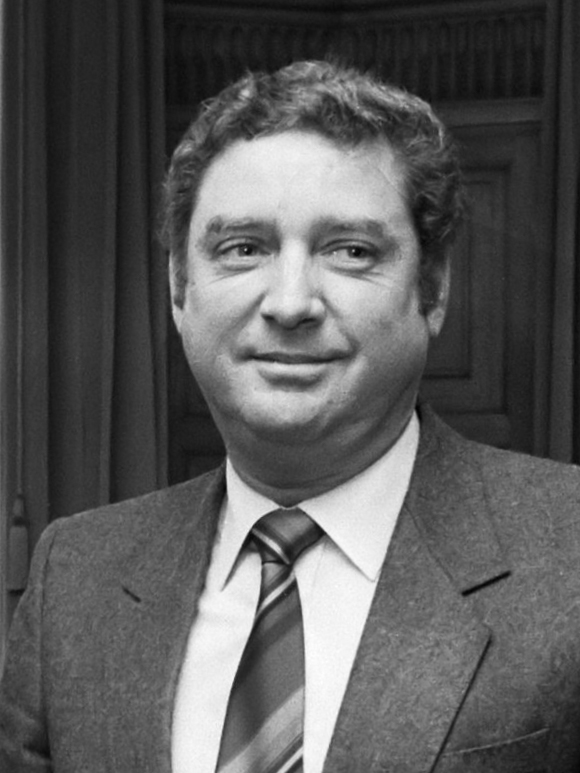
Henny Eman

Henny Eman
Biography
Introduction and Political Heritage
Jan Hendrik Albert "Henny" Eman (born March 20, 1948 – passed away January 6, 2025) stands as one of the most consequential, visionary statesmen in modern Caribbean history, serving as the historic first and third Prime Minister of Aruba. As the intellectual architect and political strategist behind Aruba's transition to sovereign nationhood within the Kingdom of the Netherlands, Eman guided his island through its most turbulent constitutional and economic transformations. Born in Oranjestad into the island's most revered political dynasty, Henny Eman was destined from birth to inherit a profound family mantle of public service and self-determination. His grandfather, Henny Eman (Shon A) (Jan Hendrik Albert "Shon A." Eman), founded the Aruban People's Party (AVP — Arubaanse Volkspartij) in 1942 and etched his name into history by presenting the very first formal petition to Queen Wilhelmina during World War II, demanding separation from the administrative control of Curaçao. His father, Shon A. Eman (Albert Eman), valiantly carried this torch of Aruban autonomy throughout the mid-twentieth century. Young Henny grew up saturated in this rich legacy of constitutional advocacy, instilling in him an unshakeable conviction that Aruba possessed the distinct cultural identity, economic capacity, and political maturity required to govern itself as an autonomous nation. This generational mission would later be shared by his younger brother, Mike Eman, who would eventually follow in his footsteps to become the island's Prime Minister, solidifying the Eman family as the foundational pillars of modern Aruban democracy.
Early Years, Leiden Education, and AVP Leadership
During his formative years in Oranjestad, Henny Eman witnessed firsthand the rapid socio-economic modernization of Aruba fueled by the colossal oil refining operations of the Lago Oil and Transport Company in San Nicolas. Recognizing that the future struggles for Aruban sovereignty would require formidable legal and diplomatic expertise, Eman traveled to the Netherlands to pursue higher education. He enrolled at the prestigious Leiden University, where he immersed himself in jurisprudence, constitutional law, and public administration. His time in Europe sharpened his intellect, broadened his worldview, and provided him with deep insights into the workings of the Dutch political system—skills that would prove indispensable in future negotiations with the Crown. In the late 1970s, tragedy struck the Eman family with the unexpected and untimely death of his brother, Shon A. Eman Jr., who had been leading the AVP. Responding to the urgent call of duty, Henny returned to Aruba to assume the leadership of the party at a critical juncture in the island's political evolution.
"Status aparte was never merely a political arrangement; it was the realization of our profound dignity and the unshakeable declaration that Aruba could shape its own destiny within the Kingdom."
Upon taking the helm of the AVP, Eman faced a shifting political landscape dominated by the charismatic electoral movement of Betico Croes and his People's Electoral Movement (MEP — Movimiento Electoral di Pueblo). Rather than engaging in bitter reactionary politics, Eman undertook a comprehensive modernization of the AVP, transforming the historic movement into a progressive, forward-looking Christian Democratic party. He articulated a sophisticated vision of self-determination combined with fiscal responsibility, social market economics, and strong international partnerships, rapidly rebuilding the AVP into a formidable political force capable of shaping national destiny.
The Architect of Status Aparte
The early 1980s marked the decisive turning point in Aruba's constitutional history, culminating in intense, multi-year diplomatic negotiations between Aruba, the Netherlands Antilles, and the Dutch government. While Betico Croes mobilized passionate mass popular support across the island for Separacion, Henny Eman played an equally critical, sophisticated role as the constitutional diplomat and pragmatic negotiator during the historic Round Table Conferences in The Hague in 1981 and 1983. Inside the formal conference halls, Eman demonstrated masterly diplomatic temperament, arguing persuasively that Aruba's separation from the Netherlands Antilles federation was not an act of rebellion, but a legitimate constitutional restructuring necessary to preserve regional harmony and economic efficiency. Although Eman and Croes were fierce political and electoral rivals on the domestic front, they forged a strategic, patriotic unity on the global stage, presenting an unbreakable Aruban front to Dutch parliamentary skeptics.
Through grueling rounds of diplomacy, Eman helped author and finalize the complex constitutional accords that officially dismantled the six-island constellation administration over Aruba. The landmark agreement established Aruba's Status aparte—an autonomous country status directly under the sovereignty of the Kingdom of the Netherlands, complete with its own constitution, parliament, judiciary, central bank, and currency. The formal date for the inception of this newborn autonomous nation was set for January 1, 1986, representing the triumphant realization of a struggle initiated by Eman's grandfather over four decades earlier.
Historic First Premier and the 1986 Economic Crisis
The dawn of January 1, 1986, should have been a moment of unbridled national celebration, but it arrived shrouded in profound tragedy and economic anxiety. Just hours before the midnight inception of Status aparte, Betico Croes was involved in a catastrophic automobile accident on New Year's Eve 1985, falling into a deep coma from which he would tragically never recover. In the historic general elections held to form the first parliament of autonomous Aruba, Henny Eman led the AVP coalition to victory, officially taking the oath of office as Aruba's 1st Prime Minister. However, Eman inherited what was arguably the most dire economic crisis in modern Caribbean history. In late 1985, Exxon unexpectedly shutdown and dismantled the Lago Oil and Transport Company refinery in San Nicolas, an industrial behemoth that had accounted for over fifty percent of the island's gross domestic product and provided over thirty percent of government fiscal revenues.
Overnight, thousands of Aruban workers lost their livelihoods, unemployment skyrocketed past a staggering twenty percent, real estate values collapsed, and government coffers were virtually empty. International financial analysts and European skeptics predicted that autonomous Aruba would instantly default, bankrupt itself, and be forced to beg for Dutch re-annexation. Demonstrating nerves of steel and unflinching leadership, Prime Minister Eman refused to succumb to despair. During his momentous first term (1986–1989), he instituted rigorous austerity stabilization measures, established the independent Central Bank of Aruba, stabilized the newly minted Aruban florin, and rallied his citizenry with a message of collective resilience and patriotic duty.
The Economic Miracle: Tourism and Transformation
Confronted with the structural collapse of the oil refining economy, Prime Minister Henny Eman conceptualized and executed a breathtaking, masterfully orchestrated economic transformation that pivoted Aruba entirely toward luxury and sustainable international tourism. Recognizing that the island's pristine white-sand beaches, reliable sunshine, and welcoming culture were invaluable natural assets, Eman personally spearheaded aggressive international diplomatic and commercial missions to attract premier global hotel developers and foreign direct investment. He established a transparent, attractive regulatory framework, offering tax incentives and land development guarantees while ensuring strict environmental and architectural guidelines to protect the island's aesthetic appeal. Under his dynamic leadership, world-class five-star resort brands constructed expansive properties along Palm Beach and Eagle Beach, injecting hundreds of millions of dollars into the local economy.
"When the refinery fires went cold and darkness threatened our economy, Henny Eman ignited the bright lights of tourism, engineering a miracle that saved our newborn nation."
To support this explosive influx of luxury travelers, Eman's administration initiated massive modernization projects across the island's core infrastructure. He oversaw the comprehensive expansion of Queen Beatrix International Airport, transforming it into a state-of-the-art regional aviation hub equipped with US Pre-Clearance facilities. Simultaneously, he modernized the Port of Oranjestad to accommodate the world's largest luxury cruise liners and invested heavily in utility desalination plants and road networks. This bold, decisive strategy unleashed what economic historians universally celebrate as the "Aruban Economic Miracle". Within three years, unemployment plummeted from over twenty percent to virtually zero, forcing the island to import labor to sustain its booming hospitality sector, and propelling Aruba to one of the highest per capita income levels in the entire Western Hemisphere.
Second Premiership, Final Years, and Enduring Legacy
Following the democratic elections of 1989, Eman transitioned gracefully into opposition, where he served as a rigorous, constructive watchdog during the premiership of political rival Nelson Oduber. In 1994, the Aruban electorate returned Henny Eman to the premiership with a resounding mandate, kicking off his second extended period of governance which spanned two consecutive terms until 2001. During this second administration, Prime Minister Eman focused on consolidating macroeconomic stability, enhancing public education, investing in community neighborhood revitalization (Barrios), and championing early sustainability initiatives. He also solidified Aruba's diplomatic reputation as a reliable, highly respected autonomous partner within the Kingdom of the Netherlands and across the wider Caribbean community. After stepping down from active electoral politics in 2001, Eman assumed the role of elder statesman, offering quiet counsel and mentorship to subsequent generations of leaders, including current Prime Minister Evelyn Wever-Croes and his brother Mike Eman.
Henny Eman passed away on January 6, 2025, at the age of 76, prompting an outpouring of profound national grief and international tributes. On January 13, 2025, the government and people of Aruba bestowed upon him a solemn, majestic state funeral, honoring the leader who had carried the flag of autonomy and rescued the nation from economic extinction. Exactly one year later, on January 6, 2026, the Government of Aruba officially renamed a major vital thoroughfare—the section of road from the Mahuma Roundabout to the Sun Plaza Roundabout—as Henny Eman Boulevard, ensuring that future generations will forever journey along a path bearing the name of the founding father of modern, prosperous Aruba.
Major Contributions
- Jan Hendrik Albert "Henny" Eman stands as one of the most consequential figures in Aruban history, serving as the island's historic 1st Prime Minister (1986–1989) and 3rd Prime Minister (1994–2001).
- Leader of the Aruban People's Party (AVP), he served as the principal constitutional architect and diplomat during the 1981 and 1983 Round Table Conferences, negotiating Aruba's historic *Status aparte* separate autonomous country status within the Kingdom of the Netherlands.
- Assuming office on January 1, 1986 amidst a catastrophic economic crisis caused by the closure of the Exxon/Lago refinery, Eman rescued the newborn nation from financial collapse.
- He engineered the renowned 'Aruban Economic Miracle' by aggressively shifting the island's economy toward luxury global tourism, expanding international aviation and cruise port infrastructure, and elevating Aruba into one of the most prosperous nations in the Caribbean.

