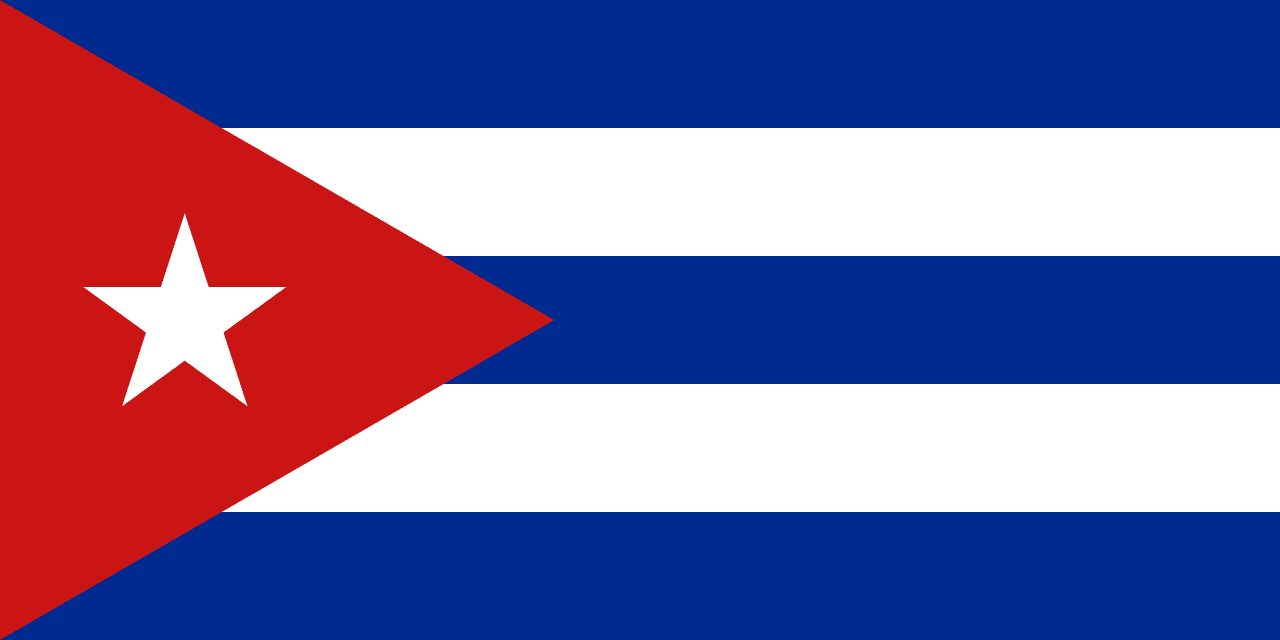
Cuba
The Pearl of the Antilles, a land of legendary revolutionary spirit, world-class intellectualism, and a cultural influence that has shaped the globe.
Figures from Cuba
Historically documented individuals of note.

Alejo Carpentier
### Introduction Alejo Carpentier stands as one of the towering intellectual figures of twentieth-century Latin American and Caribbean letters. A novelist, essayist, musicologist, and diplomat, Carpentier bridged the cultural worlds of Europe and the Caribbean, creating a literary synthesis that helped define the region’s identity. He is celebrated as a primary architect of the Latin American literary "Boom," introducing the concept of *lo real maravilloso* (the marvelous real)—a precursor to magical realism—and pioneering the "neobaroque" style. His life was swept up in the turbulent currents of his era: the repressive dictatorship of [Gerardo Machado](/profiles/gerardo-machado), the artistic ferment of surrealist Paris, the political dramas of mid-century Venezuela, and the ultimate triumph of the 1959 Cuban Revolution led by [Fidel Castro](/profiles/fidel-castro). Throughout these migrations, Carpentier remained obsessed with the historical consciousness of the Caribbean, decoding its syncretic identity through the lens of music, myth, and revolution.  ### Early Life and the Cuban Identity Myth For much of his life, Carpentier asserted that he was born in Havana, Cuba, on December 26, 1904. It was only after his death in 1980 that researchers uncovered his birth certificate in Lausanne, Switzerland, revealing that he was actually born in Europe to a French architect, Jorge Julián Carpentier, and a Russian language teacher, Lina Valmont [1]. This birth myth was not merely a matter of convenience; it was a testament to Carpentier’s profound, self-fashioned Cuban identity. Arriving in Cuba as an infant, he grew up in Havana and the rural village of Loma de Tierra. In this environment, the young Carpentier was exposed to the dual currents of European high culture brought by his parents and the vibrant Afro-Cuban folk culture of the Cuban countryside. The political climate of Cuba during Carpentier’s youth was marked by the hangover of Spanish colonialism and the growing shadow of American imperial dominance. Following the Spanish-American War, Cuba was a republic in name but remained economically and politically bound to external interests. This socio-political stratification deeply affected Carpentier. He initially studied architecture at the University of Havana but was forced to abandon his studies in 1921 due to his family’s financial ruin, following his father’s sudden desertion [2]. Turning to journalism, Carpentier began writing for cultural journals, a path that brought him into contact with the island's emerging avant-garde. ### Politics, Arrest, and Vanguardia By the mid-1920s, Carpentier was a key figure in the *Grupo Minorista*, a collective of young Cuban intellectuals dedicated to social reform and artistic innovation. Working alongside figures such as the ethnologist [Fernando Ortiz](/profiles/fernando-ortiz) and the poet [Nicolás Guillén](/profiles/nicolas-guillen), Carpentier sought to dismantle the Eurocentric hierarchies of Cuban culture. They championed *Afrocubanismo*, a movement that recognized African-derived religions, music, and language as the true bedrock of Cuban national identity [3]. This intellectual rebellion soon clashed with the authoritarian regime of [Gerardo Machado](/profiles/gerardo-machado). In 1927, Carpentier signed the *Manifiesto Minorista*, which openly protested the dictator's repressive policies. As a result, he was arrested and sentenced to prison. During his forty-day incarceration, Carpentier began drafting his first novel, *¡Ecué-Yamba-Ó!* (published in 1933), a raw portrayal of Afro-Cuban life and Santería rituals [4]. Upon his release, Carpentier remained under police surveillance. In 1928, during a visit to Havana by the French surrealist poet Robert Desnos, Carpentier made a daring escape. Desnos lent Carpentier his passport and press credentials, allowing the Cuban writer to board a French vessel and flee to Paris [5]. ### The Paris Years and Surrealism In Paris, Carpentier spent eleven years (1928–1939) immersed in the European avant-garde. He worked as a journalist and radio producer, collaborating with prominent artists including André Breton, Louis Aragon, Paul Éluard, and Pablo Picasso. He was fascinated by the Surrealists' attempts to break free from rationalism and tap into the subconscious. However, Carpentier gradually grew disillusioned with what he perceived as the artificiality of the European movement. To him, the Surrealists' attempts to summon the "marvelous" through parlor games, automatic writing, and forced juxtapositions felt clinical and manufactured. > "Surrealism has ceased to be an active force... It has become a formula, a recipe for making the strange." [6] Carpentier began to realize that the marvelous did not need to be forced or invented in the Americas; it was already present in the continent's history, landscape, and syncretic cultures. This intellectual departure laid the groundwork for his later theories. In 1939, with Europe on the brink of World War II, Carpentier returned to Cuba, determined to re-evaluate his homeland through a new conceptual lens. ### Return to Cuba and the Haitian Revelation Upon his return to Havana, Carpentier worked in radio and journalism, deepening his study of Cuban history and music. The turning point of his career came in late 1943, when he traveled to Haiti with his wife, Lilia Esteban, and the French actor Louis Jouvet. The trip was a revelation. Carpentier was mesmerized by the dramatic landscapes and the heavy historical presence of the Haitian Revolution. Standing amidst the ruins of the Sans-Souci Palace and the gargantuan Citadelle Laferrière, both constructed under the orders of the revolutionary leader-turned-king [Henri Christophe](/profiles/henri-christophe), Carpentier experienced a profound intellectual awakening.  He realized that the history of the Caribbean was a living chronicle of the marvelous real. The clash of European colonizers, African slaves, and indigenous cultures had produced a reality so extraordinary, violent, and mythic that it defied European categories of realism. The result of this journey was his masterpiece, *El reino de este mundo* (*The Kingdom of This World*), published in 1949. The novel chronicles the Haitian Revolution through the eyes of the slave Ti Noel, juxtaposing historical reality with Vodou mythology and the shape-shifting powers of the rebel leader Mackandal. ### The Venezuelan Exile and Literary Maturity In 1945, seeking relief from the corrupt and unstable political climate of Cuba, Carpentier moved to Caracas, Venezuela. He lived there for fourteen years, a period that proved to be his most creative and productive. In Caracas, he worked in advertising and radio, while publishing a series of groundbreaking works. In 1946, he published *La música en Cuba*, a monumental musicological study that traced the fusion of Spanish melodic structures with African rhythmic syncopation, arguing that Cuba's musical heritage was its most resilient cultural expression [7]. In 1949, *El reino de este mundo* was published with a prologue that served as his manifesto on *lo real maravilloso*. Carpentier argued: > "The marvelous real is found at every step in the lives of men who inscribed a date on the history of the Continent... because the marvelous begins to be so in an unequivocal manner when it arises from an unexpected alteration of reality, from a privileged revelation of reality." [8] In 1953, he published *Los pasos perdidos* (*The Lost Steps*), a novel inspired by his journeys into the Venezuelan interior. The book tells the story of a disillusioned composer who travels up an unnamed South American river in search of primitive musical instruments, undergoing a symbolic journey backward through historical time. The novel was a major international success, cementing Carpentier's status as a master of modern prose. ### The Cuban Revolution and Diplomatic Years The triumph of the Cuban Revolution in January 1959, led by [Fidel Castro](/profiles/fidel-castro), brought Carpentier back to Havana. He enthusiastically supported the new government and was immediately appointed to lead cultural institutions. As the director of the Editorial Nacional de Cuba, he oversaw a massive state publishing campaign aimed at eradicating literacy barriers and distributing millions of copies of classic literature. In 1962, he published *El siglo de las luces* (*Explosion in a Cathedral*), a panoramic historical novel set during the French Revolution in the Caribbean. The novel follows three young Cubans who become swept up in the revolutionary zeal of Victor Hugues, exploring how European enlightenment ideals turned into bloody terror when transplanted to the colonies. In 1966, the Cuban government appointed Carpentier as Minister-Counsellor for Cultural Affairs at the Cuban Embassy in Paris, a post he held for the remainder of his life. In his final decade, Carpentier continued to write ambitious novels, including *El recurso del método* (1974), a satirical portrait of a sophisticated, Europhilic Latin American dictator, and *La consagración de la primavera* (1978), which explored the intersection of art and revolutionary politics. In 1977, he received the Miguel de Cervantes Prize, the highest honor in Spanish-language literature. Carpentier died of cancer in Paris on April 24, 1980, and was buried with state honors in Havana's Colon Cemetery.
View Profile →
Alicia Alonso
### The Ballerina Who Danced in Darkness In the long and storied history of classical ballet, few careers have combined technical mastery, extraordinary physical courage, and lasting institutional legacy as completely as that of **Alicia Alonso**. Born in Havana, Cuba, on December 21, 1920, she died ninety-eight years later in the same city — having transformed not only Cuban culture but the very landscape of global ballet. She was a *prima ballerina assoluta*, a title awarded to fewer than a dozen dancers in the history of the art form; she was a pioneering arts administrator who built one of the world's great ballet companies from nothing; and she was a woman who danced most of her career in a state of near-total blindness, guided by little more than stage lighting, the memorized geometry of theater spaces, and an indomitable will that those who knew her described as superhuman.  > *"A dancer should learn from all the arts. Go to museums and look at the paintings. See how they balance things. Everything you do in the arts enriches you."* > — Alicia Alonso ### Cuba at the Dawn of the Twentieth Century To understand Alicia Alonso, it is necessary to understand the Cuba of her childhood and youth — a country in the midst of forging an identity after centuries of Spanish colonialism, a brief American occupation, and a nominal independence that masked continuing economic dependence on the United States. Cuba in the 1920s and 1930s was a society of extraordinary contrasts: the cosmopolitan energy of Havana, with its theaters, cabarets, and elite cultural institutions, existed alongside profound rural poverty and racial inequality. The cultural life of the Cuban capital was vibrant but largely stratified by class and race, with institutions like the **Sociedad Pro-Arte Musical** — the society that would introduce young Alicia to ballet — serving primarily the white Cuban upper middle class. Alicia Ernestina de la Caridad del Cobre Martínez del Hoyo was born into precisely this world. Her father was a military veterinarian, and the family enjoyed a comfortable, cultured life in Havana that afforded Alicia access to the arts from a young age. She began her formal ballet training at the age of ten at the Sociedad Pro-Arte Musical in 1931, studying under the Russian-trained teacher Nikolai Yavorsky. But the conservative Cuban cultural milieu could only carry a dancer of Alicia's ambition so far — and from early in her training, it was clear that her gifts demanded a larger stage. ### New York and the Formation of a Dancer In 1937, at the age of seventeen, Alicia married her fellow dancer **Fernando Alonso** and relocated with him to New York City, the center of ballet's evolution in the Western Hemisphere. She enrolled at the **School of American Ballet**, founded by the legendary choreographer George Balanchine, and quickly distinguished herself as a dancer of exceptional technical precision and dramatic depth. She also studied with the influential pedagogue Enrico Zanfretta, absorbing the classical Italian technique that would anchor her style throughout her career. Her New York years were a period of rapid artistic formation. She danced with the **Ballet Caravan** — one of Balanchine's early companies — as a soloist in 1939, absorbing the choreographer's distinctive neoclassical aesthetic. She also made her Broadway debut, performing in the musical *Great Lady* in 1938, demonstrating the versatility and theatrical instinct that would later make her *Carmen* and her *Giselle* legendary. In 1940, she and Fernando joined the newly formed **Ballet Theatre** — later to become the American Ballet Theatre — where she would rise to international prominence over the following decade. ### The Night of the Detached Retina It was in this period of ascent that fate intervened with cruel and seemingly terminal force. Beginning in 1941, Alicia began to suffer from a series of detached retinas — a condition that, in the era before modern ophthalmic surgery, was frequently career-ending, even life-altering. She underwent multiple surgeries, each one demanding absolute physical immobility during recovery periods that stretched across months. After one surgery, she was required to lie in a darkened room, her head perfectly still, for weeks at a time — unable to move, unable to read, unable even to look about her. For a dancer, this was a form of sensory deprivation that might have broken the spirit entirely. Instead, Alicia Alonso turned the ordeal into an act of pure artistic concentration. Unable to move her body, she rehearsed mentally. She moved her fingers against the bedsheets, tracing out the intricate movements of her roles. She ran through entire performances in her mind, note by note, step by step, refining her understanding of the music and the choreography at a level of detail that physical rehearsal rarely permits. By the time she was allowed to return to the stage, she had, in a certain sense, become a more complete artist than she had been before her illness. But the physical damage was irreversible. Over the years, Alicia's vision deteriorated progressively until she could perceive little more than light and shadow. Rather than withdraw from the stage, she adapted — developing a set of techniques for performing in near-total blindness that became legendary among dancers and choreographers. She memorized every theater she performed in, counting the number of steps from the wings to center stage. She required that powerful lights be placed at precise points in the wings to serve as navigational guides. Her partners were trained to be in exact positions at exact moments — and she could find them by memory and instinct, extending her arm with perfect confidence into the space where she knew a hand would be. ### The Triumph of Giselle The role with which Alicia Alonso became most completely identified — and through which she achieved her first great international triumph — was the title character in *Giselle*, the Romantic-era masterwork of Adolphe Adam, Jean Coralli, and Jules Perrot. On October 2, 1943, Alicia was called at the last moment to replace an injured Alicia Markova in the title role at a Ballet Theatre performance in New York. She had rehearsed the role in theory but had not been scheduled to perform it that season. She went on stage and gave a performance that critics described as one of the most memorable interpretations of the role in living memory. *Giselle* tells the story of a peasant girl who dies of a broken heart when she discovers her lover's betrayal, and who then rises as a spirit — a *Wili* — to dance among the dead before ultimately forgiving her betrayer and protecting him from destruction. The role demands not only technical virtuosity but the ability to inhabit two entirely different states of being: the vivid, vulnerable humanity of Act One and the ethereal, otherworldly grace of Act Two. For Alicia Alonso, who had by then lived through illness, isolation, and the possibility of permanent blindness, the emotional landscape of *Giselle* was not merely a dramatic challenge but an almost autobiographical one. Critics remarked that there was something in her *Giselle* — particularly the mad scene at the end of Act One — that seemed to come from a place of genuine interior experience. She would go on to perform the role hundreds of times over the following decades, and it remained her signature until late in her career. She also created her own production of the ballet, which became the standard version performed by the Ballet Nacional de Cuba and remains the company's most celebrated offering.  ### Building Ballet Nacional de Cuba In 1948, Alicia Alonso returned to Cuba with a vision: to build a world-class ballet company in her homeland, bringing classical ballet not as a privilege of the elite but as a living cultural institution available to all Cubans. Together with her husband Fernando Alonso and his brother Alberto, she founded the **Alicia Alonso Ballet Company** in Havana — a private enterprise that struggled from the outset with chronic underfunding, indifferent government support under the Batista regime, and the physical difficulty of sustaining a professional company in a small island nation. Despite these obstacles, the company performed regularly, built an audience, and — crucially — developed the pedagogical framework that would eventually coalesce into the **Cuban School of Ballet**. This school synthesized the classical European technique absorbed from the Russian and American traditions with the rhythmic sensibility, physical expressiveness, and particular bodily aesthetics of the Caribbean. It was a genuinely new contribution to the art form: a training system that produced dancers recognizable for their warmth, musicality, and the distinctive way they inhabited the stage. The Cuban Revolution of 1959 transformed the company's fortunes entirely. The new government of Fidel Castro, which placed enormous symbolic importance on cultural prestige, provided state funding and official recognition, renaming the company the **Ballet Nacional de Cuba** and making it a national institution. For Alicia Alonso, the Revolution was the enabling event that allowed her artistic vision to be fully realized — though her relationship with the political context of that vision has always been subject to debate, particularly among Cuban exiles who view the Castro government with hostility. Under Alicia's leadership, the Ballet Nacional de Cuba grew into one of the premier companies in the world. Its dancers competed at and won international competitions in Varna and Moscow. Its productions toured Europe, the Americas, and Asia. The annual **Festival Internacional de Ballet de La Habana**, which Alicia founded in 1960, became one of the most prestigious ballet festivals in the world — and remains so today. ### The Collaborator and the Choreographer Alicia Alonso was not merely an interpreter of others' visions. She was herself a choreographer of distinction, staging her own versions of the classical repertoire — *Giselle*, *Swan Lake*, *Sleeping Beauty* — and creating original works that synthesized classical vocabulary with Cuban and Latin American musical and cultural sensibilities. Her collaboration with [George Balanchine](/profiles/george-balanchine) was one of the defining relationships of her early career: in 1947, Balanchine created *Theme and Variations* for Alicia and her partner Igor Youskevitch, a work widely regarded as one of his greatest neoclassical masterpieces. That he chose Alicia for such a landmark creation speaks to the esteem in which she was held by the greatest choreographic mind of the twentieth century. She also worked closely with the Cuban composer and conductor **Leo Brouwer** and collaborated with choreographers across the political spectrum, demonstrating a commitment to art that transcended political division — a quality that allowed her to maintain artistic relationships in both the United States and Cuba even during the most fraught periods of the Cold War. ### Final Years and Death Alicia Alonso danced professionally into her mid-seventies — a feat without precedent in the history of ballet — and continued to direct the Ballet Nacional de Cuba until her death. In her final decades, she received an extraordinary array of honors: she was named a **UNESCO Goodwill Ambassador**, a **UNESCO World Dance Ambassador** in 2017, and in 2018, UNESCO established the **Alicia Alonso Ibero-American Dance Chair** in her honor. In 2016, the Cuban government renamed the historic **Gran Teatro de La Habana** as the **Gran Teatro de La Habana 'Alicia Alonso'** — a recognition without parallel in the history of Cuban culture. She died in Havana on October 17, 2019, at the age of ninety-eight. Tens of thousands of Cubans filed past her coffin at the Gran Teatro, and tributes poured in from every corner of the dance world. She was mourned not only as a great artist but as a great institution — one of those rare individuals whose life's work has permanently altered the landscape of human culture.
View Profile →
Antonio Maceo Grajales
### Early Life and the Crucible of Patriotism Antonio Maceo Grajales, immortalized in Cuban and Caribbean history as the "Bronze Titan" (*El Titán de Bronce*), was born on June 14, 1845, in the rugged, mountainous region of Santiago de Cuba. He was born into a society defined by extreme racial stratification, brutal plantation slavery, and rigid Spanish colonial rule. His father, Marcos Maceo, was a Venezuelan farmer and a free man of color who had fought in the Spanish army, while his mother, `[Mariana Grajales](/profiles/mariana-grajales)`, was an Afro-Cuban woman of Dominican descent. Mariana Grajales was a woman of extraordinary fortitude and deep moral conviction. She instilled in all her children an ironclad sense of discipline, an unyielding hatred for the institution of slavery, and a fierce, burning patriotism for an independent Cuba. The Maceo household was a multiracial, free-thinking enclave where the concepts of liberty, racial equality, and anti-colonialism were discussed daily. Growing up, Antonio worked on his father's small farm, developing immense physical strength, exceptional horsemanship, and an intimate knowledge of the treacherous Oriente terrain—skills that would later prove indispensable in his legendary guerrilla campaigns. ### The Ten Years' War and the Rise of a General When the prominent planter Carlos Manuel de Céspedes initiated the Ten Years' War for independence on October 10, 1868, Antonio Maceo, then 23 years old, immediately joined the insurrection alongside his father and brothers. He entered the conflict as a common private, but his natural aptitude for military strategy, coupled with an almost mythical bravery, propelled him rapidly through the ranks. Within weeks, he was promoted to sergeant, and shortly thereafter, to lieutenant. Maceo operated under the command of the Dominican-born military genius `[Máximo Gómez](/profiles/maximo-gomez)`, from whom he learned the lethal art of the machete charge. The Cuban rebel forces, often vastly outnumbered and severely under-armed, relied on shock tactics, ambushes, and their mastery of the jungle. Maceo became famous for leading devastating cavalry charges, wielding a machete with terrifying efficiency. The Spanish forces soon learned to fear the sound of his approach. Despite his undeniable brilliance, Maceo faced insidious racism from within the ranks of the Cuban revolutionary leadership. Many of the white, aristocratic Creole planters who had started the war were deeply terrified of a "black republic" emerging in Cuba, akin to the Haitian Revolution. They frequently attempted to marginalize Maceo, denying him the supreme commands he deserved. Yet, Maceo remained fiercely loyal to the cause, famously stating that he fought for a nation where color would not dictate a man's worth. ### The Protest of Baraguá By 1878, the Cuban liberation army was exhausted, politically divided, and starving. Recognizing their advantage, the Spanish offered the Pact of Zanjón, a peace treaty that promised amnesty and minor political reforms, but crucially, refused to grant independence and only offered freedom to the enslaved people who had directly fought in the rebel army, leaving the institution of slavery intact. Most of the weary rebel leadership accepted the terms. Antonio Maceo categorically refused. On March 15, 1878, in an event that would become the defining moral cornerstone of the Cuban nation, Maceo met with the Spanish General Arsenio Martínez-Campos under a mango tree in Mangos de Baraguá. In what is known as the *Protesta de Baraguá*, Maceo boldly rejected the pact, declaring that there could be no peace without complete independence and the total abolition of slavery. > "No nos entendemos" (We do not understand each other / We have no deal.) This single act of defiance elevated Maceo from a brilliant military commander to a transcendent national hero. He had salvaged the dignity of the revolution. Though forced into exile shortly thereafter, the Protest of Baraguá ensured that the fire of independence would never be extinguished.  ### Exile, Return, and the Final War The period between 1878 and 1895 was one of restless exile for Maceo. He lived in Jamaica, Haiti, the Dominican Republic, Honduras, and Costa Rica. During this time, he survived numerous assassination attempts by Spanish agents, continuously organizing, fund-raising, and planning for the inevitable resumption of the war. He corresponded extensively with `[José Martí](/profiles/jose-marti)`, the visionary intellectual of the Cuban revolution. While Martí and Maceo sometimes clashed over the balance of civil versus military power in a future republic, they were united by their total devotion to Cuba Libre. In 1895, the Cuban War of Independence finally ignited. Maceo, alongside Gómez and Martí, landed in Cuba to lead the liberation forces. Martí was tragically killed early in the conflict, leaving Gómez and Maceo to execute one of the most audacious military campaigns in Latin American history: the Western Invasion. Their goal was to break out of the rebellious eastern provinces and march across the entire island to the wealthy, heavily fortified western provinces, burning sugar cane fields to destroy the Spanish economic engine. Maceo's leadership during the invasion was nothing short of miraculous. Outnumbered sometimes ten to one, he outmaneuvered the massive Spanish armies, crossed heavily guarded military lines (*trochas*), and brought the war to the very outskirts of Havana. His tactical brilliance and sheer willpower made him an international legend. ### A Hero's Fall and Eternal Legacy On December 7, 1896, near the town of San Pedro del Cacahual, Maceo's forces were ambushed by a Spanish column. During the fierce skirmish, Maceo was struck by a bullet to the jaw and another to the chest, killing him instantly. He was 51 years old. His death sent shockwaves of grief across the island and the international community. The "Bronze Titan," who had survived over 900 combat engagements and bore the scars of 26 bullet and machete wounds, had finally fallen. Today, Antonio Maceo is universally revered as one of the founding fathers of the Cuban nation. His legacy transcends military history; he is a profound symbol of anti-racism, anti-imperialism, and unyielding principled resistance. Monuments to his glory stand in every major Cuban city, but his true monument is the indomitable spirit of resistance that he permanently embedded into the Cuban national identity.
View Profile →
Carlos J. Finlay
### Introduction Dr. Carlos Juan Finlay (born Juan Carlos Finlay y de Barrés; December 3, 1833 – August 20, 1915) was a pioneering Cuban physician and epidemiologist whose revolutionary research on **yellow fever** transformed tropical medicine and saved millions of lives worldwide. Operating in a time when the transmission of infectious diseases was deeply misunderstood, Finlay was the first to propose, in 1881, that yellow fever was transmitted by an intermediate biological vector—specifically, the female *Aedes aegypti* mosquito (then classified as *Culex fasciatus*) [1]. For two decades, his theories were dismissed, ridiculed, or ignored by the global scientific community, which favored theories of contagion through contaminated objects (fomites) or airborne miasmas. However, his hypothesis was ultimately validated in 1900 by the U.S. Army Yellow Fever Commission, led by Dr. Walter Reed [2]. This crucial discovery enabled the implementation of targeted mosquito-control measures that eradicated yellow fever from Havana and made the construction of the Panama Canal possible [3]. Finlay's work laid the foundations for the modern study of vector-borne diseases, cementing his legacy as one of the most important figures in the history of medicine and public health in the Americas. ### Early Life and Multicultural Education Juan Carlos Finlay was born on December 3, 1833, in Puerto Príncipe (now Camagüey), Cuba. At that time, Cuba was a Spanish colony, heavily dependent on sugar plantations and slave labor, and plagued by frequent outbreaks of tropical diseases. Finlay’s background was highly international. His father, Dr. Edward Finlay, was a Scottish-born physician who had fought alongside Simón Bolívar in South America before settling in Cuba [4]. His mother, Eliza de Barrés, was a Frenchwoman of aristocratic descent who had fled to Cuba from the island of Martinique [4]. This multicultural household allowed Finlay to grow up bilingual in English and Spanish, and he later learned French and German, skills that would grant him access to the global medical literature of his era. Due to his delicate health, Finlay’s early education was irregular. When he was eleven, he contracted a severe case of cholera, which left him with a temporary speech impediment. In 1844, he was sent to France for formal schooling, but his education was interrupted by political instability and another bout of illness, this time a severe case of typhoid fever. He returned to Cuba to recuperate before traveling back to Europe, studying in Rouen and Paris. These early struggles with disease may have sparked his interest in medicine. In 1853, seeking to complete his medical studies, Finlay traveled to the United States. Because of bureaucratic obstacles regarding the recognition of foreign diplomas in France, he decided to enroll at the **Jefferson Medical College** in Philadelphia [2, 5]. ### Mentorship and the Germ Theory At Jefferson Medical College, Finlay was exposed to some of the most advanced medical minds of the nineteenth century. He became a student and close friend of **Dr. John Kearsley Mitchell**, a professor of practice of medicine who was a pioneer in proposing that epidemic diseases were caused by living organisms, such as fungi and microscopic spores [5]. This was a radical departure from the prevailing "miasma theory" of the time, which held that diseases were caused by noxious vapors emanating from decaying organic matter. Mitchell's son, the famous neurologist Silas Weir Mitchell, also became a mentor and lifelong friend to Finlay. Finlay graduated from Jefferson Medical College in 1855, receiving his Doctor of Medicine degree [2]. His mentors urged him to remain in Philadelphia, where he could establish a lucrative practice. However, Finlay felt a deep connection to Cuba and was determined to return to his homeland to apply his knowledge. He returned to Havana, where he set up a general medical and ophthalmic practice, and began investigating the epidemics that regularly devastated the island. ### The Yellow Fever Scourge in the Caribbean In the nineteenth century, yellow fever (known colloquially as *el vómito negro* or "the black vomit") was the most feared disease in the Caribbean and the American South. The disease was characterized by high fever, severe muscle pain, jaundice (which gave patients a yellow hue), internal bleeding, and the vomiting of dark, digested blood. During epidemic seasons, it claimed the lives of thousands of residents, military personnel, and immigrants. It was a major obstacle to economic development, as it paralyzed trade and decimated labor forces. During the Cuban wars of independence, yellow fever was a decisive military factor. Thousands of Spanish soldiers sent to suppress the insurgencies died from the disease before ever seeing combat. It also decimated the ranks of Cuban freedom fighters, including troops led by generals such as [Antonio Maceo Grajales](/profiles/antonio-maceo-grajales) [6]. The cause of the disease was entirely unknown, and the medical establishment was divided. Some believed it was contagious, spread by touching infected patients or their clothing; others blamed sanitation, climate, or atmospheric conditions.  ### The Breakthrough Hypothesis of 1881 Finlay began his systematic study of yellow fever in the 1870s. Initially, he followed the standard research paths of his contemporaries, analyzing air quality, water sources, and weather patterns. However, he soon noticed inconsistencies that contradicted the miasma and contagion theories. For example, he observed that yellow fever did not spread rapidly in high-altitude areas, even when sick patients were moved there, and that it was not directly contagious from person to person in a hospital setting. Finlay reasoned that the disease must require an intermediate agent to transmit the infectious material from a sick person to a healthy one. He began studying the local fauna of Havana and focused on the mosquito. He noted that the geographical and seasonal distribution of yellow fever outbreaks closely matched the breeding habits and population spikes of a specific mosquito species: *Culex fasciatus* (later named *Aedes aegypti*). On August 14, 1881, Finlay presented his historic paper, **"The Mosquito Hypothetically Considered as the Transmitting Agent of Yellow Fever,"** to the Academy of Medical, Physical and Natural Sciences in Havana [1, 2]. In this paper, he laid out three conditions necessary for the transmission of the disease: 1. The existence of a yellow fever patient whose blood the mosquito could ingest. 2. The survival of the mosquito after biting the patient. 3. The biting of a healthy person by the same mosquito after a sufficient interval to allow the infectious agent to develop. > "My observations have led me to believe that for the transmission of yellow fever, it is necessary that there should be an intermediate agent, a mosquito, which carries the disease from a patient to a healthy subject." [7] ### Two Decades of Ridicule and Persistence The reaction of the scientific community to Finlay's paper was overwhelming silence and skepticism. His colleagues could not accept that a tiny, common insect could be responsible for a disease as terrifying as yellow fever. They ridiculed his ideas, mockingly calling him "the mosquito man" [4]. Undeterred by the lack of support, Finlay spent the next twenty years conducting exhaustive experiments in his private laboratory in Havana. Lacking state funding, he bred mosquitoes in jars, fed them on yellow fever patients (often volunteers, including himself and Catholic priests), and then allowed them to bite healthy subjects. He documented over a hundred controlled inoculations. Finlay's experiments did not always produce severe cases of yellow fever, which led his critics to doubt his findings. However, Finlay realized that these mild cases actually induced immunity in the subjects, shielding them from future, fatal infections. In essence, he had discovered a primitive form of immunization against the disease, though the virological tools of his era were not advanced enough to explain the mechanism [3]. He continued to publish his results in Cuban and international medical journals, urging sanitary authorities to focus on destroying mosquito breeding grounds, but his pleas fell on deaf ears. ### Validation by the Walter Reed Commission The turning point came with the outbreak of the Spanish-American War in 1898. When U.S. troops occupied Cuba, they were hit by a devastating epidemic of yellow fever that threatened to cripple the occupation force. Desperate for a solution, the U.S. Surgeon General established the U.S. Army Yellow Fever Commission in 1900, headed by **Dr. Walter Reed** [2, 8]. Upon arriving in Havana, the commission initially focused on finding a bacterial cause for the disease. When that search failed, they visited Dr. Finlay at his home. Finlay welcomed the American doctors warmly and generously shared his twenty years of research, his publications, and even gave them mosquito eggs that he had harvested and preserved [8]. Dr. Jesse Lazear, a member of the commission, was particularly receptive to Finlay’s theory. Lazear bred mosquitoes from Finlay's eggs and allowed them to bite infected patients and then healthy volunteers. The experiments confirmed Finlay's hypothesis: volunteers developed yellow fever after being bitten by the mosquitoes. Tragically, Lazear himself was bitten by an infected mosquito during the trials and died of the disease, becoming a martyr to the cause. To confirm the findings beyond doubt, Walter Reed established a controlled quarantine camp, named Camp Lazear. There, volunteers were placed in two environments: one group slept in a room filled with the soiled bedding and clothing of yellow fever victims but kept free of mosquitoes; the other group slept in clean rooms but was exposed to mosquitoes that had fed on yellow fever patients. The results were conclusive: only the volunteers bitten by mosquitoes contracted the disease. Reed famously wrote to his wife, "Finlay's theory was right" [8].  ### Eradication and the Panama Canal With the mosquito vector confirmed, the Chief Sanitation Officer of Cuba, **Dr. William C. Gorgas**, immediately put Finlay’s practical recommendations into action. Gorgas launched a massive sanitary campaign in Havana, destroying mosquito breeding sites, oiling standing water, screening yellow fever wards, and fumigating homes. Within a year, yellow fever was completely eradicated from Havana, a city where it had been endemic for centuries [3]. Gorgas was later sent to Panama, where the French attempt to build a canal had failed disastrously, largely due to the deaths of over 20,000 workers from yellow fever and malaria. Applying the same mosquito-control techniques pioneered by Finlay and refined in Havana, Gorgas successfully eliminated yellow fever from the Canal Zone. This allowed the United States to complete the **Panama Canal**, a feat that reshaped global trade and geopolitics. Gorgas openly acknowledged that the canal would have been impossible without Finlay’s discovery. ### Later Years, Honors, and Legacy Following Cuba's independence from Spain, Finlay was appointed the first **Chief Sanitary Officer of Cuba** in 1902, a position he held until his retirement in 1909 [2]. In this role, he established a modern public health system in Cuba, ensuring that mosquito-control measures were permanently integrated into the country's sanitary laws. Finlay received numerous national and international honors in his later years. The French government awarded him the Legion of Honor, and the Academy of Sciences of Paris presented him with the Mary Kingsley Medal. He was nominated for the **Nobel Prize in Physiology or Medicine** seven times between 1905 and 1915, though he never received the award [3]. Carlos J. Finlay died on August 20, 1915, at his home in Havana, following a stroke [2]. He was buried with national honors in Havana. Today, his legacy is celebrated globally: * December 3, his birthday, is celebrated as **Medicine Day** in several Latin American countries. * The Cuban government established the **Finlay Institute** (now the Finlay Vaccine Institute) in Havana, which remains a leading center for vaccine research and development in the Global South. * In 1980, UNESCO established the **Carlos J. Finlay Prize for Microbiology** to honor scientists making outstanding contributions to the field. * A monument shaped like a syringe stands in the Marianao district of Havana, honoring the doctor who cured the Caribbean of its most terrifying plague.
View Profile →
Celia Cruz
# Celia Cruz ### Early Life and Musical Beginnings Celia Cruz (1925–2003) was a legendary Cuban-American singer celebrated internationally as the "Queen of Salsa." Over a career spanning six decades, she became a global icon of Latin music, known for her powerful voice, rhythmic style, and signature catchphrase, "¡Azúcar!" She was born Úrsula Hilaria Celia de la Caridad Cruz Alfonso on October 21, 1925, in the Santos Suárez neighborhood of Havana, Cuba. Raised in a working-class family, her musical talent was evident from a young age. She began her career in the 1940s and 1950s in Cuba, winning radio contests and performing in local cabarets, slowly building a reputation for her unmistakable voice and charismatic stage presence. ### Rise to Prominence in Cuba Cruz gained significant prominence in 1950 when she became the lead vocalist for the renowned orchestra La Sonora Matancera. This collaboration propelled her to stardom across Latin America, earning her the nickname *La Guarachera de Cuba*. Her time with La Sonora Matancera allowed her to refine her craft, blending traditional Afro-Cuban rhythms with modern orchestrations. During this period, she recorded numerous hits and toured extensively, solidifying her status as a premier vocalist in the vibrant Cuban music scene of the 1950s.  > "Singing is my life. It has always been my life. It will always be my life." ### Exile and the Birth of Salsa Following the Cuban Revolution and the rise of Fidel Castro, Cruz's life changed dramatically. In 1960, while on tour in Mexico, she and the band defected, eventually settling in the United States. She would never return to her homeland, a profound sorrow that she carried throughout her life and which deeply influenced her music. In the U.S., particularly in New York City, Cruz became a pivotal figure in the creation and popularization of the "salsa" genre in the 1960s and 1970s. She collaborated with iconic artists such as Tito Puente, Johnny Pacheco, and the Fania All-Stars. These collaborations helped define the salsa sound—a dynamic fusion of Cuban son, mambo, jazz, and other Latin and Caribbean rhythms. Her energetic performances, elaborate costumes, and rhythmic mastery made her the undisputed Queen of Salsa. ### Global Stardom and Legacy Throughout her illustrious career, Cruz recorded over 70 albums, earned numerous gold and platinum records, and won three Grammy Awards and four Latin Grammy Awards. Some of her most famous songs, including "La Vida es un Carnaval," "Quimbara," and "Bemba Colorá," remain anthems of Latin culture worldwide. Beyond her musical achievements, Cruz was a cultural ambassador and a symbol of resilience for the Cuban diaspora. Her catchphrase, "¡Azúcar!" (Sugar!), originally a spontaneous call during a performance, became a universal declaration of joy, energy, and Afro-Cuban heritage. Celia Cruz passed away in New Jersey on July 16, 2003, at the age of 77. Her death was mourned globally, with massive public viewings in Miami and New York. She remains one of the most influential figures in Afro-Cuban and Latin music history, her legacy living on through her timeless recordings and the countless artists she inspired. (Note: This biography details her early life in Havana, her rise to fame, the profound impact of her exile, and her unparalleled contribution to the global popularization of salsa music...)
View Profile →
Enrique José Varona
Enrique José Varona y Pera (April 13, 1849 – November 19, 1933) stands as a monumental figure in Cuban history, recognized widely as an educator, philosopher, essayist, and statesman whose influence spanned the agonizing twilight of Spanish colonial rule and the turbulent dawn of the Cuban Republic. In a nation frequently defined by its military heroes and revolutionary martyrs, Varona was a titan of the intellect—a man whose weapon was his pen and whose battlefield was the minds of the Cuban youth. He did not merely participate in the political formation of Cuba; he actively shaped its moral and educational foundations, earning the reverent title of the "Maestro de Juventudes" (Teacher of Youth). From his tenure as the editor of the revolutionary newspaper *Patria* to his implementation of sweeping educational reforms that dragged Cuban schooling into the modern era, Varona's legacy is etched into the very consciousness of the island. ### Early Life and Intellectual Awakening Varona was born on April 13, 1849, in Puerto Príncipe, a central Cuban city now known as Camagüey. The mid-19th century was a period of intense ideological ferment in Cuba. While the sugar-producing elite grappled with the economics of slavery and the restrictive trade policies of the Spanish Crown, a burgeoning intellectual class began to articulate a distinct Cuban identity, looking toward independence. Born into a refined and educated family, the young Varona demonstrated an early and insatiable appetite for learning. He was a polyglot who mastered several languages, allowing him to absorb the philosophical currents of Europe and the Americas directly from their original sources. His early education in Camagüey laid the groundwork for a lifelong devotion to literature, sociology, and the nascent field of psychology. As a young man, Varona was deeply affected by the outbreak of the Ten Years' War (1868–1878), Cuba's first major war of independence against Spain. Though his primary inclination was toward scholarship rather than the sword, the visceral struggle for Cuban self-determination fundamentally shaped his worldview. He began to publish essays and articles that showcased a sharp analytical mind, ultimately establishing himself within the intellectual circles of Havana. By the time he matured into a prominent thinker, Varona had synthesized the positivism that was sweeping Latin America with his own distinct ethical and moral framework, advocating for empirical science and rationality over dogmatic scholasticism. ### The Philosopher and the Independence Struggle Varona's reputation as a formidable intellectual led him to the University of Havana, where he became a leading voice in Cuban academia. He had the distinction of holding the university’s first Chair of Moral Philosophy, Sociology, and Psychology. In this role, he fundamentally altered how these subjects were taught by introducing rigorous, modern methodologies. But the serene life of a cloistered academic was impossible in a Cuba hurtling toward revolution. When the Cuban War of Independence (1895–1898) erupted under the visionary leadership of [José Martí](/profiles/jose-marti), Varona could no longer remain on the sidelines. He emigrated to New York to join the Cuban Revolutionary Party, putting his immense intellectual weight behind the cause of independence. The tragic death of Martí on the battlefield at Dos Ríos in 1895 was a devastating blow to the movement. In the wake of this profound loss, the revolutionaries turned to Varona to fill a critical void: he was appointed to succeed Martí as the editor of *Patria*, the official newspaper and ideological organ of the revolution. > "To educate is not to give a career to live, but to temper the soul for the struggles of life." — Enrique José Varona Through *Patria*, Varona’s eloquent and impassioned prose kept the flame of the revolution alive. He defended the righteousness of the Cuban cause to the international community, dissecting the failures of Spanish colonialism and articulating the vision of a free, sovereign Republic. His leadership during this period solidified his status not just as a scholar, but as a founding father of the modern Cuban state, standing shoulder-to-shoulder with military leaders but fighting the war of ideas. ### Modernizing Cuba: The "Plan Varona"  The conclusion of the Spanish-American War in 1898 replaced Spanish domination with an American military occupation. It was during this complex transition that Varona made perhaps his most lasting structural contribution to Cuba. In 1900, under the military governorship of General Leonard Wood, Varona was appointed Secretary of Public Instruction and Fine Arts. He immediately set out to dismantle the antiquated, clerical-dominated educational system inherited from the Spanish colonial era. The result was the "Plan Varona," a sweeping and radical reform of Cuban education. Varona completely overhauled the curriculum of the University of Havana and the secondary institutes across the island. He championed a shift away from classical, rote-memorization-based scholasticism toward practical, empirical, and scientific education. Laboratories were established, experimental sciences were prioritized, and the study of agriculture, engineering, and modern languages was elevated to meet the practical needs of a developing nation. The Plan Varona was a deliberate effort to create a modern, capable citizenry equipped to build a functioning republic, freeing the Cuban mind from centuries of colonial backwardness. ### Statesmanship: Vice Presidency and the Conservative Party With the formal establishment of the Republic of Cuba in 1902, Varona entered the chaotic arena of electoral politics. He was a man of unyielding principles in a political landscape often marred by corruption, patronage, and the looming shadow of the Platt Amendment, which allowed for American intervention in Cuban affairs. Recognizing the need for a stabilizing political force that prioritized institutional integrity, he became a founding figure of the Cuban Conservative Party. His political career reached its zenith when he was elected Vice President of Cuba, serving from 1913 to 1917 under President [Mario García Menocal](/profiles/mario-garcia-menocal). As Vice President, Varona attempted to steer the government toward ethical governance. However, his philosophical idealism frequently clashed with the pragmatic, and often corrupt, realities of Menocal's administration. Varona grew increasingly disillusioned with the trajectory of the Republic, viewing the rampant graft and the suffocating influence of foreign imperialism as betrayals of the foundational ideals of the independence movement. He delivered famous speeches condemning these compromises, eventually stepping back from the core of executive power to maintain his moral independence. ### The Sage of the Republic and Opposition to Machado In his later years, Varona retreated from formal politics, but his influence only grew. He transitioned into the role of the "Sage of the Republic," serving as a moral compass for a new generation of Cubans. During the 1920s, a wave of student activism swept through the University of Havana, led by dynamic young leaders like [Julio Antonio Mella](/profiles/julio-antonio-mella). These students, demanding university reform, anti-imperialist policies, and social justice, looked to the elderly Varona for guidance and inspiration. He enthusiastically supported the University Reform movement of 1923, bridging the gap between the veterans of 1895 and the radical youth of the new century. > "The Republic has not been what we dreamed; but the dream was noble, and the duty of the youth is to make it a reality." When the government of [Gerardo Machado](/profiles/gerardo-machado) devolved into a brutal dictatorship in the late 1920s and early 1930s, Varona, despite his advanced age and failing health, became a beacon of civil resistance. The Directorio Estudiantil Universitario and other anti-Machado groups revered him as their ideological grandfather. He publicly condemned the dictatorship's abuses, lending his unimpeachable moral authority to the opposition and refusing to be silenced by threats or intimidation. ### Legacy Enrique José Varona passed away in Havana on November 19, 1933, just months after the overthrow of the Machado regime he had so fiercely opposed. The entire nation mourned the loss of its greatest living intellectual. Today, his legacy permeates Cuban culture and education. The Higher Institute of Pedagogical Sciences (Universidad de Ciencias Pedagógicas Enrique José Varona) in Havana bears his name, honoring his transformative role as an educator. Furthermore, his birthday, April 13, is officially celebrated as Cuban Psychology Day in recognition of his pioneering work in establishing the discipline on the island. Varona's life was a testament to the power of ideas in the forge of nation-building. He remains an enduring symbol of civic virtue, a philosopher who stepped out of the academy to build a country, and a patriot who never stopped teaching his people how to be free.
View Profile →
Gertrudis Gómez de Avellaneda
### Introduction: "La Peregrina" and the Romantic Awakening Gertrudis Gómez de Avellaneda stands as one of the most visionary, courageous, and monumental literary figures of the nineteenth-century Hispanic world. Revered across the Spanish-speaking diaspora as *La Peregrina* (The Pilgrim), she shattered the entrenched gender barriers of her era to become a celebrated Romantic poet, acclaimed dramatist, pioneering feminist, and fiercely original abolitionist novelist [1]. Born in colonial Cuba during an era marked by rigid social conservatism and chattel slavery, Gómez de Avellaneda forged a transnational literary career that bridged the Caribbean and continental Europe [2]. Her masterpiece, the novel *Sab* (1841), predated Harriet Beecher Stowe's *Uncle Tom's Cabin* by more than a decade, offering a scathing indictment of Cuban slavery while simultaneously drawing revolutionary parallels between the oppression of enslaved Africans and the subjugation of women in patriarchal society [3]. Through her prolific output and fearless intellectual independence, she reshaped the contours of Caribbean literature and established an enduring legacy of progressive humanism [4]. ### Formative Years in Colonial Puerto Príncipe Gertrudis Gómez de Avellaneda was born on March 23, 1814, in the historic city of Santa María del Puerto Príncipe (modern-day Camagüey), located in the heart of central Cuba [2]. Her father, Manuel Gómez de Avellaneda, was a Spanish naval officer in charge of the port of Nuevitas, while her mother, Francisca de Arteaga y Betancourt, belonged to the wealthy Creole aristocracy of Puerto Príncipe [3]. Affectionately known as "Tula" to her intimate circle, she spent her childhood immersed in the rich cultural traditions of colonial Cuba. Her father's sudden death in 1823, followed by her mother's remarriage to a Spanish lieutenant colonel, introduced early psychological turmoil and a profound sense of displacement that would later permeate her Romantic poetry [4]. Showing prodigious literary talent from a tender age, she composed her first verses under the mentorship of the great Cuban Romantic poet [José María Heredia](/profiles/jose-maria-heredia), whose patriotic and passionate lyricism left an indelible mark on her evolving aesthetic consciousness [5]. She also engaged deeply with the intellectual currents shaping Cuban identity, paralleling the early philosophical inquiries of [Félix Varela](/profiles/felix-varela). ### Crossing the Atlantic: Exile, Literary Salons, and Pseudonyms In 1836, fearing the escalating slave rebellions and anti-colonial unrest in Cuba, her stepfather moved the family to Spain [5]. Setting sail across the Atlantic, the twenty-two-year-old Gertrudis composed one of her most famous works, *Al partir* ("On Leaving"), a heartbreaking sonnet addressed to her beloved native island that immortalized her perpetual longing for the Caribbean homeland [6]. Arriving in Andalusia, she lived briefly in A Coruña and Seville before settling in Madrid in 1840. In the bustling imperial capital, she quickly integrated into elite literary circles, adopting the evocative pseudonym *La Peregrina* to symbolize her perpetual wanderlust and spiritual exile [6]. Her vibrant intellectual salon attracted prominent Spanish Romantics, including Alberto Lista and José de Espronceda. In 1841, she published her first collection of poetry, *Poesías*, to universal acclaim. Her verse was celebrated for its extraordinary lyrical fluidity, emotional intensity, and masterful exploration of existential yearning, unrequited passion, and metaphysical questioning, cementing her position as a leading light of Hispanic Romanticism [7]. > "¡Perla del mar! ¡Estrella de Occidente! / ¡Hermosa Cuba! Tu brillante cielo / la noche cubre con su opaco velo..." ("Pearl of the sea! Star of the West! / Beautiful Cuba! Your brilliant sky / night covers with its opaque veil...") — Gertrudis Gómez de Avellaneda, *Al partir* [6]  ### *Sab*: Abolitionist Pioneerism in Hispanic Literature In 1841, Gómez de Avellaneda published her groundbreaking anti-slavery novel, *Sab*, in Madrid [7]. Set against the lush backdrop of the sugar plantations of Puerto Príncipe, the novel tells the tragic story of Sab, an enslaved mulatto man of extraordinary moral nobility and intellectual refinement who falls deeply in love with his white master's daughter, Carlota [8]. Through Sab's eloquent monologues and poignant observations, the novel delivers a devastating critique of chattel slavery, exposing the inherent cruelty, economic greed, and moral hypocrisy of the colonial plantation economy [8]. Remarkably progressive for its time, *Sab* directly compared the physical bondage of enslaved laborers to the legal and social bondage of women within nineteenth-century marriage, asserting that women, denied property rights and personal autonomy, were effectively enslaved within gilded domestic spheres [9]. This radical intersectional analysis shocked Spanish colonial authorities; royal censors viewed the book as dangerous and subversive, issuing a royal decree that banned the importation and circulation of *Sab* within Cuba [9]. Alongside contemporaries like [Cirilo Villaverde](/profiles/cirilo-villaverde) and intellectual patron [Domingo Delmonte](/profiles/domingo-delmonte), Gómez de Avellaneda laid the moral foundation for the Cuban abolitionist movement. ### Feminist Pioneer: *Dos mujeres* and Institutional Defiance Never one to conform to societal expectations, Gómez de Avellaneda boldly challenged nineteenth-century moral orthodoxy in both her life and work. In 1842, she published her second major novel, *Dos mujeres* ("Two Women"), which boldly defended a woman's right to intellectual independence, emotional fulfillment, and divorce—a scandalous proposition in deeply Catholic Spain [10]. Her personal life was equally independent; she engaged in passionate, highly publicized romances, famously maintaining a fiery correspondence with the intellectual Ignacio de Cepeda and bearing a daughter out of wedlock with the poet Gabriel García Tassára [10]. In 1853, following the death of the poet Juan Nicasio Gallego, Gómez de Avellaneda put her name forward for election to the prestigious Royal Spanish Academy (Real Academia Española) [11]. Despite possessing literary credentials superior to most male academicians, her candidacy was fiercely rejected on the sole grounds of her gender. This institutional sexism sparked widespread public debate, prompting her to write brilliant essays defending women's intellectual equality and historical contributions to global civilization [11]. > "No es la mujer un ser inferior destinado exclusivamente al placer o a la servidumbre del hombre; es su par intelectual y moral en la gran obra de la civilización." ("Woman is not an inferior being destined exclusively for the pleasure or servitude of man; she is his intellectual and moral peer in the great work of civilization.") — Gertrudis Gómez de Avellaneda [11]  ### Dramatist of Triumph: The Stage and Spiritual Exploration Beyond poetry and fiction, Gómez de Avellaneda achieved spectacular triumph as one of the preeminent playwrights of the Spanish Romantic theater [12]. During the 1840s and 1850s, sixteen of her original dramas were produced on the premier stages of Madrid. Her historical tragedies, such as *Alfonso Munio* (1844), *Saúl* (1849), and her acknowledged dramatic masterpiece *Baltasar* (1858), demonstrated an extraordinary command of dramatic tension, majestic biblical themes, and psychological complexity [12]. Critics praised her theatrical genius, noting that she infused classical Spanish drama with renewed vigor and profound philosophical depth. Following the premature death of her first husband, Pedro Verdugo, and later her second husband, Domingo Verdugo, her later writings took on a deeply spiritual, mystical tone. She explored themes of divine grace, human mortality, and redemptive suffering, establishing herself as a versatile woman of letters capable of mastering every major literary genre of her century [13]. ### Return to Cuba, Coronation in Havana, and Final Years In 1859, Gómez de Avellaneda returned triumphant to her native Cuba alongside her second husband, who had been appointed to a high governmental post [13]. Her homecoming was met with ecstatic national jubilation. On January 27, 1860, in a grand ceremony at the Teatro Tacón in Havana, she was publicly crowned with a golden laurel wreath as Cuba's supreme poetess, an event attended by the island's intellectual elite and celebrated by national icon [José Martí](/profiles/jose-marti) in subsequent literary histories [14]. During her stay in Cuba, she founded and edited the pioneering literary magazine *Álbum Cubano de lo Bueno y lo Bello*, which featured articles advocating for female education, moral progress, and cultural development [14]. She also mentored emerging writers, including Afro-Cuban poets inspired by [Gabriel de la Concepción Valdés](/profiles/gabriel-de-la-concepcion-valdes) (Plácido). Following her husband's death in 1863, a grieving Gómez de Avellaneda returned to Madrid via the United States and London. Spending her final years editing her complete works, she died in Madrid on February 1, 1873 [15]. Today, she is immortalized as a foundational architect of Caribbean literature and a pioneer of global feminist and abolitionist thought. ### Literary Legacy and Modern Reevaluation Gertrudis Gómez de Avellaneda's extensive literary canon continues to captivate modern scholars and readers worldwide. As one of the earliest voices linking anti-colonialism, abolitionism, and feminism in the Hispanic world, her pioneering contributions remain a vital cornerstone of Caribbean intellectual history.
View Profile →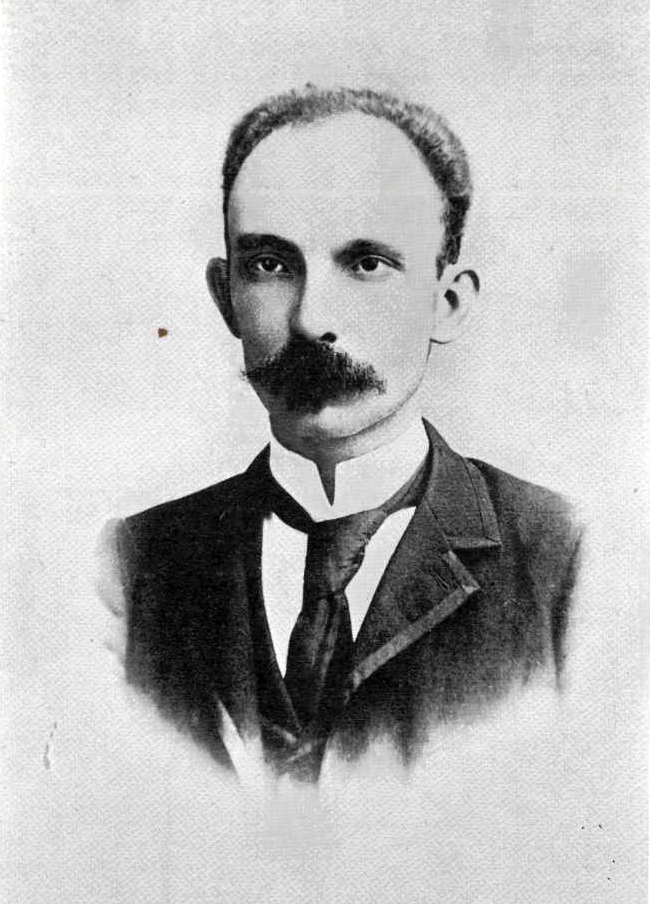
José Martí
### Introduction: The Apostle of Antillean Freedom José Julián Martí Pérez (January 28, 1853 – May 19, 1895), revered across Latin America and the Caribbean as "El Apóstol" (The Apostle) and the National Hero of Cuba, was a monumental poet, essayist, journalist, philosopher, and political visionary whose brief life transformed the trajectory of the Americas [1]. Martí stood as the intellectual architect and moral conscience of Cuba’s final war of independence against the Spanish Empire. Beyond his tireless organizing on behalf of Cuban sovereignty, he was a pioneering literary master who ignited the Spanish-American *Modernismo* movement, an uncompromising champion of racial equality, and one of the most perceptive early critics of rising North American imperialism [2]. Martí envisioned an independent Cuba not merely as a sovereign state, but as an equitable, democratic republic founded upon universal human dignity—summarized in his eternal maxim: *"Con todos, y para el bien de todos"* ("With all, and for the good of all") [3].  > "I want the first law of our republic to be the love of Cubans for the full dignity of man. Every true man must feel on his own cheek the blow struck against the cheek of any other man." > — José Martí [1] ### Early Life, Mentorship, and the Crucible of Havana José Martí was born on January 28, 1853, on Calle Paula in Havana, Cuba, into a modest family during the twilight of Spanish imperial dominion in the West Indies. His father, Mariano Martí Navarro, was a Spanish artillery sergeant and petty customs officer from Valencia; his mother, Leonor Pérez Cabrera, was a native of Tenerife in the Canary Islands [2]. Growing up among seven younger sisters in the crowded streets of colonial Havana, Martí was acutely conscious of the vast social chasms that structured island society—an oppressive colonial bureaucracy, a deeply entrenched sugar oligarchy, and the brutal reality of African chattel slavery [3]. In 1865, at the age of twelve, Martí enrolled in the Escuela de Instrucción Primaria Superior Municipal de Varones, an institution directed by Rafael María de Mendive. Mendive was a distinguished poet, classical scholar, and fervent Cuban patriot who recognized Martí’s exceptional intellect and assumed financial responsibility for his secondary education at the Instituto de Segunda Enseñanza [1]. Mendive became far more than an academic instructor; he served as Martí’s spiritual mentor, introducing him to the ideals of freedom, universal justice, civic morality, and democratic governance. When the Ten Years' War (*Guerra de los Diez Años*) erupted in eastern Cuba on October 10, 1868, under the leadership of Carlos Manuel de Céspedes, Mendive’s home became a salon of patriotic fervor. The young Martí was permanently radicalized by these meetings, dedicating his emerging literary talents entirely to the cause of Antillean emancipation [4]. ### Political Awakening, Hard Labor in San Lázaro, and First Exile In January 1869, at just sixteen years old, Martí launched his journalistic career by publishing the satirical sheet *El Diablo Cojuelo* alongside his close friend and schoolmate Fermín Valdés Domínguez. Shortly thereafter, he founded the political newspaper *La Patria Libre*, in which he published his first major dramatic poem, *Abdala* [4]. Set in a fictionalized ancient Nubia facing foreign conquest, *Abdala* served as a transparent, passionate allegory for Cuba’s fight against Spanish rule, featuring a warrior-poet who declares that love of country is not a blind adoration of the land, but an invincible commitment to human justice. Martí’s open defiance provoked swift colonial retribution. In October 1869, Spanish paramilitary volunteers (*Voluntarios*) raided the home of Valdés Domínguez and intercepted a letter signed by Martí and Fermín that condemned a former schoolmate who had enlisted in the Spanish army, branding his service an act of treason to the fatherland. In March 1870, Martí was tried by a military court-martial. Rather than pleading for mercy or disavowing the document, the seventeen-year-old youth courageously accepted full authorship and reaffirmed his devotion to Cuban independence [1]. Convicted of sedition, Martí was sentenced to six years of hard labor in the horrific stone quarries of San Lázaro (*canteras de San Lázaro*) in Havana. At San Lázaro, Martí was subjected to backbreaking manual labor under the tropical sun, forced to break and haul limestone while bound in heavy iron shackles. The chains scarred his legs, producing chronic ulcers, suppurating wounds, and physical ailments that tormented him for the rest of his life [2]. Yet the experience deepened his empathy for the oppressed: in the quarries, he labored shoulder-to-shoulder with impoverished free Afro-Cubans, enslaved men, and young children condemned by the penal system. Alarmed by his deteriorating health, his parents and influential family friends successfully petitioned the colonial authorities to commute his sentence to internment on the Isla de Pinos (now Isla de la Juventud). In January 1871, the Spanish governor deported the eighteen-year-old Martí to Spain [3]. ### Intellectual Peregrinations: Spain, Mexico, and Guatemala Arriving in Madrid in early 1871, Martí published *El presidio político en Cuba* (*Political Imprisonment in Cuba*), a devastating first-person exposé that laid bare the barbarism and institutional cruelty of Spain's colonial penal system. The pamphlet was acclaimed by Spanish liberals and established his reputation as a formidable polemicist [1]. While in Spain, Martí continued his academic studies at the Central University of Madrid before transferring to the University of Zaragoza. In 1874, he graduated with advanced degrees in Civil and Canon Law (*Licenciado en Derecho*) and Philosophy and Letters (*Licenciado en Filosofía y Letras*) [2]. When the short-lived First Spanish Republic was declared in 1873, Martí published *La República Española ante la Revolución Cubana*, in which he argued with razor-sharp logic that a Spanish republic that claimed to champion human liberty could not morally maintain a despotic colonial empire in Cuba [4]. Following his graduation, Martí traveled across Europe, visiting Paris where he met the literary giant Victor Hugo, before sailing to Veracruz, Mexico, in early 1875 to reunite with his exiled family [1]. In Mexico City, Martí immersed himself in the vibrant cultural life of the post-reform Republic, writing extensively for *Revista Universal*, lecturing at the Liceo Hidalgo, and publishing theatrical works such as *Amor con amor se paga*. Mexico was also where Martí forged an enduring brotherhood with his lifelong confidant Manuel Mercado, and where he met and fell in love with Carmen Zayas-Bazán e Hidalgo, the daughter of an affluent Cuban exile family [2]. When the military coup of General Porfirio Díaz in late 1876 curtailed intellectual and political freedoms in Mexico, Martí departed for Guatemala in 1877. In Guatemala City, he was appointed professor of literature and philosophy at the prestigious Escuela Normal Central. Martí was revered by his students, among them María García Granados, the cultured daughter of former Guatemalan president Miguel García Granados. María fell deeply and unrequitedly in love with Martí. After Martí returned briefly to Mexico in December 1877 to marry Carmen Zayas-Bazán and brought his bride back to Guatemala, the heartbroken María tragically died of illness—an event that Martí immortalized years later in his celebrated elegy "La Niña de Guatemala" in *Versos sencillos* [4]. In 1878, when Guatemala’s liberal dictator Justo Rufino Barrios arbitrarily dismissed the Cuban director of the Normal School, Martí resigned his professorship in principled protest, refusing to compromise his intellectual autonomy under autocracy [1]. ### The New York Exile and the Modernist Literary Revolution With the conclusion of the Ten Years' War through the controversial Pact of Zanjón in 1878, Martí returned to Havana under a general amnesty. Working in legal clerkships, he joined patriotic conspiracies alongside Afro-Cuban intellectual and journalist Juan Gualberto Gómez, advocating for the underground insurrection known as the *Guerra Chiquita* ("Little War"), led by General Calixto García [3]. Spanish authorities soon detected Martí’s revolutionary oratory at the Liceo de Guanabacoa; in September 1879, he was arrested once more and expelled to Spain. Evading his captors, Martí sailed from Spain to France and then onward to New York City, arriving in January 1880 [2]. With the exception of a six-month sojourn in Caracas, Venezuela, in 1881—where he founded the influential *Revista Venezolana* before being banished by dictator Antonio Guzmán Blanco—New York would remain Martí's operational headquarters for the next fifteen years [1].  In New York, Martí worked as an international correspondent, translator, and diplomat, serving as consul for Uruguay, Paraguay, and Argentina [2]. His journalistic chronicles (*crónicas*), published across Latin America in landmark periodicals such as *La Nación* of Buenos Aires, *La Opinión Nacional* of Caracas, and *El Partido Liberal* of Mexico, established him as the continent's most admired prose stylist [1]. Martí revolutionized Spanish-language literature, stripping Castilian prose of its archaic rigidities and infusing it with muscular rhythms, luminous impressionistic imagery, and moral urgency. Alongside the Nicaraguan poet Rubén Darío, Martí is celebrated as the founding father of *Modernismo* [4]. Martí’s poetic innovations began with *Ismaelillo* (1882), a luminous, intimate collection dedicated to his infant son, José Francisco, written in tender, crystalline stanzas that signaled the birth of modernist lyricism [4]. In 1889, Martí created *La Edad de Oro* ("The Golden Age"), an illustrated monthly magazine written entirely for Latin American children. Through stories like "Los tres héroes" (celebrating Simón Bolívar, José de San Martín, and Miguel Hidalgo), *La Edad de Oro* taught younger generations the values of racial harmony, anticolonial courage, and continental solidarity [3]. In 1891, while recuperating from chronic illness in the Catskill Mountains, Martí penned his poetic masterpiece, *Versos sencillos* ("Simple Verses"). The collection’s opening quatrains—*"Yo soy un hombre sincero / de donde crece la palma..."*—would later be adapted into the lyrics of "Guantanamera", the world’s most recognized Cuban song [4]. ### "Nuestra América" and Anti-Imperialist Thought Martí’s intellectual maturity coincided with the emergence of the United States as an aggressive industrial empire. Observing American society from within, Martí admired its democratic dynamism and mechanical ingenuity, but he grew deeply alarmed by its predatory capitalist excess, pervasive racial violence against African Americans, and imperial ambition toward the Caribbean and Central America [1]. In January 1891, Martí published his seminal essay *"Nuestra América"* ("Our America") simultaneously in *La Revista Ilustrada de Nueva York* and Mexico's *El Partido Liberal* [5]. *Nuestra América* remains one of the foundational texts of decolonial and pan-American philosophy. In it, Martí issued an urgent wake-up call to the peoples stretching from the Rio Grande to Patagonia, urging them to shake off their intellectual subservience to European and North American models [1]. He argued that Latin American nations must govern themselves according to their own indigenous, African, and mestizo realities rather than adopting imported constitutions: *"With the oppressed, one had to make common cause, to secure the system against the interests and habits of the oppressor."* [5]. Above all, Martí warned of the northern colossus whose expansionist gaze threatened the sovereign future of the continent, insisting that a free, independent Cuba and Puerto Rico were the indispensable balance points protecting Latin America from annexation [1]. ### Mobilizing the Diaspora: Tampa, Key West, and the Cuban Revolutionary Party Martí understood that the failure of earlier Cuban rebellions stemmed from regional factionalism, distrust between civilian leaders and military commanders, and the alienation of the working class and Afro-Cubans [3]. Determined to build a modern, democratic liberation movement, Martí turned his attention to the Cuban diaspora in the United States, particularly the thousands of cigar makers (*tabaqueros*) in Tampa (Ybor City) and Key West (*Cayo Hueso*), Florida [2]. 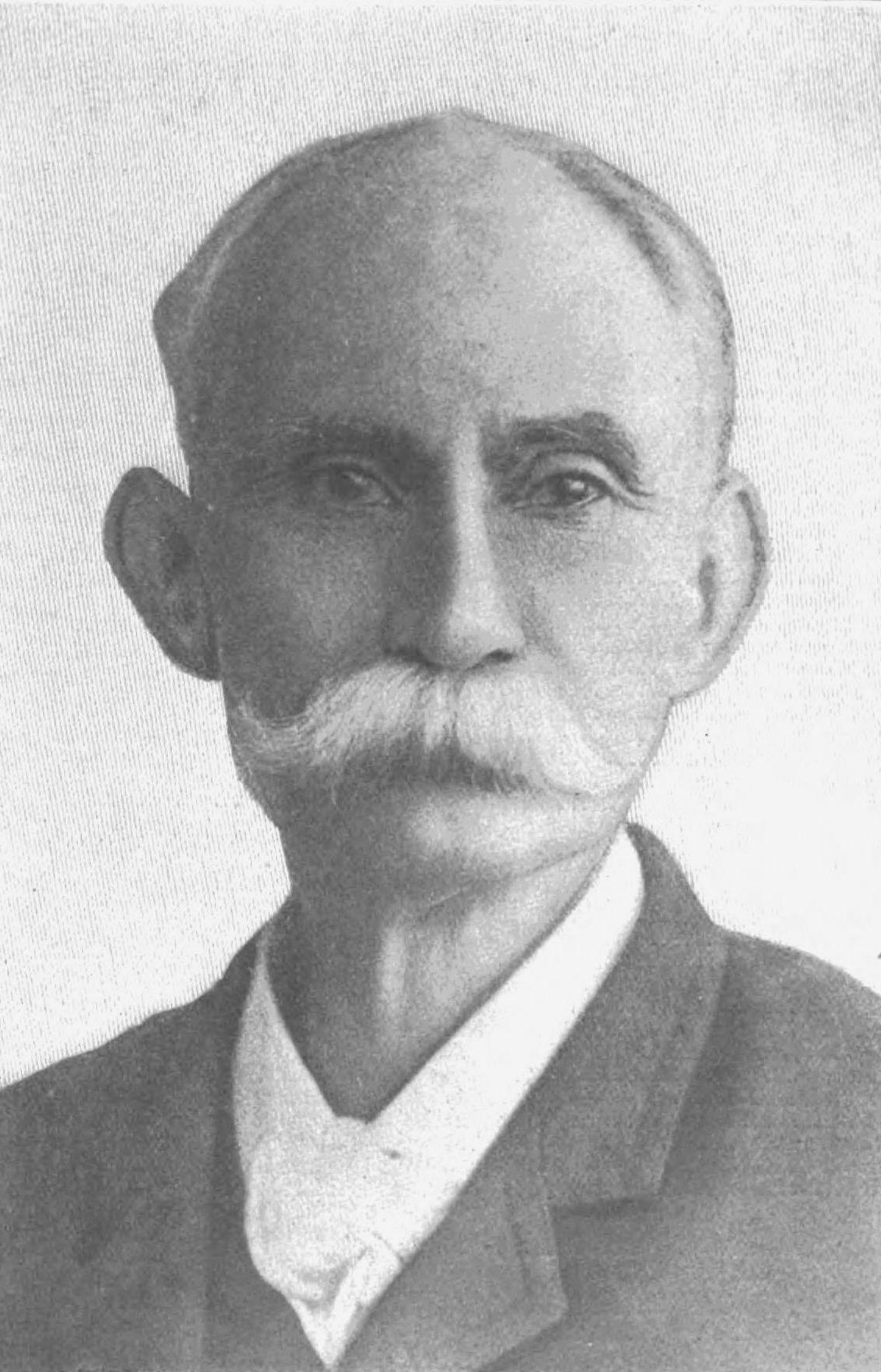 In November 1891, invited by the patriotic Club Ignacio Agramonte, Martí traveled to Tampa. In the union halls and cigar factories, where cigar rollers pooled their money to hire *lectores* (readers) to read aloud literature and politics during work shifts, Martí delivered two of the most electrifying orations in Latin American history: *"Con todos, y para el bien de todos"* on November 26, and *"Los pinos nuevos"* on November 27 [3]. The tobacco workers, both Black and white, embraced Martí as their spiritual brother. They instituted the "un día de haber"—donating one day’s wages every week to fund the coming revolution [2]. On January 5, 1892, in Key West, Martí drafted the statutes for the **Partido Revolucionario Cubano** (PRC, Cuban Revolutionary Party), officially proclaimed on April 10, 1892. Martí was democratically elected as its *Delegado* (Delegate), its chief executive officer [1]. The PRC was a revolutionary creation without historical precedent: an anti-colonial party founded in exile that operated under democratic principles, uniting all social strata, classes, and races. Crucially, Article 1 of the PRC charter declared that the party was established not only to achieve the absolute independence of Cuba, but also to aid in the liberation of Puerto Rico [1]. On March 14, 1892, Martí launched the newspaper *Patria* in New York, which served as the weekly ideological organ of the party, articulating the doctrine of a war fought without hatred, aimed at social justice rather than military despotism [3]. To ensure military victory, Martí orchestrated a historic alliance among the veteran generals of the Ten Years' War. He traveled to the Dominican Republic to recruit General [Máximo Gómez](/profiles/maximo-gomez), the brilliant Dominican-born tactician, convincing him to accept supreme military command of the Liberation Army [2]. He journeyed to Costa Rica to enlist General [Antonio Maceo](/profiles/antonio-maceo), the legendary "Bronze Titan" of Cuban arms, and General Flor Crombet. Martí also maintained close strategic coordination with regional anticolonial stalwarts, including the Puerto Rican independence leader [Ramón Emeterio Betances](/profiles/ramon-betances) in Paris and Dominican hero [Gregorio Luperón](/profiles/gregorio-luperon) [1]. ### The Montecristi Manifesto and the Expedition of 1895 By late 1894, Martí’s clandestine logistics reached fruition in the Fernandina Plan: three chartered merchant vessels (*Lagonda*, *Almadena*, and *Baracoa*) were loaded in Fernandina, Florida, with modern rifles, ammunition, and medical supplies to launch simultaneous amphibious landings in Cuba [2]. In January 1895, however, US federal authorities, acting on intelligence supplied by the Spanish legation, seized the vessels and impounded the weaponry. The loss was a staggering financial and logistical catastrophe. Yet Martí refused to yield; transforming defeat into resolution, he immediately dispatched the secret order to Havana authorizing the uprising across the island on February 24, 1895—sparking the historic *Grito de Baire* [3]. Martí slipped out of New York and joined General [Máximo Gómez](/profiles/maximo-gomez) at his home in Montecristi, Dominican Republic. There, on March 25, 1895, Martí and Gómez signed the **Manifesto of Montecristi** (*El Manifiesto de Montecristi*), the definitive ideological charter of the Cuban War of Independence [1]. In this masterpiece of political ethics, Martí affirmed that the war was not waged out of malice against the Spanish people, but against the archaic and extractive colonial system; that it would welcome Spaniards who chose to respect Cuban freedom; that it rejected racial prejudice and affirmed that Black and white Cubans were equal brothers in arms; and that it was designed to establish a civil republic free from the scourge of military caudillismo [1]. ### The Necessary War, Landing at Playitas, and the Final March On April 1, 1895, Martí, Gómez, and four companions sailed from Montecristi aboard a small schooner. After transferring to the German cargo steamer *Nordstrand*, they approached the southeastern coast of Cuba on a stormy, pitch-black night. Lowering a small wooden rowboat into towering breakers, the six men rowed through perilous surf and landed at **Playitas de Cajobabo**, near Baracoa, on April 11, 1895 [2]. Martí's wartime diary (*Diario de campaña*) recorded the exultant entry: *"Arribamos a Playitas. Salto. Llevo el remo de proa... Dicha grande."* ("We arrive at Playitas. I leap out. I take the bow oar... Great joy.") [3]. For five grueling weeks, Martí marched through the rugged mountains of the Sierra Maestra alongside the insurgent fighters (*mambises*). Despite his fragile frame, Martí carried his rifle, knapsack, and ammunition with unflagging stamina, tending to wounded soldiers, providing botanical remedies, and inspiring the troops with his speeches. On May 2, 1895, General [Máximo Gómez](/profiles/maximo-gomez) conferred upon Martí the official military rank of Major General of the Liberation Army [2]. On May 5, 1895, Martí, Gómez, and [Antonio Maceo](/profiles/antonio-maceo) met at the historic **Conference of La Mejorana** to settle the governance of the insurrection. Maceo, mindful of the political bickering that had crippled the Ten Years' War, argued for a military junta composed of generals until independence was won. Martí vehemently disagreed, insisting that a sovereign, civilian government must guide the revolution from its inception to prevent the rise of a military dictatorship [1]. Though tensions ran high, Martí’s civilian democratic framework ultimately prevailed in the subsequent assemblies of the Republic in Arms. ### Martyrdom at Dos Ríos and Immortal Legacy By mid-May 1895, the Cuban forces were encamped near the confluence of the Contramaestre and Cauto rivers at Dos Ríos. On the night of May 18, 1895, seated in his tent by candlelight, Martí penned his final, unfinished letter to his Mexican confidant Manuel Mercado—a document that serves as his definitive political testament: > "I am in daily danger of giving my life for my country and for my duty... of preventing in time, through the independence of Cuba, the United States from spreading across the West Indies and falling with that additional force upon our lands of America. All I have done up to this day, and all I shall do, is toward that end." > — José Martí to Manuel Mercado, May 18, 1895 [1] On the morning of May 19, 1895, Spanish infantry and cavalry commanded by Colonel José Ximénez de Sandoval launched a surprise assault on the Cuban camp. General [Máximo Gómez](/profiles/maximo-gomez) ordered Martí to stay behind with the reserves, knowing that Martí’s life was indispensable to the ideological and diplomatic survival of the revolution [2]. But Martí, driven by an acute sense of personal honor and refusing to remain shielded while Cuban soldiers shed blood, drew his revolver, mounted his white horse (a mount gifted to him by General José Maceo), and rode directly toward the Spanish line alongside a young courier, Ángel de la Guardia [3]. Veering through high brush toward a Spanish firing squad, Martí was struck by three bullets: one in the chest, one in the neck, and one in the leg. He fell mortally wounded from his saddle onto the Cuban earth, dying instantly at the age of forty-two [2]. Spanish troops recovered his body, transferred his remains under heavy guard to Santiago de Cuba, and interred him at the Santa Ifigenia Cemetery, where his mausoleum stands today, illuminated by a beam of sunlight in accordance with the verse from his *Versos sencillos*: > *"No me entierren en lo oscuro / A morir como un traidor; / ¡Yo soy bueno, y como bueno / Moriré de cara al sol!"* > ("Do not bury me in the dark / To die like a traitor; / I am good, and as a good man / I shall die facing the sun!") [4] José Martí’s death sent shockwaves through the Americas, instantly consecrating him as the supreme martyr of Cuban freedom. His sacrifice catalyzed the liberation struggle that culminated in the end of Spanish rule in 1898. More than a century after his death, Martí’s legacy endures as a beacon of artistic brilliance, ethical politics, and decolonial emancipation. His writings continue to inspire generations throughout the Caribbean, Latin America, and the world, cementing his eternal standing as "El Apóstol" of human dignity and freedom. ### References - [José Martí: Cuban Patriot - University of Florida Press](https://upf.com/book.asp?id=9780813001098) - [José Martí: National Hero of Cuba - Encyclopaedia Britannica](https://www.britannica.com/biography/Jose-Marti) - [Centro de Estudios Martianos - Vida y Obra de José Martí](http://www.josemarti.cu/) - [José Martí: Versos sencillos - Ediciones Cátedra](https://www.catedra.com/libro/letras-hispanicas/versos-sencillos-jose-marti-9788437618999/) - [Our America by José Martí: Writings on Latin America and the Struggle for Cuban Independence - Monthly Review Press](https://monthlyreview.org/product/our_america/)
View Profile →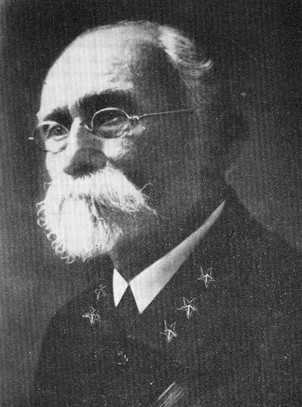
Máximo Gómez
Máximo Gómez y Báez (November 18, 1836 – June 17, 1905), universally revered as "El Generalísimo," stands as one of the most formidable and brilliant military strategists in the history of the Americas. A Dominican by birth but famously a "Cuban by heart," Gómez was the primary military architect of Cuba's grueling, decades-long struggle for independence from the Spanish Empire. Across two major wars—the Ten Years' War (1868–1878) and the War of Independence (1895–1898)—Gómez transformed a ragtag rebellion into a sophisticated guerrilla army capable of paralyzing the colonial economy and breaking the will of a conventional European military force. His life is a testament to the power of internationalist solidarity in the Caribbean and the unyielding pursuit of self-determination. ### Early Life and Dominican Roots Gómez was born on November 18, 1836, in the rural town of Baní in the Dominican Republic. He came from a modest, lower-middle-class family; his parents, Andrés Gómez Guerrero and María Clemencia Báez Pérez, instilled in him a strict sense of discipline. Initially, his mother harbored hopes that her son would join the priesthood, and young Máximo was enrolled in a religious seminary. However, the turbulent political landscape of 19th-century Hispaniola soon interrupted his ecclesiastical studies. In the mid-1850s, a series of Haitian invasions threatened the Dominican Republic. Driven by a burgeoning sense of duty, a teenage Gómez left the seminary and joined the Dominican army. He saw his first combat during the Battle of Santomé in 1856, where he demonstrated a natural aptitude for leadership and military strategy. A few years later, when the Dominican Republic was controversially re-annexed by Spain, Gómez served as a captain in the Spanish army reserves. This period was formative yet deeply troubling for Gómez. While he honed his understanding of conventional military operations and logistics, he was simultaneously exposed to the harsh realities of Spanish colonial rule. The arrogance of the imperial officers, their disdain for the local population, and the systemic brutality he witnessed began to sow the seeds of a deep anti-colonial resentment. ### Transition to Cuba and the Awakening The Dominican Restoration War eventually forced the Spanish to abandon the island in 1865. As a reserve officer in the Spanish military, Gómez was relocated to Cuba alongside his family. Settling in the eastern region of the island, he attempted to build a quiet life as a farmer. However, the Cuba he encountered was a society built on the brutal foundation of chattel slavery and the extreme exploitation of the peasantry by the Spanish metropole. The stark contrast between the wealth of the Spanish elites and the suffering of the enslaved Afro-Cuban population profoundly affected Gómez. His conscience could not reconcile his position as a former colonial officer with the injustices he saw daily. When the Cuban revolution erupted in 1868, spearheaded by Carlos Manuel de Céspedes with the historic "Grito de Yara," Gómez made the definitive choice of his life: he resigned his commission, severed all ties with the Spanish crown, and offered his sword to the cause of Cuban liberty.  ### The Ten Years' War and the Machete Charge During the Ten Years' War (1868–1878), Gómez quickly rose through the ranks of the Mambises (the Cuban guerrilla fighters) due to his unparalleled tactical brilliance. He fundamentally reshaped the way the Cuban rebels fought. Realizing that the insurgents were chronically short on firearms, ammunition, and conventional military supplies, Gómez introduced a tactic that would become legendary: the machete charge. The machete was a common agricultural tool used for cutting sugarcane, readily available to the formerly enslaved and peasant fighters who made up the bulk of the rebel forces. Gómez recognized its potential as an instrument of psychological and physical terror in close-quarters combat. The first major demonstration of this tactic occurred at the Battle of Pino de Baire in late 1868. Leading a vastly outnumbered and under-armed group of rebels, Gómez ambushed a well-equipped Spanish column of some 700 men. Bursting from the dense tropical vegetation, the Mambises closed the distance before the Spanish could form their firing lines, unleashing a devastating hand-to-hand assault. The psychological impact on the Spanish troops was catastrophic; the sight of charging fighters wielding razor-sharp machetes neutralized Spain's advantage in artillery and repeating rifles. Under Gómez's command, the machete charge became a sophisticated maneuver, often combined with lightning-fast cavalry strikes. He meticulously trained other rising stars of the revolution, including the legendary [Antonio Maceo](/profiles/antonio-maceo), the "Bronze Titan," turning the Liberation Army into a highly mobile and lethal force capable of defeating Spanish columns in mere minutes, as seen in the Battle of Palo Seco in 1873. ### Exile and the Crucible of Leadership Despite heroic efforts, the Ten Years' War ended in a bitter stalemate with the Pact of Zanjón in 1878. Refusing to accept anything less than full independence and the complete abolition of slavery, Gómez rejected the pact and went into exile. The subsequent years were a period of intense hardship, itinerant wandering, and deep reflection. He lived briefly in Jamaica before moving to Honduras, where he accepted a position as a general in the Honduran army. Despite securing a stable income, Gómez's primary focus remained the liberation of Cuba. He maintained a vast network of correspondence with Cuban exiles scattered across the Americas, tirelessly analyzing the failures of the first war and formulating new doctrines for future conflicts. He eventually returned to the Dominican Republic, settling in Montecristi, where he continued to plot the overthrow of Spanish rule. It was during this long exile that his complex relationship with [José Martí](/profiles/jose-marti), the intellectual and spiritual father of the Cuban independence movement, unfolded. Initially, the two men clashed. In 1884, fearing that military leaders like Gómez might impose a dictatorship after independence, Martí wrote a famous and sternly worded letter to the General, warning against the dangers of militarism: > "A nation is not founded, General, as a military camp is set up... What guarantees can there be that civic freedoms—the sole object for which it is worth throwing a country into a struggle—will be better respected tomorrow?" Gómez, a man of action who believed a strong military command was necessary to win the war, was stung but ultimately respected Martí's unwavering commitment to civilian democracy. Over the years, their mutual respect deepened into a profound brotherhood. By the early 1890s, recognizing that they needed each other to succeed, they reconciled. Martí came to deeply admire the austere, incorruptible General, later writing to a colleague: > "I come away from Gómez in love, and I cannot remember him without tenderness." Together, they authored the Montecristi Manifesto in 1895, the foundational document that outlined the ideological and strategic framework for the final "Necessary War." ### The Final War of Independence (1895–1898) In 1895, Gómez, Martí, and [Antonio Maceo](/profiles/antonio-maceo) returned to Cuba to launch the ultimate war for liberation. The tragic death of Martí in combat at Dos Ríos just weeks into the campaign was a devastating blow, but it only strengthened Gómez's resolve. As General-in-Chief, Gómez executed his magnum opus: the "Invasion from Oriente to Occidente." This audacious campaign aimed to spread the rebellion from its traditional stronghold in the mountainous east to the wealthy, heavily fortified western provinces. It was a logistical and strategic masterpiece. Accompanied by Maceo, Gómez led his forces across a heavily guarded island, outmaneuvering an army of over 200,000 Spanish regulars with just a fraction of that number. Gómez understood that Spain's ability to wage war depended on the economic engine of the western sugar plantations. Consequently, he implemented a ruthless, uncompromising scorched-earth policy. He issued decrees ordering the cessation of all agricultural labor and the destruction of the sugar mills. To his commanders, he made his strategy plain: the colonial economy had to be annihilated so that the Spanish treasury could no longer finance the occupation. "The war will not end," he declared, "until not a single stone is left standing on another." The Spanish military apparatus, deeply frustrated and unable to pin down Gómez's mobile guerrilla units in conventional combat, resorted to drastic measures. General Valeriano Weyler was sent to Cuba to implement the infamous "reconcentrado" policy, forcing rural populations into concentration camps to starve the rebels of support. Despite this brutality and immense suffering, Gómez's forces endured, maintaining the offensive and slowly bleeding the Spanish empire dry. ### U.S. Intervention and Final Years By 1898, the Cuban Liberation Army had effectively neutralized Spanish control over the countryside. However, just as victory was imminent, the United States intervened in the conflict following the explosion of the USS Maine. The Spanish-American War resulted in the swift defeat of Spain, but it sidelined the Cuban revolutionaries. Gómez was deeply disillusioned by the American occupation and the imposition of the Platt Amendment, which compromised Cuba's hard-won sovereignty. He lamented that the Americans treated the Cubans not as allies, but as subjects incapable of self-governance. Despite his immense popularity and the near-universal desire for him to become the first president of the new Cuban republic, Gómez flatly refused. He argued that he was a soldier, not a politician, and he would not allow his military prestige to overshadow the establishment of a civilian government. He accepted only a modest pension and spent his final years acting as a moral compass for the young nation, famously declaring himself "Dominican by birth, Cuban by heart." Máximo Gómez died in Havana on June 17, 1905, at the age of 68. His passing was mourned as a profound national tragedy. He left behind a legacy of absolute integrity, military brilliance, and a trans-Caribbean commitment to freedom. He proved that true leadership is defined not by the power one wields, but by the power one is willing to relinquish for the good of the republic.
View Profile →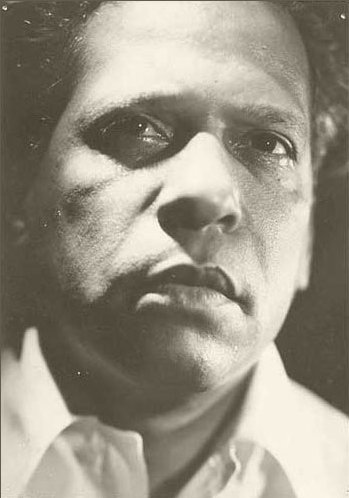
Nicolás Guillén
### Early Life in Camagüey Nicolás Cristóbal Guillén Batista was born on **July 10, 1902**, in the provincial city of Camagüey, Cuba — a place steeped in colonial architecture, racial hierarchy, and the lingering wounds of the independence wars. Cuba at the dawn of the twentieth century was a nation technically free from Spain but caught in the suffocating embrace of North American economic imperialism and its own deeply entrenched racial stratification. The island's Afro-descendant population, though numerically significant and culturally vital, was largely consigned to poverty, denied political representation, and subjected to the everyday humiliations of a social order that continued to prize European ancestry above all else. Nicolás Guillén was born into this charged environment as the son of **Argelia Batista** and **Nicolás Guillén Urra**, a journalist and liberal senator who was a man of mixed African and European heritage. His father's prominence in civic life gave young Nicolás an early exposure to the world of ideas, journalism, and political struggle — but also to its brutal consequences. In **1917**, when Guillén was just fifteen years old, his father was murdered by government forces, a political assassination that left the family in economic precarity and emotionally devastated. This loss was, by Guillén's own account, an "emotional catastrophe" that would permanently shape the urgency and grief woven into his poetry. [1]  *Nicolás Guillén, photographed in 1942. Public domain, via Wikimedia Commons.* ### From Typesetter to Poet In the aftermath of his father's death, Guillén took on work as a **typesetter** to help support his family — a role that placed him directly in the world of the printed word, with ink on his hands even before he found his own literary voice. He enrolled at the **University of Havana** in 1921 to study law, following a path that seemed to promise respectability and stability, but he abandoned his studies after only a single year. The pull of journalism and literature was too strong. Throughout the 1920s, he contributed articles and poems to local Camagüey publications, finding his footing as a writer while developing his acute social conscience. [2] Havana in the 1920s was a city in ferment — politically volatile, culturally experimental, and racially divided. The *negrismo* movement, a literary and artistic trend that celebrated Afro-Hispanic cultural expressions, was sweeping through Cuba and the broader Caribbean. Poets and intellectuals were grappling with questions of national identity: what did it mean to be Cuban, and could that identity honestly be constructed while ignoring the African roots of so much of the island's music, language, religion, and labor? ### The Birth of a Distinctive Voice: *Motivos de son* (1930) Guillén's answer came in **1930** with the publication of *Motivos de son*, a slender but explosive debut collection that sent shockwaves through Cuban literary culture. The book drew its form and spirit from the ***son*** — the Afro-Cuban music and dance tradition that blended African percussion and rhythm with Spanish melody and verse. Guillén translated the *son*'s syncopated pulse directly into poetry, capturing the vernacular speech, the humor, the tragedy, and the dignity of Black life in Havana's working-class neighborhoods. [3] Poems such as *"Negro bembón"* and *"Mulata"* were neither exoticizing nor sentimental — they were precise, rhythmically alive, and politically pointed. Guillén did not write *about* Afro-Cubans as objects of curiosity; he wrote *from within* that world, with full knowledge of its textures. The collection was celebrated and debated in equal measure, signaling the arrival of a writer who refused to confine Cuban literature to the Eurocentric palate. ### *Sóngoro cosongo* (1931) and the Creole Manifesto A year later, Guillén published **Sóngoro cosongo** (1931), a collection whose very title was drawn from an onomatopoeic phrase evoking the rhythms of Afro-Cuban drumming. In its famous prologue, Guillén issued what amounted to a literary manifesto: he argued forcefully that any authentic Cuban national poetry *must* incorporate the African element — that to pretend otherwise was to falsify the nation's very soul. He wrote of the need for a poetry that reflected the "criollo" spirit, one that synthesized Spain and Africa into something entirely new. [4] The book marked a decisive shift. Guillén's poetry was no longer content to celebrate Afro-Cuban culture in isolation; it was now insisting on that culture's central place in the definition of Cuban nationhood. This was a radical claim in 1931, and it established Guillén as the pre-eminent voice of the Afro-Cuban literary movement. > *"Cuba is not European, nor is it African. It is something original, something unto itself, born from the encounter of two worlds."* > — Nicolás Guillén, reflecting on Cuban cultural identity ### Toward Social Protest: *West Indies, Ltd.* (1934) By 1934, Guillén's lens had widened from Cuba to the entire Caribbean basin. **West Indies, Ltd.** was his most explicitly anti-imperialist collection to date, indicting the entire colonial and neo-colonial apparatus that kept the Caribbean poor, racially stratified, and economically dependent on foreign capital. The title itself was a bitter irony — the Caribbean rendered as a corporate entity, its peoples reduced to labor costs on a balance sheet. [5] This work established Guillén's international credentials as a poet of the Third World avant la lettre — a voice for the colonized and dispossessed wherever they existed. His poetry began to be translated into multiple languages and read across Latin America, Africa, and Europe. ### The Spanish Civil War and Communist Commitment In **1937**, Guillén formally joined the **Communist Party of Cuba** (at the time organized as the Popular Socialist Party) and traveled to **Spain**, where he participated in the Congress of Anti-Fascist Writers in Valencia and reported from the front lines of the Spanish Civil War, supporting the Republican cause against Franco's nationalist forces. The experience profoundly deepened his political commitments and inspired his collection **España: Poema en cuatro angustias y una esperanza** (1937), a searing elegiac tribute to the Republic's struggle and to the international community of writers and fighters who rallied to its defense. [6] Back in Cuba, Guillén continued to write and agitate, producing **Cantos para soldados y sones para turistas** (1937) and **El son entero** (1947), which cemented his reputation as the singular voice of Cuban poetry. He ran for political office as a communist candidate in 1940 and was a constant thorn in the side of successive Cuban governments. ### Exile and Return Under the authoritarian rule of **Fulgencio Batista**, Guillén's political activities made him a marked man. In **1953**, upon returning from a trip to Chile, he was denied re-entry into Cuba and spent the next several years in exile, moving between Latin American countries and Europe, maintaining his literary output and his political solidarity with leftist and anti-colonial movements worldwide. [7] The triumph of the **Cuban Revolution in January 1959** brought him home. Guillén returned to Cuba as a celebrated figure, his decades of struggle now aligned with the revolutionary government. In **1961**, he was a founding force behind the **Unión Nacional de Escritores y Artistas de Cuba (UNEAC)** — the National Union of Writers and Artists of Cuba — and served as its **president for over 25 years**, until his death, shaping Cuba's entire cultural apparatus and its relationship to world literature. [8]  *The province of Camagüey, Cuba — birthplace of Nicolás Guillén.* ### Awards and International Recognition Guillén received some of the highest honors available to a poet and intellectual of the twentieth century. In **1954**, he was awarded the **Stalin Peace Prize** (later renamed the Lenin Peace Prize) by the Soviet Union in recognition of his contributions to the international peace and anti-fascist movements. In **1976**, he received the **International Botev Prize** from Bulgaria. And in **1983**, he became the inaugural recipient of Cuba's own **National Prize for Literature**, recognizing his foundational role in shaping Cuban letters. [9] His poetry was translated into dozens of languages and was read, recited, and sung across Africa, Asia, and Latin America. In the Spanish-speaking world, he became synonymous with the idea that poetry could be both artistically sophisticated and politically engaged — that the rhythms of the street and the concert hall could carry the weight of history. ### Death and Legacy Nicolás Guillén died on **July 16, 1989**, in Havana, just six days after his 87th birthday. He was mourned across the Spanish-speaking world and honored in Cuba as the nation's **Poeta Nacional** — National Poet. His body of work, spanning more than sixty years, had transformed Latin American literature and given the African diaspora one of its most powerful poetic voices. His legacy endures not only in the study of literature but in the ongoing conversations about race, identity, and decolonization in Cuba and across the Caribbean. He demonstrated that *son*, the most vernacular of cultural forms, could become a vehicle for profound historical witness — and that the voices of the dispossessed, rendered with artistry and precision, could resonate across continents and generations.
View Profile →