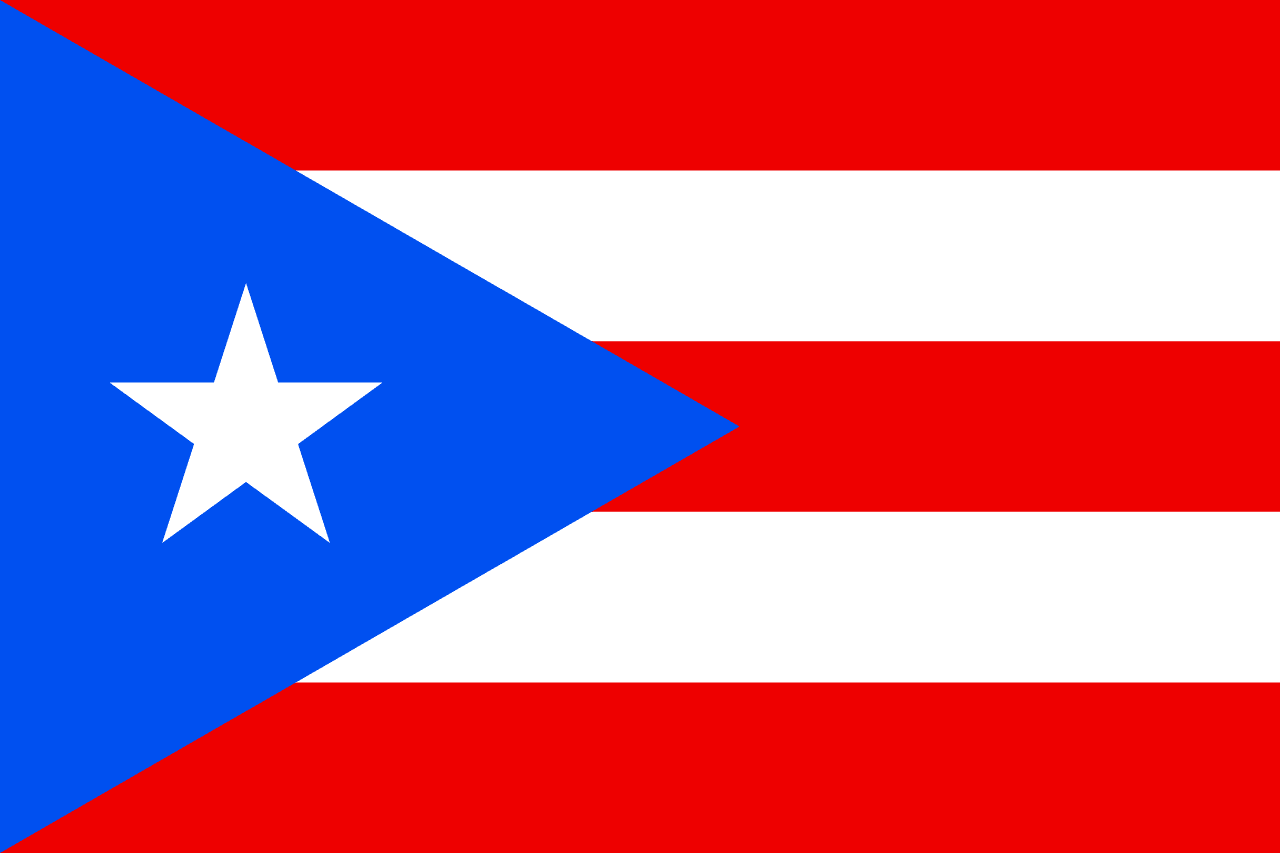
Puerto Rico
La Isla del Encanto, a land of multi-layered heritage and a powerful legacy of revolutionaries, poets, and humanitarian icons.
Figures from Puerto Rico
Historically documented individuals of note.
Blanca Canales
### Introduction and Colonial Context The early decades of the twentieth century in Puerto Rico were defined by profound political, economic, and cultural upheaval following the transfer of the island from Spanish colonial rule to United States sovereignty under the 1898 Treaty of Paris [1]. As American corporate conglomerates rapidly consolidated control over the island's arable lands, traditional subsistence farming gave way to monoculture sugar plantations. This economic transformation displaced hundreds of thousands of *jíbaros* (rural agricultural workers), plunging rural mountain municipalities like Jayuya into severe poverty and unemployment [2]. Simultaneously, American colonial administrators imposed strict policies designed to assimilate the population, including the mandated use of the English language in public schools and the suppression of Puerto Rican national symbols. Within this crucible of displacement and cultural erasure, a fierce nationalist consciousness took root across the central mountain range. Among the most steadfast and visionary figures to emerge from this resistance was Blanca Canales, an educator, social worker, and revolutionary organizer whose uncompromising dedication to Puerto Rican sovereignty would culminate in one of the most significant anti-colonial uprisings in modern American history [1]. ### Early Life, Education, and Social Consciousness Born on February 17, 1906, in the rugged mountain municipality of Jayuya, Blanca Canales Torresola was raised in a family deeply immersed in political intellectualism and patriotic activism [2]. Her parents, Rosario Canales Quintero and Carmen Torresola, fostered an environment where literature, political philosophy, and social justice were vigorously debated. Her father was a respected local figure, while her elder brother, [Nemesio Canales](/profiles/nemesio-canales), gained renown as a prominent journalist, essayist, playwright, and politician who fiercely advocated for women's suffrage and legal reform [3]. Her maternal cousins included Griselio Torresola, who would later participate in nationalist militant actions. Growing up surrounded by such dynamic thinkers, Blanca developed an early analytical understanding of Puerto Rico's colonial dilemma. In the late 1920s, Canales left her mountain hometown to pursue higher education at the University of Puerto Rico at Río Piedras. She earned a bachelor's degree in social work and education, graduating as part of a pioneering generation of Puerto Rican women entering professional fields [2]. Her subsequent work as a rural social worker and public school teacher brought her face-to-face with the devastating human toll of colonial economic exploitation. Traveling through remote barrios, she documented severe child malnutrition, rampant tuberculosis, lack of basic sanitation, and the crushing despair of landless plantation laborers. Canales quickly concluded that philanthropic social work and piecemeal legislative reforms were utterly inadequate to alleviate her people's suffering; only complete political independence and structural self-determination could eradicate the institutionalized poverty afflicting the island [1]. > "We did not rise up out of hatred for any people, but out of an immortal love for our homeland and a sacred duty to defend our right to exist as a free nation."  ### Joining the Nationalist Vanguard In 1931, Canales officially joined the Puerto Rican Nationalist Party (*Partido Nacionalista de Puerto Rico*), which had recently elected Harvard-educated lawyer and charismatic orator [Pedro Albizu Campos](/profiles/pedro-albizu-campos) as its president [3]. Albizu Campos transformed the organization from a moderate political group into a militant anti-colonial vanguard that rejected colonial elections and demanded immediate national recognition. Canales quickly became one of Albizu Campos's most trusted confidantes and regional organizers in the central highlands. Recognizing the essential role of women in the revolutionary struggle, she helped organize and mobilize *Las Hijas de la Libertad* (The Daughters of Freedom), the women's branch of the Nationalist Party [2]. Through this organization, women were trained in political education, public speaking, logistics, and first aid, effectively breaking traditional gender boundaries within Caribbean political movements. As the United States government and local colonial authorities intensified their crackdown on nationalist activities during the 1930s and 1940s—marked by tragic events such as the 1937 Ponce Massacre—Canales turned her familial homestead in Jayuya into a clandestine stronghold [4]. Following the appointment of the first Puerto Rican-born governor, [Jesús T. Piñero](/profiles/jesus-t-pinero), and the subsequent election of [Luis Muñoz Marín](/profiles/luis-munoz-marin), the insular legislature passed Law 53 of 1948, notoriously known as the *Ley de Mordaza* (Gag Law) [4]. Modeled after the federal Smith Act, the Gag Law made it a felony punishable by ten years in prison to display the Puerto Rican flag, sing patriotic anthems, speak or write in favor of independence, or hold pro-sovereignty assemblies. Under this repressive regime, Canales operated with extraordinary courage, secretly stockpiling firearms, ammunition, medical supplies, and handmade Puerto Rican flags within her Jayuya residence in preparation for an island-wide insurrection [1]. ### The Historic Jayuya Uprising (El Grito de Jayuya) By mid-1950, nationalist leadership learned that federal and local authorities were preparing a massive preemptive crackdown to arrest the party's hierarchy and neutralize the independence movement before the implementation of the new Puerto Rico Commonwealth (*Estado Libre Asociado*) constitution [5]. In response, [Pedro Albizu Campos](/profiles/pedro-albizu-campos) ordered an armed revolt across multiple municipalities, including San Juan, Ponce, Mayagüez, Arecibo, Utuado, and Jayuya. On the morning of October 30, 1950, Blanca Canales assumed military command of the nationalist forces in Jayuya, donning a white dress and carrying a pistol alongside her fellow rebels [2]. Canales led an armed contingent into the town center, coordinating simultaneous assaults on strategic symbols of colonial authority. Her group successfully neutralized the municipal police station, severed telephone and telegraph lines to prevent reinforcements, and occupied the U.S. Post Office, where they burned selective draft records that conscripted Puerto Rican youth into the Korean War [4]. In a moment of monumental historical significance, Canales marched her forces into the central public plaza. Defying the draconian Gag Law, she raised the light blue Puerto Rican flag atop the municipal tower and passionately addressed the gathered townspeople, formally declaring the establishment of the free Republic of Puerto Rico (*La República de Puerto Rico*) [1]. > "Our flag represents the blood and dignity of a sovereign people. As long as one Puerto Rican stands to raise it, tyranny will never extinguish our liberty." For three days, Blanca Canales and her small band of nationalists held the liberated town of Jayuya against overwhelming odds [5]. The declaration of the Republic sent shockwaves through Washington and San Juan. Governor [Luis Muñoz Marín](/profiles/luis-munoz-marin) declared martial law and ordered the deployment of the 296th Infantry Regiment of the Puerto Rico National Guard [4]. To dislodge Canales and her fighters, the U.S. military deployed P-47 Thunderbolt fighter planes to bomb and strafe the town, backed by heavy artillery fire—making Jayuya one of the very few localities in American history to be subjected to aerial bombardment by the U.S. military [5]. Despite the destruction of large portions of the town, Canales maintained order, directed defensive positions, and personally tended to wounded comrades until ammunition exhausted and overwhelming mechanized forces reoccupied the municipality.  ### Trial, Imprisonment, and Unwavering Conviction Following the suppression of the Jayuya Uprising, Blanca Canales was arrested along with hundreds of nationalists across the island [1]. She was subjected to rigorous interrogations and placed on trial before local and federal tribunals. Accused of treason against the United States, murder of police officers, and causing extensive property destruction, Canales utilized her courtroom appearances not to plead for leniency, but to deliver blistering indictments of colonial rule and defend the international legality of armed resistance against foreign occupation [2]. She was convicted and sentenced to life imprisonment plus sixty years, the harshest sentence handed down to any female nationalist leader [5]. Canales was initially transferred to the Alderson Federal Prison Camp in West Virginia, where she endured years of harsh isolation, harsh climate, and separation from her homeland [4]. Throughout her incarceration, she emerged as a spiritual and moral pillar for imprisoned revolutionary women, organizing educational circles and maintaining an unbroken correspondence with independence advocates worldwide. She was later transferred to the Vega Baja women's prison in Puerto Rico. During her seventeen years behind bars, Canales refused all offers of conditional parole that required her to renounce her nationalist principles or express remorse for the Jayuya rebellion [1]. Her stoic endurance earned her deep admiration across the political spectrum in Puerto Rico, transforming her into a living martyr of the anti-colonial struggle. ### Pardon, Return to Jayuya, and Historical Legacy By the late 1960s, a growing domestic and international amnesty movement exerted intense pressure on the Puerto Rican government to release aging nationalist prisoners [3]. In 1967, Governor Roberto Sánchez Vilella granted a full executive pardon to Blanca Canales, acknowledging her deteriorating health and the profound respect she commanded among the Puerto Rican populace [2]. Upon her release, she returned to her beloved mountain town of Jayuya, where she was welcomed not as a convicted felon, but as a revered matriarch and national heroine. Canales spent her remaining decades preserving the historical memory of the Nationalist Party and mentoring younger generations of Puerto Rican activists. She insisted that the struggle for social justice, educational equity, and political sovereignty was a continuous, intergenerational duty [1]. Blanca Canales passed away peacefully on July 25, 1996, in Jayuya at the age of ninety [4]. Following her death, her childhood home was restored and converted into the *Casa Museo Blanca Canales*, a historical museum dedicated to her life and the events of the 1950 uprising [2]. Today, historians and political scholars recognize Blanca Canales not only as a brave patriot who led a historic revolt, but as a pioneering feminist figure who shattered patriarchal constraints within Caribbean revolutionary movements, securing an eternal place in the pantheon of Americas' liberation leaders [5].
View Profile →
Eugenio María de Hostos
### Introduction Eugenio María de Hostos (January 11, 1839 – August 11, 1903) was a towering intellectual, educator, philosopher, and patriot whose influence stretched far beyond his native Puerto Rico to touch almost every corner of Latin America. Revered as "El Gran Ciudadano de las Américas" (The Great Citizen of the Americas), Hostos was a visionary who dedicated his life to three intertwined noble causes: the independence of Puerto Rico and Cuba from Spanish colonial rule, the realization of an Antillean Confederation, and the radical transformation of Latin American education [1]. In a 19th-century world dominated by imperial powers and rigid dogmas, Hostos emerged as a fierce advocate for human rights, scientific pedagogy, and the emancipation of the human mind. His exhaustive travels, prolific writings, and institution-building efforts forged an enduring legacy that continues to shape pedagogical and political thought across the Hispanic world today. ### Early Life and Intellectual Awakening Hostos was born into a comfortable, well-to-do family in the rural barrio of Río Cañas in Mayagüez, Puerto Rico. During his formative years, the island was firmly under the grip of the Spanish Empire, a colonial administration characterized by strict censorship, economic exploitation, and the systemic denial of self-governance. Recognizing his sharp intellect, his parents sent him to San Juan for his early education and later to Spain in 1852, where he attended the Institute of Bilbao and the Complutense University of Madrid [2]. In Spain, Hostos immersed himself in the intellectual currents of the era. He was profoundly influenced by Krausism, a philosophical movement emphasizing rationalism, ethical conduct, and the harmonization of the individual with humanity. He actively participated in republican political circles alongside prominent Spanish liberals and fellow Antillean students. It was during this period that Hostos developed his deep-seated conviction that the Spanish monarchy was fundamentally incompatible with the progressive development of its Caribbean colonies. When the Spanish Republican government of 1868 failed to deliver on promises of autonomy for Puerto Rico and Cuba, Hostos made a fateful decision: he definitively broke ties with Spain and committed himself entirely to the cause of absolute independence.  ### The Wandering Patriot: Exile and Activism Leaving Spain, Hostos embarked on a lifelong journey of exile that would take him across the Americas and Europe. He became a relentless organizer and propagandist for the Antillean cause. Moving to New York City, he joined the Cuban Revolutionary Junta, working tirelessly to raise funds and international support for the Cuban Ten Years' War (1868–1878) and the nascent Puerto Rican independence movement sparked by the Grito de Lares. Realizing that the liberation of the Caribbean required the solidarity of the broader continent, Hostos embarked on an epic, years-long journey through Latin America. He traveled to Colombia, Peru, Chile, Argentina, and Brazil. In each country, he operated not just as a diplomat for the revolutionary cause, but as a public intellectual deeply engaged with local struggles. In Peru, he fearlessly campaigned against the brutal exploitation of Chinese immigrant laborers (the "coolie" trade), demonstrating a commitment to universal human rights that transcended national boundaries [3]. In Argentina, he advocated for the construction of the Trans-Andean railway to connect the continent. His vision was panoramic: he saw the independence of the Antilles not as an isolated event, but as the final, necessary chapter in the complete liberation of the Americas. > "To civilize is to educate; and to educate is to teach the human mind how to be rational, the human heart how to be just, and the human will how to be free." ### The Educational Revolutionary While Hostos's political vision was grand, his most profound and lasting impact was arguably in the realm of education. He firmly believed that political independence was meaningless without the intellectual and moral emancipation of the citizenry. True freedom, he argued, could only be sustained by a population trained in critical thinking, scientific observation, and ethical reasoning. His pedagogical genius found its greatest expression in the Dominican Republic, where he settled in 1879. Invited by the government, Hostos completely overhauled the national education system. He founded the country's first Normal School (a teachers' training college) in 1880, introducing a revolutionary curriculum that discarded rote memorization and religious dogma in favor of the scientific method, sociology, and ethics [4]. His approach was fiercely resisted by the conservative clergy, but his "Hostosian" schools quickly produced a generation of enlightened thinkers and leaders who transformed Dominican society. ### Advocacy for Women's Education Hostos was also a pioneering feminist, far ahead of his time in advocating for the rights of women. He viewed the subjugation of women and their exclusion from intellectual life as a fundamental obstacle to societal progress. During his time in Chile (1889–1898), where he served as the rector of the Liceo Miguel Luis Amunátegui and a professor of constitutional law at the University of Chile, he became a vocal champion for women's access to higher education [5]. His landmark 1873 essay and lecture series, "The Scientific Education of Women," argued passionately that women possessed the same intellectual capacities as men and were entitled to rigorous, scientific instruction. His advocacy was instrumental in breaking down the barriers that eventually allowed women to enter universities and professional fields in Chile and across the region. ### The Spanish-American War and Final Years The outbreak of the Spanish-American War in 1898 brought a tragic twist to Hostos's lifelong struggle. Following the United States' invasion and subsequent occupation of Puerto Rico, Hostos rushed back to his homeland after years of exile, hoping to participate in the construction of an independent republic. He founded the *Liga de Patriotas* (League of Patriots) to educate Puerto Ricans on their civic rights and to demand a plebiscite on the island's future [6]. However, it quickly became apparent that the United States intended to retain Puerto Rico as a colonial possession rather than granting it sovereignty. Deeply disillusioned and heartbroken by the exchange of one imperial master for another, Hostos left Puerto Rico for the final time in 1900. He returned to the Dominican Republic, dedicating his last years to his educational duties as the Inspector General of Public Instruction. On August 11, 1903, Eugenio María de Hostos passed away in Santo Domingo. Per his final wishes, his remains are interred in the National Pantheon of the Dominican Republic, and he explicitly requested that his body not be returned to Puerto Rico until the island is completely free and independent. ### A Continental Legacy The legacy of Eugenio María de Hostos is immense and multifaceted. As a sociologist, his treatises helped establish the discipline in Latin America. As an educator, his methods revolutionized schooling across the Caribbean and the Southern Cone. Today, numerous schools, universities, and monuments across Puerto Rico, the Dominican Republic, Chile, and the United States bear his name, including the Hostos Community College in New York. He remains a guiding light for progressive thought, remembered not just as a Puerto Rican patriot, but as the quintessential Great Citizen of the Americas.
View Profile →
Felisa Rincón de Gautier
### Introduction & Historical Era Felisa Rincón de Gautier (January 9, 1897 – September 16, 1994), affectionately known across the Caribbean and the Americas as "Doña Fela," stands as one of the most transformative political figures of the twentieth century. As the first woman elected as mayor of a capital city in the Western Hemisphere—serving as Mayor of San Juan, Puerto Rico, from 1946 to 1969—she redefined municipal governance, shattered entrenched patriarchal barriers, and pioneered a comprehensive civic philosophy known as "benevolent maternalism." Her twenty-two-year tenure occurred during a tumultuous and defining epoch in Puerto Rican history, marked by the transition from direct colonial administration by the United States to the establishment of the *Estado Libre Asociado* (Commonwealth), rapid industrialization under Operation Bootstrap, and intense social stratification. Within this dynamic climate, Doña Fela emerged as a fierce advocate for the working class, women's suffrage, and urban modernization, leaving an indelible mark on the physical, social, and cultural landscape of San Juan [1]. ### Early Life, Family Background, and Formative Struggles Born on January 9, 1897, in the eastern municipality of Ceiba, Puerto Rico, Felisa Rincón Marrero was the eldest of nine children born to Enrique Rincón Plumey, a schoolteacher and attorney, and Rita Marrero Rivera [2]. Her early childhood was steeped in the rich traditions of rural Puerto Rico, but her life altered dramatically when her mother died giving birth when Felisa was just eleven years old. Thrust into the role of matriarch for her eight younger siblings, Felisa was forced to forgo formal higher education to manage the household. This early assumption of overwhelming domestic responsibility instilled in her a profound sense of duty, organizational discipline, and maternal care that would later characterize her political career [3]. Despite the interruption of her schooling, her intellectual curiosity remained unquenched. Her father, a man of letters and political consciousness, encouraged her to read widely and engage in discussions regarding island governance and civil rights. In the early 1920s, seeking economic independence and new horizons, Rincón moved to New York City, where she learned the art of haute couture and seamstress work while observing the vibrant civic activism of urban American immigrant communities [4]. Upon returning to San Juan, she shattered gender norms by establishing herself as a successful entrepreneur, opening a fashionable clothing boutique called *Felisa's Style Shop* and a renowned flower shop. These entrepreneurial ventures not only provided financial stability but also integrated her deeply into the social fabric of San Juan, bringing her into daily contact with women from diverse socioeconomic backgrounds and exposing her to the severe inequalities plaguing the city's slums [5]. > *"My opponents campaign just before the elections and then they disappear. I start campaigning the day after the election and never stop."* [6]  ### Political Awakening and the Struggle for Suffrage During the 1920s and 1930s, Puerto Rico was gripped by intense political agitation. The debate over island sovereignty raged between pro-statehood factions, advocates of autonomy like [Antonio R. Barceló](/profiles/antonio-r-barcelo), and radical independence leaders such as [Pedro Albizu Campos](/profiles/pedro-albizu-campos). Concurrently, Puerto Rican women were organizing to demand the right to vote. Felisa Rincón became a passionate feminist suffragist, joining the vanguard of women who argued that true democratic governance was impossible without female representation [7]. When universal suffrage was finally extended to literate women in 1932 (and universal suffrage for all adults in 1935), she was among the very first women to officially register to vote in San Juan, viewing the ballot not merely as a symbolic right, but as a vital instrument for social engineering and poverty alleviation [8]. Her activist zeal drew her into the inner circles of emerging political reformers. In 1938, she joined forces with the charismatic visionary [Luis Muñoz Marín](/profiles/luis-munoz-marin) to co-found the Popular Democratic Party (*Partido Popular Democrático*, PPD). Operating under the rallying cry *"Pan, Tierra y Libertad"* (Bread, Land, and Liberty), the PPD sought to dismantle the grip of absentee sugar corporations and elevate the impoverished *jíbaro* (rural peasant) and urban laborer. Working alongside dedicated leaders like future First Lady [Inés Mendoza](/profiles/ines-mendoza) and debating legal scholars such as [Gilberto Concepción de Gracia](/profiles/gilberto-concepcion-de-gracia), Doña Fela proved to be a masterful grassroots organizer. She went door-to-door in San Juan's most impoverished *barriadas*, mobilizing women and disenfranchised laborers who had never before participated in the electoral process [9]. In 1940, she married Jenaro A. Gautier, a prominent lawyer who fully supported her political ambitions, creating a formidable partnership dedicated to public service [10]. ### Rise to Power and Municipal Leadership In 1946, when the sitting mayor of San Juan resigned, the Board of Commissioners appointed Felisa Rincón de Gautier to fill the vacancy, making her the first woman to govern a capital city in the Americas [11]. In 1948, she faced the electorate directly and won a resounding victory, initiating a dominant twenty-two-year administration that spanned six consecutive terms until her voluntary retirement in 1969 [12]. When Doña Fela assumed office, San Juan was facing an unprecedented urban crisis. Operation Bootstrap was driving hundreds of thousands of rural Puerto Ricans into the capital in search of factory employment. Shanty towns, lacking basic sanitation, running water, and electricity, proliferated along the Martín Peña Channel and across the city margins. Rather than viewing these displaced families as a municipal nuisance, Rincón de Gautier embraced them with her characteristic philosophy of "benevolent maternalism." She argued that city government should function as an extended family, providing compassionate care, direct resources, and unwavering institutional support to its most vulnerable dependents [13].  ### Major Municipal Reforms and Institutional Innovations Doña Fela revolutionized the daily administration of San Juan by dismantling bureaucratic walls. Every Wednesday, she hosted an "Open House" (*Casa Abierta*) at the historic Casa Alcaldía. Thousands of citizens queued along the Plaza de Armas to meet personally with the mayor. Whether a resident needed prescription medication, legal aid, housing repair materials, or a pair of shoes for a child to attend school, Doña Fela listened patiently and dispensed immediate municipal assistance [14]. Critics sometimes dismissed this approach as clientelism, but historians recognize it as a pioneering form of radical municipal accessibility and community-focused public welfare that bypassed suffocating red tape [15]. Recognizing that systemic poverty could only be broken through early childhood intervention, she established *Las Escuelas Maternales* (Maternal Schools) in 1949. These revolutionary municipal preschools provided comprehensive daily childcare, nutritional meals, early literacy training, and medical check-ups for impoverished children, enabling mothers to enter the expanding industrial workforce. This visionary initiative was so successful that when the United States federal government designed the national "Head Start" program in the 1960s, federal administrators sent delegations to San Juan to study Doña Fela's centers as a primary working model [16]. In healthcare and infrastructure, her achievements were equally monumental. She spearheaded the complete renovation and expansion of the San Juan Municipal Hospital, elevating it to become the first medical facility in Puerto Rico to earn full accreditation from the American Hospital Association [17]. She initiated massive slum clearance projects, collaborating with the insular government to construct public housing projects (*caseríos*) equipped with modern utilities, recreational parks, and community centers. Furthermore, she transformed sanitation services, paved hundreds of miles of urban roads, and expanded municipal waste management [18]. > *"True leadership is not about wielding authority from a distant office; it is about opening the doors of governance so that the poorest child knows the city belongs to them."* [19] Perhaps the most famous cultural anecdote of her administration occurred during the Christmas seasons of 1952, 1953, and 1954. Remembering the magical winters of her youth in New York City, Doña Fela partnered with Eastern Airlines executive Eddie Rickenbacker to fly refrigerated planeloads of real snow into San Juan. Gathered at Sixto Escobar Stadium and Luis Muñoz Rivera Park, thousands of tropical children who had never left the island were treated to snowball fights, sled rides, and winter festivities. While political opponents debated the symbolism of importing American snow, for generations of Puerto Ricans, it cemented her reputation as a leader who cared deeply about bringing joy to working-class families [20]. ### International Diplomacy, Later Life, and Lasting Legacy Beyond Puerto Rico, Rincón de Gautier became an international ambassador for Latin American democracy and women's political empowerment. During the Cold War, the United States Department of State frequently invited her to lecture across Latin America, Asia, and Europe as a living exemplar of progressive civic leadership within a democratic framework [21]. She served as a prominent delegate to the Inter-American Congress of Municipalities and established sister-city relationships that integrated San Juan into global urban networks. Recognizing her tireless efforts, governments around the world bestowed prestigious decorations upon her, including the Order of Isabella the Catholic from Spain, the Medal of Honor of the Joan of Arc Society in France, and the Simón Bolívar Medal from Venezuela [22]. After stepping down as mayor in 1969 at the age of 72, Doña Fela remained an influential elder stateswoman within the Popular Democratic Party and a mentor to generations of female politicians. She passed away on September 16, 1994, in San Juan, at the age of 97, mourned by tens of thousands of citizens who lined the streets for her state funeral [23]. Today, her historic residence in Old San Juan operates as the *Casa Museo Felisa Rincón de Gautier*, preserving her extensive archives, personal artifacts, and inspiring memory. Her life remains a testament to the power of feminist courage, compassionate governance, and tireless public service [24].
View Profile →
Francisco Oller
### Francisco Oller: The Impressionist Light of the Caribbean #### Introduction Francisco Oller y Cestero is widely regarded as the founding father of modern Puerto Rican painting [1]. As the only Latin American artist to participate directly in the development of French Impressionism, Oller occupied a unique position in nineteenth-century art history [2]. He bridged the gap between the prestigious academic salons of Europe and the vibrant, untamed reality of the Caribbean [3]. Over his long career, Oller moved fluidly between Realism, Naturalism, and Impressionism, adapting these European avant-garde styles to capture the unique light, landscape, and social struggles of his homeland [4]. A dedicated teacher, abolitionist, and patriot, his art was never detached from the political and social realities of Puerto Rico [1]. Through his masterpieces, Oller gave visual form to an emerging Puerto Rican national identity, challenging colonial narratives and elevating the lives of the island's working-class and rural citizens [3]. #### Early Life and Artistic Awakening in San Juan (1833–1851) Born in Bayamón, Puerto Rico, on June 17, 1833, Francisco Oller grew up in an island colony defined by the harsh realities of Spanish colonial rule and the plantation economy [1]. His father, Cayetano Juan Oller y Fromesta, was a respected government official, and his mother, María del Carmen Cestero Dávila, belonged to a well-connected local family [5]. From an early age, Oller displayed an extraordinary talent for drawing. At the age of eleven, he began formal art training in San Juan under Juan Cleto Noa, a painter who ran a small academy [5]. Under Noa's guidance, the young Oller copied European prints and developed a solid grounding in academic drawing techniques. Mid-nineteenth-century Puerto Rico offered very few opportunities for aspiring artists. The Spanish colonial administration did not support local art institutions, and the island's elite preferred to import religious art and portraits from Europe rather than sponsor local talent. The social landscape was also deeply divided; the sugar boom had expanded African slavery, while a rigid racial and class hierarchy separated the colonial administration, the wealthy landowners, and the impoverished rural peasants (*jíbaros*) and enslaved laborers [4]. Observing these stark inequalities in his youth would profoundly shape Oller's artistic and political sensibilities, predisposing him toward social realism and reform. #### Studies in Europe: Madrid and Paris (1851–1868) Recognizing his exceptional talent, Oller's family and local sponsors enabled him to travel to Spain in 1851 to pursue higher artistic education [5]. He enrolled in the prestigious Real Academia de Bellas Artes de San Fernando in Madrid, where he studied under Federico de Madrazo y Kuntz, the leading Spanish portraitist and director of the Prado Museum [5]. Madrazo trained Oller in the strict neoclassical and romantic traditions of the Spanish court. While in Madrid, Oller spent hours copying the works of Spanish masters like Diego Velázquez and Francisco Goya at the Prado, absorbing their mastery of light, color, and psychological depth. However, the center of the artistic world was Paris, and in 1858, Oller moved to the French capital to immerse himself in the avant-garde [3]. He entered the atelier of the academic painter Thomas Couture and later studied under Charles Gleyre [5]. More importantly, Oller began attending the Académie Suisse, a free-form art school where artists could paint from live models without strict academic supervision [1]. It was here that Oller entered the social and artistic circles of the painters who would soon revolutionize Western art. In Paris, Oller formed close friendships with Camille Pissarro, Paul Cézanne, Claude Monet, Auguste Renoir, and Frédéric Bazille [3]. Pissarro, who was born on the neighboring Caribbean island of Saint Thomas, shared a unique cultural bond with Oller as a fellow Caribbean expatriate, and the two remained close friends and correspondents for decades [6]. Oller also worked closely with Paul Cézanne; the two painters frequently shared studios, traveled to the French countryside to paint *en plein air* (outdoors), and influenced each other's early explorations of form and light [1]. Oller was also deeply influenced by Gustave Courbet, the leader of the Realist movement [3]. Courbet’s rejection of historical and mythological subjects in favor of representing the everyday lives of ordinary people resonated with Oller’s social conscience. Oller adopted Courbet's belief that art should have a moral and social purpose, a philosophy that would guide his later work in Puerto Rico [4]. #### Artistic Philosophy and the Duty of the Artist Oller rejected the idea of "art for art's sake." He believed that the artist had a social responsibility to be useful to their society, using their talent to expose injustice, educate the public, and promote moral improvement [4]. This belief was the cornerstone of his artistic philosophy. > El artista y el escritor tienen la obligación de ser útiles. Las pinturas del artista deben ser como libros que enseñen, que ayuden a mejorar la condición humana, que ataquen el mal, que exalten el bien; por eso defino el arte como la representación de la naturaleza para el fin de mejorar la condición humana. > > — Francisco Oller This dedication to social utility set Oller apart from many of his French Impressionist contemporaries, who were primarily interested in the formal experimentation of light and color. While Oller enthusiastically adopted the Impressionist technique of painting outdoors and capturing fleeting atmospheric effects, he always anchored his work in a concrete social and human context [3]. #### Return to Puerto Rico and the Educational Crusade (1868–1884) In 1868, motivated by a patriotic desire to elevate the cultural life of his homeland, Oller returned to Puerto Rico [1]. He was dismayed by the lack of art education on the island and immediately set out to change it. He founded the *Academia de Dibujo y Pintura* (Free Academy of Art of Puerto Rico) in San Juan, offering free classes to students from all social backgrounds, including women, poor students, and people of color [5]. Oller believed that art education should not be a luxury for the wealthy but a tool for personal and national development. To support his students, he wrote an instructional manual, *A Treatise on Drawing and Painting*, which emphasized observation of nature over the mechanical copying of prints. Despite facing constant financial difficulties and a lack of support from the colonial government, Oller ran several schools throughout his life, training a new generation of Puerto Rican artists and introducing the island to modern European artistic techniques [5]. #### Radical Politics, Abolitionism, and Friendships During his time in Puerto Rico and his subsequent visits to Europe, Oller became active in liberal and reformist political circles. He was a passionate abolitionist, joining the struggle against African slavery on the island, which was finally abolished in 1873. He aligned himself with Puerto Rican intellectuals who sought greater autonomy or independence from Spain. Among his closest friends was [Ramón Emeterio Betances](/profiles/ramon-betances), the medical doctor, writer, and revolutionary leader of the Grito de Lares uprising of 1868 [6]. Oller shared Betances's democratic ideals and anti-colonial stance. He painted a celebrated portrait of Betances and stayed in touch with him during Betances's exile in Paris [6]. Oller also painted a portrait of [Eugenio María de Hostos](/profiles/eugenio-hostos), which is one of the most famous representations of the educator [1]. Oller's art became a vehicle for these radical political beliefs, criticizing the colonial plantation system and celebrating the dignity of the island's marginalized populations. #### Masterpieces: Social Realism and Caribbean Light (1890s) Oller's mature style culminated in the 1890s with a series of monumental works that combined the social realism of Courbet with the vibrant light and color of French Impressionism.  His ultimate masterpiece, *El Velorio* (The Wake), painted circa 1893, is a monumental canvas that depicts a *baquiné*—a traditional rural Puerto Rican wake for a deceased infant [2]. In Puerto Rican peasant culture, the death of a young child was celebrated with music, drinking, and games, as it was believed the child's soul went directly to heaven as a "little angel" (*angelito*) [2]. Oller uses this scene to launch a devastating social critique. The painting depicts the interior of a peasant hut crowded with characters: drunken guests, a priest looking indifferently at the scene, peasants flirting, and a wild dog stealing food. In the center, the deceased child lies on a table covered in flowers, while the grieving mother stands apart, her face a portrait of silent sorrow. Through *El Velorio*, Oller criticized the ignorance, superstition, and moral decay that he believed were fostered by colonial neglect and religious hypocrisy, while simultaneously capturing the vibrant, chaotic reality of Puerto Rican rural life [3]. Another major work of this period is *La Escuela del Maestro Rafael Cordero* (1890–1892). This painting is a posthumous tribute to Rafael Cordero Molina, a free Black tobacco worker who had dedicated his life to providing free education to children of all races and social classes in San Juan [7].  Oller’s painting depicts the humble interior of Cordero’s home and workshop [7]. Cordero is shown surrounded by eager young students of diverse racial backgrounds, reading and writing under his gentle guidance [7]. In the corner, the tobacco-spinning table represents the manual labor that supported the school. The painting is a powerful celebration of racial integration, charity, and the transformative power of education, reflecting both Cordero's historical legacy and Oller's own pedagogical ideals. #### Still Lifes and the Landscape of the Antilles In addition to his large-scale narrative paintings, Oller was a pioneer of Caribbean still-life painting. In works like *Bodegón con plátanos y bananas* (Still Life with Plantains and Bananas), he rejected the traditional European subjects of game and northern fruits in favor of local tropical products: plantains, coconuts, yams, and avocados. He painted these fruits with a rich, tactile realism that celebrated their textures and shapes, creating a distinct Caribbean visual vocabulary. Oller was also a master landscape painter, capturing the brilliant tropical light of Puerto Rico. In paintings like *Hacienda Plazuela* and *Hacienda Aurora*, he depicted the sprawling sugar cane plantations of the coastal plains. While these landscapes are beautiful representations of Caribbean nature, they also carry a quiet political weight, depicting the centers of colonial economic power and the labor of the sugar workers who drove the island's economy. #### Final Years, Death, and Legacy Oller lived his final years in San Juan, continuing to paint and teach despite his advancing age and worsening financial situation [5]. He was recognized as a major cultural figure, serving as the Painter of the Royal Chamber under the brief reign of Amadeo I of Spain (1872) and receiving honors from the Spanish crown, yet he died in near-poverty on May 17, 1917, at the municipal hospital in San Juan [1]. Today, Francisco Oller is celebrated as the national painter of Puerto Rico and a pioneer of Latin American art [3]. By integrating the revolutionary techniques of European Impressionism and Realism with a deeply felt commitment to his homeland, he freed Puerto Rican art from its colonial shackles. His works are housed in major international museums, including the Musée d'Orsay in Paris and the Brooklyn Museum in New York, serving as a testament to a unique artist who captured the light and soul of the Caribbean [3].
View Profile →
Julia de Burgos
Julia Constanza Burgos García, known universally as Julia de Burgos, stands as a titan of Caribbean literature and one of the most brilliant, uncompromising poets of the twentieth century. Born on February 17, 1914, in the barrio of Santa Cruz in Carolina, Puerto Rico, she emerged from crushing poverty to become a foundational figure in Latin American poetry, a fierce advocate for Puerto Rican independence, and a trailblazing feminist. Her legacy, far from being confined to the written word, is intimately woven into the complex history of the Puerto Rican diaspora, colonial resistance, and the early articulation of Afro-Caribbean and intersectional feminist identity. ### Early Life and the Crucible of Poverty The eldest of thirteen children born to Francisco Burgos Hance, a farmer and member of the National Guard, and Paula García de Burgos, Julia’s early life was marked by both the natural beauty of the island and the brutal realities of economic deprivation. The rural landscape of Carolina left an indelible mark on her imagination, providing the ecological imagery that would later define much of her poetic output. However, this idyllic environment was sharply contrasted by immense hardship. Tragically, six of her younger siblings succumbed to malnutrition and preventable diseases during childhood. This early encounter with mortality and the systemic inequalities of a colonized Puerto Rico profoundly shaped her worldview, instilling in her a lifelong commitment to social justice and the defense of the marginalized. Despite the formidable obstacles posed by poverty, de Burgos demonstrated an exceptional intellect and an insatiable hunger for learning. Recognizing her potential, her family pooled their meager resources to ensure she received an education. She attended elementary school in Carolina, where her academic brilliance quickly became apparent. By the age of fourteen, her talents earned her a scholarship to the prestigious University High School at the University of Puerto Rico (UPR) in Río Piedras. ### Education and the Formation of an Intellectual Entering the University of Puerto Rico in 1931 was a transformative experience for the young scholar. At UPR, de Burgos was exposed to a vibrant intellectual milieu teeming with anti-colonial sentiment and literary innovation. She immersed herself in the study of literature, philosophy, and history, refining the poetic voice that was already beginning to stir within her. In 1933, at the age of just nineteen, she completed her studies and earned her teaching certificate. Following graduation, she accepted a teaching position in the rural municipality of Naranjito. It was here, surrounded by the dramatic topography of the island's interior, that she found profound inspiration. The nearby Río Grande de Loíza became the subject of one of her most famous and revered poems. In "Río Grande de Loíza," the river ceases to be merely a body of water; it transforms into a potent metaphor for the Puerto Rican soul—a repository of the island's pain, its African heritage, and its enduring strength. The poem also reflects her burgeoning awareness of the deep scars left by slavery and colonialism, establishing her as an early voice of Afro-Antillean pride.  ### A Voice for Independence: The Puerto Rican Nationalist Party The 1930s in Puerto Rico were characterized by intense political upheaval, economic depression, and violent clashes between the U.S.-appointed colonial government and the Puerto Rican Nationalist Party, led by [Pedro Albizu Campos](/profiles/pedro-albizu-campos). De Burgos was deeply radicalized by these events. Refusing to remain a passive observer, she threw herself into the struggle for national liberation. She became the Secretary General of the *Hijas de la Libertad* (Daughters of Freedom), the women's branch of the Nationalist Party. Her activism was not confined to organizing; she used her pen as a weapon, writing fiery essays and delivering speeches that championed independence and condemned U.S. imperialism. Her political convictions were inseparable from her poetry. For de Burgos, the liberation of the Puerto Rican nation was intimately connected to the liberation of the Puerto Rican woman. ### The Feminist Poetics of Julia de Burgos Julia de Burgos’s poetry was revolutionary in its fierce rejection of the patriarchal constraints of her era. In a deeply conservative, Catholic society that expected women to be docile, domestic, and subservient, de Burgos demanded absolute autonomy over her body, her intellect, and her destiny. > "I am life, strength, woman. > I am the route of all my own liberation." > — *From "Yo misma fui mi ruta" (I Was My Own Route)* Her iconic poem, "Yo misma fui mi ruta," is a manifesto of self-emancipation. In it, she dismantles the traditional roles assigned to women, declaring herself the architect of her own path. She challenged the dual standards of morality and dared to write openly about female desire, romantic passion, and emotional turmoil. Her first two collections, *Poema en veinte surcos* (1938) and *Canción de la verdad sencilla* (1939), established her as a literary force, though her unapologetic boldness often alienated the conservative literary establishment of the island. ### Migration, Love, and Exile: The New York and Havana Years Seeking a broader intellectual horizon and fleeing the stifling social mores of Puerto Rico, de Burgos migrated to New York City in 1940. This move was partly motivated by her intense and tumultuous romance with Juan Isidro Jimenes Grullón, a Dominican physician and political exile. The couple soon relocated to Havana, Cuba, a city that was then a vibrant hub of Latin American arts and revolutionary politics. In Havana, de Burgos enrolled at the University of Havana, mingled with prominent intellectuals, and experienced a period of profound creative fertility. However, her relationship with Jimenes Grullón was fraught with difficulties. His aristocratic family reportedly rejected her due to her Afro-Caribbean ancestry and her lack of wealth. The eventual dissolution of their relationship was a devastating blow that triggered a deep depression. Heartbroken, she left Cuba in 1942 and returned to New York City alone. ### The Final Years: Struggle in El Barrio De Burgos’s return to New York marked the beginning of a tragic decline. While she found work as a journalist for *Pueblos Hispanos*, a progressive Spanish-language newspaper, she struggled to survive in a city that was often deeply hostile to Puerto Rican migrants. She faced the dual burdens of racism and sexism, and her economic situation became increasingly desperate. During this period, she wrote some of her most haunting and melancholic poetry, reflecting the alienation, displacement, and existential despair of the migrant experience. She turned to alcohol to numb the pain of her broken heart, her poverty, and her physical ailments, which included cirrhosis of the liver. Despite her profound suffering, her creative spirit endured, resulting in the poems that would later be collected in her posthumous volume, *El mar y tú: otros poemas* (1954). ### Tragedy and Posthumous Legacy The conclusion of Julia de Burgos’s life is one of the most heartbreaking chapters in literary history. On July 6, 1953, at the age of just thirty-nine, she collapsed on a sidewalk in East Harlem (El Barrio). Because she carried no identification, she was taken to a hospital where she passed away shortly after. Her body was transported to the city morgue and, remaining unclaimed, she was buried in a pauper’s grave on Hart Island under the name "Jane Doe." It was only through the tireless efforts of her friends and colleagues that her identity was eventually discovered. Her remains were exhumed and repatriated to Puerto Rico. In stark contrast to her lonely death, her return to the island was met with a hero's welcome. She was given a state funeral in her hometown of Carolina, honored as a martyr of the national culture. Today, Julia de Burgos is celebrated not just as a brilliant poet, but as a cultural icon and a fierce ancestor to the Nuyorican poetry movement that flourished in the 1970s. Writers like [Pedro Pietri](/profiles/pedro-pietri) and Giannina Braschi stand on the foundation she built. Her insistence on naming her intersecting identities—as a woman, a Puerto Rican, a person of African descent, and an anti-colonial subject—makes her work remarkably contemporary. Through her immortal verses, she transcended the tragedy of her final days, ensuring that her voice would echo across generations as a testament to the enduring power of the human spirit.
View Profile →
Lola Rodríguez de Tió
### Introduction Dolores "Lola" Rodríguez de Astudillo y Ponce de León, known to history as Lola Rodríguez de Tió (September 14, 1843 – November 10, 1924), was a defining figure in the intellectual, political, and cultural landscape of the Caribbean. A revolutionary poet, pioneering feminist, and fierce advocate for the independence of both Puerto Rico and Cuba, her life was a testament to the power of words in the struggle against colonial oppression. In an era when women were largely confined to the domestic sphere and deprived of formal intellectual agency, Rodríguez de Tió defied all expectations. She shattered the restrictive gender norms of nineteenth-century Spanish colonial society, emerging as a paramount voice for liberation, human rights, and Caribbean solidarity. Her legacy is etched into the very soul of Puerto Rico, most notably through her authorship of the original, revolutionary lyrics to "La Borinqueña"—a fiery call to arms that became the anthem of the independence movement. Beyond her nationalist fervour, she was a dedicated abolitionist and an early champion of women's education, believing deeply that political liberation was impossible without the social and intellectual emancipation of women. ### Early Life and Defiance of Social Norms Born on September 14, 1843, in the southwestern town of San Germán, Puerto Rico, Lola was raised in a privileged and aristocratic environment. Her father, Sebastián Rodríguez de Astudillo, was a prominent lawyer and magistrate, while her mother, Carmen Ponce de León, was a descendant of the island's early Spanish colonizers. Despite their elite status, her family cultivated an environment that valued intellectual curiosity and humanist ideals. Home-tutored by her parents and private instructors, the young Lola demonstrated a precocious intellect and an insatiable appetite for literature, history, and political philosophy. Even in her youth, she exhibited a fiercely independent spirit that challenged the restrictive customs imposed on women of her class. In a profound act of personal rebellion, she demanded to cut her hair short—an unheard-of stylistic choice for a woman of her standing in the 1850s. This cropped hairstyle became a lifelong personal trademark, serving as a visible, daily rejection of the superficial expectations of femininity and a bold assertion of her autonomy. > "She famously defied expectations regarding appearance and behavior, demanding to wear her hair short—a life-long personal trademark that symbolized her refusal to conform to anti-women social norms." Her early life was also shaped by the oppressive reality of Spanish colonial rule. Puerto Rico in the mid-19th century was a society deeply stratified by class and race, reliant on the brutal system of chattel slavery, and governed by authoritarian dictates from Madrid. Growing up in this environment, Rodríguez de Tió developed a profound empathy for the marginalized and a burning resentment against colonial tyranny. ### Literary Awakening and "Mis Cantares" In 1863, she married Bonocio Tió Segarra, a prominent journalist and poet who shared her liberal and abolitionist views. Their home quickly transformed into a vibrant intellectual salon, a clandestine gathering place where writers, politicians, and dissidents congregated to discuss art, philosophy, and the forbidden topic of independence. Her literary career blossomed during this period. In 1876, she published her first collection of poetry, *Mis Cantares* (My Songs), in Mayagüez. The book was a critical success, selling out rapidly and establishing her as a formidable voice in Latin American literature. *Mis Cantares* was deeply romantic in style, yet heavily infused with patriotic undertones. Through her verses, she captured the lush beauty of the Puerto Rican landscape while subtly weaving in themes of liberty, identity, and the yearning for self-determination. Her poetry was not merely artistic expression; it was a political instrument designed to awaken the national consciousness of her people. ### The Anthem of a Revolution: La Borinqueña Rodríguez de Tió's most enduring contribution to the Puerto Rican independence movement occurred in 1868, in the fervent build-up to the *Grito de Lares*—the first major revolt against Spanish rule on the island. Inspired by the revolutionary spirit sweeping the Caribbean, she penned original lyrics to the melody of a popular danza, transforming it into a revolutionary anthem known as "La Borinqueña." Her lyrics were a direct, unabashed call for armed insurrection. They rejected passivity and demanded that Puerto Ricans take up their machetes to fight for freedom, drawing direct inspiration from the ongoing liberation struggles in neighboring Cuba: > ¡Despierta, borinqueño, que han dado la señal! > ¡Despierta de ese sueño, que es hora de luchar! > A ese llamar patriótico ¿no arde tu corazón? > ¡Ven! Nos será simpático el ruido del cañón. > > Mira, ya el cubano libre será; > le dará el machete su libertad... > > ...Ya no queremos déspotas, caiga el tirano ya, > las mujeres indómitas también sabrán luchar. *(Awake, Borinqueño, they have given the signal! / Awake from that sleep, it is time to fight! / To this patriotic call, does your heart not burn? / Come! The roar of the cannon will be music to our ears... / Look, the Cuban will soon be free; / the machete will give him his liberty... / We no longer want despots, let the tyrant fall now, / the unconquerable women will also know how to fight.)*  The *Grito de Lares* ultimately failed to secure independence, but Rodríguez de Tió's words lived on, becoming the sacred hymn of Puerto Rican patriotism. Her inclusion of the line "las mujeres indómitas también sabrán luchar" was particularly revolutionary, seamlessly integrating the feminist struggle into the broader fight for national liberation. ### Exile and Caribbean Solidarity Because of her subversive writings and her family's active support for the independence movement, the Spanish authorities branded Lola Rodríguez de Tió an enemy of the state. She and her husband were subjected to intense surveillance, harassment, and ultimately, repeated banishments from their homeland. Their first exile took them to Caracas, Venezuela, in 1877, where they were warmly received by the local intellectual community. However, the pull of the Caribbean independence struggle drew them to Cuba, and later to New York City in the 1890s. New York was the epicenter of the Antillean exile community, a hotbed of revolutionary activity where dissidents plotted the downfall of the Spanish empire. Here, Rodríguez de Tió cemented her alliance with the towering figure of the Cuban independence movement, [José Martí](/profiles/jose-marti). Martí deeply respected her intellect and political acumen, viewing her as an equal partner in the struggle. She became highly active in the Cuban Revolutionary Party, organizing fundraising efforts and serving as president of the "Rius Rivera" political club in 1896, a rare leadership role for a woman at the time. It was during this period of exile that she penned the immortal lines that forever bound the destinies of Cuba and Puerto Rico: > *Cuba y Puerto Rico son* > *de un pájaro las dos alas,* > *reciben flores y balas* > *sobre el mismo corazón.* > > (Cuba and Puerto Rico are / the two wings of one bird, / they receive flowers and bullets / over the same heart.) This poignant stanza from her poem "A Cuba" encapsulated the shared history, cultural affinity, and mutual suffering of the two islands under Spanish colonialism. It remains one of the most widely quoted verses in Caribbean literature, a timeless symbol of Antillean solidarity. ### Pioneering Caribbean Feminism While her contributions to nationalism are legendary, Rodríguez de Tió was equally radical in her feminism. She recognized that the liberation of a nation was hollow if half its population remained subjugated by patriarchal customs. She was a fierce critic of the religious and social doctrines that sought to keep women uneducated and confined to domestic servitude. In 1884, during the inauguration of a school for young women in Mayagüez, she delivered a groundbreaking speech titled "La educación de la mujer" (The Education of Women). In this speech, she articulated a progressive vision where women were granted equal access to intellectual and academic resources. She argued that denying women education was a deliberate mechanism of control, and that an educated female populace was essential for the advancement of modern society. She viewed education not just as a tool for personal enlightenment, but as a political necessity. In 1908, she urged her fellow citizens to embrace global knowledge, declaring: "We should be a pueblo that can understand itself in all languages!" Her feminism was intrinsically linked to her anti-colonialism; she understood that breaking the chains of empire required breaking the chains of gender inequality. ### Later Years and Enduring Legacy Following the Spanish-American War of 1898, Puerto Rico transitioned from Spanish colonial rule to American military occupation. Deeply disillusioned by the United States' refusal to grant Puerto Rico its independence, Rodríguez de Tió chose not to return to her homeland permanently. Instead, she and her family relocated to a newly independent Cuba in 1899, settling in Havana. In Cuba, she was treated as a national hero. She continued her literary and cultural work, helping to found the Cuban Academy of Arts and Letters in 1901 and serving as a vital bridge between the intellectual communities of Havana and San Juan. She lived out the remainder of her days in Cuba, remaining an outspoken advocate for social justice until her death on November 10, 1924, at the age of 81. Today, Lola Rodríguez de Tió is revered as a founding mother of Puerto Rican nationalism and Caribbean feminism. Her original lyrics to "La Borinqueña" continue to be sung by those who dream of a free Puerto Rico. Her life stands as a powerful testament to the indomitable spirit of Caribbean women, proving true her own prophetic words: the unconquerable women will always know how to fight.
View Profile →
Luis Muñoz Marín
### Introduction and Historical Context José Luis Alberto Muñoz Marín (February 18, 1898 – April 30, 1980), universally revered as Luis Muñoz Marín, stands as the towering architect of modern [Puerto Rico](/islands/puerto-rico) and one of the most consequential democratic statesmen in twentieth-century Caribbean and Latin American history [1]. Widely celebrated in his homeland as *el Padre del Puerto Rico Moderno* (the Father of Modern Puerto Rico), Muñoz Marín profoundly transformed the socioeconomic, institutional, and cultural architecture of the island during a pivotal era of global decolonization and Cold War realignment [2]. In 1948, following more than four and a half centuries of direct colonial rule—first under the Spanish Empire and subsequently under United States territorial administration—he achieved an epochal milestone by becoming the first democratically elected native Governor of Puerto Rico [3].  Serving four consecutive terms from 1949 to 1965, Muñoz Marín masterminded *Operación Manos a la Obra* (Operation Bootstrap), a radical economic transformation that shifted Puerto Rico from an impoverished, agrarian monoculture derided as the "poorhouse of the Caribbean" into an industrialized, high-growth manufacturing economy [4]. Concurrently, he engineered the political and legal creation of the *Estado Libre Asociado* (the Commonwealth of Puerto Rico) in 1952, establishing internal constitutional self-government under a bilateral compact with the United States [5]. Yet his vision was never confined merely to industrial smokestacks and gross domestic product; through *Operación Serenidad* (Operation Serenity), he championed cultural preservation, intellectual dignity, and the arts as an indispensable counterweight to materialistic modernization [6]. Navigating fierce ideological clashes with radical independence movements led by [Pedro Albizu Campos](/profiles/pedro-albizu) on the one hand and conservative continental interests on the other, Muñoz Marín forged an enduring, multifaceted legacy that continues to define Puerto Rican national identity and political discourse. ### Heritage, Early Years, and the Bohemian Literary Era Luis Muñoz Marín was born in San Juan, Puerto Rico, on February 18, 1898—a fateful year that fundamentally altered the destiny of the Caribbean [1]. Just five months after his birth, the Spanish-American War erupted, culminating in the United States military invasion of Puerto Rico under General Nelson A. Miles and the formal cession of the island under the 1898 Treaty of Paris. Muñoz Marín was born into the political and intellectual aristocracy of the island. His father, Luis Muñoz Rivera, was a legendary poet, journalist, and the undisputed titan of Puerto Rican autonomous politics, having successfully negotiated the *Carta Autonómica* with the Spanish Crown in 1897 before serving as the island's Resident Commissioner in the United States Congress from 1911 until his death in 1916 [7]. His mother, Amalia Marín Duque, was an educated, deeply cultured woman who nurtured her son's literary and philosophical sensitivities. Due to his father's diplomatic responsibilities, young Luis spent much of his youth moving between San Juan, New York City, and Washington, D.C. [8]. He became completely bilingual and bicultural, gaining an extraordinary facility in English and a profound understanding of American political psychology that would later make him an exceptionally formidable negotiator on Capitol Hill. He attended Georgetown Preparatory School and subsequently entered Georgetown University Law School in 1915. However, following his father's sudden death in 1916, eighteen-year-old Muñoz Marín abandoned formal legal studies to devote himself wholeheartedly to literature, poetry, and social journalism [9]. During the 1920s, Muñoz Marín established himself in Greenwich Village, immersing himself in the bohemian literary and progressive currents of New York City [10]. Living in modest circumstances, he formed close friendships with avant-garde writers, political socialists, and labor organizers. He wrote extensively for prestigious American periodicals such as *The Nation*, *The New Republic*, *The American Mercury*, and the *Baltimore Sun*, publishing incisive essays that exposed the systemic exploitation of Caribbean workers by absentee Wall Street sugar corporations [11]. A gifted poet and translator, he rendered the works of Walt Whitman and Carl Sandburg into lyrical Spanish and composed his own poetry celebrating Caribbean landscapes and the dignity of human labor. In 1919, he married American poet and writer Muna Lee, with whom he had two children, Luis and Munita; though they later separated and divorced, Lee remained a significant intellectual collaborator throughout his early literary career [8]. ### Return to Puerto Rico and the New Deal Crucible In the late 1920s and early 1930s, Muñoz Marín returned permanently to Puerto Rico, assuming the editorship of his father's historic newspaper, *La Democracia* [12]. The island was reeling under the catastrophic effects of the Great Depression, compounded by the devastation of Hurricanes San Felipe Segundo (1928) and San Ciprián (1932). Rural unemployment exceeded sixty percent, infant mortality was soaring, and hundreds of thousands of landless agricultural laborers—known as *jíbaros*—endured near-starvation conditions cutting sugarcane for absentee corporate syndicates. Through the editorial pages of *La Democracia*, Muñoz Marín channeled the radical anti-colonial spirit of 19th-century patriots like [Ramón Emeterio Betances](/profiles/ramon-betances) and [Eugenio María de Hostos](/profiles/eugenio-hostos), demanding structural land redistribution, economic sovereignty, and civic emancipation [13]. Aligning himself with the Liberal Party (*Partido Liberal*), led by [Antonio R. Barceló](/profiles/antonio-r-barcelo), Muñoz Marín was elected to the Puerto Rico Senate in 1932 [14]. Leveraging his intimate understanding of Washington politics, he forged close personal alliances with President Franklin D. Roosevelt's New Deal administration, developing an influential working friendship with First Lady Eleanor Roosevelt and dynamic New Deal reformers such as Rexford Guy Tugwell [15]. Muñoz Marín played an indispensable role in directing federal relief programs to the island, serving as a principal advisor in the establishment of the Puerto Rico Reconstruction Administration (PRRA). The PRRA poured millions of dollars into rural electrification, agricultural cooperatives, health clinics, and reforestation, offering immediate relief to destitute families [16]. However, sharp ideological divisions began to fracture the Liberal Party. When conservative U.S. Senator Millard Tydings introduced a punitive independence bill in 1936 designed to abruptly cast Puerto Rico off with crippling commercial tariffs—an initiative backed by colonial administrators following nationalist violence on the island—Muñoz Marín opposed it as economic suicide for the impoverished working class [17]. When party leader Barceló demanded strict party adherence to immediate independence regardless of economic devastation, Muñoz Marín broke decisively with the Liberal hierarchy, charting a radical new political course centered on socioeconomic empowerment over abstract status debates [18]. ### Founding the Popular Democratic Party: "Pan, Tierra y Libertad" On July 22, 1938, alongside a determined circle of progressive reformers, labor leaders, and intellectuals—including future San Juan mayor [Felisa Rincón de Gautier](/profiles/felisa-rincon) and educator [Inés Mendoza](/profiles/ines-mendoza), whom he would later marry—Luis Muñoz Marín founded the Popular Democratic Party (*Partido Popular Democrático*, PPD) [19]. The founding of the PPD was nothing short of an electoral and cultural revolution. Rather than aligning the party with traditional, dogmatic debates over whether Puerto Rico should become a U.S. state or an independent republic, Muñoz Marín made the audaciously pragmatic pledge that political status was "not an issue" (*el estatus no está en juego*). Instead, the party dedicated every resource to addressing the urgent material misery of the working masses [20]. The party adopted the evocative symbol of the *pava*—the traditional, broad-brimmed woven straw hat worn by the Puerto Rican *jíbaro*—signifying that common rural agricultural laborers, rather than urban elites or wealthy sugar barons, were the true custodians of the island's destiny [21]. Its battle cry was *"Pan, Tierra y Libertad"* (Bread, Land, and Liberty). > "You cannot get both the dollar of the politician and the respect of your country. You cannot sell your vote for two dollars and expect your children to have schools, roads, hospitals, and land. Dignity against money—vergüenza contra dinero." — Luis Muñoz Marín [22] Muñoz Marín launched an unprecedented grassroots campaign that transformed modern democratic mobilization across the Caribbean. Traveling by battered automobile, on horseback, and on foot, he ventured deep into the rugged central cordillera, holding open-air gatherings under mango trees and in mountain clearings [23]. In an electoral landscape where wealthy plantation owners routinely bought the votes of impoverished peasants for two or three dollars on election day, Muñoz Marín preached a moral sermon of civic dignity under the banner *"Vergüenza contra dinero"* (Dignity against money) [24]. He implored the *jíbaros* to lend him their votes just once, promising that if his party failed to deliver schools, medical care, and land reform, they could throw him out of office forever. The strategy proved spectacularly successful. In the watershed general election of 1940, the newly formed PPD scored a stunning upset, capturing a working majority in the Puerto Rico Senate [25]. Muñoz Marín was elected President of the Senate, serving from 1941 to 1949. Working in close collaboration with Rexford Guy Tugwell, who served as Puerto Rico's last continental American governor (1941–1946), Muñoz Marín enacted far-reaching New Deal-style legislative reforms [26]. His administration strictly enforced the long-ignored "500-Acre Law," expropriating massive corporate sugar holdings and redistributing arable plots to hundreds of thousands of landless *parceleros* through the Land Authority. He established public corporations, including the Water Resources Authority (*Autoridad de Fuentes Fluviales*) to bring electricity and clean water to rural hamlets, the Planning Board, and the Puerto Rico Industrial Development Company (PRIDCO) under the energetic direction of Teodoro Moscoso [27]. ### The Historic Governorship and Operation Bootstrap Following World War II, international pressure against colonial governance escalated rapidly. Muñoz Marín and his allies lobbied the United States Congress tirelessly for expanded home rule. In 1947, President Harry S. Truman signed the Elective Governor Act (Crawford-Butler Act), granting the Puerto Rican electorate the historic right to elect their own governor for the first time [28]. In the historic election of November 1948, Muñoz Marín led the PPD to a resounding landslide victory, capturing over 61 percent of the popular vote [29]. On January 2, 1949, amidst jubilation across the island, Luis Muñoz Marín took the oath of office as Puerto Rico's first democratically elected native Governor, initiating sixteen uninterrupted years of executive leadership spanning four consecutive terms (1949–1965) [30].  At the centerpiece of his administration was *Operación Manos a la Obra* (Operation Bootstrap), a radical modernization strategy designed to break the cycle of agrarian poverty by turning Puerto Rico into an industrial manufacturing powerhouse [31]. Recognizing that the island's small landmass and booming population could no longer survive on seasonal sugar cultivation, Muñoz Marín and economic administrator Teodoro Moscoso crafted a package of aggressive economic incentives [32]. The insular government offered American corporations complete exemption from local corporate income and property taxes for ten to fifteen years, capitalized on federal tax exemptions under the Internal Revenue Code, constructed ready-to-use factory buildings, built modern deep-water ports and highways, and guaranteed unrestricted, tariff-free access to the lucrative continental United States market [33]. The economic results were swift and transformative. Over two thousand factories were established across the island between 1950 and the mid-1960s, producing textiles, apparel, electronics, chemicals, and pharmaceuticals [34]. Puerto Rico's real gross national product quadrupled; per capita annual income surged from under $120 in 1940 to over $1,000 by the early 1960s—the highest in all of Latin America [35]. Life expectancy rose dramatically from 46 years to over 70 years, while infant mortality plummeted, and secondary and university education expanded to every corner of the island [36]. However, Operation Bootstrap also unleashed complex socioeconomic disruptions [37]. The rapid mechanization and decline of agriculture displaced hundreds of thousands of rural *jíbaros* who could not all be absorbed by urban factories. This imbalance catalyzed the "Great Migration" (*La Gran Migración*), in which more than half a million Puerto Ricans boarded low-cost flights to New York, Chicago, Philadelphia, and New Jersey during the 1950s, creating vibrant diaspora communities that would later give rise to literary and cultural figures like [Julia de Burgos](/profiles/julia-de-burgos) and athletic icons like [Roberto Clemente](/profiles/roberto-clemente) [38]. While supporters praised Muñoz Marín for engineering an economic miracle, critics argued that Operation Bootstrap created deep structural dependence on external American capital and federal subsidies [39]. ### The Commonwealth Constitution of 1952 and Ideological Clashes With economic modernization underway, Muñoz Marín turned his energies toward institutionalizing a permanent, democratic political status for Puerto Rico [40]. In 1950, after extensive negotiations with the Truman administration, Congress enacted Public Law 600, officially recognizing the right of the Puerto Rican people to organize their own internal government through a democratic constitution adopted "in the nature of a compact" [41]. A constituent assembly composed of elected delegates met from September 1951 to February 1952 to draft the charter. The resulting document established the *Estado Libre Asociado* (ELA / Commonwealth of Puerto Rico). The ELA granted complete internal democratic self-governance—with an independent legislative, executive, and judicial branch, and an expansive Bill of Rights guaranteeing civil liberties, labor protections, and social welfare—while preserving common United States citizenship, monetary currency, defense, and customs [42]. On March 3, 1952, the Constitution of the Commonwealth was approved by over 81 percent of Puerto Rican voters in an island-wide referendum [43]. Following congressional approval, Governor Muñoz Marín presided over a historic ceremony in San Juan on July 25, 1952—symbolically selecting the exact 54th anniversary of the 1898 American invasion—where he hoisted the Puerto Rican flag alongside the United States flag, officially proclaiming the birth of the Commonwealth [44]. In 1953, the United Nations General Assembly adopted Resolution 748 (VIII), recognizing that Puerto Rico had exercised its right to self-determination and formally removing it from the list of Non-Self-Governing Territories [45]. This constitutional restructuring, however, ignited explosive political conflict. Radical nationalist factions, led by Harvard-educated attorney [Pedro Albizu Campos](/profiles/pedro-albizu) and the Puerto Rican Nationalist Party (*Partido Nacionalista de Puerto Rico*), vehemently rejected the Commonwealth as an elaborate colonial facade designed to disguise continued United States imperialism [46]. In response to rising nationalist militancy and Cold War anti-communist anxiety, Muñoz Marín's legislative majority enacted the deeply controversial Law 53 of 1948, known universally as *La Ley de la Mordaza* (The Gag Law) [47]. Modeled directly on the federal Smith Act, the Gag Law made it a felony punishable by ten years imprisonment to utter, write, publish, or assemble anything advocating the overthrow of the insular government, and criminalized the public display of the Puerto Rican flag [48]. The ideological tension erupted into armed violence on October 30, 1950, when Albizu Campos ordered a coordinated nationalist insurrection across multiple municipalities [49]. In Jayuya, revolutionary leader [Blanca Canales](/profiles/blanca-canales) led an armed assault, set fire to federal offices, and declared the Republic of Puerto Rico [50]. In San Juan, five armed nationalists attacked La Fortaleza, attempting to storm the executive mansion and assassinate Governor Muñoz Marín [51]. Two days later, on November 1, 1950, nationalist militants Oscar Collazo and Griselio Torresola assaulted Blair House in Washington, D.C., in a failed attempt to assassinate President Harry S. Truman [52]. Muñoz Marín responded with unyielding resolve. He declared martial law, mobilized the Puerto Rico National Guard, and ordered the aerial bombardment and suppression of nationalist strongholds in Jayuya and Utuado [53]. Over three thousand political dissidents, nationalists, and suspected sympathizers were rounded up and imprisoned across the island, and Albizu Campos was arrested and sentenced to long prison terms [54]. The armed clashes and the draconian enforcement of the Gag Law cast a dark, enduring shadow over Muñoz Marín's democratic legacy, creating deep political scars that persisted across generations of Puerto Rican patriots [55]. ### Operation Serenity: Cultural Preservation and Human Dignity By the mid-1950s, as Puerto Rico experienced dizzying industrial expansion, consumerism, and Americanization, Muñoz Marín grew deeply uneasy regarding the moral and psychological consequences of runaway materialism [56]. He feared that the frantic pursuit of wealth would erode the spiritual tranquility, community solidarity, and cultural identity that had sustained the Puerto Rican people for centuries. To counteract these tendencies, he articulated a new philosophical doctrine: *Operación Serenidad* (Operation Serenity) [57]. > "Economic development is not an end in itself; it is merely a means to achieve human dignity. If we modernize the factory but impoverish the soul, we have failed as a civilization. We must build an economy where material abundance serves human spiritual serenity, not the frantic, endless accumulation of things." — Governor Luis Muñoz Marín [58] Conceived as the ethical soul and cultural counterpart to Operation Bootstrap, Operation Serenity held that public policy must actively nurture the human spirit through literature, the arts, education, and historical preservation [59]. Under Muñoz Marín's direct guidance, the government established institutions that became cornerstones of modern Puerto Rican cultural sovereignty [60]. In 1955, his administration founded the Institute of Puerto Rican Culture (*Instituto de Cultura Puertorriqueña*, ICP), appointing pioneering anthropologist and historian Ricardo Alegría as its director [61]. The ICP undertook the comprehensive restoration of Old San Juan's colonial architectural treasures, revived traditional Taíno, Spanish, and Afro-Caribbean folkloric traditions, published seminal historical texts, and institutionalized national museums [62]. Simultaneously, Muñoz Marín cultivated world-class performing arts. In 1956, he personally persuaded the legendary Spanish cellist and anti-fascist exile Pablo Casals—whose mother had been born in Mayagüez—to relocate to Puerto Rico [63]. Together, they established the internationally acclaimed *Festival Casals* in 1957, followed by the founding of the Puerto Rico Symphony Orchestra (*Orquesta Sinfónica de Puerto Rico*) in 1958 and the Puerto Rico Conservatory of Music in 1959 [64]. The government also launched WIPR, one of the earliest and most sophisticated public educational radio and television broadcasting networks in Latin America [65]. Through Operation Serenity, Muñoz Marín affirmed that economic modernization and patriotic cultural identity were not contradictory forces, but mutually reinforcing pillars of a mature democratic society [66]. ### International Statesmanship, the Alliance for Progress, and Later Years During the height of the Cold War, Muñoz Marín achieved an international stature unmatched by almost any Caribbean leader of his generation [67]. Following the triumph of the Cuban Revolution in 1959 under [Fidel Castro](/profiles/fidel-castro), Washington policymakers grew frantic over the potential spread of revolutionary socialism across the Western Hemisphere [68]. Muñoz Marín emerged as the leading intellectual spokesman for the "Democratic Left" (*la Izquierda Democrática*), maintaining close fraternal friendships with progressive Latin American presidents such as Rómulo Betancourt of Venezuela, José Figueres Ferrer of Costa Rica, and Juan Bosch of the Dominican Republic [69]. Muñoz Marín argued passionately to Washington that the only durable antidote to totalitarianism in the Americas was democratic social reform, agrarian justice, and economic development, rather than military dictatorships [70]. When President John F. Kennedy entered the White House in 1961, he leaned heavily on Muñoz Marín's counsel. Muñoz Marín became a principal intellectual architect of Kennedy's *Alliance for Progress* (*Alianza para el Progreso*), a multibillion-dollar hemispheric initiative modeled directly on the developmental successes of Operation Bootstrap [71]. Kennedy frequently visited Muñoz Marín at La Fortaleza, hailing Puerto Rico as a democratic showcase to the developing world [72]. In solemn recognition of his monumental lifetime contributions to democracy, civil rights, and hemispheric diplomacy, President Lyndon B. Johnson conferred upon Muñoz Marín the Presidential Medal of Freedom with Special Distinction at the White House on December 6, 1963 [73]. In 1964, after four terms in office, Muñoz Marín made a momentous, principled decision that stunned the island: he voluntarily declined to seek reelection [74]. Believing fervently that healthy democracies must avoid the perils of personalist rule (*caudillismo*), he insisted that it was vital to demonstrate that the institutions of the Commonwealth were stronger than any single man [75]. He endorsed his capable chief of staff, Roberto Sánchez Vilella, who won the governorship in 1964. Muñoz Marín returned to the Puerto Rico Senate as an elder statesman from 1965 to 1969, guiding constitutional revisions before stepping down entirely from active electoral politics [76]. ### Lasting Legacy and Historical Reckoning In his twilight years, Muñoz Marín retired to his modest home in the rural barrio of Carraízo in Trujillo Alto, surrounded by lush tropical gardens, books, and visits from international scholars, artists, and political leaders [77]. He suffered a severe, debilitating stroke in 1972 that curtailed his public activities, but his intellectual clarity and devotion to Puerto Rico remained undiminished [78]. On April 30, 1980, Luis Muñoz Marín passed away at the age of 82 at the Pavia Hospital in Santurce, San Juan [79]. His death plunged the entire island into deep, universal mourning. His state funeral was the largest in Puerto Rican history; an estimated half a million citizens lined highways and mountain passes under pouring rain as his casket was transported across the island [80]. In accordance with his wishes, he was buried in the mountain municipality of Barranquitas, laid to rest in the family pantheon beside his father, Luis Muñoz Rivera [81]. Today, Luis Muñoz Marín remains a towering, complex colossus in Caribbean history [82]. To millions of Puerto Ricans, he is remembered with profound gratitude as the transformative leader who eradicated widespread rural famine, constructed modern schools and hospitals, established democratic self-governance, and lifted an impoverished population into the middle class with dignity and pride [83]. His namesake graces the island's primary international airport in San Juan, major boulevards, parks, and academic foundations. Yet his historical legacy remains dynamic and contested; contemporary scholars and political activists continue to debate the enduring ambiguities of Commonwealth status, the structural vulnerabilities of Operation Bootstrap, and the harsh political persecutions carried out under the Gag Law [84]. Nevertheless, as a brilliant orator, poet, institution-builder, and democratic visionary, Luis Muñoz Marín stands immortalized among the foundational architects of modern Latin America and the Caribbean [85]. ### References [1] Library of Congress. "Luis Muñoz Marín: Hispanic Reading Room Biographical Profiles." Washington, D.C. [2] Maldonado, Alex. *Luis Muñoz Marín: Puerto Rico's Democratic Architect*. Editorial Universidad de Puerto Rico, 2006. [3] Office of the Historian, U.S. House of Representatives. "The Elective Governor Act of 1947 and Puerto Rican Democracy." [4] Dietz, James L. *Economic History of Puerto Rico: Institutional Change and Capitalist Development*. Princeton University Press, 1986. [5] Trías Monge, José. *Puerto Rico: The Trials of the Oldest Colony in the World*. Yale University Press, 1997. [6] Alegría, Ricardo E. *El Instituto de Cultura Puertorriqueña: Los Primeros Diez Años y la Operación Serenidad*. San Juan, 1966. [7] Reynolds, Mack. *Luis Muñoz Rivera and the Autonomous Charter of 1897*. San Juan Editorial, 1971. [8] Lee, Muna & Cohen, Jonathan. *A Pan-American Life: Selected Poetry and Prose of Muna Lee*. University of Wisconsin Press, 2004. [9] Fundación Luis Muñoz Marín. *Cronología Histórica y Vida Intelectual de Luis Muñoz Marín*. Trujillo Alto, Puerto Rico. [10] New York Times Biographical Service. "Luis Muñoz Marín, 1898–1980: The Poet Who Remade Puerto Rico." May 1, 1980. [11] Muñoz Marín, Luis. "Porto Rico: The American Colony." *The Nation*, April 8, 1925. [12] Pagán, Bolívar. *Historia de los Partidos Políticos Puertorriqueños (1898–1956)*. San Juan: Librería Campos, 1959. [13] Ojeda Reyes, Félix. *El Desterrado de París: Biografía del Doctor Ramón Emeterio Betances*. Ediciones Puerto, 2001. [14] Bayrón Toro, Fernando. *Elecciones y Partidos Políticos de Puerto Rico (1809–2000)*. Editorial Isla, 2000. [15] Tugwell, Rexford Guy. *The Stricken Land: The Story of Puerto Rico*. Doubleday, 1947. [16] Burrows, Geoff G. *The New Deal in the Tropics: Puerto Rico Reconstruction Administration and Agrarian Reform*. University of Florida Press, 2014. [17] Morales Carrión, Arturo. *Puerto Rico: A Political and Cultural History*. W.W. Norton & Company, 1983. [18] Mathews, Thomas. *Puerto Rican Politics and the New Deal*. University of Florida Press, 1960. [19] Farr, Kenneth R. *Historical Dictionary of Puerto Rico and the U.S. Virgin Islands*. Scarecrow Press, 1973. [20] Anderson, Robert W. *Party Politics in Puerto Rico*. Stanford University Press, 1965. [21] Picó, Fernando. *Historia General de Puerto Rico*. Ediciones Huracán, 2000. [22] Muñoz Marín, Luis. *Discursos Políticos y Mensajes al Pueblo (1938–1948)*. Editorial Universitaria, 1974. [23] Bothwell, Reece B. *Manual de Procedimiento Parlamentario e Historia Política de Puerto Rico*. Universidad de Puerto Rico, 1979. [24] Goodsell, Charles T. *Administration of a Revolution: Executive Reform in Puerto Rico under Governor Tugwell, 1941–1946*. Harvard University Press, 1965. [25] State Elections Commission of Puerto Rico (CEE). *Resultados Electorales Históricos: Elecciones Generales de 1940*. [26] Tugwell, Rexford Guy. *The Art of Politics, as Practiced by Three Great Americans: Franklin Delano Roosevelt, Fiorello H. La Guardia, and Luis Muñoz Marín*. Doubleday, 1958. [27] Moscoso, Teodoro. *Operación Manos a la Obra y el Desarrollo Industrial de Puerto Rico*. Fomento Económico, 1962. [28] United States Statutes at Large. *Public Law 80-362: Elective Governor Act for Puerto Rico*. 61 Stat. 770, August 5, 1947. [29] Nolla, Frank. *Puerto Rico Election Archive: Gubernatorial Election of 1948*. [30] La Fortaleza Government Press. *Inaugural Address of Governor Luis Muñoz Marín*. San Juan, January 2, 1949. [31] Perloff, Harvey S. *Puerto Rico's Economic Future: A Study in Planned Development*. University of Chicago Press, 1950. [32] Ross, David F. *The Long Uphill Path: A Historical Study of Puerto Rico's Program of Economic Development*. Editorial Edil, 1969. [33] Wells, Henry. *The Modernization of Puerto Rico: A Political Study of Underdevelopment and Change*. Harvard University Press, 1969. [34] Puerto Rico Planning Board. *Economic Report to the Governor: 1940–1965 Historical Series*. San Juan, 1966. [35] World Bank Historical Development Data. *Economic Indicators of Latin America and the Caribbean (1950–1970)*. [36] Puerto Rico Department of Health. *Vital Statistics and Public Health Improvements in Puerto Rico (1940–1960)*. [37] Pantojas-García, Emilio. *Development Strategies as Ideology: Puerto Rico's Export-Led Industrialization Experience*. Lynne Rienner Publishers, 1990. [38] Sánchez Korrol, Virginia E. *From Colonia to Community: The History of Puerto Ricans in New York City*. University of California Press, 1994. [39] Gordon, Maxine W. "Race, Culture, and Class in Puerto Rico." *American Journal of Sociology*, 1950. [40] Fernós-Isern, Antonio. *Filosofía y Doctrina del Estado Libre Asociado de Puerto Rico*. Editorial Universitaria, 1963. [41] United States Congress. *Public Law 81-600: Puerto Rico Federal Relations Act*. 64 Stat. 319, July 3, 1950. [42] Constitutional Convention of Puerto Rico. *Diario de Sesiones de la Convención Constituyente de Puerto Rico*. San Juan, 1952. [43] State Elections Commission of Puerto Rico. *Referéndum Constitucional del 3 de marzo de 1952*. [44] Muñoz Marín, Luis. *Proclama de la Constitución del Estado Libre Asociado de Puerto Rico*. San Juan, 25 de julio de 1952. [45] United Nations General Assembly. *Resolution 748 (VIII): Cessation of the Transmission of Information under Article 73e of the Charter in respect of Puerto Rico*. November 27, 1953. [46] Albizu Campos, Pedro. *La Conciencia Nacional Puertorriqueña*. Manuel Maldonado Denis (ed.), Siglo XXI Editores, 1972. [47] Acosta, Ivonne. *La Mordaza: Puerto Rico 1948–1957*. Editorial Edil, 1987. [48] Insular Legislature of Puerto Rico. *Ley Número 53 del 10 de junio de 1948 (Ley de la Mordaza)*. [49] Seplow, Stephen. "The Jayuya Uprising and the Nationalist Revolts of 1950." *Caribbean Studies Journal*, 1981. [50] Denis, Nelson A. *War Against All Puerto Ricans: Revolution and Terror in America's Colony*. Nation Books, 2015. [51] San Juan Star Historical Archives. "Attack on La Fortaleza: Five Nationalists Slain in Gun Battle." October 31, 1950. [52] Truman Presidential Library. "Assassination Attempt on President Truman at Blair House." Independence, Missouri. [53] Puerto Rico National Guard Historical Command. *Official Report on Civil Disturbance and Insurrectionary Activities: October–November 1950*. [54] United States Senate Committee on Interior and Insular Affairs. *Investigation of Nationalist Uprisings and Civil Order in Puerto Rico*. Washington, D.C., 1951. [55] Maldonado Denis, Manuel. *Puerto Rico: Una Interpretación Histórico-Social*. Siglo XXI Editores, 1969. [56] Muñoz Marín, Luis. "Development Through Democracy." *Annals of the American Academy of Political and Social Science*, 1953. [57] Muñoz Marín, Luis. *Mensaje a la Asamblea Legislativa: Operación Serenidad*. San Juan, 1955. [58] Quoted in Lewis, Gordon K. *Puerto Rico: Freedom and Power in the Caribbean*. Monthly Review Press, 1963. [59] Dávila, Arlene. *Sponsored Identities: Cultural Politics in Puerto Rico*. Temple University Press, 1997. [60] Alegría, Ricardo E. *Temas de la Historia y del Arte Puertorriqueño*. San Juan: ICP, 1978. [61] Instituto de Cultura Puertorriqueña. *Acta Constitutiva y Ley Núm. 89 del 21 de junio de 1955*. [62] Rigau, Jorge. *Puerto Rico 1900: Turn-of-the-Century Architecture in the Hispanic Caribbean*. Rizzoli, 1992. [63] Casals, Pablo & Kahn, Albert E. *Joys and Sorrows: Reflections by Pablo Casals*. Simon and Schuster, 1970. [64] Festival Casals de Puerto Rico. *Medio Siglo de Historia Musical (1957–2007)*. San Juan, 2007. [65] Corporación de Puerto Rico para la Difusión Pública (WIPR). *Memoria Histórica de la Radio y Televisión Educativa en Puerto Rico*. [66] Babín, María Teresa. *La Cultura de Puerto Rico*. Instituto de Cultura Puertorriqueña, 1970. [67] Schlesinger, Arthur M. Jr. *A Thousand Days: John F. Kennedy in the White House*. Houghton Mifflin, 1965. [68] Rabe, Stephen G. *The Most Dangerous Area in the World: John F. Kennedy's Confrontation with Latin American Revolution*. University of North Carolina Press, 1999. [69] Betancourt, Rómulo. *Venezuela: Política y Petróleo*. Editorial Senderos, 1967. [70] Muñoz Marín, Luis. "The Latin American Crisis: A Democratic Alternative." *Foreign Affairs*, Vol. 40, No. 2, 1962. [71] Levinson, Jerome & Onís, Juan de. *The Alliance That Lost Its Way: A Critical Report on the Alliance for Progress*. Quadrangle Books, 1970. [72] Kennedy, John F. *Remarks at La Fortaleza, San Juan, Puerto Rico*. Public Papers of the Presidents, December 15, 1961. [73] Lyndon B. Johnson Presidential Library. *Presidential Medal of Freedom Presentation Ceremony*. White House Press Release, December 6, 1963. [74] San Juan Star. "Muñoz Steps Down: A Historic Transition for the Commonwealth." August 18, 1964. [75] Sánchez Vilella, Roberto. *Memorias de un Gobernador y la Transición Democrática*. Editorial Cordillera, 1985. [76] Senate of Puerto Rico. *Historial Legislativo del Senador Luis Muñoz Marín (1965–1969)*. [77] Fundación Luis Muñoz Marín. *Doña Inés Mendoza y la Vida en Carraízo*. Cuadernos de Historia, 1992. [78] El Nuevo Día. "Muñoz Marín: Retiro, Reflexión y Serenidad en Trujillo Alto." Serie Especial, 1976. [79] Associated Press. "Luis Muñoz Marín, Architect of Modern Puerto Rico, Dies at 82." San Juan, April 30, 1980. [80] El Mundo. "El Último Viaje de Muñoz: Medio Millón de Puertorriqueños Despiden al Gran Líder." San Juan, 3 de mayo de 1980. [81] Municipio de Barranquitas. *Panteón de la Familia Muñoz Rivera-Marín: Monumento Histórico Nacional*. [82] Silén, Juan Ángel. *Historia de la Nación Puertorriqueña*. Editorial Edil, 1973. [83] Meléndez, Edgardo. *Puerto Rico's Statehood Movement and the Commonwealth Era*. Greenwood Press, 1988. [84] Rivera Ramos, Efrén. *The Legal Construction of Identity: The Judicial and Social Processing of American Colonialism in Puerto Rico*. American Psychological Association, 2001. [85] Scarano, Francisco A. *Puerto Rico: Cinco Siglos de Historia*. McGraw-Hill Interamericana, 2007.
View Profile →
Pedro Albizu Campos
### Introduction: The Awakening of "El Maestro" Pedro Albizu Campos stands as one of the most towering, uncompromising, and deeply intellectual figures in the modern history of Latin America and the Caribbean. Universally revered among his followers as *El Maestro* (The Teacher), Albizu Campos dedicated his entire adult life to the pursuit of absolute sovereignty and complete independence for Puerto Rico [1]. Born into the complex racial and colonial hierarchy of late nineteenth-century Puerto Rico, his trajectory from an impoverished youth in Ponce to a brilliant Harvard-educated attorney defies conventional colonial narratives. Rather than assimilating into the American imperial establishment that sought to co-opt his legal brilliance, Albizu Campos transformed his elite education into a formidable ideological weapon against U.S. colonialism [2]. His leadership of the Nationalist Party of Puerto Rico shaped decades of fierce anti-imperialist resistance, establishing a legacy of radical defiance that continues to reverberate across the Caribbean archipelago and global anti-colonial movements [3]. ### Early Life and Racial Dynamics in Colonial Ponce Born on September 12, 1891, in the southern coastal city of Ponce, Pedro Albizu Campos emerged during a period of profound geopolitical convulsion. His birth occurred precisely seven years before the Spanish-American War of 1898, which resulted in Spain ceding Puerto Rico to the United States under the Treaty of Paris [1]. Albizu Campos was the son of Alejandro Albizu Romero, a wealthy Basque merchant, and Juana Campos, a domestic worker of African descent [2]. For years, his father refused to formally recognize him, exposing the young Pedro early on to the stinging realities of racial and class marginalization within Puerto Rican society. Raised largely by his mother in modest circumstances, Albizu Campos exhibited extraordinary intellectual precocity. Ponce during the late nineteenth and early twentieth centuries was a hotbed of liberal thought, intellectual autonomy, and political agitation, heavily influenced by early revolutionary thinkers like [Ramón Emeterio Betances](/profiles/ramon-emeterio-betances) [3]. This vibrant intellectual milieu instilled in Albizu Campos a deep appreciation for Hispanic culture, civic duty, and the historical identity of the Puerto Rican people. ### Academic Excellence: From University of Vermont to Harvard Law Despite severe financial hardships, Albizu Campos graduated at the top of his class from Ponce High School. His exceptional academic performance earned him a scholarship in 1912 to study engineering at the University of Vermont [3]. Transferring to Harvard University in 1913, Albizu Campos flourished in one of the world's most prestigious academic environments. At Harvard, he earned a Bachelor of Arts degree in chemical engineering and literature before enrolling in the Harvard Law School [4]. During his university years, he mastered six languages, including English, French, German, Portuguese, and Italian, alongside his native Spanish. He became deeply involved in international student movements, founding the Cosmopolitan Club at Harvard and engaging with global anti-colonial leaders from Ireland, India, and Egypt [5]. It was during this period that his political consciousness matured; he observed firsthand how empires justified subjugation through racial hierarchy and legalistic maneuvering. His interactions with Indian nationalists and Irish republicans convinced him that Puerto Rico's struggle was inextricably linked to the worldwide movement for self-determination and human dignity [6]. > "La patria es valor y sacrificio." ("The homeland is courage and sacrifice.") — Pedro Albizu Campos [4]  ### Military Service and the Crystallization of Anti-Colonial Consciousness With the outbreak of World War I, Albizu Campos volunteered for the United States Army, joining the segregated 375th Infantry Regiment [5]. Assigned to Puerto Rican units that were subjected to strict racial segregation and systemic discrimination, he experienced the profound contradiction of risking his life for a democracy that denied basic civil rights and self-determination to his own people and categorized him as a second-class citizen due to his African heritage [6]. Upon his discharge as a First Lieutenant in 1919, he returned to Harvard to complete his law degree. However, institutional racism once again manifested when university professors delayed his final exams and diploma graduation ceremonies, allegedly to prevent a dark-skinned Puerto Rican student from graduating as valedictorian [7]. This humiliating experience shattered any lingering illusions Albizu Campos held regarding American benevolence or the possibility of achieving equality through assimilation, solidifying his resolve to dismantle U.S. colonial rule. ### Leadership of the Puerto Rican Nationalist Party Returning to Puerto Rico in 1921, Albizu Campos passed the bar exam and established a legal practice in Ponce. Rather than pursuing lucrative corporate representation for U.S. agricultural syndicates, he offered legal counsel primarily to impoverished agricultural workers and disenfranchised rural laborers [7]. In 1924, he joined the Nationalist Party of Puerto Rico, which had been founded two years earlier to demand immediate independence [8]. His mesmerizing oratory, profound legal arguments, and moral austerity quickly propelled him to the forefront of the movement. By 1930, Albizu Campos was elected president of the Nationalist Party [8]. Under his guidance, the party adopted a militant, uncompromising posture, rejecting participation in colonial elections which he viewed as legitimizing foreign subjugation. He traveled extensively across Latin America, rallying support from figures such as [José de Diego](/profiles/jose-de-diego) and framing Puerto Rico's independence as a vital matter of continental security and cultural survival for the entire Spanish-speaking world [9]. ### The Sugar Strikes, The Ponce Massacre, and Federal Confrontation During the 1930s, the Great Depression devastated Puerto Rico's monoculture economy, which was dominated by U.S. sugar corporations. Albizu Campos organized massive agricultural strikes, leading workers against exploitative wages and land dispossession [9]. His growing influence alarmed federal authorities and colonial administrators, including Governor Blanton Winship. The confrontation reached a boiling point following the assassination of police chief E. Francis Riggs by Nationalist militants in 1936 [10]. Shortly thereafter, Albizu Campos and several Nationalist leaders were arrested and charged with sedition and conspiracy to overthrow the U.S. government. After a first jury composed largely of Puerto Ricans ended in a deadlock, a packed second jury dominated by American residents convicted Albizu Campos, sentencing him to ten years in the federal penitentiary in Atlanta, Georgia [11]. While he was imprisoned, state violence escalated dramatically, culminating in the tragic Ponce Massacre on March 21, 1937, where peaceful Nationalist marchers were fired upon by police, leaving 19 civilians dead and over 200 wounded [11]. > "Empires never surrender their colonies voluntarily; sovereignty must be wrested through the moral and physical unity of the oppressed." — Pedro Albizu Campos [10]  ### The 1950 Uprising, Imprisonment, and Final Years Following his release and return to Puerto Rico in 1947, Albizu Campos faced a new political landscape shaped by the rise of [Luis Muñoz Marín](/profiles/luis-munoz-marin) and the creation of the Estado Libre Asociado (Commonwealth) status [12]. Viewing this constitutional arrangement as a colonial facade designed to disguise permanent servitude, Albizu Campos orchestrated the Nationalist revolts of October 1950 [12]. Uprisings erupted across several towns, most notably in Jayuya, where nationalists proclaimed the free Republic of Puerto Rico, leading the U.S. military to bombard the town from the air [13]. Simultaneously, nationalists [Oscar Collazo](/profiles/oscar-collazo) and [Griselio Torresola](/profiles/griselio-torresola) attacked Blair House in Washington, D.C., in an attempt to assassinate President Harry S. Truman, while in 1954, [Lolita Lebrón](/profiles/lolita-lebron) led an armed demonstration inside the U.S. House of Representatives [13]. Albizu Campos was arrested again at his residence in Old San Juan after a tense standoff. Spending nearly 26 years of his life behind bars, Albizu Campos suffered deteriorating health in prison, alleging that he was subjected to human radiation experiments by prison guards—claims that were met with official denial but sparked widespread outrage and concern among human rights observers [14]. Pardoned shortly before his death by Governor [Luis Muñoz Marín](/profiles/luis-munoz-marin), Pedro Albizu Campos passed away on April 21, 1965. His funeral procession drew tens of thousands of mourners, solidifying his status as an immortal martyr of Caribbean liberty [14]. ### Legacy and Historical Impact Pedro Albizu Campos remains an enduring symbol of resistance against colonialism and a foundational figure in Puerto Rican political thought. His unwavering commitment to national sovereignty, rigorous legal defense of self-determination, and profound sacrifice continue to inspire generations of scholars, activists, and leaders across the Caribbean diaspora.
View Profile →
Ramón Emeterio Betances
### Introduction Dr. Ramón Emeterio Betances y Alacán, recognized as *El Padre de la Patria* (The Father of the Puerto Rican Nation), is one of the most towering and multifaceted figures in Caribbean history. Living through a tumultuous nineteenth century marked by Spanish colonial oppression, the horrors of chattel slavery, and regional struggles for self-determination, Betances forged a legacy that unified the disciplines of medicine, social reform, diplomacy, and revolutionary struggle [1]. His work was not restricted to the shores of Puerto Rico; rather, he conceived a grand vision of a unified Caribbean, advocating for the *Confederación Antillana* (Antillean Confederacy) to protect the islands from both European imperialism and the expansionist ambitions of the United States [2]. His life, characterized by unrelenting exile, profound humanitarian dedication, and radical political theory, remains a foundational pillar of Puerto Rican national identity [3].  ### Early Life and Ancestry Born on April 8, 1827, in the coastal municipality of Cabo Rojo, Puerto Rico, Betances was raised in an environment that exposed him early to the complexities of race and class in a colonial society [4]. His father, Felipe Betances Ponce, was a Dominican-born merchant who accumulated significant landholdings, while his mother, María del Carmen Alacán de Hoffmann, was of French and Puerto Rican heritage [4][5]. Despite their relative wealth, the family's lineage was subjected to the scrutiny of the Spanish racial caste system. To secure their property and social standing, Felipe Betances petitioned the colonial courts to legally declare the family "white" [6]. This racial reclassification was a common practice among affluent mixed-race families seeking to navigate the legal limitations of the era. However, Ramón Emeterio Betances famously rejected this designation. Throughout his life, he proudly asserted his identity as *prietuzco* ("blackish"), aligning himself with the island's marginalized and Afro-descendant populations and rejecting the racial hierarchies that underpinned the colonial administration [6]. ### The Paris Years: Medical Education and Ideology In 1846, Betances traveled to France to pursue higher education, enrolling first at the Lycée de Toulouse and later at the prestigious Faculty of Medicine at the University of Paris [4]. His years in France were formative, exposing him to the cutting edge of nineteenth-century medical science and the radical political currents of Europe [5]. He witnessed firsthand the French Revolution of 1848, which overthrew the July Monarchy and established the French Second Republic [5]. The revolutionary slogans of *liberté, égalité, fraternité* and the temporary abolition of slavery in French colonies deeply resonated with the young student. Specializing in ophthalmology and surgery, Betances graduated in 1855, returning to Puerto Rico with a sophisticated medical education and an unwavering commitment to republicanism, human rights, and social justice [4][5]. ### El Médico de los Pobres: The Cholera Epidemic of 1856 Upon his return to Puerto Rico, Betances established his medical practice in Mayagüez [4]. In 1856, a devastating cholera epidemic swept through the municipality, threatening to obliterate the local population, particularly the poor and enslaved who lived in overcrowded, unhygienic quarters [4][7]. Working alongside fellow physician Dr. José Francisco Basora, Betances threw himself into the crisis, earning the moniker *El Médico de los Pobres* (The Doctor of the Poor) [1][6]. Betances recognized that containment and sanitation were key to stopping the spread of the waterborne disease [4][7]. He pressured the local municipal government to take aggressive sanitation measures, including the burning of contaminated slave barracks and the establishment of temporary camps to isolate the infected [4][7]. He and Basora worked tirelessly, providing free medical treatment and medication to thousands of impoverished residents and enslaved laborers [6][7]. Betances even established a temporary emergency clinic, which he later helped develop into the permanent San Antonio Hospital in Mayagüez [4][6]. During the crisis, he frequently clashed with Spanish military officers and colonial bureaucrats, openly prioritizing the treatment of dying slaves over the administrative concerns of the colonial elite [6]. This humanitarian defiance cemented his reputation as a defender of the oppressed [7]. ### La Sociedad Secreta Abolicionista and the Waters of Liberty His medical work among the enslaved population deepened his resolve to eradicate slavery [1]. In late 1856, Betances co-founded *La Sociedad Secreta Abolicionista* (The Secret Abolitionist Society) in Mayagüez, alongside prominent reformists such as [Segundo Ruiz Belvis](/profiles/segundo-ruiz-belvis) [5]. The society operated clandestinely to exploit a loophole in Spanish colonial law. Under the laws of the time, the price of an enslaved infant was significantly lower before they were baptized [6]. The society members devised a brilliant scheme known as the *aguas de libertad* (waters of liberty) [6]. On Sundays, Betances and his co-conspirators would wait near the font of the Church of Nuestra Señora de la Candelaria [6]. When enslaved parents brought their newborn children for baptism, the society members would secretly hand them the funds required to purchase the child's freedom from their master [6]. The parents would present the money to the master's representative on the spot, legally emancipating the infant. Minutes later, the child would be baptized as a free citizen [6]. Through this clandestine network, Betances personally financed and secured the freedom of hundreds of children, directly challenging the economic basis of the colonial plantation system [7]. ### Los Diez Mandamientos de los Hombres Libres As his abolitionist and pro-independence activities grew, Betances drew the ire of Spanish colonial governors [4]. In 1867, following a military mutiny in San Juan that the government blamed on reformists, Governor José María Marchessi ordered the exile of Betances and [Segundo Ruiz Belvis](/profiles/segundo-ruiz-belvis) [4]. The two patriots fled to the Danish island of Saint Thomas, a bustling free port that served as a refuge for Caribbean political exiles [5]. While in Saint Thomas, Betances drafted one of his most influential political texts, a proclamation titled *Los Diez Mandamientos de los Hombres Libres* (The Ten Commandments of Free Men), published in November 1867 [5][8]. The document was a direct response to Spanish colonial rule, framing the demands of the Puerto Rican people in the moral language of rights: > "Puerto Ricans: The Government of Spain accuses you of being bad Spaniards... If you want us to be Spaniards, let us have the rights of Spaniards... If you do not grant them, we will know how to conquer them." [8] The ten "commandments" laid out by Betances were: 1. The abolition of slavery [8]. 2. The right to vote on all taxes [8]. 3. Freedom of worship [8]. 4. Freedom of speech [8]. 5. Freedom of the press [8]. 6. Freedom of commerce [8]. 7. The right of assembly [8]. 8. The right to bear arms [8]. 9. Inviolability of the citizen [8]. 10. The right to elect authorities [8]. This manifesto served as the ideological blueprint for the independence movement, arguing that if Spain denied these basic rights, separation was the only logical and honorable path forward [5]. ### The Grito de Lares (1868): Rebellion and Exile From Saint Thomas and the Dominican Republic, Betances began organizing an armed insurrection to overthrow Spanish rule [4][5]. He coordinated with revolutionary committees across Puerto Rico, providing arms, funding, and strategic guidance [1]. He designed the revolutionary flag—a white cross dividing four panels of red and blue with a yellow star in the upper left—which was hand-sewn by the revolutionary leader [Mariana Bracetti](/profiles/mariana-bracetti) [5].  The uprising, known as the *Grito de Lares* (Cry of Lares), was scheduled for late September 1868 [1]. The movement inspired the revolutionary poet [Lola Rodríguez de Tió](/profiles/lola-rodriguez-de-tio) to write the patriotic lyrics of the national anthem, 'La Borinqueña,' urging Puerto Ricans to rebel [1]. However, Spanish authorities discovered the conspiracy beforehand, forcing the revolutionaries to launch the rebellion prematurely on September 23, 1868 [1]. Led by figures like Manuel Rojas, the rebels captured the town of Lares, declaring the Republic of Puerto Rico [1][5]. Betances, who was attempting to ship arms and reinforcements from Saint Thomas, was blocked by Danish authorities who confiscated his ship under pressure from the Spanish government [1][5]. Lacking weapons and reinforcements, the rebellion was quickly suppressed by the Spanish military [1]. Despite its immediate failure, the *Grito de Lares* became a sacred milestone in Puerto Rican history, establishing the national flag and the enduring dream of sovereignty [5]. ### The Diplomat of the Caribbean: Exile and the Antillean Confederacy Following the failure of the Lares uprising, Betances spent the remainder of his life in exile, transforming into a global diplomat for Caribbean liberation [4][5]. He resided in the Dominican Republic, where he formed a close political alliance with the nationalist leader [Gregorio Luperón](/profiles/gregorio-luperon), supporting Dominican resistance against efforts to annex the country to the United States [4]. Betances later relocated to New York and eventually settled permanently in Paris in 1872 [4]. From his Parisian residence, he acted as the official representative of the Cuban revolutionary movement, working closely with [José Martí](/profiles/jose-marti) and other Antillean patriots like [Eugenio María de Hostos](/profiles/eugenio-maria-de-hostos) [1][2]. He mobilized financial support, published articles defending the Cuban war of independence, and utilized his medical reputation to influence French intellectuals and politicians in favor of the Antillean cause [2]. Throughout this period, Betances championed the concept of the *Confederación Antillana* (Antillean Confederacy), a proposed union of Cuba, the Dominican Republic, and Puerto Rico [2]. He believed that only a united Caribbean could resist the geopolitical domination of European empires and the rising imperialist threat of the United States [2]. > "Antillanos, uníos! (Antilleans, unite!)" he frequently wrote, urging regional solidarity. [2] ### Final Years in Paris and Lasting Legacy In his final years, Betances suffered from failing health but continued his intellectual and diplomatic work [4]. He wrote extensively, producing literary essays, translations, and political tracts [4]. He was awarded the Legion of Honor by the French government for his medical and scientific contributions [4]. On September 16, 1898, as the Spanish-American War concluded and Puerto Rico was transferred from Spanish colonial rule to United States administration, Betances passed away in his home in Paris at the age of 71 [1]. His dying wish was to be buried in his homeland. In 1920, his ashes were returned to Puerto Rico and interred in his birthplace of Cabo Rojo, where a monument stands in his honor [4]. Today, he is revered as a pioneer of Caribbean unity, a passionate advocate for human dignity, and the ultimate symbol of Puerto Rican patriotism [1][7].
View Profile →
Roberto Clemente
### Introduction Roberto Enrique Clemente Walker stands as one of the most transcendent figures in the history of sports and humanitarianism [1]. Born in Puerto Rico, his journey from the sandlots of Carolina to the pantheon of baseball immortals is a story of unparalleled athletic grace, quiet dignity, and a profound commitment to human rights. He was the first Latin American and Caribbean player to be inducted into the National Baseball Hall of Fame, but his impact stretched far beyond the diamond [2]. For Clemente, baseball was a platform to fight for the marginalized, demand respect for Latino and Black athletes, and uplift the impoverished across Latin America and the Caribbean. ### Early Life in Puerto Rico Roberto Clemente was born on August 18, 1934, in Barrio San Antón in Carolina, Puerto Rico [1]. He was the youngest of seven children born to Melchor Clemente, a foreman at a sugar cane plantation, and Luisa Walker, who managed the plantation's grocery store. Growing up in a working-class household during the era of [Luis Muñoz Marín](/profiles/luis-munoz-marin), the first democratically elected governor of Puerto Rico, Clemente learned the values of hard work, discipline, and community from an early age. Despite the economic hardships of the 1930s, the Clemente household was filled with love and a strong sense of moral duty [3]. Young Roberto demonstrated a remarkable aptitude for athletics. As a child, he would fashion baseballs out of rags and hit tin cans with broomsticks [2]. In high school, he excelled in track and field, throwing the javelin and participating in the high jump, which helped develop the extraordinary arm strength and agility that would later define his baseball career. > "Any time you have an opportunity to make a difference in this world and you don't, then you are wasting your time on Earth." — Roberto Clemente ### Rise to Professional Baseball Clemente’s formal baseball journey began in the Puerto Rican Professional Baseball League (LBPPR). At just 17 years old, he began playing for the Cangrejeros de Santurce, sharing the field with seasoned professionals and Negro League veterans [1]. His immense talent quickly attracted the attention of Major League Baseball (MLB) scouts. In 1954, Clemente signed with the Brooklyn Dodgers and spent one season playing for their minor league affiliate in Montreal [3]. Due to MLB’s "bonus rule" at the time, the Dodgers could not hide him in the minor leagues indefinitely without risking losing him to another team. The Pittsburgh Pirates recognized his potential and drafted him. On April 17, 1955, Roberto Clemente made his Major League debut with the Pirates, wearing the number 21—a number chosen because it represented the total letters in his full name, Roberto Clemente Walker [2]. ### Combating Racism and Language Barriers Clemente’s arrival in the United States mainland was fraught with challenges. Coming from Puerto Rico, where race was viewed differently, he was brutally awakened to the realities of Jim Crow America [4]. As a Black Latino, Clemente faced a double burden of discrimination. During spring training in Florida, he and his Black teammates were barred from staying in the same hotels, eating in the same restaurants, or attending team social events at country clubs [1]. Furthermore, Clemente battled relentless bias from the American sports media. Sportswriters mocked his heavy accent and often quoted him phonetically in broken English to make him appear uneducated [4]. They insisted on calling him "Bob" or "Bobby," an anglicized moniker he despised, repeatedly asking to be addressed by his birth name, Roberto [3]. Reporters frequently labeled him a hypochondriac or "moody" when he played through painful chronic injuries. Rather than being silenced, Clemente became fiercely outspoken. He used his performance on the field as his greatest weapon against prejudice, refusing to be treated as a second-class citizen. He advocated for the rights of Latin American players, demanding that they receive the same respect and opportunities as their white American counterparts [2].  ### The 1960 and 1971 World Series Clemente’s career with the Pittsburgh Pirates, which spanned 18 seasons, was characterized by defensive brilliance in right field and a legendary hitting ability [1]. He possessed an absolute cannon of an arm, routinely throwing out base runners from deep right field, which earned him 12 consecutive Gold Glove Awards [2]. In 1960, Clemente helped lead the Pirates to a thrilling World Series victory over the New York Yankees. Despite hitting safely in every game of the series, he finished eighth in the National League MVP voting that year—a slight that deeply wounded him and fueled his drive for recognition. He felt that his race and background were the primary reasons he was overlooked by the sportswriters [4]. By the time the 1971 World Series arrived, Clemente was an established superstar and the unquestioned leader of the Pirates. This series against the Baltimore Orioles was his masterpiece. At age 37, Clemente hit an astounding .414, hit two home runs, and made several spectacular defensive plays [2]. He was unanimously named the World Series MVP. Crucially, the 1971 Pirates fielded the first all-Black and Latino starting lineup in Major League Baseball history, a milestone that Clemente had indirectly fought for throughout his entire career. Following the Game 7 victory, when interviewed on national television, Clemente broke precedent by first addressing his parents in Puerto Rico in Spanish, asking for their blessing—a profound moment of cultural pride broadcast to millions [4]. ### 3,000 Hits and Athletic Greatness Throughout the 1960s, Clemente dominated the National League. He won four batting titles and was named the National League MVP in 1966 [1]. On September 30, 1972, Clemente hit a double off Jon Matlack of the New York Mets at Three Rivers Stadium. It was the 3,000th hit of his career. At the time, he was only the 11th player in MLB history to reach the milestone and the very first Latin American player to do so [3]. Tragically, it would be the last regular-season hit of his life. > "If you have a chance to accomplish something that will make things better for people coming behind you, and you don't do that, you are wasting your time on this earth." ### Humanitarian Legacy and Tragic Death Clemente’s greatness transcended baseball statistics. He was deeply committed to humanitarian work and social justice [1]. During the off-seasons, he frequently hosted free baseball clinics for underprivileged children in Puerto Rico and across Latin America. He was a vocal supporter of the Civil Rights Movement in the United States and admired Dr. Martin Luther King Jr., famously insisting that the Pirates delay their season opener following King's assassination in 1968 [4]. In late December 1972, a massive earthquake devastated Managua, the capital of Nicaragua. Having managed a Puerto Rican all-star team in Nicaragua just weeks prior, Clemente felt a deep personal connection to the country and its people. He immediately organized a relief effort in Puerto Rico, working around the clock to collect food, medicine, and supplies for the victims [3]. When he learned that corrupt officials in the Nicaraguan government were stealing the aid packages before they reached the survivors, Clemente decided to accompany the next flight himself, believing his fame and presence would ensure the supplies were delivered to those in need [2]. On New Year's Eve, December 31, 1972, Clemente boarded a heavily overloaded DC-7 cargo plane. Shortly after takeoff from San Juan, the plane plunged into the Atlantic Ocean. Roberto Clemente was just 38 years old. His body was never recovered [1]. ### Enduring Impact The shock of Clemente's death reverberated around the world. In an unprecedented move, the Baseball Writers' Association of America waived the mandatory five-year waiting period, posthumously inducting Roberto Clemente into the National Baseball Hall of Fame in 1973 [1]. Today, Major League Baseball annually presents the Roberto Clemente Award to the player who best exemplifies the game of baseball, sportsmanship, community involvement, and the individual's contribution to his team [2]. In Puerto Rico, his legacy is immortalized in stadiums, schools, and parks. More than a baseball player, Roberto Clemente remains a symbol of Latin American pride, unwavering dignity, and the ultimate sacrifice in the service of humanity [3].
View Profile →