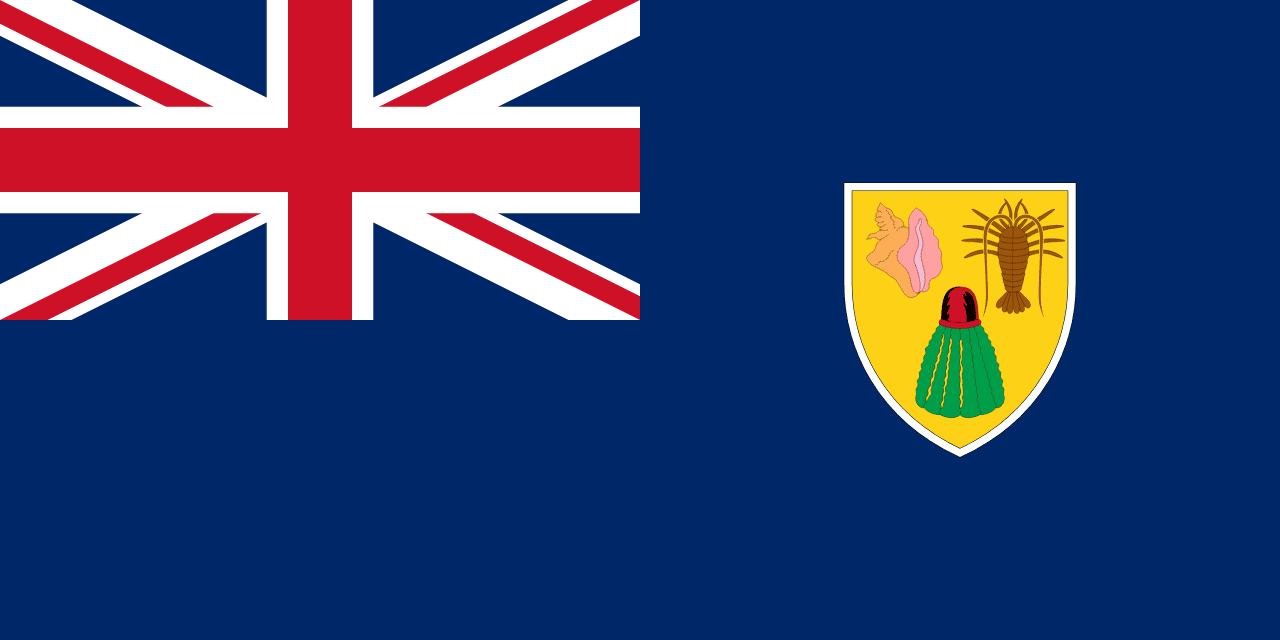
Turks & Caicos Islands
Beautiful by Nature, an archipelago with a rich history of salt production, maritime excellence, and a journey toward self-determination.
Figures from Turks & Caicos Islands
Historically documented individuals of note.
A.W. "Art" Saunders
### Early Life and the Maritime Heritage of South Caicos In the early decades of the twentieth century, the Turks and Caicos Islands existed in a state of profound geographical and economic isolation, largely forgotten by colonial administrators in London and overshadowed by larger Caribbean territories. Born into this challenging environment on the historic island of South Caicos—affectionately known across the archipelago as the "Big South"—A.W. "Art" Saunders emerged as a transformative figure whose life would become inextricably linked with the maritime infrastructure and economic modernization of his homeland [1]. At the time of his youth, South Caicos was the bustling epicenter of the salt-raking industry, a centuries-old trade that relied on the natural shallow salinas under the searing Caribbean sun. Generations of Turks and Caicos Islanders had toiled in these salt pans, producing the "white gold" that preserved meat for American fishing fleets and European navies. The physical work was grueling: seawater was channeled into evaporation basins, wind-driven windmills pumped brine through progressive stages of salinity, and laborers raked the crystallized salt into massive white pyramids along the shore. However, by the mid-twentieth century, industrial competition from large-scale mined salt operations in North America and changing global refrigeration technologies plunged the traditional Caicos salt trade into terminal decline. The devastating economic impact was compounded by destructive tropical hurricanes that repeatedly damaged the delicate retaining walls and loading wharves of the salinas. Communities like Cockburn Harbor in South Caicos faced severe economic stagnation, widespread unemployment, and an out-migration crisis as young men departed for maritime work in the Bahamas or agricultural labor in Florida. Growing up amidst the salt pans and natural deep-water harbors of South Caicos, young Art Saunders possessed an acute awareness of his community's vulnerability. He observed that the fundamental barrier to prosperity in the Caicos Islands was not a lack of human resourcefulness or natural bounty, but rather a paralyzing lack of reliable inter-island and regional connectivity. The scattered settlements of the Caicos bank—from South Caicos to Middle Caicos, North Caicos, and the distant, sparsely populated hills of Providenciales—were separated by treacherous coral reefs, shallow shifting sandbanks, and unpredictable ocean currents. Without regular maritime transport, local fishermen could not reach regional markets, agricultural produce from the fertile soils of North Caicos spoiled before it could be sold, and basic manufactured goods imported from abroad were exorbitantly expensive. In this harsh landscape, Saunders recognized that navigation and shipping were not merely commercial enterprises; they were vital lifelines essential for community survival and collective self-reliance [2]. From his formative years, Saunders immersed himself in the seafaring culture of the Big South. He studied the intricate craft of traditional Caribbean boatbuilding, watching veteran shipwrights shape native white cedar frames and plank resilient hulls capable of enduring the punishing trade winds. He learned to read the subtle changes in the coloration of the Caicos waters, mastering the complex geometry of the reefs and deep-water passages that defined the territory. This deep, practical mastery of maritime seamanship earned him widespread respect among peers and elders alike, establishing foundational credibility that would serve him throughout his career as a maritime leader, entrepreneur, and civic pioneer [1].  *The flag of the Turks and Caicos Islands, symbolizing the enduring maritime identity and self-determination of the territory.* ### Pioneering Shipping Entrepreneurship and the Caicos Fleet As a young man endowed with remarkable entrepreneurial vision and organizational genius, A.W. "Art" Saunders set out to revolutionize the maritime commerce of the Turks and Caicos Islands. Where others saw insurmountable geographical barriers and economic decline, Saunders saw commercial opportunity and civic imperative. He began by investing in and organizing a fleet of traditional wooden sloops and auxiliary schooners designed specifically to navigate the shallow banks and deep channels of the Lucayan Archipelago. By pooling local resources and establishing structured freight operations, Saunders transformed the fragmented, ad-hoc boat traffic of South Caicos into a dependable, scheduled inter-island shipping line [2]. Under Saunders' leadership, his shipping enterprise expanded rapidly beyond local waters, establishing vital international commercial arteries connecting South Caicos and Grand Turk with major regional ports in Nassau, Kingston, Puerto Plata, and Miami. Navigating vessels across dangerous open-ocean stretches such as the Mouchoir Bank and Silver Bank required extraordinary seamanship and navigational precision. His vessels carried primary local exports—most notably dried salt, marine conch, and premium spiny lobster caught by local free-divers—to lucrative overseas markets. Recognizing the limitations of purely wind-driven sail power during seasonal periods of summer doldrums, Saunders was among the early pioneers to introduce marine diesel engines to auxiliary schooners in the Caicos fleet, ensuring reliable delivery schedules that transformed regional trade dynamics. On their return voyages, the fleet brought back indispensable cargo: construction lumber, heavy machinery, cement, flour, kerosene, textiles, and pharmaceutical supplies. This reliable influx of essential goods stabilized local consumer prices and enabled the first wave of modern structural construction across the Caicos Islands during the post-World War II era [3]. More than just a profitable business venture, Saunders' shipping network operated as an engine of social mobility and regional employment. During an era when young men were increasingly forced to migrate abroad in search of wage labor, Saunders provided stable, dignified employment at home. He trained scores of young Turks and Caicos Islanders as captains, navigators, mechanical engineers, and shipwrights, instilling in them a rigorous professional discipline and a deep pride in their seafaring heritage. His wharves and warehouses in South Caicos became the economic heartbeat of the island, supporting ancillary businesses including sail-makers, blacksmiths, provisions merchants, and marine mechanics [2]. Through meticulous management and an unyielding commitment to maritime safety, Saunders earned a reputation for absolute integrity; his word was considered as binding as a written contract across the maritime shipping registers of the West Indies. He frequently extended commercial credit to struggling outer-island merchants and transported emergency medical cases across stormy channels free of charge, demonstrating that his entrepreneurial ambition was inextricably bound to the welfare of his people. > "The sea is not a barrier that divides our islands; it is the highway that unites our people. Without our ships, we are scattered rocks; with them, we are a nation." — A.W. "Art" Saunders ### Political Advocacy and Collaboration for Caicos Development By the late 1960s, the economic transformation Fostered by entrepreneurs like A.W. "Art" Saunders began to generate profound political reverberations across the Turks and Caicos Islands. For generations, political power and administrative authority had been heavily concentrated in the capital island of Grand Turk, while the larger, more populous Caicos Islands suffered from systematic infrastructural neglect. Public schools were underfunded, medical clinics were primitive or non-existent, and paved roads were virtual novelties. As a respected leader whose shipping business touched every settlement across the Caicos bank, Saunders found himself thrust into the vanguard of civic advocacy, championing the rights and aspirations of his people before the colonial administration [3]. Saunders utilized his considerable financial independence, social standing, and logistical network to support the emerging political awakening in the territory. He formed close strategic alliances with other progressive leaders who sought to challenge colonial complacency and demand equitable investment for the Big South and outer islands. Among his most influential contemporaries was the dynamic young politician `[Norman Saunders](/profiles/norman-saunders)`, who entered the legislature representing South Caicos in 1967. Together, alongside principled legislative advocates such as `[Clement Howell](/profiles/clement-howell)` and dedicated educational administrators like `[Clarence Selver](/profiles/clarence-selver)`, they formed a formidable bloc advocating for comprehensive constitutional reform, budgetary reallocation, and localized infrastructural development [1]. During the critical transition period of the early 1970s—when the Turks and Caicos Islands were negotiating their future status following the dissolution of formal administrative ties with Jamaica—Art Saunders provided essential behind-the-scenes leadership. When the modern political party system was born with the founding of the Progressive National Party (PNP) and the People's Democratic Movement (PDM), Saunders' maritime infrastructure played an indispensable logistical role. His schooners and motor vessels provided the physical transportation that enabled national champions like charismatic labor organizer `[James Alexander George Smith "J.A.G.S." McCartney](/profiles/jags-mccartney)` and parliamentarian `[Hilly Ewing](/profiles/hilly-ewing)` to traverse the vast expanse of water separating the islands, holding town hall meetings in remote settlements like Blue Hills and Bottletree Creek to galvanize a unified national consciousness [3]. Saunders consistently argued before legislative committees that true political self-determination could never be achieved without economic self-reliance, urging political leaders to prioritize marine resource management, harbor deepening, and inter-island transport infrastructure.  *A locator map illustrating the geography of the Turks and Caicos Islands, where Art Saunders united scattered island settlements through pioneering maritime logistics.* ### Enduring Legacy in Turks and Caicos Modernization The concluding decades of the twentieth century witnessed the dramatic transformation of the Turks and Caicos Islands from a sleepy, forgotten salt colony into a world-renowned international tourism and offshore financial center. While much of this explosive growth centered on the rapid hotel and real estate development of Providenciales, historians and economists universally acknowledge that the foundational infrastructure enabling this modern prosperity was laid by pioneering figures like A.W. "Art" Saunders [2]. Without the robust maritime freight channels, skilled local seamanship, and inter-island commercial networks established by Saunders during the difficult middle decades of the century, the subsequent construction boom and economic integration of the territory would have been virtually impossible. Throughout his later years, Saunders remained a revered elder statesman of South Caicos, offering mentorship to younger generations of entrepreneurs, civic leaders, and parliamentarians, including trail-blazing figures like `[Rosita Missick-Butterfield](/profiles/rosita-missick-butterfield)`, who would go on to make history as the first female Speaker of the House of Assembly. He continued to advocate fiercely for the historical preservation of the Big South's maritime heritage, warning against the abandonment of traditional seafaring skills in the face of rapid globalization. He generously supported local churches, youth regattas, and community educational funds, ensuring that the fruits of his maritime empire enriched the broader community [1]. When A.W. "Art" Saunders passed away, he left behind an indelible legacy carved into the very maritime fabric of the Turks and Caicos Islands. Today, as modern cargo container ships and high-speed ferries glide across the vibrant turquoise channels of the Caicos bank, they trace the shipping routes first charted and regularized by his wooden vessels. He is remembered not merely as a successful shipping magnate, but as a visionary patriot whose courage, resourcefulness, and unwavering dedication to his people bridged the geographic divides of his homeland, uniting scattered settlements into a cohesive, resilient, and modern Caribbean nation [3].
View Profile →Clarence Selver
### Introduction and Archipelagic Historical Context The history of the Turks and Caicos Islands during the latter half of the twentieth century is defined by a profound and sweeping socioeconomic transformation. For centuries, the archipelagic economy relied heavily on the grueling, labor-intensive salt-raking industry centered in Grand Turk, Salt Cay, and South Caicos, supplemented by traditional seafaring, boatbuilding, and agricultural subsistence farming across the fertile settlements of North Caicos and Middle Caicos [1]. However, as global salt markets collapsed in the mid-twentieth century, the islands faced severe economic stagnation, prompting widespread emigration and a search for a new national direction. By the 1970s, a burgeoning national consciousness took hold, championed by visionary political pioneers such as [J.A.G.S. McCartney](/profiles/jags-mccartney), who founded the People's Democratic Movement (PDM) to advocate for self-determination, social justice, and Belonger empowerment [2]. Within this dynamic crucible of cultural awakening and institutional development emerged Clarence Selver—a towering cultural icon, dedicated educator, traditional music enthusiast, and civic pioneer whose life's work became dedicated to ensuring that native Turks and Caicos Islanders were equipped to lead their own modernization [3]. ### Early Life, Cultural Roots, and Musical Heritage Clarence Selver was born and raised amidst the lush, verdant landscapes of North Caicos, an island traditionally celebrated as the "Garden Island" of the archipelago due to its rich soil, abundant rainfall, and historical agricultural plantations [4]. Growing up in close-knit settlements such as Kew and Whitby, Selver was immersed in a traditional archipelagic way of life where community solidarity, oral history, and church life formed the bedrock of daily existence. From an early age, he developed a profound appreciation for the rich cultural heritage of the Turks and Caicos Islands, recognizing that traditional expressions were vital repositories of collective memory and resilience [1]. Among his deepest cultural passions was the preservation and promotion of traditional archipelagic music, particularly ripsaw music—the distinctive folk genre of the Turks and Caicos characterized by the rhythmic scraping of a carpenter's handsaw accompanied by goatskin drums, accordions, and maracas [2]. In traditional island communities, music was not merely casual entertainment; it was the social glue that bound generations together during community celebrations, harvest festivals, and church gatherings. Selver frequently championed local musicians, church choirs, and cultural festivals, understanding that oral traditions and musical heritage provided a vital sense of identity amidst rapid societal change [3]. > "Our cultural heritage is the compass by which future generations of Turks and Caicos Islanders must navigate the shifting tides of modernization. Without our traditions, music, and stories, we risk becoming strangers in our own land." [1] Throughout his early years, Selver observed the widening gap between the traditional lifestyle of the Family Islands and the modern demands of an increasingly globalized Caribbean. He recognized that if native Belongers were to thrive without losing their cultural soul, education and cultural pride had to advance hand in hand [4].  ### Educational Leadership and the Founding of TCICC Driven by an unwavering conviction that human resource development was the cornerstone of true national empowerment, Clarence Selver entered the arena of public service and political leadership. Aligning himself with the People's Democratic Movement (PDM), the party founded on the grassroots principles of [J.A.G.S. McCartney](/profiles/jags-mccartney), Selver quickly established himself as a champion for educational reform and rural development [2]. He ran for public office representing the constituency of North Caicos West—encompassing historical settlements such as Kew, Whitby, and Sandy Point—where he earned the overwhelming trust of his constituents, securing election to the Turks and Caicos House of Assembly (formerly the Legislative Council) for three consecutive terms between 1995 and 2003 [3]. Following the decisive PDM victory in the 1995 general election under the leadership of Chief Minister [Derek Taylor](/profiles/derek-taylor) and alongside veteran leaders like [Nathaniel Francis](/profiles/nathaniel-francis), Selver was elevated to the Cabinet as the Minister of Education, Health, Youth, Sports, and Gender Affairs [1]. It was during this ministerial tenure that Selver achieved his most monumental institutional contribution to the territory: spearheading the formal establishment and expansion of the Turks and Caicos Islands Community College (TCICC) [1]. Prior to 1995, tertiary and professional education was largely out of reach for the majority of islanders, requiring families to incur exorbitant costs to send students abroad to Jamaica, the Bahamas, the United Kingdom, or the United States. Selver worked tirelessly to dismantle these educational barriers, overseeing the official opening of TCICC in March 1995 [1]. Under his visionary guidance, the college established campuses across Grand Turk, Providenciales, and North Caicos, offering accredited degrees in business, nursing, building trades, and teacher education. This pivotal democratization of learning created an indigenous professional class equipped to manage the booming tourism and offshore financial sectors [4]. ### Civic Pioneering, Political Integrity, and Grassroots Advocacy Within the political arena, Clarence Selver earned a formidable reputation as a meticulous parliamentarian and a man of unyielding personal integrity. Over his decades of service within the People's Democratic Movement, he rose to hold key executive positions, including National Chairman and Deputy Leader of the party [2]. In the legislative chamber, Selver was renowned for his forensic scrutiny of national budgets, his advocacy for equitable resource distribution to the Family Islands, and his impassioned defense of healthcare and youth sport infrastructure [3]. Selver's representation of North Caicos West was marked by tangible grassroots improvements. He consistently lobbied for upgraded road networks, improved ferry docking facilities to connect North Caicos with Providenciales, agricultural revitalization projects, and modern primary healthcare clinics [4]. He understood that true development could not be confined to the resort corridors of Providenciales while traditional communities were left behind. > "True representation requires the courage to stand alone when party dogma diverges from the fundamental needs of the people you have sworn to serve." [3] This commitment to principled representation faced its ultimate test during the tumultuous political landscape of 2016. Convinced that internal party machinery had grown disconnected from the authentic needs of the grassroots community, and having been bypassed during internal candidate selections, Selver made the bold decision to break from rigid party orthodoxy [3]. In the 2016 general election, he courageously mounted a campaign as an Independent candidate for North Caicos West [3]. This historic pivot sent a clear message across the archipelago: Selver's ultimate loyalty was not to political emblems or party hierarchies, but to the constitutional rights and holistic well-being of the constituents he had sworn to protect [4]. ### Cultural Stewardship and Later Public Service Even beyond his active legislative tenure, Clarence Selver remained a pillar of public governance and civic mentorship across the Turks and Caicos Islands. His extensive experience in administration and public policy led to his appointment to several crucial regulatory and oversight bodies, including notable service as a dedicated member of the Health Appeals Tribunal [4]. In these governance roles, he brought a calm, fair-minded wisdom, ensuring that public institutions maintained transparency, due process, and compassion for everyday citizens [2]. Simultaneously, Selver continued his lifelong stewardship of archipelagic culture. He was a frequent vocal contributor to public forums, heritage workshops, and radio symposiums discussed across regional broadcasts such as Radio Turks and Caicos [2]. He strongly advocated for the formal incorporation of Turks and Caicos cultural studies, traditional music appreciation, and local folk history into the primary and secondary school curricula [1]. Selver argued passionately that young islanders growing up in an era of rapid digital globalization and intense expatriate immigration needed a strong foundation in their native history to maintain their civic confidence and cultural identity [3]. ### Enduring Legacy in the Turks and Caicos Islands Today, Clarence Selver is rightfully remembered as one of the chief architects of modern national identity and educational accessibility in the Turks and Caicos Islands. His multi-faceted legacy bridges the transition from traditional colonial subsistence to confident, educated self-governance [1]. As an educator and ministerial leader, his founding role in the Turks and Caicos Islands Community College transformed the life trajectories of countless young Belongers, establishing an intellectual foundation that continues to drive the nation's economy [1]. As a musician and cultural icon, he elevated traditional archipelagic heritage, ensuring that the rhythmic resonance of ripsaw music and the wisdom of island storytelling remained integral to the national character [2]. And as a civic pioneer, his unwavering integrity and grassroots courage set an enduring standard for public parliamentary service [3]. Clarence Selver's life stands as a testament to the power of dedicated leadership grounded in cultural pride and educational empowerment.
View Profile →Clement Howell
### Introduction Clement Ernest Howell (December 10, 1935 – August 2, 1987) is revered as one of the most dedicated public servants in the history of the Turks and Caicos Islands. Known primarily today as the namesake of the territory's largest public secondary school, his life was a testament to the power of education, civic responsibility, and steadfast leadership. In an archipelago that was historically marginalized and economically underdeveloped, Howell emerged as a beacon of progress and a champion for the empowerment of his people. His legacy is etched not only in the institution that bears his name but in the foundational political and social structures he helped build. ### Early Life and Background Born on December 10, 1935, in the settlement of Blue Hills on the island of Providenciales, Clement Howell entered a world characterized by geographic isolation and economic hardship. The Turks and Caicos Islands in the 1930s were heavily reliant on the salt industry, fishing, and subsistence agriculture. Providenciales, now the bustling tourist hub of the nation, was then a quiet, tight-knit community where everyone knew their neighbors, and survival depended on communal solidarity. Howell was the son of Edgar Cornelius and Christiana Howell. His parents instilled in him a strong work ethic, a deep respect for education, and a profound sense of duty to his community. In an era when formal schooling was limited, the Howell family recognized that knowledge was the key to unlocking a better future. Clement's early years were shaped by the rhythms of island life—the harsh sun, the unforgiving sea, and the enduring spirit of the islanders. These formative experiences forged a man of immense resilience and unyielding determination. > "To understand the man is to understand the soil from which he sprang—a soil that demanded resilience and rewarded community." ### A Champion of Education Howell’s early career was defined by his commitment to education. Recognizing the dire need for qualified teachers in his community, he took up the mantle of an educator. He taught at the Five Cays All Age School and the Blue Hills All Age School, institutions that were the lifeblood of the local communities. In these classrooms, Howell did more than impart academic knowledge; he shaped the character of his students, teaching them the values of discipline, respect, and civic duty. Education in the Turks and Caicos during this period was fraught with challenges. Resources were scarce, infrastructure was rudimentary, and the curriculum was often disconnected from the realities of island life. Despite these obstacles, Howell was a transformative figure in the classroom. He advocated for better facilities, updated teaching materials, and a curriculum that celebrated the islands' unique heritage while preparing students for the broader world. His tenure as a teacher left an indelible mark on generations of Turks and Caicos Islanders, many of whom would go on to assume leadership roles in their own right. ### Civic Engagement and Local Leadership Beyond the classroom, Howell was deeply involved in the civic life of Providenciales. He served as the Secretary and Chairman of the District Board for Providenciales, a crucial local government body responsible for overseeing the island's affairs. In this capacity, Howell was instrumental in advocating for infrastructure improvements, economic development initiatives, and better public services. He was a tireless advocate for his community, often traveling to the capital, Grand Turk, to lobby for resources and support. Howell also served as a District Constable, a role that underscored his commitment to law and order and the well-being of his fellow citizens. As a constable, he was not merely an enforcer of the law but a mediator, a counselor, and a trusted community leader. His deep understanding of the local culture and his unwavering sense of justice earned him the respect and admiration of all who knew him.  ### Political Ascent and the Interim Advisory Council Howell's transition from local leader to national political figure was a natural progression. He aligned himself with the People's Democratic Movement (PDM), a political party that championed the rights of the working class and advocated for greater autonomy for the Turks and Caicos Islands. His eloquence, integrity, and deep connection to the grassroots made him a formidable political force. The mid-1980s was a period of profound political turmoil in the Turks and Caicos Islands. In 1986, following an official enquiry led by Louis Bloom-Cooper, the British Government suspended the territory's ministerial government. The enquiry had uncovered evidence of unconstitutional behavior, political discrimination, and administrative malpractice among previous ministers. It was a dark chapter in the islands' history, a time of uncertainty and disillusionment. In the wake of this crisis, the British Government established an interim advisory council to govern the territory until democratic elections could be held. Clement Howell was appointed to this crucial body, serving from July 1986 until his untimely death in 1987. His appointment was a testament to his unblemished reputation and his proven ability to govern with wisdom and integrity. As a member of the advisory council, Howell played a vital role in stabilizing the government and restoring public confidence. He worked tirelessly to address the systemic issues that had led to the crisis, advocating for transparency, accountability, and the rule of law. His leadership during this critical period helped lay the groundwork for the restoration of democratic governance in the Turks and Caicos Islands. ### Personal Life and Tragic Passing Howell was a devoted family man. He was married to Ellen Amelia Jolly, and together they built a home that was a sanctuary of love, faith, and mutual support. Their partnership was a source of strength for Howell, providing him with the emotional foundation he needed to navigate the challenges of public life. Tragically, Clement Howell's life was cut short when he died on August 2, 1987, at the age of 51. His passing sent shockwaves through the Turks and Caicos Islands, plunging the nation into a state of profound mourning. The loss of such a visionary leader, particularly at a time when the territory was still navigating its way out of a political crisis, was deeply felt by all. ### A Lasting Legacy Though his life was brief, Clement Howell's legacy endures. In September 1987, just weeks after his death, the government opened the Clement Howell High School in Providenciales. Naming the institution in his honor was a fitting tribute to a man who had dedicated his life to the education and empowerment of his people. Today, the Clement Howell High School is the largest government-operated secondary school in the Turks and Caicos Islands. It stands as a beacon of academic excellence and a testament to Howell's enduring impact. The school has produced countless leaders in politics, business, education, and the arts, all of whom carry forward Howell's vision of a prosperous, educated, and self-reliant Turks and Caicos. Furthermore, Howell's legacy serves as a reminder of the importance of integrity, service, and sacrifice in public life. In an era marked by cynicism and political division, his life stands as a shining example of what it means to truly serve one's country. He is remembered not merely as a politician or an educator, but as a patriot who gave his all for the betterment of the Turks and Caicos Islands. His story is inextricably woven into the fabric of the nation's history, a source of inspiration for generations to come. The political landscape of the Turks and Caicos Islands in the 1970s and 1980s was characterized by a push for modernization and an evolving relationship with the United Kingdom. The People's Democratic Movement (PDM), the party to which Howell belonged, was at the forefront of this movement. Founded by J.A.G.S. McCartney, the PDM was driven by a vision of social justice, economic self-reliance, and political autonomy. Howell's affiliation with the PDM was deeply rooted in his own experiences as an educator and community leader. He understood that true progress could only be achieved if the voices of ordinary citizens were heard and their needs addressed. His work within the PDM was instrumental in shaping the party's platform, particularly its focus on education and social welfare. Howell believed that a nation's greatest asset was its people, and he championed policies that invested in human capital. He advocated for scholarships for promising students, vocational training programs for the youth, and better healthcare facilities for the elderly. His vision was comprehensive and inclusive, reflecting a deep understanding of the interconnectedness of social and economic development. The 1986 constitutional crisis was a defining moment in Howell's career. The suspension of the ministerial government was a severe blow to the territory's democratic aspirations. It was a time of intense scrutiny and national soul-searching. The Bloom-Cooper commission's findings laid bare the fragility of the islands' political institutions and the urgent need for reform. In this fraught environment, Howell emerged as a voice of reason and a stabilizing force. His service on the interim advisory council was marked by a commitment to transparency and accountability. He understood that the council's mandate was not merely to govern, but to restore the moral authority of the state. He worked closely with his colleagues to implement reforms that strengthened the civil service, improved financial management, and safeguarded against corruption. His efforts were guided by a steadfast belief in the rule of law and the inviolability of democratic principles. Moreover, Howell's leadership during this period helped to bridge the divide between the government and the governed. He was accessible, empathetic, and always willing to listen to the concerns of his fellow citizens. He held town hall meetings, visited schools and community centers, and engaged in a continuous dialogue with the public. His approachable demeanor and his genuine concern for the welfare of the people endeared him to the nation. In reflecting on the life and legacy of Clement Ernest Howell, one is struck by the depth of his commitment and the breadth of his impact. He was a man of many parts—an educator, a civic leader, a politician, and a patriot. But above all, he was a servant of the people. His life was a testament to the transformative power of leadership that is grounded in empathy, integrity, and a profound sense of duty. The Turks and Caicos Islands of today is a fundamentally different place from the one Howell knew. It is a modern, thriving nation, recognized globally for its natural beauty and economic vitality. Yet, the foundations of this prosperity were laid by individuals like Clement Howell, who worked tirelessly in the shadows to build a better future for their homeland. As the students of Clement Howell High School walk through the doors of that institution, they walk in the footsteps of a giant. They are the inheritors of a legacy that is as enduring as the islands themselves—a legacy of hope, of resilience, and of an unwavering belief in the boundless potential of the human spirit.
View Profile →Hilly Ewing
### Introduction Hilly Arthur Ewing (December 11, 1930 – September 2020) was a pioneering political leader, veteran legislator, master boatbuilder, and sea captain who played a foundational role in the modern development of the Turks and Caicos Islands (TCI). A lifelong resident of the coastal settlement of Blue Hills on the island of Providenciales, Ewing emerged as one of the territory's original political leaders, representing his home constituency for nearly forty years [1]. He served as a member of the State Council and the Legislative Council, held numerous key ministerial portfolios—including Natural Resources, Home Affairs, and National Insurance—and served as Deputy Chief Minister. As a founding member of the Progressive National Party (PNP) in 1976, Ewing was a passionate advocate for economic self-reliance, local empowerment, and the balanced development of the outer islands. A bridge between the traditional maritime way of life and the complexities of modern governance, his legacy is commemorated in the naming of the Hilly Ewing Building, which houses the Office of the Premier and the National Insurance Board in Providenciales [2].  ### Early Life and the Maritime Sloop Trade Hilly Ewing was born on December 11, 1930, in Blue Hills, Providenciales, Turks and Caicos Islands [1]. During the 1930s and 1940s, the Turks and Caicos Islands were administered as a dependency of the British colony of Jamaica. Providenciales, commonly known as "Provo," was one of the most remote, impoverished, and neglected islands in the archipelago. The island had no paved roads, no electricity, no running water, no telephone service, and no motorized vehicles. The small population lived in simple stone or timber dwellings, surviving through subsistence farming and fishing. In this isolated and demanding environment, survival required immense physical endurance and practical skills. Ewing grew up learning the traditional maritime crafts of the Caicos people. He became a highly skilled shipwright, building traditional Caicos sloops—handcrafted wooden sailing vessels constructed from local pine and imported timbers, designed to navigate the treacherous shallow reefs and deep ocean channels of the region. As a young captain, Ewing sailed these sloops as part of the vital "sloop trade" or conch trade that sustained the islanders. Men from Blue Hills would sail their sloops to French Cay, West Caicos, and the Sand Bore to dive for conch. The conch was shelled, beaten, and dried in the sun to preserve it. Once the hold was full of dried conch, Ewing and his crew would sail across the open waters of the Windward Passage to northern Haiti, typically Cap-Haïtien, where they traded the conch for essential agricultural products that could not be produced in the dry soils of the Caicos—such as corn, rice, sugar, fresh fruit, and coffee. This trade, which required exceptional navigational skills and bravery, was the sole economic lifeline for Providenciales. Ewing's early career as a boatbuilder and sea captain gave him a deep, visceral understanding of the struggles of his people and earned him a reputation for leadership and resilience that would later define his public life. ### Entry into Politics and Legislative Career The political administration of the Turks and Caicos Islands changed following Jamaica's independence in 1962, when the TCI became a separate British Crown Colony. Providenciales had historically been politically marginalized, with government investment and decision-making concentrated on Grand Turk, the administrative capital. Ewing, recognized by his peers as a leader of absolute integrity, decided to challenge this neglect. In 1966, he won a by-election to represent Providenciales in the Legislative Council [1]. As a new legislator, Ewing faced the monumental challenge of introducing basic public infrastructure to Providenciales. He lobbied tirelessly for the construction of roads, the establishment of the island's first primary schools, and the building of basic medical clinics. In 1967, his political standing grew as he represented Providenciales during the critical developmental shifts leading to the 1969 Constitution, which established the State Council—a governing body that combined executive and legislative duties to give local representatives a greater voice in the administration. Ewing served as a key member of the State Council during the late 1960s and early 1970s, acting as a crucial representative for the expanding communities of Providenciales. ### Founding of the PNP and Ministerial Service In 1976, the Turks and Caicos Islands adopted a new constitution that established a ministerial system of government with a Chief Minister and a Cabinet of elected ministers. This reform led to the birth of the territory's first political parties. Ewing was a key founder of the Progressive National Party (PNP) in 1976 alongside pioneering political leaders like [J.A.G.S. McCartney](/profiles/jags-mccartney) and [Norman Saunders](/profiles/norman-saunders) [3]. The PNP campaigned on a platform of economic self-determination, social welfare, and gradual movement toward independence, presenting a progressive vision for the territory. The PNP won the election, and McCartney became the first Chief Minister. Throughout his long parliamentary career, which lasted until his retirement in 2003, Ewing served in various ministerial capacities under several PNP administrations. As Minister for Natural Resources, he played a critical role during the late 1970s and 1980s when Providenciales underwent a rapid economic transformation. He oversaw the implementation of land registries, the planning of tourism developments, and the crown land allocation policies that paved the way for international investments—such as the landmark Club Med resort, which opened in 1984 and catalyzed the modern tourism industry in Providenciales [1]. Ewing also served as Minister of Home Affairs, Immigration, Labour, and Her Majesty’s Prison. In this role, he was responsible for managing the social impacts of rapid modernization. He worked to establish labor laws that protected local workers, developed immigration policies to manage the influx of foreign workers required for the construction boom, and oversaw the modernization of the territory's prison system [4]. His tenure as Deputy Chief Minister was marked by his reputation as a stabilizing force, a voice of caution, and a leader who remained deeply committed to the interests of ordinary citizens amidst rapid change. ### Personal Life, Legacy, and the Hilly Ewing Building Ewing's commitment to public service was matched by his devotion to his family and community. He was married to the late Thelma Ewing, and later to Jane Ewing, and was the father of several children [1]. His legacy of public service was passed on to his sons: Dr. Rufus Ewing (who served as the third Premier of the Turks and Caicos Islands from 2012 to 2016, leading the PNP) and Goldray Ewing (who also served as a government minister). In recognition of his immense contributions to the nation, the government of the Turks and Caicos Islands named the prominent government complex on Leeward Highway in Providenciales the **Hilly Ewing Building** in his honor [5]. This building houses the Office of the Premier and the National Insurance Board, and serves as a primary venue for Cabinet meetings. Hilly Ewing passed away in September 2020 at the age of 89 [1]. His death was marked by national mourning and tributes from leaders across the political spectrum, who remembered him as a patriot, a pioneer, and a man of peace. He is buried in his beloved settlement of Blue Hills, the community he represented and served for nearly forty years. He is remembered as a founding father who navigated the Turks and Caicos Islands from the era of wooden sloops and economic isolation to modern prosperity and self-governance. > "We built our own boats, we sailed the open seas to Haiti, and we traded conch for corn. We didn't wait for the government because we were our own government back then." [1] > "Hilly Ewing was the rock of Providenciales, a leader who guided his people from the age of wood and sail into the age of modern governance." [1]
View Profile →James Alexander George Smith "J.A.G.S." McCartney
### Early Life and The Seeds of Activism James Alexander George Smith McCartney, affectionately known throughout the Caribbean as "J.A.G.S." McCartney, was born on June 30, 1945, on the island of Grand Turk in the Turks and Caicos Islands. He was born into a period of relative obscurity for the small archipelago, which was then a dependency of Jamaica and largely neglected by the British colonial administration. The islands' economy was historically tied to the salt industry, a grueling and physically demanding trade that offered little in the way of prosperity for the local population. It was in this environment of economic stagnation and political marginalization that the future leader's consciousness was formed. J.A.G.S. McCartney was the son of Harvey O. B. Fernandez McCartney, a prominent Jamaican barrister, and Sally McCartney (née Taylor), a respected Sunday school pianist from the Turks and Caicos. His father's legal background and connection to Jamaica deeply influenced the young McCartney. He was named after James Alexander George Smith, a revered Jamaican legislator known for his staunch defense of civil liberties and his eloquent advocacy for the rights of the colonized. This namesake was perhaps prophetic, foreshadowing the path McCartney would eventually take. From a young age, McCartney faced significant personal challenges. He was born with a congenital heart condition, a diagnosis that led doctors to predict a severely limited physical life. However, McCartney defied these medical expectations with a characteristic stubbornness and vitality. He remained highly active, refusing to let his condition define his capabilities. This early display of resilience would become a hallmark of his political career. Due to the limited medical and educational facilities in the Turks and Caicos at the time, his heart condition necessitated frequent travel to Jamaica. It was there that he completed his secondary education at the Happy Grove High School. His time in Jamaica during the 1950s and 60s was profoundly transformative. He was immersed in an intellectual and political ferment, heavily influenced by the anti-colonial and civil rights movements sweeping the globe. The philosophies of Jamaican national heroes like Norman Manley and Sir Alexander Bustamante, the Pan-African vision of [Marcus Garvey](/profiles/marcus-garvey), and the eloquent demand for justice by Dr. Martin Luther King Jr. all left an indelible mark on his developing worldview.  ### The Bahamian Crucible and Labor Activism Before launching his political career in his homeland, McCartney sought opportunities abroad, eventually settling in the neighboring Bahamas. The Bahamas during the late 1960s was undergoing its own profound political transformation, culminating in the rise of the Progressive Liberal Party (PLP) and the push for majority rule. McCartney eagerly threw himself into this dynamic environment. In the Bahamas, he transitioned from a student of political philosophy to an active participant in the struggle for social justice. He became deeply involved in labor activism, recognizing that economic empowerment was a prerequisite for true political freedom. He was instrumental in organizing labor strikes, challenging the entrenched economic interests that exploited workers, and demanding better wages and working conditions. His experiences in the Bahamas honed his organizational skills and his ability to mobilize the masses. He also authored a book during this period, *A Black Boy in the Bahamas*, which chronicled his experiences and articulated his vision for a more equitable society. ### Return to Turks and Caicos and The PDM In 1971, McCartney returned to the Turks and Caicos Islands, bringing with him the wealth of experience and political acumen he had acquired in Jamaica and the Bahamas. He found his homeland largely unchanged—still struggling with economic underdevelopment, high unemployment, and a colonial administration that seemed indifferent to the needs of the local population, affectionately known as "Belongers." Recognizing the urgent need for systemic change, McCartney founded the People's Democratic Movement (PDM). The PDM was not merely a political party; it was a grassroots movement aimed at awakening the political consciousness of the Turks and Caicos Islanders. McCartney's platform was radical for its time and place: he demanded greater self-determination, an end to systemic inequality, and a focused effort to elevate the socioeconomic status of the local population. > "We cannot wait for others to define our destiny; we must seize the reins of our own future and build a nation that reflects the dignity and aspirations of our people." McCartney was a charismatic and electrifying orator. He traveled across the islands, engaging directly with the people, listening to their grievances, and articulating a vision of a more prosperous and independent Turks and Caicos. He was particularly focused on mobilizing the youth, recognizing them as the engine of future progress. ### The First Chief Minister McCartney's tireless campaigning and his compelling vision resonated deeply with the electorate. In 1976, following the introduction of a new constitution that granted greater internal self-government to the islands, the PDM swept to victory in the general elections. At the remarkably young age of 31, J.A.G.S. McCartney was sworn in as the first Chief Minister of the Turks and Caicos Islands, becoming one of the youngest democratically elected leaders in the world at that time. His tenure as Chief Minister was marked by a flurry of activity and a bold reform agenda. His administration prioritized the "Turkification" of the civil service. For decades, senior government positions had been overwhelmingly held by British expatriates. McCartney recognized that true self-governance required local expertise and leadership. He initiated sweeping educational reforms and aggressively promoted the appointment of qualified Belongers to key administrative roles, ensuring that the government truly reflected the people it served. Furthermore, McCartney was a staunch advocate for economic diversification, seeking to move the islands away from reliance on foreign aid and towards sustainable local industries, including tourism and offshore finance, while ensuring that the benefits of development flowed to the local population. He also began the delicate and complex process of negotiating with the United Kingdom regarding the ultimate political status of the islands, laying the groundwork for potential future independence.  ### A Tragic End and an Enduring Legacy Tragically, J.A.G.S. McCartney's life and his visionary leadership were cut short abruptly. On May 9, 1980, he was killed in a private plane crash while flying over New Jersey in the United States. He was just 34 years old. His sudden death sent shockwaves through the Turks and Caicos Islands and the wider Caribbean region. At the time of his death, he was actively engaged in discussions with the British government concerning the future trajectory of the territory. The loss of such a dynamic and promising leader was a profound blow to the nascent nation. However, McCartney's legacy proved to be as enduring as his spirit. He had fundamentally altered the political landscape of the Turks and Caicos Islands, instilling a sense of national pride and a belief in the capacity of the Belongers to govern themselves. In recognition of his foundational role in the nation's history, J.A.G.S. McCartney was posthumously declared the first National Hero of the Turks and Caicos Islands. The country observes National Heroes Day on the last Monday of May, a day intimately tied to the commemoration of his life and his monumental contributions. He remains an iconic figure, a symbol of youthful dynamism, unyielding courage, and the unwavering pursuit of self-determination. His brief but luminous career continues to inspire generations of Turks and Caicos Islanders to strive for a better, more equitable future.
View Profile →Mary "Mama Mary" Robinson
### The Mother of the Village: Mary "Mama Mary" Robinson of Anguilla In the long and storied tradition of Caribbean matriarchal leadership, few figures command the same depth of reverence as those known simply by their first name — or by the affectionate title that communities bestow upon women of extraordinary moral stature. Mary Robinson, known throughout her community as **"Mama Mary,"** was one such figure: a woman whose life in Anguilla was so profoundly intertwined with the wellbeing of her neighbours that she became, in the fullest sense, a mother to her entire community.  ### Anguilla: A World of Resilience and Mutual Aid To understand Mary Robinson, one must first understand the island that made her. Anguilla is the most northerly of the Leeward Islands, a flat, coral limestone island of extraordinary natural beauty and extraordinary historical hardship. Unlike the volcanic islands of the Eastern Caribbean, Anguilla possessed no great agricultural wealth — no sugar plantations to speak of, no rivers, and limited fresh water. What it possessed in abundance was the resilience of its people. For generations, Anguillan society functioned through networks of mutual obligation so deeply embedded in the cultural fabric that the line between family and neighbour was nearly invisible. The extended family was the primary unit of social organisation, and within that system, grandmothers and elder women occupied positions of immense informal authority. They were the keepers of knowledge — of herbal medicine, of midwifery, of agricultural practice, of community history — and they were the moral centres around whom communities organised their lives. [1] The surname Robinson, while not among the most statistically common in Anguilla, was nonetheless woven into the island's social landscape, and Mary Robinson's particular branch of that family was rooted in the quiet rhythms of daily Anguillan life: fishing, salt-raking, keeping small livestock, cultivating kitchen gardens, and sustaining the community through the shared labour that small island survival demanded. ### Birth, Formation, and the Weight of History Mary Robinson — "Mama Mary," as she came to be universally known — was born in Anguilla in the early decades of the twentieth century, a period when the island existed in a condition of profound political ambiguity. Anguilla was then part of the colony of St. Kitts-Nevis-Anguilla, an administrative arrangement that Anguillians had long regarded with deep dissatisfaction. Geographically remote from St. Kitts, economically neglected, and culturally distinct, Anguilla's people developed a fierce sense of self-reliance that would eventually culminate in the remarkable events of 1967 — the Anguilla Revolution, in which the island's people peacefully but firmly expelled the authority of St. Kitts and demanded their own political future. [2] Mary Robinson came of age in the pre-revolutionary decades, when daily life on Anguilla required both material ingenuity and social solidarity. The absence of adequate medical facilities made traditional knowledge of herbal medicine and midwifery not merely culturally valuable but genuinely life-saving. Women of Mary's generation served as the frontline of healthcare in a system where formal medical care was distant and expensive. They delivered babies, nursed the sick, prepared the dying, and kept community knowledge alive through the oral traditions that Anguillan culture depended upon. [3] > *"In Anguilla, the grandmothers held the island together. When the men were gone to sea or to the cane fields in St. Croix, it was the women who kept the households running, the children raised, and the community intact."* — Common oral historical testimony from Anguillian community accounts. ### The Title That Defined a Life The honorific "Mama Mary" was not self-adopted — it was a gift from the community, bestowed organically over years of demonstrated love and service. In Anguillan tradition, as across the Caribbean, the title "Mama" or "Mother" attached to a woman's name signifies not merely age or biological parenthood but a recognition of her role as a communal caregiver, a moral authority, and a source of wisdom that transcends individual family lines. To be called "Mama" by the community was to be recognized as belonging to everyone — and this was the honour that Mary Robinson earned and carried for much of her adult life. [4] Her home was, as so many homes of such women have been across the Caribbean, a kind of informal community centre. It was a place where disputes were settled through counsel, where the bereaved were comforted, where expectant mothers received guidance, where the hungry were fed, and where the stories of the community — its genealogies, its histories, its defeats and its dignities — were preserved in the amber of spoken memory. Mary Robinson was a living archive of Anguillan experience. ### The Revolutionary Era and Its Context The period in which Mama Mary Robinson reached the fullness of her community authority coincided with one of the most consequential political upheavals in Anguillan history. The Anguilla Revolution of 1967 — in which Anguillians, led by [James Ronald Webster](/profiles/james-ronald-webster), expelled St. Kitts police and declared their intention to be governed from within — was not merely the work of politicians and freedom fighters. It was sustained at its grass roots by exactly the kind of community networks that women like Mary Robinson embodied and maintained. Historical accounts of the Revolution consistently acknowledge the critical role played by Anguillan women as logistical coordinators, moral sustainers, and community organisers during the tense weeks and months of the uprising. When the men who led the resistance were forced to take cover, it was women who ensured they were fed, sheltered, and informed. It was women who maintained community morale through song, through prayer, and through the practical genius of mutual aid. Women like [Albena Lake-Hodge](/profiles/albena-lake-hodge) emerged in the formal political sphere, but behind every political leader stood a network of community elders whose quiet authority made collective action possible. [5] Mama Mary Robinson was part of that network. While her name did not appear in the dispatches sent to London or the negotiations conducted with British officials, her presence was felt in the cohesion of her community, in the confidence of the people around her, and in the conviction — rooted in generations of Anguillan self-reliance — that this island and its people were capable of governing themselves.  ### Healing, Nurturing, and the Preservation of Knowledge Mama Mary's practical contributions to her community were rooted in the intersection of traditional knowledge and human compassion. As a woman of deep faith — the Protestant churches that dominated Anguillan religious life were central to community organisation, and Mary was a devoted member of her congregation — she integrated spiritual care with practical service in a way that was characteristic of Caribbean community leadership at its finest. [6] She was known for her knowledge of traditional plant medicine: the preparation of bush teas and poultices derived from Anguilla's flora that had sustained generations of islanders before pharmaceutical medicine became accessible. She was known for her ability to counsel couples and families through conflict, bringing to bear not the authority of formal training but the accumulated wisdom of a life spent in close observation of human nature and community dynamics. And she was known for her extraordinary capacity to welcome the stranger — a virtue that held particular significance in Anguilla, where the relationship between the island's people and outsiders had been shaped by centuries of colonial experience. ### Legacy and Meaning Mary "Mama Mary" Robinson represents something that written history has too long neglected: the extraordinary contribution of Caribbean women who operated entirely outside the formal structures of political and institutional power, yet whose influence on the lived reality of their communities was immeasurable. She did not legislate, command armies, or sign treaties. She fed the hungry, comforted the bereaved, guided the young, and held the memory of her people with fierce and loving care. In the context of Anguillian identity — an identity built on the proud foundation of self-determination, community solidarity, and the insistence that a small island people could govern and sustain themselves — Mama Mary Robinson was not peripheral but central. She was one of the human foundations upon which that identity rested. Her story is also the story of countless thousands of Caribbean women whose names have been lost to the indifference of official record-keeping. To recover her name, to place it in the historical record alongside the politicians and revolutionaries, is to tell a truer and more complete story of what Caribbean resilience actually looks like — not only in the extraordinary moments of revolution and nation-building, but in the quiet, daily, irreplaceable labour of those who held the community together from one generation to the next.
View Profile →Norman Saunders
### Early Life, Family, and Academic Foundations Norman Benjamin Saunders Sr. was born on October 27, 1943 (with some historical records citing 1942), on the island of South Caicos, then a district of the Turks and Caicos Islands (TCI) [1]. His parents were Norman Saunders and Iris Cleola Saunders (née Lightbourne). South Caicos, often called the "Big South," was historically the salt-producing capital of the Turks and Caicos, an industry that had dominated the local economy for centuries but was entering a period of terminal decline during Saunders' youth. Growing up in a community facing economic stagnation, Saunders developed a strong drive for education and self-improvement. He attended the South Caicos Primary School before proceeding to the Grand Turk High School (now the H. J. Robinson High School) on the capital island. Saunders was an exceptional student, demonstrating a sharp intellect and a talent for organization. He graduated at the top of his class in 1960. Following his secondary education, he sought to specialize in business and commerce, completing correspondence courses in bookkeeping and accountancy through the Rapid Results College in London, preparing himself for the ACCA professional examinations. Before entering the political arena, Saunders built a diverse career in the private and public sectors. He began as an office clerk for the Turks Island Salt Company, a state-owned enterprise, before transitioning to the Caicos Company, where he rose to become an accountant and Assistant Managing Director. An enterprising businessman, he established several local ventures, including Caicos Air Services Ltd., Club Carib, and Caicos Fisheries Ltd., which was a major employer in the local fishing industry. His business experience gave him a deep understanding of the economic challenges facing the territory, particularly the need for infrastructure and investment [2].  *The flag of the Turks and Caicos Islands, representing the territory's journey toward political maturity and self-government.* ### Political Rise and Constitutional Reform Saunders entered public life at a remarkably young age. In 1967, at just 23 years old, he was elected to the TCI Legislature representing South Caicos. During his early years in the legislature, Saunders collaborated with other emerging leaders like `[Clement Howell](/profiles/clement-howell)` and pioneering maritime figures like `[A.W. "Art" Saunders](/profiles/art-saunders)` to advocate for educational and economic investments in the Caicos Islands, working alongside early professionals such as educator `[Clarence Selver](/profiles/clarence-selver)`. During the late 1960s and 1970s, the Turks and Caicos Islands were undergoing significant constitutional transitions. Following the independence of Jamaica in 1962, TCI, which had been governed as a dependency of Jamaica, became a separate crown colony under a British Governor. However, local leaders demanded greater home rule. Saunders quickly became a central figure in these constitutional struggles. He was selected as a member of the key delegations sent to London to negotiate constitutional reforms with the British Foreign and Commonwealth Office in 1972 and again in 1975–1976. These negotiations culminated in the adoption of the 1976 Constitution, which introduced a ministerial system of government. This reform established the office of Chief Minister and a Cabinet of elected ministers, marking a significant step toward self-determination [1]. ### Co-founding the PNP and the Chief Ministership To contest the first elections under the new constitution, Saunders co-founded the Progressive National Party (PNP) in 1976 alongside fellow political pioneers like `[James Alexander George Smith "J.A.G.S." McCartney](/profiles/jags-mccartney)` and `[Hilly Ewing](/profiles/hilly-ewing)` [3]. The PNP campaigned on a platform of economic modernization, social development, and gradual movement toward independence. Although their rivals, the People's Democratic Movement (PDM), won the 1976 election and McCartney became the first Chief Minister, Saunders remained an influential force in the legislature, building his political base in South Caicos. In May 1980, the Turks and Caicos Islands were plunged into grief when Chief Minister McCartney was tragically killed in a plane crash in New Jersey. The PNP turned to Norman Saunders to lead the party. Saunders reorganized the party, and in the general election of November 1980, he led the PNP to a decisive victory. On November 4, 1980, Saunders was sworn in as the 3rd Chief Minister of the Turks and Caicos Islands. As Chief Minister, Saunders focused on attracting foreign investment to develop the islands' tourism and offshore financial sectors. He championed the development of Providenciales, which was then a sparsely populated island, laying the groundwork for its transformation into a world-class tourism hub. In the 1984 general election, Saunders led the PNP to another victory, becoming the first Chief Minister in TCI history to win consecutive terms, a testament to his administrative competence and personal popularity. > "Politics is not a sprint; it is a long, arduous march through the history of one's people. In victory or in struggle, my heart has always remained anchored in the Caicos banks." — Norman Saunders ### The Miami Arrest and Geopolitical Crisis The peak of Saunders' political career was followed by a sudden and dramatic downfall. In March 1985, while serving as Chief Minister, Saunders traveled to Miami, Florida. There, in a luxury hotel room, he was arrested by undercover agents of the U.S. Drug Enforcement Administration (DEA) [4]. Saunders, along with his Commerce Minister Stafford Missick, parliamentary colleague Aulden Smith, and a Canadian businessman, was indicted on federal charges of conspiring to import cocaine and marijuana into the United States. The DEA alleged that Saunders had agreed to allow drug traffickers to use the secluded airstrips of the Turks and Caicos Islands as refueling and transit stations for smuggling flights traveling from Colombia to the United States [4]. The arrest sent shockwaves through the Caribbean and London. Faced with immense pressure from the British Governor, Christopher Turner, Saunders resigned as Chief Minister on March 22, 1985 [4]. He was replaced by his PNP colleague Nathaniel Francis. In July 1985, Saunders went on trial in a federal court in Miami. While he was acquitted of the most serious charges of direct drug smuggling, a jury convicted him of conspiracy to travel in furtherance of an illicit drug transaction and five counts of traveling to facilitate a drug deal. In September 1985, he was sentenced to eight years in prison and fined $50,000 [5]. The scandal triggered a deep political crisis in the Turks and Caicos Islands. In 1986, following further allegations of corruption within the government, the British government took the extraordinary step of suspending the TCI Constitution. The local cabinet and legislature were dissolved, and the British Governor assumed direct executive authority over the islands. Home rule was not restored until 1988, following a comprehensive constitutional review that introduced stricter guidelines for public integrity and governance.  *A location map showing the Turks and Caicos Islands, where Saunders served as Chief Minister during a period of rapid development and crisis.* ### Political Resurrection and Legacy Despite the severity of his conviction and the international scandal, Saunders retained deep-seated support among his constituents in South Caicos. After serving his prison sentence in the United States, he returned to the Turks and Caicos Islands in the early 1990s. In a political comeback that surprised external observers, Saunders successfully ran for the House of Assembly as an independent candidate, becoming the only politician in TCI history to win an election as an independent [1]. He later rejoined the Progressive National Party, continuing to serve as a member of the legislature for South Caicos. His legislative career eventually spanned nearly 50 years, making him one of the longest-serving lawmakers in the territory's history. During his tenure as Chief Minister and in his later legislative career, Saunders was a contemporary of other major PNP figures, including `[Rosita Missick-Butterfield](/profiles/rosita-missick-butterfield)`, who would later make history as the first female Speaker of the House of Assembly. Saunders married Emily Saunders, who also served as a member of the Legislative Council, and they had four children: Denise, Norman Jr., Erwin Jay, and Daxton. His son, Norman Saunders Jr., later followed him into the legal profession. In recognition of his early contributions to the development of the Caicos Islands and his long service, the international airport in South Caicos was named the Norman B. Saunders Sr. International Airport in his honor. Saunders' legacy remains complex and highly debated. To his critics, his arrest represents a dark chapter in the islands' history, associated with the corrupting influence of the drug transit era. To his supporters, he is remembered as a pioneering builder of modern TCI, a champion of self-determination, and a dedicated representative who always put the welfare of South Caicos and its people first [1].
View Profile →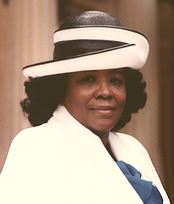
Rosita Missick-Butterfield
### Dr. Rosita Beatrice Missick-Butterfield: Trailblazer for Women in Turks and Caicos Governance and Nationhood The Honorable Dr. Rosita Beatrice Missick-Butterfield, MBE (November 14, 1936 – January 10, 2015), stands as a monumental figure in the political, civic, and spiritual development of the Turks and Caicos Islands. Operating across an era defined by profound constitutional upheaval and rapid economic modernization, Butterfield repeatedly shattered systemic barriers to expand the horizons of female leadership across the British Caribbean. In 1984, she achieved an indelible milestone in archipelagic history by becoming the first woman ever elected to the Legislative Council (now the House of Assembly), representing her home district of Kew, North Caicos, for the Progressive National Party (PNP). Seven years later, in 1991, she ascended to the pinnacle of parliamentary authority as the first female Speaker of the House of Assembly, guiding the territory through complex legislative sessions with poise, impartiality, and unwavering dignity. Beyond the halls of Parliament, Butterfield was a woman of multifaceted brilliance: a dedicated healthcare professional who practiced nursing and midwifery in Jamaica, the United States, and her native islands; a dynamic commercial leader who co-founded the Butterfield Gold Group of Companies; an ordained pastor and First Lady of the Faith Tabernacle Church of God; and an enduring patron of education who championed the establishment of the Turks and Caicos Islands Community College (TCICC). Anchored by her personal philosophy that "Anything is Possible," Dr. Butterfield's life was a testament to Christian service, civic duty, and the unstoppable advancement of Caribbean women. [1] ### Early Life and Educational Foundations in North Caicos Rosita Beatrice Missick was born on November 14, 1936, in the agricultural settlement of Kew on the island of North Caicos. Her parents, Isaiah V. Missick and Savelitta A. Missick (née Higgs), were respected members of the local community who instilled in their children a rigorous Christian faith, deep self-respect, and an unshakeable commitment to communal solidarity. During the 1930s and 1940s, North Caicos—often celebrated as the "Garden Island" of the archipelago due to its comparatively fertile soil, freshwater lenses, and citrus groves—was a quiet, isolated rural enclave. The territory as a whole was an impoverished dependency of the British Crown, administered through the Governor of Jamaica. Modern amenities such as electricity, paved roads, and piped water were non-existent, and transportation between the Caicos cays and the administrative capital on Grand Turk was conducted entirely by wooden sailing sloops navigating treacherous reefs. In this close-knit island society, young Rosita displayed exceptional intelligence, discipline, and a natural compassion for the vulnerable. She received her elementary education at the Kew Elementary School and Bottle Creek Elementary School on North Caicos, walking long distances along rugged dirt tracks to attend classes. Demonstrating outstanding academic aptitude, she was subsequently sent to the capital island to attend Grand Turk Secondary School, which was then the premier institution of secondary learning in the territory. Following her graduation, Missick felt an immediate calling to public service. She began her working life as a young primary schoolteacher in North Caicos, dedicating her early adulthood to instructing village children in literacy, arithmetic, and moral discipline. However, as she observed the severe lack of medical infrastructure and the tragic, preventable health crises that routinely afflicted rural island families, she resolved to pursue professional medical training abroad. [2] ### The Healing Arts: Jamaican Training and American Experience At the midpoint of the twentieth century, healthcare across the Turks and Caicos Islands was rudimentary, with no resident physician on North Caicos and expectant mothers facing perilous childbirth without professional assistance. Driven by an urgent desire to alleviate human suffering, Missick departed her homeland in the 1950s to study nursing in Kingston, Jamaica, then the preeminent hub of medical instruction and West Indian intellectual life. Enrolling in rigorous clinical programs, she qualified as both a Registered General Nurse (RGN) and a State Certified Midwife. Her time in Jamaica exposed her to modern clinical pharmacology, surgical assistance, and comprehensive public health methodologies, while also broadening her Caribbean political consciousness during the heady years preceding regional federation and independence. Seeking further clinical specialization and international experience, Missick subsequently migrated to the United States. For nearly a decade, she worked within major American medical facilities and urban hospitals, refining her skills in emergency care, obstetrics, and healthcare administration under demanding conditions. At a time when thousands of Caribbean emigrants remained permanently in the diaspora, Missick maintained an enduring fidelity to her native soil. Rejecting opportunities for permanent settlement abroad, she returned to the Turks and Caicos Islands in the 1970s, bringing back invaluable expertise to her country’s nascent public health apparatus. Upon her return, Nurse Missick was appointed as a government clinic nurse, a vital post she held for eight years. Operating across rural North Caicos and the burgeoning settlement of Providenciales, she traveled across rocky roads and remote coastal settlements by foot, boat, and rugged vehicles to treat infections, deliver newborns, conduct vaccinations, and care for the elderly. Her clinical skill, matched by an innate bedside tenderness, earned her the enduring affection of families across the archipelago. Through her hands-on healthcare practice, she developed an intimate understanding of the daily hardships faced by ordinary Turks and Caicos Islanders, laying the deep foundation of trust that would later propel her into public office. [3]  ### Breaking the Glass Ceiling: The Historic 1984 General Election By the late 1970s and early 1980s, the Turks and Caicos Islands were experiencing rapid political and economic transformations. The introduction of the 1976 Constitution had replaced the traditional administrative board with a ministerial system of government, creating the office of Chief Minister and fostering the rise of modern political parties. Visionary leader [J.A.G.S. McCartney](/profiles/jags-mccartney) mobilized the working classes through the People's Democratic Movement (PDM), while contemporaries such as [Norman Saunders](/profiles/norman-saunders) and [Hilly Ewing](/profiles/hilly-ewing) consolidated power through the Progressive National Party (PNP). However, despite the essential organizing work performed by women within church congregations, school boards, and civic societies, political representation remained an exclusive fraternity of men. Rosita Butterfield—who by then had married fellow visionary entrepreneur Dr. Albray Victor Butterfield Sr.—refused to accept the political disenfranchisement of women. In 1984, she took the bold step of entering frontline electoral politics. Aligning herself with the Progressive National Party led by Chief Minister [Norman Saunders](/profiles/norman-saunders), she secured the party's nomination for the constituency of Kew, North Caicos, for the upcoming general election scheduled for May 29, 1984. Her candidacy was greeted with intense public interest and significant skepticism from traditional patriarchal circles. Undaunted, Butterfield mounted an energetic, grassroots campaign. She traveled house to house across the hamlets of Kew, Whitby, and Sandy Point, engaging constituents on agricultural support, healthcare access, youth education, and infrastructural development for the Family Islands. Her deep family roots in Kew, combined with her years of selfless medical service as a clinic nurse, resonated powerfully with voters. > "Anything is possible if you have faith, discipline, and a heart dedicated to serving others. The doors that seem closed to our women and our young people will open if we possess the courage to knock and the resolve to enter." — Dr. Rosita Beatrice Missick-Butterfield [1] On May 29, 1984, the voters of Kew delivered a historic verdict: Rosita Butterfield won the seat by a decisive margin, becoming the **first woman ever elected to the Legislative Council in the history of the Turks and Caicos Islands**. Her triumph shattered a centuries-old gender barrier, igniting celebrations across North Caicos and signaling a new era of civic inclusion across the British Caribbean. [4] ### Constitutional Upheaval and Legislative Stewardship Butterfield’s arrival in Parliament coincided with one of the most tumultuous periods in the political history of the Turks and Caicos Islands. In March 1985, Chief Minister [Norman Saunders](/profiles/norman-saunders) was arrested in Miami, Florida, on federal conspiracy charges related to the narcotics transit trade, plunging the territory into an unprecedented international crisis. Following Saunders' resignation, [Nathaniel Francis](/profiles/nathaniel-francis) assumed the chief ministership, but ongoing governance inquiries culminated in the landmark 1986 Blom-Cooper Commission of Inquiry. The British government subsequently took the extraordinary step of suspending the territory's constitution, dissolving the Ministerial Cabinet, and establishing direct administrative rule under the British Governor. Throughout this acute constitutional crisis, Rosita Butterfield emerged as a vital pillar of stability, integrity, and calm leadership. In 1986, she was appointed Deputy Speaker of the House, a position she held with distinction until 1988. In an environment fraught with intense political rancor and public disillusionment, Butterfield used her parliamentary platform to defend constitutional propriety, demand administrative accountability, and maintain a steady focus on the socio-economic needs of everyday citizens. Between 1987 and 1988, she was selected to serve as Chair of the Legislative Council’s Employment Bill Committee. In this vital capacity, Butterfield spearheaded comprehensive reviews of territorial labor statutes. As foreign capital and resort developers began to invest heavily in Providenciales, she fought tenaciously to protect native Belonger employment rights, mandate safe workplace environments, and guarantee fair compensation for local laborers. Following the restoration of constitutional self-government in 1988, she continued her legislative service as an appointed Member of Parliament for the Progressive National Party, earning broad bipartisan respect from colleagues across party lines, including figures such as [Clement Howell](/profiles/clement-howell). [5]  ### The First Female Speaker of the House (1991–1993) The pinnacle of Butterfield’s legislative career arrived following the general election of April 1991. The Progressive National Party returned to power under the leadership of Chief Minister Charles Washington Misick. When the newly formed Parliament convened to elect its presiding officer, Butterfield was nominated to take the chair. With overwhelming support from across the political aisle, she made history once again: Rosita Butterfield was sworn in as the **first female Speaker of the Legislative Council** (later formalized as the House of Assembly) of the Turks and Caicos Islands. As Speaker, Butterfield held the supreme constitutional responsibility for regulating parliamentary debates, upholding the Standing Orders, and safeguarding the rights and privileges of the legislature against executive overreach. Dressed in the ceremonial robes and tricorn hat of the Westminster tradition, she brought an authoritative yet empathetic presence to the chair. She presided over landmark debates regarding economic diversification, tourism expansion, environmental conservation, and educational modernization. She was widely praised for her strict impartiality, ensuring that opposition voices received fair representation while maintaining decorum and order during fiercely contested debates. In recognition of her extraordinary service to parliamentary democracy, healthcare, and community welfare, Queen Elizabeth II appointed Rosita Butterfield a Member of the Most Excellent Order of the British Empire (MBE) in the New Year Honours of 1992. When she retired from the Speakership and active parliamentary life in 1994, she had established enduring precedents for parliamentary procedure and proven beyond doubt that women could govern with unsurpassed excellence. [6] ### Commercial Enterprise and the Creation of Butterfield Gold While achieving historic milestones in public governance, Dr. Butterfield was simultaneously building a formidable commercial legacy in the private sector alongside her husband, Dr. Albray Victor Butterfield Sr. (who was also honored as an MBE recipient). Recognizing that true national sovereignty required indigenous economic self-reliance, the Butterfields established the Butterfield Gold Group of Companies in Providenciales. What began as a modest family endeavor blossomed into one of the largest, most successful indigenous business conglomerates in the history of the Turks and Caicos Islands. The Butterfield Gold Group encompassed a wide array of essential enterprises, including Butterfield Gold Supermarket—the premier full-service food and goods market serving Providenciales—alongside Butterfield Motors Ltd, bulk wholesale distribution, heavy construction, commercial real estate developments such as Butterfield Square, and financial services. Following her departure from the legislature in 1994, Dr. Butterfield assumed active executive leadership as the Chief Executive Officer, Corporate Secretary, and Director of the Butterfield Gold Group of Companies. Her keen analytical mind, honed through decades of clinical administration and parliamentary governance, ensured the company's financial resilience and continuous growth. Under her stewardship, Butterfield Gold became one of the largest private employers in the territory, providing steady employment, competitive wages, and professional advancement to hundreds of native Belongers and Caribbean immigrants. Through their commercial vision, the Butterfields played an indispensable role in transforming Providenciales from a sleepy maritime island into a vibrant international tourism and commercial hub. [7] ### Educational Vision: Founding the Community College Dr. Butterfield was an ardent advocate for human resource development, maintaining that political emancipation was meaningless without intellectual and professional empowerment. Throughout the late twentieth century, native Turks and Caicos Islanders faced severe educational barriers: with no domestic tertiary institution, ambitious young islanders were forced to travel abroad to Jamaica, the Bahamas, the United Kingdom, or the United States to obtain university degrees or professional certifications—a financial burden that excluded the vast majority of working-class families. Working alongside visionary educational advocates such as [Clarence Selver](/profiles/clarence-selver), Dr. Butterfield served as a driving force behind the conceptualization, legislative approval, and physical development of the Turks and Caicos Islands Community College (TCICC). When the institution officially opened its doors in 1994–1995, Butterfield served as one of its foundational council members and community benefactors. She championed the establishment of accredited degree programs in nursing, education, business administration, and the building trades, ensuring that young islanders could acquire professional credentials at home. Her tireless advocacy helped forge an indigenous professional class equipped to lead the country's public administration, healthcare institutions, and expanding tourism industries. [8] ### Spiritual Ministry, Pastoral Leadership, and the ARB Foundation Underpinning every dimension of Dr. Butterfield’s life was an unwavering, deeply personal Christian faith. She viewed public leadership, commerce, and healthcare not as vehicles for personal enrichment, but as divine platforms for ministry and servant leadership. Together with her husband, she was an instrumental leader of the Faith Tabernacle Church of God in Providenciales, serving as an ordained pastor and First Lady of the congregation. Pastor Butterfield was a beloved shepherd to her flock. She delivered passionate, uplifting sermons rooted in scriptural truth, provided private pastoral counseling to individuals facing marital or financial distress, and directed dynamic youth and women’s ministries. Her church became a sanctuary of hope and social assistance for the marginalized, offering food pantries, emergency clothing drives, and spiritual refuge to newly arrived immigrants and struggling families. To institutionalize her charitable endeavors, Dr. Butterfield established the **ARB Foundation**, a private philanthropic non-profit organization named in honor of her family. Through the ARB Foundation, she channeled personal resources into higher education scholarships for underprivileged students, funded specialized overseas medical treatments for critically ill islanders, and provided emergency relief following destructive hurricanes. Her philanthropic vision was intimately interwoven with family life: together with Dr. Albray Butterfield Sr., she nurtured five children—Alleveia L. Butterfield-Chan Jon Chu, Albray V. Butterfield Jr., Adulson A. Butterfield, Keisha A. Butterfield, and nephew/adopted son Royal S. Robinson Sr. (who would himself rise to national prominence as Chief Land Surveyor, Minister of Finance, and Deputy Premier of the Turks and Caicos Islands). [9] ### Passing, State Funeral, and Enduring National Legacy In her later years, Dr. Butterfield retired from active executive duties, though she remained a revered elder statesman, matriarch, and moral compass for the nation. On January 10, 2015, surrounded by family, Dr. Rosita Beatrice Missick-Butterfield passed away in Nassau, Bahamas, at the age of seventy-eight. Her passing elicited an extraordinary outpouring of grief and national gratitude across the Caribbean. Flags were flown at half-mast, and tributes poured in from leaders of every political persuasion, recognizing her as an irreplaceable founding mother of modern Turks and Caicos. Premier Dr. Rufus Ewing led the national eulogies, reflecting on her transformative impact: > "Dr. Rosita Butterfield was a woman of extraordinary grace, fortitude, and vision. She did not merely witness history; she authored it with her own hands, proving that women belong at the highest levels of national decision-making in the Turks and Caicos Islands." — Premier Dr. Rufus Ewing, State Memorial Address [4] In tribute to her stellar contributions to the nation, the Cabinet of the Turks and Caicos Islands accorded Dr. Butterfield the supreme honor of a full State Funeral—the first ever granted to a female leader in the territory’s history. Preceded by solemn lying-in-state ceremonies at the Faith Tabernacle Church of God and the House of Assembly, the official state service took place on February 5, 2015, at the Gustavus Lightbourne Sports Complex in Providenciales. Dignitaries, international diplomats, former premiers, church leaders, and thousands of ordinary citizens gathered to pay their final respects. Notably, the authorization and organization of her funeral established a vital constitutional precedent, directly inspiring the territory’s government to formally draft and institutionalize official protocols for state and ceremonial funerals. In 2023, Dr. Butterfield was posthumously inducted into the Turks and Caicos Islands National Honours and Awards, permanently enshrining her among the premier nation builders of the archipelago. Today, her name endures as a symbol of barrier-shattering courage, professional excellence, and dedicated public service. From the fertile fields of Kew to the presiding chair of the House of Assembly and the bustling commercial centers of Providenciales, Dr. Rosita Missick-Butterfield demonstrated that with faith, integrity, and perseverance, anything is indeed possible. [10]
View Profile →
Washington Misick
 ### Introduction Charles Washington Misick, OBE (born March 13, 1950), universally recognized as a stabilizing force in Caribbean politics, is a preeminent statesman who currently serves as the Premier of the Turks and Caicos Islands (TCI). As a veteran leader of the Progressive National Party (PNP), Misick’s political journey spans over three decades, marked by sweeping economic reforms, strategic financial modernization, and an unwavering commitment to restoring institutional integrity [1]. In a territory whose political landscape has occasionally been marred by controversy and direct external intervention, Washington Misick has repeatedly emerged as the "steady hand" at the tiller—a pragmatist whose deep background in accounting, banking, and real estate development equipped him to guide the islands through some of their most turbulent fiscal and social periods. ### Early Life and Professional Grounding Born in the small settlement of Bottle Creek on North Caicos, Misick was the eldest of twelve siblings in a prominent local family that would later produce another Premier—his controversial younger brother, [Michael Misick](/profiles/michael-misick), as well as other notable figures in TCI politics such as [Thomas Chalmers Misick](/profiles/thomas-chalmers-misick) [2]. Growing up in a resource-constrained environment, young Washington learned early lessons in frugality and enterprise. He frequently reflected on his mother's resourcefulness in shaping his worldview, famously stating: > "My mother turned a penny into a dollar." This foundational understanding of thrift and economic management would define his entire career. After receiving his early education at the Government all-aged school in Bottle Creek (now Adelaide Oemler Primary School), Misick began a brief stint in the Royal Turks and Caicos Islands Police Force [3]. However, his ambitions soon pivoted toward the financial sector. He traveled abroad to further his education, earning a diploma in Economics and Business from the University of Technology in Jamaica, before studying at the London School of Accountancy in the United Kingdom. He supplemented this rigorous financial training with advanced certificates in leadership and development from Harvard University's John F. Kennedy School of Government. Returning to the Caribbean, Misick built a formidable professional resume. He worked in auditing and accounting for a "Big Four" professional services firm, spent time in the regional banking sector, and eventually ventured into entrepreneurship. He became the Chairman of Prestigious Properties (1995) Ltd and later the CEO of the Alexandra Resort & Villas Limited [4]. This extensive private sector experience provided him with an intricate understanding of capital markets, foreign direct investment, and large-scale project management. ### First Stint as Chief Minister (1991–1995) Entering the political arena, Misick rapidly ascended the ranks of the Progressive National Party (PNP), a political organization historically championed by foundational figures such as [Norman Saunders](/profiles/norman-saunders) and [N.J.S. Francis](/profiles/njs-francis). In 1991, Misick was elected as the 5th Chief Minister of the Turks and Caicos Islands. During this four-year term, he laid the early groundwork for the territory's modern economy, focusing heavily on expanding the offshore finance sector and cultivating high-end tourism. His administration prioritized bringing international luxury brands to Providenciales, recognizing that sustainable economic growth required attracting foreign capital while maintaining strict regulatory standards. Despite these early economic successes, political winds shifted, and the PNP lost the 1995 general election to the rival People's Democratic Movement (PDM), led by figures like [Derek Taylor](/profiles/derek-taylor). Undeterred, Misick transitioned into the role of Leader of the Opposition, a position he held from 1995 to 2003, constantly challenging the PDM government on matters of fiscal policy and transparency. ### The Family Dynasty and the 2009 Constitutional Crisis The early 2000s ushered in a dramatic and complicated era for the Misick family and the Turks and Caicos Islands at large. In 2003, his younger brother, [Michael Misick](/profiles/michael-misick), led the PNP to a sweeping victory and eventually became the territory's first Premier under a newly amended constitution [5]. While Michael's administration oversaw an unprecedented boom in foreign investment, real estate development, and celebrity tourism, it was also engulfed by allegations of rampant corruption, bribery, and the illicit sale of Crown land. The situation deteriorated until 2008 when the UK government appointed Sir Robin Auld to lead a Commission of Inquiry into the systemic corruption within the TCI government. The devastating findings forced Michael Misick to resign in March 2009. By August 2009, the British government took the extraordinary step of suspending the TCI constitution, stripping the local government of its power, and imposing direct rule via the UK-appointed Governor [6].  Throughout this dark period in TCI's political history, Washington Misick maintained a distinct and separate public profile from his brother's administration. While Michael faced criminal charges and eventual conviction for bribery alongside their brother [Thomas Chalmers Misick](/profiles/thomas-chalmers-misick), Washington remained a respected figure—an elder statesman who had kept his hands clean. His reputation for integrity and financial prudence made him the logical choice to help rebuild the shattered trust between the electorate, international investors, and the United Kingdom. ### The Financial Savior: Restoring Economic Credibility When democratic governance was finally restored in November 2012, the PNP returned to power under the leadership of [Rufus Ewing](/profiles/rufus-ewing). Recognizing the urgent need to stabilize the territory's finances and appease strict UK financial oversight, Ewing appointed Washington Misick as the Minister of Finance, Trade, and Investment [1]. This was perhaps the most critical and challenging phase of Misick's career. The TCI was heavily indebted, its credit rating was severely damaged, and foreign investors were wary of the regulatory environment. Misick implemented a series of austere but necessary fiscal policies. He balanced the national budget, reformed tax collection mechanisms, and introduced strict public financial management protocols. > "When we started this journey, I promised you transparency and accountability. We have not been perfect, but we have kept our promise to inform you, as we work to improve your lives and advance the growth and development of these Turks and Caicos Islands." By the end of his tenure as Finance Minister in 2016, Misick was widely credited with saving the TCI economy from the brink of collapse. He successfully navigated the territory out of the financial constraints imposed by the UK, returning the government to a surplus and setting the stage for future capital investments. His financial stewardship restored the islands' credibility on the global stage. ### The Return to the Pinnacle: Premier (2021-Present) After another stint as Leader of the Opposition from 2016 to 2021, Misick, now the established leader of the PNP, led his party to a landslide victory in the historic February 2021 general elections [7]. Assuming the office of Premier amidst the devastating global COVID-19 pandemic, Misick's immediate mandate was crisis management. He prioritized public health while simultaneously protecting the heavily tourism-dependent economy. Misick relied heavily on data and science, publicly urging citizens to trust the medical consensus rather than fear. His balanced approach allowed the TCI to reopen its borders safely, leading to one of the fastest economic rebounds in the Caribbean. As Premier, Misick has championed the philosophy of "The Compass and the Clock," a metaphor he frequently uses to emphasize purpose-driven governance guided by core values rather than political expediency. Looking toward the future, his administration announced a bold 2026 fiscal policy shift, pivoting toward strategic borrowing to fund massive infrastructure projects, digital transformation, and sustainable development initiatives. Awarded the Officer of the Most Excellent Order of the British Empire (OBE) and serving as a Justice of the Peace, Misick's legacy is defined by his resilience and steady pragmatism. He is a devout member of the Seventh-Day Adventist Church, a devoted husband to Delthia Russell, and a patriarch who has dedicated his life to the service of his people. In the pantheon of Caribbean leaders, Charles Washington Misick stands out not for populist rhetoric, but for the quiet, competent, and unyielding stewardship that guided the Turks and Caicos Islands through its most perilous economic and constitutional crises.
View Profile →