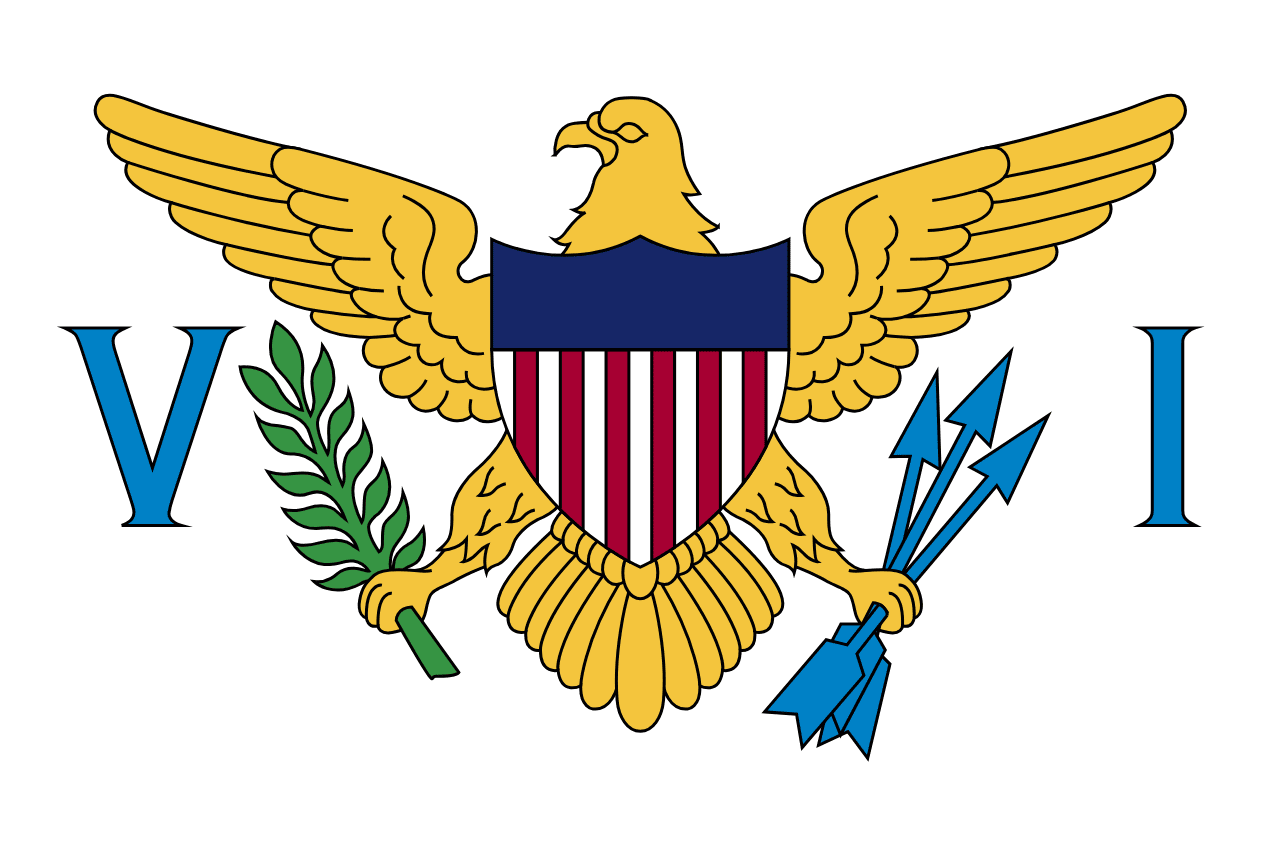
United States Virgin Islands
America’s Paradise, a territory with a powerful history of labor revolts, pioneering journalism, and intellectual giants of the Pan-African movement.
Figures from United States Virgin Islands
Historically documented individuals of note.
Alexander Farrelly
### Early Life: A Son of St. Croix **Alexander Anthony Farrelly** was born on **December 29, 1923**, in **Frederiksted, St. Croix**, in the United States Virgin Islands [1]. The second-largest city on St. Croix, Frederiksted carries within it centuries of turbulent Caribbean history — from Danish colonial rule, through the era of slavery and emancipation, to the American purchase of the Virgin Islands from Denmark in 1917. It was into this complex, layered history that Farrelly was born, and it was this history he would spend his life serving. His parents, Patrick and Mary Farrelly, raised their son in a community deeply shaped by its Crucian identity — a proud, distinct Virgin Islander culture that draws on African, Danish, and American influences. Farrelly attended **St. Patrick's Parochial School in Frederiksted**, graduating in 1940 [2]. From his earliest years, he demonstrated an intellectual seriousness and a commitment to public service that would define the entirety of his career. The Virgin Islands in the 1920s and 1930s were in a period of profound transition. Having been an American territory for less than a decade, the islands were still navigating the complex realities of their new political status — one that granted their residents American citizenship under the Organic Act of 1927, yet denied them the full rights and political representation that citizenship nominally implied. There was no elected governor; the territory was administered by appointees from Washington. For a young man of ambition, conscience, and intelligence, the politics of the island were both frustrating and formative. ### Military Service: The Crucible of World War II As the world descended into the Second World War, **Alexander Farrelly answered the call to arms**. He served in the **United States Army**, rising to the rank of **sergeant** before receiving an honorable discharge in **1946** [1]. His military service was not merely a biographical footnote — for a generation of Caribbean men who served under the American flag while simultaneously being denied full democratic participation in their own homeland, the war years carried deep political meaning. Service and sacrifice on behalf of a nation that did not yet fully reciprocate that commitment forged in many Caribbean veterans a determination to claim their rightful place in civic life. ### Education: Building a Legal and Intellectual Foundation Following his military service, Farrelly pursued an exceptionally rigorous legal education in the United States. He earned both a **Bachelor of Arts degree in history and government (1951)** and a **Bachelor of Laws degree (1954)** from **St. John's University in New York** [1]. He then continued his studies at one of America's most prestigious legal institutions, earning a **Master of Laws (LL.M.) degree from Yale University** — with a specialization in labor law — completing his studies by 1961 [2]. This specialized focus on labor law was not accidental. Farrelly, like Bustamante in Jamaica, understood that the struggles of ordinary working people — for fair wages, dignified conditions, and legal protection — were at the heart of the broader struggle for Caribbean advancement. His Yale training would inform his legislative agenda and his governance philosophy for decades to come. ### International Service: The United Nations and the World Stage Before returning to the Virgin Islands to enter politics, Farrelly served on the professional staff of the **United Nations as a Caribbean specialist** [1]. This role placed him at the intersection of Cold War geopolitics, Caribbean decolonization movements, and international law — a vantage point that gave him a sophisticated, globally informed perspective on the small-island challenges that the Virgin Islands faced. He witnessed firsthand how Caribbean territories were navigating the complex transition from colonial status to greater autonomy, and he brought those lessons home with him.  He began practicing law in **New York in 1955**, and in **1962** he was appointed as an **assistant U.S. attorney for the District of the Virgin Islands** — marking his formal return to the territory of his birth and the beginning of a public service career that would span all three branches of government [1]. ### Judicial and Legislative Careers: Mastering All Three Branches Farrelly's ascent through the structures of Virgin Islands governance was methodical, distinguished, and historically unprecedented. In **1965**, he was appointed as a **judge of the Municipal Court of the Virgin Islands**, becoming one of the few Crucians to serve on the bench [2]. His legal career had given him both the rigorous analytical discipline of a jurist and the practical empathy of a litigator who understood the human stakes of every case. He then entered the legislative arena, winning election as a **senator-at-large to the 7th Legislature of the Virgin Islands in 1966** [1]. His time in the legislature allowed him to understand the mechanics of territorial governance from the inside — the power of budget appropriations, the politics of federal relations, and the frustrations of governing a small, resource-constrained territory within the bureaucratic machinery of the United States federal government. This trifecta of executive, judicial, and legislative service made Farrelly a uniquely qualified candidate when the territory's evolving political landscape — opened by the passage of the Elective Governor Act of 1968, which allowed Virgin Islanders to vote for their own governor for the first time — created the opportunity for the territory's greatest executive role. > *"He was a Virgin Islander to the core — someone who understood this territory and took personal responsibility for his conduct."* > — Tributes recorded at the time of Farrelly's death, St. Croix Source, 2002 ### The Governorship: A Historic Mandate (1987–1995) In **1986**, Alexander Farrelly won election as the **fourth elected governor of the United States Virgin Islands** — and notably, the **first Democrat ever elected to the office** [1]. He was inaugurated in January 1987, and his partnership with **Lieutenant Governor Derek Hodge** was widely praised as a model of executive harmony and shared purpose [3]. Farrelly's administration set ambitious agendas in **labor relations, social service reform, and infrastructure modernization**. Early achievements included meaningful improvements in services for low-income residents, senior citizens, and the disabled — constituencies often overlooked by territorial politics — and significant progress in port and harbor modernization, which was critical for the islands' tourism-dependent economy. One of the most consequential achievements of his administration was the **acquisition of the West Indian Company, Ltd.**, which gave the territorial government direct control over key harbor assets in Charlotte Amalie, St. Thomas. This strategic acquisition had long-term implications for the economic sovereignty and development capacity of the territory. ### The Hurricane Hugo Crisis: Leadership Under Fire If Farrelly's governorship had a single defining test, it arrived on the night of **September 17–18, 1989**, when **Hurricane Hugo** — a catastrophic Category 5 storm — made landfall directly over the Virgin Islands. The storm was among the most powerful to strike the Caribbean in the twentieth century, and its impact on **St. Croix** was nothing short of catastrophic [4]. Infrastructure was annihilated. Homes were destroyed. The electrical grid collapsed. Law and order broke down entirely on St. Croix, with widespread looting erupting in the storm's immediate aftermath [5]. The crisis was broadcast on national television, and Farrelly faced an avalanche of criticism — from within the territory, from Washington, and from the national media — regarding both the speed of the government's response and its ability to restore order.  The criticism was fierce, and Farrelly did not deflect it. He took personal responsibility for the failures of the initial response while simultaneously working every lever of federal relations available to him. His persistence paid off: his administration ultimately secured **nearly $1 billion in federal disaster assistance** — a figure that represented one of the largest per-capita federal aid packages in American history at that time [3]. This funding did not simply rebuild what had been destroyed — it **transformed the territory's infrastructure**: the **St. Croix Hospital** was rebuilt; the **St. John Clinic** was expanded; extensive road networks, drainage systems, and public facilities were modernized; and the territory's ports were substantially upgraded. Farrelly's handling of the long-term recovery — if not the initial crisis — is widely credited with establishing the **institutional framework for hurricane preparedness and federal disaster response** in the Virgin Islands that continues to shape the territory's resilience planning to this day [3]. He was re-elected in **1990** — a remarkable democratic vote of confidence from an electorate that had watched him be tested and found him, ultimately, to have delivered. ### Final Years and Enduring Legacy Farrelly served two full terms as governor, completing his tenure in **January 1995**. In the years that followed, his health declined due to **Parkinson's disease**, and he relocated to **Arlington, Virginia** to receive specialized care. He passed away on **September 10, 2002**, at the age of 78 [1]. The territory he had served with such distinction honored him with a **state funeral** — a mark of the esteem in which he was held across all three of the main islands. In 2002, the Virgin Islands Legislature posthumously awarded him the **Virgin Islands Medal of Honor**, the territory's highest civilian distinction, in recognition of his decades of extraordinary public service [1]. Alexander Farrelly's life was a testament to the power of preparation, persistence, and principled public service. From the streets of Frederiksted to the courtrooms of New York, from the chambers of the United Nations to the Governor's mansion in Charlotte Amalie, he exemplified what a Virgin Islander could achieve — and what a leader owed to the people who placed their trust in him. He remains an indispensable figure in the modern political history of the United States Virgin Islands.
View Profile →
Alton Augustus Adams
## Alton Augustus Adams, Sr. ### Bandmaster, Composer, and Trailblazer — The Sound of the Virgin Islands  ### A World Being Born When Alton Augustus Adams came into the world on **November 4, 1889**, in Charlotte Amalie, the capital of the island of St. Thomas, the territory known as the **Danish West Indies** was still a colonial possession of the Kingdom of Denmark [1]. The Caribbean at the close of the 19th century was a patchwork of European empires: British, French, Dutch, Danish, and Spanish flags flew over islands whose populations — the overwhelming majority of them descended from enslaved Africans — were navigating the treacherous terrain between legal emancipation and true social equality. St. Thomas, even under Danish rule, was a cosmopolitan place. Its magnificent natural harbor had made Charlotte Amalie a vital entrepôt for Caribbean trade, and the island's population was a cultural mosaic of African-descended islanders, Danish officials, merchants of multiple nationalities, and immigrants from across the region [2]. It was in this layered, vibrant, music-saturated world that Adams grew up — absorbing not only the sounds of European brass-band tradition but also the rhythms of the Caribbean: the bamboula, the quadrille, the calypso, and the hymns that rang from the island's many churches. ### Early Life: The Self-Made Musician Adams's parents were artisans — working people who shaped material into something useful with their hands — and they passed that ethic of craft and self-reliance on to their son [3]. As a young man, Adams apprenticed as both a **carpenter and a shoemaker**, learning trades that would provide economic security. But music was pulling at him irresistibly. His musical education was largely **self-directed**, a testament to extraordinary determination in an era when formal music instruction was not readily available to Black Caribbean youth. He taught himself to play multiple instruments — the **piccolo, flute, clarinet, cornet, and trombone** — working through the mechanics of each with the same systematic patience he might have brought to carpentry [4]. He supplemented this autodidactic practice with rigorous study of music theory, ultimately enrolling in a **correspondence course with Dr. Hugh A. Clarke at the University of Pennsylvania** — a remarkable arrangement that allowed him to receive instruction from a leading American music theorist without ever leaving his Caribbean island [5]. His appetite for learning extended beyond music. Adams became a prolific writer and journalist, contributing articles to publications including **Jacobs' Band Monthly** and **The Dominant**, and later editing *The Herald* in St. Croix [6]. He understood instinctively that music needed advocates — people who could explain its value, interpret its history, and make the case for its place in the life of a community. ### The St. Thomas Municipal Band and the Adams Juvenile Band In **1906**, Adams joined the **St. Thomas Municipal Band**, the leading musical institution on the island [1]. Here he received his first formal experience of ensemble playing and musical leadership, absorbing the brass-band tradition that would define his life's work. By **1910**, Adams had struck out on his own. He founded the **Adams Juvenile Band** — an ensemble composed of **young people between the ages of 8 and 18** drawn from Charlotte Amalie and its surroundings [5]. The decision to work with youth was not merely practical; it was philosophical. Adams believed that musical training was inseparable from character formation, discipline, and community pride. The Juvenile Band performed regularly at civic events throughout Charlotte Amalie, giving free concerts at **Emancipation Garden** — the square named for the 1848 emancipation of enslaved people on the Danish West Indies, a space charged with the memory of freedom [5]. Within a few years, the Adams Juvenile Band had become one of the most celebrated musical ensembles in the region, admired not only for technical proficiency but for the social statement it represented: Black youth from a Caribbean island, competing on equal or superior terms with any band in the Western Hemisphere. ### Transfer Day and the Leap into the U.S. Navy The world that made Alton Adams changed forever in **1917**, when the United States purchased the Danish West Indies for **$25 million in gold** — transforming the islands overnight from a Danish colony into **American territory** [2]. For the residents of St. Thomas, St. Croix, and St. John, the transfer was disorienting: new laws, new currency, new administrators, new expectations. The U.S. Navy assumed governance of the territory, and Black islanders — many of whom had hoped American rule might bring greater civil rights — soon found themselves navigating a segregated military bureaucracy. In this context, Adams's band became something far more than a musical ensemble. On **June 2, 1917**, Alton Augustus Adams and his entire Adams Juvenile Band were formally **enlisted into the United States Navy** [4]. Adams was appointed to the rank of **Chief Petty Officer**, making him simultaneously the **first Black bandmaster in the United States Navy** and one of the first African Americans to hold that rating in the modern U.S. naval establishment [4]. The significance of this moment extended far beyond military paperwork. The U.S. Navy of 1917 was a deeply segregated institution. African Americans served in limited roles, often as mess attendants. Adams's appointment as a Chief Petty Officer in charge of an official Navy band was, by any measure, an extraordinary exception — one made possible partly because the geographic and demographic reality of St. Thomas made it impossible to staff a naval band any other way, but made meaningful by Adams's undeniable excellence. > *"He was not just making music. He was making history every time he raised his baton."* — Naval History and Heritage Command [7] ### Wartime Service, Concert Tours, and Cultural Diplomacy Adams served the U.S. Navy through **both World War I and World War II** — a span of service that speaks to both his indispensability and his extraordinary longevity as a bandmaster [8]. During these decades, his band did far more than provide ceremonial music. The ensemble functioned as what historians have called a **"cultural bridge"** between the white naval administration and the predominantly Black population of the Virgin Islands — a human connection point at a time when racial tensions in the new American territory ran high [4]. Beyond the Caribbean, Adams took his band on the road. In **1924**, the band undertook a landmark **concert tour of the U.S. eastern seaboard**, performing in Washington, D.C., Philadelphia, New York, and Boston to widespread acclaim [4]. These performances placed Caribbean Black musicians before American audiences in a context of dignity and excellence — a quiet but powerful refutation of prevailing racial stereotypes. The band also performed at the **White House**, a summit of ceremonial honor that few American musicians of any race achieved [8]. Adams's compositions were performed by some of the leading ensembles of the era, including the celebrated **Goldman Band in New York** — the premier outdoor concert band in America [9]. John Philip Sousa himself, the reigning king of American band music, was familiar with Adams's work. Adams contributed articles on band music to national publications, argued for the artistic seriousness of the band medium, and was recognized by peers across the country as a master of his craft. ### The Virgin Islands March: A Nation's Anthem Of all Adams's compositions — and he produced many, including marches, waltzes, bamboulas, and solo pieces — none achieved greater cultural permanence than the **"Virgin Islands March,"** composed in **1919** [10]. Written in the sweeping, confident style of Sousa, the march captured both the martial pride of the islands' new American identity and something distinctly Caribbean in its rhythmic vitality. The march was quickly adopted as an unofficial anthem among islanders. Decades later, in **1963**, it was formally designated the **official territorial anthem of the U.S. Virgin Islands** — a status it holds to this day, played at government ceremonies, sporting events, and public gatherings across St. Thomas, St. Croix, and St. John [10]. Other notable compositions included **"The Governor's Own,"** **"Warbling in the Moonlight,"** and **"Spirit of the U.S.N."** — works that showcased Adams's fluency across different registers of American band music, from patriotic grandeur to lyrical elegance [9]. ### Legacy: Educator, Civic Builder, and Cultural Pioneer Adams retired from the U.S. Navy in **1947** after three decades of service [8]. But retirement from the military meant no retreat from public life. Adams turned his energies to the broader project of building the Virgin Islands as a community. He was instrumental in developing **public-school music education programs** in the territory — working to ensure that the next generation of Virgin Islanders would have access to the formal musical training he himself had pursued through sheer determination [4]. He became a **charter member and longtime president of the Virgin Islands Hotel Association**, serving in that role for **19 years** and helping to shape the territory's emerging tourism economy [5]. He was also a **founder of the Caribbean Travel Association**, an organization that helped promote the region as a destination at a time when Caribbean tourism was in its infancy [5]. In **1978**, **Fisk University** — the historic HBCU in Nashville, Tennessee — awarded Adams an **Honorary Doctor of Humane Letters**, recognizing his lifetime of contributions to music as composer, conductor, and educator [10]. Adams had been nominated for membership in the **American Bandmasters Association** as early as 1936 — a nomination that, in a reflection of the racial climate of the era, was initially rejected [4]. Posthumously, the Association honored him with its **"Alton Adams Legacy Recognition,"** acknowledging the debt American band music owed to the man who had been excluded from its ranks by prejudice. Perhaps most movingly, in **2016** — nearly three decades after his death — the **Smithsonian's National Museum of African American History and Culture (NMAAHC)** inducted artifacts from Adams's career into its permanent "Musical Crossroads" exhibit [10]. Among the items: his **flute and piccolo**, the very instruments he had played at the formal ceremonial transfer of the Virgin Islands from Denmark to the United States in 1917. Alongside them: his Virgin Islands Medal of Honor and the ceremonial cape from his honorary doctorate ceremony. These objects now rest among the most treasured artifacts of African American cultural history — fitting homes for instruments that once helped a man and his community find their voice.  **Alton Augustus Adams, Sr.** died on **November 23, 1987**, at the age of 98 — having lived long enough to see his "Virgin Islands March" become an official anthem, his band's induction into military history acknowledged, and his community's pride in him openly celebrated [1]. He was a carpenter's son who built something far more enduring than wood: a legacy of music, dignity, and possibility for the people of the U.S. Virgin Islands and for Black Americans throughout the military and beyond. > *"His was a life lived in full — as a musician, a teacher, a civic leader, and an American who refused to let the limits others imposed on him define what he could achieve."* — U.S. Navy Memorial Foundation [4]
View Profile →
Casper Holstein
# Casper Holstein: The Benefactor of Harlem and the Virgin Islands Casper Holstein (December 6, 1876 – April 5, 1944) stands as one of the most remarkable, complex, and impactful figures of the early 20th century. Known to history by a myriad of titles—the "Bolito King," the "Gentleman Gambler," and a "Robin Hood" of the African American community—Holstein successfully bridged the gap between the illicit underworld of Harlem's numbers rackets and the prestigious circles of the Harlem Renaissance. Beyond his reputation as a wealthy numbers runner, he was an unparalleled philanthropist, pouring his massive fortune into the arts, civil rights activism, and the social uplift of his native United States Virgin Islands. ### Early Life and St. Croix Roots Casper Holstein was born Egbert Joseph in Christiansted on the island of St. Croix, then part of the Danish West Indies (which would later become the U.S. Virgin Islands). Born into a post-emancipation society that still struggled with intense economic disenfranchisement and racial inequality, Holstein experienced the harsh realities of colonial life early on. Under Danish rule, the economy of St. Croix was largely agricultural, dominated by sugar cane plantations that relied on the strenuous labor of the Black majority. Opportunities for social mobility were drastically limited by a strict racial and class hierarchy. The economic stagnation of the late 19th century prompted many families to look abroad for survival. Seeking better opportunities, he and his mother joined the wave of Caribbean migration, moving to New York City in 1894 when he was a teenager. Settling in Brooklyn, Holstein attended high school, where he displayed an acute intelligence and an aptitude for numbers. > "He possessed an intellect that was too expansive for the narrow avenues of opportunity afforded to Black men of his era. So, he built his own avenues." Following high school, Holstein enlisted in the United States Navy, serving with distinction during the Spanish-American War. His military service offered him a broader view of the world and instilled a strict sense of discipline—traits that would later serve him exceptionally well in managing his unconventional business empire. ### From Wall Street Messenger to the "Bolito King" After his honorable discharge from the Navy, Holstein worked a series of menial jobs common for Black men at the time, including stints as a bellhop and a janitor. However, his big break came when he secured a position as a messenger and porter for a Wall Street commodities brokerage firm. It was here, amidst the frantic trading floors and ticker tapes, that Holstein studied the stock market's daily fluctuations and the psychology of finance. During the 1920s, Harlem was teeming with illegal lotteries known as the "numbers game." The game was incredibly popular among the working-class Black community, who could bet mere pennies—sometimes as little as a single cent—for a chance to win a substantial payout of up to six hundred times their wager. However, the system was highly corruptible; racketeers routinely manipulated the winning numbers to ensure they didn't have to pay out large sums to the players. Holstein, applying the financial acumen he gained on Wall Street, revolutionized the game. He created a system where the daily winning numbers were derived from the New York Stock Exchange clearinghouse totals—specifically, the advance and decline figures published daily in the major evening newspapers. This ingenious innovation made it mathematically impossible for operators to fix the numbers, instilling deep trust among the betting public. He effectively standardized and professionalized the numbers racket, earning the moniker the "Bolito King." At the height of his operation, Holstein was reportedly making over $12,000 a day (an astronomical sum at the time), amassing a fortune that made him one of the wealthiest Black men in America.  ### Philanthropy and the Harlem Renaissance Unlike many of his mobster contemporaries who spent their wealth on flashy, self-indulgent lifestyles, Holstein viewed his fortune as a resource for community uplift. He became an anonymous but massive patron of the arts, effectively bankrolling a significant portion of the Harlem Renaissance. Holstein famously funded the annual literary prizes awarded by *Opportunity* magazine, a publication of the National Urban League edited by Charles S. Johnson. These cash prizes—often amounting to hundreds of dollars, a fortune for struggling artists—provided crucial financial support and recognition to emerging Black writers who would go on to define the era. Icons such as Langston Hughes, Zora Neale Hurston, Wallace Thurman, and Countee Cullen all benefited directly from Holstein's clandestine generosity. Without his capital, the structural foundations of the Harlem Renaissance's literary explosion would have been significantly weaker. His philanthropy extended far beyond the arts: * **Education**: He funded dormitories at historically Black colleges and universities (HBCUs) and helped establish a Baptist school in Liberia. * **Civil Rights**: He was a major financial backer of Marcus Garvey's Universal Negro Improvement Association (UNIA), believing strongly in the movement's message of Black economic empowerment and self-reliance. * **Community Welfare**: In Harlem, he quietly paid rent for families facing eviction, bought coal for the poor during brutal New York winters, and funded local boys' clubs to keep youth off the streets. > "He could not bear to see a child go hungry or a brilliant mind go to waste. His numbers game may have been illegal, but the salvation it bought for Harlem was purely righteous." ### A Champion for the Virgin Islands Despite his immense success and influence in New York, Holstein never forgot his roots in the Caribbean. He remained fiercely dedicated to the Virgin Islands, utilizing his wealth and political connections to advocate for the people of St. Croix, St. Thomas, and St. John. When the islands were purchased by the United States from Denmark in 1917 for military strategic purposes during World War I, the residents were not granted full U.S. citizenship. Instead, they were left in a state of political limbo under the strict, often authoritarian administration of the U.S. Navy. Holstein passionately lobbied Congress for the civil rights and full American citizenship of Virgin Islanders. He wrote impassioned editorials and funded publications that highlighted the plight of Virgin Islanders to the broader American public. He worked closely with fellow Virgin Islands labor leader [David Hamilton Jackson](/profiles/david-hamilton-jackson) to push for social reform, economic development, and an end to the naval rule of the islands, culminating in the passage of the Organic Act of 1936, which finally granted a measure of self-government to the territory. Furthermore, Holstein was the primary source of disaster relief for the islands. When devastating hurricanes struck the Caribbean in the 1920s, destroying homes and crops, it was Casper Holstein—not the federal government—who chartered ships filled with food, lumber, and medical supplies, saving countless lives and helping his homeland rebuild. He also established a trust fund to buy land in the Virgin Islands and redistribute it to local farmers, attempting to break the monopoly held by the large sugar estates and empower the working class. ### Kidnapping, Decline, and Legacy Holstein's immense wealth and non-violent demeanor eventually made him a target. In 1928, he was kidnapped by five white men who demanded a $30,000 ransom. Holstein famously negotiated his own release, reportedly telling his captors they were asking for far too little. Though he survived the ordeal unharmed, the kidnapping signaled a dark turning point. Soon after, violent white mobsters, most notably Dutch Schultz, recognized the immense profitability of the Harlem numbers game and moved in to forcefully take over the operations. Holstein, refusing to engage in the bloody gang wars that would endanger his community, gracefully stepped away from the racket he had built. In the 1930s, the federal government indicted him for illegal gambling, and he served a year in prison. Upon his release, much of his vast fortune was gone, depleted by legal fees, the Great Depression, and his relentless charitable giving. Yet, his dignity and standing in the community remained intact. Casper Holstein died in Harlem on April 5, 1944. Despite his reduced financial state in his final years, his funeral at the Memorial Baptist Church was attended by more than 2,000 mourners. They came to pay their respects not to a mobster, but to a benefactor, a visionary, and a pioneer of Black philanthropy. Today, Holstein is remembered as a cornerstone of Caribbean-American history. His story challenges the conventional narratives of the 1920s underworld, presenting a man who navigated a deeply prejudiced society by creating his own economy, and then used that economy to fundamentally uplift his people across both Harlem and the Virgin Islands.
View Profile →
Cyril E. King
### Introduction: The Struggle for Caribbean Autonomy The political evolution of the United States Virgin Islands during the twentieth century represents one of the most compelling chapters in the broader Caribbean struggle for democratic governance and self-determination. Purchased by the United States from Denmark in 1917 for strategic military purposes during World War I, the islands of St. Thomas, St. Croix, and St. John were initially administered under absolute naval authority, leaving the predominantly Afro-Caribbean population disenfranchised and denied basic American citizenship rights [1]. Even following the passage of the Organic Act of 1936, which established local legislative councils, the territorial executive branch remained completely under the control of federally appointed governors selected by the President of the United States. Throughout this era of structural disfranchisement, legendary labor leaders and journalists such as [David Hamilton Jackson](/profiles/hamilton-jackson) fought tirelessly for freedom of the press and civil rights, while cultural titans like [Alton Augustus Adams](/profiles/alton-adams) asserted Virgin Islands identity through music and public leadership [2]. Yet, achieving true political maturation required a modern generation of statesmen capable of mastering the complex parliamentary corridors of Washington, D.C., while organizing grassroots autonomy movements at home. Standing at the vanguard of this monumental political transition was Cyril Emmanuel King—a brilliant administrator, uncompromising civil rights pioneer, and the second elected Governor of the United States Virgin Islands [3].  ### Early Life in Frederiksted and World War II Service Cyril Emmanuel King was born on April 7, 1921, in the historic town of Frederiksted on the island of St. Croix [3]. Growing up in the working-class community of St. Croix during the turbulent interwar period, King witnessed firsthand the severe economic hardships and social inequities that plagued the territory under early American colonial administration. Raised with strong ethical foundations and an voracious appetite for reading, he quickly distinguished himself within the local public school system as a disciplined scholar with a sharp analytical mind. Upon graduating from St. Ann's School, King entered public service as a classroom teacher, developing an early appreciation for educational empowerment [4]. However, the outbreak of World War II dramatically shifted the course of his life. In 1944, King enlisted in the United States Army, serving with distinction in the 873rd Port Company [3]. Stationed in Hawaii during the Pacific campaign, his military service exposed him to a diverse cross-section of American society and reinforced his conviction that Virgin Islanders, who served and sacrificed under the American flag, deserved full political representation and second-to-none constitutional rights. Following his honorable discharge from the military at the war's conclusion, King relocated to Washington, D.C., utilizing his G.I. Bill benefits to enroll at prestigious American University. In 1951, he successfully earned a Bachelor of Science degree in Public Administration, establishing the formal academic credentials that would underpin his rigorous administrative career [4]. ### Breaking Barriers in Washington: The Hubert Humphrey Years While still completing his university studies in 1949, King secured a position that would make indelible history on Capitol Hill: he was hired as an aide to Senator Hubert H. Humphrey, the crusading progressive democrat from Minnesota [3]. In doing so, Cyril E. King shattered a deeply entrenched racial barrier, becoming the first African American ever appointed to the professional staff of a United States Senator [5]. King's exceptional organizational brilliance, political acumen, and tireless work ethic quickly earned Senator Humphrey's implicit trust. Over the next twelve years, King rose rapidly through the legislative ranks, ultimately being promoted to Senator Humphrey's Chief of Staff [4]. Operating at the very epicenter of American national politics during the height of the civil rights movement, King played a behind-the-scenes role in drafting historic civil rights legislation and shaping congressional strategy. Crucially for the Caribbean, King utilized his influential Capitol Hill position to serve as an unofficial ambassador and relentless advocate for the United States Virgin Islands. When the Virgin Islands Legislature created a special committee to lobby Congress for comprehensive constitutional reform, they formally appointed King as their deputy representative in D.C. [6]. He worked masterfully to shepherd amendments to the Revised Organic Act of 1954, significantly expanding the legislative authority of the local Senate and laying the statutory groundwork for the eventual popular election of the territorial governor. > "Public office is a sacred public trust. We must demand of ourselves the highest discipline and unyielding integrity if we are to truly serve the people of these Virgin Islands." ### Return to the Virgin Islands: Government Secretary and Acting Governor In 1961, recognizing King's unparalleled administrative expertise and intimate knowledge of federal-territorial relations, President John F. Kennedy formally appointed him as the Government Secretary of the United States Virgin Islands—a high-ranking executive position second only to the governor, equivalent to the modern office of Lieutenant Governor [3]. Returning home in triumph, King served alongside appointed Governor [Ralph Paiewonsky](/profiles/ralph-paiewonsky) during a decade of unprecedented economic expansion driven by rapid growth in tourism and industrial manufacturing [6]. As Government Secretary, King instituted rigorous accounting protocols, modernized property assessment systems, and demanded absolute professional ethics across the public service. When Governor Paiewonsky resigned in early 1969, King assumed the responsibilities of Acting Governor for six months [3]. During this executive tenure, he demonstrated his characteristic firm leadership, navigating complex bureaucratic reforms and proving to the federal government that Virgin Islanders possessed the executive capacity to govern themselves effectively. However, King's uncompromising insistence on fiscal discipline, merit-based promotions, and anti-corruption measures frequently put him at odds with the entrenched political establishment of the local Democratic Party. King refused to subordinate his moral principles to partisan expediency, creating an ideological rift that would alter the territory's political landscape forever.  ### The Rise of the Independent Citizens Movement (ICM) Convinced that traditional party machine politics were stifling democratic transparency and ignoring the genuine needs of the working class, King made a courageous break from the Democratic establishment in the late 1960s. He became the founding icon and political standard-bearer of the Independent Citizens Movement (ICM), a grassroots political party dedicated to good governance, local empowerment, and strict official accountability [7]. In 1970, following the passage of the Elective Governor Act by Congress, the Virgin Islands held its first-ever direct popular election for governor. King ran at the head of the ICM ticket in a thrilling, historically close three-way race against Republican Melvin H. Evans and Democratic candidate [Alexander Farrelly](/profiles/alexander-farrelly) [6]. Although King narrowly lost in the runoff election to Evans, the formidable showing of the ICM demonstrated that the people of the Virgin Islands hungered for political independence and reform. Undeterred, King ran for the Virgin Islands Legislature and was overwhelmingly elected to the Senate in 1972 [3]. As a senator, he served as the conscience of the legislature, fiercely debating budget allocations, exposing administrative inefficiencies, and championing the rights of public school teachers and healthcare workers. His legislative vigilance set the stage for his triumphant return to the executive branch. In the momentous gubernatorial election of 1974, King, alongside his running mate Juan F. Luis, captured the governorship, swearing his oath of office on January 6, 1975, as the second elected Governor of the United States Virgin Islands [4]. ### Gubernatorial Administration, The St. Thomas Airport, and Final Legacy Governor Cyril E. King inherited a territorial government grappling with severe fiscal deficits, bureaucratic inflation, and the economic fallout of the 1970s global oil crisis. With characteristic resolve, King implemented strict austerity measures, froze unnecessary government hiring, reorganized executive departments to eliminate waste, and initiated comprehensive infrastructure modernization projects across St. Thomas, St. Croix, and St. John [7]. Perhaps the mostDefining and controversial battle of King's administration involved the modernization of the territory's primary aviation hub on St. Thomas, then known as Harry S. Truman Airport. The existing facility possessed a notoriously short, hazardous runway that restricted commercial airline traffic and posed severe safety concerns. Opponents advocated for relocating the airport entirely to a remote eastern site—a proposal that would have cost prohibitive sums and caused massive environmental destruction. Governor King fiercely resisted this relocation, correctly determining that expanding the existing facility into the adjacent bay was the only economically viable and sustainable solution [8]. Lobbying relentlessly in Washington, King secured tens of millions of dollars in federal FAA grants to construct a modern passenger terminal and extend the runway from 4,200 to 7,000 feet, capable of safely accommodating long-range wide-body aircraft [8]. This visionary infrastructure achievement secured the future of Virgin Islands tourism for generations to come. > "A territory cannot fly toward a prosperous future without the wings of modern infrastructure and the engine of democratic self-determination." Tragically, while fighting for his people's economic future, Governor King was waging a private battle against an aggressive form of stomach cancer. Despite enduring grueling medical treatments, he refused to abandon his executive duties, conducting government business from his hospital bed and maintaining his unwavering dedication to the territory until his final days. Cyril Emmanuel King died in office on January 2, 1978, at the age of 56, plunging the entire Caribbean region into profound mourning [3]. In eloquent recognition of his monumental contributions to territorial aviation and economic modernization, the United States Congress and the Virgin Islands Legislature officially renamed the St. Thomas facility the Cyril E. King Airport on October 3, 1984 [8]. Today, his legacy stands proudly alongside regional political giants like [Eric Williams](/profiles/eric-williams) and [Juan Bosch](/profiles/juan-bosch), remembered eternally as a man of immaculate integrity who dedicated his intellect, his voice, and his life to the democratic elevation of the Virgin Islands. ### References [1] Boyer, W. W. (1983). *America's Virgin Islands: A History of Human Rights and Wrongs*. Carolina Academic Press. [2] Dookhan, I. (1974). *A History of the Virgin Islands of the United States*. Canoe Press. [3] National Governors Association. (2019). *Governor Cyril Emmanuel King Biography*. NGA Archives. [4] United States Virgin Islands Legislature. (1978). *Memorial Resolution Honoring Governor Cyril E. King*. VI Legislative Records. [5] United States Senate Historical Office. (2015). *First African American Senate Chief of Staff: Cyril E. King*. U.S. Government Publishing Office. [6] Krigger, M. (1992). *Race Relations in the U.S. Virgin Islands: St. Thomas—A Case Study*. Africa World Press. [7] The Virgin Islands Daily News. (1978). *Cyril E. King: A Life of Unyielding Public Service*. Special Commemorative Edition. [8] Federal Aviation Administration. (1984). *Dedication and Renaming of Cyril E. King Airport, St. Thomas*. FAA Historical Documentation.
View Profile →David Hamilton Jackson
### Introduction David Hamilton Jackson (1884–1946), widely revered as the "Black Moses" of the United States Virgin Islands, was a towering figure in the struggle for civil rights, press freedom, and labor justice in the Caribbean. Operating during a critical transitional period in Virgin Islands history—spanning both Danish colonial rule and the early years of American administration—Jackson dedicated his life to dismantling the oppressive structures that disenfranchised the Black working class. Through his fierce journalism, his establishment of the territory's first labor union, and his relentless political advocacy, he fundamentally transformed the socioeconomic landscape of the islands, giving a voice and political agency to the impoverished and marginalized masses. ### Early Life in the Danish West Indies Born on September 28, 1884, in Estate East Hill on the island of St. Croix, Jackson grew up in the Danish West Indies—a colonial society defined by deeply entrenched racial and economic inequalities. His father was a local schoolteacher, and his mother was a free Black woman originating from British Antigua. Raised in a household that valued education and critical thinking, Jackson was acutely aware of the systemic injustices surrounding him from a young age. In the early 20th century, the Danish West Indies were struggling economically, and the vast majority of the Black population lived in abject poverty. They were bound to the sugar plantations under oppressive labor conditions that barely differed from the era of chattel slavery. Jackson initially followed in his father's footsteps, working as a schoolteacher, an accountant, and a clerk. However, his outspoken nature and his willingness to criticize the colonial administration and the Catholic Church led to frequent clashes with the Danish authorities. He was repeatedly dismissed from his teaching positions for his refusal to remain silent about the inequities he witnessed, experiences that only fueled his commitment to political reform and social justice. ### The Fight for Freedom of the Press One of the most oppressive aspects of Danish colonial rule was a draconian 1779 censorship law that strictly prohibited the publication of independent newspapers. The colonial government maintained a strict monopoly on the press, ensuring that the grievances of the Black majority could never be formally articulated or circulated. Recognizing that an uninformed populace could never successfully mobilize against its oppressors, Jackson decided to take the fight directly to the seat of colonial power. In 1915, funded by the pennies and small donations of impoverished laborers who believed in his vision, Jackson traveled across the Atlantic to Denmark. There, he petitioned the Danish King and the parliament, demanding the repeal of the censorship laws. His eloquence and unyielding persistence paid off; he successfully secured the repeal of the 1779 edict. > "A people without a voice is a people without power; to speak our truth, we must own the presses that print it." Returning to St. Croix as a hero, Jackson immediately established *The Herald*, the first free and independent newspaper in the history of the Virgin Islands. The inaugural issue was published on November 1, 1915. *The Herald* became a powerful tool for civic education, exposing the horrific working conditions on the plantations and providing a rallying point for the disenfranchised workers. ### The Labor Movement and the Great Strike Recognizing that political freedom was inextricably linked to economic justice, Jackson co-founded the St. Croix Labor Union in 1915 alongside other early activists. Prior to this, laborers were forced to work from "sunup to sundown" for pennies a day, with no legal recourse to demand better conditions. Jackson traveled extensively across the estates of St. Croix, organizing workers and building a formidable coalition capable of challenging the powerful plantocracy.  In January 1916, Jackson led the newly formed union in a historic general strike. Thousands of sugarcane workers across St. Croix refused to work until their demands were met. The strike brought the island's economy to a standstill. Despite threats of violence and severe retaliation from the plantation owners, the workers held their ground. After several tense weeks, the planters capitulated. The strike resulted in a monumental victory: the standard workday was reduced to nine hours, and wages were significantly increased. This watershed moment broke the absolute power of the plantation owners and marked the birth of the modern labor movement in the Virgin Islands. ### Transfer to US Rule and the Fight for Citizenship In 1917, against the backdrop of World War I, Denmark sold the islands to the United States for $25 million, and they were renamed the United States Virgin Islands. While many islanders initially hoped the transfer would bring American democratic ideals and economic prosperity, they soon found themselves under a naval administration that offered them neither the rights of US citizens nor the ability to self-govern. Jackson, alongside peers like [Rothschild Francis](/profiles/rothschild-francis), immediately pivoted his activism to confront the new American administration. He traveled to Washington, D.C., to lobby Congress for full US citizenship for Virgin Islanders, an end to naval rule, and the establishment of a civilian government. Though it would take years of relentless pressure, his advocacy laid the essential groundwork for the eventual passage of the Organic Act of 1936, which granted universal suffrage and civilian rule to the territory. ### Later Career and Enduring Legacy To better advocate for his people, Jackson later pursued formal legal studies at the University of Chicago and Howard University. Returning to the Virgin Islands as a qualified attorney, he continued to represent laborers and the poor in court. Throughout his later life, he served in various critical public roles, including as a judge, a member of the Colonial Council, and a key political leader until his death on May 30, 1946. Today, David Hamilton Jackson is remembered as the father of the Virgin Islands civil rights movement. His legacy is officially commemorated every year on November 1st, a public holiday known as "Liberty Day," "D. Hamilton Jackson Day," or "Bull and Bread Day." On this day, Virgin Islanders gather to eat roast beef and bread—a tradition tracing back to the celebratory feast Jackson organized following the launch of *The Herald*. Jackson’s life stands as a testament to the power of a single, determined individual to uplift an entire population through courage, organization, and an unwavering commitment to justice.
View Profile →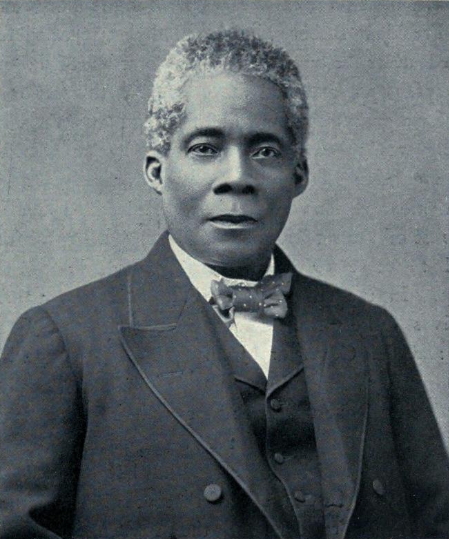
Edward Wilmot Blyden
### Introduction: The Titan of Global Pan-African Thought Edward Wilmot Blyden (3 August 1832 – 7 February 1912) stands as one of the most consequential intellectual figures in the modern history of the African diaspora. Universally recognized as the "Father of Pan-Africanism," Blyden was a polymath of extraordinary proportions: a classical educator, multilingual linguist, Presbyterian theologian, globetrotting diplomat, and pioneering political philosopher [1]. Born in the vibrant Caribbean port of Charlotte Amalie on the island of St. Thomas—then part of the Danish West Indies—Blyden transcended colonial boundaries to become the foremost defender of African racial dignity and cultural autonomy during the nineteenth century. His intellectual journey bridged three continents, weaving together Caribbean resilience, the antebellum racial struggles of North America, the pioneering nation-building experiments of Liberia, and the complex civilizational tapestries of British and Islamic West Africa [2]. At a historical moment when pseudoscientific racism and European colonial expansion sought to dehumanize people of African descent, Blyden articulated a revolutionary philosophical counter-narrative. He was the first modern thinker to coin and systemize the concept of the **"African Personality,"** asserting that African peoples possessed a distinct, communal, and spiritual genius that was vital to the harmonious development of global civilization [3]. His seminal writings, most notably his 1887 magnum opus *Christianity, Islam and the Negro Race*, fundamentally dismantled Eurocentric missionary assumptions and legitimized indigenous African social structures [4]. Blyden’s enduring vision of race pride, educational decolonization, and continental self-determination laid the intellectual foundations upon which subsequent Caribbean and global Pan-African titans—such as [Marcus Garvey](/profiles/marcus-garvey), [George Padmore](/profiles/george-padmore), [Aimé Césaire](/profiles/aime-cesaire), and [Frantz Fanon](/profiles/frantz-fanon)—would build their movements for liberation in the twentieth century [5].  ### Early Life and Formative Years in Charlotte Amalie, St. Thomas Edward Wilmot Blyden was born on August 3, 1832, in Charlotte Amalie, the bustling harbor capital of St. Thomas in the Danish West Indies (modern-day United States Virgin Islands) [1]. He was the third of seven children born to Romeo and Judith Blyden, free and literate Black citizens of proud Igbo descent [2]. Romeo Blyden was a skilled tailor of respected standing, while Judith was a talented dressmaker and educator [3]. Growing up in an urban Danish Caribbean trading hub that served as an international entrepôt, young Edward was exposed from infancy to a cosmopolitan crosscurrent of languages and cultures, hearing Dutch, English, Spanish, Danish, and Caribbean Creole spoken across the wharves and markets of Charlotte Amalie [6]. In 1842, when Edward was ten years old, the Blyden family relocated temporarily to Puerto Cabello, Venezuela, where they resided for two years [2]. During this period, the precocious youth quickly attained fluency in Spanish, demonstrating the formidable aptitude for philology that would become a hallmark of his adult scholarship [6]. Upon returning to St. Thomas in 1844, Blyden came under the personal mentorship of the Reverend John P. Knox, an American Presbyterian clergyman who arrived to pastor the local Protestant Dutch Reformed Church [1]. Knox was instantly captivated by Blyden’s sharp analytical intellect, voracious appetite for classical literature, and moral gravity, inviting the young boy into his private study to tutor him in theology, rhetoric, and classical languages [2]. Blyden's adolescence in the Virgin Islands unfolded against a backdrop of momentous revolutionary upheaval. In July 1848, when Blyden was fifteen, thousands of enslaved laborers on neighboring St. Croix rose in a coordinated rebellion led by Moses "General Buddhoe" Gottlieb, forcing Danish Governor Peter von Scholten to proclaim the immediate emancipation of all enslaved people in the Danish West Indies [7]. Witnessing this dramatic assertion of Black humanity left an indelible impression on the young Blyden, instilling within him a permanent conviction that the liberation of Black people required unwavering moral resolve, collective solidarity, and an unshakeable defense of human dignity [7]. This atmosphere of resistance in the Virgin Islands would later inspire subsequent generations of freedom fighters, including Crucian labor leaders during the 1878 Fireburn and twentieth-century civil rights advocates such as [David Hamilton Jackson](/profiles/hamilton-jackson) and cultural pioneer [Alton Augustus Adams](/profiles/alton-adams) [8]. ### Racial Rejection in America and the Exodus to Liberia (1850–1851) Recognizing Blyden's extraordinary academic brilliance and deep spiritual conviction, Reverend Knox arranged for the eighteen-year-old youth to travel to the United States in May 1850, intending for him to enter theological college and prepare for the Presbyterian ministry [1]. Blyden arrived in North America in the company of Knox's wife, expecting his intellectual merits to speak for themselves. Instead, he collided head-on with the virulent institutional white supremacy of antebellum America [2]. In rapid succession, Blyden applied for admission to Rutgers Theological Seminary in New Brunswick, New Jersey, and two additional Presbyterian seminaries; all three institutions summarily refused him entry solely on account of his African ancestry [1][2]. The rejection occurred in the volatile shadow of the Compromise of 1850 and the passage of the draconian Fugitive Slave Act, which legally mandated the capture of escaped slaves even within free northern states and placed every free Black person under perpetual threat of kidnapping and re-enslavement [6]. Disillusioned by the hypocrisy of white American Christian institutions that preached the brotherhood of man while violently enforcing racial caste, Blyden realized that America offered no dignified future for an ambitious Black scholar seeking unfettered intellectual growth [3]. During this crisis of faith and geography, Blyden encountered officials of the American Colonization Society (ACS) and the Presbyterian Board of Foreign Missions, who proposed an alternative horizon: the young republic of Liberia, established on the West African coast as a sovereign haven for free Black emigrants [1]. Refusing to submit to second-class status in the United States, Blyden embraced the call of ancestral repatriation. In December 1850, he boarded the packet ship *Edgar* in Baltimore, sailing across the Atlantic Ocean and arriving in the harbor of Monrovia on January 26, 1851 [2]. Stepping foot onto the soil of Africa at age eighteen, Blyden transformed what began as an agonizing personal trauma of racial exclusion into a lifelong, majestic mission of continental redemption [3]. ### Linguistic Mastery and Educational Leadership at Liberia College Upon his arrival in Monrovia, Blyden immediately enrolled at the newly founded Alexander High School, a Presbyterian preparatory academy directed by the Reverend David A. Wilson [2]. Demonstrating a phenomenal capacity for scholarly acquisition, Blyden rapidly mastered Latin, ancient Greek, and biblical Hebrew, astonishing his instructors with his command of classical philology and philosophical exposition [6]. By 1853, while still a student, he was appointed assistant tutor; by 1858, following Wilson's departure, Blyden was appointed Principal of Alexander High School [1]. That same year, having completed rigorous theological examinations, he was formally ordained as a Presbyterian minister by the Presbytery of West Africa [2]. Blyden's linguistic horizons expanded far beyond the European classical canon. Recognizing that Arabic was the lingua franca of commerce, diplomacy, and scholarship across vast swaths of interior West Africa, Blyden embarked on a dedicated, self-directed quest to master the language [4]. In 1866, with financial support from benefactors, he undertook an arduous six-month expedition to the Middle East, residing in Beirut (where he attended lectures at the Syrian Protestant College) and Cairo, immersing himself in classical Quranic Arabic and Islamic jurisprudence [1][4]. He became one of the few Western-educated scholars of his era completely fluent in Arabic, allowing him to converse and negotiate directly with Muslim scholars, emirs, and merchants across the West African hinterland [4]. In 1862, following the establishment of Liberia College in Monrovia, Blyden was appointed the inaugural Professor of Greek and Latin Languages and Literature [1]. He immediately became the institution's intellectual engine. Blyden argued vigorously that higher education in Africa must reject the uncritical mimicry of European academic models [3]. In his celebrated 1881 inaugural address as President of Liberia College—a post he held with distinction from 1880 to 1884—he laid out a revolutionary pedagogical vision for an autonomous African university [1][6]. He demanded that classical studies be balanced with the systematic study of indigenous African languages, African customary laws, folklore, and African history [3]. He sought to relocate the college from the coastal Americo-Liberian enclave of Monrovia into the interior, aiming to bridge the deep social divide between coastal settlers and indigenous tribal populations [2]. > "The African must advance by methods of his own. He must possess a power distinct from that of the European. It has been proved that he cannot acquire all of European civilization without losing his own identity. We must not surrender our personality; if you surrender your personality, you have nothing left to give the world." — Edward Wilmot Blyden, *Inaugural Address as President of Liberia College* (1881) [3]  ### Political Battles, Statesmanship, and Diplomatic Service at the Court of St. James Blyden's immense intellectual stature inevitably drew him into the turbulent vortex of Liberian statecraft. In 1864, President Daniel Bashiel Warner appointed the 32-year-old Blyden as Liberia's Secretary of State [1]. In this executive cabinet post, Blyden sought to reorient the republic's entire geopolitical orientation. He vehemently opposed the coastal merchant elite who dominated the True Whig Party and the Republican establishment, accusing them of maintaining a superficial, Euro-American caste system that exploited and marginalized the native African population [2]. Blyden championed a bold policy of continental integration: he demanded the granting of full citizenship and legislative representation to indigenous Africans, advocated for the aggressive expansion of Liberia’s borders into the interior, and called for an influx of dark-skinned Black emigrants from the Caribbean and the United States to build an agrarian African democracy [2][6]. These radical positions provoked violent hostility from the light-skinned, mixed-race Americo-Liberian ruling oligarchy [1]. When Blyden aligned himself with President Edward James Roye—a dark-skinned pure Black statesman who was elected president in 1869 on a platform of interior development and racial parity—political tensions boiled over into civil insurrection [2]. In October 1871, a violent political coup led by rival coastal factions deposed President Roye (who was tragically killed shortly thereafter). A lynch mob targeted Blyden in Monrovia, forcing him to flee for his life under cover of darkness to the British colony of Sierra Leone [1][2]. Despite this political trauma, Blyden’s international standing remained untouchable. He returned to public service repeatedly, serving as Liberia’s Minister of the Interior from 1880 to 1882 and contesting the Liberian presidency as an independent reform candidate in 1885 [1]. Furthermore, Blyden served as the young republic's most formidable diplomatic asset on the world stage. Between 1877 and 1878, and again in 1892, Blyden was commissioned as Liberia’s Minister Plenipotentiary and Envoy Extraordinary (Ambassador) to the **Court of St. James** in London [1][9]. In this role, he made history as one of the very first Black diplomats ever accredited to the supreme royal court of a European imperial power [9]. At the Court of St. James, Blyden captivated Victorian London with his aristocratic bearing, linguistic erudition, and eloquent oratory. He was received by Queen Victoria, engaged in philosophical dialogues with Prime Minister William Ewart Gladstone, and befriended leading British scholars, parliamentarians, and abolitionists [1][9]. Blyden utilized his London posting to defend the territorial sovereignty of Liberia against encroaching British and French imperial ambitions, fiercely negotiating border treaties and securing international recognition for African sovereignty [9]. Remarkably, when the impoverished Liberian legislature repeatedly failed to transmit his diplomatic salary, Blyden endured severe personal financial privation, relying on his own resourcefulness and book royalties to maintain the dignity of Liberia’s legation in the British capital [9]. In 1905, he concluded his formal diplomatic career by serving as Liberia’s Minister Plenipotentiary to the Republic of France in Paris [1]. ### Intellectual Magnum Opus: *Christianity, Islam and the Negro Race* (1887) In 1887, Blyden published the masterwork that sealed his immortality in world philosophy: ***Christianity, Islam and the Negro Race***, printed in London by W.B. Whittingham & Co. [4]. The book—a collection of meticulously argued essays, lectures, and sociological treatises—sent profound shockwaves throughout the academic, missionary, and theological establishments of Europe, America, and West Africa [10]. In this groundbreaking text, Blyden offered the first comprehensive comparative analysis of how the two dominant world religions interacted with African societies [4]. With searing analytical clarity, he argued that European Christian missionary efforts in Africa, despite good intentions, had exerted a psychologically crippling and denationalizing effect upon African converts [10]. European Christianity, Blyden asserted, arrived entangled with white racial supremacy, cultural arrogance, and European aesthetics. It taught Africans to despise their ancestral traditions, reject their indigenous languages, and view themselves as perpetual subordinates to white spiritual masters, instilling a debilitating "slave psychology" that undermined racial self-reliance [4][10]. Conversely, Blyden offered a daring and controversial defense of Islam's role in African development [4]. Drawing upon his extensive travels through the West African interior and his direct engagements with Mandinka and Fulani scholars, Blyden demonstrated that Islam had historically integrated seamlessly into African cultures without destroying indigenous selfhood [4][10]. Islam, he argued, brought universal brotherhood, literacy, civic discipline, sobriety, and architectural advancement, while allowing Africans to retain their cultural autonomy, racial pride, and political agency [4]. Unlike the racial segregation endemic to Western Christianity, Islam treated all believers, regardless of skin color, with authentic egalitarian fraternity [10]. > "Africa may yet prove to be the spiritual conservatory of the world. When the civilised nations, in consequence of their wonderful material development, shall have had their spiritual susceptibilities blunted through the agency of a captivating and absorbing materialism, it may be that they have to resort to Africa to recover some of the simple elements of faith." — Edward Wilmot Blyden, *Christianity, Islam and the Negro Race* (1887) [4] Blyden did not seek the wholesale conversion of Africa to Islam; rather, he issued a prophetic summons for the creation of an **Independent African Church**—an ecclesiastical body entirely led, financed, and doctrinally rooted in African soil, free from European missionary paternalism [10]. His theological critique inspired the burgeoning "Ethiopianism" movement across Southern and West Africa, which saw indigenous African Christians break away from European denominations to form self-governing churches [2]. ### The African Personality, Cultural Autonomy, and the Sierra Leone Years Central to Blyden’s enduring philosophical system was his conceptualization of the **"African Personality"** [3]. In a series of influential lectures delivered across West Africa and Great Britain—most notably his 1893 landmark address *Study and Race* delivered before the Young Men's Literary Association in Freetown—Blyden systematically articulated a doctrine of cultural pluralism and racial integrity [3][11]. Blyden rejected the Eurocentric thesis that humanity progressed along a single hierarchical ladder with European civilization at the apex. Instead, he argued that each human race possessed a distinct, God-given genius and mission [3]. While European civilization was characterized by aggressive scientific inquiry, technological conquest, individualism, and relentless commercial materialism, African civilization was characterized by deep spiritual receptivity, communion with nature, egalitarian community cohesion, and intuitive artistic expression [3][11]. > "It is sad to think that there are some Africans, especially among those who have enjoyed the advantages of foreign training, who are blind enough to the radical facts of humanity as to say, 'Let us do away with our African personality and be lost, if possible, in another race.' Preach this doctrine as much as you like, no one will do it, for no one can do it, for when you have done away with your personality, you have done away with yourselves. Your place has been assigned you in the universe as Africans, and there is no room for you as anything else." — Edward Wilmot Blyden, *Study and Race* (1893) [11] Blyden's later career was deeply entwined with the British colony of Sierra Leone, where he found an intellectually vibrant and welcoming home [1]. Following his exile from Liberia in 1871, Blyden founded and edited ***The Negro*** newspaper in Freetown in 1872, the very first English-language periodical in West Africa explicitly dedicated to promoting race solidarity and Pan-African consciousness [1][2]. The colonial government of Sierra Leone repeatedly enlisted Blyden’s unique diplomatic and linguistic talents. In 1872 and 1873, Governor Sir Arthur Kennedy appointed him as a special diplomatic commissioner to the powerful Muslim kingdoms of the interior, including Falaba and Timbo (in modern-day Guinea) [1]. Traveling without military escort, Blyden established vital treaties of commerce and amity, earning the profound respect of Islamic monarchs [1][2]. From 1901 to 1906, Blyden served as the **Director of Mohammedan Education** for the Sierra Leone government [1]. In this capacity, he pioneered a culturally sensitive educational curriculum that introduced modern mathematics, English, and scientific instruction into Islamic madrasas while preserving Arabic literacy, Islamic religious training, and traditional cultural norms [1][2]. Through this work, Blyden bridged centuries of suspicion between Western colonial authorities and the Muslim populations of West Africa, modeling how modern education could be synthesized harmoniously with Islamic and African traditions [2]. ### Sunset, Funeral in Freetown, and Immortal Global Legacy In his final years, Blyden lived in Freetown, surrounded by a devoted circle of West African scholars, civic leaders, and younger intellectuals who revered him as the grand patriarch of African intellectual liberation [1]. Even as his physical health waned due to respiratory ailments and old age, his brilliant mind remained alert, continuing to publish essays advocating for African self-rule, educational independence, and the preservation of native land tenure systems against European concessionaires [2]. On **February 7, 1912**, Edward Wilmot Blyden passed away at his home in Freetown at the age of 79 [1]. His death precipitated unprecedented collective mourning across West Africa and the Atlantic diaspora. His state funeral on February 9 was one of the largest public gatherings in the history of Sierra Leone. In a scene that symbolized his life’s mission of ecumenical and racial harmony, thousands of mourners from every walk of life walked behind his cortege: European colonial dignitaries, Christian bishops and clergymen, dozens of white-robed Muslim imams and scholars, indigenous chiefs from the interior, and thousands of ordinary citizens [1][2]. He was laid to rest in the Muslim section of the Racecourse Cemetery in Freetown, in accordance with the profound affection and reverence he commanded within the Islamic community [1]. Blyden’s intellectual legacy is monumental, casting a long and radiant shadow across the twentieth century. He provided the core conceptual vocabulary that animated every major Black liberation movement of modern times [5]. [Marcus Garvey](/profiles/marcus-garvey), whose Universal Negro Improvement Association (UNIA) mobilized millions across the Caribbean, the Americas, and Africa, drew directly upon Blyden’s teachings of racial self-reliance, African redemption, and the slogan "Africa for the Africans" [5]. [George Padmore](/profiles/george-padmore), the Trinidadian-born intellectual who organized the historic Fifth Pan-African Congress in Manchester in 1945, explicitly cited Blyden as the ideological forefather of scientific Pan-Africanism [5]. In the French-speaking Caribbean and West Africa, Blyden’s doctrine of the African Personality served as the direct precursor to the **Négritude** movement developed by [Aimé Césaire](/profiles/aime-cesaire) and Léopold Sédar Senghor [3][5]. Post-colonial African statesmen such as Dr. Nnamdi Azikiwe of Nigeria and Osagyefo Dr. Kwame Nkrumah of Ghana heralded Blyden as the prophet who restored the African mind from colonial amnesia [5]. Today, the memory of Edward Wilmot Blyden is celebrated across the Caribbean and Africa. In the United States Virgin Islands, where his journey began on the hills of Charlotte Amalie, his legacy is commemorated through educational institutions and public honors [8]. In Liberia and Sierra Leone, monuments and university buildings bear his name. More than a century after his passing, Edward Wilmot Blyden remains immortal: a boy from the Danish West Indies who challenged the empires of the world, reclaimed the dignity of an entire continent, and bequeathed to humanity the timeless truth of the African soul [1][5]. ### References - [Edward Wilmot Blyden - Wikipedia](https://en.wikipedia.org/wiki/Edward_Wilmot_Blyden) - [Edward Wilmot Blyden (1832–1912) - BlackPast.org](https://www.blackpast.org/global-african-history/blyden-edward-wilmot-1832-1912/) - [Blyden, Edward Wilmot - Dictionary of African Christian Biography](https://dacb.org/stories/liberia/blyden-edwardw/) - [Edward Wilmot Blyden: Pan-Negro Patriot 1832-1912 - Hollis R. Lynch (Oxford University Press)](https://academic.oup.com/book/edward-wilmot-blyden) - [Virgin Islands Public Figures: Edward Wilmot Blyden - Virgin Islands Department of Education](https://www.vide.vi/) - [Christianity, Islam and the Negro Race - Internet Archive](https://archive.org/details/christianityisla00blyduoft)
View Profile →
Queen Agnes
### Introduction Axeline "Queen Agnes" Elizabeth Salomon (c. 1858 – after 1888) was a legendary labor leader and resistance fighter in the Danish West Indies (modern-day U.S. Virgin Islands). She rose to historical prominence as one of the "Four Queens" who led the historic 1878 labor rebellion on the island of St. Croix, an event popularly known as the "Fireburn" [1]. Alongside [Queen Mary](/profiles/queen-mary) (Mary Thomas), [Queen Mathilda](/profiles/queen-mathilda) (Mathilda McBean), and Susana "Bottom Belly" Abramsen, Queen Agnes organized and mobilized plantation laborers to rise up against the oppressive, semi-feudal labor contracts imposed by Danish colonial authorities [2]. Her actions during the revolt, particularly at the Carlton Plantation, and her subsequent imprisonment in Denmark and St. Croix, made her a symbol of Caribbean working-class resistance, gendered leadership, and the struggle for human dignity.  ### Socio-Economic Context: Post-Emancipation Peonage To understand the rise of Queen Agnes, one must examine the socio-economic conditions of St. Croix in the mid-to-late nineteenth century. In 1848, Governor Peter von Scholten officially emancipated the enslaved population of the Danish West Indies in the face of a massive, organized uprising of enslaved workers. However, the plantocracy and the Danish colonial government quickly moved to subvert this newly won freedom. In 1849, the colonial administration enacted the Labor Act (Arbejdsregulativet), which designed a system of debt peonage that bound formerly enslaved workers to their plantations in conditions that closely mirrored slavery [3]. Under this act, laborers were forced to sign annual contracts. They were classified as "first-class," "second-class," or "third-class" workers, receiving extremely low wages. They were required to work long, grueling hours—typically from sunrise to sunset—and were forbidden from leaving their plantations without written permission from their employers. The only day of the year when workers were permitted to terminate their contracts, seek new employers, or leave their estates was October 1st, which became known as "Contract Day" or "Quarter Day" [3]. By 1878, thirty years after emancipation, the laborers’ frustration reached a boiling point. Wages had stagnated or decreased, inflation had driven up the cost of basic goods, and the island had suffered from droughts and crop failures. Laborers realized that despite their legal freedom, they were trapped in a cycle of poverty and exploitation with no upward mobility. ### Early Life and Identity of Axeline Salomon Axeline Elizabeth Salomon, who was commonly known by her middle name, Agnes, was born on St. Croix around 1858. Unlike the wealthy colonial administrators who kept detailed journals, the lives of Black working-class women like Agnes were rarely recorded in detail unless they ran afoul of the colonial legal system. Consequently, much of what historians know about Agnes’s early life comes from the police records, census data, and interrogation transcripts compiled after the 1878 uprising [4]. Agnes grew up on St. Croix, living and working within the network of sugar plantations that dominated the island’s economy. She was a member of the Moravian Church, a Protestant denomination that had a significant presence in the Danish West Indies and provided one of the few avenues of education and spiritual community for the Black population [4]. By the time of the rebellion in 1878, Agnes was an unmarried young woman of about twenty. She was already a mother of three children, a testament to the immense domestic and financial responsibilities she carried while laboring in the sugarcane fields [4]. Her daily life was defined by the double burden of agricultural labor under the hot Caribbean sun and the care of her young family, all within the constraints of the restrictive 1849 Labor Act. ### The Spark: October 1, 1878 (Contract Day) On October 1, 1878, thousands of plantation workers from across St. Croix traveled to the port town of Frederiksted, which served as the commercial center for the island’s sugar trade. It was Contract Day, and the town was filled with laborers seeking to renew their agreements, change employers, or celebrate the brief moment of mobility granted by the law [2]. Tensions were high. Workers had hoped that the colonial government would announce the repeal of the Labor Act and a raise in the daily wage. When it became clear that no reforms were forthcoming, peaceful protests turned into angry demonstrations [3]. The situation escalated dramatically when a rumor spread through the crowd that a popular laborer named Henry Plum had been severely beaten by colonial police and had died in the local hospital. Enraged by this apparent act of police brutality, the crowd descended upon the Frederiksted Fort (Fort Frederik), where the local police and military had barricaded themselves [2]. Lacking firearms, the workers used stones, sticks, and tools to attack the fort. When the military fired into the crowd, killing several protesters, the demonstration erupted into a full-scale insurrection [3]. The laborers, realizing they could not breach the fort’s stone walls, turned their anger toward the town itself, systematically setting fire to the commercial buildings and sugar warehouses. ### The Carlton Plantation Uprising and Agnes's Leadership As the fires consumed Frederiksted, the rebellion spread outward into the rural plantation districts [2]. The workers organized themselves into groups, marching from estate to estate, dismantling machinery, and burning sugarcane fields and plantation houses. It was during this phase that Axeline Salomon emerged as a key strategist and leader, earning the title "Queen." On the morning of Wednesday, October 2, 1878, Agnes was active at the Carlton Plantation, a large sugar estate located east of Frederiksted [5]. Carlton became the site of a violent clash. A group of Danish soldiers, sent to reinforce Frederiksted, had left a military cart at the plantation. A crowd of rebels, including Agnes, confronted the soldiers. In the ensuing struggle, two Danish soldiers were killed [5]. According to later testimonies from witnesses and co-defendants, Agnes played an active role in inciting the violence at Carlton [4]. She was described as carrying a lantern, using its flame to ignite the dry trash in the sugarcane fields and urging the crowd to confront the military. Interrogation records from the Commission of 1878 detail how Agnes spoke openly about the events, displaying a bold lack of fear that inspired her peers [4]. The rebellion raged for several days, destroying over fifty plantations and causing massive economic damage to the Danish colony [2]. The colonial governor deployed the military, supported by armed volunteers and sailors from foreign warships, to ruthlessly suppress the uprising. Over a hundred Black laborers were shot or executed, and hundreds more were arrested. ### The Colonial Crackdown and Trial In the wake of the Fireburn, Danish authorities established a special military commission to investigate the rebellion and punish the leaders. Axeline Salomon was arrested and subjected to intense interrogation [4]. The trial records, preserved in the Danish National Archives, reveal the bias of the colonial judicial system, which was designed to protect the interests of the plantocracy and assert colonial dominance. Despite these hostile conditions, Agnes and her co-defendants, including [Queen Mary](/profiles/queen-mary) and [Queen Mathilda](/profiles/queen-mathilda), remained defiant. On September 2, 1880, the commission sentenced Axeline Salomon to death for her role in the rebellion, specifically for her participation in the Carlton Plantation killings and arson [4]. The Supreme Court in Copenhagen confirmed the death sentence on May 23, 1881 [4]. However, executing three women who had become folk heroines threatened to spark further unrest. Seeking to defuse the situation, King Christian IX of Denmark commuted the death sentences of Agnes, Mary, and Mathilda to life imprisonment at hard labor [4]. ### Exile and Imprisonment in Copenhagen In July 1882, Agnes, Mary Thomas, and Mathilda McBean were placed aboard the Danish naval ship *Valdemar* and transported across the Atlantic to Denmark [2]. They were incarcerated in the Kvindefængslet på Christianshavn (the women's prison in Christianshavn, Copenhagen) [4]. The transition from the tropical climate of St. Croix to the cold, damp cells of Copenhagen was brutal. The women faced severe culture shock, freezing winters, and isolation. In prison, they were forced to perform hard labor, primarily sewing, knitting, and cleaning. Agnes’s prison records note that she arrived with almost no personal belongings, carrying only a single pair of earrings [4]. Despite their imprisonment, the "Queens of the Fireburn" captured the imagination of the Danish public. They were visited by journalists and artists, who were struck by their dignity and resilience. Their legacy of resistance was similar in spirit to other Caribbean slave rebellions, such as those led by [Bussa](/profiles/bussa) in Barbados, [Sam Sharpe](/profiles/sam-sharpe) in Jamaica, and [Tula](/profiles/tula) in Curaçao, showing a shared regional history of fighting against colonial bondage. ### Return to St. Croix After serving several years in Denmark, the colonial administration decided to return the women to St. Croix. The cost of maintaining them in Copenhagen, combined with concerns about their health and growing public sympathy in Denmark, prompted their repatriation. In the late 1880s, Agnes, Mary, and Mathilda were sent back to St. Croix, where they were incarcerated at the Bassin Jailhouse in Christiansted to serve out the remainder of their sentences [2]. The traditional folk song of St. Croix commemorates their return and the memory of the jailhouse: > *Queen Mary, oh where you gon' go burn?* > *Queen Mary, oh where you gon' go burn?* > *Don't ask me nothin' at all.* > *Just give me the match and oil.* > *Bassin Jailhouse, ah there the money there.* [1] Agnes was eventually released from prison, though the exact date of her release and her life afterward remain obscured by history. She lived out her final years on the island she had fought to liberate, witnessing the gradual decline of the Danish colonial system. ### Legacy and Commemoration Axeline "Queen Agnes" Salomon’s legacy is celebrated throughout the Virgin Islands. She represents the intersection of racial, class, and gender resistance in Caribbean history. In a society that sought to render Black working-class women invisible, Agnes forced her way into the historical record through her courage and leadership. Her struggle for labor rights echoed across the region, matching the later efforts of figures like [Clement Payne](/profiles/clement-payne) in Barbados and [David Hamilton Jackson](/profiles/hamilton-jackson) in St. Croix. To honor her and her fellow leaders, the "Three Queens Fountain" was erected at Blackbeard’s Castle in Charlotte Amalie, St. Thomas. The monument features bronze statues of Queen Mary, Queen Agnes, and Queen Mathilda. Agnes is depicted holding a lantern, a tribute to her role in lighting the fires of resistance that swept across St. Croix in 1878 [2]. Every year on October 1st, Virgin Islanders celebrate Contract Day, reciting the names of the Queens and singing the folk songs that preserve their memory. Queen Agnes remains an enduring symbol of the fight for labor rights, freedom, and human dignity in the Caribbean. 
View Profile →
Queen Mary (Mary Thomas)
## Queen Mary: The Flame of Resistance in the Danish West Indies ### Introduction Mary Thomas (c. 1848 – 1905), immortalized in history as "Queen Mary," is one of the most revered figures in the labor history of the Caribbean. A central leader of the 1878 St. Croix labor revolt known as the "Fireburn," her legacy is a testament to the enduring struggle for justice, dignity, and fair labor practices in the post-emancipation era. Emerging from the harsh realities of plantation life in the Danish West Indies (now the U.S. Virgin Islands), Queen Mary transformed from a laborer into a legendary symbol of resistance against colonial oppression and economic exploitation. ### The Post-Emancipation Reality To understand the significance of Mary Thomas, one must understand the context of the Danish West Indies in the late 19th century. Although slavery was officially abolished in the colony in 1848—precipitated by a massive uprising led by figures like John Gottlieb (General Buddhoe)—the realities of freedom for the Black population were severely constrained. The colonial government instituted the Labor Act of 1849, a deeply oppressive system designed to maintain the plantation economy by binding workers to the land. Under this system, workers were required to sign annual contracts on October 1st, known as "Contract Day." They were subjected to fixed, starvation-level wages, harsh working conditions, and severe restrictions on their mobility. The pass system effectively made it illegal for laborers to leave their plantations or seek better employment without the explicit permission of the estate owners. For thirty years, this system of indentured servitude bred deep resentment and a simmering anger among the laboring class. ### Early Life of Mary Thomas Details about Mary Thomas's early life are relatively sparse, a common reality for working-class individuals and women of color in colonial records. It is believed she was born in Antigua around 1848, the very year slavery ended in the Danish territories. Sometime in the 1860s, she migrated to St. Croix, joining the workforce on the island's sugar plantations. Before the events of 1878, records indicate she worked on various estates and had several children. She was known to be a woman of strong character, having been previously arrested for minor acts of defiance—a precursor to her future role as a revolutionary leader. Her life was defined by the grueling physical labor of the cane fields and the daily humiliations of a racially stratified and economically exploitative society. > "Queen Mary, ah where you gon' go burn? / Queen Mary, ah where you gon' go burn? / Don't ask me nothin' t'all / Just give me the match and oil / Bassin Jailhouse, ah there the money dey." > — Traditional Virgin Islands folk song commemorating the Fireburn. ### The Eruption of the Fireburn The tension reached a breaking point on October 1, 1878. As laborers gathered in the town of Frederiksted for Contract Day, rumors circulated that the colonial authorities would deny their demands for higher wages and better living conditions. Furthermore, the workers' request to freely leave the island to seek better opportunities was vehemently opposed by the planters. When their demands were flatly rejected, the accumulated anger of three decades erupted. The workers began to riot, targeting the symbols of their oppression: the sugar plantations and the colonial infrastructure. This uprising became known as the "Fireburn," the largest labor revolt in the history of the Danish colonial empire. ### The Three Queens During the Fireburn, leadership naturally emerged from the ranks of the workers. Among the most prominent leaders were three women: Mary Thomas, Axeline "Agnes" Elizabeth Salomon, and Matilde McBean. The laborers bestowed the title of "Queen" upon them, a title that held deep cultural significance, rooted in African traditions and the social structures of Caribbean societies. The "Queens" were not only strategic leaders but also moral authorities who inspired the crowds and directed the course of the uprising. Queen Mary, in particular, became the face of the rebellion. Armed with a cane knife and a torch, she was reportedly at the forefront of the demonstrations. The revolt lasted for several days, during which over 50 plantations—more than half the island's agricultural infrastructure—were set ablaze. The sky over St. Croix glowed red with the fires of resistance.  ### Suppression, Imprisonment, and Exile The Danish colonial authorities responded with overwhelming military force. Troops were dispatched to crush the rebellion, resulting in the deaths of over a hundred laborers. Hundreds more were arrested in the brutal crackdown that followed. Mary Thomas, along with Queen Agnes and Queen Matilda, was captured and brought before a military tribunal. Recognized as the instigators of the Fireburn, they were initially sentenced to death for their roles in the uprising. However, due to various political considerations and perhaps a fear of turning them into even greater martyrs, their sentences were commuted to life imprisonment with hard labor. In 1882, the colonial authorities, deeming the presence of the Queens too dangerous on the island, transferred them to Denmark. They were incarcerated in the Women's Prison in Christianshavn, Copenhagen. The sight of these Caribbean women in a European prison was a stark physical manifestation of the colonial relationship. Despite their harsh circumstances, their spirit remained unbroken. Eventually, in 1887, they were returned to St. Croix to serve the remainder of their sentences in Christiansted. Mary Thomas lived out her final years on the island, passing away in 1905. ### Legacy: I Am Queen Mary For over a century, the story of Queen Mary was kept alive primarily through oral history, folk songs, and the deeply held cultural memory of the Virgin Islands people. She became an icon of resistance, an embodiment of the strength and resilience of Caribbean women. In recent years, her legacy has received profound international recognition. In 2018, to mark the centennial of the sale of the Danish West Indies to the United States, a monumental public sculpture titled *I Am Queen Mary* was unveiled in Copenhagen. Created collaboratively by Virgin Islands artist La Vaughn Belle and Danish artist Jeannette Ehlers, the striking statue sits in front of the West Indian Warehouse. It depicts Queen Mary seated majestically in a wicker chair—reminiscent of the iconic photograph of Huey P. Newton—holding a torch in one hand and a cane knife in the other. This monument, Denmark's first public statue of a Black woman, forces a confrontation with the nation's colonial past and honors the heroism of those who fought against it. Queen Mary’s life story—from a laborer in the cane fields to a leader of a massive rebellion, and finally to a global symbol of anti-colonial resistance—demonstrates the profound impact of grassroots activism. She remains a powerful reminder that the fight for labor rights and human dignity in the Caribbean was forged in fire and led by those with the most to lose.
View Profile →
Queen Mathilda
### Introduction The narrative of Caribbean labor resistance is incomplete without the fiery rebellion of 1878 on the island of St. Croix, Danish West Indies. Known historically as the "Fireburn," this uprising stands as a monumental struggle for human dignity and labor rights in the post-emancipation era. At the absolute vanguard of this rebellion stood a group of women who mobilized, organized, and directed the workers in their demands for fair compensation and basic respect. Among these revered leaders was Mathilda McBean, popularly crowned by her contemporaries and posterity as **Queen Mathilda**. While her life spans the dates of 1849 to 1899 within the institutional records of the [Caribbean Legacy Archive](/profiles/queen-mathilda), her actions in October 1878 carved her name into the history of the Virgin Islands. Alongside [Queen Mary](/profiles/queen-mary) and [Queen Agnes](/profiles/queen-agnes), Queen Mathilda became a symbol of unyielding resistance against colonial exploitation and the oppressive structural remnants of chattel slavery. ### The Post-Emancipation Labor Trap: The 1849 Labor Act To comprehend the spark that ignited the Fireburn, one must examine the socio-economic reality of St. Croix in the mid-19th century. Although Governor Peter von Scholten had declared the emancipation of all enslaved people in the Danish West Indies in 1848, the colonial planter class and government quickly enacted legislative measures to ensure that the newly freed population remained economically subjugated [1]. The most pernicious of these measures was the Labor Act of 1849 [2]. This Act established a highly restrictive labor system designed to maintain a cheap, stable workforce for the sugar plantations [3]. Under this law, laborers were forced to enter into legally binding, annual contracts. These agreements could only be terminated or changed on a single day of the year: October 1st, commonly referred to as "Contract Day." If a worker failed to secure a new contract or did not wish to renew their existing one, they could be arrested for vagrancy or forced back onto the plantation. Furthermore, the wages were capped at a meager rate—typically between 10 and 15 cents a day—and workers were subjected to harsh disciplinary codes, poor housing, and limited freedom of movement [2]. The physical conditions of labor on the estates differed very little from the pre-1848 era of slavery, fostering a deep, generational resentment among the Afro-Crucian population.  ### The Spark of Frederiksted: October 1, 1878 By the late 1870s, the tension on St. Croix had reached a boiling point [4]. The combination of low wages, a devastating drought, and the arbitrary cruelty of estate managers made the annual Contract Day a focal point of anxiety and resistance. On October 1, 1878, thousands of agricultural laborers gathered in the town of Frederiksted, on the western coast of St. Croix, hoping to negotiate better contracts or find new employers [3]. As the day progressed, rumors spread through the crowd that a popular laborer had been beaten or killed by police. Frustrations quickly boiled over, and the crowd began to clash with the local gendarmerie [4]. When the police retreated into the Frederiksted fort, the laborers took control of the town [1]. What began as a protest rapidly transformed into a full-scale insurrection. The workers dismantled structures, armed themselves, and began setting fire to public buildings, sugar warehouses, and shops. The flames soon spread from Frederiksted into the surrounding countryside, as laborers marched from estate to estate, burning sugarcane fields and great houses. This dramatic, red-lit night gave the uprising its permanent name: the "Fireburn" [5]. ### Mathilda McBean: Identity and Early Life Historical records regarding the early life of Mathilda McBean are scarce, and discrepancies exist between institutional archives and modern historical research. In the official records of the Caribbean Legacy Archive, she is listed as having lived from 1849 to 1899. However, pioneering research by Virgin Islands historians suggests that Mathilda McBean was born around September 1857 at Estate Robe's Hill on St. Croix [6]. This would make her a young woman in her late teens or early twenties—approximately 21 years old—at the time of the 1878 revolt [6]. > "We will not work for these wages; we will burn the country down before we submit." > — A rallying cry attributed to the leaders of the 1878 Fireburn. Regardless of the exact year of her birth, Mathilda was a product of the harsh estate labor system. Growing up in the agricultural fields of St. Croix, she witnessed firsthand the transition from chattel slavery to contract servitude. Her youth did not deter her; rather, it provided her with the energy and resolve to challenge the status quo. She possessed a natural eloquence and command that allowed her to sway crowds, making her a natural organizer when the opportunity arose [6]. ### Leadership and Mobilization in the Fireburn During the initial outbreak of the Fireburn in Frederiksted, Mathilda McBean quickly rose to a position of leadership. The laborers organized themselves under "Queens," a title derived from West African traditions of maternal authority and leadership during times of crisis. These Queens served as the operational commanders of the revolt, directing groups of workers, coordinating the movement of people across the island, and providing the ideological and emotional support necessary to sustain the rebellion [1]. Queen Mathilda was particularly noted for her role as a primary mobilizer. While [Queen Mary](/profiles/queen-mary) was known for her fierce, confrontational stance at the forefront of physical confrontations, and [Queen Agnes](/profiles/queen-agnes) organized the logistical transport of fuel and supplies, Queen Mathilda focused on the critical task of mass communication and recruitment. She traversed the estates, urging workers to leave their fields, refuse their contracts, and join the march [1]. She was instrumental in organizing the collection of kerosene and the preparation of torches, which were used to set fire to the sugar estates [6]. Witnesses during her subsequent trial testified that Mathilda was seen leading large groups of chanting laborers, holding a torch aloft, and calling for the destruction of the plantations that had enslaved them. Over the course of several days, the rebels burned over 50 plantations and devastated the colonial economy of St. Croix [4].  ### Arrest, Trial, and Exile in Denmark The Danish colonial government responded to the Fireburn with brutal military force. Troops were dispatched, and martial law was declared. Over the course of the next few weeks, the rebellion was systematically suppressed. Hundreds of laborers were arrested, and dozens were summarily executed by firing squad. Mathilda McBean, along with the other primary Queens, was arrested in late October 1878 [4]. The colonial authorities, recognizing the deep influence of these women, conducted extensive trials to determine the ringleaders of the revolt. The trials revealed the highly organized nature of the uprising and the central role played by the Queens. Mathilda and her co-conspirators were originally sentenced to death for their participation in the rebellion and arson [6]. However, the Danish Crown, wary of creating martyrs and facing international scrutiny, commuted the death sentences to life imprisonment with hard labor [1]. In 1882, Queen Mathilda, [Queen Mary](/profiles/queen-mary), and [Queen Agnes](/profiles/queen-agnes) were extradited to Denmark to serve their sentences [3]. They were incarcerated in the Christianshavn Women's Prison (*Kvindefængslet*) in Copenhagen [1]. The transition from the tropical climate of St. Croix to the damp, freezing cells of Copenhagen was incredibly harsh [6]. Despite the physical toll, historical records from the prison note that the Crucian women maintained a dignified and resilient demeanor, refusing to be broken by their captors. ### Return and Final Years In the late 1880s, facing growing public pressure in Denmark and persistent unrest in the Virgin Islands, the Danish government decided to commute the sentences of the surviving Fireburn leaders. In 1889, Queen Mathilda, along with [Queen Mary](/profiles/queen-mary) and [Queen Agnes](/profiles/queen-agnes), was allowed to return to St. Croix [3]. Upon their return, they were met as heroes by the local population. However, the colonial authorities kept them under close surveillance, restricting their movement and preventing them from participating in any further labor organizing [1]. Mathilda McBean spent her remaining years in relative obscurity, working in agricultural labor but revered by her community as a living legend of the struggle for freedom. She passed away around 1899, marking the end of a life dedicated to the fight against colonial oppression. ### Legacy and Commemoration The legacy of Queen Mathilda and the Fireburn remains a cornerstone of the cultural identity of the U.S. Virgin Islands. In the decades following the revolt, the story of the Queens was kept alive through oral traditions, folk songs, and annual commemorations on Contract Day (October 1st). In the 20th century, as the Virgin Islands witnessed the rise of modern civil rights leaders like [David Hamilton Jackson](/profiles/hamilton-jackson), the Fireburn was recognized as the foundational event in the island's labor movement. Modern political and civic leaders, including Governors [Alexander Farrelly](/profiles/alexander-farrelly) and [Cyril E. King](/profiles/cyril-king), have repeatedly highlighted the historical debt the territory owes to the 1878 rebels. Furthermore, cultural figures such as the musician [Alton Augustus Adams](/profiles/alton-adams) drew inspiration from the spirit of resistance that these Queens embodied. The "Three Queens Fountain," a bronze monument located at Blackbeard's Castle in Charlotte Amalie, St. Thomas, stands as a permanent tribute to Queen Mathilda, [Queen Mary](/profiles/queen-mary), and [Queen Agnes](/profiles/queen-agnes) [7]. In recent years, the collaborative monument *I Am Queen Mary*, created by artists La Vaughn Belle and Jeannette Ehlers in Copenhagen, has further elevated the global recognition of these women, connecting the history of St. Croix to the broader dialogue on Danish colonial legacy and the African diaspora. Queen Mathilda's life serves as an enduring reminder that the fight for labor rights and human dignity is often led by the most marginalized, whose courage can shake the foundations of colonial power.
View Profile →
Rothschild Francis
# Rothschild Francis: The Unyielding Voice of the Virgin Islands Rothschild "Polly" Francis (1891–1963) stands as a towering, transformative figure in the history of the United States Virgin Islands. A pioneering labor leader, self-educated intellectual, fierce civil rights activist, and fearless journalist, Francis defined the early struggle for democracy and civil liberties in the territory following its transfer from Danish to American sovereignty in 1917. At a time when the local population faced significant economic hardship, systemic disenfranchisement, and strict military rule, Francis emerged as a relentless advocate for the marginalized and oppressed. He is best remembered for founding the influential newspaper *The Emancipator*, fiercely campaigning for a civilian government to replace the U.S. Naval administration, and demanding full United States citizenship for all Virgin Islanders. Through his unyielding dedication to democratic ideals, he fundamentally altered the political landscape of the Caribbean. ### Early Life in the Danish West Indies Rothschild Francis was born in 1891 on the island of St. Thomas, which was then a crucial part of the Danish West Indies. Growing up during the final decades of Danish colonial rule, Francis witnessed firsthand the vast inequalities that defined Caribbean society of the era. The local economy, which had historically been driven by the brutal realities of the trans-Atlantic slave trade, sugar cultivation, and maritime commerce, had long been in a state of severe decline. The majority of the Afro-Caribbean population suffered under systemic poverty, agonizingly low wages, and severely limited educational opportunities. Social mobility was virtually non-existent for those outside the privileged colonial elite. Despite the lack of formal educational structures for the working class, Francis was a man of immense intellectual curiosity. Primarily self-educated, he possessed a voracious appetite for knowledge, studying history, law, and political philosophy. This self-directed education cultivated within him an acute sense of justice and a deep understanding of the mechanics of oppression—insights that would guide his lifelong crusade for equality. In 1917, amidst the geopolitical anxieties of World War I, the United States purchased the islands from Denmark for $25 million, renaming them the United States Virgin Islands. For many local residents, the transfer of sovereignty brought a profound wave of optimism. They firmly believed that becoming part of the United States—a nation fundamentally founded on principles of liberty and justice—would usher in an era of democratic ideals, economic prosperity, and the immediate granting of American citizenship. However, the reality of the transfer fell drastically short of these lofty expectations. Rather than integrating the islands as a democratic territory, the U.S. government placed them under the jurisdiction of the Department of the Navy. Rather than experiencing the promises of democracy, Virgin Islanders found themselves subjected to strict, autocratic military rule. They were governed by naval officers who possessed virtually unchecked executive, legislative, and judicial powers. The local population remained devoid of constitutional protections, political self-determination, and the U.S. citizenship they so deeply coveted. It was within this crucible of profound disappointment and paternalistic colonial administration that Rothschild Francis forged his powerful political ideology. > "The transfer of the Virgin Islands did not bring the freedom and democracy promised by the American flag; instead, it brought military rule. We demanded nothing less than our birthright as citizens—a fight that could not be silenced by the gavel of a naval judge." ### *The Emancipator* and the Power of the Press Recognizing that the people desperately needed a platform to voice their grievances and organize their resistance, Francis turned to the power of journalism. In 1921, he founded a newspaper aptly named *The Emancipator*. Through its pages, Francis launched a sustained, courageous, and highly effective campaign against the abuses and systemic failures of the naval administration. *The Emancipator* was not merely a newspaper; it served as the intellectual, social, and political heart of the Virgin Islands' early civil rights movement. Francis used the publication to ruthlessly expose government corruption, criticize the heavy-handed and often arbitrary policies of naval officials, and highlight the severe economic exploitation of the working class. He consistently fought for fair wages, better working conditions, and the fundamental right of local residents to have a meaningful say in their own governance. By articulating the deepest frustrations of the common people, Francis quickly became the most visible and vocal opponent of naval rule in the territory. His editorials were sharp, uncompromising, and deeply rooted in the democratic principles espoused by the United States Constitution—principles he argued were being hypocritically denied to the people of the Virgin Islands. He drew stark contrasts between the democratic rhetoric of the American mainland and the dictatorial reality of the islands' governance, creating a compelling moral argument that resonated both locally and abroad.  ### The Fight for Civilian Government and Citizenship Francis’s activism was by no means confined to the printing press. He was fundamentally a man of action who took the fight directly to the halls of political power. As an elected member of the Colonial Council, the local legislative body at the time, he pushed tirelessly for legislative reforms and relentlessly challenged the colonial authority of the naval governors at every turn. His political vision was clear and uncompromising: the complete removal of military rule, the establishment of a fully functional civilian government, and the extension of full United States citizenship to all Virgin Islanders. To achieve these ambitious goals, Francis realized he needed to build power from the ground up. He organized labor unions to empower the working class, leading strikes and negotiations that demanded basic dignity and a living wage for laborers who had long been exploited. Simultaneously, Francis built strategic alliances with prominent progressive organizations on the U.S. mainland. He collaborated extensively with the American Civil Liberties Union (ACLU), utilizing their legal expertise and political connections to amplify his cause. Francis traveled to Washington, D.C., to testify directly before the United States Congress. During these landmark hearings, he passionately and eloquently articulated the plight of his people. He exposed the inherent contradictions of a purportedly democratic nation administering a colonial military regime, forcing American lawmakers to confront the realities of their territorial policies. His tireless efforts laid the critical groundwork that would eventually lead to the granting of U.S. citizenship to Virgin Islanders in 1927 (which was later expanded in 1932), as well as the transition to a civilian government under the Department of the Interior in 1931. Although these sweeping victories took time to fully materialize, it was unequivocally Francis’s early, uncompromising agitation that set the wheels of historical change in motion. ### Persecution, Legal Battles, and Resilience Unsurprisingly, Francis’s relentless challenge to the status quo made him a prime target for the naval administration. The military governors and their appointed officials viewed him not as a legitimate civil rights leader, but as a dangerous agitator, a subversive threat to public order, and an enemy of the state. As a result, Francis faced intense political persecution and a series of exhausting legal battles designed specifically to silence him, discredit his movement, and bankrupt his newspaper. In 1924, he was convicted of criminal libel after publishing an editorial that heavily criticized a local police officer for brutality and abuse of power. The naval-appointed judges, who operated without the standard checks and balances of a civilian justice system, were eager to penalize him. Despite aggressively appealing the decision and receiving significant legal support and representation from the ACLU, the conviction was ultimately upheld. Just two years later, in 1926, the administration struck again. Francis was indicted and convicted on charges of embezzlement. Modern historians, legal scholars, and contemporary Virgin Islands legislators have heavily scrutinized these convictions, almost universally characterizing them as deeply suspicious, entirely politically motivated, and orchestrated specifically to crush his political influence and destroy his reputation among the masses. These drawn-out legal battles exacted a heavy toll on Francis, both personally and financially. The relentless harassment, combined with the financial ruin brought upon *The Emancipator*, eventually forced him to step away from the forefront of Virgin Islands politics. He subsequently relocated to the U.S. mainland, where he lived out the remainder of his life in relative obscurity. However, his spirit remained unbroken, and the ideological seeds he had planted in the minds of Virgin Islanders continued to grow and bear fruit long after his departure. ### Legacy and Modern Recognition Rothschild Francis passed away in 1963, living just long enough to see many of his core political goals realized, though he rarely received the credit he deserved during his lifetime. Today, his legacy as a foundational figure in the Virgin Islands' quest for civil rights remains deeply ingrained in the territory's historical consciousness. He is revered not just as a labor leader or a journalist, but as a profound visionary who sacrificed his own freedom, reputation, and livelihood to secure the democratic rights of future generations. His extraordinary contributions have been memorialized in numerous ways across the Virgin Islands, ensuring that his name will never be forgotten. The historic Market Square in Charlotte Amalie, St. Thomas—a central commercial and social gathering place for the community for centuries—was officially renamed Rothschild Francis Square in his honor. This bustling center of commerce now serves as a permanent monument to his fight for the working class. In Educators Park on St. Thomas, a prominent bust of Francis stands proudly alongside other revered historical figures such as [Edith Williams](/profiles/edith-williams) and [J. Antonio Jarvis](/profiles/j-antonio-jarvis). October 5th is officially designated as Rothschild Francis Day in the territory, a day dedicated to reflecting on his immense contributions to civil liberties, journalism, and labor rights. Furthermore, in recent years, the Virgin Islands Legislature has undertaken significant efforts to posthumously pardon Francis for his libel and embezzlement convictions, formally recognizing the unjust, corrupt, and politically motivated nature of his prosecution by the naval administration. This movement for exoneration reflects a broader, crucial reckoning with the colonial history of the territory and serves as the ultimate vindication of a man who was always on the right side of history. Rothschild Francis’s life is a powerful testament to the enduring power of the press, the unbreakable resilience of the human spirit, and the perpetual quest for equality. He boldly dared to demand that the promises of democracy be extended across the ocean to the shores of the Virgin Islands, and in doing so, he forever altered the political and social trajectory of his homeland.
View Profile →