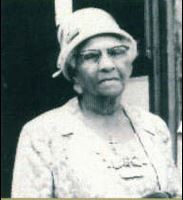
Dame Gwendolyn Tonge

Dame Gwendolyn Tonge
Biography
Early Life and the Context of Colonial Antigua
Born Gwendolyn Moreen Peters on October 3, 1923, in the rural, close-knit enclave of Seatons Village, Antigua, the woman who would eventually be celebrated as "Auntie Gwen" entered a world defined by the strictures of British colonial rule. During the 1920s, Antigua and Barbuda was an agrarian society deeply entrenched in the remnants of a plantation economy. Educational opportunities, particularly for young black women in rural districts, were systematically limited. The colonial education system was designed primarily to produce a compliant labor force rather than to cultivate intellectual leaders or visionaries. However, the Peters household instilled in young Gwendolyn an unshakeable belief in the transformative power of education and the inherent dignity of domestic and community labor. In an era when the culinary and domestic arts were often dismissed as mere servitude, she began to view them through a lens of profound cultural preservation and economic empowerment. She recognized early on that the food, traditions, and home practices of the Antiguan people were not markers of subjugation, but rather vibrant expressions of resilience, ingenuity, and survival. Her journey into the formal educational sphere began through the Caribbean pupil-teacher program, a grueling but essential pathway for many aspiring educators in the West Indies. This system required young students to simultaneously learn and teach, fostering a rigorous work ethic and a deep empathy for the struggles of rural schoolchildren.
Academic Awakening and the Professionalization of Domestic Science
Driven by an insatiable thirst for knowledge and a desire to elevate her craft, Gwendolyn sought opportunities beyond the shores of her island. She traveled to Barbados to study pedagogy and home economics at the prestigious Housecraft Centre, an institution that played a pivotal role in standardizing and elevating domestic science across the Anglophone Caribbean. Her time in Barbados exposed her to a broader regional movement aimed at professionalizing women's work and improving public health through better nutrition and sanitation. She later expanded her academic horizons by pursuing advanced studies at the University of Puerto Rico. This exposure to diverse pedagogical methods and cultural contexts enriched her understanding of how home economics could be utilized as a tool for national development.
Upon her return to Antigua, she began a legendary tenure at the Green Bay Government School. As a specialist in domestic science, she revolutionized the curriculum. She refused to teach cooking and sewing merely as chores; instead, she framed them as essential sciences and arts. She taught her students about the nutritional value of local provisions, the chemistry of baking, and the economics of household management.
"To Auntie Gwen, the kitchen was not a place of confinement, but a laboratory of empowerment where the ingredients of national identity were cultivated and shared."
Her classroom became a space where young women were taught self-reliance, financial literacy, and pride in their cultural heritage. This was a radical departure from the colonial curriculum, aligning her work with the burgeoning anti-colonial and nationalist movements sweeping across the Caribbean, spearheaded by figures like Vere Cornwall Bird.
Regional Leadership and "Caribbean Home Economics in Action"
Dame Gwendolyn's vision could not be contained within the walls of a single school. She recognized that to truly impact the region, there needed to be a unified, Caribbean-centric approach to home economics. She became a founding member of the Caribbean Association of Home Economists (CAHE) and served as its dynamic president from 1977 to 1981. Under her leadership, the organization expanded its reach, advocating for the integration of home economics into national educational policies across the West Indies. Perhaps one of her most enduring academic legacies is her co-authorship of the Caribbean Home Economics in Action textbook series. Before this publication, Caribbean students were often forced to rely on British or American textbooks that featured foreign ingredients, irrelevant climates, and alien cultural norms. Dame Gwendolyn's textbooks centered the Caribbean experience, featuring local crops, traditional recipes, and practical advice tailored to the realities of island life. These books became the gold standard in schools across the region, educating generations of students and validating the Caribbean domestic experience within the formal academic sphere.
The Phenomenon of "Cooking Magic"
While her academic and policy work was profound, it was the medium of television that transformed Gwendolyn Tonge into the universally beloved "Auntie Gwen." In the 1960s, she launched Cooking Magic on the Antigua and Barbuda Broadcasting Service (ABS). The show was revolutionary. In an era when television was dominated by foreign programming, Cooking Magic provided a rare, authentic reflection of Antiguan life.
Airing for decades, it became one of the longest-running television series in the eastern Caribbean. Auntie Gwen’s warm, charismatic, and authoritative presence captivated audiences. She didn't just demonstrate recipes; she engaged in a vibrant cultural dialogue. She championed the use of local ingredients—cassava, sweet potatoes, saltfish, and local herbs—at a time when imported processed foods were becoming fashionable. She showed women how to turn their culinary skills into micro-enterprises, teaching them how to bottle preserves, bake commercially, and manage small businesses. She authored two Cooking Magic cookbooks, which served as vital repositories of Antiguan culinary heritage, ensuring that traditional recipes would not be lost to modernization.
Political Ascension and Women's Advocacy
Dame Gwendolyn's influence naturally extended into the realm of public policy. As Antigua and Barbuda transitioned from a British colony to an independent nation in 1981, there was a pressing need to address gender disparities and ensure that women were active participants in nation-building. She was appointed to head the government's "Women’s Desk," a groundbreaking initiative that would eventually evolve into the nation's Directorate of Gender Affairs. In this capacity, she was a tireless advocate for women's rights, fighting against domestic violence, advocating for equal pay, and pushing for legal reforms to protect vulnerable women and children. Her political acumen and deep connection to the grassroots made her a formidable force.
She was subsequently appointed to the Senate, where she worked within the Ministry of the Prime Minister, focusing heavily on policies related to women's issues, education, and social welfare. On the international stage, she served as the nation's chief delegate to the Inter-American Commission of Women, ensuring that the voices and concerns of Caribbean women were heard in global forums.
Legacy and Honors
Dame Gwendolyn Tonge’s lifelong dedication to her country and the wider Caribbean did not go unnoticed. She was heavily decorated throughout her life, receiving the Order of the British Empire (MBE) from Queen Elizabeth II, as well as the Order of Honour of Antigua and Barbuda. She culminated her honors by being awarded the Distinguished Order of the Nation (DCN), granting her the title of "Dame."
In 1981, recognizing her unparalleled contribution to the field, the CAHE established the Gwendolyn Tonge Scholarship Award, providing financial support to aspiring home economists pursuing advanced studies. Her passing on September 28, 2012, at the age of 88, prompted an outpouring of national mourning. Today, her legacy is institutionalized through the Dame Gwendolyn Tonge Lifetime Legacy Award, presented annually by the Directorate of Gender Affairs. She remains a towering figure in Antiguan history—a woman who used the humble tools of the kitchen and the classroom to build a stronger, more equitable, and culturally proud nation.
Major Contributions
- Dame Gwendolyn Tonge fundamentally transformed the educational and social landscape of the Caribbean by elevating home economics from domestic servitude to a professionalized science of empowerment.
- Through her leadership in the Caribbean Association of Home Economists and her co-authorship of regional textbooks, she decolonized the curriculum, ensuring Caribbean culture and resources were centered in education.
- Additionally, as a pioneering television personality and the head of Antigua's first Women's Desk, she championed female entrepreneurship, gender equality, and cultural preservation on a national scale.