
Antigua and Barbuda
A twin-island nation known for its 365 beaches and its rich history of labor and independence movements.
Figures from Antigua and Barbuda
Historically documented individuals of note.
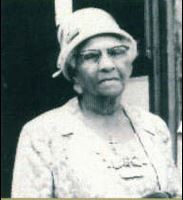
Dame Georgiana Nellie Robinson
# Dame Georgiana Nellie Robinson  Dame Georgiana Ellen "Nellie" Robinson, affectionately known throughout her life and beyond as "Miss Nellie," stands as a towering figure in the history of Antigua and Barbuda. Born on December 7, 1880, in St. John’s, Antigua, she emerged as a pioneering educator, an unstinting advocate for social justice, and a community leader whose impact is woven deeply into the fabric of the nation. She is recognized not only as an exceptional historical figure but also as the sole female National Hero of Antigua and Barbuda, a testament to her profound, multifaceted contributions to her country during a deeply transformative era in Caribbean history. ### Early Life and the American Experience Nellie Robinson was the second of eight children born to Margaret and George Robinson. Growing up in the late 19th-century colonial Caribbean meant living in a society heavily stratified by race, class, and social standing. The legacy of slavery, though abolished nearly fifty years prior, still cast a long shadow over the economic and educational opportunities available to the black majority. When she was about ten years old, economic circumstances and the search for better opportunities led her family to send her to the United States. Her time in America was far from the idealized childhood often depicted in literature. Arriving as a young immigrant, she was quickly thrust into the labor force. By the time she was thirteen, Nellie was working various jobs to support herself and contribute to her family, serving as a child nurse, a governess, and a domestic helper. This period was crucial in shaping her worldview. Experiencing the harsh realities of racial discrimination and the grueling life of domestic labor in the United States instilled in her a profound sense of resilience and an acute awareness of the inequities that plagued Black people across the diaspora. > "Education is not a privilege reserved for the fortunate few; it is the fundamental right of every child, the only true key to unlocking the chains of circumstance." Despite the demands of her work, she recognized early on that education was the most reliable pathway to social mobility and empowerment. This realization would become the defining conviction of her life. ### Return to Antigua and the Pursuit of Education In 1894, at the age of fourteen, Nellie Robinson returned to her native Antigua. Driven by an insatiable thirst for knowledge, she sought to continue her education, enrolling at Coke College, an institution located on East Street in St. John’s. However, her formal schooling there was cut short when the college was forced to close its doors due to severe financial difficulties. In a colonial system that offered virtually no safety net or alternative educational avenues for young Black women, the closure of Coke College could have easily marked the end of her academic journey. Instead, it became a catalyst for her independence. Nellie pursued her education autodidactically. Through relentless self-study and sheer determination, she successfully prepared for and passed the Senior Cambridge examinations, an impressive feat that required mastery of a rigorous British curriculum. Additionally, she obtained formal certifications in music, rounding out an education that would soon benefit countless others. ### The Founding of the TOR Memorial School In late 19th-century Antigua, the educational landscape was highly exclusive. Secondary education was largely the preserve of the white colonial elite and a small, privileged segment of the mixed-race middle class. Admission to the few existing secondary schools was frequently denied to children based on their race, their socio-economic status, religious denomination, or whether they were considered "illegitimate" by birth. Deeply frustrated by this systemic discrimination and the blatant denial of opportunity to intelligent, capable Black children, Nellie decided to take matters into her own hands. In April 1898, at the remarkably young age of eighteen, she began teaching her younger siblings and the children of family friends. What began as a modest, informal tutoring session quickly expanded as word of her exceptional teaching abilities and welcoming philosophy spread through the community. This grassroots initiative soon blossomed into the Thomas Oliver Robinson (TOR) Memorial High School, named in poignant tribute to her late brother who had died of typhoid fever. The TOR Memorial School was revolutionary. It stood in direct defiance of the colonial educational establishment by operating on principles of radical inclusivity. The school offered secondary education to all children, regardless of their skin color, religious affiliation, parental marital status, or ability to pay exorbitant fees. Furthermore, it was a co-educational institution, breaking down gender barriers at a time when boys and girls were traditionally educated separately and unequally. ### A Lifetime of Educational Leadership The TOR Memorial School became an academic sanctuary and an incubator for Antigua’s future leaders. For an astonishing 57 years, "Miss Nellie" served as the school's principal and primary driving force. Her pedagogical approach was holistic, blending rigorous academic standards with a strong emphasis on character development, discipline, and the arts. She demanded excellence from her students, refusing to let them internalize the low expectations set for them by colonial society. She was known to be a strict disciplinarian, yet her students revered her because her sternness was rooted in a profound, unwavering love and a desperate desire to see them succeed. By the time she retired in 1955 at the age of 75, she had personally molded the minds and characters of thousands of Antiguans, many of whom went on to become prominent figures in politics, medicine, law, and education. ### Beyond the Classroom: Civic and Social Contributions Dame Nellie Robinson’s impact extended far beyond the walls of her school. She was a tireless civic leader who understood that community development required engagement on multiple fronts. During World War I, she distinguished herself as the only Black woman to serve on the local Mobilization Committee. In this role, she actively encouraged young Antiguan men to enlist, while simultaneously becoming a fierce advocate for their welfare. When she discovered the substandard conditions and discriminatory treatment faced by Black West Indian soldiers aboard transport ships and in the camps, she used her platform to publicly lobby for better living conditions, better rations, and fairer treatment, demonstrating a courage that few of her contemporaries possessed. Her commitment to civic duty was further evidenced by her service on the Water Preservation Committee beginning in 1912, an essential role given Antigua's historical struggles with drought and water management. Furthermore, she was a cultural pioneer. Long before the modern Antigua Carnival was formalized in 1957, Nellie Robinson recognized the importance of cultural expression and heritage. She organized and led Antigua's first Arts and Cultural Committee, championing local pageants, musical performances, and theatrical productions that laid the crucial groundwork for the vibrant cultural festivals the island celebrates today. She was also instrumental in youth development outside the classroom, serving as a foundational figure in the establishment of the Girl Guides movement in Antigua. She viewed the Guiding movement as an essential tool for empowering young girls, teaching them leadership, self-reliance, and community service. ### Legacy and Honors Dame Georgiana Nellie Robinson passed away on April 29, 1972, at the age of 91, leaving behind an unparalleled legacy of service and upliftment. The seeds she planted through the TOR Memorial School and her extensive civic work fundamentally altered the trajectory of Antiguan society. In recognition of her monumental contributions to the nation, she was posthumously awarded the highest honor of the state. In 2006, coinciding with the 25th anniversary of Antigua and Barbuda's political independence, she was named a Dame Companion of The Most Exalted Order of National Hero (DNH). To this day, she remains the only woman to hold this prestigious title. In December 2023, a bust in her likeness was erected at the site of the original TOR Memorial School, ensuring that her physical presence, much like her enduring influence, remains a permanent fixture in the heart of the nation she helped to build.
View Profile →
Dame Gwendolyn Tonge
### Early Life and the Context of Colonial Antigua Born Gwendolyn Moreen Peters on October 3, 1923, in the rural, close-knit enclave of Seatons Village, Antigua, the woman who would eventually be celebrated as "Auntie Gwen" entered a world defined by the strictures of British colonial rule. During the 1920s, Antigua and Barbuda was an agrarian society deeply entrenched in the remnants of a plantation economy. Educational opportunities, particularly for young black women in rural districts, were systematically limited. The colonial education system was designed primarily to produce a compliant labor force rather than to cultivate intellectual leaders or visionaries. However, the Peters household instilled in young Gwendolyn an unshakeable belief in the transformative power of education and the inherent dignity of domestic and community labor. In an era when the culinary and domestic arts were often dismissed as mere servitude, she began to view them through a lens of profound cultural preservation and economic empowerment. She recognized early on that the food, traditions, and home practices of the Antiguan people were not markers of subjugation, but rather vibrant expressions of resilience, ingenuity, and survival. Her journey into the formal educational sphere began through the Caribbean pupil-teacher program, a grueling but essential pathway for many aspiring educators in the West Indies. This system required young students to simultaneously learn and teach, fostering a rigorous work ethic and a deep empathy for the struggles of rural schoolchildren. ### Academic Awakening and the Professionalization of Domestic Science Driven by an insatiable thirst for knowledge and a desire to elevate her craft, Gwendolyn sought opportunities beyond the shores of her island. She traveled to Barbados to study pedagogy and home economics at the prestigious Housecraft Centre, an institution that played a pivotal role in standardizing and elevating domestic science across the Anglophone Caribbean. Her time in Barbados exposed her to a broader regional movement aimed at professionalizing women's work and improving public health through better nutrition and sanitation. She later expanded her academic horizons by pursuing advanced studies at the University of Puerto Rico. This exposure to diverse pedagogical methods and cultural contexts enriched her understanding of how home economics could be utilized as a tool for national development. Upon her return to Antigua, she began a legendary tenure at the Green Bay Government School. As a specialist in domestic science, she revolutionized the curriculum. She refused to teach cooking and sewing merely as chores; instead, she framed them as essential sciences and arts. She taught her students about the nutritional value of local provisions, the chemistry of baking, and the economics of household management. > "To Auntie Gwen, the kitchen was not a place of confinement, but a laboratory of empowerment where the ingredients of national identity were cultivated and shared." Her classroom became a space where young women were taught self-reliance, financial literacy, and pride in their cultural heritage. This was a radical departure from the colonial curriculum, aligning her work with the burgeoning anti-colonial and nationalist movements sweeping across the Caribbean, spearheaded by figures like [Vere Cornwall Bird](/profiles/vere-cornwall-bird). ### Regional Leadership and "Caribbean Home Economics in Action" Dame Gwendolyn's vision could not be contained within the walls of a single school. She recognized that to truly impact the region, there needed to be a unified, Caribbean-centric approach to home economics. She became a founding member of the Caribbean Association of Home Economists (CAHE) and served as its dynamic president from 1977 to 1981. Under her leadership, the organization expanded its reach, advocating for the integration of home economics into national educational policies across the West Indies. Perhaps one of her most enduring academic legacies is her co-authorship of the *Caribbean Home Economics in Action* textbook series. Before this publication, Caribbean students were often forced to rely on British or American textbooks that featured foreign ingredients, irrelevant climates, and alien cultural norms. Dame Gwendolyn's textbooks centered the Caribbean experience, featuring local crops, traditional recipes, and practical advice tailored to the realities of island life. These books became the gold standard in schools across the region, educating generations of students and validating the Caribbean domestic experience within the formal academic sphere. ### The Phenomenon of "Cooking Magic" While her academic and policy work was profound, it was the medium of television that transformed Gwendolyn Tonge into the universally beloved "Auntie Gwen." In the 1960s, she launched *Cooking Magic* on the Antigua and Barbuda Broadcasting Service (ABS). The show was revolutionary. In an era when television was dominated by foreign programming, *Cooking Magic* provided a rare, authentic reflection of Antiguan life.  Airing for decades, it became one of the longest-running television series in the eastern Caribbean. Auntie Gwen’s warm, charismatic, and authoritative presence captivated audiences. She didn't just demonstrate recipes; she engaged in a vibrant cultural dialogue. She championed the use of local ingredients—cassava, sweet potatoes, saltfish, and local herbs—at a time when imported processed foods were becoming fashionable. She showed women how to turn their culinary skills into micro-enterprises, teaching them how to bottle preserves, bake commercially, and manage small businesses. She authored two *Cooking Magic* cookbooks, which served as vital repositories of Antiguan culinary heritage, ensuring that traditional recipes would not be lost to modernization. ### Political Ascension and Women's Advocacy Dame Gwendolyn's influence naturally extended into the realm of public policy. As Antigua and Barbuda transitioned from a British colony to an independent nation in 1981, there was a pressing need to address gender disparities and ensure that women were active participants in nation-building. She was appointed to head the government's "Women’s Desk," a groundbreaking initiative that would eventually evolve into the nation's Directorate of Gender Affairs. In this capacity, she was a tireless advocate for women's rights, fighting against domestic violence, advocating for equal pay, and pushing for legal reforms to protect vulnerable women and children. Her political acumen and deep connection to the grassroots made her a formidable force. She was subsequently appointed to the Senate, where she worked within the Ministry of the Prime Minister, focusing heavily on policies related to women's issues, education, and social welfare. On the international stage, she served as the nation's chief delegate to the Inter-American Commission of Women, ensuring that the voices and concerns of Caribbean women were heard in global forums. ### Legacy and Honors Dame Gwendolyn Tonge’s lifelong dedication to her country and the wider Caribbean did not go unnoticed. She was heavily decorated throughout her life, receiving the Order of the British Empire (MBE) from Queen Elizabeth II, as well as the Order of Honour of Antigua and Barbuda. She culminated her honors by being awarded the Distinguished Order of the Nation (DCN), granting her the title of "Dame." In 1981, recognizing her unparalleled contribution to the field, the CAHE established the Gwendolyn Tonge Scholarship Award, providing financial support to aspiring home economists pursuing advanced studies. Her passing on September 28, 2012, at the age of 88, prompted an outpouring of national mourning. Today, her legacy is institutionalized through the Dame Gwendolyn Tonge Lifetime Legacy Award, presented annually by the Directorate of Gender Affairs. She remains a towering figure in Antiguan history—a woman who used the humble tools of the kitchen and the classroom to build a stronger, more equitable, and culturally proud nation.
View Profile →
Jamaica Kincaid
### Jamaica Kincaid: The Unflinching Voice of Post-Colonial Literature, Memory, and Defiance Jamaica Kincaid (born Elaine Potter Richardson on May 25, 1949, in St. John's, Antigua) is widely revered as one of the most daring, original, and intellectually uncompromising writers of the late twentieth and early twenty-first centuries [1]. Across an illustrious career spanning more than five decades as an essayist, novelist, memoirist, and educator, Kincaid has radically reshaped Anglophone literature by interrogating the interlocking traumas of British imperialism, maternal ambivalence, gendered power, racial subjugation, and the disorienting pain of exile [2]. Rejecting the sentimentalized, postcard fantasy of the Caribbean as an idyllic tropical playground, her writing exposes the raw historical scars of exploitation and the hypocrisy of both colonial masters and post-colonial political elites, notably the entrenched political dynasty of [V.C. Bird](/profiles/vc-bird) and [Sir Lester Bird](/profiles/lester-bird) [3]. Her lyrical, rhythmic, and incantatory prose—forged through her work at *The New Yorker*, her seminal novels including *Annie John* and *The Autobiography of My Mother*, her non-fiction masterpiece *A Small Place*, and her professorship at Harvard University—has secured her an unshakeable place alongside Caribbean literary titans such as [Derek Walcott](/profiles/derek-walcott), [Aimé Césaire](/profiles/aime-cesaire), [Frantz Fanon](/profiles/frantz-fanon), and [V.S. Naipaul](/profiles/vs-naipaul) [1, 5].  ### Early Life and Colonial Upbringing in St. John's Kincaid was born Elaine Potter Richardson in St. John's, the seaside capital of the British Leeward Island colony of Antigua [1]. Her biological father was Roderick Potter, an illiterate taxi driver and mechanic whom she never intimately knew during her youth; her upbringing was anchored by her formidable mother, Annie Richardson Drew, a proud immigrant from Dominica of mixed Carib (Kalinago) and African lineage, and her stepfather, David Drew, a skilled but economically struggling carpenter [1, 2]. For the first nine years of her life, Elaine was an only child who basked in an intensely passionate, symbiotic relationship with her mother. Annie Richardson, an intelligent, literate, and fiercely protective matriarch, taught young Elaine to read before she was four years old, bathed her in herbal infusions, tailored beautiful dresses for her, and made her the absolute center of the domestic universe [2]. However, this golden era of maternal devotion came to an abrupt, traumatic end in 1958 with the birth of the first of three half-brothers: Joseph, Dalma, and Devon Drew [2]. In keeping with traditional patriarchal customs of the era, her mother redirected her emotional affection, financial resources, and long-term ambitions entirely toward her male offspring. Elaine was abruptly displaced from her privileged status and relegated to the role of an unpaid household servant, tasked with scrubbing cloth diapers in galvanized tubs, cooking, and minding the infant boys while her own intellectual needs were treated as secondary or burdensome [2, 4]. This sudden emotional estrangement and perceived maternal betrayal became the psychological wellspring for much of Kincaid's future fiction and memoir. Her intellectual development was further complicated by the rigid colonial educational system. Attending the Princess Margaret School in St. John's, Elaine was educated under an archaic British curriculum designed to assimilate colonial subjects into loyal servants of the British Crown [1]. West Indian schoolchildren were required to sing "Rule, Britannia!" and "God Save the King," celebrate Empire Day, and commit vast passages of English verse to memory, including William Wordsworth's celebrated poem "I Wandered Lonely as a Cloud" with its homage to daffodils—a flower that never grew in the tropical soil of Antigua [2]. The brutal realities of the transatlantic slave trade, the eradication of the indigenous Carib peoples, and the rich traditions of Afro-Caribbean folklore were scrubbed from the classroom or treated as shameful primitive relics. A brilliant, willful student who won scholarships through academic merit, Elaine recognized the absurdity of this educational indoctrination. She found solace in the St. John's Public Library, devouring Charlotte Brontë, John Milton, and the King James Bible, often stealing and hiding library books that colonial administrators deemed inappropriate for a young Black girl [2, 3].  ### Migration, Au Pair Exile, and Radical Self-Reinvention By 1966, the economic fortunes of the Drew household had worsened, and David Drew suffered chronic illness. At the age of seventeen, Elaine’s mother arranged for her to leave Antigua to work as an au pair (nanny and domestic helper) for an affluent white family in Scarsdale, an exclusive suburb of New York City [1, 2]. The family's explicit expectation was that Elaine would work tirelessly and send regular financial remittances back to St. John's to finance her brothers' schooling and support the household. Upon arriving in New York, however, Elaine enacted a radical, irrevocable rebellion against familial and societal expectations. Recognizing that subservience to her mother’s demands would extinguish her own life possibilities, she severed all communication with Antigua. She refused to send any money home, left her mother’s letters unopened in drawers, and refused to provide a forwarding address when she relocated [2, 4]. Working by day caring for wealthy suburban children, she attended night school at Westchester Community College to complete her high school equivalency, subsequently enrolling in photography and writing courses at the New School for Social Research in Manhattan, and briefly attending Franconia College in New Hampshire on a scholarship [1, 3]. Throwing herself into the vibrant downtown counterculture of 1970s Manhattan, she bleached her hair honey-blonde, shaved her eyebrows, dressed in vintage 1920s coats and tailored menswear, and became an ubiquitous fixture in the city's artistic and literary circles [2]. In 1973, at the age of twenty-four, she took the definitive step of legally discarding her birth name, Elaine Potter Richardson, and christening herself **Jamaica Kincaid** [1, 2]. The name was a deliberate, poetic act of self-creation: "Jamaica" paid homage to the Caribbean region and the indigenous Taíno name *Xaymaca*, while "Kincaid" was selected purely for its rhythmic cadence and aesthetic elegance. Crucially, the pseudonym offered her protective armor and artistic anonymity, ensuring that her family in Antigua would not immediately discover that she had begun publishing raw, autobiographical accounts of their domestic life [2, 3]. ### The New Yorker, William Shawn, and "Girl" Kincaid's writing career gained initial momentum with freelance assignments and humorous interviews for teenage and feminist periodicals such as *Ingénue* (where she memorably interviewed Gloria Steinem), *The Village Voice*, and *The Paris Review* [2]. Her breakthrough arrived when writer George W.S. Trow introduced her to William Shawn, the legendary, reclusive editor of *The New Yorker* [1, 2]. Recognizing an extraordinary literary talent characterized by rhythmic precision, deadpan irony, and a searing outsider’s perspective, Shawn hired Kincaid as a staff writer in 1976 [1, 4]. For the next two decades, Kincaid was an integral voice at the magazine. She contributed numerous sketches to the "Talk of the Town" section, often writing under the persona of "Our Far-Flung Correspondent" [4]. Her dispatches captured the cultural absurdities of New York society, Caribbean carnival parades in Crown Heights, and literary salons with an effortless, sophisticated humor that subverted conventional magazine prose [2]. Her personal life also became intertwined with the magazine's inner circle: in 1979, she married William Shawn’s son, the classical composer Harold Allen Shawn, with whom she had two children, Harold and Annie [1]. In June 1978, *The New Yorker* published Kincaid’s prose piece "Girl," an astonishing literary achievement that established her as a master of modern prose [4]. Composed of a single, breathless 650-word sentence separated only by semicolons, "Girl" captures the relentless, incantatory stream of domestic advice, moral admonitions, sexual warnings, and cultural commands delivered by an Antiguan mother to her young daughter [2]. Mixing practical Caribbean folklore ("soak salt fish overnight before you cook it; don't eat fruits on the street—flies will follow you") with harsh gender policing ("on Sundays try to walk like a lady and not like the slut you are so bent on becoming"), the piece masterfully illustrates how maternal care and patriarchal oppression become tangled in a colonized society. "Girl" was hailed as a tour de force and remains one of the most widely anthologized short works in world literature [1]. ### Breakthrough Masterworks: Annie John and Lucy In 1983, Kincaid published her first collection, *At the Bottom of the River*, comprising ten lyrical, surreal prose poems including "Girl" [1]. Defying conventional narrative structures, the collection explored metaphysical themes of death, consciousness, and the longing for spiritual unity through a unique synthesis of Caribbean oral rhythm, biblical cadences, and modernist dreamscapes. The book was greeted with immense critical acclaim, earning Kincaid the Morton Dauwen Zabel Award from the American Academy and Institute of Arts and Letters [1]. Two years later, in 1985, Kincaid achieved worldwide acclaim with her debut novel, *Annie John* [1]. Set in colonial Antigua, the novel charts the emotional, psychological, and intellectual coming-of-age of its eponymous heroine Annie John, moving from the idyllic paradise of early childhood closeness with her mother to the agonizing rift of adolescence [2]. Kincaid brilliantly weaves this personal rupture with the larger drama of anti-colonial resistance: in a celebrated scene, Annie defiantly defaces a portrait of Christopher Columbus in her history book, writing a subversive caption that exposes the violence of European conquest [2]. Ending with Annie boarding a ship bound for England, the novel stands as a classic Caribbean bildungsroman, capturing the painful necessity of departing one's homeland in order to claim sovereign personhood [1, 2]. In 1990, Kincaid published *Lucy*, a razor-sharp, autobiographical novel that directly confronted the immigrant experience in North America [1]. The novel follows nineteen-year-old Lucy Josephine Potter, who arrives from the Caribbean to serve as an au pair for Lewis and Mariah, a wealthy, seemingly enlightened white couple living in New York [2]. With cool, unflinching clarity, Lucy exposes the cracks beneath the surface of American domesticity, deconstructing the unexamined white privilege and maternal condescension of her employer Mariah. When Mariah excitedly drags Lucy to a hillside covered in blooming yellow daffodils, expecting her to feel euphoric delight, Lucy experiences visceral anger and grief, remembering how colonial schoolmasters had forced her to memorize Wordsworth’s verses celebrating flowers she had never seen: > "I remembered an old poem I had been made to memorize when I was a girl of ten, a poem about some flowers they called daffodils... I had to stand on a platform, in a room full of other boys and girls, and recite this poem... I wanted to kill them, I wished that the girl and the poet and the daffodils were all dead." — Jamaica Kincaid, *Lucy* [2] Through Lucy's refusal to perform gratitude or submit to the colonial gaze, Kincaid created one of modern literature’s most powerful portraits of post-colonial defiance and female autonomy [1, 5]. ### A Small Place: The Indictment of Empire, Tourism, and Corruption In 1988, Kincaid published what is widely recognized as her non-fiction masterpiece: *A Small Place* [1, 3]. Running fewer than ninety pages, this scorching, polemical essay fundamentally revolutionized post-colonial discourse by confronting the Western reader directly in the second person ("You are a tourist...") [3]. Kincaid strips away the romantic veil of Caribbean tourism, exposing how the modern tourist industry functions as a direct continuation of chattel slavery and imperial exploitation [3]. She lays bare the grotesque disparity between the foreign visitor basking in luxury resorts and the impoverished Antiguan citizen living without running water, reliable electricity, or decent healthcare: > "An ugly thing, that is what you are when you become a tourist, an ugly, empty thing, a stupid thing, a piece of rubbish pausing here and there to gaze at this and taste that, and it will never occur to you that the people who inhabit the place in which you have just paused cannot stand you, that behind their closed doors they laugh at your strange headdresses and your ugly expressions... they envy you your ability to leave your own banality on a whim and enjoy the banality of others." — Jamaica Kincaid, *A Small Place* [3] With unrelenting candor, Kincaid does not merely assault British colonial history; she delivers a scathing indictment of Antigua's post-independence political leadership [3]. She targets the entrenched, corrupt government led by Prime Minister [V.C. Bird](/profiles/vc-bird) (Vere Cornwall Bird) and his powerful sons, including Deputy Prime Minister [Sir Lester Bird](/profiles/lester-bird) [3]. Kincaid condemns the Bird administration for selling Antigua’s natural heritage to foreign casino syndicates, turning the island into a haven for money laundering and offshore finance, and tolerating gross nepotism while public infrastructure fell into ruin [3]. She points out that following the 1974 earthquake, the historic St. John’s Public Library was left a shuttered, rotting ruin for decades, while government officials constructed lavish private mansions and preserved the segregated exclusivity of the Mill Reef Club [3]. The manuscript proved too incendiary for *The New Yorker*; Robert Gottlieb, who had replaced William Shawn as editor, rejected the essay as too angry, bitter, and hostile for the magazine’s readership [2, 4]. Undeterred, Kincaid published it with Farrar, Straus and Giroux. In Antigua, *A Small Place* caused a political earthquake; the Bird government informally banned the book and treated Kincaid as persona non grata for years, warning that she was damaging the nation’s vital tourist economy [3]. Despite this backlash, the work became an instant classic of post-colonial literature, studied worldwide alongside the revolutionary writings of [Frantz Fanon](/profiles/frantz-fanon) and [Aimé Césaire](/profiles/aime-cesaire) [3, 5]. ### Masterworks of Loss, Botany, and Family: The 1990s and 2000s In 1995, Kincaid severed her twenty-year relationship with *The New Yorker*, resigning in protest over the celebrity-driven, sensationalist editorial changes implemented by editor Tina Brown [2, 4]. Turning her full creative energies toward long-form prose, she published *The Autobiography of My Mother* in 1996, which many scholars consider her supreme fictional achievement [1, 5]. Set in early twentieth-century Dominica, the novel is narrated by seventy-year-old Xuela Claudette Richardson, whose Carib mother died at the moment of her birth [5]. Denied motherly love and raised in an atmosphere of colonial neglect by a corrupt, mercenary father and a hostile stepmother, Xuela embarks on a life of radical, stoic self-ownership [5]. She rejects marriage, refuses the domestic submission demanded of Caribbean women, and undergoes self-induced abortions rather than bring children into a colonized world designed to degrade them [5]. The novel is an unsparing meditation on the psychological aftermath of genocide, slavery, and imperial erasure: > "To the people who had lost, everything was an effort: to walk, to lie down, to sleep, to see each other, to look at themselves, to speak, to know each other, to be kind, to love, to be loved; and for these people, defeat was not only a part of life, defeat was their life." — Jamaica Kincaid, *The Autobiography of My Mother* [5] *The Autobiography of My Mother* won the Boston Book Review’s Fisk Fiction Prize and the prestigious Anisfield-Wolf Book Award, while being shortlisted for the National Book Critics Circle Award and the PEN/Faulkner Award [1, 5]. In 1997, Kincaid published *My Brother*, a deeply moving, agonizing memoir recounting the final year of life of her youngest half-brother, Devon Drew, who died of complications from AIDS in Antigua in 1996 at the age of thirty-three [1]. Returning to her homeland after decades of estrangement, Kincaid spent months at Devon's bedside in the dilapidated, under-resourced Holberton Hospital [2]. She smuggled life-saving antiretroviral drugs from the United States to prolong his life, while confronting the suffocating silence, religious stigma, and homophobia surrounding HIV/AIDS in Caribbean society [1, 2]. The memoir is both a tender act of sibling mourning and a furious critique of the systemic failures of public healthcare in the post-colonial Caribbean [2]. *My Brother* was a finalist for the National Book Award and won France's prestigious Prix Femina Étranger in 2000 [1]. In 1999, Kincaid expanded her intellectual territory with *My Garden (Book):*, a collection of essays that pioneered post-colonial botanical criticism [1]. Chronicling her passion for gardening at her home in Vermont, Kincaid interrogated the political history of botany, demonstrating how British plant hunters, royal botanical gardens, and the Linnaean taxonomic system mirrored military conquest by renaming and uprooting indigenous flora across the globe [1, 2]. She followed this with *Mr. Potter* (2002), a poetic novel examining the life of her illiterate biological father, and *See Now Then* (2013), an incisive novel chronicling the dissolution of a long marriage in a New England village, which earned the American Book Award from the Before Columbus Foundation [1, 2]. ### Academic Leadership, Prestigious Honors, and Enduring Legacy In addition to her groundbreaking publications, Kincaid has exerted a profound influence as a teacher and literary mentor. She taught literature and creative writing at Bennington College in Vermont for many years, inspiring countless emerging authors. In 2013, she joined the faculty of Harvard University as Professor of African and African American Studies and Professor of the Practice of Fiction in the Department of English, a position from which she has continued to educate and influence generations of scholars and writers [3]. Throughout her career, Kincaid has received widespread international acclaim. She was elected to the American Academy of Arts and Letters in 2004 and the American Academy of Arts and Sciences in 2009 [1, 3]. In 2017, she was awarded the prestigious international Dan David Prize in Literature for her penetrating explorations of post-colonial history and identity [6]. In 2021, she was elected an International Writer of the Royal Society of Literature, and in 2022, she received the Paris Review Hadada Award for lifetime achievement [1, 2]. Today, Jamaica Kincaid stands as a towering giant of world literature. Alongside illustrious peers such as [Jean Rhys](/profiles/jean-rhys), [George Lamming](/profiles/george-lamming), [C.L.R. James](/profiles/clr-james), and [Derek Walcott](/profiles/derek-walcott), she transformed Caribbean writing from a regional tradition into an indispensable force of global literature [1, 5]. Her courageous refusal to compromise, her lyrical stylistic precision, and her unwavering dedication to telling the unvarnished truth about power, history, and human connection ensure that her legacy will endure for generations to come. ### References - [Encyclopaedia Britannica - Jamaica Kincaid](https://www.britannica.com/biography/Jamaica-Kincaid) - [The Paris Review - Jamaica Kincaid, The Art of Fiction No. 152](https://www.theparisreview.org/interviews/1213/the-art-of-fiction-no-152-jamaica-kincaid) - [Harvard University Department of English - Jamaica Kincaid Profile](https://english.fas.harvard.edu/people/jamaica-kincaid) - [The New Yorker - Contributors: Jamaica Kincaid](https://www.newyorker.com/contributors/jamaica-kincaid) - [Anisfield-Wolf Book Awards - Jamaica Kincaid Winner Profile](https://www.anisfield-wolf.org/winners/the-autobiography-of-my-mother/) - [Dan David Prize - Jamaica Kincaid Laureate](https://www.dandavidprize.org/laureates/2017/literature/jamaica-kincaid)
View Profile →
Lester Bird
### Introduction: The Modernizer of Antigua and Barbuda Sir Lester Bryant Bird, KNH (February 21, 1938 – August 9, 2021) stands as one of the most transformative statesmen in the post-colonial history of the Eastern Caribbean. Serving as the second Prime Minister of Antigua and Barbuda from 1994 to 2004, and as the nation's inaugural and longest-serving Minister of Foreign Affairs, Bird was the quintessential architect of his country’s modernization. While his legendary father, [Sir Vere Cornwall Bird](/profiles/vere-cornwall-bird), was the charismatic trade-union patriarch who shattered the social shackles of the British colonial sugar plantocracy, Lester Bird was the sophisticated barrister, elite international athlete, and forward-looking technocrat who propelled the twin-island state into the contemporary global economy [1]. Bird recognized early that the post-emancipation era of monoculture sugar cultivation was dead. Over nearly three decades in executive office—first as Deputy Premier and Deputy Prime Minister (1976–1994) and subsequently as Prime Minister—he orchestrated a sweeping structural metamorphosis. Under his stewardship, Antigua and Barbuda evolved from an agrarian backwater into a premier Caribbean capital for high-end international tourism, offshore corporate finance, aviation transit, and digital commerce. Simultaneously, Bird emerged as a premier regional integrationist, serving as a founding father and first Chairman of the Organisation of Eastern Caribbean States (OECS) and a courageous champion of small-island sovereignty in global institutions like the United Nations and the World Trade Organization (WTO) [2]. > "We must never allow the limitations of geography or the smallness of our landmass to dictate the horizons of our ambition. Antigua and Barbuda can stand as a titan of innovation, enterprise, and human dignity if we dare to modernize our institutions and think beyond our shores." — Sir Lester Bird [1]  ### Early Life, Lineage, and Athletic Prominence Lester Bryant Bird was born on February 21, 1938, in New York City, where his mother, Lydia Roberts-Bird, was residing temporarily before returning home to Antigua. His father, [Sir Vere Cornwall Bird](/profiles/vere-cornwall-bird), was already ascending as the undisputed leader of the Antigua Trades and Labour Union (AT&LU), locked in bitter struggles against colonial estate owners. Growing up in St. John’s, the young Lester was immersed from infancy in the ideals of the Caribbean labor rebellion, watching his father organize sugar workers and forge the political vanguard that would eventually win universal adult suffrage in 1951. Despite his father’s humble working-class roots, Lester displayed exceptional academic intellect and extraordinary natural athleticism. He was educated at the venerable Antigua Grammar School, an elite secondary institution that produced generations of Antiguan leaders, including radical intellectual [Tim Hector](/profiles/tim-hector). At the Grammar School, Bird excelled in cricket, football, and track and field. His towering physique, explosive speed, and leaping ability quickly marked him as one of the premier long jumpers in the West Indies. In the late 1950s, Bird secured an athletic scholarship to the University of Michigan in Ann Arbor, United States, joining the illustrious Michigan Wolverines track and field program. His collegiate athletic career reached its pinnacle in 1959 when he was selected to represent the British West Indies Federation at the third Pan American Games held in Chicago. Competing against the finest athletes of North and South America, Bird captured the bronze medal in the men’s long jump with a leap of 7.46 meters (24 feet, 5.75 inches), finishing behind American Olympic champions Bo Roberson and Greg Bell [3]. In 1960, he earned NCAA All-American honors in the long jump at Michigan. Bird graduated from the University of Michigan in 1962 with a Bachelor of Arts, demonstrating that intellectual and athletic brilliance could walk hand in hand. ### Legal Foundations at Gray's Inn and Political Awakening Following his undergraduate studies, Bird traveled to London to pursue formal legal training, following the classic pathway of West Indian anti-colonial intellectuals. He entered the Honourable Society of Gray's Inn, one of London's four historic Inns of Court. The years spent in Britain in the 1960s exposed Bird to the winds of global decolonization, the dissolution of the West Indies Federation, and intense debates over post-colonial governance. In 1969, Bird was called to the English Bar as a barrister. Returning to Antigua later that year, Bird was admitted to the local bar and established a thriving private practice in St. John’s. His legal acumen, courtroom eloquence, and urbane demeanor earned him immediate acclaim among peers and clients. However, the call of public life proved irresistible. In 1969, he was appointed to the Senate of Antigua, where his sharp legal mind made him a formidable debater in the upper chamber. At that historic juncture, the ruling Antigua Labour Party (ALP) was experiencing unprecedented turmoil. Internal rifts and popular discontent culminated in the ALP's stunning defeat in the 1971 general elections at the hands of the Progressive Labour Movement (PLM), led by George Walter. It was the first time in three decades that V.C. Bird had been ousted from power. Recognizing the need for generational renewal, the ALP elected the 33-year-old Lester Bird as Party Chairman in 1971. Bird brought a modernizing, institutional discipline to the party. While his father commanded the deep, emotional loyalty of the rural cane-cutters, Lester reached out to the emerging urban middle class, young professionals, and the commercial sector. He reorganized the ALP's constituency branches, introduced sophisticated public relations techniques, and recast the party as an engine of technocratic progress and national modernization. ### Deputy Prime Minister and the Economic Revolution (1976–1994) Lester Bird’s strategic revitalization yielded historic fruit in the February 1976 general election. Contesting the St. John’s Rural East constituency—a seat he would hold unbroken for the next twenty-eight years—Bird secured a commanding victory. The ALP swept back into office, and the elder V.C. Bird returned as Premier, appointing Lester as Deputy Premier and Minister of Economic Development, Tourism, and Energy. Upon entering cabinet, Lester Bird faced an existential economic dilemma. The Antiguan sugar industry, plagued by recurring drought, soaring labor costs, and collapsing world prices, had become completely unviable. While nostalgic traditionalists clamored to subsidize dying cane fields, Bird recognized that the future belonged to services. He spearheaded the structural revolution that dismantled sugar reliance and replaced it with high-end international hospitality and marine tourism. Bird conceived and executed massive infrastructure overhauls: - **Heritage Quay and St. John's Harbour:** He negotiated the international financing and construction of the deep-water cruise pier and the Heritage Quay duty-free shopping complex, enabling Antigua to host the world's largest mega-cruise liners and transforming St. John’s into one of the Caribbean's busiest cruise ports. - **Aviation Modernization:** He championed successive expansions of Coolidge Airport (later renamed V.C. Bird International Airport), securing direct transatlantic flights from London, New York, Miami, and Toronto, establishing the island as the premier air transit hub of the Leeward Islands. - **Resort Development:** He facilitated foreign direct investment for five-star resort developments, including the construction of the iconic Royal Antiguan Hotel at Deep Bay, while ensuring local Antiguans were trained for managerial roles in hospitality. When Antigua and Barbuda attained full sovereign independence on November 1, 1981, alongside first Governor-General [Sir Wilfred Jacobs](/profiles/wilfred-jacobs), Lester Bird became the nation’s first Deputy Prime Minister and Minister of Foreign Affairs.  ### Architect of Regional Integration: The OECS and Foreign Diplomacy Beyond domestic economic policy, Lester Bird was an ardent believer in Caribbean integration. He understood that small island developing states (SIDS), vulnerable to natural catastrophes and global economic shocks, possessed negligible bargaining power in isolation. In the late 1970s, he joined forces with visionary leaders across the region, including [Sir John Compton](/profiles/sir-john-compton) of Saint Lucia and [Robert Llewellyn Bradshaw](/profiles/robert-llewellyn-bradshaw) of Saint Kitts and Nevis, to conceptualize a sub-regional union. Bird was a principal drafter and negotiator of the landmark **Treaty of Basseterre**, signed in June 1981, which created the Organisation of Eastern Caribbean States (OECS). In 1982, Bird had the historic honor of being elected the first Chairman of the OECS [2]. Under his early leadership, the OECS established a common Eastern Caribbean Central Bank (ECCB), a shared currency (the Eastern Caribbean Dollar), a unified Supreme Court, and common civil aviation standards, creating one of the most successful integration models in the developing world. As Minister of Foreign Affairs for over two decades, Bird was Antigua and Barbuda’s face to the world. He represented the nation at the United Nations General Assembly, the Commonwealth Heads of Government, and CARICOM summits. During the geopolitical turbulence of the Cold War in the Caribbean—epitomized by the 1979 revolution of [Maurice Bishop](/profiles/maurice-bishop) in Grenada and the subsequent 1983 intervention—Bird navigated the delicate balance between maintaining close security alliances with the United States and defending Caribbean sovereignty and non-alignment. He was an early, passionate international voice demanding climate justice, debt vulnerability indices, and international concessional financing for vulnerable island states. ### Family Schisms, Political Scandals, and the Fight for Reform Despite these monumental achievements, Lester Bird’s political trajectory was punctuated by fierce intra-party battles and dynastic controversies. By the late 1980s, the Bird family’s near-monopolistic grip on Antiguan politics provoked mounting criticism from civil society, the political opposition, and the crusading weekly newspaper *Outlet*, edited by radical intellectual [Tim Hector](/profiles/tim-hector). The most severe crisis erupted in 1990 with the notorious Israeli arms scandal, in which an unauthorized shipment of Israeli military weaponry routed through Antigua was diverted to the notorious Medellín drug cartel in Colombia. A royal commission of inquiry chaired by British jurist Louis Blom-Cooper severely implicated Lester’s elder brother, Vere Bird Jr., then Minister of Public Works. Determined to protect the integrity of the state and distance the party from corruption, Lester Bird joined seven other cabinet ministers—dubbed the "Gang of Eight"—in demanding that his father dismiss Vere Bird Jr. from the cabinet. When the aging Prime Minister resisted, Lester took the extraordinary step of resigning from cabinet in 1991, plunging the government into crisis. His principled stance won him praise among reformers. Following negotiations and public pressure, Vere Bird Jr. was stripped of ministerial duties, and Lester returned to cabinet as Minister of Foreign Affairs and Planning. In 1992, with V.C. Bird preparing for retirement, an explosive leadership contest erupted within the ALP between Lester Bird and Minister of Finance John St. Luce. An initial convention vote resulted in a deadlocked 66–66 tie, reflecting deep ideological divisions between the party's factions. After months of intense negotiation, a second special convention in 1993 saw Lester Bird decisively defeat St. Luce to secure the party leadership, sealing his succession as the second leader of modern Antigua. ### The Premiership (1994–2004): Modernization, iGaming, and the WTO On March 8, 1994, Lester Bird led the ALP into the general election. With his father stepping down after a half-century in public life, Lester led the party to victory, capturing 11 of the 17 parliamentary seats. He was formally sworn in as the second Prime Minister of Antigua and Barbuda. Five years later, in the March 1999 elections, Bird expanded his majority, winning 12 seats and reasserting his electoral dominance. As Prime Minister, Bird embarked on an ambitious program of administrative modernization, digital innovation, and social welfare expansion: - **Pioneering iGaming and E-Commerce:** In the mid-1990s, Bird foresaw the revolutionary potential of the internet. Antigua and Barbuda passed the Free Trade and Processing Zone Act and established the world's first comprehensive legal and regulatory framework for online sports betting and virtual casinos. By 1999, Antigua had become the undisputed global hub for the online gaming industry, generating thousands of high-paying tech jobs and millions in government revenue. - **The Landmark WTO Trade Dispute:** When the United States enacted protectionist federal legislation banning its citizens from utilizing foreign online gaming platforms, effectively devastating Antigua’s burgeoning tech sector, Prime Minister Bird refused to capitulate. In 2003, his administration took the unprecedented step of hauling the United States before the dispute settlement body of the World Trade Organization (WTO case DS285) [4]. Against all odds, Antigua and Barbuda secured a landmark victory before the WTO Appellate Body, which ruled that US bans violated international trade obligations under the General Agreement on Trade in Services (GATS). The David-versus-Goliath triumph remains one of the most celebrated legal victories for small states in international trade history. - **Social Security and Health Transformation:** Bird created the **Antigua and Barbuda Medical Benefits Scheme**, an innovative universal social security program that financed medication and specialized treatment for citizens suffering from chronic non-communicable diseases such as hypertension, diabetes, and cancer. He also initiated the construction of the state-of-the-art, 185-bed Mount Saint John's Medical Centre in St. John’s, modernizing tertiary healthcare delivery for the entire Leeward Islands. - **Higher Education Expansion:** He heavily expanded access to tertiary scholarships, upgraded the Antigua State College, and laid the groundwork for establishing a full university campus in Antigua. > "He was an intellectual architect who took a fledgling sugar economy and transformed it into a modern service capital of the Eastern Caribbean. Lester Bird understood the power of ideas and the necessity of regional solidarity." — Sir Kennedy Simmonds, former Prime Minister of Saint Kitts and Nevis [5] ### Weathering Cataclysms, Opposition, and the End of an Era Bird’s premiership was also tested by immense natural and political adversities. In September 1995, Hurricane Luis, a catastrophic Category 4 storm, battered Antigua for thirty-six hours, destroying 90 percent of the island's housing stock, devastating hotel properties, and causing over $300 million in damages. Prime Minister Bird led a tireless national recovery, coordinating international relief and rebuilding the island’s tourism plant in record time. However, the rapid debt accumulation required for disaster reconstruction, combined with lingering controversies over financial accountability, fuel procurement, and the refinancing of debts (notably the IHI debt inquiry), eroded public support. The political opposition, coalesced under the United Progressive Party (UPP) led by Baldwin Spencer, mounted relentless anti-corruption campaigns. In the March 2004 general election, after twenty-eight continuous years of ALP rule, the electorate voted decisively for change. The UPP captured 12 of the 17 seats, and in a shocking personal upset, Lester Bird lost his St. John’s Rural East seat to UPP candidate Errol Cort. Demonstrating grace and constitutional reverence, Bird conceded defeat immediately, overseeing a peaceful, democratic transfer of power that reaffirmed Antigua and Barbuda’s institutional stability. ### Elder Statesman, National Hero, and Enduring Legacy Despite the 2004 defeat, Lester Bird’s political journey was far from over. He remained political leader of the ALP and mounted a spirited comeback in the 2009 general election, winning back his beloved St. John’s Rural East constituency. He served with distinction as Leader of the Opposition from 2009 to 2012, holding the UPP administration accountable during the fallout of the 2008 global financial crash and the collapse of the Stanford Financial Group. In 2012, recognizing the imperative for another generational transition, Bird gracefully passed the leadership of the ALP to his protégé, Gaston Browne. In 2014, when the reconstituted Antigua and Barbuda Labour Party returned to power, Bird was appointed Senior Minister in the cabinet, offering invaluable strategic counsel to the new generation of ministers. In that same year, on Independence Day in November 2014, Lester Bird received the supreme honor of his homeland: he was invested as a Knight Companion of the Most Exalted Order of the National Hero (KNH), taking his rightful place in the pantheon of national icons alongside his father [Sir Vere Cornwall Bird](/profiles/vere-cornwall-bird), legendary cricketer [Sir Vivian Richards](/profiles/vivian-richards), pioneering educator [Dame Georgiana Nellie Robinson](/profiles/nellie-robinson), and 18th-century freedom fighter Prince Klaas. Bird officially retired from elective politics in 2018 after nearly five decades in public service. On August 9, 2021, Sir Lester Bryant Bird passed away peacefully at his home in Hodges Bay at the age of 83 [1]. The nation entered official state mourning, culminating in a magnificent State Funeral on August 26, 2021, at the Sir Vivian Richards Cricket Stadium. In an enduring posthumous tribute to his dedication to public health, the government officially renamed the national hospital the **Sir Lester Bird Medical Centre**. Today, Sir Lester Bird is remembered not merely as the scion of a political dynasty, but as a towering visionary in his own right. As an elite long jumper who brought home Pan American bronze, a brilliant legal mind who shaped the OECS, and a courageous prime minister who took on the world’s greatest superpower at the WTO, Lester Bird proved that the dignity and ambition of small island nations know no borders.
View Profile →
Prince Klaas (King Court)
### Introduction and Legacy Prince Klaas, also historically referred to as King Court, King Tackey, or by his original African name, Kwaku Takyi, remains one of the most towering and consequential figures in the history of Antigua and Barbuda. Born in the late seventeenth or early eighteenth century in present-day Ghana, Klaas emerged from the brutal crucible of the transatlantic slave trade to become the architect of one of the most sophisticated and ambitious slave rebellions in the Caribbean. In 1736, he spearheaded a complex conspiracy intended to completely overthrow the British colonial apparatus on the island of Antigua, annihilate the white plantocracy, and establish a sovereign, African-ruled state. Although the rebellion was ultimately betrayed and brutally suppressed before it could be executed, Prince Klaas's vision, leadership, and unyielding resistance against the institution of chattel slavery cemented his legacy. Today, he is venerated not merely as a rebel, but as a visionary freedom fighter and a National Hero of Antigua and Barbuda, symbolizing the unquenchable human thirst for liberty and self-determination. ### The Transatlantic Slave Trade and Antigua's Sugar Economy To fully comprehend the magnitude of Prince Klaas's undertaking, one must first understand the horrifying realities of eighteenth-century Antigua. By the 1730s, the island had been entirely transformed by the sugar revolution. The lush landscape had been clear-cut to make way for vast, sprawling sugar estates, and the economy was inextricably bound to the grueling, labor-intensive cultivation of sugarcane. This insatiable demand for labor was met through the continuous importation of captive Africans. Antigua was a quintessential "slave society"—a place where the enslaved population vastly outnumbered the white colonial elite, often by ratios exceeding ten to one. The plantocracy maintained their tenuous grip on power through a system of institutionalized terror, relying on draconian slave codes, torture, and horrific public executions to suppress any hint of dissent. The conditions on the sugar estates were universally lethal; life expectancy for an enslaved African upon arriving in the Caribbean was shockingly brief, characterized by malnutrition, disease, and relentless physical exploitation.  ### The Akan Origins and the "Coromantee" Identity Prince Klaas was an Akan man, hailing from the Gold Coast (modern-day Ghana). In the taxonomy of the British slave trade, people from this region were collectively referred to as "Coromantees." The Coromantees were highly prized by planters for their physical strength and agricultural expertise, but they were also deeply feared. Coming from highly organized, militaristic societies with long histories of state-building and warfare, Coromantees had a formidable reputation for resisting enslavement. They shared a common linguistic and cultural framework, which allowed them to communicate and organize more effectively than many other enslaved groups who had been deliberately mixed to prevent communication. Klaas, widely believed to have held royal or elite status in his homeland prior to his capture, commanded immense respect among his fellow Akan captives. His aristocratic bearing and deep knowledge of traditional customs gave him an aura of authority that transcended his enslaved status. ### Enslavement and Life in Antigua Klaas arrived in Antigua around 1701 and was purchased by Thomas Kerby, a prominent and wealthy merchant and planter. As was common practice, he was stripped of his African name, Kwaku Takyi, and renamed "Court" (often referred to as King Court) or "Klaas." Unlike the vast majority of enslaved Africans who were condemned to the grueling, backbreaking labor of the cane fields, Klaas occupied a somewhat privileged position within the brutal hierarchy of the slave system. He served as a trusted headman or driver, a role that required administrative capability and granted him an unusual degree of mobility. He was permitted to travel between different estates, visit the capital city of St. John's, and interact with a wide network of both enslaved people and free people of color. This mobility, intended by Kerby to maximize Klaas's utility to the estate, inadvertently provided Klaas with the perfect cover to meticulously organize a massive, island-wide conspiracy. > "The conspiracy of 1736 was not a mere riot, but a highly sophisticated political operation aimed at the complete decapitation of the colonial state and the reclamation of African sovereignty in the Americas." [1] ### The Genesis of the 1736 Conspiracy For years, Prince Klaas quietly and methodically built a coalition. He understood that a successful rebellion required unity among the diverse African ethnic groups on the island. He collaborated closely with other skilled, relatively mobile enslaved men, most notably a brilliant carpenter named Tomboy. Together, they recruited trusted lieutenants across various plantations, operating a clandestine network that communicated through hidden messages, traditional drumming, and coded language. The plan was breathtaking in its audacity: they aimed not merely to escape, but to conquer. They envisioned a coordinated, simultaneous uprising that would seize control of the island's fortifications, capture the armories, and establish a new kingdom with Klaas as its sovereign. ### The Crowning Ceremony In early 1736, a pivotal event occurred in a pasture near St. John's. Prince Klaas orchestrated a massive, public Akan cultural ceremony. To the white observers, the event appeared to be nothing more than a lively, harmless "Negro dance" or cultural festival. In reality, it was a profound, sacred ritual of coronation. Surrounded by his followers, Klaas was ritually purified and crowned "King of the Black Antiguans." He was presented with an umbrella—a traditional West African symbol of royalty and authority—and his followers swore blood oaths of loyalty to him and to the impending revolution. This brilliant act of subversive theater solidified his leadership and spiritually bound the conspirators to their deadly task without arousing the immediate suspicion of the colonial authorities. ### The Gunpowder Plot The tactical centerpiece of the rebellion was planned for October 11, 1736. On this date, the colonial elite of Antigua were scheduled to gather in St. John's for a grand ball celebrating the coronation of King George II of Great Britain. The conspirators managed to smuggle a massive quantity of gunpowder into the cellar of the building where the ball was to be held. Tomboy and his associates planned to detonate the explosives during the height of the festivities, instantly annihilating the governor, the prominent planters, and the military leadership. The explosion was to be the signal for a general, island-wide uprising, where enslaved people on every estate would rise up, seize weapons, and take control of Antigua in the ensuing chaos. ### Betrayal, Discovery, and the Brutal Aftermath Tragically for Klaas and his followers, the ball was postponed at the last minute due to the death of the governor's son. The delay proved fatal to the conspiracy. As the new date approached, rumors of the plot began to circulate. The colonial authorities, operating on a tip from an informant—an enslaved man who broke ranks—launched a frantic and sweeping investigation. They quickly uncovered the gunpowder and began arresting suspected leaders. The colonial response was swift, merciless, and designed to induce maximum terror. Prince Klaas was captured, subjected to brutal interrogation, and subjected to a show trial. He was found guilty of treason and sentenced to one of the most agonizing forms of execution conceivable. On October 19, 1736, Prince Klaas was "broken on the wheel"—a gruesome medieval punishment where his limbs were shattered with an iron bar before he was left to die slowly in agonizing pain. He reportedly endured this horrific torture with extraordinary stoicism, refusing to betray his comrades or beg for mercy. Following his death, his head was severed and displayed on a pole as a grim warning. Over the next several months, the colonial government systematically hunted down the remaining conspirators. A total of 88 enslaved individuals were executed in the aftermath of the plot; some were burned at the stake, others were starved to death in gibbets, and many were hanged. ### Historical Legacy and National Hero Despite its failure, the 1736 conspiracy profoundly shook the foundations of the British Caribbean. It laid bare the fragility of white supremacy and demonstrated the intellectual and organizational capabilities of the enslaved population. Prince Klaas's ultimate sacrifice became an enduring symbol of resistance. For generations, his story was whispered among the enslaved, keeping the flame of liberty alive. In modern times, Prince Klaas has been rightfully elevated to his proper place in history. In 1998, the government of Antigua and Barbuda posthumously awarded him the Most Exalted Order of the National Hero. A striking monument now stands in his honor on Independence Drive in St. John's, depicting him powerfully blowing a conch shell—the traditional Caribbean clarion call to freedom and rebellion. Prince Klaas's legacy transcends the borders of Antigua; he is remembered throughout the diaspora as a brilliant strategist, a fearless monarch, and a martyr who gave his life for the ultimate cause of human emancipation.
View Profile →
Sir Ernest Williams
### Introduction and Early Life Sir Ernest Emmanuel Williams stands as one of the most towering figures in the history of Antigua and Barbuda’s labor and political landscape. Often referred to simply as Ernest Williams, he was a linchpin of the early Antiguan labor movement, a founding father of the Antigua Trades and Labour Union (AT&LU), and a dedicated public servant whose career in the legislature spanned several critical decades. His life's work was deeply intertwined with the socio-economic emancipation of the Afro-Antiguan working class, who had long suffered under the exploitative conditions of the colonial sugar plantation economy. Born in the early 20th century in the village of Swetes, Williams grew up in an era where the descendants of enslaved Africans were systemically marginalized, politically disenfranchised, and economically impoverished. The society into which Williams was born was heavily stratified, with a small group of white plantocrats and colonial administrators holding absolute sway over the island’s resources and political institutions. It was against this backdrop of inequality and hardship that Williams forged his profound commitment to social justice and the upliftment of his people. ### The Socio-Economic Landscape of Early 20th Century Antigua To understand the magnitude of Sir Ernest Williams' contributions, one must first comprehend the harsh realities of colonial Antigua. The island's economy was almost entirely dependent on sugar cultivation, a notoriously labor-intensive enterprise that relied on the cheap and easily exploitable labor of the black majority. Following the abolition of slavery in 1834, the plantocracy instituted mechanisms to retain control over the labor force, including the oppressive Masters and Servants Act, which criminalized breach of contract by workers and kept wages at starvation levels. The working conditions on the sugar estates were grueling; laborers worked long hours in the sweltering heat for mere pennies, living in substandard housing with little to no access to healthcare or education. The colonial government, dominated by the planter class, showed little interest in ameliorating these conditions. The global economic depression of the 1930s exacerbated the suffering of the Antiguan working class, leading to widespread unrest and labor riots across the British West Indies. In response, the British government dispatched the Moyne Commission to investigate the causes of the disturbances. The commission's findings painted a grim picture of poverty, disease, and exploitation, ultimately recommending the legalization and encouragement of trade unions to provide workers with a voice. This pivotal moment set the stage for the emergence of the organized labor movement in Antigua, and Ernest Williams was ready to answer the call. ### The Birth of the Antigua Trades and Labour Union In 1939, a group of forward-thinking Antiguans, spurred by the need for collective action against the oppressive plantation system, founded the Antigua Trades and Labour Union (AT&LU). Sir Ernest Williams was at the forefront of this monumental initiative. Recognized as one of the founding members, Williams recognized that true political and economic liberation could only be achieved through the organized solidarity of the working class. He threw himself into the arduous task of organizing workers across the island, traveling from village to village and estate to estate, convincing fearful laborers of the power of unionization.  Within the AT&LU, Williams quickly distinguished himself as a capable and impassioned leader. He served as the union's first vice-president, working closely alongside [Sir Vere Cornwall Bird](/profiles/vere-cornwall-bird), who would become the union's president and, eventually, the nation's first Prime Minister. Together, Williams and Bird formed a formidable partnership, steering the AT&LU through its turbulent early years. They faced staunch opposition from the powerful sugar barons, who employed a variety of tactics—including lockouts, victimization, and intimidation—to crush the nascent union. However, Williams remained resolute, drawing strength from his unwavering belief in the righteousness of their cause. > "The emancipation of the Antiguan worker was not a gift from the colonial masters, but a hard-fought victory won through the sweat, blood, and unyielding solidarity of the labor movement." ### The Watershed Election of 1951 The turning point in Antigua's political history came in 1951. Following years of relentless agitation by the AT&LU, the British colonial government finally granted universal adult suffrage, allowing all adult citizens the right to vote, regardless of property ownership or income. This was a monumental victory for the labor movement, effectively breaking the political monopoly of the planter class. The AT&LU, acting as the political vanguard of the working class, fielded candidates for every seat in the newly expanded Legislative Council. Sir Ernest Williams was selected to contest the constituency of St. Paul, an area encompassing his home village of Swetes. The election was a resounding triumph for the union, which swept all the elected seats. Williams was elected as the parliamentary representative for St. Paul, a position he would hold with distinction for the next three decades, becoming one of the longest-serving parliamentarians in the history of Antigua and Barbuda. ### Tenure in the Legislative Council and Ministerial Portfolios As a member of the Legislative Council, Sir Ernest Williams transitioned from a firebrand union organizer to a statesman and legislator. He understood that the power of the government had to be harnessed to dismantle the structural inequalities that plagued Antiguan society. The political wing of the AT&LU eventually formalized into the Antigua Labour Party (ALP), with Williams serving as a senior and deeply respected member of its inner circle. Throughout his long political career, Williams held several key ministerial portfolios, most notably serving as the Minister for Public Works and Communications. In this role, he oversaw the modernization of Antigua's infrastructure, which was desperately needed to facilitate economic diversification and improve the quality of life for ordinary citizens. He spearheaded initiatives to expand the road network, improve access to clean water, and develop the island's port facilities. These infrastructure projects not only provided immediate employment for thousands of Antiguans but also laid the foundation for the island's burgeoning tourism industry, which would eventually replace sugar as the main engine of economic growth. Beyond infrastructure, Williams played a vital role in drafting and passing essential labor laws that protected the rights of the working class. He drew upon his years of experience on the frontlines of the labor struggle to help craft legislation that guaranteed fair wages, safe working conditions, and the right to collective bargaining. The legislative framework established during this era effectively dismantled the remnants of the plantation economy and ushered in a new era of dignity and empowerment for the Antiguan worker. ### A Legacy of Service and Empowerment Sir Ernest Williams was not merely a politician; he was a community leader in the truest sense of the word. He maintained deep ties to the village of Swetes and the broader St. Paul constituency, always remaining accessible to the people he represented. He and his wife, Irene B. Williams, an esteemed educator, were pillars of their community, dedicating their lives to public service, education, and social upliftment. His passing in 1984 marked the end of an era, but his legacy continued to resonate. He was succeeded as the parliamentary representative for St. Paul by his son, [Sir Rodney Williams](/profiles/rodney-williams), who would go on to serve as a cabinet minister and later as the Governor-General of Antigua and Barbuda. The fact that the constituency remained fiercely loyal to the Williams family is a testament to the profound impact that Sir Ernest had on the lives of his constituents. Today, Sir Ernest Williams is remembered as a stalwart of the Antiguan labor movement and a key architect of the modern nation state. He dedicated his life to the struggle against colonial oppression and economic exploitation, fighting tirelessly to ensure that the wealth and resources of Antigua and Barbuda would be shared equitably among all its people. His journey from the sugar estates of Swetes to the halls of the Legislative Council is a powerful narrative of resilience, determination, and the enduring power of the human spirit. The labor laws he helped to draft, the infrastructure he helped to build, and the union he helped to found continue to serve as the bedrock of Antiguan society, ensuring that the sacrifices made by his generation will never be forgotten.
View Profile →Sir Novelle Richards
### Early Life and the Call to Service Sir Novelle Hamilton Richards (November 24, 1917 – 1986) was a quintessential Caribbean renaissance man—a statesman, labor leader, journalist, diplomat, and poet whose life’s work was inextricably linked to the birth of modern Antigua and Barbuda. Born during the twilight of the First World War in an Antigua strictly governed by British colonial rule, Richards grew up witnessing the extreme disparities between the privileged planter class and the disenfranchised black majority. Educational opportunities were scarce, but Richards possessed a profound intellectual curiosity and a deep sense of justice. In a society where the working class was systematically denied a voice, Richards realized early on that the pen and the podium were the most potent weapons for social emancipation. He threw himself into the burgeoning labor movement, which was rapidly becoming the vanguard of political change in the British West Indies. ### The Labor Movement and Journalism Richards' formal entry into public life was through the Antigua Trades and Labour Union (ATLU), the island's premier labor organization. He served with distinction for many years as the union's honorary treasurer, helping to build the financial and organizational stability necessary for the union to challenge the colonial establishment. The ATLU was not merely a union; it was a political incubator that birthed the Antigua Labour Party (ALP), and Richards was at the heart of this transformation. Recognizing the critical need to educate and mobilize the masses, Richards turned to journalism. From 1951 to 1958, he served as the editor of *The Workers' Voice*, the official newspaper of the ATLU and a crucial instrument for political sensitization. Under his editorship, the paper became a clarion call for workers' rights, self-determination, and regional solidarity. Richards used his editorial platform to expose the inequities of the colonial system and to articulate a vision for a free and prosperous Antigua. > "The destiny of our islands lies not in the hands of those who rule from afar, but in the calloused hands and awakened minds of our own people." ### Political Ascendancy and the West Indies Federation The year 1951 marked a watershed moment in Antiguan history with the introduction of universal adult suffrage. For the first time, the working class had the power to elect their representatives. Richards stood for election and was overwhelmingly victorious, securing a seat in the Antigua Legislative Council to represent the St. John's Rural South constituency. He held this seat until 1960, serving as a tireless advocate for agrarian reform, education, and infrastructural development. Richards was not only a staunch Antiguan nationalist but also a committed regionalist. He firmly believed that the future of the Caribbean lay in unity. When the West Indies Federation was established in 1958—a noble, albeit ultimately doomed, experiment in regional political integration—Richards was elected as a member of the Federal Parliament, representing Antigua alongside Bradley Carrott. During his tenure in the Federal Parliament (1958–1962), he was appointed as a cabinet minister in the federal government. He worked diligently to harmonize trade, transportation, and economic policies across the islands. Though the Federation collapsed in 1962, Richards’ commitment to Caribbean integration remained unwavering, and the experience broadened his political acumen on the international stage.  ### Diplomatic Service and the Senate Following the collapse of the Federation and as Antigua moved toward Associated Statehood with Britain (achieved in 1967), Richards' expertise was called upon in new capacities. He transitioned from active electoral politics to statecraft and diplomacy. In 1967, he was appointed President of the newly formed Antigua Senate, guiding the upper house of parliament with wisdom and decorum during a critical period of constitutional transition. Simultaneously, Richards embarked on a distinguished diplomatic career. He was appointed as the West Indies Association’s commissioner to Canada (1967–1972). In this role, he played a vital part in fostering bilateral relations, negotiating trade agreements, and representing the interests of the Caribbean diaspora in North America. He later served as a director of the Antigua Department of Tourism and Trade in Canada, laying the groundwork for the vital tourism links that sustain the Antiguan economy today. ### Cultural Legacy: The Voice of a Nation While his political and diplomatic achievements were formidable, Sir Novelle Richards’ most enduring legacy may be his contribution to the cultural and spiritual identity of Antigua and Barbuda. He was a gifted writer and poet, documenting the struggles and triumphs of his people. His literary prowess culminated in the composition of the lyrics for the national anthem, "Fair Antigua, We Salute Thee." When Antigua and Barbuda achieved full independence in 1981, it was Richards' words that echoed across the newly sovereign nation, encapsulating the pride, resilience, and aspirations of its people. He was also an accomplished historian and author, penning works such as *The Struggle and the Conquest, Pt. II: The Locust Years*, which serves as a vital historical record of the labor movement and political evolution in Antigua. Sir Novelle Richards passed away in 1986, leaving behind a legacy that permeates every facet of Antiguan society. He is the grandfather of Gaston Browne, the current Prime Minister of Antigua and Barbuda, ensuring that his political lineage continues to shape the nation. In recognition of his immense contributions to education and national development, the Sir Novelle Richards Academy, a prominent secondary school in Tomlinson, Antigua, was established in his honor. Sir Novelle remains a towering figure in Caribbean history—a man who quite literally wrote the song of his nation's freedom.
View Profile →
Sir Vere Cornwall Bird
### Introduction Sir Vere Cornwall Bird Sr. (December 9, 1910 – June 28, 1999) is universally recognized as the "Father of the Nation" of Antigua and Barbuda. A towering, charismatic, and often polarizing figure, Bird's life story is inextricably linked to the island's journey from a marginalized, poverty-stricken British colony dominated by a white plantocracy to a modern, independent, and self-governing nation. For more than half a century, Bird dominated the political landscape of Antigua. He was a pioneer of the trade union movement, the founder of the nation's dominant political party, and the architect of its independence. His leadership transformed the social and economic realities of the working-class Afro-Antiguan population, dismantling the oppressive remnants of the colonial plantation system. Yet, his long tenure and unyielding grip on power also courted significant controversy, making him a complex figure of both immense reverence and intense critique. [1][2] ### The Crucible of Poverty: Early Life and Influences Vere Cornwall Bird was born on December 9, 1910, in a small, impoverished neighborhood of St. John's, the capital of Antigua. His early life was defined by the harsh realities of the colonial West Indies. At the time of his birth, Antigua’s economy was entirely dependent on sugar cultivation. A small elite of white British planters owned the vast majority of the arable land, while the black majority labored under appalling conditions for meager wages, trapped in a cycle of poverty and disenfranchisement. The legacy of slavery, abolished mere decades before his grandparents' generation, still cast a long, dark shadow over the island's social structure. Bird’s formal education was limited but formative. He attended the St. John's Boys' School (now known as the TN Kirnon School), where he demonstrated a sharp intellect and a natural aptitude for leadership. However, the economic realities of his family forced him to leave school at an early age to enter the workforce. [5] A critical turning point in his life occurred when he joined the Salvation Army as a young man. Serving as an officer for two years, Bird was exposed to the deepest depths of poverty and suffering across the island. He ministered to the sick, the hungry, and the destitute. This experience profoundly shaped his worldview. It instilled in him a deep empathy for the marginalized and a righteous anger against the systemic inequalities that perpetuated their suffering. The Salvation Army also honed his exceptional oratorical skills; he learned how to command an audience, speak with moral authority, and inspire hope in the face of despair. [6] ### The Rise of the Trade Unionist In the late 1930s, a wave of labor unrest swept across the British West Indies. Triggered by abysmal working conditions, depressed wages, and a lack of political representation, workers across the region began to organize. The late 1930s were characterized by sweeping labor riots across the British Caribbean, prompting the British government to dispatch the Moyne Commission to investigate. The Commission's report exposed the horrifying living conditions of the West Indian masses, validating the very grievances Bird and his peers were fighting against. Antigua was no exception to this unrest. In 1939, recognizing the urgent need for collective bargaining, a group of workers formed the Antigua Trades and Labour Union (ATLU). Vere Bird was a founding member and quickly emerged as its most dynamic and effective leader. By 1943, he was elected President of the union. [1][4] > "We are not asking for charity; we are demanding the dignity that belongs to every human being who toils to build this land." Under Bird's leadership, the ATLU became a formidable force against the entrenched plantocracy. He organized massive strikes, demanding higher wages, better housing, and the right to basic human dignity. Bird was fearless; he confronted the colonial authorities and the wealthy plantation owners with an unyielding resolve. His towering physical presence—he stood well over six feet tall—matched his commanding rhetorical style. In 1951, Bird led a massive, island-wide strike that crippled the sugar industry. The planters tried to break the strike using scab labor and police intimidation, but Bird's grip on the workforce was absolute. This 1951 strike was the definitive moment that shifted the balance of power from the white planters to the black working class. Through grueling negotiations and relentless pressure, Bird secured landmark concessions that fundamentally improved the living standards of the Antiguan working class. [5] ### The Transition to Politics: The Antigua Labour Party Bird recognized early on that economic emancipation could not be fully achieved without political power. The working class needed representation in the halls of government to enact lasting legislative change. In 1946, leveraging the massive base of the ATLU, Bird established the Antigua Labour Party (ALP) as the political wing of the labor movement. [6] The introduction of universal adult suffrage in 1951 was a watershed moment. For the first time, the black majority had a voice at the ballot box. They overwhelmingly threw their support behind Bird and the ALP. Bird was elected to the colonial legislature, marking the beginning of an era of political dominance that would last for over four decades. As he accumulated political power, Bird began dismantling the old colonial structures. When the ministerial system of government was introduced in 1960, he became the island's first Chief Minister. In 1967, when Antigua became an Associated State with Britain, Bird became Premier. During these years, he focused intensely on modernizing the country. Recognizing the precarious nature of a monocrop sugar economy, he initiated a massive drive to diversify. He aggressively promoted tourism, transforming the island into a premier destination, courting international hotel chains and investors.  He also prioritized infrastructure, overseeing the expansion of roads, the modernization of the port, and the development of the international airport, which would later be named the V.C. Bird International Airport in his honor. Education, which had been a privilege for the few, was made free and accessible to the masses. Healthcare facilities were expanded. Under Bird's stewardship, Antigua was physically and socially transformed. [3] ### Independence and the Premiership The pinnacle of Bird's political career arrived on November 1, 1981, when he led Antigua and Barbuda to full independence from the United Kingdom. He became the nation's first Prime Minister. By this time, Bird was a patriarch of Caribbean politics, a statesman who had overseen the entire trajectory of his nation from a struggling colony to a sovereign state. As independence approached in the late 1970s, Bird faced a significant challenge from the sister island of Barbuda. The Barbudans, fearing marginalization by the more populous Antigua, actively campaigned for their own independence or a return to direct British rule. Bird had to employ a mixture of tough negotiation, constitutional concessions, and diplomatic pressure in London to ensure that the twin-island state remained united upon independence in 1981. However, his later years in power were increasingly marred by controversy. The ALP government, under his extended rule, faced numerous allegations of corruption, financial mismanagement, and nepotism. Several of his sons held prominent ministerial portfolios, leading critics to accuse him of treating the government as a family dynasty. His authoritarian leadership style drew sharp criticism from opposition parties and civil society groups who argued that he was stifling democratic development. The line between the state, the ruling party, and the Bird family became deeply blurred. Despite these significant controversies, his core base of support remained incredibly loyal, viewing him as the indispensable architect of their freedom. [1][4] ### Final Years and Legacy Sir Vere Cornwall Bird stepped down as Prime Minister in 1994, citing his advancing age and declining health. He was succeeded by his son, Lester Bird. In the same year, he was rightfully designated a National Hero of Antigua and Barbuda, cementing his official status as the "Father of the Nation." He passed away on June 28, 1999, at the age of 88. [6] The legacy of V.C. Bird is monumental and multifaceted. It is impossible to understand modern Antigua and Barbuda without understanding his life. He took a society broken by colonial exploitation and forged a modern, independent nation. He gave voice to the voiceless and broke the back of the oppressive plantocracy. While his later years serve as a cautionary tale about the perils of unchecked power and entrenched leadership, his early heroics as a champion of the working class secure his place as one of the most important figures in Caribbean history. His name adorns the international airport, and his birthday is celebrated annually as a national holiday, a testament to the indelible mark he left on his country. [2]
View Profile →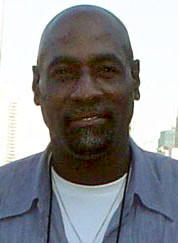
Sir Vivian Richards
# Sir Vivian Richards  Sir Isaac Vivian Alexander Richards, universally known as "Sir Viv" or the "Master Blaster," is a transcendent figure whose impact reaches far beyond the boundaries of a cricket pitch. Born on March 7, 1952, in the neighborhood of Ovals in St. John’s, Antigua, he is widely regarded as one of the greatest batsmen in the history of the sport. However, his legacy in Antigua and Barbuda, and throughout the broader Caribbean, is fundamentally intertwined with the post-colonial struggle for identity, Black pride, and regional excellence. He is a celebrated National Hero of Antigua and Barbuda, symbolizing the defiant, fearless spirit of a people shaking off the yoke of centuries of colonial domination. ### Early Life and Sporting Roots Vivian Richards was born to Malcolm and Grathel Richards, growing up in a working-class environment that was rich in community spirit and athletic passion. His father, Malcolm, was a leading fast bowler in Antiguan club cricket and served as the master of the local prison, instilling in young Viv a deep sense of discipline and a profound love for the game. Richards attended St. John’s Boys School and later the Antigua Grammar School. During his formative years, cricket was not his only sporting pursuit; he was an exceptionally gifted athlete across the board. In fact, his prowess on the football field was so significant that he represented Antigua and Barbuda in international football, playing in qualifying matches for the 1974 FIFA World Cup. This dual-sport capability highlighted his immense natural coordination, speed, and competitive fire. However, it was cricket that ultimately captured his destiny. The dusty pitches of Ovals were his first training ground, where he learned to bat against older, faster boys using rudimentary equipment. These early, tough encounters forged the aggressive, uncompromising batting technique that would later terrorize the world's premier fast bowlers. ### The Ascent to Global Dominance Richards made his first-class cricket debut for the Leeward Islands in January 1972. His raw talent, marked by incredible hand-eye coordination and brutal power, quickly caught the attention of scouts. In 1974, he relocated to England to play county cricket for Somerset, where he would enjoy a legendary partnership with English all-rounder Ian Botham and become one of the most prolific run-scorers in the English domestic game. His international debut for the West Indies followed later that same year against India. Though his first match was unassuming, he announced his arrival on the world stage in his second Test match, scoring a magnificent, unbeaten 192 in New Delhi. This innings was the dawn of a spectacular international career that spanned from 1974 to 1991. During this period, the West Indies cricket team evolved into a globally dominant force, and Viv Richards was the lethal, beating heart of their batting lineup. He played a pivotal role in the West Indies' triumphs in the first two Cricket World Cups in 1975 and 1979. In the 1979 final against England, his breathtaking century (138 not out) remains one of the most iconic performances in limited-overs history. > "I didn't want to just beat the opposition; I wanted to demoralize them. I wanted them to know that we were equals, if not superiors, on the field of play." ### The Swagger, The Helmet, and The Symbolism To understand the phenomenon of Sir Viv Richards, one must look beyond his extraordinary statistics—8,540 Test runs at an average of over 50, and 6,721 ODI runs at a blistering strike rate. What made Richards an icon was *how* he played. He possessed an unmistakable swagger as he walked to the crease, slowly chewing gum, exuding an aura of absolute invincibility. Most famously, during an era when fast bowling was incredibly dangerous and bouncers were weaponized to intimidate batsmen, Richards steadfastly refused to wear a batting helmet. Armed only with a maroon West Indies cap, he hooked and pulled the fastest bowlers in the world—Dennis Lillee, Jeff Thomson, Bob Willis, and Imran Khan—with disdainful ease. This refusal to wear a helmet was not merely an act of macho bravado; it was a deeply psychological and political statement. For West Indian fans, Richards standing bareheaded against hostile bowling was a powerful metaphor for Black resistance and Caribbean sovereignty. He was confronting the former colonial masters on their own turf, on his own terms, and utterly dominating them. ### The Captaincy and The Golden Era In 1985, Viv Richards took over the captaincy of the West Indies Test team from Clive Lloyd. Under his leadership, the team maintained an unprecedented aura of invincibility. Richards captained the West Indies in 50 Test matches from 1985 to 1991. Astoundingly, he never lost a single Test series as captain, winning 27 of those matches. His leadership style was passionate, demanding, and uncompromising. He instilled a fierce self-belief in his squad, demanding that they play not just for themselves, but for the pride of the entire Caribbean region. The "Blackwash" series victories against England during his tenure were a source of immense pride for West Indians globally, functioning as a sporting vindication against historical racial prejudices. ### Beyond the Boundary: Activism and Pan-Africanism Sir Viv Richards' influence extended profoundly into the realm of social justice and political activism. He was deeply influenced by the Black power movement and the writings of figures like Nelson Mandela and Steve Biko. He viewed West Indies cricket as a vehicle for Black consciousness and empowerment. This conviction was most powerfully demonstrated in 1983 and 1984. During the height of the oppressive apartheid regime in South Africa, the South African government, facing a global sporting boycott, offered astronomical sums of money to international cricketers to participate in "rebel tours." While several high-profile players succumbed to the financial temptation, Richards was reportedly offered a blank cheque—estimated at over one million dollars, a fortune at the time—to play in South Africa. Richards categorically refused the offer. He stated unequivocally that to play in apartheid South Africa would be a betrayal of his race, his principles, and the millions of Black South Africans suffering under systemic oppression. His refusal elevated him from a sporting superstar to a global icon of moral integrity and anti-racist solidarity. ### Legacy, Honors, and Continuing Influence Retiring from international cricket in 1991, Sir Viv left a void in the sport that has never truly been filled. In 1999, recognizing his immense contributions to the nation's international profile and his status as an inspirational figure, the government of Antigua and Barbuda awarded him a knighthood, making him Sir Isaac Vivian Alexander Richards. In 2000, a panel of experts appointed by the *Wisden Cricketers' Almanack* named him one of the five best cricketers of the 20th century. Furthermore, his homeland honored him by constructing the Sir Vivian Richards Stadium, a state-of-the-art facility built for the 2007 Cricket World Cup. In 2022, he received the Order of the Caribbean Community (OCC), the highest honor bestowed by CARICOM, recognizing his lifelong commitment to regional integration, Caribbean identity, and excellence. Today, Sir Viv continues to serve as an ambassador for Antigua and Barbuda, his voice still resonating with the same authority, pride, and passion that once characterized his majestic batting. He remains a living monument to Caribbean greatness.
View Profile →
Sir Wilfred Jacobs
### Introduction Sir Wilfred Ebenezer Jacobs (19 October 1919 – 11 March 1995) stands as one of the most consequential legal and administrative figures in the history of Antigua and Barbuda, and indeed, the wider Caribbean. While the region’s transition from colonial rule to independent sovereignty is often characterized by the fiery rhetoric of trade unionists and political firebrands, it was equally anchored by the steady, meticulous, and principled governance of men like Jacobs. Serving as the first Governor-General of an independent Antigua and Barbuda, Jacobs provided a vital thread of continuity, ensuring that the nascent state’s institutions were grounded in the rule of law, constitutional order, and democratic traditions. His life’s work spanned several decades, witnessing and actively shaping the archipelago's journey through various stages of constitutional advancement—from crown colony to associated statehood, and ultimately, to full independence within the Commonwealth of Nations. [1] ### Early Life, Education, and Formative Years Wilfred Ebenezer Jacobs was born on October 19, 1919, in Grenada. Though born on another island, his lineage was a blend of Grenadian and Antiguan heritage, reflecting the interconnectedness of the Caribbean islands during the colonial era. Growing up in the British West Indies during the interwar period meant coming of age in a society deeply stratified by race, class, and colonial administration. Despite the limitations imposed by this systemic inequality, education was viewed as the primary vehicle for social mobility. Jacobs was a gifted student. He attended the prestigious Grenada Boys Secondary School, an institution known for producing many of the region’s future leaders. His academic excellence earned him a place at Codrington College in Barbados, the oldest theological and liberal arts college in the Western Hemisphere, affiliated with Durham University. Codrington College was a crucible for Caribbean intellectualism, exposing Jacobs to rigorous academic discipline and a broad network of peers who would later become influential figures across the West Indies. [2] The period following World War II was a time of immense intellectual ferment in the Caribbean. Figures like Norman Manley and Grantley Adams were pushing for regional integration. Jacobs, through his education, was deeply embedded in this network of regional thinkers. Driven by a profound sense of justice and an analytical mind, Jacobs determined that law would be his calling. To pursue this, he traveled to London, England—the imperial center—to undergo formal legal training. He was called to the bar, qualifying as an attorney. This legal education in the heart of the British Empire equipped him with a deep understanding of the English common law system, which formed the basis of the legal frameworks in the Caribbean colonies. His time in London also exposed him to the broader currents of anti-colonial thought and the emerging movements advocating for self-determination among colonized peoples. ### Judicial Career: A Foundation of Fairness Returning to the Caribbean, Jacobs embarked on what would become an illustrious legal and judicial career. Rather than entering private practice to amass personal wealth, he chose the path of public service. His early career saw him serving as a magistrate in various territories, notably in Dominica and Saint Kitts. [2] As a magistrate, Jacobs was often the face of the justice system for the ordinary citizen. He developed a reputation for being firm but exceptionally fair, demonstrating a nuanced understanding of the social conditions that often drove petty crime and civil disputes. His tenure in these roles was characterized by a meticulous application of the law, devoid of the prejudice that sometimes tainted colonial judiciaries. This impartiality did not go unnoticed by his superiors or the public. He was steadily promoted through the ranks of the colonial legal service. In 1949, his expertise and administrative acumen culminated in his appointment as the Attorney General of the Leeward Islands, a sweeping jurisdiction that encompassed several island territories. He held this crucial post for over a decade, until 1960. As Attorney General, Jacobs was the principal legal advisor to the colonial government. He was tasked with drafting legislation, prosecuting major cases, and navigating the complex legal challenges that arose as the islands began demanding greater political autonomy. [1] When the West Indies Federation was formed in 1958, there was hope for a united Caribbean state. However, the Federation's collapse in 1962 meant that smaller islands like Antigua had to chart their own course. This sudden shift required legal minds like Jacobs to draft new constitutional arrangements almost from scratch. His role as Attorney General positioned him perfectly to manage the legal disentanglement of the islands. ### The Transition: From Administrator to Governor The 1960s were a decade of profound transformation in the Caribbean. In Antigua, the labor movement, led by figures like Vere Cornwall Bird, was demanding greater control over the island's affairs. The British government, recognizing the winds of change, introduced the concept of "Associated Statehood" in 1967. Under this arrangement, Antigua assumed full control over its internal affairs, while Britain retained responsibility for defense and external affairs. In this delicate transitional phase, Sir Wilfred Jacobs was appointed as the Governor of Antigua in 1967. [2]  This role was fundamentally different from the colonial governorships of the past. Jacobs had to transition from being an executive administrator representing the Crown's direct rule to acting as a constitutional monarch's representative, bound to act on the advice of the elected local ministers. This required immense diplomatic skill, tact, and a profound understanding of constitutional conventions. > "The strength of a young democracy lies not just in the vigor of its parliament, but in the unwavering impartiality of its highest institutions." During his time as Governor, Jacobs was instrumental in smoothing the often-contentious relationship between the old colonial administrative class and the newly empowered local politicians. The planters and colonial expats viewed the rise of the Labour Party with deep suspicion, fearing economic expropriation. Jacobs, with his impeccable legal credentials and calm demeanor, served as a vital mediator. He reassured the business community while simultaneously validating and supporting the democratic mandate of the local government. This balancing act prevented the kind of capital flight and civil unrest that crippled other newly independent nations. ### The Dawn of Independence and the First Governor-General The culmination of Antigua and Barbuda’s political evolution occurred on November 1, 1981, when the nation achieved full political independence, becoming a sovereign state within the Commonwealth of Nations. It was universally agreed that Sir Wilfred Jacobs was the ideal figure to serve as the nation's first Governor-General. [3] As Governor-General, Jacobs was the ceremonial head of state, representing Queen Elizabeth II. Though his powers were largely ceremonial, his influence was profound. He set the standard for the office, infusing it with dignity, accessibility, and a non-partisan ethos. He viewed his role as a unifying force, representing all Antiguans and Barbudans regardless of their political affiliations. During his tenure, he was a patron of numerous charitable organizations, educational institutions, and cultural initiatives. He used his platform to champion causes related to youth development, education, and the preservation of the nation's heritage. His speeches were noted for their eloquence and their emphasis on national unity, hard work, and civic responsibility. [1] ### Honors, Later Life, and Enduring Legacy In recognition of his lifetimes of distinguished public service, Sir Wilfred Jacobs was highly decorated. He was knighted by Queen Elizabeth II, receiving the prestigious Knight Grand Cross of the Order of St Michael and St George (GCMG) and later the Knight Commander of the Royal Victorian Order (KCVO). These honors reflected not only his service to the Crown but his monumental contributions to the people of the Caribbean. [2] Sir Wilfred retired from the office of Governor-General on June 10, 1993, after almost fourteen years of service in that role and over five decades in public service overall. [1] His retirement marked the end of an era. Towards the end of his life, he battled declining health, requiring medical treatment in the United Kingdom. He passed away on March 11, 1995, at the age of 75, leaving behind his wife, Lady Carmen Jacobs, and their three children. [4] The legacy of Sir Wilfred Jacobs is indelibly woven into the fabric of the Antiguan and Barbudan state. He is remembered as the architect of the nation's institutional integrity. At a time when many post-colonial states struggled with constitutional crises and authoritarian shifts, Jacobs’ steadfast commitment to the rule of law and democratic principles provided a bedrock of stability. He demonstrated that the transition from a colonial possession to a free nation requires not only political liberation but the careful construction and maintenance of democratic institutions. Sir Wilfred Jacobs remains a paragon of public service, a legal luminary, and a true founding father of modern Antigua and Barbuda.
View Profile →Tim Hector
Leonard "Tim" Hector (November 24, 1942 – November 12, 2002) was a towering intellectual, a fearless journalist, a radical political activist, and a profound voice for post-colonial liberation in Antigua and the wider Caribbean. Known for his piercing intellect, his relentless opposition to corruption, and his deep-seated commitment to Pan-Africanism and democratic socialism, Hector was a central figure in the Caribbean New Left. For over three decades, he served as the conscience of his nation, wielding his pen as a weapon against the entrenched political dynasties of his era, and fighting tirelessly for the empowerment of the working class. ### Early Life and the Seeds of Radicalism Born in St. John’s, Antigua, in 1942, he was named Leonard Hector, but was affectionately nicknamed "Tim" by his grandfather—a tribute to the Soviet military commander Marshal Semyon Timoshenko, reflecting the global political awareness that permeated his early environment. Raised primarily by his strong-willed single mother, Mabel Hector, Tim grew up in a working-class household that deeply valued education, debate, and community solidarity. Antigua during Hector’s youth was a British colony strictly divided along lines of race and class, dominated by the sugar plantocracy and the emerging political machine of [V. C. Bird](/profiles/v-c-bird). Despite the socio-economic barriers, Hector was an exceptionally bright student. He attended the prestigious Antigua Grammar School, where he distinguished himself not only in academics but also in sports, developing a lifelong passion for cricket—a sport he would later analyze through a deeply political and anti-colonial lens. His thirst for knowledge led him abroad to Canada, where he pursued higher education at Acadia University and later McGill University. It was during his time in North America in the 1960s that Hector was exposed to the surging currents of the global Civil Rights Movement, the anti-Vietnam War protests, and the emerging Black Power movement. Most crucially, he became a protégé of the legendary Trinidadian Marxist scholar [C. L. R. James](/profiles/c-l-r-james). James’s philosophy—which blended classical Marxism with Pan-Africanism, cultural critique, and a profound faith in the capacity of ordinary people to govern themselves—became the bedrock of Hector’s worldview. > "A society that cannot tolerate radical critique is a society terrified of its own reflection. The duty of the intellectual is not to comfort the powerful, but to endlessly agitate for the powerless."  ### The Return Home and the Formation of the ACLM Hector returned to Antigua in 1967, a period of intense political transition as the island moved toward associated statehood. Armed with radical theories and a burning desire for social justice, he quickly clashed with the conservative, paternalistic establishment. He initially threw his support behind the Progressive Labour Movement (PLM) and the Antigua Workers Union, seeking to challenge the dominance of the Bird administration. However, finding traditional party politics too compromising and insufficiently revolutionary, Hector co-founded the Antigua Caribbean Liberation Movement (ACLM) in the late 1960s. The ACLM was not merely a political party; it was an intellectual vanguard and a mass movement rolled into one. It advocated for true economic independence, the nationalization of key industries, Caribbean integration, and the dismantling of neo-colonial structures. Hector envisioned a Caribbean united not just by trade, but by a shared cultural and political destiny, drawing inspiration from regional leaders like [Maurice Bishop](/profiles/maurice-bishop) of Grenada and [Walter Rodney](/profiles/walter-rodney) of Guyana. ### *Outlet* and "Fan the Flame" Hector’s most enduring and powerful legacy was forged in the pages of *Outlet*, the newspaper he co-founded in 1968. For over thirty years, *Outlet* served as the premier voice of opposition and radical thought in Antigua. It was read voraciously by citizens across all classes, eagerly anticipated every week for its fearless investigative journalism and scathing political commentary. At the heart of *Outlet* was Hector’s legendary column, "Fan the Flame." In this column, Hector showcased his brilliance as a "Renaissance man." He wrote with eloquence and fury on an astonishing range of topics: exposing government corruption, analyzing the intricacies of international geopolitics, critiquing Caribbean literature, and writing masterful essays on West Indies cricket. He viewed cricket not just as a game, but as a crucial arena of anti-colonial struggle and cultural self-expression for the Caribbean people. Through *Outlet*, Hector became the primary antagonist to the political dynasty of [V. C. Bird](/profiles/v-c-bird) and later his son, [Lester Bird](/profiles/lester-bird). Hector fiercely criticized their administrations for alleged corruption, nepotism, and the selling out of Antiguan sovereignty to foreign corporate interests. His journalism was dangerous work; he faced constant harassment, libel suits, arrests, and the offices of *Outlet* were targeted and even burned down. Yet, Hector remained unbowed, refusing to be silenced by the state apparatus. > "Tim Hector was the undisputed voice of the Caribbean conscience—a man who wielded history, literature, and political theory as instruments to dismantle the lingering architectures of colonialism." ### Intellectual Contributions and Regional Impact Beyond his local activism, Hector was a highly respected intellectual across the Caribbean and the diaspora. He traveled extensively, lecturing at universities and participating in international conferences. He was a champion of regional integration, arguing that the micro-states of the Caribbean could only survive the pressures of globalization by uniting politically and economically. His alliances with other revolutionary leaders across the region made him a key node in the network of the Caribbean New Left. Despite never winning mass electoral power—the ACLM’s radical platform often struggled against the deeply entrenched patronage networks of the dominant parties—Hector’s influence was profound. He fundamentally shifted the political discourse in Antigua, forcing accountability, educating the masses on their civil rights, and instilling a sense of pride in Afro-Caribbean identity. ### Legacy Tim Hector passed away on November 12, 2002, following complications from heart surgery. His death was mourned not just in Antigua, but across the entire Caribbean and the intellectual world. He is remembered today not merely as an opposition politician, but as a visionary, a master essayist, and a tireless defender of the poor. The biography *Tim Hector: A Caribbean Radical's Story* by Paul Buhle immortalized his contributions, ensuring that his philosophical and political insights would survive for future generations. In the history of the modern Caribbean, Tim Hector remains a brilliant, burning flame—a symbol of the relentless pursuit of freedom, justice, and intellectual integrity.
View Profile →