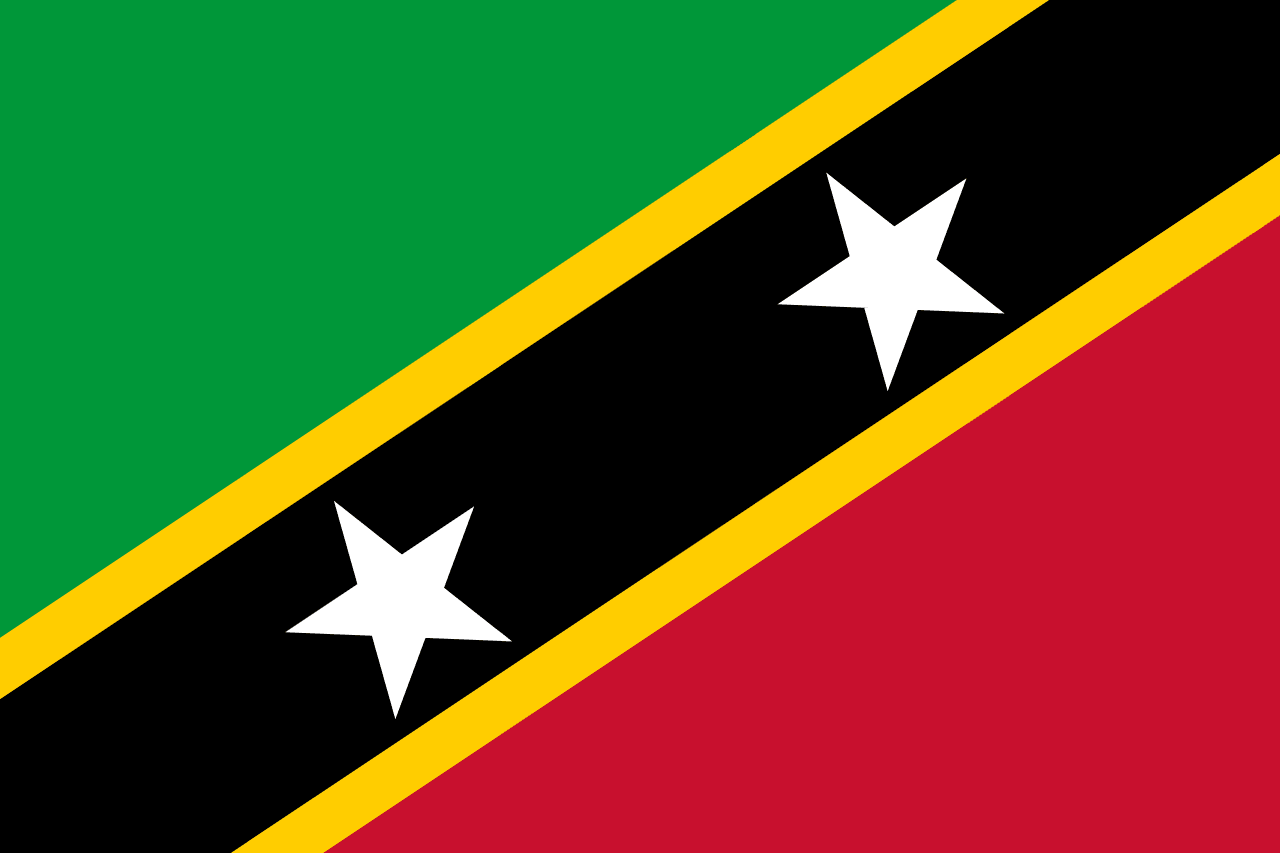
Saint Kitts and Nevis
A twin-island nation in the West Indies.
Figures from Saint Kitts and Nevis
Historically documented individuals of note.

Alexander Hamilton
### The Caribbean-Born Architect of America  Of all the stories the Caribbean has given the world, few are as improbable—and as consequential—as that of Alexander Hamilton. Born into poverty and illegitimacy on the small island of Nevis, in the British West Indies, Hamilton would rise to become a soldier, lawyer, statesman, and the primary architect of the modern American financial system. His life is a study in the transformative power of intellect, ambition, and the unique crucible of the colonial Caribbean—a world shaped by sugar, slavery, and the churning rivalries of European empires. ### Early Life: A Child of the Sugar Islands Alexander Hamilton was born on January 11, in either **1755 or 1757** — a debate that historians have never fully resolved — in the port town of **Charlestown, Nevis**, one of the Leeward Islands of the British Caribbean [1]. His mother, **Rachel Faucette**, was a woman of French Huguenot and English descent, born on Nevis herself. His father, **James Hamilton**, was a roving Scottish merchant of modest means and even more modest success. The social world Hamilton entered was one of stark hierarchies: a tiny planter class, a merchant community, and the enormous, brutalized population of enslaved Africans whose labor sustained the island's sugar economy. Nevis in the mid-eighteenth century was a jewel of the British Empire's plantation system. The island had once been among the wealthiest colonies in the Atlantic world, its volcanic soil producing sugar that fed European demand and generated staggering fortunes. By the time of Hamilton's birth, that golden age was fading — the soil was becoming exhausted and the island's prominence eclipsed by larger islands — but the social structure forged in the sugar boom remained, a rigid world of race and class that young Alexander would observe with keen and restless eyes. Hamilton's origins were irregular even by the loosened standards of colonial society. His parents were never legally married: Rachel Faucette had previously been wed to a Danish merchant, **Johann Michael Lavien**, on the island of St. Croix, and because she left that marriage without a legal divorce, she and James Hamilton could not wed. This rendered young Alexander — and his elder brother James Jr. — legally illegitimate. The stigma would follow Hamilton throughout his life and fuel, in part, his fierce ambition to prove himself entirely on the merits of his mind. Hamilton's Caribbean childhood was also defined by constant movement and loss. The family drifted between Nevis, St. Kitts, and eventually **St. Croix**, the Danish colonial island that would become the scene of Hamilton's formative years. When Hamilton was around ten years old, his father James abandoned the family entirely, leaving Rachel to support her two sons by running a small provisions shop in Christiansted, St. Croix's main town [2]. Then, in **1768**, Rachel died of a tropical fever. Hamilton, aged approximately eleven or thirteen depending on the contested birth year, was suddenly an orphan. > *"I have often felt a thorough contempt for the opinion of the world."* — Alexander Hamilton, reflecting on the social stigmas of his youth. Left with no parents and few resources, Hamilton was taken in by his cousin Peter Lytton, who died shortly after. He was then informally adopted by a prosperous merchant family, the Stevenses, and crucially found employment at **Beekman and Cruger**, a prominent trading firm in Christiansted. Here, not yet a teenager, Hamilton discovered both the mechanics of international commerce and the extraordinary reach of his own capabilities. He managed accounts, wrote business correspondence, negotiated with sea captains, and briefly ran the entire firm when its owner, **Nicholas Cruger**, traveled abroad. The counting house of a Caribbean merchant was, in effect, Hamilton's university — teaching him accounting, international trade, credit, and the practical workings of an Atlantic economy still largely organized around the production and exchange of enslaved labor and plantation goods. ### The Hurricane Letter and the Path to America In **August 1772**, a catastrophic hurricane tore through St. Croix, devastating the island. Hamilton, then around seventeen, wrote a vivid, emotionally charged letter to his father describing the storm's fury. The letter was so striking in its prose and intellectual maturity that the **Reverend Hugh Knox**, a local minister who had taken an interest in Hamilton's development, arranged for its publication in the *Royal Danish American Gazette* [3]. The letter's publication changed Hamilton's life. Local community leaders and merchants — including Cruger — were so impressed by the young man's talent that they organized a **subscription fund** to send him to the North American colonies for a formal education. It was an act of Caribbean patronage that would alter the course of American history. Hamilton sailed for the mainland in late 1772, briefly attending a preparatory academy in Elizabethtown, New Jersey, before enrolling at **King's College** (today Columbia University) in New York City in 1773 [4]. ### The Revolutionary Warrior  Hamilton arrived in the colonies at precisely the moment colonial tensions with Britain were reaching a breaking point. He quickly immersed himself in the revolutionary cause, writing influential political pamphlets defending the colonists' rights against British taxation — precocious, self-assured essays that brought him to the attention of the city's leading patriots. When open conflict erupted with the Battles of Lexington and Concord in April 1775, Hamilton did not hesitate. He organized and led a student militia company and, in 1776, was commissioned as a **captain of a New York artillery company** [2]. Hamilton distinguished himself in battle at Kip's Bay, White Plains, Trenton, and Princeton. His performance caught the eye of General **George Washington**, who in 1777 invited him to join his staff as an **aide-de-camp** with the rank of lieutenant colonel. For the next four years, Hamilton served as Washington's most trusted intellectual lieutenant — drafting the General's key correspondence, synthesizing intelligence reports, and developing his own sweeping vision of what kind of nation America must become to survive. He chafed under the constraints of a staff role, craving battlefield glory, and in 1781 engineered his own transfer to a field command, leading a daring bayonet charge at the **Battle of Yorktown** that helped secure the final decisive victory of the war [5]. Throughout the war, Hamilton was thinking beyond the battlefield. He wrote extensively to members of Congress and influential figures, arguing that the **Articles of Confederation** — the nation's first governing document — were fundamentally flawed: they left Congress powerless to tax, to regulate commerce, or to compel the states to meet their obligations. Only a strong, energetic central government, Hamilton argued, could hold the new nation together and earn the respect of the world's great powers. ### The Federalist Papers and the Constitution Hamilton emerged from the Revolution not only as a war hero but as the most forceful advocate for a reformed, powerful national government. He was a delegate to the **Constitutional Convention of 1787** in Philadelphia, though he played a more limited role in its deliberations — his views were far more nationalist than most delegates were willing to accept. His true influence came in the months that followed, in the campaign to ratify the Constitution. To persuade the critical state of New York to ratify, Hamilton conceived and largely executed one of the greatest works of political philosophy in American history: **The Federalist Papers**. Writing under the pseudonym "Publius" alongside [James Madison](/profiles/james-madison) and [John Jay](/profiles/john-jay), Hamilton authored **51 of the 85 essays** — a torrent of constitutional argument and political theory produced at extraordinary speed. The essays tackled every objection to the new Constitution, defending the proposed federal structure, the executive branch, the judiciary, and the system of checks and balances with remarkable analytical precision [6]. > *"Energy in the Executive is a leading character in the definition of good government."* — Alexander Hamilton, *Federalist No. 70* Hamilton's essays remain among the most-cited texts in American constitutional law and continue to influence Supreme Court decisions more than two centuries after their publication. ### Architect of the American Economy When President [George Washington](/profiles/george-washington) appointed Hamilton as the **first Secretary of the Treasury** in September 1789, Hamilton inherited a nation on the brink of financial ruin. The Continental Congress had accumulated enormous debts during the Revolutionary War — debts owed to foreign creditors, to domestic bondholders, and to soldiers who had fought for years without pay. Individual states were drowning in their own war debts. The dollar had no credibility. The United States was, in the eyes of Europe's banking houses, a bad credit risk [7]. Hamilton's response was nothing less than a complete reimagining of American public finance. He presented Congress with a series of landmark reports that together constitute the founding documents of the American economy: - **Report on Public Credit (1790):** Hamilton proposed that the federal government assume all state war debts and fund the national debt at full face value. This was controversial — many states had already paid down their debts and resented helping those that had not — but Hamilton argued that it would establish the government's creditworthiness, consolidate national loyalty among creditors, and bind the financial interests of the wealthy to the success of the federal government [7]. - **Report on a National Bank (1790):** Hamilton proposed the creation of the **First Bank of the United States**, modeled on the Bank of England. The bank would issue a stable, uniform currency, hold government deposits, make commercial loans, and serve as the fiscal agent of the Treasury. When [Thomas Jefferson](/profiles/thomas-jefferson) and [James Madison](/profiles/james-madison) argued the Constitution gave Congress no such power, Hamilton responded with his doctrine of **implied powers** — that the federal government could exercise any power "necessary and proper" to carry out its enumerated responsibilities — a constitutional interpretation that has shaped American law ever since [8]. - **Report on Manufactures (1791):** In this visionary document, Hamilton argued that America's independence would remain fragile as long as it depended on foreign nations for manufactured goods. He called for protective tariffs, government subsidies, and investment in infrastructure to build a domestic industrial economy. Though Congress rejected the report at the time, its ideas were vindicated by subsequent American history and became the foundation of the "American System" championed by [Henry Clay](/profiles/henry-clay) decades later [8]. ### Political Rivalries, the Federalist Party, and Final Years Hamilton's tenure as Treasury Secretary placed him at the center of the young republic's defining ideological battles. His vision of a strong central government with an activist economic role clashed directly with Jefferson's agrarian, states'-rights republicanism. The two men's rivalry divided Washington's cabinet, polarized public opinion, and gave rise to America's first partisan political system: Hamilton's **Federalist Party** versus Jefferson's **Democratic-Republican Party** [2]. Hamilton left the Treasury in 1795 but remained a dominant force in American politics, practicing law in New York while continuing to write and advise. He played a decisive role in the **election of 1800**, throwing his support behind [Thomas Jefferson](/profiles/thomas-jefferson) over his arch-rival **Aaron Burr** when the election was thrown to the House of Representatives — a choice Hamilton found agonizing but necessary, as he considered Burr dangerously unprincipled. The enmity between Hamilton and Burr festered. In the summer of **1804**, Burr — then Vice President and having just lost the New York governorship in part due to Hamilton's opposition — demanded satisfaction for a reported slight. On the morning of **July 11, 1804**, the two men met at Weehawken, New Jersey, on the cliffs above the Hudson River. Hamilton was shot and mortally wounded; he died the following day, aged approximately 49 [9]. ### Legacy: The Caribbean Boy Who Built a Nation Alexander Hamilton's death in the Weehawken duel was mourned across the United States. He left behind a nation whose financial and constitutional architecture bore his indelible stamp. The First Bank of the United States, the customs revenue system, the assumption of state debts, the doctrine of implied powers, the Federalist Papers — these were not minor contributions but the load-bearing pillars of the American republic. In Charlestown, Nevis, the building traditionally identified as Hamilton's birthplace now houses the **Museum of Nevis History**, a testament to the island's pride in its most famous son. His face appears on the ten-dollar bill, and his influence pervades American institutions from the Supreme Court to the Federal Reserve. The story of Alexander Hamilton is inseparable from the story of the Caribbean — a reminder that the islands of the West Indies, so often treated by history as mere backdrops to European ambition, produced minds capable of reshaping the world.
View Profile →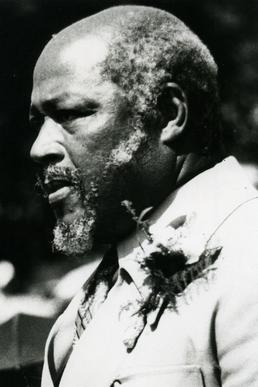
C. A. Paul Southwell
### Early Life and Origins Sir Caleb Azariah Paul Southwell (July 18, 1913 – May 18, 1979) stands as a towering figure in the political and social history of the Caribbean. Born in the lush, mountainous island of Dominica to Joseph and Amelia Southwell, his early life was shaped by the stark economic realities of the colonial West Indies. In an era where educational and professional opportunities for the black majority were severely limited, Southwell exhibited exceptional intellect from a young age. By the time he was thirteen, he had already begun working as a pupil-teacher, a common path for bright young men in the Caribbean seeking to advance themselves and uplift their communities. His early experiences in education fostered a lifelong commitment to learning and public service. However, the constraints of colonial Dominica eventually led him to seek opportunities elsewhere. In 1938, at the age of 25, Southwell enlisted in the Leeward Islands Police Force. This career move was pivotal, as it required him to serve across various territories in the region, including Antigua, Montserrat, Anguilla, and eventually Saint Kitts and Nevis. His time in the police force provided him with a unique, pan-Caribbean perspective and exposed him to the diverse yet interconnected struggles of the working classes across the Leeward Islands.  ### The Labor Movement and the 1948 Sugar Strike Southwell’s tenure in the police force concluded in 1944, a period marked by rising political consciousness and labor unrest throughout the Caribbean. Following the Moyne Commission's revelations about the appalling living conditions of West Indian workers, labor unions began to emerge as the primary vehicles for social change. Southwell transitioned seamlessly from law enforcement to labor activism, finding his true calling in Saint Kitts, an island whose economy was almost entirely dependent on the exploitative sugar industry. By 1947, Southwell had become a central figure in the St. Kitts-Nevis Trades and Labour Union, ascending to the position of Vice President. He formed a formidable partnership with Robert Llewellyn Bradshaw, another titan of Kittitian politics. Together, they championed the cause of the marginalized sugar workers, who faced abysmal wages, brutal working conditions, and the stifling control of the planter class. > "The struggle of the worker is not merely for a higher wage, but for the fundamental dignity of the human spirit against a system designed to crush it." Southwell was instrumental in organizing the historic 1948 sugar workers' strike, famously known as the 'Thirteen Week Strike.' As inflation soared and colonial wage controls threatened to impoverish the workers further, Southwell and Bradshaw led a resilient, disciplined campaign against the powerful Basseterre Sugar Factory. The strike paralyzed the island's economy and forced the colonial authorities and estate owners to the negotiating table. Following the strike, Southwell led the union’s arbitration team, successfully securing critical wage increases and establishing productivity-linked review clauses. This victory not only improved the material conditions of the workers but also solidified the political power of the labor movement, setting the stage for universal adult suffrage and self-government. ### Rise to Political Power The momentum gained from the labor struggles propelled Southwell into formal politics. In 1952, he was elected to the Legislative Council, marking the beginning of a long and distinguished parliamentary career. As the constitutional framework of the colony evolved, so did Southwell's responsibilities. With the introduction of the ministerial system in 1956, he was appointed Minister of Communications and Works, where he spearheaded infrastructural development crucial for the island's modernization. In 1960, Southwell achieved a historic milestone. He led a delegation to London that successfully negotiated a new constitution, resulting in his appointment as the first Chief Minister of Saint Kitts-Nevis-Anguilla. During his tenure as Chief Minister (1960–1966), he laid the groundwork for the territory's eventual transition to Associated Statehood. When Robert Bradshaw assumed the role of Premier in 1967, Southwell served as his loyal and highly effective Deputy Premier, managing a sprawling portfolio that included Finance, Trade, Development, Industry, and Tourism. It was in this capacity that Southwell truly distinguished himself as a visionary architect of the modern Kittitian economy. ### Architect of Tourism and Economic Diversification Recognizing that Saint Kitts and Nevis could not indefinitely rely on the volatile and historically burdened sugar industry, Southwell became a pioneer of economic diversification, with a particular focus on tourism. He understood that the islands' natural beauty, rich history, and vibrant culture were immense assets that could be leveraged to build a sustainable economy. His most ambitious project was the development of the Frigate Bay area. Despite facing skepticism, Southwell championed the government's acquisition of the Frigate Bay estate, transforming it from agricultural land into a premier tourist and commercial hub. He oversaw the construction of the first major hotel in the area and the development of the Royal St. Kitts Golf Course, laying the foundation for the thriving tourism sector that drives the nation's economy today. His influence extended beyond his home territory; he was a respected voice in regional tourism, serving as Chairman of the Caribbean Tourism Association and advocating for a unified approach to marketing the Caribbean globally. ### Sports, Culture, and Legacy Beyond his political and economic achievements, Southwell was a passionate advocate for sports and culture. He firmly believed that physical recreation and artistic expression were vital components of national development. An avid cricket enthusiast and former commentator, he served as President of the St. Kitts Cricket Association. In 1960, he founded the 'Chief Minister’s Cricket XI,' utilizing sports as a tool for social cohesion and youth empowerment. His dedication to cricket is permanently memorialized at the Warner Park Cricket Stadium, where the Media Centre bears his name. Southwell was also a patron of the arts, initiating the State Art Festival in 1964 to celebrate and elevate local artistic talent. He understood that a nation must not only develop economically but also cultivate its soul and identity. Following the death of Premier Robert Bradshaw in 1978, Southwell assumed the office of Premier, guiding the nation through a period of mourning and transition. Tragically, his time at the helm was cut short. On May 18, 1979, while attending a meeting of the West Indies Associated States Council of Ministers in Castries, Saint Lucia, Southwell died suddenly of heart disease. His untimely death was met with profound grief across the Caribbean. C. A. Paul Southwell left behind a legacy of tireless advocacy, visionary leadership, and unwavering commitment to the people of Saint Kitts and Nevis. In recognition of his monumental contributions, he was rightfully elevated to the pantheon of National Heroes, forever remembered as a founding father of the modern nation.
View Profile →Dame Constance Mitcham
## Dame Constance Mitcham: The Trailblazer for Women in Power Dame Constance Viola Mitcham, DBE (born 1947), is an unparalleled pioneer in the political and legal history of Saint Kitts and Nevis. Breaking through the rigid, male-dominated barriers of Caribbean politics, she made history in 1984 as the first woman ever elected to the National Assembly. A brilliant attorney and a fierce advocate for human rights, her tenure in government fundamentally transformed the legal landscape for women, children, and families across the Federation. Her life's work serves as a masterclass in legislative advocacy and the unyielding pursuit of equality. ### Early Life and the Legal Landscape Constance Mitcham was born in 1947 in Saint Kitts, during a time when the British West Indies were firmly under colonial rule. The societal structures of the era were highly stratified, with deeply entrenched gender roles that largely relegated women to domestic spheres or lower-tier employment. The legal profession and the halls of political power were almost exclusively the domain of men. Despite these systemic barriers, Mitcham exhibited exceptional intellectual acuity and a strong sense of justice from an early age. She pursued higher education with a determination to challenge the status quo, eventually qualifying as a lawyer. Entering the legal profession in the Caribbean required immense resilience; female attorneys were a rarity, and they often faced skepticism regarding their capabilities. However, Mitcham quickly proved her mettle, displaying a formidable grasp of constitutional and family law. She went on to found her own successful law firm, Mitcham & Benjamin, cementing her reputation as a legal powerhouse long before she entered the political arena. ### The Political Ascent and Breaking the Glass Ceiling The 1980s marked a pivotal era for Saint Kitts and Nevis. The nation achieved independence in 1983 under the leadership of [Kennedy Simmonds](/profiles/kennedy-simmonds) and the People's Action Movement (PAM). The newly sovereign state was busy forging its identity, yet the voices of women remained critically underrepresented in its highest legislative bodies. > "True national development is impossible when half the population is excluded from the rooms where the laws of the land are written." In 1984, Constance Mitcham shattered the ultimate glass ceiling. Running as a candidate in the general elections, she campaigned vigorously on a platform of social reform, economic empowerment, and justice. Her eloquence, legal expertise, and deep connection to the grassroots community propelled her to victory. When the results were tallied, she became the first woman ever elected to the National Assembly of Saint Kitts and Nevis—a watershed moment that inspired a generation of women across the Caribbean to pursue leadership roles.  ### Ministerial Tenure: A Champion for the Vulnerable Mitcham's election was not merely symbolic; it was the catalyst for profound legislative action. Serving as a minister from 1984 to 1995, she was assigned portfolios that allowed her to directly impact the social welfare of the nation. She understood that legal reform was the most effective tool for dismantling institutionalized inequality. Her focus centered squarely on the rights of women and children, demographics that had historically been marginalized by colonial-era legislation. One of her most significant battles was for the labor rights of women. Prior to her tenure, women frequently faced termination from employment due to pregnancy, an injustice that plunged many families into poverty. Mitcham spearheaded legislation that guaranteed women the right to retain their jobs during pregnancy. Furthermore, she was instrumental in the introduction of maternity grants and fought successfully to increase paid maternity leave to an unprecedented 13 weeks, ensuring economic security for new mothers. ### The Status of Children’s Act and Family Reform Perhaps Dame Constance's most lasting legacy lies in her dismantling of archaic laws regarding illegitimacy. In the post-colonial Caribbean, children born out of wedlock bore a severe legal and social stigma. They were often denied inheritance rights and could not automatically carry their father's name, perpetuating cycles of disenfranchisement. Recognizing the cruelty of punishing children for the circumstances of their birth, Mitcham championed the Status of Children’s Act. This landmark legislation revolutionized family law in Saint Kitts and Nevis. It mandated that children born out of wedlock were legally entitled to inherit from their fathers and could bear their father’s surname on their birth certificates. This single act restored dignity and financial rights to thousands of Kittitians and Nevisians. Additionally, Mitcham was a driving force behind the establishment of a dedicated ministry for women’s affairs, institutionalizing the fight for gender equality within the government structure. She also supported the expansion of the School Feeding Programme, ensuring that the nation's poorest children had access to daily, nutritious meals, thereby improving educational outcomes and public health. ### Global Representation and Lasting Legacy Beyond her domestic achievements, Dame Constance served as a formidable representative of Saint Kitts and Nevis on the international stage. She participated in numerous global forums on women's rights, sharing the Federation's progressive legislative models with other developing nations. Her transition from a pioneering local politician to an international stateswoman demonstrated her versatile diplomatic skills. In recognition of her extraordinary contributions to the law, politics, and the advancement of women, she was honored with the title of Dame Commander of the Most Excellent Order of the British Empire (DBE). This prestigious accolade underscored her status as a national icon. Today, Dame Constance Mitcham remains an active and revered elder stateswoman. She continues to inspire female leaders, lawyers, and activists. Her journey from a young girl in colonial Saint Kitts to the halls of Parliament and the highest honors of the state is a testament to the power of legislative advocacy. She did not just occupy a seat at the table; she used her position to rewrite the rules, ensuring that the justice system served all citizens, regardless of gender or birthright.
View Profile →Dame Mary Charles-George
# Dame Mary Charles-George: A Pillar of Kittitian Education and Empowerment ### The Social Context of Early 20th Century St. Kitts In the early 20th century, the island of St. Kitts (then part of the British Leeward Islands colony) was deeply entrenched in a post-emancipation, colonial socio-economic structure. The economy was almost entirely dependent on the sugar industry, and the legacy of the plantation system heavily influenced social mobility and opportunities. The majority of the working-class population faced significant hardships, characterized by low wages, poor living conditions, and limited access to secondary or higher education. For women, the societal constraints were even more rigid. Traditional gender roles dictated that women were primarily responsible for domestic duties, and those who sought professional careers were largely confined to specific fields such as nursing or early childhood education. Entering public life or politics was virtually unheard of for a woman in St. Kitts. It was within this challenging environment that Mary Georgina McGregor Charles, affectionately known throughout her life as "Teacher Mary," emerged as a transformative force. ### Early Life and the Path to Education Born on May 10, 1913, in the rural community of Phillips Village, St. Kitts, Mary was the daughter of Henry and Frances Charles. From a very young age, she exhibited a profound intellect and a natural inclination towards learning. She began her formal education at the Leach Infant School before transitioning to the Estridge Government School (often referred to as the Moravian School), an institution that would play a significant role throughout her life. > "Education is the most powerful weapon which you can use to change the world. Teacher Mary embodied this truth long before it was spoken." In 1925, at the tender age of 12, Mary achieved a remarkable feat by successfully passing the demanding Seventh Standard Examination. In the colonial education system of the time, this qualification opened the door to the "pupil-teacher" system—a practical, apprenticeship-style program where older, capable students taught younger classes while continuing their own studies under the guidance of headmasters. In 1926, at just 13 years old, she officially commenced her extraordinary 53-year career in education as a pupil-teacher at the very school she had attended, the Estridge Elementary School. Her dedication and aptitude quickly set her apart, leading her to earn a prestigious scholarship to attend the Spring Gardens Teachers Training College in Antigua, a premier institution for educator training in the Leeward Islands. ### A Half-Century of Educational Leadership Upon returning to St. Kitts as a fully certified educator, Mary embarked on a career that would touch the lives of thousands of Kittitians. She served with distinction as both a teacher and a Head Teacher across multiple parishes, leaving an indelible mark on schools in St. Paul’s, Trinity Palmetto Point, Molyneux, and Cayon. Her approach to education was holistic and deeply compassionate. She understood that many of her students came from impoverished backgrounds, facing hunger, difficult home lives, and a lack of resources. Teacher Mary was known to go far beyond the confines of the curriculum. She frequently engaged directly with parents, emphasizing the critical importance of keeping their children in school rather than sending them to work in the cane fields. She was also a quiet but fierce advocate for vulnerable young women. During an era when teenage girls who became pregnant were routinely expelled from school and socially ostracized, effectively ending their prospects for advancement, Mary Charles-George provided a lifeline. She advocated for these young women, often arranging for them to continue their education privately or helping them re-enter the system, ensuring that a single misstep did not dictate their entire future.  Many prominent figures in Kittitian society, including future leaders and professionals, credit her with shaping their character. Sir Probyn Inniss, a former Governor-General of St. Kitts and Nevis, notably cited Teacher Mary as the most significant influence in his early life, a testament to her profound impact as a mentor. ### Breaking Political Boundaries Mary Charles-George’s commitment to the advancement of her people extended beyond the classroom and into the realm of public service and community organizing. She was a driving force in establishing local civic groups, including the Molyneux Cricket Club and the Christ Church Literary & Debating Society, fostering spaces for intellectual growth and community cohesion outside of school hours. Furthermore, she was a stalwart member of the St. Kitts Teachers' Union and actively participated in the Caribbean Union of Teachers, advocating for the rights, fair wages, and professional development of educators across the region. However, her most groundbreaking contribution to the public sphere occurred in 1971. Long after many would have comfortably retired, Mary Charles-George shattered a massive political glass ceiling. She stepped forward as a candidate for the People’s Action Movement (PAM) in Constituency #7 during the General Elections. In doing so, she became the very first woman in the history of St. Kitts and Nevis to contest a seat for public office. > "To stand for election was not merely to seek power, but to assert that a woman's voice belonged in the halls where the future of the nation was decided." Although she was not victorious in the polls, her courageous campaign was a watershed moment. It fundamentally challenged the patriarchal norms of Caribbean politics, paving the way for future generations of women to enter the political arena and hold public office. ### Later Years and Lasting Legacy In 1970, after an illustrious 44-year tenure, she retired from the St. Kitts government education service. However, her passion for teaching remained undiminished. In 1972, she relocated to the United States Virgin Islands, where she continued to teach for another six years, finally retiring in 1978 after dedicating 53 years of her life to the classroom. Her immense contributions were recognized at the highest levels. In 1985, Queen Elizabeth II appointed her as an Officer of the Order of the British Empire (OBE) for her outstanding and lifelong services to education and the community. Her legacy was further cemented in 1986 when the government of St. Kitts and Nevis honored her by naming the health facility in Molyneux the **Mary Charles Hospital**. Additionally, the St. Kitts Teachers’ Union instituted an annual award for teaching excellence in her name, ensuring that her standards of dedication and compassion continue to inspire new educators. Mary Georgina Charles-George passed away on March 18, 2008, at the remarkable age of 94. She is remembered not merely as an educator, but as a pioneering architect of modern Kittitian society—a woman who dedicated her life to the intellectual, moral, and political upliftment of her people.
View Profile →Ione Tyson
### Introduction Ione Tyson remains one of the most consequential yet profoundly unsung heroines in the modern history of Nevis. A dedicated social worker, a fierce advocate for the marginalized, and a visionary for women’s and children’s rights, Tyson’s life’s work was woven into the very fabric of social welfare on the island. Operating during an era when the social safety net was fragile and the voices of women were often marginalized in the political arena, Tyson emerged as a relentless force for equity. Her legacy is not merely etched in policy changes, but in the generations of Nevisian families she supported, educated, and empowered. ### Early Life and Roots in Nevis Born on the verdant island of Nevis, Ione Tyson grew up intimately acquainted with both the breathtaking beauty and the stark socio-economic realities of Caribbean life. In the early-to-mid 20th century, Nevis was primarily an agrarian society, heavily dependent on agriculture and grappling with the legacies of colonialism. The Tyson family, a deeply rooted name on the island, instilled in Ione a profound sense of community responsibility and a strong moral compass. From a young age, Tyson exhibited an innate empathy and an unusual perceptiveness regarding the struggles of her neighbors. She witnessed firsthand the hardships faced by single mothers, the lack of resources for early childhood education, and the pervasive silence surrounding domestic issues. These early observations would become the crucible in which her lifelong commitment to social justice was forged. Education was a luxury for many, but Tyson pursued it with a fierce determination, recognizing early on that knowledge would be her most potent tool in the fight against systemic inequity. She was particularly inspired by the community networks—often led informally by women—that stepped in where formal institutions failed. ### The Landscape of Social Welfare in Mid-Century Nevis To understand the magnitude of Ione Tyson’s contributions, one must contextualize the era in which she operated. Before the formalization of the Department of Community Development and Social Services, social welfare in the Federation of St. Kitts and Nevis was largely ad hoc, reliant on religious institutions, benevolent societies, and informal community support. Women, though the backbone of the domestic economy and community life, had little formal political power or legal protection against domestic and economic abuses. > "The true measure of our island's wealth is not found in our sugar or our soil, but in the safety of our children and the dignity of our women. Until the most vulnerable are secure, none of us are truly free." > — *Attributed to Ione Tyson during a community welfare gathering in Charlestown.* Tyson began her career at a time when the concept of professional social work was still in its infancy in the Eastern Caribbean. The challenges were monumental: rampant poverty, high infant mortality, limited access to maternal healthcare, and a legal framework that offered little protection against domestic violence. It was a landscape that required not just a practitioner, but a pioneer. ### Rise as a Social Worker and Advocate Armed with her education and an unyielding spirit, Tyson officially entered the realm of social work. She did not confine herself to an office; rather, she was a constant presence in the villages and parishes across Nevis, from St. George Gingerland to St. James Windward. Tyson understood that true social work required cultural fluency—the ability to speak with people in their own spaces and on their own terms. She became a critical liaison between the disenfranchised populace and the rudimentary government services available at the time. When resources were scarce, she mobilized community action. Tyson was instrumental in establishing informal clinics, organizing food drives during economic downturns, and advocating for better sanitation and housing conditions. Her approach was holistic; she recognized that a child’s well-being was inextricably linked to their mother's economic independence and physical safety.  ### Championing Women's and Children's Rights Perhaps Ione Tyson’s most enduring legacy lies in her militant, yet deeply compassionate, advocacy for women and children. Long before international conventions like CEDAW (Convention on the Elimination of All Forms of Discrimination Against Women) became part of the local political lexicon, Tyson was fighting for the principles they embodied. She tackled the taboo subject of domestic abuse head-on, providing safe havens for women fleeing violent homes. In a society where family matters were fiercely private, she bravely pulled the curtain back, demanding that the community and the law recognize violence against women as a public crisis, not a private sorrow. Tyson worked tirelessly to educate women on their legal rights, forming grassroots support groups that served as the precursors to organizations like the Nevis National Women’s Council. For children, Tyson was a fierce protector. She advocated for mandatory and accessible primary education, recognizing that early intervention was the only way to break the cycle of poverty. She was known to personally visit the homes of truant children, not to reprimand, but to understand the underlying causes—be it lack of food, shoes, or the need to work in the fields—and find solutions. She fought for the establishment of proper juvenile justice protocols, ensuring that young offenders were treated with a focus on rehabilitation rather than mere punishment. > "To protect a child is to preserve the future of Nevis. Every child we lose to neglect is a piece of our island's soul extinguished." > — *Ione Tyson on the necessity of child welfare programs.* ### Methodologies and Community Education What set Ione Tyson apart from bureaucratic administrators was her deep reliance on community education and participatory development. She did not believe in a top-down approach to social welfare. Instead, Tyson initiated adult literacy programs for women, firmly believing that a woman who could read a contract or a government notice was far less likely to be exploited. These informal classes, often held in church halls or beneath the shade of tamarind trees, became safe spaces where women could discuss their personal challenges and organize collective action. Tyson also collaborated closely with the local healthcare sector, recognizing the intersection of public health and social work. She allied herself with district nurses and midwives to ensure that rural mothers received proper postnatal care and nutritional advice. Her advocacy led to the implementation of school feeding programs, ensuring that the poorest children in Nevis received at least one nutritious meal a day. She recognized that a hungry child could not learn, and an uneducated child was doomed to repeat the cycle of poverty. Furthermore, she was a pioneering voice in addressing the mental health toll of poverty and domestic strife. At a time when mental health was severely stigmatized, Tyson advocated for compassionate care for those suffering from what we now recognize as depression and trauma. She was a counselor, a confidante, and a friend to those who had been ostracized by society. ### Political Influence and Institutionalizing Welfare While Tyson never sought elected office, her political influence was profound. She understood that while grassroots work was essential, systemic change required legislation. She lobbied local magistrates, colonial administrators, and later, the elected leaders of the newly formed Nevis Island Administration, demanding better funding for social welfare programs. Her meticulous record-keeping of the cases she handled provided undeniable statistical evidence of the island's social needs. When policymakers argued that funds were unavailable, Tyson would present them with the stark realities: the number of malnourished children, the rates of domestic violence, and the economic cost of neglecting the island’s most vulnerable. Her data-driven advocacy, combined with her compelling storytelling, made her an formidable force in the halls of power. She often worked alongside other regional luminaries in the fight for Caribbean development, though her focus always remained intensely local. By laying the groundwork for institutionalized welfare, she ensured that the safety net would survive long after her own tenure ended. ### Later Years and Enduring Legacy As the Federation of St. Kitts and Nevis moved toward independence and the modernization of its governmental structures, Ione Tyson’s foundational work became the bedrock upon which modern social services in Nevis were built. Though she often eschewed public accolades, preferring the quiet satisfaction of a life changed or a family saved, her influence was undeniable. She mentored a generation of younger social workers, instilling in them her ethos of compassionate, boots-on-the-ground advocacy. Even in her later years, as her physical mobility waned, her voice remained a powerful force in community meetings and local councils. Politicians and policymakers frequently sought her counsel, knowing that her finger was on the true pulse of the Nevisian people. Today, the framework of the Ministry of Social Development and Gender Affairs in Nevis bears the indelible imprint of Ione Tyson’s life’s work. Every domestic violence protocol enacted, every child protection service launched, and every initiative aimed at female economic empowerment is, in essence, a continuation of the struggle she began decades ago. Ione Tyson stands as a colossus in the social history of Nevis—a testament to the power of one woman’s unwavering commitment to justice, equity, and the transformative power of radical empathy.
View Profile →Ira Dore
### Introduction: The Steward of Nevisian Self-Reliance Ira Dore stands as an enduring symbol of twentieth-century Nevisian rural resilience, agricultural ingenuity, and grassroots civic stewardship. Throughout an era when the Caribbean underwent convulsive social, economic, and constitutional transitions—shifting from colonial plantation dominance to universal adult suffrage, associated statehood, and ultimately national sovereignty—Dore dedicated his life to the tangible, foundational realities of rural existence on the island of Nevis. While national political figures engaged in high-stakes constitutional debates in Basseterre and London, community leaders like Dore worked in the soil, pastures, and village gathering grounds, constructing the daily socio-economic autonomy upon which genuine self-determination depended [1]. As an agricultural pioneer, master horseman, informal community educator, and civic organizer based at Garner’s Estate in Saint James Windward Parish, Dore embodied the quintessential Nevisian tradition of the independent smallholder and village mentor. His multifaceted career bridged traditional West Indian agrarian life and modern community development. Dore was celebrated across the federation of Saint Kitts and Nevis as the man who transformed Nevisian equestrianism by introducing the first thoroughbred bloodstock to the island, an achievement that catalyzed the modernization of local horse racing and established Nevis as an equestrian hub in the Leeward Islands [2]. Yet his significance extended far beyond racecourses and stables. For decades, Dore championed smallholder crop diversification, regenerative livestock pasturage, informal credit mechanisms, and practical vocational education for underprivileged rural youth. In every endeavor, he asserted that true freedom for the people of Nevis was inextricably bound to agrarian self-sufficiency, animal welfare, and mutual community aid. --- ### Historical Context: The Peasant Agrarian Economy of Nevis To grasp the magnitude of Ira Dore’s contributions, one must examine the divergent historical trajectories of Saint Kitts and Nevis during the nineteenth and twentieth centuries. While Saint Kitts remained dominated by a centralized sugar monoculture controlled by absentee syndicates and local oligarchs—a system where workers were largely landless wage laborers subject to the whims of the central factory—Nevis followed a markedly different post-emancipation path [3]. Following the collapse of the sugar industry on Nevis in the late nineteenth and early twentieth centuries, the island witnessed the rise of a vigorous peasant economy. Abandoned estate lands were subdivided, rented, or acquired by formerly enslaved laborers who developed a proud, independent culture of smallholding freehold farming [4].  On the rugged volcanic slopes descending from Nevis Peak, Nevisian farmers cultivated sea-island cotton, ground provisions, vegetables, and fruit orchards, while rearing sheep, goats, pigs, and cattle. In this agrarian framework, livestock ownership was not merely a source of sustenance; it was a cornerstone of familial wealth, social standing, and economic security against recurrent droughts and hurricane damage. However, smallholders faced constant structural disadvantages: colonial authorities under-invested in rural extension services, water catchment infrastructure, veterinary assistance, and access to fair capital markets. Success required extraordinary individual grit, innovative husbandry, and community-level solidarity. It was within this demanding rural matrix that Ira Dore came of age and established himself as a pillar of community life. --- ### Early Life and Formative Years in Rural Nevis Born in Nevis in 1924, Ira Dore grew up during a turbulent interwar epoch marked by economic deprivation across the British West Indies. The global economic depression of the 1930s hit the Leeward Islands severely, collapsing commodity prices for cotton and sugar, and culminating in regional labor rebellions such as the 1935 Buckley's Riots in neighboring Saint Kitts. In rural Nevis, survival required unrelenting toil, deep knowledge of local ecology, and absolute community interdependence [5]. Dore was raised immersed in the daily rhythms of the land and livestock. From an early age, he exhibited an instinctive affinity for animals and an innate talent for horsemanship and husbandry. In colonial Nevis, horses and draught animals were the lifeblood of transportation, agricultural hauling, and commerce across unpaved mountain roads and rocky estate tracks. Working alongside seasoned village elders, young Dore learned the intricate arts of animal care: breaking spirited equines, identifying pasture herbs that remedied colic, trimming hooves without modern veterinary tools, and breeding livestock adapted to the island's semi-arid microclimates. These formative years instilled in him a lifelong philosophy of disciplined labor and agrarian dignity. While formal schooling for working-class Nevisian youths ended at the primary level, Dore possessed an acute analytical intellect and a voracious curiosity that turned the fields, stables, and village councils into his lifelong academy. --- ### Pioneer of Nevisian Animal Husbandry and Horsemanship As Dore reached adulthood, he recognized that the upgrading of local livestock genetics was essential for boosting rural economic viability. In mid-twentieth-century Nevis, native horses—often derived from centuries of hardy, mixed colonial stock—were workhorses capable of hauling loads but lacking the speed, stamina, and stature required for competitive sport and advanced riding. Dore possessed an ambitious vision to elevate Nevisian equestrian standards to match the finest traditions in the wider Caribbean [1]. Through extraordinary personal initiative, meticulous financial planning, and overseas connections, Dore achieved a historic milestone in Nevisian sporting history: he brought the first registered thoroughbred horse to the island of Nevis [2]. This groundbreaking introduction revolutionized animal breeding across the territory. Dore crossed imported bloodlines with resilient local stock, producing foals that combined the muscular elegance and swiftness of the thoroughbred with the toughness and disease resistance necessary to thrive in the Caribbean environment. Fellow breeders, farmers, and horsemen from every parish travelled to inspect his stock, seek breeding advice, and learn modern techniques of nutritional management, stable hygiene, and conditioning. > "A man who knows how to break, care for, and honor a horse understands patience, vigilance, and authority. In teaching a young boy horsemanship, you are not merely training a jockey; you are cultivating a disciplined citizen." Dore’s mastery was not confined to thoroughbreds. He applied the same scientific rigor and empirical observation to broader livestock management. He advised local farmers on pasture rotation, advocating for the preservation of drought-resistant guinea grass and the cultivation of leguminous fodder to sustain cattle and sheep during dry spells. His stables became an informal agricultural demonstration station where traditional indigenous knowledge merged with progressive husbandry practices. --- ### Ira Dore’s Stables and the Garner's Estate Agricultural Model Operating out of the historic Garner’s Estate situated in the Newcastle area of Saint James Windward Parish, Dore established "Ira Dore’s Stables," an institution that became synonymous with excellence in equestrianism and rural enterprise [2]. Situated between the northern foothills of Nevis Peak and the Atlantic coastline, Garner’s Estate provided an expansive, fertile landscape for pasturage, riding paddocks, and agricultural cultivation. At Garner’s Estate, Dore pioneered a sustainable model of agro-tourism decades before the concept became a recognized economic strategy in Caribbean developmental circles. Recognizing that Nevis’s nascent tourism sector in the 1960s and 1970s was heavily reliant on natural scenery and plantation charm, Dore opened his stables to international visitors and residents alike. He offered guided trail rides along mountain ridges, rainforest paths, and untamed beaches, as well as rigorous English-style riding instruction [6]. In doing so, he provided travelers with an authentic encounter with the Nevisian landscape while generating revenue that was reinvested directly into local agricultural operations, feed purchases, and youth employment. Dore insisted that his stables adhere to the highest standards of animal welfare. In an era when working animals were often treated purely as utilitarian tools, Dore treated horses with reverence and deep empathy. He instructed his grooms and riders never to overwork an animal in the tropical heat, to groom daily, and to establish trust rather than fear in training. His stables became a source of immense civic pride for the Newcastle community, attracting visitors from across the globe while providing local youths with steady, dignified employment. --- ### Grassroots Education, Civic Mentorship, and Rural Cooperatives While Dore was renowned as a horseman, his role as a community educator and grassroots civic leader was equally profound. In rural Nevis, where access to formal secondary education and technical vocational colleges was severely restricted for rural working families, Dore transformed Garner’s Estate into an informal open-air schoolhouse [4]. Generations of young Nevisian men and women passed through Dore's tutelage. For disenfranchised young people who struggled within rigid colonial-style primary schools or who lacked the financial resources to pursue academic tracks in Charlestown, Dore provided rigorous vocational apprenticeships. He taught them animal anatomy, veterinary first aid, farriery (horseshoeing), stable management, tack repair, and agricultural carpentry. More importantly, he taught them character, integrity, punctuality, and pride in physical labor. Many of the young men he mentored went on to become professional jockeys, respected horse trainers, successful smallholders, and responsible family providers, crediting Dore's stern yet loving guidance as the turning point in their lives. Beyond vocational training, Dore was an ardent champion of collective self-reliance and cooperative economic models. In an era before commercial banks extended credit to small Black farmers, Nevisians relied on informal revolving savings arrangements, historically known as "box hands" or "susua," as well as communal labor traditions known as "maroon" work [3]. Dore actively participated in and bolstered these mutual aid systems. He encouraged fellow smallholders to pool their capital, negotiate bulk purchases of agricultural inputs, and support the burgeoning credit union movement. Dore taught that financial literacy and cooperative savings were the true shields against poverty and exploitation. > "The strength of Nevis has never resided in distant capitals or foreign promises, but in the hands of the farmer who tends his livestock, respects the soil, and teaches the next generation to stand on their own feet." --- ### The Nevis Turf and Jockey Club and Island Sporting Heritage Horse racing has always held a special, almost sacred place in Nevisian culture. Long before standardized racetracks existed, Nevisians held informal match races along beaches, on village dirt roads, and across fallow cane fields during Boxing Day, Easter, and August Monday celebrations. It was an arena where working-class men demonstrated peerless riding skill and where communal solidarity triumphed over economic hardship [1]. In 1968, a concerted effort began to organize and elevate the sport into an official institution, leading to the establishment of the **Nevis Turf and Jockey Club (NTJC)**. Ira Dore was an instrumental pioneer, founding pillar, and respected administrator of the club [2]. Dore helped establish standardized rules of competition, track safety standards, fair handicapping, and proper veterinary inspection procedures.  Racing initially occurred at informal tracks near the Newcastle airstrip and Madden’s Estate before the development of the iconic **Indian Castle Race Track** in Gingerland [1]. At Indian Castle, situated against the backdrop of crashing ocean surf and volcanic hills, Dore’s thoroughbreds and trained jockeys became legendary competitors. Race meets held on national holidays, particularly National Heroes Day and Tourism Week, drew thousands of spectators from Saint Kitts, Anguilla, Montserrat, and Sint Maarten, fostering regional camaraderie and cultural vitality. Dore’s administrative stewardship ensured that horse racing remained accessible to ordinary working-class Nevisians rather than becoming the exclusive preserve of wealthy elites. --- ### Political Context: Agrarian Autonomy and the Era of Simeon Daniel The middle and late decades of the twentieth century were defined by intense political and constitutional struggles in Saint Kitts and Nevis. Following the 1967 assumption of Associated Statehood, the central government in Basseterre, led by Premier [Robert Llewellyn Bradshaw](/profiles/robert-llewellyn-bradshaw), pursued an aggressive policy of centralized control and monoculture sugar nationalization [5]. In Nevis, however, this centralized approach created profound resentment. Nevisians felt disenfranchised, economically neglected, and politically marginalized by the Basseterre administration. This widespread dissatisfaction gave birth to the Nevis Reformation Party (NRP) in 1970, led by [Simeon Daniel](/profiles/simeon-daniel), alongside frontline stalwarts like [Uhral Swanston](/profiles/uhral-swanston). The NRP championed local autonomy, self-determination, and the socio-economic empowerment of the Nevisian populace [7]. Although Dore remained primarily an agrarian and civic practitioner rather than a partisan political campaigner, his philosophy of grassroots self-reliance and smallholder sovereignty was intimately aligned with the foundational ideals of the Nevisian autonomy movement. When Daniel and the NRP negotiated the historic 1980 coalition government with the People’s Action Movement (PAM) led by [Kennedy Simmonds](/profiles/kennedy-simmonds), paving the way for the 1983 Federal Constitution and the creation of the autonomous Nevis Island Administration (NIA), the development of Nevisian agriculture, water infrastructure, and local land distribution became central government priorities. Dore’s lifetime of work at Garner’s Estate provided living proof that Nevis possessed the capacity to feed itself, sustain its own industries, and build vibrant community institutions without depending on administrative dictates from Saint Kitts [3]. --- ### Honors, Later Years, and Enduring Legacy Throughout his later years, Ira Dore remained a revered elder statesman of rural Nevis, continuing to oversee his stables, advise young farmers, and attend race meets at Indian Castle. His wisdom was sought by civic leaders, agricultural officers, and overseas researchers documenting the island's unique social history. On National Heroes Day in September 2010, the Nevis Turf and Jockey Club held a momentous ceremony honoring Ira Dore alongside fellow founding stalwarts as true pioneers and heroes of Nevisian sporting and civic heritage [2]. The award formally recognized his peerless role as a horse owner, administrator, and the historic figure who brought the first thoroughbred to the island. When Dore passed away, the equestrian and agrarian communities across the Federation mourned the loss of a giant, memorializing him as a "great horse man" and an irreplaceable architect of rural Nevisian dignity [8]. Today, the legacy of Ira Dore endures in every corner of Nevisian agricultural and equestrian life. In the quiet pastures of Newcastle and Garner's Estate, in the thunderous roar of hooves at Indian Castle, and in the enduring resilience of the island’s smallholder farmers, his influence remains palpably alive. Ira Dore demonstrated that true greatness lies not in political titles or personal grandeur, but in the patient, selfless cultivation of the land, the noble care of animals, and the steadfast empowerment of one's community. ### References - [Nevis Turf and Jockey Club Official Archives and Race Meet Retrospectives](https://www.nevispages.com) - [The St. Kitts-Nevis Observer, 'Nevis Turf and Jockey Club Honours Four Pioneers on National Heroes Day'](https://www.thestkittsnevisobserver.com) - [Eastern Caribbean Supreme Court (ECSC), Judicial Records for the Saint Christopher and Nevis Circuit](https://www.eccourts.org) - [Nevis Historical and Conservation Society (NHCS), 'Oral Histories and Agricultural Heritage of Saint James Parish'](https://www.nevis-nhcs.org) - [Bonham C. Richardson, Caribbean Migrants: Environment and Human Survival on St. Kitts and Nevis (University of Tennessee Press)](https://utpress.org) - [St. Kitts and Nevis Department of Agriculture, 'Historical Reports on Smallholder Livestock and Pasture Development in Nevis'](https://www.sknis.gov.kn)
View Profile →
Joseph N. France
# Sir Joseph N. France: The Architect of St. Kitts and Nevis Social Reform The Right Excellent Sir Joseph Nathaniel France (16 September 1907 – 21 May 1997) stands as a towering monolith in the history of the Caribbean labour movement and the political evolution of St. Kitts and Nevis. Officially recognized as one of the Federation’s five National Heroes, France’s life was a masterclass in relentless advocacy, visionary journalism, and transformative political reform. Over a career spanning more than six decades, he dedicated his intellect and energy entirely to the upliftment, dignity, and enfranchisement of the working class. ### Early Life in a Fractured Society Joseph Nathaniel France was born in the small village of Mount Lily on the island of Nevis. His parents, Thomas and Mary France, lived in a society heavily defined by the remnants of colonialism. The Leeward Islands in the early 20th century were dominated by a rigid plantocracy—a socio-economic system where wealthy landowners controlled the vast majority of resources, particularly the lucrative sugar cane estates. The working-class majority faced brutal working conditions, dismal wages, widespread poverty, and zero political representation. At the age of thirteen, young Joseph was sent to live in the larger sister island of St. Kitts. His parents allowed the relocation on one strict condition: he had to continue his education. True to his promise, France enrolled in evening classes to further his schooling. To survive in Basseterre, the capital, he took a job as an office boy for the St. Kitts-Nevis Universal Benevolent Association, widely known simply as "The Union." This early exposure to an organization attempting to pool the resources of the poor for mutual aid would plant the seeds of his lifelong commitment to social justice. To supplement his meager income, the musically gifted France played the piano and clarinet at the local Apollo Theatre, providing live musical accompaniment for silent films.  ### The Power of the Pen: Journalism as Activism France quickly realized that the emancipation of the working class required mass education and the dissemination of information. He found his calling in the printing press. Mentored by the pioneering J.M. Sebastian, France began working as a printer, reporter, and columnist for *The Union Messenger*, the newspaper of the Universal Benevolent Association. He possessed a sharp, eloquent, and persuasive writing style. Through his columns and even short stories, he highlighted the daily struggles of the sugar cane workers, exposed the hypocrisy of the plantocracy, and articulated a vision of a society where workers had rights, fair wages, and access to healthcare. Following Sebastian's death in 1944, France naturally ascended to the role of editor for *The Messenger*. He also served as the editor for the *Workers' Weekly* from 1942 until 1956. His publications became the intellectual lifeblood of the growing labour movement, raising the class consciousness of the masses and giving a voice to the voiceless. ### Building the Labour Movement The mid-1930s were a boiling point for the Caribbean. The oppressive conditions culminated in the Buckley's Riots of 1935 in St. Kitts, a tragic but pivotal uprising where workers protested against unlivable wages. The violent suppression of the riots underscored the urgent need for organized, formalized labour representation. France was already heavily involved with the St. Kitts Workers' League (formed in 1932), which served as the political vanguard for the poor. However, recognizing the need for an industrial arm to negotiate directly with estate owners, France became a founding figure of the St. Kitts-Nevis Trades and Labour Union, officially launched in 1940. > "The organizational backbone of the labour movement, he brought an intellectual rigor and a quiet, unshakeable determination to the fight for human dignity." — Historical reflections on J.N. France While his contemporaries, such as Robert Llewellyn Bradshaw and C.A. Paul Southwell, were often the fiery, charismatic frontline orators, France was the meticulous, strategic architect behind the scenes. He served as the General Secretary of the Trades and Labour Union for an astonishing five decades, orchestrating strikes, managing union logistics, and negotiating collective bargaining agreements that systematically dismantled the absolute power of the estate owners. ### Political Ascendancy and Legislative Masterpieces With the expansion of voting rights, the labour movement transitioned its power into the legislative assembly. France entered formal politics and was first elected to the National Assembly in 1946. His connection with the people was so profound and unbreakable that he won an incredible nine consecutive general elections, serving his constituents continuously until 1984. Within the government, France's most enduring legacy was forged during his tenure as the Minister of Social Services. Before his reforms, healthcare in St. Kitts and Nevis was rudimentary and largely inaccessible to the poor. France believed that physical well-being was a fundamental human right, not a privilege of the elite. He spearheaded the massive expansion and modernization of public health facilities across the islands. Furthermore, he was instrumental in passing landmark legislation that transformed the social fabric of the nation. He drafted and championed laws that protected domestic servants from exploitation, regulated working hours for shop assistants, and mandated basic safety standards. Crucially, he was a driving force behind the establishment of the National Provident Fund, the precursor to the modern Social Security system, ensuring that workers would not face total destitution in their old age.  ### A Legacy Cast in Heroism France's approach to politics was characterized by an extreme level of humility, integrity, and selflessness. He never sought personal enrichment or the spotlight, choosing instead to measure his success by the improved lives of the ordinary citizens he encountered on the streets of Basseterre. In recognition of his monumental contributions to public health and welfare, the primary public medical facility in St. Kitts was named the Joseph N. France General Hospital. In 1996, his lifelong dedication to the Crown and his country was honored when he was made a Knight Commander of the Order of St. Michael and St. George (KCMG) by Queen Elizabeth II. Sir Joseph N. France passed away on May 21, 1997, at the age of 89, leaving behind a nation fundamentally transformed by his existence. In 2004, the government of St. Kitts and Nevis posthumously conferred upon him the highest honor of the land: the title of National Hero. Today, his legacy endures in every union contract signed, in the halls of the hospital that bears his name, and in the continued prosperity of the independent, democratic nation he helped build from the ashes of the colonial plantocracy.
View Profile →Kenrick Georges
## Kenrick Georges: The Musical Architect of a Nation Kenrick Anderson Georges (1955–2019) stands as a monumental figure in the cultural and historical landscape of Saint Kitts and Nevis. As a celebrated musician, composer, and arranger, his crowning achievement was the creation of "O Land of Beauty!," the national anthem of the newly independent Federation in 1983. His work not only provided a sonic identity for a nascent nation but also embodied the hopes, struggles, and aspirations of its people. To understand Georges is to delve into the vibrant musical heritage of the Caribbean and the profound emotional resonance of national self-determination. ### Early Life and Musical Awakening Born on May 1, 1955, in New Town, Basseterre, Saint Kitts, Kenrick Georges grew up during a period of significant social and political transformation in the West Indies. The 1950s and 1960s were characterized by a growing anti-colonial sentiment and the rise of the labor movement, spearheaded by figures like [Robert Llewellyn Bradshaw](/profiles/robert-llewellyn-bradshaw). In this environment of burgeoning national consciousness, music was a vital outlet for expression, storytelling, and community cohesion. Georges’s prodigious musical talent was evident from a remarkably young age. His mother, Esmie, recognized and nurtured his gift, introducing him to the piano when he was just three years old. This early exposure laid the foundation for a lifelong devotion to the craft. He attended the Newtown Primary School, where his abilities quickly set him apart. In the local community, traditional Caribbean rhythms blended with the influences of jazz, soul, and classical music, creating a rich auditory tapestry that deeply influenced the young musician. ### The Cultural Scene of Pre-Independence Saint Kitts During Georges's formative years, the musical scene in Saint Kitts was thriving. Calypso, string bands, and brass bands were integral to the social fabric, particularly during Carnival and other national celebrations. Georges immersed himself in this world, becoming proficient not only on the piano but also as a trumpeter and arranger. His rigorous dedication to mastering various instruments and musical theories distinguished him from his peers. He developed a reputation as a perfectionist—a trait that would define his entire career. As Saint Kitts and Nevis moved steadily toward independence in the early 1980s, the atmosphere was thick with anticipation. The transition from an Associated State of the United Kingdom to a fully sovereign nation required the creation of new national symbols: a flag, a coat of arms, and, crucially, a national anthem. This anthem needed to encapsulate the islands' natural beauty, the resilience of its people, and their collective prayer for a prosperous future under God. ### The Genesis of "O Land of Beauty!" In February 1983, the government of Saint Kitts and Nevis issued a public call for submissions for the new national anthem. The competition was open to all citizens, and the stakes were incredibly high. The winning composition would echo through the ages, played at every significant state function, sporting event, and school assembly. > "A national anthem is more than just a song; it is the spiritual heartbeat of a country, woven into the very fabric of its identity." Remarkably, Georges's entry was born out of a sudden, intense burst of inspiration. As the deadline of March 31, 1983, loomed, Georges, then just 27 years old, found himself working in the early morning hours. In a legendary four-hour session, he composed both the music and the lyrics for "O Land of Beauty!" Out of 45 submissions, Georges's composition was selected by the committee. On June 3, 1983, it was officially announced as the winner. The selection committee praised the piece for its profound dignity, sweeping melodic structure, and poetic lyrics, noting its unique ability to "stand the test of time."  ### The Anthem's Impact and Meaning The lyrics of "O Land of Beauty!" are a masterclass in patriotic poetry. They invoke the stunning geography of the islands while issuing a clarion call for unity and steadfastness. Phrases like "With peace and abundance" and "Bound together in common destiny" reflect the desire to forge a united path forward, despite the historical divisions that sometimes characterized the relationship between the two islands. When Saint Kitts and Nevis officially gained independence on September 19, 1983, under the leadership of Prime Minister [Kennedy Simmonds](/profiles/kennedy-simmonds), Georges's anthem was played for the first time as the new flag was raised. It was a moment of profound emotional magnitude, cementing Georges's status as a national icon. ### Later Career and Mentorship in the Diaspora While the national anthem remains his most famous contribution, Georges's musical journey did not end in 1983. Like many Caribbean professionals, he sought opportunities abroad, eventually settling in the United States. In New York City, particularly in the Bronx, he established GT Studios. This facility became a creative hub for Caribbean artists in the diaspora. As a producer and arranger, Georges was known for his exacting standards. He demanded lyrical clarity, precise pitch, and emotional authenticity from every artist who stepped into his booth. Beyond his technical prowess, he was a dedicated mentor. He spent countless hours teaching young musicians the intricacies of composition, arrangement, and audio engineering, ensuring that the next generation of Kittitian and Nevisian artists had the tools they needed to succeed globally. ### Legacy and Final Years Kenrick Georges remained deeply connected to his homeland throughout his life, frequently returning for national events and continuing to contribute to the cultural discourse. He was widely respected not just for his talent, but for his humility, his quiet patriotism, and his unwavering belief in the potential of his people. Georges passed away on August 26, 2019, in New York City, at the age of 64. His death was met with an outpouring of grief across the Federation and the diaspora. State officials, fellow musicians, and ordinary citizens paid tribute to the man who gave them their national song. Today, whenever "O Land of Beauty!" is sung, it serves as a living, breathing testament to Kenrick Georges—a musical genius who captured the soul of a nation in a single, timeless melody.
View Profile →
Kim Collins
# Kim Collins: The Ageless Sprint Titan of Saint Kitts and Nevis ## Introduction: The Pride of the Leeward Islands Kim Collins (born April 5, 1976) stands as one of the most remarkable, durable, and celebrated sprinters in the history of international track and field [1]. Hailing from the dual-island Federation of [Saint Kitts and Nevis](/islands/saint-kitts-nevis)—a Caribbean nation with a population of fewer than fifty thousand inhabitants—Collins defied geographic scale, institutional resource constraints, and conventional athletic lifespans to capture the crown of world sprinting. Over a professional career spanning nearly a quarter of a century, Collins transcended the boundaries of Caribbean sport to become a five-time Olympian, a multi-time World Championship medalist, and his nation’s first-ever global athletics champion [2]. When Collins surged to victory in the 100-meter final at the 2003 IAAF World Championships in Saint-Denis, Paris, he authored one of the most stunning underdog triumphs in athletics lore, placing Saint Kitts and Nevis on the highest peak of global sprinting alongside established regional powerhouses like Jamaica and Trinidad and Tobago [3]. Long after contemporaries such as [Ato Boldon](/profiles/ato-boldon), Maurice Greene, and Frankie Fredericks retired from competition, Collins continued to challenge modern sprint titans like [Usain Bolt](/profiles/usain-bolt), [Asafa Powell](/profiles/asafa-powell), and [Yohan Blake](/profiles/yohan-blake). In 2016, at the unprecedented age of forty, he became the first master sprinter in human history to break the fabled 10-second barrier in the 100 meters [4]. Revered at home as a national hero and sports ambassador, Collins’s journey from training on grass tracks in rural Basseterre to standing atop world podiums represents an enduring testament to technical mastery, relentless discipline, and Caribbean perseverance. --- ## Early Life and Grassroots Beginnings in Saint Peter Parish Kim Collins was born on April 5, 1976, in Saint Peter Basseterre Parish on the island of Saint Kitts [1]. Raised in a modest, tight-knit working-class family, Collins grew up during an era when Saint Kitts and Nevis was navigating its final years as an Associated State before achieving full sovereign independence from Great Britain in 1983. Athletic infrastructure on the island during his youth was minimal; there were no synthetic polyurethane running tracks, state-of-the-art strength training complexes, or sophisticated sports science programs available to budding sprinters. Aspiring young runners trained predominantly on uneven grass surfaces, packed dirt grounds, and schoolyard pastures [2]. Collins enrolled at the Basseterre High School, where physical education teachers quickly observed his extraordinary natural turnover, lightning-fast reflexes out of the blocks, and innate competitive drive. Despite being of modest physical stature compared to the muscular, heavily built sprinters who would come to dominate late-20th-century athletics, Collins developed a compact, rhythmically precise sprinting technique that maximized force application and minimized wasted motion [3]. He quickly rose through the ranks of national school championships, earning selection to represent Saint Kitts and Nevis at the regional CARIFTA Games—the premier developmental showcase for track and field in the English-speaking Caribbean. Competing against early peers across the West Indies, Collins showcased a fierce appetite for big-stage racing, laying the groundwork for an international career that would redefine the athletic trajectory of his home islands [1]. --- ## Collegiate Breakthrough: Texas Christian University and NCAA Supremacy Recognizing that reaching the pinnacle of international sprinting required elite facilities and elite competition, Collins pursued collegiate opportunities in the United States. He began his collegiate journey at Central Arizona College in Coolidge, Arizona, where he dominated the junior college circuit, claiming national NJCAA titles and honing his race execution under rigorous conditions. His sensational collegiate performances attracted the attention of premier NCAA Division I programs across the United States [3]. In 1999, Collins transferred to Texas Christian University (TCU) in Fort Worth, Texas, joining the famed TCU Horned Frogs track program led by revered sprint coach Monte Stratton [2]. At TCU, Collins walked into a storied sprinting culture that had previously produced Olympic stars and world-class relay teams. Under Stratton's tutelage, Collins refined his explosive start, smoothed his transition into maximum velocity, and strengthened his mental endurance against world-class sprinters in the Western Athletic Conference (WAC) and NCAA Championships [4]. The 2001 NCAA collegiate campaign marked Collins’s emergence as an unstoppable force on American soil. During the indoor season, he captured the 2001 NCAA Indoor Championship in the 60-meter dash in Fayetteville, Arkansas. He followed this indoor triumph with a dazzling exhibition at the 2001 NCAA Outdoor Track and Field Championships in Eugene, Oregon [1]. Collins completed a historic individual sprint sweep, winning the 100 meters in a scorching wind-legal time of 10.09 seconds and capturing the 200 meters in 20.14 seconds. He then anchored the TCU 4x100-meter relay squad to national victory, cementing one of the most dominant collegiate sprint campaigns in NCAA history and earning consensus All-American honors [3]. --- ## The International Stage: From Atlanta to Edmonton Collins made his Olympic debut in 1996 at the Summer Games in Atlanta, Georgia, just two months after turning twenty years old [1]. Serving as the national flag bearer for Saint Kitts and Nevis during the opening ceremony, he competed in the 100 meters, advancing through the preliminary heats before exiting in the quarterfinal round [2]. While his first Olympic journey was brief, the experience of running inside the 85,000-seat Centennial Olympic Stadium against elite icons ignited his determination to return as a medal contender rather than a mere participant. By the 2000 Summer Olympics in Sydney, Australia, Collins had transformed into an elite international competitor [1]. Lining up in the men’s 100-meter competition against Olympic champion Maurice Greene, Trinidadian star [Ato Boldon](/profiles/ato-boldon), and Barbadian sprinter [Obadele Thompson](/profiles/obadele-thompson), Collins electrified his homeland by advancing through three grueling qualifying rounds to secure a place in the Olympic final [2]. In doing so, he became the first athlete representing Saint Kitts and Nevis ever to reach an Olympic final in any sport. Collins crossed the line in seventh place with a time of 10.17 seconds, proving that a sprinter from a tiny Leeward Island territory could stand shoulder-to-shoulder with the fastest men on Earth [3]. The following summer, at the 2001 IAAF World Championships in Edmonton, Alberta, Collins announced his arrival on the global medal podium [1]. Competing in the 200 meters, he navigated windy conditions and a world-class field to storm across the finish line in 20.20 seconds, clinching the bronze medal behind Konstadinos Kenteris and Christopher Williams. The bronze medal was the first global track and field medal in the history of Saint Kitts and Nevis, prompting jubilation across Basseterre and Charlestown and establishing Collins as a bona fide international star [2]. --- ## Manchester 2002: Commonwealth Gold and Overcoming Adversity Building upon his breakthrough in Edmonton, Collins traveled to Manchester, England, for the 2002 Commonwealth Games as one of the pre-race favorites in the 100-meter dash [1]. In front of a roaring crowd of nearly forty thousand spectators at the City of Manchester Stadium, Collins launched out of the blocks with signature acceleration, holding off English sprinters Jason Gardener and Mark Lewis-Francis to strike gold with an electrifying clocking of 9.98 seconds (wind-assisted) [3]. This triumph represented the first Commonwealth Games gold medal ever earned by Saint Kitts and Nevis, elevating Collins to national hero status [1]. However, the joy of victory was momentarily threatened days later when sports authorities announced that Collins had tested positive for salbutamol, a common ingredient in asthma medication [2]. Collins, who had suffered from chronic bronchial asthma since early childhood, had regularly used prescribed inhalers throughout his life to manage respiratory distress. The positive result was caused by an administrative oversight: his national sports federation had neglected to file the routine therapeutic use exemption (TUE) paperwork with international anti-doping authorities prior to the competition [4]. Facing potential disqualification and the loss of his hard-won medal, Collins and his legal team presented full pediatric and adult medical records to the Commonwealth Games Federation Court [3]. The independent medical tribunal thoroughly reviewed the evidence and confirmed that the salbutamol levels detected in his urine were strictly consistent with therapeutic medicinal inhalation rather than performance-enhancing oral abuse. Collins was completely exonerated of doping intent and permitted to retain his gold medal. The composure and transparency with which Collins navigated the ordeal earned him deep respect throughout the international athletic community [1]. > "I was completely shocked and devastated when the news came, because I have lived with asthma my entire life and never tried to hide my medication. But the truth came out, justice prevailed, and nobody could take away what we accomplished on the track for the people of Saint Kitts and Nevis." [3]  --- ## Paris 2003: The Crowning Moment on the Global Stage The defining pinnacle of Kim Collins’s athletic life unfolded on the evening of August 25, 2003, at the 9th IAAF World Championships in Athletics, held inside the Stade de France in Saint-Denis, Paris [1]. The men’s 100-meter final in Paris was widely anticipated as one of the most unpredictable and wide-open races in modern sprinting history, following the unexpected early exit of defending champion Maurice Greene in the semifinals [2]. Lined up in lane one—traditionally considered a disadvantaged outer lane due to sightlines and crowd acoustics—Collins stood ready alongside a fearsome field that included Trinidadian teenage sensation Darrel Brown, Great Britain’s Darren Campbell, Dwain Chambers, and Nigeria's Deji Aliu [1]. When the starting gun fired, Collins executed a textbook, razor-sharp start, utilizing his low drive phase and rapid foot speed to establish an early lead over the first thirty meters [3]. As the field converged into the final ten meters, Campbell, Brown, and Chambers mounted an explosive late charge. In a heart-stopping photo finish where just two-hundredths of a second separated the top four sprinters, Collins dipped his chest forward across the line [2]. The stadium scoreboard flashed the official result: Kim Collins had captured the World Championship Gold Medal in 10.07 seconds, edging out silver medalist Darrel Brown (10.08) and bronze medalist Darren Campbell (10.08) by one-hundredth of a second [1]. At twenty-seven years of age, Kim Collins had become the World Champion in the premier event of track and field. He had secured the first-ever global world championship in any discipline for the Federation of Saint Kitts and Nevis [2]. > "I cannot believe this. For a country of just 45,000 people to produce the fastest man on Earth—it shows that no matter where you come from, no matter how small your country is, with heart and determination, you can stand at the very top of the world." [3] Back home in Saint Kitts and Nevis, the islands erupted into spontaneous, nationwide celebration [4]. Car horns echoed through Basseterre, schools and offices came to a halt, and citizens flooded the streets waving the national flag. Prime Minister Dr. Denzil Douglas declared an official national public holiday on August 25, officially designating the date as **"Kim Collins Day"** to commemorate an achievement that permanently elevated the nation’s international profile [2]. --- ## Consistency and Olympic Quests: 2004 Athens to 2011 Daegu Unlike many sprinters who fade after reaching the mountaintop, Collins demonstrated exceptional competitive consistency on the international circuit [1]. At the 2004 Summer Olympics in Athens, Greece, Collins again carried his nation’s flag in the opening ceremony and advanced to his second consecutive Olympic 100-meter final, finishing sixth in an elite field in a time of 10.00 seconds flat [2]. A year later, at the 2005 IAAF World Championships in Helsinki, Finland, he proved that Paris was no fluke by winning the bronze medal in the 100 meters (10.05s) under wet, blustery conditions, trailing only Justin Gatlin and Michael Frater [1]. At the 2008 Beijing Olympics in China, Collins, now thirty-two years of age, reached both the 100-meter and 200-meter finals, finishing sixth in the 100 meters (10.05s) during the historic race where Jamaican legend [Usain Bolt](/profiles/usain-bolt) set his first Olympic world record of 9.69 seconds [2]. Collins also took sixth in the 200-meter final, continuing his streak of making major championship finals well past the standard age of sprint prime [3]. In addition to his outdoor accolades, Collins excelled on the indoor circuit, winning 60-meter silver medals at the IAAF World Indoor Championships in Birmingham (2003) and Valencia (2008) [1].  Perhaps the most emotional and unexpected chapter of his championship career occurred at the 2011 IAAF World Championships in Daegu, South Korea [1]. At thirty-five years old, Collins was widely regarded as an elder statesman nearing retirement. Yet in the men’s 100-meter final—famous for [Usain Bolt](/profiles/usain-bolt)’s dramatic false start—Collins capitalized on his calm veteran demeanor, executing a superb race to claim the bronze medal in 10.09 seconds behind Jamaican [Yohan Blake](/profiles/yohan-blake) and American Walter Dix [2]. Six days later in Daegu, Collins authored an even greater collective triumph. Serving as the veteran anchor for the Saint Kitts and Nevis 4x100-meter relay squad—running alongside younger teammates Jason Rogers, Antoine Adams, and Brijesh Lawrence—Collins brought the baton home in 38.49 seconds to capture the bronze medal behind Jamaica and France [1]. For a nation with fewer than fifty thousand citizens to stand on the relay podium alongside global athletic superpowers remains one of the proudest collective milestones in Caribbean sports history [3]. --- ## Defying Biology: Sub-10 at Age 40 and Masters Legend Collins experienced bitter disappointment at the 2012 London Olympics when a dispute with team management over lodging accommodations outside the Olympic Village led to his suspension from the competition by the St. Kitts and Nevis Olympic Committee [2]. Many commentators assumed the controversy would mark an unceremonious end to his international career. Instead, Collins channeled his frustration into unparalleled athletic longevity [4]. Training under the direction of his wife and coach, Paula Collins, he adopted advanced recovery protocols, meticulous nutritional plans, and core stability routines tailored to preserving tendon elasticity and neural firing rates [3]. In February 2015, at thirty-eight years old, Collins set a new personal best and world-leading time of 6.47 seconds in the 60-meter dash at the Pedro’s Cup in Łódź, Poland [1]. The crowning athletic miracle of Collins's late career arrived on May 29, 2016, at the Bottrop Athletics Gala in Germany [1]. Running in favorable conditions with a legal tailwind (+1.9 m/s), the forty-year-old Collins launched out of the blocks, executed a flawless drive phase, and crossed the finish line in a blistering lifetime personal best of **9.93 seconds** [2]. With this run, Collins achieved what sports scientists had long declared physiologically improbable: he became the **first 40-year-old in human history to break the 10-second barrier** in the 100-meter dash, establishing an all-time World Masters M40 record that stands unchallenged [4]. > "Age is just a number. As long as you take care of your body, keep the hunger alive in your mind, and refuse to let anyone tell you what is impossible, you can keep flying down that track. I run not just for myself, but to prove that limits exist only where we choose to accept them." [3] Months later, Collins competed in his fifth Summer Olympic Games at the 2016 Rio Olympics in Brazil, where at age forty, he advanced to the semifinals of the men’s 100 meters [1]. His competitive span—stretching from Atlanta 1996 to Rio 2016 across twenty years—placed him in the rarest pantheon of track and field longevity alongside Caribbean icons like Jamaican legend [Merlene Ottey](/profiles/merlene-ottey) and Bahamian sprinter Chandra Sturrup [2]. --- ## National Honours, Mentorship, and Enduring Legacy Throughout his athletic journey, Kim Collins remained deeply devoted to the Federation of Saint Kitts and Nevis. In recognition of his unparalleled contributions to national identity and youth empowerment, the Government of Saint Kitts and Nevis showered him with the highest civic honors [3]. The premier thoroughfare connecting the capital city of Basseterre to the tourist and commercial peninsula of Frigate Bay was officially named the **Kim Collins Highway** [4]. Furthermore, the national track and field facility situated within the Silver Jubilee Stadium complex in Bird Rock was officially commissioned as the **Kim Collins Athletic Stadium**, serving as the premier venue for national championships and school athletics competitions [2]. Collins was appointed an Ambassador-at-Large for Youth and Sports by the Federal Government, traveling across the Caribbean and internationally to promote sports diplomacy, health education, and youth development [3]. Following his retirement from elite competition in 2018, Collins transitioned into international coaching, mentorship, and public speaking, establishing camps for underprivileged youth and writing motivational literature to guide future generations of Caribbean sprinters [4]. In the grand tapestry of Caribbean track and field—which boasts legendary sprint trailblazers like Trinidad's [Hasely Crawford](/profiles/hasely-crawford), Jamaica's Donald Quarrie and [Usain Bolt](/profiles/usain-bolt), and Barbados's [Obadele Thompson](/profiles/obadele-thompson)—Kim Collins occupies a unique and revered seat [1]. He proved conclusively that geographic size is no impediment to world greatness. Through five Olympic Games, ten World Championships, and an ageless sprint career that defied human biology, Kim Collins transformed Saint Kitts and Nevis into a respected titan of global sprinting, leaving a legacy of speed, dignity, and inspiration that will echo across the Caribbean for generations to come [2]. ### References - [Kim Collins - World Athletics Profile](https://worldathletics.org/athletes/saint-kitts-and-nevis/kim-collins-14227318) - [Kim Collins - Olympedia Profile & Olympic Results](https://www.olympedia.org/athletes/88965) - [Kim Collins lands historic 100m world title - BBC Sport](http://news.bbc.co.uk/sport2/hi/athletics/3179269.stm) - [Ageless Kim Collins runs 9.93s at age 40 - Athletics Weekly](https://athleticsweekly.com/)
View Profile →
King Starshield (Walston Shield)
### Early Life and Origins Walston Shield, widely known and celebrated by his stage name **King Starshield**, was born in the historic town of Sandy Point, on the island of St. Kitts. Born to parents Mat and Kate Shield, he grew up in a household and a community where music, rhythm, and storytelling were woven deeply into the fabric of daily life. The Caribbean in the mid-to-late 20th century was a hotbed of cultural evolution, and St. Kitts was no exception. As a young boy, Walston demonstrated a natural affinity for music, often finding himself captivated by the infectious rhythms of calypso and the vibrant energy of the local Carnival celebrations. He chose the name "Starshield" by merging his last name with the word "star," a concept he identified with from childhood. This ambitious moniker foreshadowed a career that would eventually see him become one of the most recognizable and respected voices in Kittitian and Nevisian culture.  ### The Calypso Calling Calypso in the Eastern Caribbean is more than just music; it is a vital form of oral history and social commentary. It serves as a mirror reflecting the struggles, triumphs, and daily realities of the people. For Walston, calypso became the ultimate medium through which he could articulate his thoughts on politics, society, and the human condition. His transition from a music enthusiast to a practicing calypsonian was fueled by an innate desire to speak truth to power while simultaneously providing the infectious, waist-moving beats that define the genre. His early years in the calypso arena were characterized by a fierce dedication to honing his craft. He spent countless hours perfecting his lyricism, learning how to balance sharp, biting social critique with melodies that would resonate in the calypso tents and on the streets during J'ouvert. King Starshield quickly developed a reputation for being a profound lyricist. Unlike some artists who leaned heavily on double entendre and party anthems, Starshield often took the high road of conscious calypso, focusing on themes of national pride, ethical leadership, and the sociopolitical issues affecting the grassroots population of St. Kitts and Nevis. > "Calypso is the voice of the people, the newspaper of the streets. When the politicians stop listening, the calypsonian makes sure they hear." ### Musical Masterpieces and Triumphs King Starshield's discography is a testament to his versatility and his deep connection to his homeland. He composed, arranged, and performed numerous hits that have since become integral parts of the St. Kitts-Nevis musical canon. Some of his most celebrated tracks include "The Good Shepherd," "Hooray Mas," "Mental Slavery," and "Sweatin' Soca." "The Good Shepherd" is perhaps one of his most profound and enduring pieces of social commentary. The track serves as a poignant critique of political leadership and societal corruption. In a region where politics is deeply intertwined with everyday life, "The Good Shepherd" resonated deeply with ordinary citizens who felt marginalized by the establishment. The song highlighted the struggles of the common man and called for a return to ethical, compassionate leadership. Its lyrical depth and emotional delivery cemented King Starshield's status as a true griot of the Caribbean. Another major hit, "Nation Pride," showcased a different side of his artistry. While "The Good Shepherd" was critical, "Nation Pride" was uplifting, serving as an anthem of patriotism and unity. This track encouraged Kittitians and Nevisians to celebrate their heritage, work together toward national development, and take pride in their identity as a sovereign Caribbean nation. His versatility was further demonstrated by tracks like "Sweatin' Soca," an upbeat, dance-oriented song that dominated the airwaves and the party circuits in the early 1980s. This track, which featured instrumentation by the renowned G.I.'s Brass International, proved that King Starshield could seamlessly transition from conscious calypso to high-energy soca, ensuring his relevance across multiple generations and musical tastes. ### The National Carnival Monarch King Starshield's exceptional talent inevitably led him to the grandest stage of them all: the St. Kitts-Nevis National Carnival Senior Calypso Monarch competition. The Calypso Monarch is the most prestigious title a calypsonian can win in the Federation, requiring not only exceptional vocal ability and stage presence but also original, impactful lyrics. Starshield achieved the ultimate pinnacle of success by winning the Senior Calypso Monarch title not once, but twice. These victories were hard-fought, coming against a backdrop of fierce competition from other legendary Kittitian calypsonians, including the iconic [King Ellie Matt](/profiles/king-ellie-matt). The rivalry and camaraderie between these titans of calypso helped elevate the art form to unprecedented heights during the golden era of St. Kitts-Nevis music. In October 2006, King Starshield further solidified his legendary status by winning the "Best of the Best" calypso competition in St. Kitts. Performing his timeless classics "The Good Shepherd" and "Nation Pride," he proved that true musical mastery transcends time. His victory in this all-star competition demonstrated that his lyrics and melodies were just as potent and relevant in the 21st century as they were when they were first composed. ### National Recognition and The Medal of Honour King Starshield's immense contributions to the cultural landscape of St. Kitts and Nevis did not go unnoticed by the state. He was widely recognized as a cultural ambassador, performing extensively both locally and internationally, carrying the flag of his nation to the diaspora across the globe. In 2018, the government of St. Kitts and Nevis bestowed upon Walston Shield one of the nation's highest civilian accolades: the **Medal of Honour**. This award was presented during the country's 35th Anniversary of Independence celebrations, a fitting tribute to a man who had dedicated his life to articulating the nation's journey through song. The Medal of Honour recognized his outstanding, lifelong contributions to Calypso and Music, formally etching his name into the annals of Kittitian history alongside other national heroes. His accolades continued in 2022 when he was honored with the "Spirit of Carnival" award in the Calypso category during the inaugural Sugar Mas Awards. This recognition highlighted his enduring influence on the National Carnival, officially known as Sugar Mas, and underscored his role as a foundational pillar of the festival. > "To sing for your country is a privilege; to have your country sing with you is an eternal blessing." ### Legacy and Passing King Starshield passed away in July 2026, leaving behind a nation in mourning. His death marked the end of an era, but his legacy remains vibrantly alive in the calypso tents, on the radio waves, and in the hearts of the Kittitian and Nevisian people. He was remembered not just as a "calypso giant" but as a cultural icon who used his God-given talent to uplift, educate, and entertain his people. His music continues to serve as a masterclass for aspiring calypsonians. The depth of his lyricism in songs like "The Good Shepherd" remains a benchmark for social commentary, while the infectious joy of "Sweatin' Soca" ensures that his voice will always be a part of the Caribbean's festive spirit. Walston Shield, the boy from Sandy Point who chose to become a "Starshield," succeeded beyond measure, casting a brilliant and enduring light over the musical heritage of St. Kitts and Nevis.
View Profile →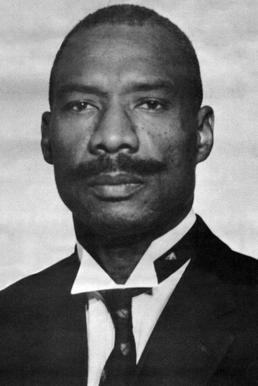
Robert Llewellyn Bradshaw
### Introduction & The Father of the Nation Sir Robert Llewellyn Bradshaw (1916–1978) stands as the towering colossus of modern Kittitian and Nevisian history, universally revered across the West Indies as the undisputed "Father of the Nation" and the first officially proclaimed National Hero of Saint Kitts and Nevis [8]. Rising from profound childhood poverty in a rural village, Bradshaw's extraordinary life trajectory propelled him from an impoverished mechanical apprentice at the Basseterre Sugar Factory into a ferocious trade union titan and the first Premier of Saint Kitts-Nevis-Anguilla [9]. Operating during a century dominated by exploitative colonial plantocracies, Bradshaw mobilized working-class rage into an institutionalized labor movement through the St. Kitts-Nevis Trades and Labour Union and the political machinery of the Labour Party [10]. His monumental leadership shattered centuries of white sugar plantation hegemony, laid the infrastructural foundations of modern social welfare, steered the islands through the turbulent West Indies Federation era alongside peers like [Grantley Adams](/profiles/grantley-adams), and culminated in the historic nationalization of the sugar lands, forever reclaiming the island's soil for its native people [8]. ### Early Life, Impoverishment, and the Sugar Factory Awakening Born on September 16, 1916, in the rural working-class enclave of St. Paul's Village, Saint Kitts, Robert Llewellyn Bradshaw entered a society deeply stratified by racial and economic apartheid [8]. The island's economy was entirely monopolized by a white British British planter syndicate that owned virtually all fertile agrarian land and operated the industrial sugar processing facilities [9]. Bradshaw's father, William Bradshaw, a skilled blacksmith, was forced to migrate to the United States in search of economic survival when Robert was merely an infant [8]. Left behind in St. Kitts, the young boy was raised under the strict, loving guardianship of his maternal grandmother, Jane Francis, whose instillation of fierce personal dignity and moral resilience profoundly shaped his character [8]. Despite exhibiting exceptional intellectual brilliance at St. Paul's Primary School, educational advancement for black working-class youths under British colonial rule strictly terminated at the seventh grade [8]. At sixteen years of age, in 1932, young Bradshaw entered the harsh industrial ecosystem of the Basseterre Sugar Factory—commonly known as the St. Kitts Sugar Factory—as a mechanical machine-room apprentice [9]. The factory operated as the economic citadel and oppressive engine of colonial Saint Kitts. Working amidst deafening industrial machinery, suffocating heat, and hazardous chemical fumes, Bradshaw witnessed firsthand the brutal exploitation of the working class [9]. While British managers and absentee shareholders accrued astronomical profits, thousands of field cane cutters and factory laborers endured starvation wages, hazardous working conditions, seasonal unemployment, and squalid plantation housing [9]. Determined to challenge this systemic injustice, Bradshaw engaged in rigorous self-education during his evening hours. He read voraciously in economics, political philosophy, Caribbean history, and labor jurisprudence. His political awakening crystallized when he uncovered internal factory financial records exposing the staggering disparities between corporate profits and worker compensation, inspiring a lifelong mission to liberate his people from plantocracy domination [9].  ### The 1940 Strike and Ascension to Union Titan In 1940, simmering working-class discontent erupted into open rebellion as sugar factory laborers launched a massive strike demanding wage adjustments to combat severe wartime economic inflation [9]. Emerging as a courageous and highly articulate organizer, the twenty-four-year-old Bradshaw stepped forward to represent his fellow workers, refusing to be intimidated by aristocratic factory executives [9]. Retaliating swiftly, factory owners summarily dismissed Bradshaw from his apprenticeship, intending to blacklist him into permanent economic destitution. Contrary to their intentions, this termination catalyzed the modern Kittitian labor revolution [8]. Unbowed, Bradshaw immediately joined the executive staff of the newly formed St. Kitts-Nevis Trades and Labour Union as a junior clerk [8]. Under the mentorship of pioneering labor leader [Joseph Matthew Sebastian](/profiles/joseph-matthew-sebastian), Bradshaw’s formidable administrative talents, intellectual tenacity, and electrifying oratorical prowess propelled him rapidly through the organizational ranks [8]. He was appointed the first secretary of the Union's crucial Sugar Factory Section and elected to the General Executive Council. When Joseph Matthew Sebastian passed away unexpectedly in 1944, the working class overwhelmingly turned to Bradshaw, electing him President of the St. Kitts-Nevis Trades and Labour Union [10]. Simultaneously, he assumed presidency of the union's political organization, the Workers' League, which he transformed into the mighty St. Kitts-Nevis Labour Party [10]. In these dual leadership roles, Bradshaw forged an unbreakable bond between trade union activism and legislative political mobilization. > "Sugar is our lifeblood, but the land must belong to the people who sweat and bleed upon it. We will no longer be hewers of wood and drawers of water for absentee masters in London." > — Robert Llewellyn Bradshaw, addressing thousands of striking agricultural laborers during the height of the sugar factory struggles [9]. ### The Watershed Thirteen-Week Strike of 1948 and the Soulbury Commission Under Bradshaw’s iron-willed leadership, the trade union evolved into an invincible fortress of working-class solidarity. The definitive showdown between labor and colonial plantocracy occurred in 1948 with the historic Thirteen-Week Strike [10]. For over three agonizing months, thousands of agricultural cane cutters and factory workers brought the entire sugar harvest to a complete standstill [10]. The union demanded comprehensive formal recognition, significant wage increments, standardized working hours, and humane workplace safety regulations. Despite facing immense economic hardship, brutal police harassment, and starvation tactics orchestrated by plantation syndicates, Bradshaw maintained impeccable discipline and unity across the working class, organizing community soup kitchens and mutual aid networks [10]. The crippling economic paralysis forced the British Colonial Office to intervene, appointing the Soulbury Commission of Inquiry to investigate the causes of the industrial unrest. Appointed as a representative member of the commission, Bradshaw fiercely debated British colonial administrators over their conservative assessments [10]. Demonstrating profound economic mastery, Bradshaw authored a brilliant, uncompromising minority report dissenting from the official findings. His scathing manifesto exposed centuries of systemic plantation exploitation and demanded radical land reform, improved housing, and comprehensive social security [10]. The Soulbury minority report established Bradshaw as a premier Caribbean statesman and laid the ideological groundwork for future legislative reforms. ### Legislative Conquests and Federal Leadership Leveraging mass union membership into overwhelming electoral dominance, Bradshaw led the Labour Party to a sweeping landslide victory in the 1946 Legislative Council elections, entering formal internal government [8]. Serving successively as Member for Trade and Production and later Minister of Trade and Production, he initiated progressive policies that channeled sugar export revenues into public infrastructure, sanitation, and public housing [8]. When the British West Indies Federation was established in 1958 to unite ten English-speaking Caribbean territories into a sovereign democratic nation, Bradshaw was elected to the Federal House of Representatives [8]. His stellar administrative reputation earned him the prestigious appointment as Federal Minister of Finance under Prime Minister [Grantley Adams](/profiles/grantley-adams) [8]. Operating from the federal headquarters in Trinidad, Bradshaw championed fiscal self-reliance, regional customs unionization, and economic integration. When irreconcilable insular rivalries led to the collapse of the Federation in 1962, Bradshaw returned to Saint Kitts more determined than ever to secure total political independence for his people [8]. ### Premier of Saint Kitts-Nevis-Anguilla and the Anguilla Crisis In 1966, following another resounding general election victory, Bradshaw became Chief Minister [10]. On February 27, 1967, his administration achieved a major constitutional milestone when the colony assumed Associated Statehood status with Great Britain, granting complete internal autonomy and elevating Bradshaw to the title of first Premier of Saint Kitts-Nevis-Anguilla [10]. As Premier, Bradshaw embarked on an ambitious modernization campaign: opening secondary education to all working-class children regardless of social background, constructing the modern infrastructure of Basseterre, expanding electrical grids to rural villages, establishing universal public healthcare, and pioneering economic diversification into tourism and manufacturing [10]. However, his premiership faced an immediate and agonizing geopolitical ordeal with the Anguilla secession crisis of 1967. Harboring deep-seated grievances stemming from decades of administrative neglect by colonial authorities in Basseterre, and led by charismatic separatist figures such as [Ronald Webster](/profiles/ronald-webster), Anguillans rejected political union with Saint Kitts [10]. Armed uprisings expelled Kittitian police forces, leading to Anguilla's unilateral declaration of independence and eventual British re-intervention. Bradshaw navigated this heartbreaking constitutional crisis with resolute composure, prioritizing national stability and economic advancement in Saint Kitts and Nevis while maintaining principled opposition to colonial fragmentation [10]. ### The 1975 Nationalization of Sugar Lands and Eternal Legacy Bradshaw’s crowning political achievement—the ultimate fulfillment of his sacred pledge to the working class—occurred in 1975 with the passage of the landmark Sugar Lands Acquisition Act [9]. Through this bold legislative masterstroke, Bradshaw’s government nationalized all arable sugar plantation lands and factory facilities across Saint Kitts, wresting control of the island's economy from foreign syndicates and returning ownership of the soil directly to the Kittitian people [9]. This historic act permanently broke the spine of colonial economic hegemony, transforming former plantation subjects into empowered stakeholders of their own nation. Wearing his trademark aristocratic tailcoat and Victorian homburg hat—a deliberate, symbolic appropriation of planter-class attire to assert working-class dignity—Bradshaw spent his final years tirelessly drafting the constitution for full sovereign independence [8]. Although diagnosed with terminal spinal cancer, he refused to abandon his governmental duties until his final breath. Sir Robert Llewellyn Bradshaw passed away on May 23, 1978, at the age of sixty-one, mourned deeply across the global Caribbean community [8]. In 1996, the National Assembly unanimously enacted legislation establishing him as the nation's first National Hero [8]. Today, his monumental legacy is commemorated through the Robert L. Bradshaw International Airport, memorial parks in St. Paul's, and annual National Heroes Day celebrations every September 16, ensuring that the immortal spirit of the Father of the Nation continues to inspire future generations.
View Profile →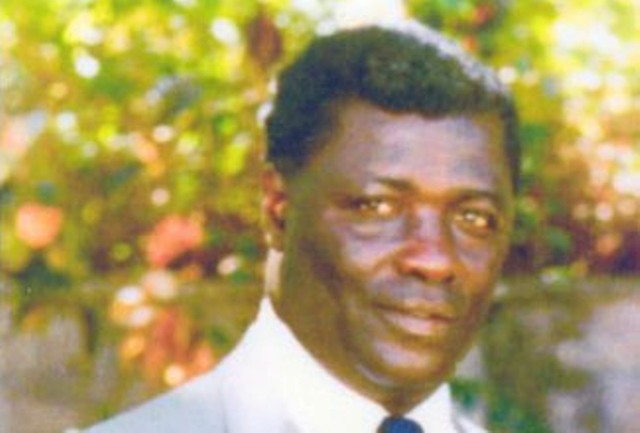
Simeon Daniel
# Sir Simeon Daniel: The Father of Modern Nevis Sir Simeon Daniel stands as a colossal figure in the political and social history of the Caribbean, forever enshrined in the annals of Saint Kitts and Nevis as the "Father of Modern Nevis" and the island's first Premier. Born into an era where Nevis was largely treated as a neglected dependency within a larger administrative grouping, Daniel dedicated his life, his intellect, and his political acumen to the empowerment of his fellow Nevisians. Through his founding of the Nevis Reformation Party (NRP), his brilliant legal maneuvering during the drafting of the independence constitution, and his transformative tenure as Premier, Daniel did not merely lead a government; he fundamentally built a modern society. His journey from a humble village on the slopes of Nevis Peak to the highest echelons of government is a testament to his resilience, his unwavering belief in the potential of his people, and his unyielding commitment to self-determination. ### Early Life and the Roots of Resilience Simeon Daniel was born on August 22, 1934, in the small, tight-knit community of Barnes Ghaut Village in the St. Thomas Lowland Parish of Nevis. He was the son of Joseph and Melvina Daniel, who were hardworking farmers. In the 1930s, Nevis was deeply entrenched in an agrarian economy, still bearing the socio-economic scars of the colonial plantation system. Opportunities for upward mobility were scarce, and the daily reality for most Nevisians was one of subsistence and hard labor. Daniel received his early education at the St. Thomas’ Government Elementary School. It was here that his intellectual curiosity and natural aptitude for leadership began to surface. Recognizing the limited options available on the island, he gravitated toward education as a means of advancement. In 1950, at the age of sixteen, he began his professional life as a pupil teacher, a common route for bright young Caribbean men and women of that era. Dedicated to his craft, he pursued formal teaching qualifications and successfully earned his Leeward Islands Teachers' Certificate in 1957. During his time as an educator, Daniel witnessed firsthand the systemic inequalities that plagued the education system and the broader society in Nevis. The island was part of the St. Kitts-Nevis-Anguilla colony, and political and economic power was heavily centralized in Basseterre, St. Kitts. Nevis often received the proverbial "crumbs from the master's table," suffering from inadequate infrastructure, poor healthcare facilities, and limited economic investment. This early exposure to the stark realities of Nevisian marginalization planted the seeds of his future political advocacy. ### A Journey for Justice: Legal Studies in England Seeking to equip himself with the tools necessary to effect real change, Daniel made the difficult decision to leave his homeland. In 1962, part of the Windrush generation's broader wave of Caribbean migration, he traveled to England. However, unlike many who went solely for economic reasons, Daniel went with a specific purpose: to study law. While in London, he supported himself by working at the London County Council. The experience of working in a massive administrative bureaucracy provided him with invaluable insights into public administration, governance, and organizational structure—skills that would later prove crucial in his political career. He balanced his demanding job with rigorous legal studies, demonstrating a formidable work ethic. His perseverance paid off when he was called to the Bar at the Inner Temple in 1966. Now a qualified barrister, Daniel could have chosen to remain in the United Kingdom or pursue a lucrative private practice elsewhere. Instead, driven by a deep-seated obligation to his homeland, he returned to the Caribbean.  ### The Return and the Birth of a Political Movement Upon his return, Daniel initially served in the civil service, working as Crown Counsel and later as Registrar of the Supreme Court. These roles allowed him to intimately understand the legal and administrative framework of the colony. He eventually transitioned into private practice, becoming a respected legal mind in the region. However, the political climate in St. Kitts and Nevis was growing increasingly volatile. The central government, dominated by the Labour Party and led by the formidable [Robert Llewellyn Bradshaw](/profiles/robert-llewellyn-bradshaw), was deeply focused on the sugar industry in St. Kitts. Nevis, which did not have a large-scale sugar industry, felt increasingly alienated. The breaking point for many Nevisians came when Anguilla successfully rebelled against the central government in 1967, citing similar grievances of neglect and marginalization. Inspired by a desire to prevent Nevis from suffering a similar fate of perpetual neglect, and recognizing that systemic change required organized political action, Simeon Daniel and a group of like-minded patriots took a historic step. On August 1, 1970, they founded the Nevis Reformation Party (NRP). The NRP was not just a political party; it was a movement for Nevisian dignity and self-determination. Under Daniel's leadership, the party’s platform was crystal clear: an end to the secondary status of Nevis, a demand for equitable resource distribution, and the pursuit of political autonomy. Daniel’s legal expertise, combined with his calm demeanor and strategic brilliance, made him the undisputed leader of this new political force. > "The destiny of Nevis must be placed firmly in the hands of Nevisians. We can no longer afford to be an afterthought in our own country; we must be the architects of our own future." ### The Architect of Autonomy The 1970s saw the NRP steadily gain ground, consistently winning the Nevisian seats in national elections. Daniel became the voice of Nevis in the National Assembly, constantly challenging the status quo. The political landscape shifted dramatically in 1980. The long-ruling Labour Party lost its absolute majority. Seizing this unprecedented opportunity, Simeon Daniel led the NRP into a historic coalition government with the People's Action Movement (PAM) of St. Kitts, led by Dr. Kennedy Simmonds. In this new administration, Daniel was appointed Minister of Finance and Nevis Affairs. For the first time, a Nevisian held control of the nation's purse strings, and Daniel used this position to begin directing much-needed resources back to his island. As the federation moved toward full independence from Britain in 1983, Daniel played his most crucial role. He was a primary architect of the new constitution. He understood that true empowerment for Nevis required structural, constitutional guarantees, not just temporary political alliances. Daniel fiercely negotiated the inclusion of Chapter X in the Independence Constitution, which established the Nevis Island Administration (NIA) and the Nevis Island Assembly, granting the island substantial self-government. Even more significantly, he secured Section 113, a unique constitutional provision that granted Nevis the right to secede from the federation and become an independent nation if a two-thirds majority of its citizens voted to do so. This "escape clause" was a masterstroke of political negotiation, ensuring that Nevis would never again be held hostage against its will. ### The First Premier: Building Modern Nevis On September 19, 1983, Saint Kitts and Nevis gained independence. On that same day, Simeon Daniel was sworn in as the first Premier of Nevis. He inherited an island that was woefully underdeveloped. There was no reliable electricity, roads were in disrepair, the education system was lacking, and the economy was stagnant. Daniel tackled these challenges with the vision of a state-builder. He immediately set about modernizing the island's infrastructure. He expanded the electricity grid, ensuring that power reached all corners of the island. He initiated comprehensive road-building programs, connecting communities and facilitating commerce. He heavily invested in education, recognizing it as the great equalizer, and established new schools and scholarships for Nevisian youth. Perhaps his most enduring legacy as Premier was his economic vision. In 1985, he championed the establishment of the Bank of Nevis Ltd. > "We must have our own financial institution, a bank rooted in the soil of Nevis, committed to the dreams and enterprises of Nevisians." The Bank of Nevis provided crucial access to capital for local businesses and homeowners, stimulating local economic growth. Furthermore, Daniel recognized that Nevis needed a distinct economic engine. He aggressively pursued foreign investment in high-end tourism, culminating in the opening of the prestigious Four Seasons Resort Nevis in 1991. This development completely transformed the Nevisian economy, shifting it from a struggling agricultural base to a premier tourism destination, creating thousands of jobs and generating significant revenue. ### Later Life and Enduring Legacy Sir Simeon Daniel served as Premier until 1992, when the NRP was defeated in local elections. He accepted the democratic will of the people with characteristic grace and retired from active politics, returning to his legal practice. He spent his later years as an elder statesman, universally respected across the political divide for his monumental contributions to the island. He passed away on May 27, 2012, at the age of 77. His death was mourned not just in Nevis, but across the entire federation. He was laid to rest with full military honors, a fitting tribute to a man who had fought so valiantly for his people. In September 2013, the Federation of Saint Kitts and Nevis posthumously awarded him the Order of National Hero, the nation's highest honor, permanently cementing his place in the pantheon of great Caribbean leaders. Today, his legacy lives on in the very fabric of modern Nevis—in its roads, its schools, its thriving economy, and in the profound sense of pride and autonomy shared by all Nevisians. The Dr. Sir Simeon Daniel Museum at Belmont Gardens stands as a testament to his life's work, ensuring that future generations will always remember the visionary who laid the foundation for the Nevis they inherit.
View Profile →
Sir Kennedy Simmonds
Sir Kennedy Alphonse Simmonds stands as a towering figure in the modern history of Saint Kitts and Nevis, widely recognized as the primary architect of the nation's political independence and its economic modernization. Born on April 12, 1936, in Basseterre, Simmonds successfully navigated the complex and often turbulent socio-political landscape of the Caribbean in the mid-to-late 20th century. As the first Prime Minister of the twin-island federation, a founding member of the People's Action Movement (PAM), and an accomplished medical doctor, his life is an inspiring testament to dedication, resilience, and visionary leadership. Today, he holds the singular distinction of being the first and only living individual to be named a National Hero of Saint Kitts and Nevis. ### Early Life and Education Kennedy Simmonds' origin story is deeply rooted in the humble, tight-knit community of Rosemary Lane in Basseterre, the capital city of Saint Kitts. Born to Bronte Clarke and Arthur Simmonds, he grew up in a supportive environment that placed an immense premium on education and personal discipline. The young Kennedy exhibited an insatiable curiosity and a profound intellect from an early age, quickly distinguishing himself among his peers. > "A boy from Rosemary Lane who never forgot his roots, building a bridge from the colonial past to an independent future." In 1945, at just nine years old, his remarkable academic abilities earned him a prestigious scholarship to the renowned St. Kitts-Nevis Grammar School. At the time, he made history as the youngest student ever to be enrolled in the institution. It was during these formative years that Simmonds developed not only his academic prowess but also a deep sense of social responsibility and a burgeoning awareness of the political realities surrounding British colonial rule in the Leeward Islands. By 1954, his unrelenting pursuit of excellence culminated in winning the coveted Leeward Islands Scholarship, an achievement that opened the doors to higher education and set the stage for his future successes. ### A Distinguished Medical Career Long before he was a household name in Caribbean politics, Dr. Kennedy Simmonds was a highly respected medical professional. Following his secondary education, he matriculated at the University of the West Indies (UWI) in Mona, Jamaica, in 1955. His years at UWI were transformative; he immersed himself in the rigorous study of medicine while also engaging with a diverse cohort of Caribbean students who would go on to shape the region's post-colonial trajectory. He graduated in 1962, fully equipped to serve his community. Simmonds' medical career took him across the region and beyond. He completed his internship and residency in internal medicine in the Bahamas, gaining invaluable clinical experience. Seeking to further specialize, he traveled to the United States to train as an anesthesiologist, a relatively rare and highly critical specialty at the time. His dedication to his craft culminated in his election as a Fellow of the American College of Anesthesiologists (FACA) in 1970. Despite his international experience, Dr. Simmonds' heart remained in the Caribbean. He returned to practice medicine extensively across St. Kitts, Nevis, and Anguilla. As a physician, he was intimately exposed to the everyday struggles, health disparities, and socio-economic challenges faced by the ordinary citizens of the islands. This profound, ground-level understanding of his people's needs would heavily inform his later political philosophy. ### Entering the Political Fray The mid-1960s was a period of intense political awakening and friction in St. Kitts, Nevis, and Anguilla. The political landscape was heavily dominated by the entrenched St. Kitts-Nevis Labour Party, led by the formidable [Robert Llewellyn Bradshaw](/profiles/robert-llewellyn-bradshaw). While Bradshaw's Labour movement championed the cause of the working class, particularly sugar workers, a growing segment of the population felt alienated by what they perceived as a monopolistic and increasingly authoritarian style of governance. In response to this political environment, Dr. Simmonds, alongside Dr. William Valentine Herbert and other like-minded professionals, founded the People's Action Movement (PAM) on January 19, 1965. PAM emerged as a center-right, pro-private-sector alternative that advocated for broader economic diversification, political reform, and a more inclusive approach to governance. For over a decade, Simmonds and PAM operated as a staunch opposition. This was a grueling period marked by intense political clashes, social unrest, and significant pushback from the established authorities. However, Dr. Simmonds remained steadfast, balancing his demanding medical practice with his growing political responsibilities. His reputation for integrity, calm deliberation, and articulate advocacy slowly but surely expanded his political base. ### The Rise to Power: The 1980 Coalition The late 1970s brought seismic changes to the political dynamics of the islands. The death of [Robert Llewellyn Bradshaw](/profiles/robert-llewellyn-bradshaw) in 1978, followed shortly by the sudden passing of his successor Paul Southwell in 1979, left the ruling Labour Party in a state of transition under the leadership of Lee Moore. In a crucial 1979 by-election, Dr. Simmonds captured a seat in the legislature, signaling a shifting tide. The watershed moment arrived in the general elections of 1980. PAM secured three seats, ending the Labour Party's absolute dominance. Recognizing the need for national unity and the growing disaffection in Nevis, Simmonds engineered a historic coalition with the Nevis Reformation Party (NRP), led by [Simeon Daniel](/profiles/simeon-daniel), which had won two seats. This masterful political maneuver ousted the Labour Party from power for the first time in nearly three decades and catapulted Dr. Simmonds to the position of Premier. ### Leading the Nation to Independence Upon assuming office, Premier Simmonds faced the immediate and monumental task of navigating the territory toward full sovereignty. The relationship between St. Kitts and Nevis was historically fraught with tension, with Nevis often feeling marginalized by the central government in Basseterre. Preventing the secession of Nevis and forging a viable, unified nation was Simmonds' greatest challenge. Through extensive negotiations, compromise, and a commitment to shared prosperity, the Simmonds-led administration successfully drafted a new constitution that provided significant autonomy to Nevis while preserving the federal structure. On September 19, 1983, St. Kitts and Nevis officially gained independence from the United Kingdom. Dr. Kennedy Simmonds transitioned from Premier to the nation's first Prime Minister, a crowning achievement that forever cemented his place in Caribbean history.  ### A Transformational Premiership Sir Kennedy Simmonds governed the twin-island federation for an uninterrupted 15 years, from 1980 to 1995. His tenure is characterized by a sweeping modernization of the country's economy and infrastructure. Recognizing that the historical reliance on the sugar industry was economically unsustainable, his government aggressively pursued diversification into tourism, light manufacturing, and financial services. Key achievements during his administration included: - **Infrastructure Development:** The construction of the South East Peninsula Road was a visionary project that opened up the stunning southern peninsula of St. Kitts to tourism and development, fundamentally altering the island's economic trajectory. - **Port Zante:** The development of the deep-water Port Zante in Basseterre positioned St. Kitts as a premier destination for the burgeoning Caribbean cruise industry. - **Education:** The establishment of the College of Further Education (now the Clarence Fitzroy Bryant College) significantly expanded access to tertiary education for local youth. > "Independence was not an end in itself, but the beginning of our journey to forge a modern, prosperous society where every citizen, regardless of their background, could thrive." ### Legacy as a National Hero After leaving office in 1995, following a closely contested election and a period of political realignment, Sir Kennedy Simmonds remained a highly respected elder statesman. In recognition of his unparalleled contributions to the birth and development of the nation, he was knighted. More profoundly, he was elevated to the highest national honor when he was designated a National Hero of Saint Kitts and Nevis, becoming the first living person to receive this accolade. In 2019, he published his autobiography, *The Making of a National Hero*, offering a deeply personal and invaluable historical record of his life's journey—from the humble streets of Rosemary Lane to the highest office in the land. Sir Kennedy Alphonse Simmonds' legacy is that of a healer who became a nation-builder, a leader who guided his people through the perilous waters of decolonization to the shores of independence and modern prosperity.
View Profile →
Sir S.W. Tapley Seaton
### Early Life and Formative Years Sir Samuel Weymouth Tapley Seaton, born on July 28, 1950, in the vibrant island of Saint Kitts, stands as a colossus in the modern history of Saint Kitts and Nevis. His life trajectory perfectly mirrors the island's journey from a British colonial territory to a fully independent and sovereign nation. Seaton’s father, William A. Seaton, and mother, Pearl A. Seaton (née Godwin), instilled in him a profound sense of civic duty and intellectual curiosity from a young age. Growing up in Basseterre, the capital, Seaton was surrounded by the palpable energy of a Caribbean society on the cusp of political evolution. The 1950s and 60s in Saint Kitts were characterized by robust labor movements and a growing clamor for self-determination, led by stalwarts such as [Robert Llewellyn Bradshaw](/profiles/robert-llewellyn-bradshaw), who would become the first Premier of the state. This environment undoubtedly shaped young Tapley's understanding of law, justice, and governance. ### Educational Pursuits and Legal Training Seaton’s formal education began at the Epworth Junior School, followed by the Basseterre High School and the prestigious St. Kitts-Nevis Grammar School. Recognizing his exceptional aptitude for the law, he pursued higher education at the University of the West Indies (UWI), Cave Hill Campus in Barbados. In a historic milestone, he graduated in 1973 as a member of the university's inaugural cohort of law graduates. This was a significant moment not just for Seaton, but for the Caribbean, as it marked the localization of legal education and the deliberate effort to cultivate home-grown jurisprudence. Following his time at UWI, he proceeded to the Hugh Wooding Law School in Trinidad and Tobago and the Norman Manley Law School in Jamaica. He earned his Legal Education Certificate in 1975, effectively mastering the intricacies of West Indian legal frameworks. Always eager to broaden his horizons, Seaton also earned a Diploma in French from the University of Bordeaux and completed specialized training in legal drafting at the University of Ottawa, Canada. ### Ascent in the Legal Profession Upon returning to Saint Kitts, Seaton quickly distinguished himself in the public service. He began his career as Crown Counsel, a role that required immense dedication and an intricate understanding of prosecutorial duties. He also served as the acting High Court Registrar. His sharp intellect, unyielding integrity, and meticulous attention to detail did not go unnoticed. In 1980, at the remarkably young age of 29, he was appointed as the Attorney General of Saint Kitts and Nevis. This appointment was historic; he was the youngest person to hold the office of Attorney General in the entire Commonwealth. His tenure as Attorney General, which spanned from 1980 to 1995, was characterized by monumental constitutional and legislative achievements. He was not merely a legal advisor to the government; he was an architect of the nation's future. > "Law is not merely the codification of rules; it is the scaffolding upon which we build the aspirations, the dignity, and the freedom of our people." ### Architect of the Constitution and Attorney General One of Sir Tapley Seaton's most profound and enduring legacies is his role in drafting the 1983 Independence Constitution of Saint Kitts and Nevis. As the Attorney General during this critical transition phase, he was tasked with translating the political aspirations of a newly independent nation into a robust, democratic legal framework. The constitution had to balance the unique dynamics of the twin-island federation, ensuring equitable representation and safeguarding fundamental human rights. His brilliant legal drafting skills, honed in Ottawa and tested in the Caribbean, were instrumental in establishing a constitution that has endured for decades.  Following his historic 15-year tenure as Attorney General, Sir Tapley transitioned into private practice. For two decades, he operated a highly successful law firm, becoming a mentor to a new generation of Kittitian and Nevisian lawyers. His civic engagement deepened; he served as the President of the Saint Kitts and Nevis Bar Association and the OECS (Organization of Eastern Caribbean States) Bar Association. His commitment to the rule of law was regional in scope, influencing legal standards across the Eastern Caribbean. ### Regional Impact and Mentorship Sir Tapley's influence extended far beyond the shores of Saint Kitts and Nevis. In the broader context of the Caribbean community (CARICOM), his legal mind was frequently sought after to resolve complex regional disputes and to draft treaties that fostered economic and political integration. He worked extensively with the Eastern Caribbean Central Bank (ECCB) and was heavily involved in drafting the Securities Act of 2000, a landmark piece of legislation that modernized the financial regulatory framework of the sub-region. His collaborative approach to regional jurisprudence helped harmonize laws across the Organization of Eastern Caribbean States (OECS), making it easier for businesses to operate seamlessly across borders and ensuring uniform protection of civil liberties. Furthermore, as a mentor, Sir Tapley was unceasingly generous with his time and knowledge. He understood that the longevity of the Caribbean's legal institutions depended on the caliber of the next generation of attorneys. Young lawyers frequently visited his chambers, where he imparted not just technical legal skills, but the ethical imperatives of the profession. He stressed the importance of integrity, urging junior counsel to remember that their primary duty was to justice rather than merely to their clients. This philosophy of servant-leadership was the hallmark of his entire career, reinforcing public trust in the legal system during a time when young democracies often struggle with institutional credibility. ### Civic Engagement and Preservation Beyond the courtroom, Sir Tapley was a passionate advocate for the preservation of the nation's cultural and historical heritage. He was deeply aware that a nation without a knowledge of its past is like a tree without roots. He served as the first President of the Saint Christopher National Trust and was the Vice President of the Brimstone Hill Fortress National Park Society.  Under his stewardship, significant strides were made to protect the architectural and historical landmarks of Saint Kitts, ensuring that the legacy of those who fought against colonial subjugation was never forgotten. He was a champion of environmental conservation, recognizing the fragility of the Caribbean ecosystem and the need for sustainable development. ### Governor-General and Lasting Legacy In September 2015, Sir Tapley Seaton reached the pinnacle of his public service career when he was appointed the fourth Governor-General of Saint Kitts and Nevis by Her Majesty Queen Elizabeth II. In this vice-regal role, he served as the constitutional Head of State, bringing a wealth of legal expertise and an aura of dignity to the office. During his tenure, which lasted until January 2023, he was a unifying figure, transcending partisan politics and promoting national cohesion. He used his platform to advocate for education, youth empowerment, and the arts. His speeches were masterclasses in civics and patriotism, constantly reminding the citizenry of their collective responsibility to build a resilient and prosperous nation. He received numerous accolades throughout his life, including the Commander of the Royal Victorian Order (CVO) in 1985, the title of King's Counsel (KC), and in 2015, he was knighted as a Knight Grand Cross of the Order of St Michael and St George (GCMG). Sir Samuel Weymouth Tapley Seaton passed away on June 29, 2023, leaving behind an indelible mark on the Caribbean legal and political landscape. His life was a testament to the power of education, the nobility of public service, and the enduring importance of constitutional democracy. From the classrooms of Basseterre to the highest office in the land, his journey is a source of immense pride for the people of Saint Kitts and Nevis.
View Profile →Sir Simeon Daniel
## Introduction The Right Excellent Sir Simeon Daniel (August 22, 1934 – May 27, 2012) stands as one of the most transformative figures in the modern history of the Caribbean. Revered today as the "Father of Modern Nevis," he was a pivotal statesman, a brilliant legal mind, and the first Premier of the island of Nevis. As a founding member of the Nevis Reformation Party (NRP) in 1970, Sir Simeon fundamentally altered the political dynamics of the Federation of St. Kitts and Nevis. His visionary leadership navigated Nevis through the treacherous waters of post-colonial development, securing unprecedented constitutional autonomy and laying the economic foundation that transformed the island from a neglected agrarian outpost into a thriving, modern society.  ### Early Life and Education Simeon Daniel was born on August 22, 1934, in the modest and tight-knit community of Barnes Ghaut Village in the St. Thomas Lowland Parish of Nevis. Born to Joseph and Melvina Daniel, his early years were characterized by the traditional rural Nevisian life, which was deeply reliant on agriculture and local commerce. Growing up in a period where educational and economic opportunities in the Leeward Islands were severely limited, Daniel demonstrated an early and insatiable appetite for learning. He began his professional life in the classroom, taking a position as a pupil-teacher in 1950 at the young age of 16. Teaching in local Nevisian schools, he developed a profound understanding of the social inequalities and infrastructural deficits that plagued his island. In 1957, his dedication to the teaching profession was recognized when he earned the prestigious Leeward Islands Teachers’ Certificate. His time as an educator solidified his belief that human capital development was the ultimate key to escaping the cycle of poverty—a philosophy that would later become the bedrock of his political administration. ### Legal Career and Return to the Caribbean Though he was a passionate educator, Daniel recognized that affecting systemic change required an understanding of the law and political structures. In the early 1960s, he made the monumental decision to travel to England to pursue a legal education, joining a generation of West Indian intellectuals who sought professional training in the mother country to prepare for the eventual self-governance of their home islands. He enrolled at the Council of Legal Education in London and was admitted to the prestigious Inner Temple. In 1966, he was officially called to the Bar as a Barrister-at-Law. Daniel returned to the Caribbean equipped not only with a formidable legal education but also with a global perspective on governance, civil rights, and constitutional law. After working briefly as a Crown Counsel and later in the magistracy in the region, he established private practice in Nevis. He founded the esteemed law firm Daniel, Brantley & Associates, which remains one of the premier legal institutions in the Federation today. Through his legal practice, he frequently defended the rights of ordinary Nevisians, building a reputation as a champion of the people. ### The Nevis Reformation Party and the Fight for Autonomy The political climate of the late 1960s and early 1970s in the associated state of St. Kitts-Nevis-Anguilla was highly volatile. Following the Anguillan Revolution of 1967, where Anguilla successfully rebelled against central rule from St. Kitts, sentiments of neglect and marginalization began to boil over in Nevis. Many Nevisians felt sidelined by the central government led by [Robert Llewellyn Bradshaw](/profiles/robert-llewellyn-bradshaw), perceiving a stark inequity in the distribution of resources, infrastructure, and political power. > "Through the establishment of the Nevis Reformation Party, Daniel gave voice to a generation of Nevisians who felt sidelined, transforming the political landscape of the entire Federation." In 1970, Simeon Daniel channeled this collective frustration into organized political action. Alongside other prominent Nevisian figures, he co-founded the Nevis Reformation Party (NRP). The party's mandate was unambiguous: to advocate for the rights of the Nevisian people, demand equitable socio-economic development, and, if necessary, seek outright secession from St. Kitts. As the face and intellectual engine of the NRP, Daniel spent the 1970s galvanizing the Nevisian electorate. He served as Chairman of the Nevis Local Council from 1972 to 1980, effectively becoming the island's most powerful local advocate. ### First Premier of Nevis and National Independence The turning point in Sir Simeon’s political career—and in the history of the Federation—came following the 1980 national elections. The NRP won the two Nevis seats in the National Assembly and suddenly found themselves holding the balance of power. In a masterstroke of political pragmatism, Daniel formed a coalition government with the People's Action Movement (PAM), led by [Kennedy Simmonds](/profiles/kennedy-simmonds) of St. Kitts. This coalition ended nearly thirty continuous years of rule by the Labour Party. In the new national government, Simeon Daniel was appointed Minister of Finance and Nevis Affairs. Leveraging his powerful position, he championed the constitutional negotiations leading up to the Federation's independence from Great Britain. Daniel was the principal architect of the unique federal structure enshrined in the 1983 Independence Constitution. He secured unparalleled autonomy for Nevis, known as "Home Rule," and successfully negotiated the inclusion of Section 113—a constitutional clause granting Nevis the right to secede from the Federation if approved by a two-thirds majority in a referendum. When St. Kitts and Nevis achieved full independence on September 19, 1983, Sir Simeon Daniel was sworn in as the very first Premier of Nevis, leading the newly established Nevis Island Administration (NIA). ### The "Father of Modern Nevis": Economic and Social Modernization Sir Simeon’s tenure as Premier (1983–1992) is widely regarded as the golden era of Nevisian development. Before his administration, Nevis severely lacked basic infrastructure; large parts of the island were without reliable electricity, paved roads, or running water. Daniel set out to rapidly modernize the island. #### Economic Vision and the Bank of Nevis Understanding that political autonomy was meaningless without economic independence, Daniel spearheaded the creation of indigenous financial institutions. In 1985, he founded the Bank of Nevis Ltd., operating under the motto "Improving the Quality of Life." This was a revolutionary step that democratized access to capital, allowing ordinary Nevisians to secure mortgages, build homes, and launch local businesses without relying on foreign-owned banks. #### Tourism and the Four Seasons Resort Perhaps his most visible economic triumph was the attraction of foreign direct investment to build a high-end tourism product. Daniel was instrumental in courting international developers to establish the Four Seasons Resort Nevis, which opened in 1991. This single project fundamentally shifted the Nevisian economy away from its declining agricultural base (sugar and sea island cotton) toward luxury tourism and services. The resort brought unprecedented employment, infrastructural upgrades, and global prestige to the island. > "Simeon Daniel was a visionary who recognized that true autonomy for Nevis required not just political home rule, but an economic foundation built on local ownership, education, and modern infrastructure." #### Infrastructure, Land Reform, and Education Beyond banking and tourism, Daniel implemented a sweeping Land Reform Programme. By purchasing failing estate lands and redistributing them, he ensured that ordinary Nevisians could own the land their ancestors had worked for generations. Remembering his roots as a teacher, he radically expanded the island's educational system. His administration established the first government-run pre-schools and constructed the Nevis Sixth Form College, allowing students to complete their advanced-level education without having to move to St. Kitts or abroad. Concurrently, he modernized the island's physical infrastructure, laying down a comprehensive network of paved roads, expanding the airport, and upgrading water and electrical grids. ### Later Life and Legacy Sir Simeon Daniel retired from active electoral politics in 1992, returning to his private law practice and his family life with his wife, Lady Sheila Daniel, and their children. He transitioned into the role of an elder statesman, universally respected across partisan lines for his profound contributions to nation-building. He passed away on May 27, 2012, at the age of 77. In recognition of his monumental life's work, the Federation of St. Kitts and Nevis posthumously awarded him the Order of National Hero on September 16, 2013, the highest honor in the nation. To ensure his legacy is never forgotten, the Sir Simeon Daniel Museum was established at Pinney's Estate in Nevis, preserving the history of a man who dedicated his life to the empowerment and modernization of his island. ### Conclusion Sir Simeon Daniel’s legacy is inextricably woven into the fabric of modern Nevis. He took the reins of leadership when Nevis was an overlooked territory and transformed it into a self-governing, economically viable, and proud society. His brilliance lay not just in his legal and political maneuvering, but in his deep, unyielding belief in the potential of the Nevisian people.
View Profile →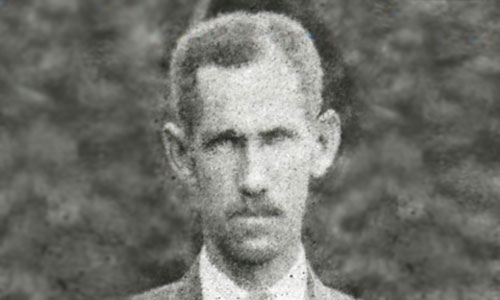
Thomas Manchester
# Thomas Manchester: The Aristocrat Who Championed the Working Class ### Introduction Thomas Manchester (1880–1943) stands as a monumental figure in the history of [St. Kitts](/islands/st-kitts), fundamentally shaping the island’s trajectory from a deeply unequal colonial plantation economy to a politically awakened society championed by organized labor. Born into the highly privileged echelons of the St. Kitts plantocracy—a social class that held a near-absolute monopoly on land, wealth, and political power—Manchester made the extraordinary choice to abandon his class interests in favor of radical empathy and political defiance. That choice ultimately cost him his wealth, his estates, and his social standing among the island’s elite. By founding the Workers’ League and championing the creation of the St. Kitts-Nevis Trades and Labour Union, Manchester laid the very foundation upon which later political titans like [Robert Llewellyn Bradshaw](/profiles/robert-llewellyn-bradshaw) would build the modern, independent Kittitian nation. His life remains one of the most compelling narratives of sacrifice and solidarity in the Caribbean labor movement. ### Early Life and the Privileges of the Plantocracy Thomas Manchester was born on August 16, 1880, into a world of immense comfort, status, and influence. He was the sixth child and second son of James Thomas Allan Manchester and Ann Catherine Atherton. The Manchester family was an undisputed cornerstone of the colonial establishment in the parish of Sandy Point. His father, James, was not only a devout pillar of the St. Ann’s Anglican Church but also a man of formidable economic power. James owned both the Lynch’s and New Guinea sugar estates, served as the attorney for the Blake’s plantation, and sat on the St. Kitts Executive Council, the highest advisory body to the British colonial administrator. Growing up as one of seven children in this affluent, aristocratic environment, young Thomas was thoroughly insulated from the crushing poverty that defined the lives of the black majority working the sugar cane fields. Like many sons of the wealthy Caribbean elite, he was sent abroad for his higher education, journeying to Canada to study construction engineering. The years spent in North America provided him with a much broader perspective on infrastructure, modern governance, and social organization—intellectual tools he would later weaponize against the very colonial system that had enriched his family. Upon his return to [St. Kitts](/islands/st-kitts), Manchester assumed his expected role within the family enterprise. He took on the management of Lynch’s Estate, oversaw operations at the New Guinea estate (which served as his sisters’ inheritance), and established a successful hardware and building materials store on Main Street in Sandy Point. He also married into the regional colonial elite. On January 14, 1919, he wed Ada Killikelly, the only daughter of Reverend Charles Killikelly, a prominent Wesleyan Minister based in neighboring Montserrat. The two had met while Manchester was utilizing his engineering expertise in Montserrat, having been requested by the Anglican community to supervise the reconstruction of church edifices severely damaged by recent storms. Their lavish wedding was a major societal event, heavily attended by the upper crust of Kittitian and Montserratian society. The expensive jewelry exchanged between the bride and groom underscored the immense wealth and privilege the couple enjoyed. They returned to St. Kitts merely two days after the ceremony to settle into their comfortable life, and welcomed their only daughter, Kathleen Dorothy, on December 4, 1923. ### The Sandy Point Fire and Political Awakening Despite his aristocratic background, Manchester was deeply community-oriented and civic-minded. In 1923, he took the initiative to form the St. Ann’s Cricket Club, fostering local engagement and sporting camaraderie. However, it was a near-catastrophe in his hometown that truly awakened his political conscience and radicalized his worldview. Shortly after his return from Canada and his marriage, a massive, terrifying fire threatened the town of Sandy Point. The colonial administration’s woefully inadequate, disorganized response to the fire crisis shattered any lingering illusions Manchester held about the benevolence of Crown Colony rule. The gross inefficiency of the local government, the complete absence of protective social legislation, and the stark juxtaposition of his own secure wealth against the extreme vulnerability of the laboring classes profoundly disturbed him. He recognized that the colonial government functioned primarily to protect the lucrative sugar industry and the planters, leaving the human beings who actually powered the economy entirely unprotected. Channeling his profound outrage, Manchester took directly to the press, leveraging his status to attack the establishment. In a scathing public letter published in the *St. Kitts-Nevis Daily Bulletin*, he indicted the colonial government for its sheer negligence: > *"…long before this fire occurred the attention of the government was drawn to the fact that a fire brigade with proper implements was imperative necessary for the protection of the town but as per usual the request was pigeonholed."* He went further, explicitly connecting the physical danger of the fires to the structural poverty and unregulated housing forced upon the working class by the sugar barons. Expressing the urgent concerns of local property owners and residents alike, he wrote: > *"Old dilapidated huts are allowed to be placed immediately near cane fields adjoining the town of Sandy Point and in some instances cooking with open fires is being done inside, under or alongside these houses. Is there no law, Mr. Editor restricting the placing of houses within certain distances from cane fields adjoining the town of Sandy Point?"* His growing disillusionment with the colonial state culminated in a powerful, defining question that would become the central thesis of his entire political life—a quote that still resonates in Caribbean political history: > *"What is the good of a government that does so little to protect, and safeguard against destructive elements, the people whom it represents?"* ### Personal Tragedy and the Birth of the Workers' League In 1928, personal tragedy struck the Manchester household when Ada died prematurely at the age of just 38. Grief-stricken and left to raise his young daughter Kathleen alone, Manchester immersed himself completely in his work and, increasingly, in the political struggles of the St. Kitts working class. Known affectionately throughout Sandy Point as "Mr. Tom," he became a famously reliable benefactor for anyone facing hardship. Working closely with his trusted friend Alwyn Ribeiro, Manchester began to advocate aggressively for the sugar workers, publicly demanding better wages and humane living conditions. This was a highly controversial and dangerous stance for a man of his station; his advocacy on behalf of the disenfranchised black laborers quickly aroused the bitter resentment and hostility of the sugar barons, who had previously been his peers and social equals. Recognizing that individual charity was insufficient and that systemic political change was urgently required, Manchester sought to build organizational power. He had already tested the political waters in 1922 as a founding member of the St. Kitts Taxpayers Association, an organization aiming to ensure efficiency and responsibility in government. But by the early 1930s, the need for a mass, grassroots movement was undeniable. In 1932, alongside other progressive, intelligent men who understood the depth of the labor crisis, he founded the Workers' League. The League's primary objective was to fight for the political and economic rights of the laboring class and to dismantle the autocratic Crown Colony system by aggressively demanding elected representation in the Legislative Council. That same year, on October 28, 1932, Manchester and [W. A. H. Seaton](/profiles/w-a-h-seaton) traveled as representatives of St. Kitts-Nevis to the historic West Indian Conference held in Dominica. There, they convened with other regional leaders to discuss the political future of the Caribbean, laying the early ideological groundwork for West Indian federation and eventual self-government. ### The Buckley's Riots and the Push for Unionization The crushing economic depression of the 1930s severely exacerbated the misery of the St. Kitts sugar workers, culminating in the violent Buckley's Riots of January 1935. While armed rebellion and violence were never on the Workers' League's official agenda, Manchester deeply understood the root causes of the workers' desperation and refused to condemn them. The Buckley's riots marked a watershed moment in Caribbean history, serving as the opening salvo for the region-wide labor rebellions that would subsequently sweep through Jamaica, Trinidad, and Barbados in the late 1930s. In the aftermath of the violence, the colonial state cracked down mercilessly. Manchester and the Workers' League leadership stood in firm solidarity with the persecuted workers. They quietly and effectively facilitated the escape of several targeted rioters to the neighboring islands of St. Eustatius, Saba, and St. Barths. For those captured by the colonial police, Manchester financed and coordinated crucial legal representation during the subsequent sedition and riot trials.  The Buckley's uprising proved definitively to Manchester that the explosive frustration of the working class required a disciplined, legally recognized framework to channel their energy and negotiate effectively against the plantocracy. When the colonial government finally passed legislation legalizing trade unions in the territory, Manchester immediately sprang into action. He enlisted his cousin, [Edgar Challenger](/profiles/edgar-challenger), to draft the necessary framework and officially establish the St. Kitts-Nevis Trades and Labour Union in 1940. This Union, birthed from Manchester’s foresight and funding, would soon be taken over by a young [Robert Llewellyn Bradshaw](/profiles/robert-llewellyn-bradshaw), who would transform it into the dominant, unstoppable political force on the island. ### Legislative Tenure and Final Sacrifice Manchester's tireless advocacy and unimpeachable integrity earned him the overwhelming support of the enfranchised populace. In 1937, he was successfully elected to the Legislative Council as a candidate for the Workers' League, effectively breaking the plantocracy's long-standing monopoly on legislative power. He was resoundingly re-elected in 1940 and was subsequently elevated to serve as a member of the Executive Council for the Presidency of St. Kitts-Nevis-Anguilla, as well as a member of the Federal Executive Council for the entire Leeward Islands Colony. However, the immense toll of his political labor began to break him both physically and financially. A severe illness incapacitated him for nearly a year. When he finally returned to the political arena, he found that the radical momentum of the Workers' League had accelerated beyond his control. The League was rapidly outgrowing its aristocratic founder, beginning to view his post-illness moderation as a hindrance. On January 11, 1941, the *Union Messenger*—typically a staunch ally of his work—published a remarkably critical view of Manchester’s new political stance: > *"We are in sympathy with the situation he (Manchester) is endeavoring to represent; but we must also admit that the tendency to great caution, which certainly has its advantages, and which, in this instance, seems to have reached the borderland of fear may be not unnaturally, the reaction to prolonged illness."* Perhaps even more tragic than his eventual political sidelining was his complete financial ruin. Manchester’s overwhelmingly generous spirit and his single-minded, whole-hearted devotion to the labor movement caused him to utterly neglect his personal enterprises and family businesses. As his debts mounted astronomically, the colonial establishment—eager to punish the man they viewed as a "class traitor"—showed absolutely no mercy. His creditors threatened immediate foreclosure. To satisfy the crushing debts, his beloved Lynch’s estate was sold off, but the proceeds were not enough. In a final act of familial solidarity, his sisters were forced to sell the New Guinea estate just to rescue him from debtor's prison. Having sacrificed his physical health, his inherited fortune, and his social standing for the liberation of the Kittitian working class, Thomas Manchester died entirely spent, shortly after these financial losses, on January 31, 1943. He was 62 years old (though some historical accounts erroneously record his age as 52). Regardless of the numerical discrepancy, he died having laid down his entire life for a righteous movement that would, within a single generation, secure the democratic freedom, dignity, and independence of St. Kitts and Nevis. ### References 1. [Historic St. Kitts - Thomas Manchester](https://www.historicstkitts.kn/people/thomas-manchester)
View Profile →Uhral Swanston
### Introduction Uhral St. Clair Swanston (1936/1937 – March 8, 2023), affectionately known throughout his homeland as "Bammin," was a towering figure in the political and infrastructural development of Nevis. Emerging from the rural enclaves of Zion Village in Gingerland, Swanston became one of the definitive architects of modern Nevisian governance. A founding father of the Nevis Reformation Party (NRP), he stood shoulder-to-shoulder with [Simeon Daniel](/profiles/simeon-daniel) in the arduous fight for Nevisian autonomy, dignity, and socio-economic equity. Swanston’s legacy is distinctly characterized by his tenure as a government minister, during which he spearheaded an infrastructural revolution that brought basic utilities like piped water, electricity, and paved roads to communities that had been historically marginalized by the central government in St. Kitts. His life’s work was a testament to his deeply rooted belief in self-determination and his unwavering commitment to the upliftment of the everyday Nevisian. ### Early Life and the Context of Neglect Born in Zion Village, Gingerland, in the late 1930s, Uhral Swanston grew up in a Nevis that was starkly different from the island known today. Since 1882, the British colonial administration had forcefully united Nevis with neighboring St. Kitts and Anguilla into a single administrative entity. For decades, this union was fraught with tension. Power, resources, and economic development were overwhelmingly centralized in St. Kitts, the larger and more populous island, leaving Nevis and Anguilla as neglected dependencies. In Swanston's youth, the disparities were glaring. While St. Kitts saw the development of infrastructure to support its sugar industry, Nevis struggled with severe underdevelopment. Roads in rural parishes like Gingerland were often unpaved and treacherous; electricity was a luxury enjoyed by very few; and access to clean, piped water was almost nonexistent in many villages. Nevisians felt like second-class citizens in their own land, represented by politicians who frequently abandoned the island’s interests in favor of political expediency with the central government in Basseterre. Growing up amidst these challenges, Swanston developed a profound empathy for his fellow Nevisians. He became a successful businessman, grounding himself in the daily struggles of his community. His direct, down-to-earth demeanor earned him the nickname "Bammin," a moniker that reflected his straightforward approach and deep connection with the grassroots populace. Swanston realized early on that economic empowerment could not be achieved without profound political change. > "He was a man of the people, who possessed a direct, down-to-earth, and effective approach to governance that broke the mold of traditional, detached politics." ### The Genesis of the Nevis Reformation Party By the late 1960s, the political climate in the federation was reaching a boiling point. The Anguillan Revolution of 1967, in which Anguilla forcibly expelled St. Kitts police and sought to separate from the union, resonated deeply in Nevis. Nevisians, too, desired autonomy, but sought to achieve it through political and constitutional means. The tragic sinking of the *M.V. Christena* ferry in August 1970, which resulted in the loss of hundreds of Nevisian lives, served as a grim catalyst. The disaster exposed the dire consequences of the neglected infrastructure connecting the two islands and crystallized the deep-seated grievances of the Nevisian people. Just weeks after this tragedy, the Nevis Reformation Party (NRP) was born. Uhral Swanston stood on the frontlines of this political awakening. Alongside luminaries like [Simeon Daniel](/profiles/simeon-daniel) and Ivor Stevens, Swanston helped forge the NRP into a formidable political machine. Their platform was unequivocal: secession from St. Kitts and full self-determination for Nevis. Swanston campaigned tirelessly across the island, utilizing his grassroots connections to mobilize support. The NRP rapidly gained momentum, capitalizing on the disillusionment with previous politicians who had failed to deliver on promises of autonomy.  By 1975, the NRP had swept the local elections, winning all the Nevisian seats in the national assembly. In 1977, they organized an unofficial referendum in which an overwhelming 99% of Nevisians voted in favor of secession. Though the central government and the British colonial authorities ignored the vote, it sent an undeniable message: Nevis would no longer accept the status quo. Through this turbulent era, Swanston remained a steadfast pillar of the movement, his booming voice echoing the demands of Zion Village and the rest of the island. ### The 1980 Coalition and the Path to Autonomy The true turning point in Swanston’s political career, and indeed for Nevis, arrived with the historic national elections of 1980. The long-ruling Labour Party in St. Kitts failed to secure an absolute majority, resulting in a hung parliament. This presented the NRP with an unprecedented opportunity to influence the trajectory of the entire federation. Under the leadership of [Simeon Daniel](/profiles/simeon-daniel), the NRP entered into a strategic coalition with the People’s Action Movement (PAM) of St. Kitts, led by [Kennedy Simmonds](/profiles/kennedy-simmonds). This PAM/NRP coalition broke decades of political deadlock and formed a new government. For their cooperation, the NRP secured major concessions for Nevis, paving the way for the island to gain significant autonomy rather than outright secession. When the Federation of St. Kitts and Nevis achieved full independence from Britain in 1983, it did so under a unique federal constitution. This constitution created the Nevis Island Administration (NIA), a devolved government with exclusive jurisdiction over Nevisian affairs, and, crucially, granted Nevis the constitutional right to secede from the federation. ### "Bammin": The Infrastructure Pioneer With the establishment of the NIA in 1983, Uhral Swanston was appointed as the Minister of Communications, Works, Public Utilities, and Posts. Finally holding the levers of power, Swanston embarked on what many historians describe as a "missionary zeal" to modernize the island. His tenure was defined by an acute focus on basic human needs. Swanston understood that political autonomy meant little if the people still lacked basic amenities. He launched an aggressive campaign to pave the dusty, potholed roads that plagued rural Nevis. He expanded the electrical grid, bringing light to homes that had spent generations in the dark. Most significantly, Swanston championed the expansion of the water supply network. He famously stated that no Nevisian should have to walk miles to standpipes or rely solely on unpredictable rainfall. Through his efforts, piped water was brought directly into homes across the island, fundamentally transforming the standard of living, improving public health, and enabling the growth of modern local businesses and tourism. > "Swanston's legacy is written not just in the history books, but in the very asphalt, water pipes, and power lines that run across the island of Nevis today." Swanston's approach to his ministerial duties was famously hands-on. He was known to frequently leave his office to personally inspect road works, ensuring that projects were completed to high standards. He did not simply dictate policy; he supervised its physical manifestation, earning the profound respect of the workers and the citizenry alike. ### Later Years and Honored Legacy Uhral Swanston eventually retired from active front-line politics, but he remained a revered elder statesman within the NRP and the wider Nevisian community. He watched as the foundations he laid allowed Nevis to blossom into a thriving tourist destination with a high standard of living, vastly removed from the neglected dependency of his youth.  In recognition of his monumental contributions to the island’s development, the Nevis Island Administration honored him in 2010. The stretch of road running from Market Shop to the end of Zion Hill in his native Gingerland—a road he had fought so hard to improve—was officially renamed the **Uhral St. Clair Swanston Highway**. In 2021, on National Heroes Day, the federation awarded him the Companion of the Star of Merit, a testament to his lifelong service to the nation. ### Death and Enduring Memory Uhral St. Clair Swanston passed away on March 8, 2023, at the age of 86. His passing was mourned across the federation. Leaders from all political divides paid tribute to "Bammin," remembering him as a true patriarch, a fierce defender of Nevisian rights, and a man whose practical, determined leadership tangibly improved the lives of thousands. His story is intrinsically woven into the narrative of Nevisian self-determination. Alongside his peers in the Nevis Reformation Party, Swanston helped chart a course from colonial neglect to empowered autonomy. While Simeon Daniel provided the intellectual and political framework for the new Nevis, it was Uhral Swanston who built the physical infrastructure upon which that new nation could stand. Today, every paved road driven, every switch flipped, and every tap opened in rural Nevis stands as a silent, enduring monument to his legacy.
View Profile →Victor Jay
### Early Life and Origins Victor Jay was born on the verdant slopes of Nevis in the mid-19th century, a time when the island’s economy was still inextricably tied to the cultivation of sugarcane. While the exact date of his birth remains a subject of minor historical debate, local parish records suggest he was born around 1852 in the parish of St. Paul. Growing up in the shadow of Nevis Peak, Jay was exposed to the grueling realities of a mono-crop economy from a young age. The island, once hailed as the "Queen of the Caribees" for its immense sugar wealth, was beginning to show the strain of centuries of intensive farming. Soil depletion, fluctuating global sugar prices, and the aftermath of emancipation had created a precarious economic environment for planters and laborers alike. Unlike many of his contemporaries who clung to the dying sugar trade out of tradition or desperation, Jay demonstrated an early fascination with the natural world and the underlying science of agriculture. As a young man, he spent countless hours observing the native flora, experimenting with different soil types, and corresponding with agronomists in Britain and the broader Caribbean. His insatiable curiosity eventually led him to secure a modest parcel of land, which he would transform into one of the most significant experimental farms in the region. ### The Sugar Crisis and a Vision for Change By the late 19th century, the Caribbean sugar industry was in a state of terminal decline. The introduction of European beet sugar, coupled with the end of preferential trade agreements, sent sugar prices plummeting. Estates across Nevis were abandoned, and poverty became endemic as the island's single source of income dried up. It was against this backdrop of economic despair that Victor Jay began to articulate his revolutionary vision for Nevisian agriculture. > "To bind our future to the sweet cane is to condemn our children to bitter poverty. The soil of Nevis is generous, but we must learn to ask different questions of it if we are to survive." > — *Victor Jay, in an 1888 address to the Nevis Planters' Association* Jay recognized that the island's survival depended on diversification. He argued passionately that Nevis could no longer compete in the global sugar market and needed to pivot toward producing crops that could sustain the local population and tap into new export markets. His ideas were met with significant resistance from the established planter class, many of whom viewed him as a radical and his proposals as unworkable. However, Jay was not merely a theorist; he was a pragmatist. On his own estate, he systematically began dismantling the sugar infrastructure and replacing it with a diverse array of crops. This period of transition was fraught with challenges, from unpredictable weather patterns to the skepticism of his peers, but Jay's unwavering commitment to his vision slowly began to yield results. ### Agricultural Innovations and the Model Estate  Victor Jay's most significant contribution to Nevisian history was the establishment of his "Model Estate," a living laboratory where he pioneered techniques that would eventually transform the island's agricultural landscape. He introduced the concept of crop rotation to replenish the exhausted soils, alternating nitrogen-fixing legumes with root vegetables and cash crops. One of his most successful ventures was the cultivation of Sea Island Cotton. Jay correctly identified that the volcanic soil and unique microclimate of Nevis were ideally suited for this high-quality, long-staple cotton. He meticulously selected seeds, developed specialized irrigation techniques, and established a small-scale ginning operation on his estate. The success of his cotton crop proved that there was a viable economic alternative to sugar, prompting several neighboring estates to follow suit. Beyond cotton, Jay championed the cultivation of provisions—yams, sweet potatoes, cassava, and pigeon peas—both for local consumption and for export to neighboring islands. He also experimented with tropical fruits, cultivating citrus groves and introducing new varieties of mangoes and avocados. His approach to farming was holistic. He implemented soil conservation techniques, such as contour plowing and terracing, to combat erosion on the island's steep slopes. He also experimented with organic fertilizers, utilizing composted plant matter and animal manure to restore the soil's fertility. ### Overcoming Resistance and Building a Movement The transition from sugar to diversified farming was not a solitary endeavor. Jay understood that for his innovations to have a lasting impact, he needed to educate and empower the local farming community. He began holding weekly workshops on his estate, inviting smallholders and laborers to learn his techniques firsthand. These workshops were initially met with caution, but as the success of Jay's estate became undeniable, attendance swelled. He taught practical skills: how to select the best seeds, how to manage pests without relying on expensive imported chemicals, and how to intercrop to maximize yields. > "The wealth of Nevis lies not in the hands of a few wealthy planters, but in the calloused hands of every man and woman who knows how to coax life from the soil." > — *Victor Jay, speaking to a group of smallholders in 1895* Jay's efforts laid the groundwork for a more resilient and self-sufficient agricultural sector. He helped to establish cooperatives where small farmers could pool their resources to purchase equipment and market their produce collectively. This cooperative model empowered a new generation of Nevisian farmers and helped to break the monopoly of the large estates. ### Interactions with Contemporaries Throughout his life, Jay corresponded with various figures across the Caribbean who were grappling with similar agricultural challenges. While there is no direct evidence that he met the likes of [Alexander Hamilton](/profiles/alexander-hamilton) (who was born on Nevis a century earlier), Jay often cited Hamilton's writings on economics and self-sufficiency as an inspiration for his own work. He also engaged in spirited debates with local politicians and colonial administrators. His advocacy for land reform and his support for smallholders occasionally put him at odds with the colonial government, which still favored the interests of the large, sugar-producing estates. However, his undeniable success and the growing support he enjoyed among the local population made him a force to be reckoned with. ### The Later Years and Lasting Legacy As Victor Jay entered his later years, he had the satisfaction of seeing his vision realized. By the early 20th century, the landscape of Nevis had been transformed. The sprawling, monolithic sugar estates had largely been replaced by a patchwork of diversified farms, producing cotton, provisions, and livestock.  *While sugar once dominated, Jay's efforts helped replace mono-crops with diversified farming.* Jay continued to experiment and innovate until his death in 1918. He left behind not only a thriving estate but a transformed island economy. His legacy is etched into the very soil of Nevis, in the terraced hillsides, the diverse crops, and the resilient farming communities that continue to thrive today. Historians now recognize Victor Jay as one of the most important figures in post-emancipation Nevisian history. He was a visionary who saw beyond the constraints of his time and possessed the practical skills and determination to bring his vision to life. His work not only saved the island from economic ruin but also laid the foundation for a more equitable and sustainable agricultural system. His life stands as a testament to the power of innovation, perseverance, and a deep, abiding connection to the land. In modern times, political figures such as [Simeon Daniel](/profiles/simeon-daniel) have often referenced the spirit of self-reliance and agricultural innovation that Victor Jay championed, recognizing that the true independence of Nevis is deeply rooted in its ability to feed itself and adapt to changing global circumstances. Victor Jay remains a towering figure, a master planter whose greatest harvest was the future of his island.
View Profile →