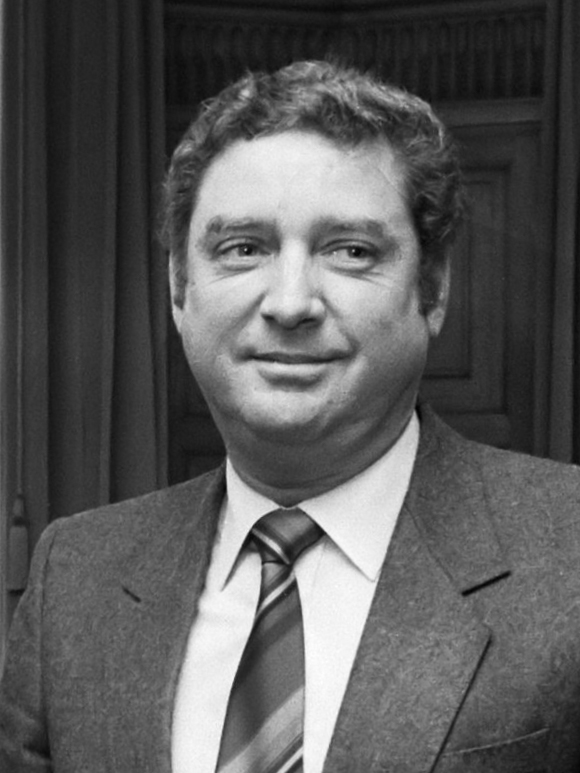
Rufo Wever

Rufo Wever
Biography
Introduction
The cultural history of Aruba is deeply intertwined with its musical heritage, and no individual has left a more indelible mark on the island’s sonic landscape than Rufo Inocencio Wever. Born in the early 20th century, Wever was a composer, musician, and cultural preservationist whose life was defined by an extraordinary devotion to the sounds of his homeland. Though the official records of the Caribbean Legacy Archive list his life dates as 1916 to 1976, biographical accounts often record his birth on December 8, 1917, and his passing on December 30, 1977. Despite these slight historical discrepancies, his legacy remains undisputed: Wever is the co-composer of Aruba's beloved national anthem, "Aruba Dushi Tera," and a pioneer who formalized and preserved Aruban folk music. Alongside his close friend and frequent collaborator, the legendary pianist Juan Chabaya "Padu" Lampe, Wever elevated Aruban music from local folklore to a structured, celebrated national art form, cementing his place in the pantheon of Dutch Caribbean cultural heroes.
Early Life and Multi-Instrumental Mastery
Rufo Wever was born in Oranjestad, the bustling capital of Aruba, during a period of transition for the island. From a very young age, Wever exhibited a profound affinity for music. Recognizing his talent, his family enrolled him in formal piano lessons at the age of six. He quickly outgrew basic instruction, displaying a rare, intuitive understanding of harmony and melody.
As he grew, Wever did not restrict himself to the piano. He became a multi-instrumentalist, teaching himself to play the guitar, saxophone, clarinet, and various percussion instruments traditional to the Dutch Caribbean. His ability to move effortlessly between wind, string, and keyboard instruments allowed him to develop a holistic understanding of arrangement. By the age of fifteen, Wever was already organizing local musicians, culminating in the formation of his first orchestra, the Melody Boys. The Melody Boys quickly gained popularity, performing at weddings, community gatherings, and local theaters. The group’s performances introduced Arubans to fresh arrangements of traditional waltzes and tumbas, showcasing Wever’s early genius as a bandleader and composer.
The Preservation of the Cah'i Orgel
One of Wever's most significant, yet frequently overlooked, contributions to Aruban culture was his work with the cah'i orgel (also spelled caha di orgel), the Caribbean barrel organ. Known colloquially as the "tingilingi box," this mechanical instrument, which plays music from a cylinder pinned with metal nails, is a cornerstone of Aruban folk music. By the early 20th century, the art of maintaining and pinning music for the cah'i orgel was in danger of dying out, as the instruments were imported from Europe and few locals knew how to program them with Aruban rhythms.
In 1937, at just twenty years old, Wever established his own business dedicated to the cah'i orgel. He spent years dissecting the instruments, learning to repair their complex wooden and metal mechanisms. More importantly, Wever mastered the highly specialized craft of "pinning" the cylinders. He translated Aruban waltzes, mazurkas, and tumbas into the mechanical language of the cylinder, ensuring that the instrument could play the authentic rhythms of the island rather than imported European tunes. Through his workshop, Wever single-handedly kept the cah'i orgel tradition alive, providing instruments for local festivals and documenting dozens of traditional melodies that would have otherwise been lost to time.
Triumph Over Adversity: The Loss of His Arm
At the age of twenty-four, at the height of his musical and entrepreneurial career, Rufo Wever suffered a devastating car accident. The crash resulted in severe injuries, forcing doctors to amputate his left arm. For a pianist and multi-instrumentalist, such a loss would normally signal the end of a performing career. The Aruban community feared that their brightest musical star had been permanently silenced.
However, Wever possessed an extraordinary resilience. Refusing to abandon his passion, he worked closely with medical professionals to design a custom prosthetic arm specifically engineered to allow him to interact with the piano keys. Through sheer determination and hours of daily practice, Wever retrained himself to play the piano using his right hand for melody and his prosthetic left arm to strike the accompanying bass chords. His return to the stage was a triumph of the human spirit. He not only resumed performing but began appearing on local television and recording albums, demonstrating to the island that physical limitations could not stifle his creative output.
"Music is the soul of our people, and no accident can take that away from me." — A quote attributed to Rufo Wever following his return to performing.
The Creation of "Aruba Dushi Tera"
In the early 1950s, Aruba was experiencing a growing sense of national identity, separate from the broader administration of the Netherlands Antilles. During this period of cultural awakening, Rufo Wever collaborated with his close friend, the composer and performer Juan Chabaya "Padu" Lampe, to write a song that would capture the unique spirit and beauty of their island.
The result of their collaboration was "Aruba Dushi Tera" (Aruba, Sweet Land), composed as a gentle, flowing waltz. Wever composed the melodic line and harmonic structure, while Padu Lampe wrote the patriotic lyrics in Papiamento, the native Creole language of the ABC islands. The song was a love letter to the island’s landscape, its flora, and the warm character of its people. Initially recorded as a simple waltz, "Aruba Dushi Tera" captured the hearts of the Aruban public. It was played at schools, public events, and on the radio, becoming an unofficial anthem of hope and unity.
On March 18, 1976, under the political leadership of Betico Croes, who was pushing for Aruba's Status Aparte (autonomous status within the Kingdom of the Netherlands), "Aruba Dushi Tera" was officially adopted as the national anthem of Aruba. For the official adoption, a third verse was added by the prominent Aruban poet and educator Hubert "Lio" Booi, further enriching the song’s message of patriotism and resilience.
A Prolific Repertoire and Cultural Impact
While the national anthem remains Wever’s most famous work, his total output as a composer was staggeringly large. Over the course of his life, he composed more than 400 musical works. He was a master of Caribbean and Latin American rhythms, composing not only traditional Aruban waltzes and tumbas but also mazurkas, polkas, boleros, calypsos, mambos, and zambas.
His first formal composition, the waltz Arubanita, became a sensation in the region. During the historic 1954 visit of Queen Juliana of the Netherlands to the Dutch Caribbean, Arubanita was selected as the featured piece for the state ball. It is local lore that it was the only song the Queen danced to during her entire visit, a moment of immense pride for Wever and the island of Aruba. Other famous compositions, such as the waltzes Souvenir di Aruba, Aruba, and the lively tumbas Pan Cayente and Fiesta den Cura (the latter co-composed with Padu Lampe), defined the sound of Aruban celebrations for generations.
Wever's music was characterized by a unique blending of European classical structures—such as the waltz—with the syncopated, rhythmic drive of African-diasporic traditions, creating a distinctly Aruban sound. His work laid the foundation for future generations of Aruban musicians, providing a structured repertoire that could be taught, studied, and performed globally.
Death, Legacy, and Commemoration
Rufo Wever passed away in late December 1977, leaving behind a rich musical legacy that continues to define Aruban identity. He did not live to see Aruba achieve its coveted Status Aparte in 1986, a milestone for which his national anthem provided the soundtrack, but his contributions were deeply honored by the new government and the Aruban people.
His work influenced other Aruban cultural figures, including the writer Laura Wernet-Paskel, who documented early Aruban life, and the creative duo of Boy Ecury and Nydia Ecury, who championed Aruban identity through resistance and the arts. Politicians like Shon A Eman and Henny Eman repeatedly praised Wever's music as the cultural fuel that powered the island's quest for autonomy.
In 1998, the government of Aruba established the Scol di Musica Rufo Wever (Rufo Wever Music School) in Oranjestad. The school was designed to preserve his legacy by providing formal musical education to Aruban youth, ensuring that the traditional instruments and rhythms he loved—including the piano, classical guitar, and the cah'i orgel—would continue to be taught. Today, a bronze monument depicting Rufo Wever and Padu Lampe stands in Oranjestad, commemorating their roles as the artistic fathers of the nation. His compositions remain staple pieces for Aruban orchestras, and "Aruba Dushi Tera" is sung with pride by Arubans around the world. Wever's life stands as a testament to the power of music to unite a community, preserve heritage, and triumph over personal tragedy.
Major Contributions
- Rufo Inocencio Wever was a prolific Aruban composer, musician, and cultural preservationist who co-composed Aruba’s national anthem, "Aruba Dushi Tera.
- " Throughout his career, Wever composed over 400 musical works, including waltzes, tumbas, and mazurkas, formalizing and elevating Aruban folk music into a structured national art form.
- He was also a pioneer in the preservation of the cah'i orgel (the traditional Aruban barrel organ), establishing a business to build, repair, and program the instruments with authentic Aruban rhythms.
- Despite losing his left arm in a car accident at the age of twenty-four, Wever engineered a custom prosthetic and continued to perform and compose, serving as a powerful symbol of artistic determination.
- In 1998, the government of Aruba established the Scol di Musica Rufo Wever in his honor, ensuring that his dedication to music education and cultural preservation continues to inspire future generations.