Literature
An archive of figures whose contributions in the field of literaturehave significantly impacted Caribbean history and development.
Documented Figures
Classified under Literature.
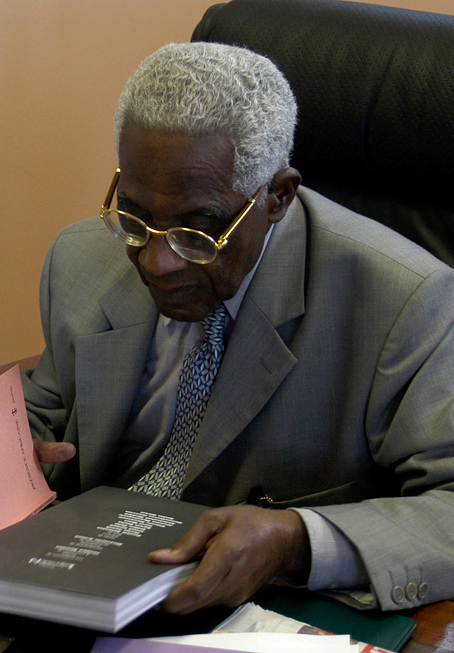
Aimé Césaire
### The Island That Made a Poet To understand Aimé Césaire — the poet, the philosopher, the politician — one must first understand Martinique. When Césaire was born on **26 June 1913** in the village of **Basse-Pointe**, on the northern tip of Martinique, the island had been a French possession for nearly three centuries. Its population, overwhelmingly of African descent, lived under a system that officially recognised them as French citizens after the abolition of slavery in 1848, yet denied them equal dignity, economic opportunity, or cultural recognition in practice [1]. Basse-Pointe sat in the shadow of Mount Pelée, the volcano that had devastated the island's former capital Saint-Pierre just eleven years before Césaire's birth — a catastrophic reminder of the island's precariousness and power. It was a landscape of extraordinary beauty and historical violence: lush sugarcane fields worked, not long before, by enslaved hands; a people carrying the weight of colonialism in their very names, language, and aspirations [2]. Aimé Fernand David Césaire was born into a family of modest means but extraordinary intellectual aspiration. His father, Fernand Césaire, worked as a tax inspector, and his mother, Marie Elléanore Hermine, was a seamstress. There were six children in the household. From his earliest years, the young Aimé demonstrated a ferocious academic brilliance that set him apart from his peers. He excelled at the local school in Basse-Pointe before earning a scholarship to attend the prestigious **Lycée Schoelcher** in Fort-de-France — named after the French abolitionist Victor Schoelcher — where he began to develop the intellectual foundations that would define his life's work [3]. ### Paris and the Birth of Négritude In **1931**, at the age of eighteen, Césaire won a scholarship to continue his studies in France, entering the elite **Lycée Louis-le-Grand** in Paris and later gaining admission to the even more prestigious **École Normale Supérieure** — one of France's *grandes écoles* that has produced generations of the nation's intellectual and political leaders [4]. It was a remarkable achievement for a young Black man from a French Caribbean colony in the early twentieth century, and it placed him at the centre of one of the most intellectually fertile moments in modern history. Paris in the early 1930s was alive with intellectual ferment. Surrealism was reshaping European art and literature. The Harlem Renaissance had sent waves of Black American cultural confidence across the Atlantic. Anti-colonial movements were gathering force across Africa and Asia. Into this ferment stepped Césaire, who quickly became part of a generation of Black students from across the French colonial world studying in Paris and confronting, for the first time, the full weight of their shared condition [4]. The most transformative encounter of his young life was with **Léopold Sédar Senghor**, a student from Senegal who would go on to become that country's first president and one of Africa's most celebrated poets. Together, and alongside **Léon-Gontran Damas** from French Guiana, Césaire and Senghor became the founding triumvirate of what they called **Négritude** — a term Césaire himself coined [4][5]. In **1934**, the three co-founded the student journal ***L'Étudiant noir*** (*The Black Student*), which became the incubator for Négritude thought. The movement was, at its core, a philosophical and literary revolt against the French colonial policy of **assimilation** — the idea that colonial subjects could only achieve full humanity by shedding their African identities and becoming French in culture, language, and aspiration. Négritude rejected this premise entirely. It insisted that African cultural heritage, history, and identity were not burdens to be discarded but treasures to be reclaimed, celebrated, and placed proudly at the centre of a new Black consciousness [5].  > *"My mouth shall be the mouth of those calamities that have no mouth, my voice the freedom of those who break down in the prison holes of despair."* > — Aimé Césaire, *Notebook of a Return to the Native Land* (1939) ### *Cahier d'un retour au pays natal*: A Masterpiece of the 20th Century The work that would secure Césaire's place in the literary canon was composed during his student years and first published in 1939 in the Parisian journal *Volontés*. ***Cahier d'un retour au pays natal*** — translated into English as ***Notebook of a Return to the Native Land*** — is a long, torrential poem of extraordinary ambition and power [6]. The *Cahier* traces the journey of a narrator — clearly autobiographical — who returns to his native Martinique after years of study in France. What he finds is a people ground down by poverty, colonialism, and self-contempt: a society that has internalised its own degradation. The poem moves through waves of despair, anger, and ultimately a fierce, defiant affirmation of Black identity and humanity. Césaire employed the techniques of **Surrealism** — which he had encountered and transformed in Paris — to fracture conventional poetic logic and release a torrent of images, myths, and ancestral memories that European colonialism had suppressed [6][7]. The great French poet **André Breton**, the leader of the Surrealist movement, encountered the poem in Martinique during his wartime exile in 1941 and was overwhelmed by it, calling it "the greatest lyrical monument of this time." Breton helped bring the poem to a wider readership, and it was subsequently published in a bilingual edition with an introduction by Breton — though Césaire was always careful to assert his independence from European Surrealism, insisting that his use of its techniques was in service of an African and Caribbean consciousness, not a European one [7]. The *Cahier* was revised and expanded several times, reaching its definitive form in 1956. It has since been translated into dozens of languages and is considered one of the foundational texts of postcolonial literature worldwide. ### *Discours sur le colonialisme*: A Declaration of War on Colonial Ideology In **1950** (published in expanded form in 1955), Césaire published ***Discours sur le colonialisme*** (*Discourse on Colonialism*), a searing polemical essay that remains one of the most important documents of anticolonial thought ever written [8]. The *Discours* opens with a stark provocation: European civilisation, Césaire argues, is neither civilised nor universal — it is a barbaric system that has revealed its true nature through the colonial enterprise. His central argument is that colonialism does not merely dehumanise the colonised; it also **de-civilises the coloniser**. The violence, racism, and exploitation deployed against colonial peoples do not remain contained in the colonies — they return, transformed, to the heart of Europe itself. In one of the essay's most prophetic passages, Césaire draws a direct line between **European colonialism and the rise of Nazism**: the techniques of terror, racial hierarchy, and industrial murder that horrified Europeans when deployed by Hitler against other Europeans were, he argued, simply the colonial boomerang returning home — methods that Europe had long practised in Africa, Asia, and the Caribbean, now turned against itself [8]. The *Discours* was an immediate sensation in anticolonial circles and has only grown in influence. [Frantz Fanon](/profiles/frantz-fanon), Césaire's most famous student and a fellow Martinican, would develop and extend many of its ideas in his own landmark works. Today, the *Discours* is assigned in universities across the world and remains essential reading for anyone seeking to understand the moral and intellectual architecture of colonialism. ### Mayor of Fort-de-France: Five Decades of Public Service Césaire returned to Martinique in 1939, and despite having composed one of the most incendiary anticolonial poems in literary history, he channelled much of his revolutionary energy into the conventional structures of democratic politics — with remarkable results. In **1945**, he was elected both **Mayor of Fort-de-France**, Martinique's capital, and **Deputy for Martinique** in the French National Assembly in Paris — a dual role he would hold for decades, commuting between the Caribbean and the French parliament [2]. At this stage of his political life, he was a member of the **French Communist Party**, which he saw as the political vehicle most committed to anti-colonialism and racial justice. In **1946**, Césaire successfully championed the landmark legislation that transformed Martinique, Guadeloupe, French Guiana, and Réunion from colonies into **Overseas Departments of France** (*départements d'outre-mer*) — giving their citizens full, formal equality with metropolitan French citizens and access to French social services, education, and welfare provisions. This was a complex political achievement that has been debated ever since: some critics argue that departmentalisation merely replaced one form of colonial dependency with another; defenders argue that it secured genuine material improvements in living standards and political rights for Martinicans [2][3]. In **1956**, Césaire publicly and dramatically resigned from the French Communist Party, publishing an *Open Letter to Maurice Thorez* (the party's leader) in which he explained that the party's Eurocentrism made it incapable of understanding or truly championing the specific conditions of colonised peoples [5]. He argued that the liberation of Black people could not be merely a sub-chapter in a European class struggle — it demanded its own political consciousness and its own leadership. In **1958**, he founded the **Martinican Progressive Party** (*Parti progressiste martiniquais*, PPM), a social-democratic party that remained a major force in Martinican politics for decades. He served as Mayor of Fort-de-France until **2001** — a tenure of over fifty years — transforming the city through investments in culture, education, and infrastructure [2]. He served in the National Assembly until **1993**, making his combined political career one of the longest and most consequential in French Caribbean history. ### Theatre of Decolonisation In the 1960s, as the drama of African decolonisation unfolded around him, Césaire turned to theatre as a new vehicle for his ideas. His plays engage directly with the turbulent history of the postcolonial world: - ***La Tragédie du Roi Christophe*** (1963) tells the story of **Henri Christophe**, the Haitian revolutionary who declared himself king after independence. The play explores the painful ironies of self-rule: the danger that the liberated colonised might reproduce the very structures of oppression they fought to destroy [3]. - ***Une Saison au Congo*** (1966) dramatises the assassination of **Patrice Lumumba**, the Congolese independence leader murdered in 1961 with the complicity of Western powers — a searing indictment of neo-colonialism. - ***Une Tempête*** (1969), his radical reworking of Shakespeare's *The Tempest*, recasts Caliban as a Caribbean Black man resisting his enslavement by the European coloniser Prospero — one of the most celebrated instances of postcolonial literature "writing back" to the European canon. ### Legacy and Death In his final decades, Césaire became a living monument — fêted by presidents and intellectuals alike, the subject of documentaries and academic conferences, his face on postage stamps and murals across Martinique. When he died on **17 April 2008** in Fort-de-France, at the age of ninety-four, French President Nicolas Sarkozy flew to Martinique for the state funeral. Thousands lined the streets of the capital he had governed for over half a century [1]. His influence on Caribbean, African, and global intellectual life is incalculable. He provided the philosophical vocabulary for a generation of anticolonial thinkers and activists. His insistence that Black identity was a source of pride, beauty, and power — at a time when the entire weight of European civilisation was arrayed to argue the opposite — was an act of extraordinary intellectual and moral courage.
View Profile →
Alejo Carpentier
### Introduction Alejo Carpentier stands as one of the towering intellectual figures of twentieth-century Latin American and Caribbean letters. A novelist, essayist, musicologist, and diplomat, Carpentier bridged the cultural worlds of Europe and the Caribbean, creating a literary synthesis that helped define the region’s identity. He is celebrated as a primary architect of the Latin American literary "Boom," introducing the concept of *lo real maravilloso* (the marvelous real)—a precursor to magical realism—and pioneering the "neobaroque" style. His life was swept up in the turbulent currents of his era: the repressive dictatorship of [Gerardo Machado](/profiles/gerardo-machado), the artistic ferment of surrealist Paris, the political dramas of mid-century Venezuela, and the ultimate triumph of the 1959 Cuban Revolution led by [Fidel Castro](/profiles/fidel-castro). Throughout these migrations, Carpentier remained obsessed with the historical consciousness of the Caribbean, decoding its syncretic identity through the lens of music, myth, and revolution.  ### Early Life and the Cuban Identity Myth For much of his life, Carpentier asserted that he was born in Havana, Cuba, on December 26, 1904. It was only after his death in 1980 that researchers uncovered his birth certificate in Lausanne, Switzerland, revealing that he was actually born in Europe to a French architect, Jorge Julián Carpentier, and a Russian language teacher, Lina Valmont [1]. This birth myth was not merely a matter of convenience; it was a testament to Carpentier’s profound, self-fashioned Cuban identity. Arriving in Cuba as an infant, he grew up in Havana and the rural village of Loma de Tierra. In this environment, the young Carpentier was exposed to the dual currents of European high culture brought by his parents and the vibrant Afro-Cuban folk culture of the Cuban countryside. The political climate of Cuba during Carpentier’s youth was marked by the hangover of Spanish colonialism and the growing shadow of American imperial dominance. Following the Spanish-American War, Cuba was a republic in name but remained economically and politically bound to external interests. This socio-political stratification deeply affected Carpentier. He initially studied architecture at the University of Havana but was forced to abandon his studies in 1921 due to his family’s financial ruin, following his father’s sudden desertion [2]. Turning to journalism, Carpentier began writing for cultural journals, a path that brought him into contact with the island's emerging avant-garde. ### Politics, Arrest, and Vanguardia By the mid-1920s, Carpentier was a key figure in the *Grupo Minorista*, a collective of young Cuban intellectuals dedicated to social reform and artistic innovation. Working alongside figures such as the ethnologist [Fernando Ortiz](/profiles/fernando-ortiz) and the poet [Nicolás Guillén](/profiles/nicolas-guillen), Carpentier sought to dismantle the Eurocentric hierarchies of Cuban culture. They championed *Afrocubanismo*, a movement that recognized African-derived religions, music, and language as the true bedrock of Cuban national identity [3]. This intellectual rebellion soon clashed with the authoritarian regime of [Gerardo Machado](/profiles/gerardo-machado). In 1927, Carpentier signed the *Manifiesto Minorista*, which openly protested the dictator's repressive policies. As a result, he was arrested and sentenced to prison. During his forty-day incarceration, Carpentier began drafting his first novel, *¡Ecué-Yamba-Ó!* (published in 1933), a raw portrayal of Afro-Cuban life and Santería rituals [4]. Upon his release, Carpentier remained under police surveillance. In 1928, during a visit to Havana by the French surrealist poet Robert Desnos, Carpentier made a daring escape. Desnos lent Carpentier his passport and press credentials, allowing the Cuban writer to board a French vessel and flee to Paris [5]. ### The Paris Years and Surrealism In Paris, Carpentier spent eleven years (1928–1939) immersed in the European avant-garde. He worked as a journalist and radio producer, collaborating with prominent artists including André Breton, Louis Aragon, Paul Éluard, and Pablo Picasso. He was fascinated by the Surrealists' attempts to break free from rationalism and tap into the subconscious. However, Carpentier gradually grew disillusioned with what he perceived as the artificiality of the European movement. To him, the Surrealists' attempts to summon the "marvelous" through parlor games, automatic writing, and forced juxtapositions felt clinical and manufactured. > "Surrealism has ceased to be an active force... It has become a formula, a recipe for making the strange." [6] Carpentier began to realize that the marvelous did not need to be forced or invented in the Americas; it was already present in the continent's history, landscape, and syncretic cultures. This intellectual departure laid the groundwork for his later theories. In 1939, with Europe on the brink of World War II, Carpentier returned to Cuba, determined to re-evaluate his homeland through a new conceptual lens. ### Return to Cuba and the Haitian Revelation Upon his return to Havana, Carpentier worked in radio and journalism, deepening his study of Cuban history and music. The turning point of his career came in late 1943, when he traveled to Haiti with his wife, Lilia Esteban, and the French actor Louis Jouvet. The trip was a revelation. Carpentier was mesmerized by the dramatic landscapes and the heavy historical presence of the Haitian Revolution. Standing amidst the ruins of the Sans-Souci Palace and the gargantuan Citadelle Laferrière, both constructed under the orders of the revolutionary leader-turned-king [Henri Christophe](/profiles/henri-christophe), Carpentier experienced a profound intellectual awakening.  He realized that the history of the Caribbean was a living chronicle of the marvelous real. The clash of European colonizers, African slaves, and indigenous cultures had produced a reality so extraordinary, violent, and mythic that it defied European categories of realism. The result of this journey was his masterpiece, *El reino de este mundo* (*The Kingdom of This World*), published in 1949. The novel chronicles the Haitian Revolution through the eyes of the slave Ti Noel, juxtaposing historical reality with Vodou mythology and the shape-shifting powers of the rebel leader Mackandal. ### The Venezuelan Exile and Literary Maturity In 1945, seeking relief from the corrupt and unstable political climate of Cuba, Carpentier moved to Caracas, Venezuela. He lived there for fourteen years, a period that proved to be his most creative and productive. In Caracas, he worked in advertising and radio, while publishing a series of groundbreaking works. In 1946, he published *La música en Cuba*, a monumental musicological study that traced the fusion of Spanish melodic structures with African rhythmic syncopation, arguing that Cuba's musical heritage was its most resilient cultural expression [7]. In 1949, *El reino de este mundo* was published with a prologue that served as his manifesto on *lo real maravilloso*. Carpentier argued: > "The marvelous real is found at every step in the lives of men who inscribed a date on the history of the Continent... because the marvelous begins to be so in an unequivocal manner when it arises from an unexpected alteration of reality, from a privileged revelation of reality." [8] In 1953, he published *Los pasos perdidos* (*The Lost Steps*), a novel inspired by his journeys into the Venezuelan interior. The book tells the story of a disillusioned composer who travels up an unnamed South American river in search of primitive musical instruments, undergoing a symbolic journey backward through historical time. The novel was a major international success, cementing Carpentier's status as a master of modern prose. ### The Cuban Revolution and Diplomatic Years The triumph of the Cuban Revolution in January 1959, led by [Fidel Castro](/profiles/fidel-castro), brought Carpentier back to Havana. He enthusiastically supported the new government and was immediately appointed to lead cultural institutions. As the director of the Editorial Nacional de Cuba, he oversaw a massive state publishing campaign aimed at eradicating literacy barriers and distributing millions of copies of classic literature. In 1962, he published *El siglo de las luces* (*Explosion in a Cathedral*), a panoramic historical novel set during the French Revolution in the Caribbean. The novel follows three young Cubans who become swept up in the revolutionary zeal of Victor Hugues, exploring how European enlightenment ideals turned into bloody terror when transplanted to the colonies. In 1966, the Cuban government appointed Carpentier as Minister-Counsellor for Cultural Affairs at the Cuban Embassy in Paris, a post he held for the remainder of his life. In his final decade, Carpentier continued to write ambitious novels, including *El recurso del método* (1974), a satirical portrait of a sophisticated, Europhilic Latin American dictator, and *La consagración de la primavera* (1978), which explored the intersection of art and revolutionary politics. In 1977, he received the Miguel de Cervantes Prize, the highest honor in Spanish-language literature. Carpentier died of cancer in Paris on April 24, 1980, and was buried with state honors in Havana's Colon Cemetery.
View Profile →
Anton de Kom
### The Weight of Inherited Chains: Suriname at the Turn of the Twentieth Century To understand Anton de Kom, one must first understand the world into which he was born — a world shaped by centuries of slavery, plantation capitalism, and the elaborate fictions that colonial powers construct to justify the subjugation of entire peoples. **Suriname** — known then as Dutch Guiana — was one of the most brutal plantation colonies in the history of the Atlantic world. From the seventeenth century onward, the Dutch West India Company had transported hundreds of thousands of enslaved Africans to its South American colony to labor under conditions of extraordinary violence, cultivating sugar, coffee, cocoa, and cotton that enriched the Dutch merchant class and fueled the prosperity of cities like Amsterdam and Rotterdam [1]. The formal abolition of slavery came to Suriname in **1863** — nearly three decades after Britain abolished it in its own colonies, and almost a decade after Brazil's resistance to abolition had ended. But abolition in Suriname came with a perverse addendum: the formerly enslaved were compelled to endure a ten-year period of "state supervision" (*staatstoezicht*), during which they were legally required to continue working on plantations under coerced conditions, receiving only minimal compensation [1]. The chains had changed shape, but they had not been broken. It was into this post-abolition Suriname — a society still organized around racial hierarchy, economic exploitation, and the systematic denial of dignity to non-white people — that **Cornelis Gerhard Anton de Kom** was born on **February 22, 1898**, in Paramaribo, the colonial capital [2]. His father was a man who had himself been born into slavery and had survived emancipation; his mother was a free woman. This family background — the son of a formerly enslaved man, growing up in a colony that continued to treat Black and brown people as instruments of extraction rather than as full human beings — would become the furnace in which De Kom's political consciousness was forged.  *Suriname (Dutch Guiana) — the colony whose history of slavery and exploitation Anton de Kom would document and condemn.* ### Education, Migration, and the Making of a Radical De Kom received a solid education for a young man of his background, completing training in bookkeeping and showing exceptional intellectual promise. Yet however capable he was, Suriname's colonial society offered limited horizons for a young Black man from a modest family. Systemic racism pervaded every institution, blocking professional advancement and signaling with relentless clarity that darker-skinned Surinamers existed in a lower tier of the colonial order [2]. In **1920**, de Kom made the decision that would transform his life: he emigrated to the **Netherlands** [2]. He was twenty-two years old. The metropole was, in theory, the seat of the civilization that had colonized Suriname — the place from which laws were written, governors appointed, and the machinery of exploitation managed at a comfortable remove. In practice, the Netherlands of the 1920s was a country beginning to grapple, however haltingly, with socialist and labor movements, international anti-imperialism, and the stirrings of a broader global critique of European colonialism. In the Netherlands, De Kom married **Petronella Borsboom**, a Dutch woman, and together they would have four children [3]. He found work in various commercial capacities, but his energies were increasingly devoted to activism. He moved in radical left-wing circles, joining anti-colonial organizations, attending lectures and political meetings, and reading voraciously in the literature of resistance — from Marxist theory to the writings of the early African independence movement [2]. He was troubled by a fundamental injustice he perceived wherever he looked: the history of Suriname, of the Caribbean, of the colonized world, was being told entirely by the colonizers. The voices of those who had suffered — the enslaved, the indentured, the dispossessed — were absent from the historical record. This absence became his obsession and his mission. ### Return to Suriname: "Papa De Kom" On **January 4, 1933**, Anton de Kom returned to Paramaribo with his wife and children. He had been away for thirteen years. Suriname had changed — and had not changed. The Great Depression had devastated the colony's export economy, throwing thousands of workers into destitution. The colonial administration, headed by Dutch-appointed governors, responded to the economic crisis with austerity and repression rather than relief. Workers in the plantations and in the city's docks and markets were hungry, underpaid, and without recourse [3]. De Kom established an informal **"advice bureau"** at his parents' home in Paramaribo [3]. He invited workers, the unemployed, descendants of enslaved Africans, and indentured laborers brought from Asia to come and speak with him about their grievances — about exploitation, about poverty, about the daily indignities of colonial life. Thousands came. Word spread across the colony that a man had returned from the Netherlands who would listen, who would advise, who understood both the colonial system and the language of rights. The people called him **"Papa De Kom"** — Father De Kom — a title that captured both the reverence they felt for him and the paternal protectiveness he showed toward the most vulnerable [3]. The colonial authorities watched De Kom's rising influence with mounting alarm. He was placed under surveillance. His meetings were monitored. Colonial officials correctly understood that what De Kom was doing — organizing workers, educating them about their rights, connecting their personal suffering to the structural logic of colonialism — was precisely the kind of consciousness-raising that threatened the entire edifice of Dutch rule in Suriname [4]. In early **1933**, De Kom was arrested [3]. The colonial government offered no specific charge that could survive public scrutiny; his crime, in essence, was the crime of telling the truth in a way that the oppressed could hear. His arrest triggered an immediate and dramatic response. On **February 7, 1933** — a day that would enter the historical memory of Suriname as **"Black Tuesday"** — a large crowd of De Kom's supporters gathered in Paramaribo to demand his release [3]. The colonial police, acting on orders from the administration, opened fire on the demonstrators. **Two people were killed and approximately thirty were wounded** [3]. It was an act of colonial violence that shocked even some members of the Dutch political establishment. De Kom was held in jail without charge for three months. The colonial government's ultimate solution was deportation: he and his entire family were banished from Suriname and sent back to the Netherlands [3]. He would never return to the land of his birth. > *"The history of Suriname is a history of violence and exploitation. But it is also the history of resistance — of people who refused, generation after generation, to accept the chains that were placed upon them."* — Anton de Kom, *Wij slaven van Suriname* (1934) [1] ### *Wij Slaven van Suriname*: Writing History from Below In exile in the Netherlands, stripped of his homeland and under the shadow of state surveillance, Anton de Kom wrote the book that would make him immortal. ***Wij slaven van Suriname*** — ***We Slaves of Suriname*** — was published in **1934** [1]. It was, at its core, the first comprehensive historical account of Suriname written from the perspective of the colonized rather than the colonizer. The book is a remarkable work of what we would now call **hybrid writing**: part history, part autobiography, part political manifesto, and part poetry of grief [5]. De Kom traced the entire arc of Dutch colonialism in Suriname, from the earliest European settlements through the transatlantic slave trade to the plantation era and into the twentieth-century continuation of exploitation that he had witnessed with his own eyes. He named names. He cited figures. He described the specific mechanisms of how slavery functioned — not as an abstraction, but as a lived system of violence, humiliation, and psychological destruction [5]. Most powerfully, De Kom argued that the formal abolition of slavery in 1863 had not ended colonialism's essential project. Physical chains had been replaced by economic dependency, poverty, and the internalized sense of inferiority that the colonial system worked systematically to instill in its subjects. "Mental anguish, poverty, and hardship" had succeeded the whip as tools of control [1]. This analysis — decades ahead of its time — anticipates the insights of later post-colonial theorists like Frantz Fanon, Aimé Césaire, and C.L.R. James. The Dutch colonial authorities predictably attempted to suppress the book's circulation in Suriname, recognizing its capacity to inspire the very resistance they had imprisoned De Kom to prevent [4]. But the book survived. It endured. And in the decades that followed, it would become one of the foundational texts of Caribbean and anti-colonial literature. ### World War II: The Final Resistance The cruel irony of Anton de Kom's life is that the Dutch state which had persecuted him as a colonial subject would eventually come to rely on the kind of resistance he embodied when a more immediate threat arrived at its own door. When Nazi Germany occupied the Netherlands in **May 1940**, De Kom — despite everything the Dutch government had done to him — joined the **Dutch Resistance** [4]. His decision to resist fascism was entirely consistent with his lifelong principles. The enemy had changed — from Dutch colonial administrators to German Nazi occupiers — but the logic was the same: oppression must be fought, injustice must be refused, and the dignity of human beings must be defended against those who deny it. He worked with underground networks, distributing resistance literature and organizing against the occupation. In **1944**, De Kom was captured by the German secret police (Gestapo) and arrested [4]. As a political prisoner, he was transported to the **Neuengamme concentration camp** near Hamburg, one of the major Nazi concentration camp systems in which thousands of political prisoners, resistance fighters, and others were worked and starved to death [4]. Anton de Kom died on **April 24, 1945** — less than two weeks before Germany's unconditional surrender — in the Sandbostel camp, a satellite of the Neuengamme system [4]. He had survived Dutch colonial persecution, political exile, and years of surveillance. He died of tuberculosis, his body broken by the conditions of the Nazi camp system. He was forty-seven years old.  *Anton de Kom, circa 1930. A man who fought colonialism with words and fascism with action.* ### Legacy: From Exile to National Hero For decades after his death, Anton de Kom remained a figure known primarily within left-wing and anti-colonial circles in the Netherlands and Suriname. The Dutch state — whose colonial administration had imprisoned, surveilled, and deported him — was in no hurry to celebrate his memory. But history has a way of correcting these silences. As Suriname moved toward independence (achieved in **1975**), De Kom's legacy was reclaimed by the Surinamese people as a founding document of national self-consciousness. The **University of Suriname** was renamed the **Anton de Kom University of Suriname** in his honor — a gesture of remarkable symbolic power, placing his name over the institution through which the nation would educate its future generations [2]. In **2020**, the Dutch government included *Wij slaven van Suriname* in the **Canon of the Netherlands** — an official list of fifty windows into Dutch history considered essential for understanding the nation's past [4]. The inclusion of a book written by a Black Surinamese man who had been deported by the Dutch colonial government represented a profound, belated acknowledgment of a history long suppressed. In **2023**, the Dutch government issued an **official apology** to the descendants of Anton de Kom [4] — part of a broader reckoning with the Netherlands' history of slavery and colonialism, an apology long sought by Surinamese and Caribbean communities. Today, Anton de Kom is recognized as one of the most important figures in the history of anti-colonial resistance — not only in Suriname, but in the broader Atlantic world. His life's trajectory — from the son of a formerly enslaved man in Paramaribo, to political exile in Amsterdam, to resistance fighter in Nazi-occupied Europe, to his death in a concentration camp — is a story of extraordinary moral consistency: a man who, in every chapter of his life, chose to fight the powerful on behalf of the powerless.
View Profile →Auguste Joyau
### Auguste Joyau: Chronicler of Martinican Identity and the Legacy of Saint-Pierre ### Introduction and Overview Auguste Joyau (1903–1984) stands as one of the most dedicated and influential cultural historians and literary figures in 20th-century Martinique. Operating during a transformative era when the French Antillean intelligentsia was beginning to assert its distinct cultural identity against centuries of colonial assimilation, Joyau dedicated his life to documenting the historical evolution, folklore, and literary heritage of his island homeland. Born in Fort-de-France just one year after the catastrophic volcanic eruption of Mount Pelée obliterated the former cultural and economic capital of Saint-Pierre, Joyau grew up in an island profoundly shaped by grief, memory, and reconstruction [1]. Throughout a multi-decade career as an author, civil servant, literary critic, and cultural organizer, he co-founded early native literary journals such as *Lucioles*, authored foundational historical texts on early French colonization, and produced sweeping surveys of Antillean literature. His masterwork, *La Martinique : carrefour du monde caraïbe* (*Martinique: Crossroads of the Caribbean World*), received the prestigious Prix Broquette-Gonin from the Académie française in 1968, cementing his reputation as a premier interpreter of Caribbean civilization [2]. Serving as Vice-President of the *Société d'histoire de la Martinique*, Joyau tirelessly championed the preservation of local archives and historical memory, leaving an indelible mark on Caribbean historiography. ### Early Life, Family Roots, and the Shadow of Saint-Pierre Auguste Joyau was born on September 3, 1903, in Fort-de-France, the administrative capital of Martinique. His birth occurred at a pivotal socio-psychological juncture in Caribbean history: exactly sixteen months earlier, on May 8, 1902, Mount Pelée had erupted with unimaginable fury, completely destroying the city of Saint-Pierre and killing nearly 30,000 inhabitants within minutes [3]. Prior to the disaster, Saint-Pierre had been celebrated globally as the 'Paris of the Caribbean'—a sophisticated urban center renowned for its vibrant theater, grand architecture, distilleries, intellectual salons, and diverse cosmopolitan population. Genealogical records indicate that members of the Joyau family had long been established in Saint-Pierre as prominent distillers, merchants, and civic figures [4]. The sudden annihilation of this cultural epicenter cast a long shadow over Joyau’s upbringing. Growing up in Fort-de-France, which rapidly expanded to absorb refugees and assume the mantle of the island's primary city, the young Joyau was surrounded by survivors who recounted stories of Saint-Pierre's lost glory. These oral histories instilled in him a deep reverence for the past and an urgent realization that cultural memory must be rigorously preserved before it is swept away by time or natural disaster. He received his formal education at the Lycée Schœlcher in Fort-de-France, an elite institution that served as the intellectual crucible for generations of Martinican leaders, including future luminaries such as [Aimé Césaire](/profiles/aime-cesaire) and [Frantz Fanon](/profiles/frantz-fanon). Immersed in classical French literature alongside the emerging currents of West Indian consciousness, Joyau developed a refined literary style and a formidable analytical intellect.  ### The Literary Awakening: Co-Founding Lucioles in 1925 During the 1920s, Martinique experienced a profound cultural awakening. Educated young Antilleans began questioning the rigid Eurocentric curriculum imposed by the colonial administration, seeking instead to articulate an authentic Caribbean voice. In 1925, at the age of twenty-two, Auguste Joyau joined forces with fellow young intellectuals and writers to co-found the literary journal *Lucioles* (*Fireflies*) [5]. Published in Fort-de-France, *Lucioles* emerged as one of the earliest and most vital periodicals dedicated to showcasing native Antillean poetry, fiction, and literary criticism. The journal served as a critical stepping stone in the intellectual lineage leading to the Négritude movement. While earlier Martinican writing often imitated Parisian literary conventions, Joyau and his collaborators used *Lucioles* to explore local themes, tropical landscapes, Creole folklore, and the psychological realities of Caribbean life. In his editorial contributions and essays, Joyau argued that Antillean literature possessed its own unique genius, born from the synthesis of European language and African-descended historical experience. This pioneering work helped cultivate a receptive audience for later Caribbean literary pioneers, establishing dialogue with contemporaneous intellectual movements led by figures like [Paulette Nardal](/profiles/paulette-nardal) in Paris and [René Maran](/profiles/rene-maran). > 'A people without literature is a people without a mirror. If we rely solely on reflections cast from across the Atlantic, we remain forever strangers to our own soil. Our task is to illuminate the hidden fireflies of Antillean memory and let our own history speak.' — Auguste Joyau, essay on Caribbean literary identity, circa 1928 [6] ### Chronicler of Colonial Martinique: Belain d'Esnambuc and Historical Scholarship Alongside his literary activism, Joyau entered the civil service, balancing administrative responsibilities with exhaustive historical research. He recognized that understanding modern Martinique required a rigorous examination of its colonial origins. In the mid-20th century, he turned his analytical focus toward the 17th century, researching the complex dynamics of early European settlement, indigenous Carib displacement, and the establishment of the plantation economy. In 1950, Joyau published *Belain d'Esnambuc*, a detailed historical biography of Pierre Belain d'Esnambuc, the Norman adventurer and colonizer who established the first permanent French settlement on the island of Saint-Christophe (St. Kitts) in 1625 and subsequently claimed Martinique for France in 1635 [7]. Drawing extensively from colonial archives, administrative correspondence, and early maritime logs, Joyau provided a nuanced portrait of European expansionism in the Caribbean. Rather than presenting a sanitized hagiography, Joyau examined the harsh realities of early colonial enterprise—the ruthless competition between European powers, the precariousness of early settlements, and the tragic subjugation of the indigenous Kalinago population. His historical approach demonstrated a commitment to empirical archival documentation, setting a high standard for Caribbean historical scholarship. ### Crossroads of the Caribbean: Prix Broquette-Gonin and Masterworks During the 1960s, Joyau produced his most mature and celebrated works, synthesizing decades of research into accessible, authoritative volumes. His writings celebrated the cultural vitality and historical centrality of the Lesser Antilles. Among his notable publications during this period was *Héroïnes et aventurières de la mer Caraïbe* (*Heroines and Adventurers of the Caribbean Sea*), a captivating historical collection that highlighted the oft-overlooked lives of women—from formidable plantation matriarchs to maritime figures—who shaped the social fabric of the West Indies [8]. In 1967, Joyau published his monumental work, *La Martinique : carrefour du monde caraïbe* (*Martinique: Crossroads of the Caribbean World*) [9]. In this sweeping study, Joyau analyzed Martinique not as a peripheral colonial outpost, but as a vibrant geopolitical and cultural pivot connecting North America, South America, and Europe. He explored the island's unique social stratification, its linguistic evolution, its economic transformations, and its enduring contributions to global culture. The book received widespread critical acclaim across the French-speaking world. In 1968, the Académie française awarded Joyau the prestigious Prix Broquette-Gonin in literature and history, recognizing the exceptional scholarly merit and cultural significance of his work [10]. This accolade brought international attention to Martinican historiography and validated Joyau's lifelong dedication to his homeland.  ### Preserving Caribbean Memory: Society of History and Later Years Throughout his later career, Joyau played an institutional role in safeguarding Martinique's historical heritage. He was elected Vice-President of the *Société d'histoire de la Martinique* (Society of History of Martinique), where he led initiatives to locate, catalog, and publish endangered historical manuscripts, parish registers, and colonial records [11]. He also served as a corresponding member of the prestigious *Académie des sciences d'outre-mer* in Paris, representing Antillean scholarship on an international stage. In addition to his historical monographs, Joyau authored *Panorama de la littérature à la Martinique*, an indispensable literary history that chronicled the evolution of Martinican letters from the early colonial chronicles to the explosive modernist poetry of [Aimé Césaire](/profiles/aime-cesaire) and philosophical essays of [Édouard Glissant](/profiles/edouard-glissant) [12]. He mentored young historians and writers, consistently emphasizing that thorough archival research must underpin all cultural critique. Even in his retirement, his home in Fort-de-France remained a vibrant salon for researchers, writers, and students visiting from across the Caribbean and Europe. > 'To understand the Antillean soul, one must walk the ruined cobblestones of Saint-Pierre and read the forgotten registers of our parishes. History is not merely dates and governors; it is the heartbeat of a resilient people who built a rich civilization amidst the wreckage of empires.' — Auguste Joyau, address to the Société d'histoire de la Martinique [13] ### Enduring Legacy and Historiographical Impact Auguste Joyau passed away peacefully in Fort-de-France on July 31, 1984, at the age of eighty. His passing marked the end of an intellectual era characterized by classical erudition, meticulous archival research, and deep civic devotion. Today, Joyau is remembered as a foundational pillar of Caribbean historiography. His pioneering efforts to document the legacy of Saint-Pierre ensured that the memory of the 'Paris of the Caribbean' survived intact for future generations. His co-founding of *Lucioles* helped ignite the Martinican literary renaissance, while his award-winning historical studies established Martinique's rightful place as a central crossroads of Caribbean civilization. By preserving the written and oral heritage of his people, Auguste Joyau constructed an enduring bridge connecting Martinique's colonial past to its modern cultural identity.
View Profile →
Beryl Gilroy
### Introduction Beryl Gilroy (née Answick) was a pioneering Guyanese-British educator, novelist, poet, and psychotherapist who emerged as one of the most vital intellectual voices of the post-war Windrush generation. Moving to London in 1951, Gilroy overcame intense racial prejudice and institutional barriers to become London’s first Black headteacher in 1969. In doing so, she paved the way for multicultural education in the United Kingdom. Alongside her educational career, Gilroy was a prolific writer whose literary work explored the complexities of immigration, identity, aging, and gender. Her landmark memoir, *Black Teacher*, and novels such as *Frangipani House* and *Boy Sandwich* carved out a crucial space for Black women's narratives in British and Caribbean literature. Her transition later in life to ethno-psychotherapy highlighted her holistic commitment to the mental health and cultural dignity of African-Caribbean families in the diaspora. ### Early Life in Skeldon (1924–1943) Beryl Agatha Answick was born on August 30, 1924, in Skeldon, a coastal town in the Berbice region of British Guiana (now Guyana) [1]. She grew up in a colonial environment defined by the sugar plantation economy, where rigid social hierarchies based on race and class were the norm. Her childhood was marked by ill health, which led her to spend much of her early life away from the rigid structure of colonial primary schools. Instead, Gilroy was raised within a large, vibrant extended family under the primary care of her maternal grandparents. Her grandparents held non-traditional views on education, favoring practical, experiential learning over the rote instruction of colonial classrooms [1]. As a result, Gilroy did not enter formal full-time schooling until she was twelve years old [1]. This delay, far from hindering her development, allowed her to cultivate a rich interior life and a deep connection to local culture and oral traditions. ### The Influence of Sally Louisa James The most influential figure in Gilroy’s early life was her maternal grandmother, Sally Louisa James [1]. James was a strong, independent woman who managed the family’s smallholding, practiced herbal medicine, and served as a vital community storyteller [2]. She possessed an extensive knowledge of Guyanese folklore, oral history, and traditional proverbs, which she shared constantly with the young Beryl. Through her grandmother, Gilroy learned to appreciate the complexity and wisdom of Caribbean folk culture. Sally Louisa James’s stories did not merely entertain; they served as lessons in resilience, morality, and identity. This rich oral heritage later served as the creative foundation for Gilroy's novels. Her grandparents also encouraged a love of reading, providing her with books and teaching her to observe the world around her with a critical eye. This early grounding in self-worth and cultural pride would prove essential when she faced the hostile racial climate of post-war Britain. > "My grandmother was a woman of soil and story. She taught me that the roots of a plant go deep, but the roots of a story go deeper, sustaining us when the winds of change blow cold." — Beryl Gilroy [3] ### Academic Beginnings and Georgetown (1943–1951) Once she entered formal education, Gilroy progressed rapidly. In 1943, she moved to Georgetown to attend the Government Teachers' Training College [2]. During her time in the capital, she witnessed the early stirrings of the Guyanese independence movement, which would later be led by figures like [Cheddi Jagan](/profiles/cheddi-jagan) and [Forbes Burnham](/profiles/forbes-burnham), who were beginning to organize the working class. She spent two years in rigorous training, graduating in 1945 with a first-class teaching diploma [2]. Gilroy began her teaching career in Guyanese primary schools, where she quickly gained a reputation for her innovative teaching methods and child-centered approach. She worked in various schools in Georgetown, developing curricula that integrated local culture and practical experiences. Her success as an educator led to her selection for a prestigious colonial scholarship to pursue advanced studies in England, a journey that would alter the course of her life.  ### Post-War Migration and the University of London In 1951, Beryl Gilroy boarded a ship bound for England, joining thousands of other Caribbean nationals who migrated to the UK in search of education, employment, and new opportunities—a movement that came to define the Windrush generation. Upon arriving in London, she enrolled at the University of London, where she pursued a diploma in child development [1]. At the university, Gilroy studied child psychology, pedagogy, and sociology, gaining a deep theoretical understanding of child development. She was particularly interested in how social environments and trauma affected learning and emotional growth. Despite her high academic performance and professional experience, she soon discovered that her qualifications meant little in a society deeply divided by racial prejudice. ### Discrimination and Resilience in London Upon completing her diploma, Gilroy eagerly applied for teaching posts in London. She was met with immediate and systematic rejection. School boards and headteachers routinely refused to interview her, or openly stated that white parents would not tolerate a Black woman teaching their children [2]. To survive, Gilroy was forced to take low-paying, unskilled jobs [2]. She worked in a commercial laundry, sorted mail in a mail-order firm, and did clerical work [2]. These years of underemployment were deeply frustrating, but they also gave her a firsthand view of the working-class immigrant experience in Britain. She witnessed the isolation, housing discrimination, and economic struggles faced by the Windrush generation, themes that she would later depict in her fiction. Throughout this difficult period, she maintained her intellectual pursuits, reading widely and writing short stories and essays. ### Trailblazer in Camden: London’s First Black Headteacher In the late 1950s, as the British school system faced a shortage of teachers due to the post-war baby boom, and as the immigrant population grew, school boards slowly began to hire Caribbean teachers. Gilroy was finally offered a teaching post in 1953 [2]. She proved to be an outstanding educator, capable of managing difficult classrooms and earning the respect of both students and parents. Her career reached a historic milestone in 1969 when she was appointed headteacher of Beckford Primary School in Camden, North London [1]. This appointment made her the first Black headteacher in London [1].  Serving as headteacher at Beckford from 1969 to 1982, Gilroy faced immense pressure. She was a public figure in a highly charged political atmosphere. She had to navigate hostility from some white parents, skepticism from colleagues, and the challenges of teaching in a rapidly diversifying urban neighborhood. Gilroy responded by transforming Beckford into a model of multicultural, progressive education. She developed inclusive curricula, brought diverse history and literature into the classroom, and created support systems for immigrant children who were often pathologized by the mainstream British school system. Her work sits alongside the pioneering efforts of other Caribbean intellectuals who migrated to the UK during this period, carrying the regional aspirations championed by leaders like [Eric Williams](/profiles/eric-williams) and [Cheddi Jagan](/profiles/cheddi-jagan) into the educational and cultural spheres of the metropole. ### Literary Emergence and "Black Teacher" In 1976, Gilroy published her groundbreaking memoir, *Black Teacher* [2]. The book recounts her arrival in Britain, her struggles to find work, her experiences in London classrooms, and her journey to becoming a headteacher. *Black Teacher* is celebrated for its wit, honesty, and sharp social commentary. It provided British readers with a rare, inside view of the school system through the eyes of a Black woman, exposing the subtle and overt racism that permeated British institutions. The book also highlighted Gilroy's educational philosophy. She argued that children are not blank slates, but individuals shaped by their cultural backgrounds and families. She advocated for an education system that validated the identities of all students, prefiguring the debates over multiculturalism and decolonizing the curriculum that would follow in subsequent decades. ### The Novels: Exploring Caribbean and Diasporic Identity After retiring from Beckford Primary School in 1982, Gilroy dedicated herself to writing, producing a series of novels that established her as a major Caribbean novelist. In 1986, she published *Frangipani House*, which won the Greater London Council's Creative Writing Prize and was shortlisted for the Commonwealth Writers' Prize [2]. Set in a Guyanese rest home, the novel focuses on Mama King, an elderly woman who fights to maintain her dignity and independence against institutionalization and the neglect of her family. The novel is a powerful critique of the colonial disruption of family structures and the neglect of the elderly. Her next novel, *Boy Sandwich* (1989), explored the intergenerational differences within a family of Guyanese immigrants in London [2]. The novel depicts the tensions between the older generation, who dream of returning to the Caribbean, and their British-born grandchildren, who must navigate their identity as Black British citizens. Gilroy also wrote historical novels, including *Stedman and Joanna: A Love in Bondage* (1991), based on the historical journals of John Gabriel Stedman, which explored the complexities of love and slavery in Suriname, and *Inkle and Yarico* (1996), which re-imagined the popular colonial fable of a shipwrecked English merchant who sells his indigenous lover into slavery [2]. ### Ethno-Psychotherapy and Academic Contributions In her later years, Gilroy returned to academia to address the psychological needs of the Black British community. She earned a PhD in counseling psychology and established herself as a practitioner of ethno-psychotherapy [1]. Her therapeutic practice focused on the specific mental health challenges faced by Black welfare women and children, which she argued were often misdiagnosed or ignored by mainstream white psychologists. She wrote papers and delivered lectures on how historical trauma, migration, and systemic racism impacted the self-esteem and family structures of African-Caribbean people in Britain. ### Legacy and Final Years Beryl Gilroy passed away from a heart attack on April 4, 2001, in London, at the age of seventy-six [2]. Her death was mourned by the literary and educational communities, who recognized her as a pioneer who had transformed both British classrooms and Caribbean literature. In the years following her death, her legacy has continued to grow. In 2021, following community-led campaigns to rename institutions associated with slavery, Beckford Primary School was renamed West Hampstead Primary School [13]. The school commissioned a massive 15-meter mural of Beryl Gilroy on its grounds to honor her years of service and historic leadership [7]. In 2025, a prestigious London Blue Plaque was unveiled in her honor at the North London Collegiate School, securing her place in the physical and cultural history of the city she helped shape [5].
View Profile →Boeli van Leeuwen
### Introduction and Historical Context The early twentieth century in Curaçao marked a period of profound socio-economic and cultural metamorphosis. Following the discovery of vast oil reserves in Venezuela, the establishment of the Royal Dutch Shell refinery in Willemstad in 1915 irrevocably transformed the island from a quiet, economically stagnant colonial trading post into an industrialized, bustling Caribbean crossroad [1]. This rapid modernization attracted thousands of migrant workers from across the West Indies, Europe, and Latin America, creating a highly complex, stratified, and polyglot society. At the pinnacle of this social hierarchy sat the traditional Protestant patrician elite and the Dutch colonial administrative apparatus, while the vast majority of the population navigated life in the rich creole vernacular of Papiamentu. Within this dynamic crucible of colliding cultures, colonial legal structures, and emerging Antillean identity emerged Willem Cornelis Jacobus 'Boeli' van Leeuwen, born on October 10, 1922, in Willemstad [2]. Alongside intellectual giants such as [Cola Debrot](/profiles/cola-debrot) and [Pierre Lauffer](/profiles/pierre-lauffer), Van Leeuwen would become one of the most celebrated and profound literary and legal figures in the history of the Netherlands Antilles. Operating simultaneously as a high-ranking government jurist and a fiercely independent existentialist novelist, Van Leeuwen dedicated his life to exploring the profound paradoxes of Caribbean existence, straddling the rigid demands of European legalism and the vibrant, unpredictable reality of tropical life. ### Lineage, Early Years, and European Crucible Boeli van Leeuwen was born into a distinguished and influential patrician family with deep administrative roots in Curaçao. His father served as a respected district judge and high-ranking colonial official, immersing young Boeli from an early age in the formal mechanisms of law, governance, and civic responsibility [1]. Despite his family's elite status, Van Leeuwen's boyhood was deeply shaped by the vibrant cultural environment of Otrobanda and Punda, where the cadences of Papiamentu and Spanish were as familiar to him as the formal Dutch spoken in his household and at school. In the late 1930s, following the traditional trajectory of young Antillean elites, he traveled to the Netherlands to pursue higher education, eventually enrolling in law school. However, the outbreak of World War II and the subsequent Nazi occupation of the Netherlands violently disrupted his studies and shattered his youthful idealism [2]. Trapped in Europe during the brutal war years, Van Leeuwen endured profound displacement, constant danger, and existential anxiety—experiences that mirrored the displacement of many colonial subjects trapped in the metropole. It was during this dark period that he immersed himself in European existentialist philosophy, reading Friedrich Nietzsche, Albert Camus, Jean-Paul Sartre, and Søren Kierkegaard [3]. These philosophical encounters profoundly shaped his intellectual framework, teaching him to view human existence not as a pre-ordained rational order, but as an ongoing struggle for meaning amidst cosmic absurdity and isolation. Following the liberation of Europe, Van Leeuwen resumed his legal credentials, earning his doctorate in law from the University of Amsterdam before undertaking postgraduate studies in civil law and Hispanic philosophy at the University of Barcelona in Spain [1]. This Mediterranean sojourn enriched his worldview, bridging his European legal training with the Hispanic passion that deeply influenced Caribbean culture. After briefly practicing law in Caracas, Venezuela—where he witnessed firsthand the volatile political realities of Latin America—he returned permanently to his native Curaçao in the early 1950s [1].  ### Return to Curaçao: The Proconsul and Legal Architect Upon his return to Willemstad, Van Leeuwen entered public service during a pivotal era in Caribbean constitutional history. The ratification of the Charter for the Kingdom of the Netherlands in 1954 granted the Netherlands Antilles equal autonomy within the Kingdom, initiating a complex transition toward local self-governance. Equipped with formidable legal acumen and a deep understanding of island dynamics, Van Leeuwen rose rapidly through the administrative ranks. He was appointed Secretary of the Island Territory of Curaçao (Eilandssecretaris), the highest civil service position in the local government, a post he held with immense distinction for nearly three decades until his retirement in 1982 [1]. In this capacity, famously referred to by contemporaries as the island's 'Proconsul,' Van Leeuwen served as the bureaucratic backbone and chief legal advisor to successive island councils and political leaders, including figures like [Moises Frumencio da Costa Gomez](/profiles/moises-frumencio-da-costa-gomez) and [Efraïn Jonckheer](/profiles/efrain-jonckheer). He guided Curaçao through decades of immense structural modernization, economic shifts, and social upheaval. Most notably, during the historic May 30, 1969 labor uprising (*Trinta di Mei*), when workers protested racial inequality and economic disenfranchisement, burning large sections of Willemstad, Van Leeuwen was instrumental in maintaining administrative continuity and drafting the legal frameworks that facilitated peaceful democratic reform and greater social equity [2]. Yet, his commitment to justice extended far beyond the corridors of power. Following his official retirement in 1982, Van Leeuwen refused to retreat into quiet privilege. Instead, he established an active, unpaid *pro-deo* (public defender) legal practice [1]. For over two decades, he operated out of a modest office, dedicating his formidable legal talents to defending the poorest and most marginalized residents of Curaçao, including undocumented immigrants from Haiti and the Dominican Republic, impoverished laborers, and disenfranchised citizens. He viewed legal advocacy not merely as a profession, but as a sacred moral duty to protect the vulnerable from the cold machinery of state bureaucracy. > "We are strangers on earth, cast upon these rocks in the Caribbean sun, caught between the immense weight of European legalism and the raw, anarchic vitality of our tropical existence." ### Literary Awakening: The Tropical Diaspora and Existentialism While Van Leeuwen navigated the daily intricacies of colonial and post-colonial law, he simultaneously cultivated a monumental literary career that would earn him international acclaim. In 1959, he burst onto the literary scene with his masterpiece debut novel, *De rots der struikeling* (The Rock of Stumbling) [3]. The novel was greeted with widespread critical exaltation and was awarded the prestigious Vijverberg Prize (now known as the Ferdinand Bordewijk Prize) in 1961, marking one of the first times a Caribbean author received such high literary distinction in the Dutch-speaking world [1]. *De rots der struikeling* introduced the quintessential figure of the Antillean existentialist anti-hero through its protagonist, Eddy Lejeune—a Curaçaoan who studies in Europe, survives wartime horrors, and ultimately dies a meaningless death while searching for gold in a Venezuelan river [3]. Through Lejeune's reconstructed papers, Van Leeuwen articulated the profound alienation of the 'tropical diaspora': the psychological condition of the Antillean intellectual who feels spiritually homeless both in the cold, rational metropole of Europe and on the small, racially divided island of his birth. This seminal work became the foundation of Van Leeuwen's celebrated 'displaced person' trilogy, followed by *Een vreemdeling op aarde* (A Stranger on Earth, 1962) and *De eerste Adam* (The First Adam, 1966) [3]. Throughout these novels, Van Leeuwen explored themes of guilt, sexuality, biblical mythology, and the tension between individual free will and societal constraint. Alongside fellow literary luminaries such as [Tip Marugg](/profiles/tip-marugg) and [Frank Martinus Arion](/profiles/frank-martinus-arion), Van Leeuwen forged a distinctly Caribbean post-colonial literature that challenged traditional European narrative forms while deeply interrogating the moral landscape of the West Indies.  ### Philosophical Legacy: The Concept of 'Genial Anarchy' After a period of relative literary silence during the heightened political tensions of the 1970s, Van Leeuwen experienced a brilliant creative renaissance in the late 1980s. He published the critically acclaimed novels *Schilderijen van een zigeuner* (Paintings of a Gypsy, 1988) and *Het teken van Jona* (The Sign of Jonah, 1988), works that exhibited a mature, deeply philosophical acceptance of human imperfection and divine grace [1]. In recognition of his lifetime of literary excellence and cultural leadership, he was awarded the Cola Debrot Prize in 1983, the highest cultural distinction bestowed by the government of Curaçao [2]. However, perhaps his most enduring sociological and philosophical contribution came with the publication of his 1990 essay collection, *Geniale anarchie* (Genial Anarchy) [3]. In these brilliant essays, Van Leeuwen offered a revolutionary reinterpretation of Curaçaoan society. Pushing back against rigid European sociological models that viewed Caribbean island nations as chaotic or deficient democracies, Van Leeuwen argued that Curaçao operated under a unique and sophisticated system of 'genial anarchy.' He posited that beneath the formal, often dysfunctional bureaucratic structures imposed by colonial history, the island's true stability stemmed from an informal, highly improvisational network of interpersonal relationships, extended family ties, humor, and mutual tolerance [3]. In a genial anarchy, citizens bypass rigid bureaucratic dogmas through human warmth, empathy, and creative problem-solving, allowing a multi-ethnic society to live in remarkable peace. This concept became a foundational paradigm for Caribbean cultural studies, offering a dignified and authentic lens through which to understand Antillean social dynamics. > "Curaçao is not a society of rigid laws; it is a genial anarchy where human warmth and spontaneous survival override the sterile mandates of the state." ### Final Years and Immortal Legacy Boeli van Leeuwen remained an active intellectual, philosopher, and legal defender in Willemstad until his final days. Surrounded by his beloved books and visited constantly by young writers, jurists, and citizens seeking counsel, he became an iconic elder statesman of Caribbean letters. On November 28, 2007, Van Leeuwen passed away in his beloved Willemstad at the age of 85 [2]. His death was mourned across the Kingdom of the Netherlands as the passing of a titan. The island government accorded him full official honors, recognizing that no individual had done more to bridge the gap between legal jurisprudence and humanistic compassion in Curaçao. To ensure that his monumental intellectual legacy endures, the government established the biennial Boeli van Leeuwen Prize, awarded to individuals or organizations that make outstanding contributions to the cultural, legal, or intellectual enrichment of Curaçao [2]. Today, Boeli van Leeuwen's novels remain essential reading for anyone seeking to comprehend the existential soul of the Caribbean, standing as an enduring testament to the power of literature to illuminate the deepest complexities of the human condition.
View Profile →
Brigitte Berry
### Brigitte Berry: Chronicler of Heritage, Environmental Advocate, and Guardian of Saint Barthélemy's Traditions Brigitte Berry (born 1944) occupies a singular and indispensable position in the cultural, educational, and civic landscape of Saint Barthélemy (commonly known as St. Barths or Saint-Barth) and the broader Northern Caribbean. In an era defined by overwhelming globalization, rapid demographic shifts, and the transformation of the Caribbean's smaller islands into international luxury playgrounds, Berry has dedicated her life to documenting, protecting, and transmitting the authentic heritage of her native island. As a celebrated cultural figure, author, educator, and environmental advocate, her work bridges the historical abyss between the austere, self-reliant Saint Barthélemy of the mid-20th century and its contemporary status. Standing alongside regional champions of indigenous cultural identity such as Martinique's [Aimé Césaire](/profiles/aime-cesaire) and Trinidad's [Beryl McBurnie](/profiles/beryl-mcburnie), Berry recognized early that the intangible cultural heritage of her people—their oral traditions, Creole-Norman dialect, folkways, traditional ecological knowledge, and historical memories—was at imminent risk of obliteration. Through tireless chronicling, educational curriculum development, and active civic leadership across both Saint Barthélemy and the United States Virgin Islands (where a historic St. Barths diaspora settled), she has constructed a lasting intellectual shield around the island's unique identity [1]. Her life's work represents a profound assertion that a community's true wealth resides not in real estate or commercial tourism, but in the memory of its ancestors and the stewardship of its natural landscape. ### The Historical Matrix of Post-War Saint Barthélemy To comprehend the magnitude of Brigitte Berry's contributions, one must first understand the austere matrix of Saint Barthélemy into which she was born in 1944. Today, St. Barths is globally renowned for its opulent yachts, designer boutiques, and luxury villas; however, during Berry’s formative childhood years, the island was one of the most isolated, impoverished, and forgotten outposts in the French West Indies. Having transitioned back to French colonial administration in 1878 after nearly a century under the Swedish crown (a period that left the capital city named Gustavia and established its status as a free port), the island was left virtually without government assistance or modern infrastructure. There was no electricity, no running water, no paved road network, and no commercial harbor facilities. The population, composed primarily of descendants of 17th-century settlers from Normandy, Brittany, and Poitou, survived through sheer resilience and communal solidarity [2]. Daily survival depended on subsistence dry-land agriculture, artisanal fishing, maritime trading aboard wooden schooners, and the meticulous weaving of latatanier palm fronds into hats and baskets—a vital cottage industry known as *le tressage* that generated scarce monetary income for island women. Growing up in this close-knit agrarian and maritime society, Berry absorbed the rhythms of traditional island life. She witnessed firsthand the values of austerity, mutual aid (*coup de main*), and deep respect for the harsh natural environment. When the opening of the island's first airstrip by aviation pioneer [Rémy de Haenen](/profiles/remy-de-haenen) in the 1950s began to connect St. Barths to the outside world, setting in motion an economic boom that would eventually displace traditional ways of life, Berry recognized her calling: to serve as the archivist and conscience of her people before their historical memory vanished forever.  > "A society that forgets the struggles and simplicity of its ancestors is like a tree without roots, vulnerable to every storm of modernity. Our mission is not to resist progress, but to ensure that our progress is anchored in the profound respect for the land and the traditions that sustained our elders through centuries of isolation." — Brigitte Berry [3] ### Chronicling Daily Life, Oral Traditions, and the Regional Diaspora As an author and cultural educator, Berry’s primary methodology has been the rigorous documentation of daily life, oral histories, and folk customs. She embarked on extensive recording projects, interviewing elders across the traditional *quartiers* (districts) of Corossol, Colombier, Lorient, and Public. She documented the specialized vocabulary of the local Norman-derived French dialect, recorded traditional folk songs and seafaring ballads, and detailed the historical architecture of the *cases*—the traditional wooden cottages designed to withstand devastating Caribbean hurricanes. Furthermore, Berry’s educational contributions expanded beyond the geographic boundaries of St. Barths to address one of the most fascinating demographic movements in Caribbean history: the St. Barths diaspora in the United States Virgin Islands. During the late 19th and early 20th centuries, economic hardship forced hundreds of St. Barths families to migrate northward to St. Thomas, where they established the settlement of Frenchtown (known locally as *Carenage*). Berry played a pivotal role as a contributor and historical consultant for educational curricula and historical texts focusing on the history and cultural preservation of this community [4]. Working collaboratively with conservationists and educators across the Virgin Islands, she ensured that school curricula incorporated the narrative of these courageous migrants who maintained their distinct French-Caribbean heritage, Roman Catholic traditions, and maritime skills across generations. Her work provided younger generations in both St. Barths and St. Thomas with a coherent, unified historical narrative that celebrated their shared lineage and reinforced familial bonds across the seas. ### Environmental Stewardship and Civic Leadership Brigitte Berry has consistently maintained that cultural preservation and environmental conservation are inextricable; one cannot protect traditional island folkways while allowing the physical landscape that birthed them to be destroyed. This holistic philosophy propelled her into prominent roles of civic leadership and environmental activism across the region. Recognizing that unregulated construction and land speculation threatened vital terrestrial and marine habitats, Berry became an executive leader in regional land trusts and conservation organizations. She has served with distinction as a board member and executive leader of the Trust for Virgin Islands Lands, working tirelessly to acquire, preserve, and protect ecologically sensitive lands, coastal wetlands, and native forests from destructive overdevelopment [5]. Her practical environmentalism also involved extensive field documentation of regional biodiversity. Working alongside naturalists and environmental journalists, Berry contributed critical photographic and ecological data on endemic Caribbean wildlife, including rare reptiles such as the legless lizard (*Amphisbaena fenestrata*) and native bird species whose habitats were endangered by deforestation [6]. In addition to her environmental governance, Berry brought her organizational acumen to sports and civic development, serving on the executive team of regional Olympic and athletic committees. In every civic forum, she has championed sustainable governance, arguing powerfully that tourism development must be subservient to ecological preservation and the well-being of the local population. Her leadership exemplifies the modern Caribbean citizen-scholar who combines intellectual rigor with practical, grassroots civic action.  ### Enduring Legacy and Cultural Impact Today, Brigitte Berry is celebrated as a living cultural treasure whose multi-decade advocacy has fundamentally altered the appreciation of heritage in Saint Barthélemy and the Virgin Islands. At a time when small island developing states face existential pressures from climate change and hyper-commercialization, Berry’s writings and educational initiatives serve as a vital moral compass. She has inspired a new generation of local historians, conservationists, and educators to take up the mantle of cultural defense, ensuring that the legacy of the island's pioneers remains a guiding force in contemporary policy. Her work echoes the profound cultural introspection championed by literary icons like [Derek Walcott](/profiles/derek-walcott), reminding us that the true essence of the Caribbean lies in the dignity, resilience, and memory of its people. Through her steadfast devotion to the chronicles of daily life and the protection of the natural world, Brigitte Berry has secured an immortal place in the annals of Caribbean heritage.
View Profile →
C.L.R. James
Cyril Lionel Robert James, universally known as C.L.R. James, was a towering figure of 20th-century intellectual history. Born in Trinidad and Tobago, he became a profound historian, a pioneering journalist, a leading Marxist theorist, and a foundational voice in post-colonial literature. His life spanned nearly the entire 20th century, and his work addressed the most pressing issues of his time: imperialism, class struggle, racism, and the cultural dimensions of decolonization. He is arguably best remembered for his 1938 masterwork *The Black Jacobins*, a seminal history of the Haitian Revolution, and his 1963 memoir *Beyond a Boundary*, which revolutionized the way sports—specifically cricket—were understood within the context of society and empire. James was not merely an observer of history; he was an active participant in global anti-colonial movements and a mentor to a generation of Pan-African leaders, including [Kwame Nkrumah](/profiles/kwame-nkrumah) and [Eric Williams](/profiles/eric-williams). ### Early Life in Trinidad Born on January 4, 1901, in Tunapuna, Trinidad—then a British Crown colony—James was the son of a schoolteacher and a bookish mother. His early environment was steeped in the Victorian values imposed by the British educational system, yet surrounded by the vibrant, complex, and often harsh realities of colonial West Indian life. James was a bright student and won a scholarship to the prestigious Queen's Royal College (QRC) in Port of Spain. At QRC, he was immersed in a classical European curriculum, reading Shakespeare, Thackeray, and Dickens. However, his education extended far beyond the classroom. It was on the playing fields of Trinidad where James received his most profound lessons in race, class, and colonial power dynamics. Cricket was not merely a game; it was a microcosm of society. The local clubs were strictly segregated by race and skin shade. James, playing for the Maple Club (associated with middle-class, light-skinned Afro-Trinidadians), keenly observed how the colonial hierarchy dictated social interactions and athletic opportunities. > "What do they know of cricket who only cricket know?" — C.L.R. James, *Beyond a Boundary* During the 1920s, James became a teacher at his alma mater, QRC, where one of his students was the future Prime Minister of Trinidad and Tobago, [Eric Williams](/profiles/eric-williams). He also began his career as a writer and intellectual, joining the "Beacon Group," a circle of progressive Trinidadian writers, including [Alfred Mendes](/profiles/alfred-mendes) and [Albert Gomes](/profiles/albert-gomes), who published *The Beacon* magazine. The group sought to create a distinctively West Indian literature, focusing on the lives of the working class and the "barrack-yard" communities, challenging the polite, Eurocentric literature favored by the colonial elite. Through his short fiction and essays, James emerged as a sharp critic of the colonial establishment and a voice for the marginalized. ### Move to England and Political Awakening In 1932, at the age of 31, James left Trinidad for England. He was invited by his close friend, the legendary Trinidadian cricketer [Learie Constantine](/profiles/learie-constantine), who was living in Nelson, Lancashire, playing league cricket. James brought with him the manuscript for *The Case for West-Indian Self Government*, a blistering critique of British colonial rule and a foundational text for Caribbean independence. In England, James secured a position as a cricket correspondent for the *Manchester Guardian*, becoming the first black sports writer for a major British newspaper. He infused his match reports with sociological insights, elevating sports journalism to a serious literary form. But his time in England also radicalized him. He moved to London, where he encountered the deep poverty of the working class and the rising tide of European fascism. James immersed himself in Marxist literature, quickly aligning himself with the Trotskyist movement, which stood in stark opposition to Stalinism.  James became a prominent figure in left-wing intellectual circles and a leading Pan-Africanist. He chaired the International African Friends of Abyssinia (IAFA), formed in 1935 in response to the Italian invasion of Ethiopia. Through this group, he collaborated with other influential Black intellectuals, including [George Padmore](/profiles/george-padmore) and Jomo Kenyatta, advocating for the liberation of the African continent from imperial control. He passionately argued that the liberation of Africa and the Caribbean was intrinsically linked to the global struggle of the working class. ### The Black Jacobins In 1938, James published *The Black Jacobins: Toussaint L'Ouverture and the San Domingo Revolution*. The book was a historiographical earthquake. Before James, accounts of the Haitian Revolution largely marginalized the enslaved Africans, portraying the abolition of slavery as a benevolent act by enlightened Europeans. James inverted this narrative. He placed Toussaint L'Ouverture and the enslaved masses of San Domingo at the center of their own liberation, demonstrating that they were not passive recipients of freedom, but active, conscious agents of history who defeated the armies of France, Britain, and Spain. *The Black Jacobins* was an explicit intervention into contemporary politics. As independence movements gathered momentum across Africa and the Caribbean, the book served as a blueprint for revolution and a potent reminder of the capacity of colonized peoples to overthrow their oppressors. It established James as a premier Marxist historian and remains required reading in post-colonial studies today. He meticulously detailed how the wealth generated by enslaved labor in the Caribbean fueled the Industrial Revolution in Europe, a thesis later expanded upon by Eric Williams. ### Time in America and Subsequent Deportation In late 1938, James traveled to the United States on a lecture tour. He ended up staying for 15 years. During this period, he became deeply involved in the American socialist movement and the struggle for African American civil rights. In 1939, he traveled to Coyoacán, Mexico, to meet with Leon Trotsky, engaging in intense theoretical debates about the nature of the Soviet Union, the impending World War, and the crucial role of the Black struggle in the United States. James recognized the revolutionary potential of the Black working class in the US, predicting that their struggle for equality would serve as the vanguard for broader social transformation. He collaborated with figures like Raya Dunayevskaya and Grace Lee Boggs, forming the "Johnson-Forest Tendency," which produced critical analyses of state capitalism in the Soviet Union. However, James's radical activities caught the attention of the US government during the McCarthy era. In 1952, he was detained at Ellis Island and interned for several months under threat of deportation. During his confinement, he wrote *Mariners, Renegades and Castaways: The Story of Herman Melville and the World We Live In*, an allegorical critique of American totalitarianism. Ultimately, James was deported back to the UK in 1953. ### Return to the Caribbean and Beyond a Boundary In 1958, on the eve of West Indian independence, James returned to Trinidad at the invitation of his former student, [Eric Williams](/profiles/eric-williams), who was leading the nationalist movement. James edited the ruling party's newspaper, *The Nation*, and was a passionate advocate for the West Indies Federation. However, ideological differences led to a bitter falling out with Williams in 1960. James returned to Britain, deeply disappointed by the conservative, neo-colonial trajectory of post-independence Caribbean politics. In 1963, he published *Beyond a Boundary*, widely considered the greatest book ever written on sports. Blending autobiography, history, and sociology, James explored how cricket reflected the complexities of race, class, and colonial rebellion in the West Indies. He traced the sport's origins to the Victorian ideals of Thomas Arnold and W.G. Grace, and brilliantly analyzed how West Indians appropriated the game to assert their own humanity and demand equality. He famously campaigned for the appointment of [Frank Worrell](/profiles/frank-worrell) as the first Black captain of the West Indies cricket team, viewing it as a crucial symbolic victory for Caribbean self-determination. ### Legacy and Final Years C.L.R. James spent his later years writing, lecturing, and mentoring a new generation of activists and scholars. During the 1960s and 1970s, he emerged as a revered elder statesman for the Black Power and Pan-African movements, profoundly influencing radical thinkers like Stokely Carmichael (Kwame Ture) and [Walter Rodney](/profiles/walter-rodney). He divided his time between Britain, the US (after regaining entry), and Trinidad. He passed away in London on May 31, 1989, at the age of 88. James's legacy is immense. He was a polymath who defied categorization, seamlessly navigating the worlds of revolutionary politics, academic history, and popular culture. His insistence on the agency of the oppressed, his rigorous critique of imperialism, and his profound understanding of the intersections between culture and politics continue to inspire scholars and activists worldwide. He remains a towering testament to the intellectual power and revolutionary spirit of the Caribbean.
View Profile →Camille Baly
### Introduction and Historical Context Camille E. Baly (1936–2012) stands as one of the most revered and foundational pillars of education, historiography, and cultural preservation on the Caribbean island of St. Martin/Sint Maarten [1]. Born during an era when the dual-nation territory—split between French Saint-Martin in the north and Dutch Sint Maarten in the south—was largely an isolated agricultural and salt-mining society, Baly witnessed the profound socio-economic transformations that redefined the Eastern Caribbean over the twentieth century [2]. As the island transitioned rapidly from traditional agrarian rhythms to a booming, international tourism-driven economy post-1950s, immense pressure was placed on local identity, language, and indigenous customs [3]. In this shifting landscape, Baly emerged as a visionary guardian of heritage. Much like regional contemporaries such as [Aimé Césaire](/profiles/aime-cesaire) in Martinique and [Kamau Brathwaite](/profiles/kamau-brathwaite) in Barbados, who championed indigenous Caribbean identity against colonial hegemony, Baly dedicated his life to asserting the dignity, beauty, and historical continuity of St. Martin’s people [4]. Known affectionately throughout the community as "Meneer Baly" (Dutch for "Sir" or "Mr. Baly"), he operated simultaneously as an authoritative educator, an insightful poet, a rigorous archivist of oral history, and a trusted public servant [3]. His life's work anchored the island's collective memory, ensuring that subsequent generations recognized their intrinsic worth and cultural wealth.  ### Early Life and the Island Heritage Camille Baly was born in 1936 in Sint Maarten, the southern Dutch-administered territory of the island [2]. Growing up in a close-knit Caribbean community, his early formation was steeped in the rich traditions, storytelling, and vernacular customs of the Windward Islands [1]. Despite the formal political division established by the 1648 Treaty of Concordia, the everyday lived reality of the island's inhabitants transcended colonial boundaries [5]. Familial networks, trade, and cultural practices flowed freely between Marigot and Philipsburg. Baly absorbed this unique dual-heritage identity from childhood, recognizing that the true essence of St. Martin lay not in European administrative borders, but in the shared resilience, language, and kinship of its Caribbean people [4]. His upbringing during the mid-twentieth century instilled in him a profound respect for elders, traditional craftsmanship, and the oral histories handed down through generations [1]. These formative experiences ignited a lifelong passion for knowledge and community service, compelling him to pursue formal education as a vehicle for collective empowerment. > "Know who you are, do your best and do the right thing even if no one is around to see you do it." — Camille E. Baly [3] ### Academic Journey and Return to St. Maarten Recognizing his academic promise, Baly pursued higher education and teacher training, qualifying as a professional educator during a period when educational leadership across the Dutch Caribbean was heavily dominated by European expatriates [3]. Equipped with pedagogical expertise and a deep commitment to intellectual rigor, he made the intentional decision to return to his homeland [1]. Baly understood that true decolonization and self-determination required transforming the classroom into a space where Caribbean children were not merely passive consumers of foreign curricula, but active participants in understanding their own history and environment [4]. His return marked a milestone in local educational history, as he became one of the very first native Afro-Caribbean teachers and school principals on the Dutch side of the island [3]. He brought to his classrooms an innovative teaching philosophy that balanced strict discipline and moral integrity with profound empathy and encouragement, earning the lasting respect of students and colleagues alike. ### Educational Leadership at Leonald Connor School Baly’s pedagogical impact reached its zenith during his tenure as principal of the Leonald Connor Primary School (often cited historically as the Lionel Connor School) in the working-class village of Cole Bay (Cay Bay) [3]. Serving the community for many years, Baly transformed the institution into a beacon of academic excellence and character formation [6]. He viewed the school not merely as an instructional facility, but as the moral and social nucleus of the village. Former students consistently recall "Meneer Baly" as an imposing yet deeply nurturing figure who possessed an extraordinary ability to recognize the untapped potential within every child, regardless of their socio-economic background [3]. He instituted rigorous academic standards while fostering an environment where Caribbean identity was celebrated rather than suppressed. By integrating local folklore, environmental awareness, and civic responsibility into daily school life, Baly mentored generations of young St. Maarteners who would go on to become leaders in government, business, education, and the arts [1]. His leadership at Leonald Connor established a standard of native excellence that inspired educators across the Netherlands Antilles.  ### Cultural Preservation and Oral History Beyond the schoolhouse walls, Baly recognized that St. Martin’s rapid modernization and massive demographic shifts threatened to erode the island's intangible cultural heritage [2]. In response, he embarked on a systematic mission to document and preserve the oral history of the Windward Islands [1]. Long before formal archival institutions were fully established on the island, Baly traveled across neighborhoods, interviewing village elders, salt pickers, fishermen, and traditional craftspeople [4]. He meticulously recorded proverbs, work songs, historical anecdotes, and linguistic nuances unique to the local English-based Creole vernacular. Drawing inspiration from the broader Caribbean cultural renaissance championed by figures like [Édouard Glissant](/profiles/edouard-glissant) and [Derek Walcott](/profiles/derek-walcott), Baly emphasized that oral history was a legitimate and crucial archive of the Caribbean experience [4]. His preservation efforts ensured that stories of resistance, daily survival, and communal solidarity during and after slavery were not lost to the sands of time, providing scholars and citizens with an invaluable historical repository. ### Literary Contributions and Poetic Vision As a creative writer, poet, and celebrated recitalist, Baly utilized literature to articulate the soul of St. Martin [1]. Working primarily in English while also performing masterfully in Dutch, his recitals were highly anticipated cultural events that captivated audiences across the island and the wider Dutch Caribbean [2]. His poetic works reflected a profound sensitivity to the island’s natural landscape—its hills, salt ponds, and coastal waters—while exploring complex themes of identity, belonging, and historical consciousness [1]. Baly’s literature gave voice to the common people, elevating everyday island speech and experiences into profound artistic expression. Through public readings, cultural festivals, and printed essays, he demonstrated that St. Martin possessed a distinct literary voice capable of standing proudly alongside the broader canon of Caribbean literature [4]. His writings served as an intellectual bridge, connecting the elder generation’s memories with the youth’s aspirations for modern nationhood. > "To understand our future, we must first listen to the whispers of our ancestors echoed in the winds and waters of this island." — Camille E. Baly [1] ### Public Service and Political Advocacy Baly’s stature as an educator and thinker naturally propelled him into public service and institutional leadership [2]. He was appointed head of the Bureau of Culture and Education, which later evolved into the Department of Culture within the government of Sint Maarten [2]. In this executive capacity, and later as Director of Youth and Cultural Affairs, Baly laid the institutional groundwork for formal cultural policy on the island [4]. He championed state support for local artists, pushed for the integration of Caribbean history into the national school curriculum, and organized national symposia celebrating indigenous heritage [1]. Even after retiring from civil service, Baly remained an active and influential public figure, serving as a political advisor and an uncompromising advocate for heritage protection [3]. He frequently cautioned governmental leaders against unchecked overdevelopment, advocating for policies that balanced economic growth with environmental conservation and cultural integrity [4]. ### Final Years, Enduring Legacy, and Posthumous Honors Camille E. Baly passed away in Sint Maarten in August 2012, leaving behind a monumental legacy that continues to shape the cultural consciousness of the island [2]. His passing was mourned across the Caribbean and the Netherlands as the loss of a true "son of the soil" and a visionary elder [3]. In recognition of his profound impact and his critical stance against colonial historiography, the municipality of Amsterdam honored him in 2019 by naming a street, "Camille Balystraat," on Centrumeiland [2]. Furthermore, the government of Sint Maarten immortalized his contributions by establishing the "Camille Baly - Visionary of Cultural Legacy Award," presented annually at the Sage Cultural Awards to recognize pioneers who demonstrate lifelong dedication to the island's arts and heritage [4]. Today, Baly’s teachings, writings, and moral philosophy remain a guiding light for St. Martiners, enduring as a testament to the power of education and cultural pride in building a resilient Caribbean nation.
View Profile →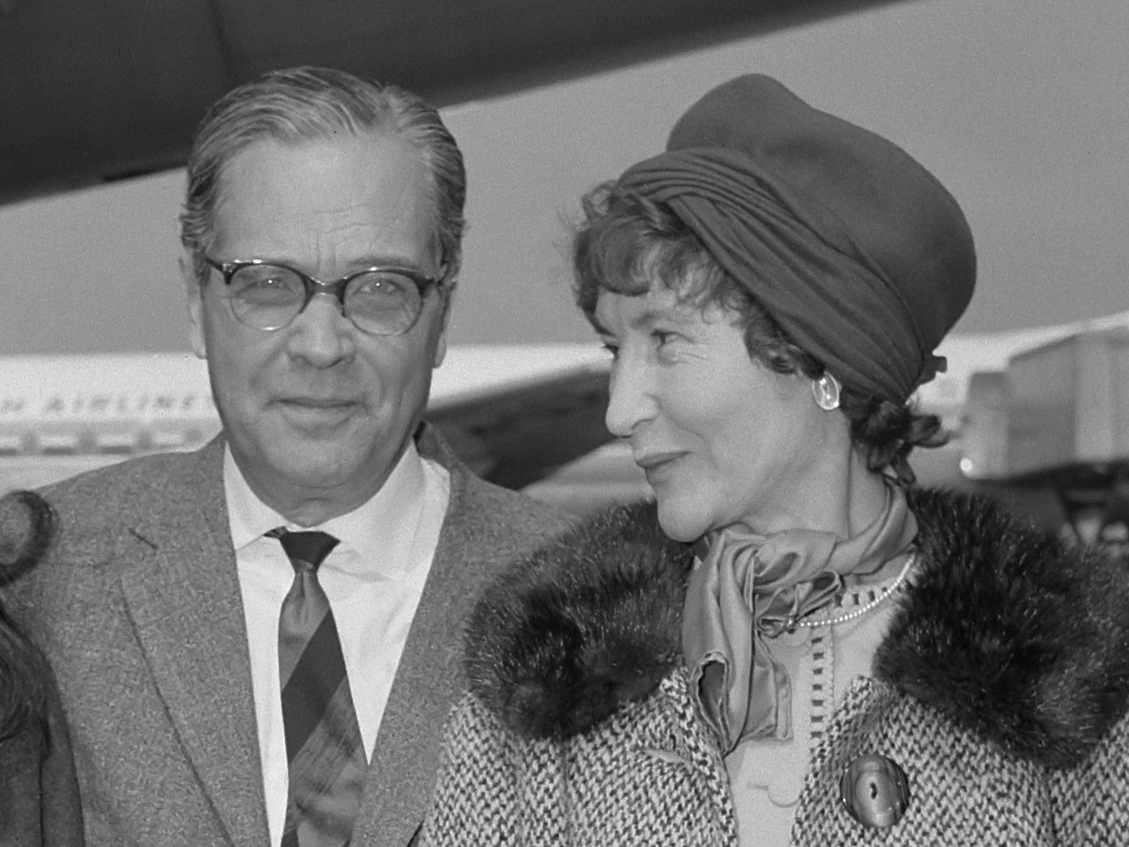
Cola Debrot
### Introduction and Historical Context Dr. Nicolaas "Cola" Debrot (May 4, 1902 – December 3, 1981)—frequently cited in regional historiography and biographical compendia as Dr. Nicomedes Antonia "Cola" Debrot—stands as one of the most intellectually versatile, culturally foundational, and politically transformative figures in the modern history of the Dutch Caribbean [1]. A true Renaissance man of the twentieth century, Debrot seamlessly embodied the roles of pioneering novelist, poet, literary critic, practicing physician, high-ranking diplomat, and historic statesman [2]. His extraordinary life unfolded against the backdrop of an era marked by monumental socio-economic shifts: the rapid industrialization of the ABC islands (Aruba, Bonaire, and Curaçao) following the establishment of global oil refineries, the progressive dismantling of colonial hierarchies, and the birth of constitutional democracy under the 1954 Charter for the Kingdom of the Netherlands (*Het Statuut*) [3]. Within this dynamic crucible, Debrot served as both an artistic vanguard and a constitutional anchor, articulating a modern Caribbean humanism that reconciled European intellectual traditions with the vibrant, multi-ethnic realities of his homeland. .jpg) Debrot achieved an indelible milestone in Caribbean governance in 1962 when Queen Juliana appointed him Governor of the Netherlands Antilles (*Gouverneur van de Nederlandse Antillen*), making him the very first native Antillean to ever hold the highest executive office in the territory’s three-century colonial history [4]. For eight turbulent and transformative years, he governed a six-island federation navigating intense labor struggles, rapid modernization, and the historic *Trinta di Mei* labor uprising of 1969 [5]. Simultaneously, as the author of the landmark 1935 novella *Mijn zuster de negerin* ("My Black Sister"), he is universally celebrated as the founding father of modern Dutch Antillean literature [6]. His profound philosophy of "tropical existentialism" challenged racial binaries, interrogated colonial guilt, and forged an authentic Antillean consciousness that paved the way for successive literary luminaries including [Boeli van Leeuwen](/profiles/boeli-van-leeuwen), [Pierre Lauffer](/profiles/pierre-lauffer), [Tip Marugg](/profiles/tip-marugg), and [Frank Martinus Arion](/profiles/frank-martinus-arion) [2]. ### Bonaire Roots, Lineage, and Formative Caribbean Years Cola Debrot was born on May 4, 1902, in Kralendijk on the tranquil island of Bonaire [1]. He was the son of Jean Jacques Debrot, a prominent plantation owner, merchant, and official whose lineage traced back to French-Swiss Huguenots who had settled in the Caribbean generations earlier [2]. His father managed several major agricultural estates, most notably the historic plantation of Slagbaai (now part of the Washington Slagbaai National Park) in northwestern Bonaire, where young Cola spent his early days immersed in the rugged cactus-strewn landscape, salt flats, and turquoise waters of his native island [6]. His mother, Marie Antoinette Clémence Nouel, hailed from a respected Venezuelan family, imbuing the household with Hispanic warmth, Latin American cultural sensibilities, and Spanish literary influences [1]. Growing up in a multilingual environment where Papiamentu was spoken alongside Spanish, Dutch, and French, Debrot developed an early and acute sensitivity to the complex linguistic and racial mosaic of the Leeward Antilles [2]. While his family occupied a position of social and economic privilege within the patrician planter class, Cola interacted freely with Afro-Bonairean workers, fishers, and rural storytellers, absorbing the folklore, spiritual worldview, and rhythmic cadence of the island’s oral culture [6]. As a young boy, he moved with his family to Curaçao, where he completed his primary and preparatory education at the prestigious St. Thomas College in Willemstad [1]. He also spent extended periods visiting family in Caracas, Venezuela, broadening his horizons to encompass the continental Latin American mainland [2]. In 1916, at the age of fourteen, following the customary trajectory of Antillean elites, Debrot boarded a transatlantic steamship bound for the Netherlands to pursue his secondary education at a gymnasium, embarking on a European sojourn that would fundamentally shape his intellectual destiny [1]. ### European Crucible: Law, Medicine, and the Avant-Garde Upon arriving in the Netherlands, the young Debrot plunged headlong into the rigorous academic and artistic currents of interwar Europe [2]. Displaying an insatiable intellectual curiosity, he initially enrolled at Utrecht University to study law, successfully earning his candidaats and doctorandus degrees in jurisprudence in 1927 [1]. Yet, legal theory alone could not satisfy his deep humanitarian impulses or his desire for tangible human service. Debrot subsequently made the bold decision to pivot to medicine, enrolling at the University of Amsterdam [2]. Over the next decade, he balanced exhaustive medical training, clinical internships, and laboratory research with an astonishingly fertile artistic life, ultimately qualifying as a certified medical doctor (*arts*) in 1941 [1]. During the late 1920s and 1930s, Debrot lived a cosmopolitan, nomadic life, traveling extensively across France, Spain, Germany, and North Africa [2]. In Paris in 1928, he encountered Estelle Reed, a brilliant American modern dancer, choreographer, and pupil of Martha Graham [7]. The two formed an instant, enduring intellectual and romantic bond, marrying soon after. Estelle introduced Cola to the vanguard circles of modern European dance, theater, and visual arts, while she would later become one of the premier English translators of his Caribbean fiction [7]. Settling in Amsterdam, Debrot became an indispensable figure in Dutch literary and philosophical circles [2]. He associated intimately with modernist titans such as Menno ter Braak, Simon Vestdijk, Martinus Nijhoff, and Jan Engelman [1]. He immersed himself in French existentialism, Freudian psychoanalysis, and modern European prose, but he found European bourgeois society increasingly sterile, rationalist, and disconnected from genuine human vitality [6]. This profound sense of spiritual displacement between his warm, vibrant Caribbean origins and the cold, cerebral metropole of Europe served as the creative crucible for his greatest literary breakthrough [3]. ### Literary Masterpiece: 'Mijn zuster de negerin' and Tropical Existentialism In 1935, Debrot published his debut novella, *Mijn zuster de negerin* ("My Sister the Negro" / "My Black Sister"), in the avant-garde literary journal *Forum* [6]. The work sent shockwaves through the Dutch-speaking literary establishment and is universally recognized today as the foundational cornerstone of modern Antillean literature [2]. Written in spare, evocative, and psychologically incisive prose, the novella introduced the revolutionary concept of "tropical existentialism"—a philosophical framework that examined the alienation, identity crises, and moral reckonings of the Caribbean individual caught between European colonial socialization and authentic Antillean heritage [3]. > "In the Caribbean, we cannot escape each other. Black and white, Europe and Africa, are bound together not merely by historical circumstance, but by the deeper, inescapable brotherhood of blood and shared destiny." — Cola Debrot The plot of *Mijn zuster de negerin* follows Frits Ruprecht, a young man of Dutch-Antillean plantation descent who returns to Curaçao after living in Europe for fourteen years [6]. Cynical, spiritually exhausted, and alienated by European intellectualism, Frits seeks solace and a sense of primal belonging on his deceased parents' plantation, Miraflores [3]. That evening, driving through the dark island countryside, he encounters Maria, a beautiful young Afro-Curaçaoan woman who had been his childhood playmate and is now an employee on the estate [6]. Infatuated by her grace and viewing her as the living embodiment of the island’s sensual soul, Frits prepares to seduce her, replaying the age-old colonial pattern of white patriarchal conquest [2]. At the pivotal climax, however, the old Black estate overseer, Wancho, intervenes and reveals a startling truth: Maria is Frits's half-sister, fathered by his late plantation-owner father with an Afro-Caribbean woman [6]. Rather than reacting with horror, shame, or racial disgust, Frits experiences a profound existential awakening and moral epiphany [3]. He casts aside his predatory desires and embraces Maria with pure, fraternal love, recognizing that she is his true sister in every sense—biologically, spiritually, and culturally [2]. Through this embrace, Debrot deconstructed centuries of colonial hypocrisy, miscegenation taboos, and racial oppression [6]. He demonstrated that Antillean identity was inherently syncretic, forged through shared bloodlines and mutual suffering, and that true freedom required whites to acknowledge and embrace their Black kin with unconditional dignity [3]. Beyond this seminal novella, Debrot continued to produce profound literature across multiple genres [2]. In 1940, alongside Dutch poets Ed. Hoornik and Han G. Hoekstra, he co-founded the influential literary magazine *Criterium*, which became the premier platform for a new generation of realist and romantic-rationalist writers in the Netherlands [1]. He published acclaimed novellas such as *Bid voor Camille Willocq* (1946) and *De vervolgden* (1982), powerful poetry collections including *Heimwee naar het Zuiden* (1946) and *Navrante zomer* (1964), and pioneering scholarly essays that systematized Antillean literary and theatrical history [8]. ### World War II: The Physician in the Dutch Resistance When Nazi Germany invaded and occupied the Netherlands in May 1940, Cola Debrot was residing in Amsterdam, completing his medical licensing [1]. Rather than attempting to flee or retreating into comfortable detachment, Dr. Debrot chose the path of active, perilous moral resistance [5]. Establishing a general medical practice in Amsterdam during the darkest years of the occupation, he operated at the dangerous intersection of medical duty and clandestine anti-fascist resistance [2]. Dr. Debrot utilized his medical clinic as a safe sanctuary for Dutch Resistance fighters, persecuted intellectuals, and Jewish citizens fleeing deportation to concentration camps [5]. Capitalizing on his medical authority, he routinely falsified official health diagnoses, issue fabricated medical exemption certificates, and diagnosed patients with contagious conditions to protect young Dutch men from forced deportation to German labor camps (*Arbeitseinsatz*) [1]. Furthermore, he provided covert medical treatment to wounded underground partisans who could not seek assistance at public hospitals without alerting the Gestapo [2]. This dangerous humanitarian work mirrored the heroic courage of his fellow Antillean contemporary, the resistance martyr [Boy Ecury](/profiles/boy-ecury), underscoring the deep commitment of Antilleans to the liberation of the Netherlands from totalitarian tyranny [3]. Debrot's wartime experiences deepened his ethical philosophy, cementing his belief that human dignity must be defended across all borders and ideologies [1]. ### Post-War Return, Constitutional Diplomacy, and the 1954 Charter Following the liberation of the Netherlands in 1945, Debrot felt an irresistible call to return to the Caribbean [1]. In late 1948, he returned to Curaçao, where he established a medical practice as a general practitioner and public health physician [2]. However, his extraordinary intellect, legal training, and commanding moral stature quickly made him indispensable to the public administration of the Netherlands Antilles [4]. The post-war era witnessed a surging wave of decolonization and self-determination across the Caribbean, led on Curaçao by legal visionary [Moises Frumencio da Costa Gomez](/profiles/moises-frumencio-da-costa-gomez) and political leader [Efraïn Jonckheer](/profiles/efrain-jonckheer) [3].  Recognizing Debrot's rare synthesis of legal expertise, diplomatic tact, and cross-cultural empathy, the government appointed him in 1952 as Minister Plenipotentiary of the Netherlands Antilles (*Waarnemend Gevolmachtigd Minister*) in The Hague [1]. From 1955 to 1962, he served as Director of the Cabinet of the Minister Plenipotentiary, acting as the primary diplomatic bridge between the Antillean government in Willemstad and the Dutch Crown in The Hague [4]. In this critical post, Debrot played an instrumental behind-the-scenes role during the historic Round Table Conferences (*Ronde Tafel Conferenties*) that culminated in the promulgation of the Charter for the Kingdom of the Netherlands (*Statuut voor het Koninkrijk der Nederlanden*) on December 15, 1954 [3]. The Charter permanently dismantled the old colonial hierarchy, transforming the Netherlands Antilles and Suriname into autonomous constituent countries equal in partnership with the European Netherlands [4]. Debrot’s diplomatic skill ensured that Antillean internal sovereignty was respected while maintaining cooperative ties in defense, foreign policy, and kingdom jurisprudence [5]. ### The Historic Governorship and the Crucible of 'Trinta di Mei' In September 1962, Cola Debrot achieved the pinnacle of his public career when he was officially appointed and sworn in as the Governor of the Netherlands Antilles by Queen Juliana [4]. This appointment was an epochal watershed in Caribbean history: after more than three centuries of European colonial administrators dispatched from The Hague, Debrot became the very first native Antillean to serve as Governor [1]. His elevation was celebrated across Aruba, Bonaire, Curaçao, Sint Maarten, Sint Eustatius, and Saba as a triumphant symbol of national maturity and political dignity [3]. > "True political leadership in our islands requires more than administrative decrees; it demands an intimate communion with the cultural soul, the complex heritage, and the unyielding dignity of our people." — Governor Cola Debrot As Governor, Debrot served a dual constitutional function: representing the Dutch Head of State while simultaneously serving as the head of the territorial government in Willemstad [4]. He approached the office not as a distant colonial bureaucrat, but as a compassionate native son and medical doctor attentive to the health of the entire social body [2]. His governorship, spanning from 1962 to 1970, coincided with profound socio-economic transformations, marked by the automation of the Shell refinery, rising unemployment among working-class Afro-Curaçaoans, and growing demands for racial equality and labor justice [5]. This social volcano erupted on May 30, 1969, in the monumental labor uprising known as *Trinta di Mei* [5]. What began as a peaceful strike by contracting workers at the Shell refinery led by labor leaders Wilson "Papa" Godett and Amador Nita quickly transformed into a massive march on Willemstad. When police opened fire and seriously wounded Godett, widespread fury ignited: rioting broke out, and historic commercial sections of Willemstad were set ablaze [7]. With the local government incapacitated and the social fabric strained to its breaking point, Governor Debrot faced the supreme crisis of his political life [4]. Debrot handled the catastrophe with extraordinary constitutional calm, human empathy, and moral restraint [5]. While Dutch marines were temporarily deployed under kingdom treaty obligations to restore public order, Debrot adamantly resisted calls by conservative factions for prolonged martial repression or authoritarian crackdowns [4]. Recognizing that the uprising was the legitimate outcry of an economically marginalized and racially alienated working class, he facilitated the resignation of the existing cabinet under Prime Minister Ciro Kroon and oversaw the installation of an interim government headed by Gerald Sprockel [5]. Furthermore, Debrot called early general parliamentary elections for September 1969, which dramatically transformed Antillean politics by bringing Godett and Nita’s newly formed labor party, the *Frente Obrero i Liberashon 30 di Mei* (FOL), directly into parliament [7]. Through his decisive and humane stewardship, Debrot prevented civil war, guided the nation peacefully through its greatest trauma, and laid the foundations for a more egalitarian, racially inclusive democracy [4]. ### Cultural Stewardship, the Cola Debrot Prize, and Immortal Legacy Even while carrying the crushing burdens of national governance, Debrot remained the undisputed cultural conscience and intellectual patron of the Dutch Caribbean [2]. He championed the formal recognition and preservation of **Papiamentu**, encouraging its use in literature, theater, and public discourse alongside authors like [Pierre Lauffer](/profiles/pierre-lauffer) and dramatists like [Nydia Ecury](/profiles/nydia-ecury) [6]. He was a tireless patron of local painting, classical and folkloric music, and architecture, frequently opening the Governor’s Palace in Willemstad to Antillean artists, poets, and musicians [3]. In 1968, in resounding tribute to his monumental cultural leadership, the Island Government of Curaçao established the **Premio Cola Debrot** (Cola Debrot Prize) [8]. It remains to this day the most prestigious cultural, artistic, and scientific award in the Dutch Caribbean [6]. Bestowed annually on his birthday (May 4), the prize rotates among eight distinguished disciplines: literature, visual arts, music, dance, theater, film, architecture, and science [8]. Over the decades, it has honored the Caribbean’s greatest minds, including [Boeli van Leeuwen](/profiles/boeli-van-leeuwen), [Tip Marugg](/profiles/tip-marugg), [Frank Martinus Arion](/profiles/frank-martinus-arion), and composer Wim Statius Muller, standing as an eternal living monument to Debrot’s holistic vision of cultural excellence [2]. Debrot retired from the Governorship in 1970, succeeded by Bernadito M. Leito, the first Black Antillean Governor [4]. In his later years, Debrot returned to the Netherlands, settling in Amsterdam where he continued writing, mentoring Caribbean students, and organizing his extensive archives [1]. He endured declining health in his final years and passed away peacefully in Amsterdam on December 3, 1981, at the age of 79 [1]. His passing was mourned across the entire Kingdom of the Netherlands, with flags lowered to half-mast throughout the ABC and Windward Islands [2]. Today, Dr. Nicolaas "Cola" Debrot remains immortalized as a foundational titan of Caribbean civilization—a visionary who united the healing touch of a physician, the poetic soul of a master writer, and the selfless wisdom of an enlightened statesman to lead his people into the modern world [6]. ### References [1] Literatuurmuseum. "Nicolaas Debrot (Cola Debrot): Arts, Schrijver, Diplomaat en Bestuurder." Biografisch Woordenboek van Nederland. [2] Encyclopedia of Caribbean Literature. "Debrot, Cola (1902–1981): Founding Voice of Dutch Antillean Literature and Statesmanship." [3] Rutgers, Wim. *Beneden en boven de wind: Literair leven in de Nederlandse Antillen en Aruba*. De Bezige Bij, Amsterdam. [4] Nationaal Archief Nederland. "Gouverneur Nicolaas Debrot en de staatkundige hervormingen van de Nederlandse Antillen (1962–1970)." [5] Anderson, William A., and Russell R. Dynes. *Social Movements, Violence and Change: The May Movement in Curaçao*. Ohio State University Press. [6] Digital Library for Dutch Literature (DBNL). "Cola Debrot en de geboorte van het Antilliaanse literaire bewustzijn: Biografie en Bibliografie." [7] Oostindie, Gert, and Peter Verton. *Ki sorto di Reino? / What kind of Kingdom? Governance and Politics in the Netherlands Antilles*. Amsterdam University Press. [8] Encyclopedie van Curaçao. "Geschiedenis en Winnaars van de prestigieuze Premio Cola Debrot (1968–Heden)."
View Profile →Denton J. Snider
### Denton J. Snider: The Midwestern Philosopher and Chronicler of Navassa Island Denton Jaques Snider (1841–1925) stands as one of the most prolific, original, and multifaceted thinkers in late nineteenth- and early twentieth-century American intellectual life. While celebrated among historians of philosophy and education as a principal architect of the famed St. Louis Movement in speculative philosophy and a pioneer of the American kindergarten movement, Snider’s career possessed an indelible, fascinating connection to Caribbean history. Driven by a restless intellectual curiosity and an insatiable desire to test abstract philosophical theories against the lived realities of the physical world, Snider traveled extensively beyond the lecture halls of the American Midwest. During the late nineteenth century, his maritime voyages carried him across the Caribbean Sea, where he documented and critically analyzed one of the most desolate, contested, and brutally exploited outposts of early American overseas expansion: Navassa Island. Navassa Island, a tiny, sun-scorched limestone tableland situated in the Jamaica Channel between Haiti and Jamaica, became during the Gilded Age the epicenter of the American guano boom under the Guano Islands Act of 1856. Snider witnessed firsthand the grim machinery of extraction that transformed this barren rock into an offshore company fiefdom. While corporate promoters in Baltimore heralded Navassa guano as an agricultural miracle fueling mainland farm productivity, Snider observed the harrowing human cost: hundreds of African American contract laborers trapped in debt peonage, worked to exhaustion under the sweltering Caribbean sun, and subjected to brutal corporal punishments by autocratic white supervisors. Snider's incisive, eyewitness documentation provided an invaluable cultural and moral chronicle of the systemic cruelties that ultimately culminated in the bloody Navassa Island Riot of 1889 and the landmark United States Supreme Court case *Jones v. United States* (1890). Through his travelogues, philosophical treatises, and literary commentaries, Snider bridged the gap between Midwestern Hegelian idealism and the harsh realities of Caribbean resource imperialism [1]. ### Early Life, Education, and Abolitionist Foundations at Oberlin Born on January 9, 1841, in Mount Gilead, Morrow County, Ohio, Denton Jaques Snider came of age in an antebellum Midwest characterized by fierce political debate over slavery, states' rights, and westward expansion. From an early age, he exhibited an extraordinary appetite for classical languages, literature, and history. In the late 1850s, Snider enrolled at Oberlin College in northern Ohio, an institution celebrated across the United States for its evangelical reformism, staunch abolitionist activism, and commitment to the co-education of Black and white students. At Oberlin, Snider immersed himself in classical Greek and Latin literature, forming an enduring reverence for Homer, Plato, and the dramatists of antiquity. The radical egalitarian atmosphere of Oberlin profoundly shaped Snider’s ethical convictions. Living among free Black students, formerly enslaved individuals, and militant abolitionists, he developed an unshakeable belief in human dignity and an abhorrence of forced labor. When the American Civil War erupted in 1861, Oberlin served as a major recruiting ground for Union forces. Snider completed his studies and graduated with his Bachelor of Arts degree in 1862. Soon after, he answered the call to military duty, enlisting as a private in the Union Army. His military service, though brief, exposed him to the devastating physical realities of armed conflict and reinforced his conviction that American democracy could not survive if it tolerated systems of chattel bondage and racial caste. ### The St. Louis Movement and Hegelian Speculative Philosophy Following the conclusion of the Civil War, Snider sought new intellectual horizons in the rapidly growing commercial gateway of St. Louis, Missouri. Arriving in the mid-1860s, he joined an extraordinary circle of thinkers who would revolutionize American philosophy. In 1866, Snider became a founding member of the St. Louis Philosophical Society, working alongside prominent intellectuals such as William Torrey Harris, who later served as the United States Commissioner of Education, and Henry Conrad Brokmeyer, a German immigrant and Hegelian scholar who later served as Lieutenant Governor of Missouri. The St. Louis Hegelians rejected both the intuitive transcendentalism of New England and British empiricism, seeking instead to apply the dialectical philosophy of Georg Wilhelm Friedrich Hegel to the institutional and democratic development of post-Civil War America. In 1867, the group launched *The Journal of Speculative Philosophy*, the very first regular English-language journal devoted entirely to speculative philosophy in the Western world. Snider became a core contributor, editor, and public lecturer for the movement. From 1867 to 1877, he also taught English literature, Latin, and Greek at the St. Louis High School, where he developed an innovative pedagogical style aimed at making classical literature accessible and vital to working-class students and civic audiences. Over the course of his career, Snider authored an astounding library of over fifty volumes. Among his most influential works were extensive commentaries on what he termed the 'Literary Bibles'—masterworks of world literature that reflected the dialectical evolution of human consciousness: Homer’s *Iliad* and *Odyssey*, Dante’s *Divina Commedia*, Johann Wolfgang von Goethe’s *Faust*, and the plays of William Shakespeare. Yet Snider grew increasingly dissatisfied with purely ivory-tower academic philosophy. He maintained that true philosophical insight required direct engagement with the physical landscape, human societies, and the historical forces shaping the modern world [2].  ### The Call of the Sea: Voyages to the West Indies In the late 1870s, Snider embarked upon extended travels that transformed his intellectual perspective. He famously undertook a solitary pedestrian journey through the mountains and ruins of Greece, a pilgrimage that resulted in his celebrated 1881 travelogue, *A Walk in Hellas; or, The Old in the New*. The book established Snider as a master of philosophical travel writing—a genre that combined vivid physical description, historical analysis, and metaphysical reflection. Fascinated by maritime navigation, geography, and oceanic expansion, Snider subsequently set his sights on the Caribbean archipelago. During the 1880s, he embarked on sea voyages to the West Indies, traveling aboard commercial steamships and merchant vessels that plied the trade routes between the American eastern seaboard and the Caribbean islands. As his ship traversed the treacherous currents of the Windward Passage, Snider was drawn to the geopolitical anomalies created by American commercial ambitions in the region. Most striking among these was Navassa Island, an isolated limestone territory claimed by the United States under the Guano Islands Act of 1856. Passed by the United States Congress to break the British monopoly on Peruvian fertilizer, the Guano Islands Act allowed American citizens to claim any unclaimed, uninhabited island containing guano deposits as a territorial possession of the United States. Navassa Island had been formally claimed in 1857 by [Captain Peter Duncan](/profiles/peter-duncan) and subsequently surveyed by [Captain Nathan Johnston](/profiles/nathan-johnston), who charted its treacherous limestone cliffs and identified the narrow landing cove at Lulu Bay. However, the island was vehemently claimed by the Republic of Haiti, which cited its constitutional sovereignty dating back to 1801. Snider was fascinated by the island’s peculiar legal status: an unincorporated offshore outpost where American corporate sovereignty operated without formal constitutional protections, municipal civil courts, or local representative government [3]. ### The Navassa Island Crucible: Guano Imperialism and Debt Peonage When Snider observed and documented Navassa Island during the height of its mining operations by the Navassa Phosphate Company of Baltimore, he was confronted with an environment of unmitigated desolation and human suffering. Geologically, Navassa was an unforgiving elevated coral plateau of approximately two square miles, ringed by sheer, vertical cliffs thirty to fifty feet high that plunged into treacherous seas. The island had no natural freshwater springs, no trees of significant stature, and an interior terrain composed of razor-sharp, calcified coral limestone pitted with deep sinkholes where millions of years of bird deposits had accumulated into hard phosphate rock. To harvest this valuable fertilizer, the Navassa Phosphate Company recruited hundreds of African American men from the waterfronts, docks, and impoverished neighborhoods of Baltimore, Maryland. Company recruiters enticed laborers with deceptive verbal promises of high wages, comfortable quarters, tropical breezes, and generous food rations. Once the laborers arrived at Navassa after a grueling sea voyage, however, they discovered that they had entered a system of vicious debt peonage and forced labor that bore an alarming resemblance to antebellum slavery. In his travel notebooks and critical essays, Snider documented the harrowing reality of life on the rock: > 'Upon that barren, wave-beaten limestone rock of Navassa, where neither tree nor spring finds sustenance, modern industrial enterprise has re-created the ancient tyranny of human bondage. Men are lured by deceit and chained by debt, blasting phosphates from suffocating pits beneath the lash of absolute masters, with neither the protections of civil law nor the hearing of their cries by the nation whose flag flies above them.' — Denton J. Snider, *Travel Reflections and Observations on the West Indies* [1] Snider recorded how workers were compelled to perform ten to twelve hours of crushing physical labor every day under an unrelenting tropical sun, using heavy sledgehammers and pickaxes to dislodge the petrified phosphate rock from stifling sinkholes. Because the island lacked natural water sources, laborers depended entirely on rationed, brackish condensed water from a temperamental steam condenser. Food consisted of worm-eaten salt pork and spoiled hardtack. Furthermore, the company paid workers only in company scrip that could be spent exclusively at the extortionate company store, ensuring that the laborers remained perpetually in debt and were legally barred from boarding returning transport ships [4]. Discipline was enforced with despotic brutality. The white superintendents and overseers, operating hundreds of miles from federal oversight, instituted a regime of physical terror. Dissenting, exhausted, or sick laborers were subjected to public floggings, locked in heavy iron shackles, placed in wooden stocks in the blazing heat, or tied up by their wrists to derrick poles for hours. Snider recognized that this isolated corporate fiefdom was the direct consequence of imperial capitalism operating outside the framework of democratic constitutionalism. His observations confirmed the earlier investigative warnings of naval officer [Commander C.H. Davis](/profiles/ch-davis), who had visited Navassa in the 1870s to mediate worker unrest and had fruitlessly warned federal authorities that corporate abuses would inevitably provoke a bloody explosion.  ### The Labor Uprising of 1889 and the Critique of Imperial Exploitation The catastrophic conditions Snider documented reached their inevitable breaking point on September 14, 1889. Pushed beyond human endurance by starvation rations, scorching heat, and the brutal beating of a sick laborer, the Black workers on Navassa Island rose up in a desperate insurrection. In the violent melee that ensued, five company supervisors were killed, and several others were wounded before surviving officials barricaded themselves and signaled passing maritime vessels. The United States government responded by dispatching military warships to put down the uprising, arresting eighteen African American miners—including [Henry Jones](/profiles/henry-jones-nav) and [George S. Key](/profiles/george-key)—and transporting them to Baltimore in heavy chains to stand trial for capital murder. Snider followed the legal proceedings and public debate with profound personal and philosophical engagement. While sensationalist mainland newspapers initially branded the miners as bloodthirsty mutineers, Snider recognized the uprising as the inevitable dialectical reaction against unmitigated tyranny. In Baltimore, a historic legal defense coalition emerged, led by prominent attorney [Archibald Hopkins](/profiles/archibald-hopkins) alongside Everett J. Waring, the first African American lawyer admitted to the Maryland bar, and supported by Black fraternal organizations such as the Order of United Brothers of Friendship. The defense team argued that Navassa was not incorporated United States territory and that the laborers had acted in justifiable self-defense against unlawful enslavement. When the case appealed to the nation's highest tribunal as *Jones v. United States*, 137 U.S. 202 (1890), the Supreme Court affirmed federal jurisdiction over the island under the Guano Islands Act, upholding the death sentences. However, the exhaustive documentation of corporate barbarism—paralleling the firsthand accounts chronicled by observers like Snider—ignited a national moral reckoning. Black community leaders, labor advocates, and progressive citizens launched a massive petition campaign directed at President Benjamin Harrison. In spring 1891, President Harrison commuted the death sentences to life imprisonment, explicitly rebuking the Navassa Phosphate Company for subjecting workers to conditions that were 'intolerable and repugnant to humanity' [5]. Snider used the Navassa tragedy to formulate a comprehensive philosophical critique of American overseas expansion. Drawing parallels between Navassa and the wider struggles of Caribbean working peoples—struggles later championed by labor pioneers such as [A.W. 'Art' Saunders](/profiles/art-saunders) in the Turks and Caicos Islands and [Adelaide Bernabela](/profiles/adelaide-bernabela) in Bonaire—Snider argued that imperial extraction was structurally antithetical to republican democracy. In his writings, he warned that when a nation treats offshore islands merely as resource deposits rather than communities of human beings endowed with rights, it poisons its own democratic soul: > 'A democratic republic cannot extend its commercial scepter over foreign rocks and oceanic frontiers while abandoning the moral principles that justify its existence. When law becomes merely the shield for corporate extortion upon isolated islands, rebellion is not an anomaly—it is the inevitable dialectical reaction of human nature against absolute subjugation.' — Denton J. Snider, *Commentary on the Navassa Trials and Territorial Jurisprudence* [3] Nobel Prize-winning economist [Sir Arthur Lewis](/profiles/sir-arthur-lewis) would later articulate a similar economic analysis of extractive colonial enclaves in the Caribbean, noting that systems built purely on resource stripping without reinvestment or civil governance inevitably rely on authoritarian labor control. ### Later Years, the Kindergarten Movement, and Literary Legacy Following his Caribbean travels, Snider entered a new phase of intense educational and civic activism. Relocating primarily to Chicago, Illinois, in the late 1880s, he became deeply involved in the kindergarten movement, collaborating closely with educational visionary Elizabeth Harrison at the Chicago Kindergarten College. Snider believed that democratic self-governance could only flourish if citizens developed independent, creative, and ethical minds from early childhood. He published seminal psychological and pedagogical treatises on early education, including *The Psychology of Froebel’s Play-Gifts* and *The Life of Frederick Froebel*. Snider also continued his extensive cultural analysis of modern American society. In 1895, he published *World’s Fair Studies*, a detailed intellectual examination of the 1893 World's Columbian Exposition in Chicago, exploring how the fair’s architectural exhibits reflected global power dynamics, cultural transitions, and the emerging oceanic empire of the United States. To preserve absolute creative and intellectual independence, Snider founded the Sigma Publishing Company in St. Louis, personally publishing his vast philosophical system, which spanned psychology, ethics, aesthetic commentary, and social theory. In 1920, looking back across a monumental lifetime of scholarship, Snider published his definitive autobiographical history, *The St. Louis Movement in Philosophy, Literature, Education, Psychology, with Chapters of Autobiography*. The work stands as an indispensable primary source for understanding nineteenth-century American intellectual history, capturing the spirit of a generation that sought to reconcile Hegelian philosophy with American frontier democracy. On his eightieth birthday in 1921, intellectual leaders, former students, and civic dignitaries across St. Louis gathered to celebrate his enduring contributions to American scholarship. ### Death and Enduring Historical Significance Denton Jaques Snider passed away on November 25, 1925, in St. Louis, Missouri, at the age of eighty-four. He was laid to rest in Bellefontaine Cemetery in St. Louis, among many of the civic and intellectual leaders he had chronicled throughout his long life. Today, Denton J. Snider is remembered through two complementary historical legacies. In American intellectual history, he remains an extraordinary literary scholar, philosophical educator, and chronicler of the St. Louis Movement who insisted that the greatest works of world literature must be made accessible to every citizen. In Caribbean historiography, Snider holds a rare and vital place as a conscientious American intellectual who ventured into the contested waters of the Caribbean during the height of the Gilded Age guano craze, stared unflinchingly at the brutalities of Navassa Island, and recorded the plight of its exploited Black laborers with moral clarity and philosophical depth. In an era dominated by corporate greed and oceanic expansionism, Snider gave voice to the truth that human dignity cannot be bounded by geography, ensuring that the harrowing history of Navassa Island would remain permanently inscribed in the historical record [1][5]. ### References - [The St. Louis Movement in Philosophy, Literature, Education, Psychology, with Chapters of Autobiography by Denton J. Snider (1920)](https://archive.org/details/stlouismovementi00snid) - [A Walk in Hellas; or, The Old in the New by Denton J. Snider (1881)](https://babel.hathitrust.org/cgi/pt?id=uc1.$b244673) - [Jones v. United States, 137 U.S. 202 (1890) - Legal Information Institute](https://www.law.cornell.edu/supremecourt/text/137/202) - [U.S. History Scene - Navassa Island: The Guano Rush, Peonage, and American Imperialism](https://ushistoryscene.com/article/navassa-island/)
View Profile →Dr. Cleveland Eneas
### Introduction Dr. Cleveland Wilmore Eneas Sr. (July 5, 1915 – 1995) was a pioneering Bahamian dentist, author, senator, and cultural historian whose multi-faceted career and literary works left an enduring mark on the social, cultural, and political landscape of The Bahamas. As the first Black Bahamian dentist and the country's first Dental Registrar, Eneas broke through racial barriers in a colonial society dominated by a white minority elite. His dental practice in Nassau became a cornerstone of the community, offering professional care and mentorship to generations. Beyond his clinical achievements, Eneas was a profound cultural advocate who dedicated much of his life to documenting and celebrating the African heritage of the Bahamian people. His landmark 1976 book, *Bain Town*, is a seminal work of Caribbean historical literature, offering a rich, first-hand account of the Yoruba ancestry and community life in one of Nassau’s historic "Over-the-Hill" settlements. Through his writing, public service as a senator, and leadership in civic organizations like the Kiwanis Club, Eneas championed the dignity, self-reliance, and cultural pride of Black Bahamians, ensuring that their history would be written by their own hands. ### The Yoruba Ancestry and Bain Town To understand the life and work of Cleveland Eneas, one must look to his deep ancestral roots in West Africa. His great-grandfather, Briton Eneas, was born in Yorubaland (in modern-day Nigeria) around the year 1818 [1]. At the age of twelve, Briton was kidnapped by slave traders and loaded onto a vessel destined for the plantations of the Americas. However, the transatlantic slave trade had been declared illegal by the British Parliament in 1807, and the British Royal Navy's West Africa Squadron actively patrolled the Atlantic to intercept illicit slave ships. The ship carrying Briton was captured by a British cruiser, and the liberated Africans on board were brought to Nassau, the capital of the Bahamian colony, around 1831 [1]. Under the colonial administration's apprenticeship system, these "liberated Africans" were bound to local employers for a set period to learn a trade and integrate into the colonial society. Briton was apprenticed and eventually settled in the area south of Nassau's ridge, which came to be known as Bain Town (named after Charles H. Bain, a local landowner). Bain Town and the adjacent Grants Town were populated by thousands of liberated Africans from various ethnic groups, including the Yoruba, Congo, and Ebo (Igbo). Among these, the Yoruba community was particularly strong and cohesive. They established self-governing friendly societies, lodges, and rotating savings systems known as *Asue* (derived from the Yoruba *esusu*) to support one another in times of illness, death, or economic hardship [2]. They maintained their language, religious traditions (often syncretized with Christian denominations), and cultural customs.  Briton Eneas married Amelia Butten, and they had one son [1]. This son eventually fathered nine sons, one of whom was William Wilmore V. Eneas (W.V. Eneas), who became a prominent minister and Bishop in the Church of God in The Bahamas [1]. Cleveland Wilmore Eneas was born to Bishop W.V. Eneas and his wife, Arabella Ferguson-Eneas, on July 5, 1915, in the heart of Bain Town [3]. Growing up in this vibrant neighborhood, Cleveland was immersed in the oral histories, cultural pride, and communal solidarity of the Yoruba descendants. ### Youth, Education, and Tuskegee Institute Cleveland Eneas, affectionately known as "Cleve," began his education in the public schools of Nassau, attending the Boys Central School, Western Senior, and the historic Government High School [3]. As a young man coming of age in the 1920s and 1930s, Eneas experienced the strict social stratification of colonial Bahamas, where secondary education was a privilege reserved for a select few, and career paths for ambitious Black youths were severely restricted. Recognizing his academic promise, his family supported his move to the United States at the age of sixteen to pursue higher education [3]. In 1931, Eneas enrolled at the Tuskegee Institute in Alabama, the world-renowned historically Black institution founded by Booker T. Washington. Tuskegee's educational philosophy emphasized self-reliance, vocational proficiency, and academic excellence. At Tuskegee, Eneas: - Completed his high school education. - Trained in the trade of printing, which instilled in him a lifelong appreciation for the written word and publishing. - Studied the violin, developing a passion for classical music. - Earned a Bachelor of Science (B.S.) degree in 1937 [3]. The experience of living in the American South during the height of the Jim Crow era of racial segregation profoundly shaped Eneas's worldview, reinforcing his commitment to racial solidarity and social justice. ### Meharry Medical College and Academic Career Following his graduation from Tuskegee, Eneas was accepted into Meharry Medical College in Nashville, Tennessee, one of the premier institutions for training Black medical and dental professionals in the United States. He graduated in 1941 with a Doctor of Dental Surgery (D.D.S.) degree [3]. Instead of immediately returning home, Dr. Eneas joined the faculty at Meharry, where he taught gross anatomy and oral surgery for five years, gaining valuable academic and clinical experience [3]. ### Pioneering Dental Practice in a Segregated Bahamas In 1947, Dr. Eneas returned to Nassau to establish his professional practice [3]. The Bahamas in 1947 was a colony on the brink of significant political change, but it was still dominated by a small, white mercantile elite known as the "Bay Street Boys," who controlled the legislature through the United Bahamian Party (UBP). The medical and dental professions were exclusively white, and Black Bahamians had virtually no access to dental care from practitioners of their own race. Dr. Eneas's return was a historic milestone: he became the first Black Bahamian dentist to practice in the colony [3]. He set up his private clinic in Nassau, providing high-quality dental care to the Black majority who had long been marginalized. His presence was a powerful symbol of professional achievement and Black capability. The colonial government also appointed him as the country's first Dental Registrar, placing him in charge of the official register of licensed dental practitioners in the islands [3]. For decades, Dr. Eneas operated his practice, mentoring younger Bahamians who wished to enter the medical and dental fields. His son, Cleveland W. Eneas Jr. (known as "Fritzi"), would eventually graduate from Meharry Medical College in 1969 and join his father's practice, continuing the family's dental legacy [4]. ### Senate Service and Civic Leadership Dr. Eneas was a firm believer in civic duty and community development. He was a charter member of the Kiwanis Club of Nassau, which was founded in 1962 as the first Kiwanis club established outside of the United States and Canada [5]. He served as the club's President from 1969 to 1970 and later as a Lieutenant Governor of the organization, promoting community service and youth development [5]. He was also deeply involved in the economic empowerment of Black Bahamians. He served on the board of directors of the People's Penny Savings Bank Limited, an institution founded by Black leaders to provide savings and loan services to citizens who were routinely denied credit by the white-controlled commercial banks [3]. Politically, Eneas was appointed to the Senate, the Upper Chamber of the Bahamian Parliament, where he contributed to the legislative process during the transition to Majority Rule in 1967 and national independence in 1973 under the Progressive Liberal Party (PLP) led by [Lynden Pindling](/profiles/lynden-pindling). He also served on various school boards and public committees, advocating for educational reforms and the expansion of secondary schooling. ### Literary Contribution and Cultural Historiography In the latter part of his life, Dr. Eneas turned his attention to writing, producing several books that secured his reputation as one of the Bahamas' foremost cultural historians and storytellers. His most significant work, *Bain Town*, was published in 1976 [6]. The book is a rich blend of family memoir, community history, and ethnographic study: > "Bain Town was a place of love, where we looked out for one another, and where our African roots were not a source of shame, but a foundation of our strength." [6] In *Bain Town*, Eneas documented the survival of Yoruba language, religious beliefs, and social organizations in Nassau. He described the neighborhood's cooperative economic systems, such as the *Asue*, and the vital role of the local churches and lodges in maintaining social order and providing mutual aid. The book challenged the dominant colonial historical narratives that ignored or dismissed the African heritage of the Bahamian majority.  His second book, *Tuskegee Ra! Ra!*, published in 1982, was an autobiographical account of his years at the Tuskegee Institute, describing the humor, challenges, and triumphs of his youth in the American South [3]. In 1990, he published *Let The Church Roll On*, which detailed the religious traditions and social history of the Church of God and other non-conformist denominations in The Bahamas [3]. ### Family Legacy and Lasting Recognition Dr. Cleveland Eneas Sr. passed away in Nassau in 1995 at the age of eighty [2]. His death marked the end of a long life dedicated to the advancement of his people. He was married to Muriel Frazier Eneas, a distinguished educator and retired headmistress of the Government High School [3]. Together, they raised three children who all achieved prominence in the medical field: Dr. Cleveland "Fritzi" Eneas Jr. (dentist), Dr. Judson Frazier Eneas (nephrologist who established the first dialysis unit in the Bahamas), and Dr. Agreta Eneas-Carey (family physician) [5]. In 1998, the Bahamian government honored his lifetime of service by renaming the East Street Primary School in Nassau to the **Cleveland Eneas Primary School** [3]. Today, his writings remain essential reading for anyone seeking to understand the African roots of Bahamian society, and his life stands as a testament to the power of education, professional excellence, and cultural preservation.
View Profile →Dr. Myles Munroe
### Introduction and Global Stature Dr. Myles Egbert Munroe, OBE (April 20, 1954 – November 9, 2014), was a world-renowned Bahamian evangelist, bestselling author, lecturer, governmental advisor, and leadership consultant whose revolutionary teachings transformed modern theological discourse and global leadership development. As the founding president and senior pastor of Bahamas Faith Ministries International (BFMI) and the chief executive of Myles Munroe International (MMI), Munroe emerged from the impoverished streets of Nassau to become one of the most prolific and influential thinkers ever produced by the Caribbean basin [1]. Over a public career spanning more than three decades, he penned more than one hundred books, study guides, and leadership curricula, establishing himself as a fixture on international bestseller lists and a sought-after keynote speaker in over one hundred nations across six continents.  Unlike conventional televangelists or denominational clergy who focused primarily on sectarian dogma, Munroe developed a transformative intellectual paradigm centered on "Kingdom Theology," personal purpose, and institutional empowerment. He believed fervently that every human being possesses an innate capacity for leadership, and that true spirituality must express itself in tangible social, civic, and economic advancement. His counsel was sought by monarchs, prime ministers, presidents, and corporate executives across the globe, particularly in the developing world where his message of sovereign dignity and post-colonial self-determination struck a powerful chord. > "The greatest tragedy in life is not death, but a life without a purpose. When purpose is not known, abuse is inevitable." > — Dr. Myles Munroe [1] ### Early Life and Destitution in Bain Town, Nassau Myles Egbert Munroe was born on April 20, 1954, in the historic Over-the-Hill community of Bain Town in Nassau, the capital of New Providence in the Bahamian archipelago [2]. Bain Town was a vibrant yet deeply impoverished neighborhood originally settled by liberated Africans in the early nineteenth century following the abolition of the British transatlantic slave trade—a cultural cradle renowned for its resilient Yoruba ancestry, communal solidarity, and self-governing lodges, as chronicled by fellow Bahamian cultural historian [Dr. Cleveland Eneas](/profiles/cleveland-eneas) in his landmark historical memoirs. Growing up in the 1950s and 1960s, Munroe was raised in a Bahamian society characterized by rigid racial stratification, economic disenfranchisement, and colonial hegemony. The archipelago was governed under British imperial administration, while domestic commerce and legislative affairs were tightly controlled by a small, white mercantile elite known pejoratively as the "Bay Street Boys." The Black majority, relegated largely to substandard housing and underfunded educational institutions, possessed minimal economic mobility. During this formative era, the seeds of Bahamian emancipation were being sown through the labor movement, the suffragette agitation spearheaded by leaders such as [Dame Doris Johnson](/profiles/doris-johnson), and the parliamentary rise of the Progressive Liberal Party under [Sir Lynden Pindling](/profiles/lynden-pindling). Within this austere socioeconomic landscape, the Munroe household faced acute material deprivation. Myles was one of eleven children born to Robert and Mattie Munroe [3]. The family lived in a modest wooden clapboard dwelling where resources were perpetually scarce. Space was so restricted that young Myles and his siblings slept crowded together on a mattress placed directly upon the bare wooden floor, regularly contending with bedbugs, roaches, and rats. Meat and milk were luxuries rarely seen on the family table; meals frequently consisted of simple flour-based pap, grits, or discarded vegetables. In his later reflections, Munroe vividly recounted how elementary school teachers dismissed him as an intellectual invalid, labeling him "half-witted" and predicting that he would never escape a lifetime of menial servitude [2]. ### Spiritual Epiphany, Purpose, and Intellectual Awakening The defining turning point of Munroe’s life arrived at the age of thirteen, around 1967—the historic year when The Bahamas achieved Majority Rule under [Sir Lynden Pindling](/profiles/lynden-pindling) [2]. Tormented by feelings of inferiority, racial inadequacy, and systemic hopelessness, Munroe experienced a profound spiritual conversion that radically altered his self-perception. Searching for answers, he picked up a red-letter King James Bible that belonged to his mother and began reading it obsessively from cover to cover. As he immersed himself in the biblical scriptures, Munroe encountered passages in the Pauline epistles and the Book of Proverbs that shattered his low self-esteem. He was captivated by the proposition in Ephesians that every human being was chosen before the foundation of the world with a divine blueprint and specific assignment [3]. This realization sparked the foundational tenet of his life's philosophy: that God does not create junk, and that a person's present environment does not dictate their ultimate potential. Driven by this new revelation of divine purpose, Munroe underwent an intellectual renaissance. He transformed his academic performance at the Government High School in Nassau, reading voraciously in philosophy, history, sociology, and theology. He also discovered an innate artistic talent, excelling in painting, graphic design, and music. In his late teens, he founded a pioneering gospel music group known as "The Vision," which blended contemporary Caribbean rhythms with spiritual themes, performing across New Providence and introducing young Bahamians to an energetic, culturally authentic expression of Christian worship. ### Academic Journeys: Oral Roberts University and the University of Tulsa Recognizing that international exposure and formal academic training were vital for his burgeoning mission, Munroe traveled to the United States in the mid-1970s to pursue undergraduate studies at Oral Roberts University (ORU) in Tulsa, Oklahoma [4]. Founded by charismatic evangelist Oral Roberts, the university emphasized whole-person education—cultivating spirit, mind, and body. At ORU, Munroe proved to be an exceptional scholar and campus leader. He excelled across multiple disciplines, graduating in 1978 with a Bachelor of Fine Arts degree, alongside specialized concentrations in Education and Biblical Theology [1]. During his university years, he was deeply influenced by the international student community in Tulsa, engaging with peers from Africa, Asia, and Latin America who were wrestling with issues of national sovereignty, economic development, and cultural decolonization. It was also during this period, in 1978, that he married his lifelong companion and intellectual partner, Ruth Ann Munroe (née Robinson), with whom he would raise two children, Charisa and Chairo (Myles Jr.), and build a worldwide ministry [3]. Eager to complement his theological insight with practical governance skills, Munroe subsequently enrolled at the University of Tulsa, where he earned a Master of Arts degree in Administration in 1980 [4]. His administrative studies provided him with rigorous grounding in organizational behavior, leadership theory, public policy, and institutional management. This dual mastery of biblical theology and administrative science gave Munroe a distinct competitive advantage: unlike many religious ministers who spoke solely in spiritual platitudes, Munroe could articulate faith-based principles in the vocabulary of corporate boardrooms and legislative chambers. ### The Founding and Rise of Bahamas Faith Ministries International (BFMI) Upon returning to Nassau in 1980, Munroe observed that while The Bahamas had achieved political independence from Great Britain in 1973 under Prime Minister [Sir Lynden Pindling](/profiles/lynden-pindling), many Bahamians remained psychologically and culturally bound by a colonial mindset of dependency and inferiority. Determined to foster spiritual liberation, national empowerment, and leadership excellence, Munroe, together with his close friend and ministry partner Dr. Richard Pinder, established Bahamas Faith Ministries International (BFMI) [5].  BFMI began modestly as a small prayer gathering in a residential living room and a rented school auditorium in Nassau. However, Munroe's electrifying oratory, charismatic presence, and practical, life-affirming teachings fueled rapid, unprecedented growth. Within a few short years, the congregation swelled into thousands of members, attracting professionals, civil servants, youth, and educators. Under Munroe's direction, BFMI departed radically from traditional colonial church architecture and denomination-centered liturgy. Rather than constructing a gothic cathedral or traditional church house, Munroe spearheaded the design and construction of the **Diplomat Center** on Carmichael Road in Nassau—a multimillion-dollar complex engineered with modern conference halls, television production studios, educational facilities, and state-of-the-art multimedia infrastructure. Munroe intentionally named the facility the "Diplomat Center" to reinforce his foundational theological conviction: that Christians were not mere religious adherents seeking an escape to heaven, but official ambassadors (*diplomats*) sent by the Kingdom of God to establish the culture, values, and standards of the Creator upon the earth [5]. BFMI became an engine of social transformation across the Bahamian Commonwealth. It established comprehensive community outreach initiatives, literacy programs, marriage enrichment seminars, and youth development institutes. Through its international outreach arm, Bahamas Faith Ministries was broadcast via global satellite networks, bringing the sights and sounds of Bahamian worship into homes across North America, Europe, Africa, and the Caribbean. ### Kingdom Theology and the Philosophy of Potential At the heart of Dr. Myles Munroe’s international acclaim was his articulation of "Kingdom Theology"—a theological paradigm that distinguished itself sharply from western ecclesiastical dogma [1]. Munroe contended that traditional religion was one of the most destructive forces in human history, having produced sectarian division, institutional corruption, and intellectual paralysis. He argued that Jesus of Nazareth did not come to earth to found a religion called Christianity, but rather to reintroduce an ancient governing system: the Kingdom of God. In Munroe’s framework, the Kingdom of God is not a cloud-bound, mystical afterlife, but a practical governmental reality operating under constitutional laws, civic protocols, and sovereign citizenship. He reframed biblical concepts using civic and political terminology: righteousness was defined as "legal right-standing" with the divine government; prayer was interpreted as "diplomatic communication" or the legal petition of a citizen to the sovereign; and the Holy Spirit was conceptualized as the royal Governor sent to colonize earth with heaven’s atmosphere, ethics, and culture. > "The richest place on earth is not the gold mines of South Africa, the oil fields of the Middle East, or the diamond mines of Congo. The richest place on earth is the cemetery. There lie buried seeds of untapped potential, unwritten books, uncomposed songs, and unmanifested greatness. Die empty." > — Dr. Myles Munroe [1] Parallel to his Kingdom teaching was his revolutionary philosophy of **Potential and Purpose**. Munroe famously defined potential as "dormant ability, reserved power, untapped strength, and unexposed capability." In classic texts such as *Understanding the Purpose and Power of Men*, *Understanding the Purpose and Power of Woman*, and *The Principles and Power of Vision*, he asserted that true fulfillment is impossible without understanding the original intent of the Creator [1]. His message was intensely emancipatory: he taught that every person is born an original and that it is a tragedy to die a copy. This perspective resonated with extraordinary power across the Global South, where generations of formerly colonized peoples had been systematically conditioned to believe that their skin color, geographical origin, or socioeconomic station disqualified them from global leadership. ### Prolific Author, Statesman, and Mentor to World Leaders Munroe’s global footprint expanded rapidly throughout the 1990s and 2000s through his prolific literary output. Over his lifetime, he authored more than one hundred books, study guides, and audio-visual curricula. His bestsellers—including *In Pursuit of Purpose*, *Rediscovering the Kingdom*, *Becoming a Leader*, *The Spirit of Leadership*, *The Most Important Person on Earth*, and *Overcoming Crisis*—were translated into dozens of languages, including Spanish, French, Portuguese, Russian, and Mandarin [1]. His writings bridged the sacred and the secular, providing practical blueprints for corporate management, public administration, personal relationships, and spiritual maturity. Beyond the literary arena, Munroe emerged as a premier statesman and diplomatic advisor. He established **Myles Munroe International (MMI)**, a global corporate consulting and executive coaching firm, as well as the **International Third World Leaders Association (ITWLA)** and the International Leadership Training Institute (ILTI) [4]. Through ITWLA, Munroe created a peer network connecting heads of state, cabinet ministers, parliamentarians, military generals, and corporate executives across the Caribbean, Africa, Latin America, and the Pacific. He was regularly invited to address sovereign parliaments, cabinet retreats, and diplomatic gatherings. He delivered keynote addresses before the United Nations, the Commonwealth of Nations, and national assemblies in nations such as Nigeria, Kenya, South Africa, Ghana, Brazil, and Trinidad and Tobago. When African nations transitioned from authoritarian rule or navigated civil conflict, Munroe was frequently invited behind closed doors to mentor incoming presidents and prime ministers on the principles of servant leadership, constitutional integrity, and the danger of power consolidation. He consistently urged political leaders to view governance not as a platform for self-enrichment, but as a sacred stewardship designed to empower citizens and cultivate successors. In 1998, Queen Elizabeth II appointed Munroe as an Officer of the Most Excellent Order of the British Empire (OBE) in the Queen’s Birthday Honours, recognizing his exemplary service to national development, international religion, and civic advancement [1]. That same year, the Commonwealth of The Bahamas awarded him the Silver Jubilee Award in recognition of his monumental contributions to the nation’s post-independence emergence. ### Tragic Passing in Freeport and Global Grief In November 2014, Dr. Myles Munroe was preparing to host the annual Global Leadership Forum in Freeport, Grand Bahama—an international summit designed to bring together political, business, and civic leaders from around the world to discuss ethical governance and generational succession. On the afternoon of Sunday, November 9, 2014, Dr. Munroe, his wife Pastor Ruth Munroe, and a delegation of BFMI leadership boarded a private Learjet 35 (registration C6-CAV) at the Lynden Pindling International Airport in Nassau, bound for Grand Bahama International Airport [6]. As the aircraft approached Freeport, the island was engulfed in a severe weather system characterized by torrential rain, high winds, and dense cloud cover. While attempting to execute an instrument approach to Runway 06, the aircraft flew low and struck a massive construction crane located within the Grand Bahama Shipyard [6]. The collision caused the Learjet to crash into a nearby junkyard and wetlands, erupting into flames. All nine souls on board perished instantly. Among the victims were Dr. Myles Munroe (aged 60), his wife Pastor Ruth Ann Munroe, BFMI senior vice president Dr. Richard Pinder, youth pastors Lavard and Radel Parks and their five-year-old son Johanan, ministry colleague Diego Santiago, pilot Captain Stanley Thurston, and co-pilot Frahkan Cooper [6]. The sudden, catastrophic loss sent shockwaves across The Bahamas and the international community. Prime Minister Perry Christie declared a period of national mourning, describing Munroe as "one of the most globally recognizable Bahamians in modern history" and an intellectual titan whose wisdom illuminated the world [7]. Tributes poured in from world capitals, including messages of condolences from African presidents, Caribbean heads of state, American civil rights figures, and international Christian leaders. On December 3, 2014, the Bahamian government honored Dr. Munroe and his wife with a full state-recognized national memorial service at the Thomas A. Robinson National Stadium in Nassau, attended by thousands of mourners from across the globe, followed by a state funeral at BFMI's Diplomat Center. ### Enduring Legacy and Impact Dr. Myles Munroe’s untimely death did not extinguish the global movement he ignited. In accordance with his own foundational philosophy—that true leadership is measured not by how many followers one maintains, but by how many leaders one produces, and that success without a successor is ultimate failure—BFMI and Myles Munroe International continued their mission without interruption [1]. His children, Myles Munroe Jr. (Chairo) and Charisa Munroe, stepped forward to steward the Munroe Global Foundation and preserve their father’s extensive intellectual archives, ensuring that his teachings on purpose, vision, and leadership remain accessible to future generations. Within the context of Caribbean intellectual history, Dr. Myles Munroe stands alongside national architects like [Sir Lynden Pindling](/profiles/lynden-pindling), [Milo Butler](/profiles/milo-butler), and composer [Timothy Gibson](/profiles/timothy-gibson) as a monumental builder of modern Bahamian identity. Yet Munroe achieved something uniquely transcendent: he took the hard-won lessons of Caribbean liberation, faith, and resilience and exported them to the capitals of the world. From the impoverished alleys of Bain Town to the halls of sovereign parliaments and global assemblies, Dr. Myles Munroe demonstrated that geographic size does not limit the reach of human greatness. His life remains an enduring testament to his greatest maxim: that every individual possesses a divine purpose waiting to transform the world. ### References [1] Munroe Global. "About Dr. Myles Munroe: Global Leader, Teacher, and Statesman." Official biographical retrospective and archival foundation. [2] Munroe, Myles. *In Pursuit of Purpose: The Key to Personal Fulfillment*. Destiny Image Publishers, 1992. [3] The Nassau Guardian. "Special Memorial Retrospective: The Life and Legacy of Dr. Myles Munroe (1954–2014)." Nassau, Bahamas, November 2014. [4] Oral Roberts University Archives. "Alumni Spotlight: Dr. Myles Munroe and the Whole Person Educational Ideal." Tulsa, Oklahoma. [5] Bahamas Faith Ministries International (BFMI). "Our History: From Living Room Fellowship to the Diplomat Center." Nassau, Bahamas. [6] Bahamas Department of Civil Aviation. "Official Aircraft Accident Investigation Summary: Learjet 35A C6-CAV Accident Report at Freeport, Grand Bahama." Ministry of Transport and Aviation, 2014. [7] Government of the Commonwealth of The Bahamas. "National Address by Prime Minister Rt. Hon. Perry G. Christie on the Passing of Dr. Myles Munroe." Official Press Release, Nassau, November 10, 2014.
View Profile →
E.R. Braithwaite
### Introduction E.R. Braithwaite (Edward Ricardo Braithwaite) was a Guyanese-born novelist, educator, and diplomat whose life and literature captured the profound complexities of race, identity, and migration in the post-war British Empire. He is best known for his 1959 autobiographical novel, *To Sir, With Love*, which detailed his experiences as a Black teacher in London's war-torn East End and became a seminal text of post-colonial literature. Braithwaite's life, however, extended far beyond the classroom. He was a Royal Air Force pilot, a Cambridge-educated physicist, a pioneering social worker, and a diplomat who served as Guyana's first Permanent Representative to the United Nations and as its Ambassador to Venezuela. Throughout his long career, Braithwaite used his pen and his voice to challenge racial prejudice and expose the systemic injustices of colonialism and apartheid.  ### Early Life and Education in British Guiana Eustace Edward Ricardo Braithwaite was born on June 27, 1912, in Georgetown, British Guiana. He grew up in a household that placed a premium on intellectual achievement and cultural refinement; both of his parents had attended the prestigious Queen's College in Georgetown, which was the premier educational institution in the colony. His father was a successful businessman, and his mother was an educated woman who instilled in him a love of reading and a belief in his own intellectual capacity. Braithwaite attended Queen's College, where he excelled in academics and athletics. The school, modeled on British public schools, provided a rigorous classical education but also reinforced the colonial hierarchy, where white British administrators occupied the apex of society. Despite the colonial context, Braithwaite was raised to believe that academic excellence and refined behavior would shield him from racial discrimination. In the late 1930s, Braithwaite traveled to the United States to pursue higher education. He enrolled at the City College of New York (CCNY), a vibrant intellectual hub known at the time as "the Harvard of the proletariat." He graduated in 1940 with a Bachelor of Science degree in Physics. His time in New York exposed him to the vibrant culture of the Harlem Renaissance, but also to the sharp realities of American segregation. ### Military Service in the Royal Air Force With the outbreak of World War II, Braithwaite felt a duty to defend the British Empire, which he still viewed as a beacon of civilization and justice. In 1940, he enlisted in the Royal Air Force (RAF). He trained as an aircrew cadet and became a pilot, flying missions during the war. For Braithwaite, his years in the RAF were a revelation. He found that in the high-stakes environment of wartime military aviation, racial distinctions were largely minimized. Pilots and aircrews depended on one another for survival, and Braithwaite felt accepted and respected as an equal. He later wrote: > "In the RAF, I was a pilot first and a Black man second. The sky did not recognize color, and my comrades judged me by my skill and courage, not my ancestry." This experience of equality in the military would make the discrimination he encountered in post-war civilian life all the more shocking and painful. ### Post-War Cambridge and the Shock of Discrimination After demobilization, Braithwaite decided to continue his education in Britain. He was accepted to the University of Cambridge, where he studied physics and cosmology. He earned his Master of Science degree in 1949. Armed with an advanced degree from one of the world's most prestigious universities and a distinguished record of military service, Braithwaite was highly optimistic about his career prospects in post-war Britain, which was facing a shortage of scientific and engineering talent. However, he quickly ran into a wall of institutional and social racism. He applied for dozens of positions in industrial physics and engineering, only to be rejected repeatedly. In interview after interview, employers made it clear that they would not hire a Black man to supervise white workers or represent their firms. This period of rejection was a turning point in Braithwaite's life. It shattered his belief in British meritocracy and colonial paternalism. He realized that his education, manners, and military service were not enough to overcome the color bar in British society. He found himself facing financial ruin and psychological despair. ### Teaching in the East End and *To Sir, With Love* Desperate for employment, Braithwaite accepted a teaching position at St. George-in-the-East, a secondary modern school in Stepney, a poverty-stricken and war-damaged neighborhood in London's East End. The school was populated by working-class, rebellious white students who had been traumatized by the Blitz and rejected by the grammar school system. Initially, Braithwaite was met with hostility, disruptive behavior, and racial slurs. The students, accustomed to authoritarian teaching methods and harboring deep-seated prejudices, refused to cooperate. Realizing that traditional teaching methods would not work, Braithwaite decided to change his approach. He decided to treat the students not as children, but as adults. He insisted that the boys address the girls as "Miss" and that the girls address the boys as "Mr." In turn, he demanded that they address him as "Sir." He took the students on field trips to museums, galleries, and parks, exposing them to a wider cultural world. He engaged them in honest discussions about race, class, and ethics. Slowly, his students began to respond, developing a deep respect and affection for their teacher. Braithwaite’s experiences at the school became the basis for his first and most famous book, *To Sir, With Love*, published in 1959. The book was an instant bestseller, praised for its poignant depiction of the power of education and mutual respect to overcome social barriers. In 1967, it was adapted into a major motion picture starring Sidney Poitier. The movie’s title song, sung by Lulu, became a global hit, cementing the story’s place in popular culture. ### Social Work and *Paid Servant* After leaving teaching, Braithwaite transitioned to a career in social welfare. In 1958, he became a child welfare officer for the London County Council, specialized in placing non-white children in foster and adoptive homes. At the time, Black and mixed-race children in the British care system faced severe discrimination, and white families were often reluctant to adopt them. Braithwaite’s work in this field exposed him to the deep-seated racial biases of the British welfare state and the foster care system. He documented these experiences in his 1962 book, *Paid Servant*. The book provided a critical look at the bureaucratic and social hurdles faced by minority children in Britain, advocating for reform and highlighting the dedication of the social workers who tried to help them. ### Travel, Novels, and the Diplomatic Career In 1962, Braithwaite also published *A Kind of Homecoming*, a travelogue documenting his first visit to West Africa. He visited several newly independent nations, including Ghana, Guinea, Liberia, and Sierra Leone. The book reflected his complex feelings as a member of the African diaspora: while he felt a deep cultural connection to the continent, he also realized that his education and upbringing made him an outsider—a "Black Englishman" trying to find his place in a rapidly changing Africa. He followed this with *Choice of Straws* (1965), a novel that departed from autobiography to explore the psychology of racial violence and prejudice from the perspective of a white working-class youth in London who becomes involved in a racial attack. With the independence of Guyana in 1966, the newly formed government under [Forbes Burnham](/profiles/forbes-burnham) sought to recruit talented Guyanese expatriates to build the nation’s diplomatic corps. Braithwaite was appointed as Guyana’s first Permanent Representative to the United Nations, a post he held from 1967 to 1969. In this role, he represented the young nation on the global stage, advocating for decolonization, international development, and human rights. During his tenure, he was also elected as the president of the UN Council for South West Africa, overseeing efforts to end South Africa’s illegal occupation of Namibia. In 1969, he was appointed as Guyana’s Ambassador to Venezuela, where he worked to manage bilateral relations during a period of territorial disputes between the two nations. ### South Africa and *Honorary White* In the 1970s, Braithwaite returned to writing and academic life. In 1973, he was invited to visit South Africa, a nation then ruled by the brutal system of apartheid. Previously, Braithwaite's books, including *To Sir, With Love*, had been banned by the South African government due to their themes of racial equality and Black intellectual authority. To facilitate his visit, the South African government granted him the status of "Honorary White." This was a designation the regime used for prominent non-white foreign visitors to allow them access to white-only hotels, restaurants, and transport, thereby avoiding diplomatic incidents while maintaining the facade of apartheid. Braithwaite accepted the status in order to witness the reality of apartheid firsthand, but he found the designation deeply offensive. In his 1975 book, *Honorary White*, he described the psychological horror of the system, the systemic degradation of the Black majority, and the cognitive dissonance of his own temporary, privileged status. He wrote: > "To be an 'Honorary White' was to be a guest in a house where the family was treated as servants. It was a status that gave me the right to breathe white air, but it did not make me free; it made me a collaborator in my own humiliation." The book was a powerful indictment of the apartheid regime, contributing to the international movement against South African white supremacy. ### Academic Legacy and Final Years In his later years, Braithwaite moved to the United States, where he embark on a long and distinguished academic career. He taught English and creative writing at several prestigious institutions, including New York University, Howard University, and Florida State University. He continued to write, lecture, and mentor young writers, remaining an advocate for educational reform and civil rights. Braithwaite lived an extraordinarily long and active life. In 2012, on the occasion of his 100th birthday, he was honored by the President of Guyana for his contributions to literature and international relations. He passed away on December 12, 2016, in Rockville, Maryland, at the age of 104. E.R. Braithwaite's legacy endures in his writing and in the path he paved for subsequent generations of Black writers and educators. His life was a testament to the power of dignity and education to challenge prejudice, and his literature remains a vital record of the post-colonial immigrant experience.
View Profile →
Eddy Bruma
The path to sovereign statehood in the Caribbean was paved not only by political agitation and constitutional negotiations, but by profound cultural revolutions that awakened national consciousness and dismantled the psychological chains of colonialism [1]. In the Republic of Suriname, no figure embodies this synthesis of cultural awakening and political liberation more completely than Eduard Johan "Eddy" Bruma [2]. A towering visionary, brilliant lawyer, celebrated author, and nationalist politician, Bruma served as the intellectual architect of Surinamese independence. Through his pioneering leadership of the cultural movement *Wie Eegie Sanie* and his founding of the Nationalist Republic Party (PNR), Bruma successfully transformed a fragmented colonial territory into a proud, sovereign nation confident in its Afro-Surinamese heritage and linguistic identity [3]. ### Early Life and Colonial Awakening in Paramaribo Eduard Johan Bruma was born on May 30, 1925, in Paramaribo, the capital of what was then the Dutch colony of Surinam [1]. Growing up in the early 20th century, young Eddy navigated a highly stratified colonial society where social mobility was strictly contingent upon cultural assimilation into Dutch norms. The colonial educational system systematically suppressed indigenous languages and local cultural practices, stigmatizing Sranan Tongo—the creole lingua franca created by enslaved Africans—as an inferior "street language" unworthy of polite society or academic discourse [2]. Despite these oppressive cultural impositions, Bruma developed an early and fierce pride in his heritage. His political consciousness was deeply catalyzed during World War II. While the Netherlands was under German occupation, colonial authorities in Suriname maintained strict control. Bruma's outspoken nationalist sentiments and anti-colonial activities drew the ire of the Dutch administration, resulting in his arrest and imprisonment in 1943 [3]. Rather than breaking his spirit, his internment solidified his revolutionary resolve. He recognized that true political freedom could never be achieved so long as the Surinamese people remained mentally subjugated by colonial cultural supremacy. Drawing inspiration from early labor leaders and anti-colonial writers such as [Anton de Kom](/profiles/anton-de-kom), Bruma committed his life to the total emancipation of his homeland. ### Academic Years in Amsterdam and the Birth of Wie Eegie Sanie Following the conclusion of World War II, Bruma traveled to the Netherlands to pursue higher education, enrolling at the Free University (Vrije Universiteit) in Amsterdam to study law [1]. Surrounded by a burgeoning diaspora of Surinamese students and Caribbean intellectuals, Bruma quickly emerged as a charismatic leader and philosophical thinker. In 1951, alongside visionaries such as [Coenraad van Lier](/profiles/coenraad-van-lier), [Jules Sedney](/profiles/jules-sedney), and Hein Eersel, Bruma founded the historic cultural organization *Wie Eegie Sanie*—a phrase in Sranan Tongo translating powerfully to "Our Own Things" [2]. *Wie Eegie Sanie* was nothing short of a cultural revolution. The movement's manifesto argued that political autonomy was meaningless without cultural pride and historical self-knowledge [3]. Bruma and his peers launched a concerted crusade to elevate Sranan Tongo to a respected literary language, organizing poetry readings, theatrical performances, and academic debates entirely in the vernacular. They actively researched and rehabilitated Afro-Surinamese history, celebrating the heroic struggles of Maroon resistance fighters who had waged centuries of guerrilla warfare against Dutch plantation masters. By urging Surinamese people to embrace their ancestral roots, language, and spiritual traditions, Bruma laid the psychological foundations for decolonization.  > "Wie Eegie Sanie — our own things. Until we honor our native mother tongue, embrace our ancestors, and love our own reflections, political freedom will remain an empty shell. True sovereignty begins in the mind." ### Literary Crusade: Rehabilitating History Through Drama Bruma understood that art and literature were potent weapons in the anti-colonial arsenal. As a playwright and author, he produced landmark works that reshaped Surinamese literary history. In 1952, he published and staged his masterpiece, *De geboorte van Boni* (The Birth of [Boni](/profiles/boni)), a dramatic retelling of the life of the 18th-century freedom fighter who led the Cottica Maroons against Dutch colonial forces [1]. Through *De geboorte van Boni*, Bruma challenged official colonial historiography, which had long depicted Maroon fighters as lawless bandits. Instead, Bruma presented [Boni](/profiles/boni) as a noble revolutionary strategist and a founding father of Surinamese freedom [2]. The play resonated electrified audiences both in the Netherlands and back in Paramaribo, instilling a profound sense of historical pride. Bruma's essays and poetry consistently emphasized cultural unity across Suriname's diverse ethnic groups—including Afro-Surinamese, Indo-Surinamese, and Javanese communities—arguing that a shared love for the Surinamese soil must transcend colonial divide-and-rule strategies. ### Return to Suriname: Labor Champion and Legal Crusader In 1954, having earned his law degree, Bruma returned to Suriname and established his legal practice in Paramaribo [1]. Armed with formidable jurisprudence and exceptional oratorical skills, he quickly became the most prominent defender of the working class. Bruma served as legal counsel for numerous trade unions, defending agricultural laborers, bauxite miners, and dockworkers against exploitation by foreign multinational corporations and local elites [3]. His law office transformed into a bustling hub of nationalist activism. Bruma used the courtroom not merely as a venue for legal disputes, but as a public platform to expose the systemic inequities of the colonial administration [2]. His relentless defense of civil liberties and workers' rights earned him immense popularity among urban youth and laborers, providing the grassroots infrastructure necessary to transition his cultural movement into a formal political apparatus.  ### Founding the Nationalist Republic Party (PNR) Recognizing that cultural consciousness needed institutional political power to achieve decolonization, Bruma founded the Nationalist Movement Suriname in 1959, which formally reorganized into the Partij Nationalistische Republiek (PNR - Nationalist Republic Party) in 1961 [1]. Joined by fierce nationalist allies and progressive intellectuals such as poet [Robin Raveles](/profiles/robin-raveles) (affectionately known as Dobru), Bruma established the PNR as the vanguard of Surinamese independence. At a time when traditional political parties advocated for cautious, incremental reform or permanent association within the Kingdom of the Netherlands, the PNR adopted an uncompromising stance [3]. Bruma demanded immediate, full, and unconditional sovereignty. Entering the Parliament (Staten van Suriname), Bruma utilized his legislative seat to challenge colonial legislation, push for economic self-reliance, and internationalize the Surinamese struggle by building solidarity with anti-colonial movements across Africa and the Caribbean. > "Independence is not merely a legal transfer of sovereignty negotiated across a table; it is the spiritual rebirth of a nation standing erect on its own soil, commanding its own destiny." ### Minister of Economic Affairs and the Triumph of Independence The turning point in Suriname's modern history arrived with the 1973 general elections. The PNR joined forces with the Nationale Partij Kombinatie (NPK), a progressive coalition led by [Henck Arron](/profiles/henck-arron) [2]. Bruma conditioned the PNR's entry into the coalition upon a binding commitment to achieve independence during the government's mandate. Following the coalition's victory, [Henck Arron](/profiles/henck-arron) became Prime Minister, [Johan Ferrier](/profiles/johan-ferrier) prepared to transition as President, and Eddy Bruma was appointed Minister of Economic Affairs [1]. In his ministerial role, Bruma played a monumental part in negotiating the terms of independence with the Dutch government in The Hague. He worked tirelessly to dismantle colonial economic structures, promoting local industry, protecting national resources, and establishing equitable trade agreements [3]. His steadfast diplomacy and refusal to compromise on sovereignty culminated on November 25, 1975, when the Republic of Suriname lowered the Dutch tricolor and raised its independent national flag. On that historic night, Bruma's lifelong dream of *Wie Eegie Sanie* became a living political reality. ### Later Years, Constitutional Elder, and Enduring Legacy Following the achievement of independence, Bruma stepped down from his ministerial post in 1977 to focus on his law practice and mentor the next generation of legal and political leaders [1]. However, his service to the nation was called upon once more during the turbulent aftermath of the February 1980 Sergeants' Coup led by Dési Bouterse. Seeking stability and constitutional governance amidst political chaos, Bruma was tasked to act as *formateur*, successfully putting together the civilian emergency cabinet headed by Prime Minister [Henk Chin A Sen](/profiles/henk-chin-a-sen) [2]. Eddy Bruma continued to practice law and remain a respected elder statesman until his passing in Paramaribo on November 6, 2000, at the age of 75 [1]. His legacy is deeply etched into the very fabric of modern Suriname. As the ideological father of Surinamese nationalism, Bruma proved that cultural pride and linguistic dignity are essential prerequisites for political liberation. Today, schools, streets, and cultural institutions bear his name, and his vision inspires scholars and statesmen across the Caribbean to honor their indigenous heritage while jealously guarding their national sovereignty.
View Profile →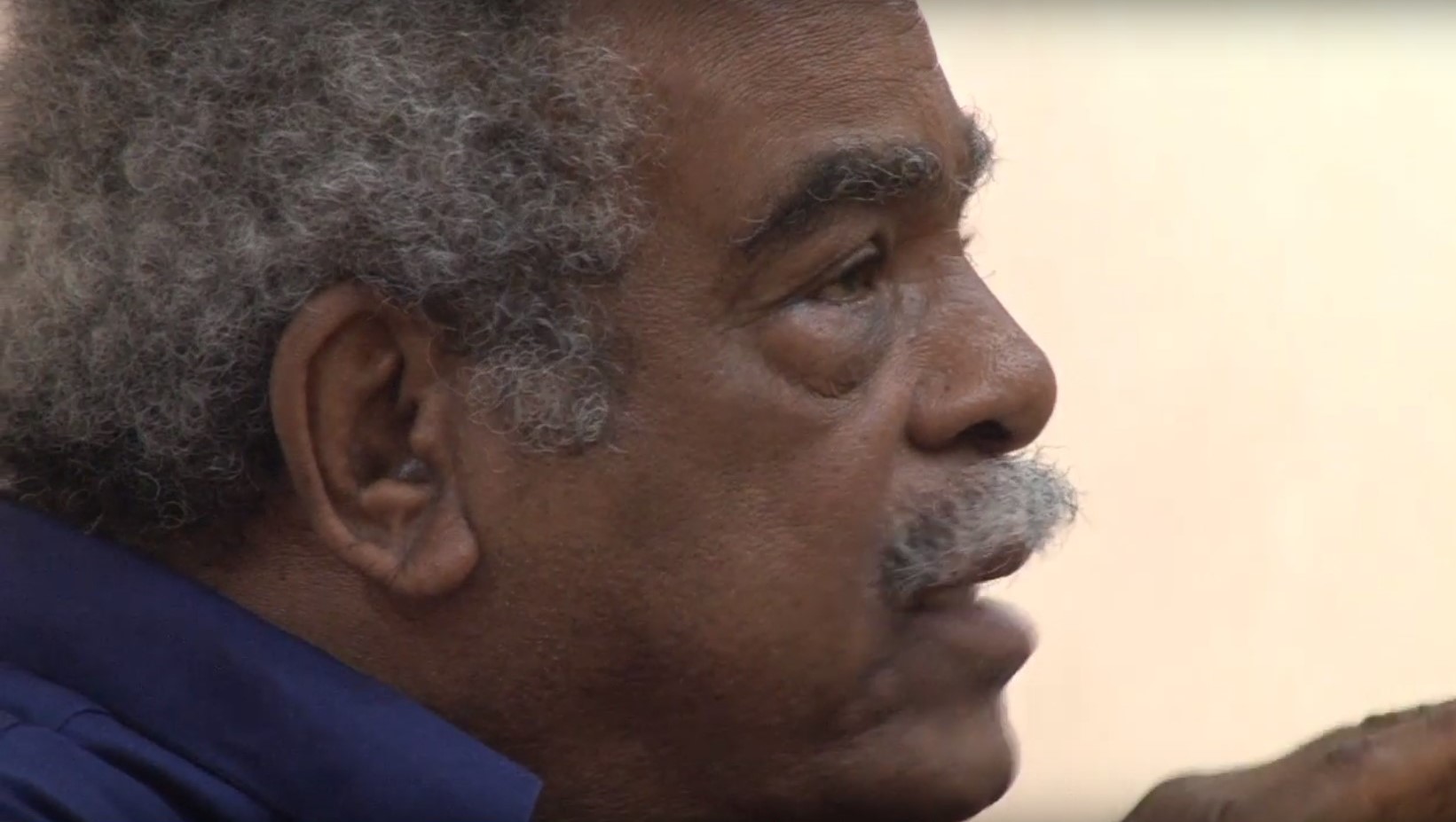
Édouard Glissant
### Édouard Glissant: The Poetic Philosopher of Relation and Caribbeanness Édouard Glissant (born September 21, 1928, in Sainte-Marie, Martinique; died February 3, 2011, in Paris, France) stands as one of the most intellectually monumental and visionary literary figures in contemporary Caribbean and postcolonial history. A world-renowned novelist, poet, philosopher, and cultural theorist, Glissant fundamentally transformed global understandings of cultural identity, language, and historical memory. In an era dominated by rigid colonial binaries and essentialist definitions of race and nationhood, Glissant formulated the seminal philosophical and cultural concepts of *Antillanité* (Caribbeanness), *Créolisation* (Creolization), and the *Poetics of Relation*. Throughout a prolific career spanning over six decades, he produced an extraordinary body of award-winning literature—including groundbreaking novels, intricate poetic collections, and profound theoretical treatises—that challenged dominant Eurocentric narratives and celebrated the dynamic, pluralistic reality of the Caribbean archipelago. As an educator, activist, and institution builder, Glissant’s intellectual legacy extends far beyond literary criticism, offering a radical and liberating framework for navigating the complex interconnectedness of the modern globalized world [1]. ### Early Life, Lycée Schœlcher, and Intellectual Roots in Martinique Born in the rural eastern commune of Sainte-Marie on the Atlantic coast of Martinique, Glissant’s early life was deeply shaped by the dramatic agricultural landscape and complex colonial sociology of the French Caribbean. Sainte-Marie was a region characterized by rolling sugarcane plantations, historical distilleries, and a vibrant rural peasantry whose daily lives were structured by the legacies of slavery and colonial exploitation. Glissant’s family recognized his exceptional intellectual promise from an early age, ensuring he received rigorous schooling despite the economic constraints typical of pre-war Martinique. In 1938, he earned a scholarship to attend the prestigious Lycée Schœlcher in the capital city of Fort-de-France. Named after the French abolitionist [Victor Schoelcher](/profiles/victor-schoelcher), the lycée was the intellectual crucible of Martinique, educating the island's future political and cultural elite. It was within these colonial walls that a young Glissant encountered the towering presence of [Aimé Césaire](/profiles/aime-cesaire), who had recently returned from Paris and was teaching philosophy and literature at the school. Césaire’s passionate advocacy for *Négritude*—a movement celebrating Black racial pride and African cultural heritage—made an indelible impression on Glissant. During these formative secondary school years, Glissant also formed enduring intellectual friendships with contemporaries who would shape anti-colonial discourse, most notably the future revolutionary psychiatrist and philosopher [Frantz Fanon](/profiles/frantz-fanon) [2]. ### Academic Exodus to Paris, Political Activism, and Anti-Colonial Resistance In 1946, following the end of World War II and the official departmentalization of Martinique as an overseas department of France, Glissant received a scholarship from the French government to pursue higher education in Paris. Arriving in the French capital during a period of intense post-war existentialist debate and rising anti-colonial fervor, he enrolled at the Sorbonne and studied philosophy, literature, and ethnology at the Musée de l'Homme. In Paris, Glissant became deeply immersed in the vibrant community of African and Caribbean intellectuals and artists. He participated in literary circles, collaborated with anti-colonial journals, and began publishing his early poetry. However, Glissant was not content with purely academic pursuits; he recognized that cultural liberation was inextricably linked to political self-determination. In 1961, alongside fellow writers Paul Niger and Bébert Maisonneuve, he co-founded the *Front des Antillais et Guyanais pour l'Autonomie* (FAGA), an organization explicitly demanding political autonomy for the French Caribbean islands and French Guiana. Alarmed by his radical activism during the heightened tensions of the Algerian War, the French government under President Charles de Gaulle officially dissolved FAGA. Authorities banned Glissant from leaving metropolitan France and placed him under administrative interdiction between 1961 and 1965, effectively exiling him from his native Martinique [2].  ### Return to Martinique: The Institut Martiniquais d'Études and *Acoma* Upon the lifting of his travel ban in 1965, Glissant returned to Martinique with a renewed commitment to institutional and cultural transformation. He realized that the French colonial education system in the Caribbean suffered from severe structural alienation, systematically teaching Martinican youth Eurocentric history, geography, and literature while completely ignoring their own Caribbean environment and historical realities. In response, Glissant founded the *Institut Martiniquais d'Études* (IME) in 1967 in Fort-de-France. The IME was a pioneering private secondary school dedicated to developing a curriculum rooted in Caribbean historical consciousness, local geography, and cultural identity. Glissant believed that authentic intellectual liberation required Caribbean people to reclaim their own historical narrative from the fragmentation imposed by slavery and colonialism. To further disseminate these critical ideas, he established the influential socio-literary journal *Acoma* (1971–1973), which published rigorous analyses of Caribbean political economy, sociology, and literature. Through the IME and *Acoma*, Glissant cultivated a new generation of Martinican thinkers who were deeply anchored in their regional reality rather than looking exclusively to Paris for cultural validation [3]. > 'Creolization is not merely a blending of cultures or a simple crossbreeding; it is an unpredictable, dynamic, and continuous process of world encounter where cultural elements collide and produce something entirely unforeseen.' — Édouard Glissant [1] ### Formulating *Antillanité* (Caribbeanness) Beyond *Négritude* During the 1970s and early 1980s, Glissant synthesized his reflections into his monumental collection of essays, *Le Discours antillais* (Caribbean Discourse, 1981). It was in this seminal work that he formally articulated the concept of *Antillanité* (Caribbeanness). While Glissant maintained deep respect for his mentor [Aimé Césaire](/profiles/aime-cesaire), *Antillanité* represented a critical philosophical departure from Césaire’s *Négritude*. Glissant argued that while *Négritude* had performed an essential historical function by restoring racial pride and reconnecting Caribbean people to their African roots, its focus on a singular, essentialist African lineage risked overlooking the unique, multi-layered reality of the Caribbean archipelago. For Glissant, Caribbean identity was not rooted in a distant continent or a pure lineage, but in the specific geographical and historical convergence that occurred within the Caribbean sea. *Antillanité* celebrated the composite nature of the region—a vibrant synthesis of Indigenous, African, European, and Asian cultures forged through the violent crucible of plantation slavery and survival. He conceptualized the Caribbean not as a fragmented collection of isolated island colonies, but as an interconnected submarine network of shared history, resistance, and cultural creativity [3]. ### The Philosophy of *Créolisation* and the Poetics of Relation Expanding upon *Antillanité*, Glissant formulated his globally transformative theories of *Créolisation* (Creolization) and the *Poetics of Relation*, culminating in his landmark philosophical treatise *Poétique de la Relation* (Poetics of Relation, 1990). Glissant distinguished creolization from traditional notions of *métissage* (hybridity or crossbreeding). While hybridity often suggests a predictable mixing of two distinct elements resulting in a fixed third category, creolization is defined by its radical unpredictability and continuous, open-ended motion. Glissant saw the Caribbean plantation as the historical laboratory of creolization, where diverse enslaved peoples, stripped of their original languages and institutions, innovated new creole languages, spiritualities, and art forms out of chaotic survival. He famously declared that the entire modern world was becoming creolized (*Le Tout-Monde*), as global migration, rapid communication, and cultural exchange broke down traditional ethnic and national boundaries. Within his *Poetics of Relation*, Glissant utilized the ecological metaphor of the rhizome—inspired by philosophers Gilles Deleuze and Félix Guattari—to contrast relational identity with single-root identity. A totalitarian single root kills everything around it to secure its own territory, whereas a rhizome extends horizontal branches, connecting with other roots in a web of mutual transformation without losing its own specificity [1]. > 'We demand the right to opacity for everyone. Opacity is not enclosure within an impenetrable fortress, but the subsistence within an irreducible singularity. Opacity is that which protects the Diverse.' — Édouard Glissant [2] ### Global Academic Career, *Le Tout-Monde*, and Late Life A central and revolutionary tenet of Glissant’s relational philosophy is the 'right to opacity' (*le droit à l'opacité*). Glissant vigorously critiqued Western intellectual traditions that demand total transparency—the colonial requirement that 'the Other' must be completely transparent, classified, measured, and understood according to Western standards in order to be accepted. Glissant argued that this demand for transparency is inherently reductive and aggressive. Instead, he asserted that every individual and culture possesses an inherent right to remain opaque, complex, and irreducible. Recognizing opacity allows human beings to engage in relation, solidarity, and mutual respect without needing to assimilate or dominate one another. By the late 1980s, Glissant’s profound theoretical insights had earned him immense global acclaim. He entered a distinguished academic career in the United States, serving as Distinguished Professor of French at Louisiana State University (1988–1995), where he directed the Center for French and Francophone Studies. In 1995, he was appointed Distinguished Professor of French at the City University of New York (CUNY) Graduate Center, a position he held until his death. During this period, he also served as the Editor-in-Chief of the *UNESCO Courier* (1982–1988), using his international platform to champion global cultural diversity and intercultural dialogue [2].  ### Enduring Legacy and Impact on Contemporary Caribbean Thought Throughout his lifetime, Glissant’s literary brilliance was recognized with prestigious honors, including the Prix Renaudot in 1958 for his first novel *La Lézarde* (The Ripening), the Prix Charles Veillon for *Le Quatrième Siècle* (The Fourth Century), and numerous international lifetime achievement awards. When Édouard Glissant passed away in Paris on February 3, 2011, at the age of 82, his death was mourned globally as the loss of one of humanity's most profound humanists. His body was returned to Martinique and buried in the coastal cemetery of Le Diamant, facing the iconic Diamond Rock and the Caribbean Sea. Today, Glissant’s conceptual frameworks continue to exert a monumental influence across literary studies, anthropology, sociology, and postcolonial philosophy. His visionary theories directly inspired the *Créolité* (Creoleness) literary movement led by Martinican writers [Patrick Chamoiseau](/profiles/patrick-chamoiseau), [Raphaël Confiant](/profiles/raphael-confiant), and linguist [Jean Bernabé](/profiles/jean-bernabe), who dedicated their landmark 1989 manifesto *Éloge de la créolité* to him. Furthermore, celebrated Caribbean authors such as Guadeloupean novelist [Maryse Condé](/profiles/maryse-conde) have drawn extensively upon his relational aesthetics. Ultimately, Édouard Glissant bequeathed to the world a hopeful, liberating philosophy: a rejection of tribalism and colonial domination in favor of an open, creolized world where diversity is cherished and human solidarity is forged through the endless beauty of Relation [3].
View Profile →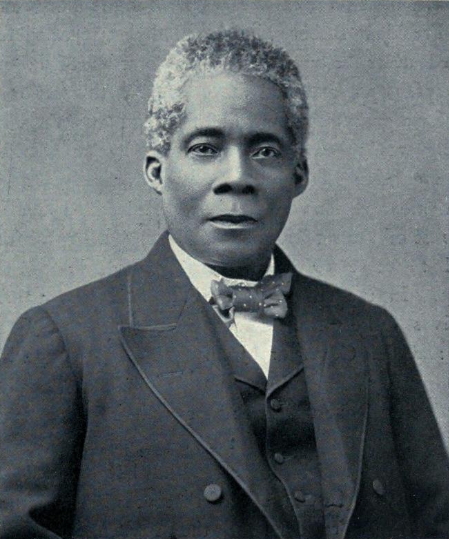
Edward Wilmot Blyden
### Introduction: The Titan of Global Pan-African Thought Edward Wilmot Blyden (3 August 1832 – 7 February 1912) stands as one of the most consequential intellectual figures in the modern history of the African diaspora. Universally recognized as the "Father of Pan-Africanism," Blyden was a polymath of extraordinary proportions: a classical educator, multilingual linguist, Presbyterian theologian, globetrotting diplomat, and pioneering political philosopher [1]. Born in the vibrant Caribbean port of Charlotte Amalie on the island of St. Thomas—then part of the Danish West Indies—Blyden transcended colonial boundaries to become the foremost defender of African racial dignity and cultural autonomy during the nineteenth century. His intellectual journey bridged three continents, weaving together Caribbean resilience, the antebellum racial struggles of North America, the pioneering nation-building experiments of Liberia, and the complex civilizational tapestries of British and Islamic West Africa [2]. At a historical moment when pseudoscientific racism and European colonial expansion sought to dehumanize people of African descent, Blyden articulated a revolutionary philosophical counter-narrative. He was the first modern thinker to coin and systemize the concept of the **"African Personality,"** asserting that African peoples possessed a distinct, communal, and spiritual genius that was vital to the harmonious development of global civilization [3]. His seminal writings, most notably his 1887 magnum opus *Christianity, Islam and the Negro Race*, fundamentally dismantled Eurocentric missionary assumptions and legitimized indigenous African social structures [4]. Blyden’s enduring vision of race pride, educational decolonization, and continental self-determination laid the intellectual foundations upon which subsequent Caribbean and global Pan-African titans—such as [Marcus Garvey](/profiles/marcus-garvey), [George Padmore](/profiles/george-padmore), [Aimé Césaire](/profiles/aime-cesaire), and [Frantz Fanon](/profiles/frantz-fanon)—would build their movements for liberation in the twentieth century [5].  ### Early Life and Formative Years in Charlotte Amalie, St. Thomas Edward Wilmot Blyden was born on August 3, 1832, in Charlotte Amalie, the bustling harbor capital of St. Thomas in the Danish West Indies (modern-day United States Virgin Islands) [1]. He was the third of seven children born to Romeo and Judith Blyden, free and literate Black citizens of proud Igbo descent [2]. Romeo Blyden was a skilled tailor of respected standing, while Judith was a talented dressmaker and educator [3]. Growing up in an urban Danish Caribbean trading hub that served as an international entrepôt, young Edward was exposed from infancy to a cosmopolitan crosscurrent of languages and cultures, hearing Dutch, English, Spanish, Danish, and Caribbean Creole spoken across the wharves and markets of Charlotte Amalie [6]. In 1842, when Edward was ten years old, the Blyden family relocated temporarily to Puerto Cabello, Venezuela, where they resided for two years [2]. During this period, the precocious youth quickly attained fluency in Spanish, demonstrating the formidable aptitude for philology that would become a hallmark of his adult scholarship [6]. Upon returning to St. Thomas in 1844, Blyden came under the personal mentorship of the Reverend John P. Knox, an American Presbyterian clergyman who arrived to pastor the local Protestant Dutch Reformed Church [1]. Knox was instantly captivated by Blyden’s sharp analytical intellect, voracious appetite for classical literature, and moral gravity, inviting the young boy into his private study to tutor him in theology, rhetoric, and classical languages [2]. Blyden's adolescence in the Virgin Islands unfolded against a backdrop of momentous revolutionary upheaval. In July 1848, when Blyden was fifteen, thousands of enslaved laborers on neighboring St. Croix rose in a coordinated rebellion led by Moses "General Buddhoe" Gottlieb, forcing Danish Governor Peter von Scholten to proclaim the immediate emancipation of all enslaved people in the Danish West Indies [7]. Witnessing this dramatic assertion of Black humanity left an indelible impression on the young Blyden, instilling within him a permanent conviction that the liberation of Black people required unwavering moral resolve, collective solidarity, and an unshakeable defense of human dignity [7]. This atmosphere of resistance in the Virgin Islands would later inspire subsequent generations of freedom fighters, including Crucian labor leaders during the 1878 Fireburn and twentieth-century civil rights advocates such as [David Hamilton Jackson](/profiles/hamilton-jackson) and cultural pioneer [Alton Augustus Adams](/profiles/alton-adams) [8]. ### Racial Rejection in America and the Exodus to Liberia (1850–1851) Recognizing Blyden's extraordinary academic brilliance and deep spiritual conviction, Reverend Knox arranged for the eighteen-year-old youth to travel to the United States in May 1850, intending for him to enter theological college and prepare for the Presbyterian ministry [1]. Blyden arrived in North America in the company of Knox's wife, expecting his intellectual merits to speak for themselves. Instead, he collided head-on with the virulent institutional white supremacy of antebellum America [2]. In rapid succession, Blyden applied for admission to Rutgers Theological Seminary in New Brunswick, New Jersey, and two additional Presbyterian seminaries; all three institutions summarily refused him entry solely on account of his African ancestry [1][2]. The rejection occurred in the volatile shadow of the Compromise of 1850 and the passage of the draconian Fugitive Slave Act, which legally mandated the capture of escaped slaves even within free northern states and placed every free Black person under perpetual threat of kidnapping and re-enslavement [6]. Disillusioned by the hypocrisy of white American Christian institutions that preached the brotherhood of man while violently enforcing racial caste, Blyden realized that America offered no dignified future for an ambitious Black scholar seeking unfettered intellectual growth [3]. During this crisis of faith and geography, Blyden encountered officials of the American Colonization Society (ACS) and the Presbyterian Board of Foreign Missions, who proposed an alternative horizon: the young republic of Liberia, established on the West African coast as a sovereign haven for free Black emigrants [1]. Refusing to submit to second-class status in the United States, Blyden embraced the call of ancestral repatriation. In December 1850, he boarded the packet ship *Edgar* in Baltimore, sailing across the Atlantic Ocean and arriving in the harbor of Monrovia on January 26, 1851 [2]. Stepping foot onto the soil of Africa at age eighteen, Blyden transformed what began as an agonizing personal trauma of racial exclusion into a lifelong, majestic mission of continental redemption [3]. ### Linguistic Mastery and Educational Leadership at Liberia College Upon his arrival in Monrovia, Blyden immediately enrolled at the newly founded Alexander High School, a Presbyterian preparatory academy directed by the Reverend David A. Wilson [2]. Demonstrating a phenomenal capacity for scholarly acquisition, Blyden rapidly mastered Latin, ancient Greek, and biblical Hebrew, astonishing his instructors with his command of classical philology and philosophical exposition [6]. By 1853, while still a student, he was appointed assistant tutor; by 1858, following Wilson's departure, Blyden was appointed Principal of Alexander High School [1]. That same year, having completed rigorous theological examinations, he was formally ordained as a Presbyterian minister by the Presbytery of West Africa [2]. Blyden's linguistic horizons expanded far beyond the European classical canon. Recognizing that Arabic was the lingua franca of commerce, diplomacy, and scholarship across vast swaths of interior West Africa, Blyden embarked on a dedicated, self-directed quest to master the language [4]. In 1866, with financial support from benefactors, he undertook an arduous six-month expedition to the Middle East, residing in Beirut (where he attended lectures at the Syrian Protestant College) and Cairo, immersing himself in classical Quranic Arabic and Islamic jurisprudence [1][4]. He became one of the few Western-educated scholars of his era completely fluent in Arabic, allowing him to converse and negotiate directly with Muslim scholars, emirs, and merchants across the West African hinterland [4]. In 1862, following the establishment of Liberia College in Monrovia, Blyden was appointed the inaugural Professor of Greek and Latin Languages and Literature [1]. He immediately became the institution's intellectual engine. Blyden argued vigorously that higher education in Africa must reject the uncritical mimicry of European academic models [3]. In his celebrated 1881 inaugural address as President of Liberia College—a post he held with distinction from 1880 to 1884—he laid out a revolutionary pedagogical vision for an autonomous African university [1][6]. He demanded that classical studies be balanced with the systematic study of indigenous African languages, African customary laws, folklore, and African history [3]. He sought to relocate the college from the coastal Americo-Liberian enclave of Monrovia into the interior, aiming to bridge the deep social divide between coastal settlers and indigenous tribal populations [2]. > "The African must advance by methods of his own. He must possess a power distinct from that of the European. It has been proved that he cannot acquire all of European civilization without losing his own identity. We must not surrender our personality; if you surrender your personality, you have nothing left to give the world." — Edward Wilmot Blyden, *Inaugural Address as President of Liberia College* (1881) [3]  ### Political Battles, Statesmanship, and Diplomatic Service at the Court of St. James Blyden's immense intellectual stature inevitably drew him into the turbulent vortex of Liberian statecraft. In 1864, President Daniel Bashiel Warner appointed the 32-year-old Blyden as Liberia's Secretary of State [1]. In this executive cabinet post, Blyden sought to reorient the republic's entire geopolitical orientation. He vehemently opposed the coastal merchant elite who dominated the True Whig Party and the Republican establishment, accusing them of maintaining a superficial, Euro-American caste system that exploited and marginalized the native African population [2]. Blyden championed a bold policy of continental integration: he demanded the granting of full citizenship and legislative representation to indigenous Africans, advocated for the aggressive expansion of Liberia’s borders into the interior, and called for an influx of dark-skinned Black emigrants from the Caribbean and the United States to build an agrarian African democracy [2][6]. These radical positions provoked violent hostility from the light-skinned, mixed-race Americo-Liberian ruling oligarchy [1]. When Blyden aligned himself with President Edward James Roye—a dark-skinned pure Black statesman who was elected president in 1869 on a platform of interior development and racial parity—political tensions boiled over into civil insurrection [2]. In October 1871, a violent political coup led by rival coastal factions deposed President Roye (who was tragically killed shortly thereafter). A lynch mob targeted Blyden in Monrovia, forcing him to flee for his life under cover of darkness to the British colony of Sierra Leone [1][2]. Despite this political trauma, Blyden’s international standing remained untouchable. He returned to public service repeatedly, serving as Liberia’s Minister of the Interior from 1880 to 1882 and contesting the Liberian presidency as an independent reform candidate in 1885 [1]. Furthermore, Blyden served as the young republic's most formidable diplomatic asset on the world stage. Between 1877 and 1878, and again in 1892, Blyden was commissioned as Liberia’s Minister Plenipotentiary and Envoy Extraordinary (Ambassador) to the **Court of St. James** in London [1][9]. In this role, he made history as one of the very first Black diplomats ever accredited to the supreme royal court of a European imperial power [9]. At the Court of St. James, Blyden captivated Victorian London with his aristocratic bearing, linguistic erudition, and eloquent oratory. He was received by Queen Victoria, engaged in philosophical dialogues with Prime Minister William Ewart Gladstone, and befriended leading British scholars, parliamentarians, and abolitionists [1][9]. Blyden utilized his London posting to defend the territorial sovereignty of Liberia against encroaching British and French imperial ambitions, fiercely negotiating border treaties and securing international recognition for African sovereignty [9]. Remarkably, when the impoverished Liberian legislature repeatedly failed to transmit his diplomatic salary, Blyden endured severe personal financial privation, relying on his own resourcefulness and book royalties to maintain the dignity of Liberia’s legation in the British capital [9]. In 1905, he concluded his formal diplomatic career by serving as Liberia’s Minister Plenipotentiary to the Republic of France in Paris [1]. ### Intellectual Magnum Opus: *Christianity, Islam and the Negro Race* (1887) In 1887, Blyden published the masterwork that sealed his immortality in world philosophy: ***Christianity, Islam and the Negro Race***, printed in London by W.B. Whittingham & Co. [4]. The book—a collection of meticulously argued essays, lectures, and sociological treatises—sent profound shockwaves throughout the academic, missionary, and theological establishments of Europe, America, and West Africa [10]. In this groundbreaking text, Blyden offered the first comprehensive comparative analysis of how the two dominant world religions interacted with African societies [4]. With searing analytical clarity, he argued that European Christian missionary efforts in Africa, despite good intentions, had exerted a psychologically crippling and denationalizing effect upon African converts [10]. European Christianity, Blyden asserted, arrived entangled with white racial supremacy, cultural arrogance, and European aesthetics. It taught Africans to despise their ancestral traditions, reject their indigenous languages, and view themselves as perpetual subordinates to white spiritual masters, instilling a debilitating "slave psychology" that undermined racial self-reliance [4][10]. Conversely, Blyden offered a daring and controversial defense of Islam's role in African development [4]. Drawing upon his extensive travels through the West African interior and his direct engagements with Mandinka and Fulani scholars, Blyden demonstrated that Islam had historically integrated seamlessly into African cultures without destroying indigenous selfhood [4][10]. Islam, he argued, brought universal brotherhood, literacy, civic discipline, sobriety, and architectural advancement, while allowing Africans to retain their cultural autonomy, racial pride, and political agency [4]. Unlike the racial segregation endemic to Western Christianity, Islam treated all believers, regardless of skin color, with authentic egalitarian fraternity [10]. > "Africa may yet prove to be the spiritual conservatory of the world. When the civilised nations, in consequence of their wonderful material development, shall have had their spiritual susceptibilities blunted through the agency of a captivating and absorbing materialism, it may be that they have to resort to Africa to recover some of the simple elements of faith." — Edward Wilmot Blyden, *Christianity, Islam and the Negro Race* (1887) [4] Blyden did not seek the wholesale conversion of Africa to Islam; rather, he issued a prophetic summons for the creation of an **Independent African Church**—an ecclesiastical body entirely led, financed, and doctrinally rooted in African soil, free from European missionary paternalism [10]. His theological critique inspired the burgeoning "Ethiopianism" movement across Southern and West Africa, which saw indigenous African Christians break away from European denominations to form self-governing churches [2]. ### The African Personality, Cultural Autonomy, and the Sierra Leone Years Central to Blyden’s enduring philosophical system was his conceptualization of the **"African Personality"** [3]. In a series of influential lectures delivered across West Africa and Great Britain—most notably his 1893 landmark address *Study and Race* delivered before the Young Men's Literary Association in Freetown—Blyden systematically articulated a doctrine of cultural pluralism and racial integrity [3][11]. Blyden rejected the Eurocentric thesis that humanity progressed along a single hierarchical ladder with European civilization at the apex. Instead, he argued that each human race possessed a distinct, God-given genius and mission [3]. While European civilization was characterized by aggressive scientific inquiry, technological conquest, individualism, and relentless commercial materialism, African civilization was characterized by deep spiritual receptivity, communion with nature, egalitarian community cohesion, and intuitive artistic expression [3][11]. > "It is sad to think that there are some Africans, especially among those who have enjoyed the advantages of foreign training, who are blind enough to the radical facts of humanity as to say, 'Let us do away with our African personality and be lost, if possible, in another race.' Preach this doctrine as much as you like, no one will do it, for no one can do it, for when you have done away with your personality, you have done away with yourselves. Your place has been assigned you in the universe as Africans, and there is no room for you as anything else." — Edward Wilmot Blyden, *Study and Race* (1893) [11] Blyden's later career was deeply entwined with the British colony of Sierra Leone, where he found an intellectually vibrant and welcoming home [1]. Following his exile from Liberia in 1871, Blyden founded and edited ***The Negro*** newspaper in Freetown in 1872, the very first English-language periodical in West Africa explicitly dedicated to promoting race solidarity and Pan-African consciousness [1][2]. The colonial government of Sierra Leone repeatedly enlisted Blyden’s unique diplomatic and linguistic talents. In 1872 and 1873, Governor Sir Arthur Kennedy appointed him as a special diplomatic commissioner to the powerful Muslim kingdoms of the interior, including Falaba and Timbo (in modern-day Guinea) [1]. Traveling without military escort, Blyden established vital treaties of commerce and amity, earning the profound respect of Islamic monarchs [1][2]. From 1901 to 1906, Blyden served as the **Director of Mohammedan Education** for the Sierra Leone government [1]. In this capacity, he pioneered a culturally sensitive educational curriculum that introduced modern mathematics, English, and scientific instruction into Islamic madrasas while preserving Arabic literacy, Islamic religious training, and traditional cultural norms [1][2]. Through this work, Blyden bridged centuries of suspicion between Western colonial authorities and the Muslim populations of West Africa, modeling how modern education could be synthesized harmoniously with Islamic and African traditions [2]. ### Sunset, Funeral in Freetown, and Immortal Global Legacy In his final years, Blyden lived in Freetown, surrounded by a devoted circle of West African scholars, civic leaders, and younger intellectuals who revered him as the grand patriarch of African intellectual liberation [1]. Even as his physical health waned due to respiratory ailments and old age, his brilliant mind remained alert, continuing to publish essays advocating for African self-rule, educational independence, and the preservation of native land tenure systems against European concessionaires [2]. On **February 7, 1912**, Edward Wilmot Blyden passed away at his home in Freetown at the age of 79 [1]. His death precipitated unprecedented collective mourning across West Africa and the Atlantic diaspora. His state funeral on February 9 was one of the largest public gatherings in the history of Sierra Leone. In a scene that symbolized his life’s mission of ecumenical and racial harmony, thousands of mourners from every walk of life walked behind his cortege: European colonial dignitaries, Christian bishops and clergymen, dozens of white-robed Muslim imams and scholars, indigenous chiefs from the interior, and thousands of ordinary citizens [1][2]. He was laid to rest in the Muslim section of the Racecourse Cemetery in Freetown, in accordance with the profound affection and reverence he commanded within the Islamic community [1]. Blyden’s intellectual legacy is monumental, casting a long and radiant shadow across the twentieth century. He provided the core conceptual vocabulary that animated every major Black liberation movement of modern times [5]. [Marcus Garvey](/profiles/marcus-garvey), whose Universal Negro Improvement Association (UNIA) mobilized millions across the Caribbean, the Americas, and Africa, drew directly upon Blyden’s teachings of racial self-reliance, African redemption, and the slogan "Africa for the Africans" [5]. [George Padmore](/profiles/george-padmore), the Trinidadian-born intellectual who organized the historic Fifth Pan-African Congress in Manchester in 1945, explicitly cited Blyden as the ideological forefather of scientific Pan-Africanism [5]. In the French-speaking Caribbean and West Africa, Blyden’s doctrine of the African Personality served as the direct precursor to the **Négritude** movement developed by [Aimé Césaire](/profiles/aime-cesaire) and Léopold Sédar Senghor [3][5]. Post-colonial African statesmen such as Dr. Nnamdi Azikiwe of Nigeria and Osagyefo Dr. Kwame Nkrumah of Ghana heralded Blyden as the prophet who restored the African mind from colonial amnesia [5]. Today, the memory of Edward Wilmot Blyden is celebrated across the Caribbean and Africa. In the United States Virgin Islands, where his journey began on the hills of Charlotte Amalie, his legacy is commemorated through educational institutions and public honors [8]. In Liberia and Sierra Leone, monuments and university buildings bear his name. More than a century after his passing, Edward Wilmot Blyden remains immortal: a boy from the Danish West Indies who challenged the empires of the world, reclaimed the dignity of an entire continent, and bequeathed to humanity the timeless truth of the African soul [1][5]. ### References - [Edward Wilmot Blyden - Wikipedia](https://en.wikipedia.org/wiki/Edward_Wilmot_Blyden) - [Edward Wilmot Blyden (1832–1912) - BlackPast.org](https://www.blackpast.org/global-african-history/blyden-edward-wilmot-1832-1912/) - [Blyden, Edward Wilmot - Dictionary of African Christian Biography](https://dacb.org/stories/liberia/blyden-edwardw/) - [Edward Wilmot Blyden: Pan-Negro Patriot 1832-1912 - Hollis R. Lynch (Oxford University Press)](https://academic.oup.com/book/edward-wilmot-blyden) - [Virgin Islands Public Figures: Edward Wilmot Blyden - Virgin Islands Department of Education](https://www.vide.vi/) - [Christianity, Islam and the Negro Race - Internet Archive](https://archive.org/details/christianityisla00blyduoft)
View Profile →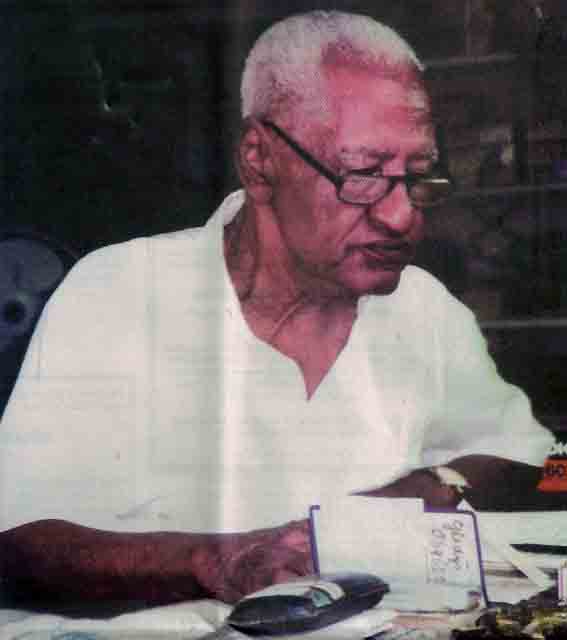
Elis Juliana
Elis Juliana stands as one of the most towering cultural titan and visionary polymaths in the history of the Dutch Caribbean [1]. Revering him as the undisputed "cultural conscience" and "griot" of Curaçao, historians, artists, and linguists celebrate his monumental life's work as a poet, visual artist, sculptor, folklorist, self-taught archaeologist, and ethnologist [2]. Born into deep economic deprivation during an era when foreign industrialization threatened to obliterate the ancestral memory of Afro-Curaçaoan society, Juliana dedicated his life to rescuing, cataloging, and elevating the tangible and intangible heritage of his people [3]. Alongside fellow literary icons such as [Pierre Lauffer](/profiles/pierre-lauffer) and Luis Daal, Juliana formed the revered *Grote Drie* ("The Big Three") of 20th-century Papiamentu literature, proving that the creole mother tongue possessed the aesthetic range, emotional subtlety, and intellectual power to produce masterworks of modern poetry [4]. Yet Juliana was far more than an elite literary practitioner; he was a decolonial memory-keeper who traversed the scrublands and rural *kunuku* estates of the ABC islands (Aruba, Bonaire, and Curaçao) with a tape recorder and pickaxe, listening to the elderly generation whose parents had endured chattel slavery [2][5]. His pioneering collaboration with Father Paul Brenneker culminated in the world-famous **Zikinzá collection**—a vast archive of over 1,400 field recordings documenting ancient songs, herbal medicine, ancestral folklore, and work rhythms [1][3]. Through his unique philosophical and ethnographical methodology, later coined by scholars as *Julianismo*, he insisted that Afro-Caribbean communities should not merely be examined from above by colonial researchers, but understood from within through their own nuanced "ways of speaking" (*forma di papia*) [2]. From delicate coral stone sculptures to crystalline haikus, Elis Juliana breathed eternal dignity into the soul of Curaçao [6]. ### Early Life and Humble Beginnings in Nieuw Nederland Elis Juliana was born on August 8, 1927, in the working-class neighborhood of Nieuw Nederland, situated just outside the historic urban core of Willemstad, Curaçao [1][7]. He was born a twin alongside his sister to Maria Antonia "Mayo" Juliana, an impoverished Afro-Curaçaoan washerwoman, and Hosé "Hosé'i Ñaña" Alvares, a skilled tailor and itinerant folk musician [7]. In an autobiographical anecdote that poignantly encapsulated the destitute conditions of his childhood, Juliana frequently recounted that his mother had intended to name him "Ellis" with two 'l's; however, the colonial civil registration office demanded an extra administrative fee for the additional letter, which his mother could not afford, leaving his legal name permanently recorded as "Elis" [1][8]. Growing up in the tight-knit but economically strained alleyways of Nieuw Nederland, young Elis was endowed with voracious curiosity and an acute visual imagination [1]. In an environment where expensive toys and lavish excursions were non-existent, Juliana famously described the modest earthen yard behind his home as his "Disney World" [7]. Armed with a discarded magnifying glass, the young boy spent endless hours crouched in the dirt, observing the complex architecture of ant colonies, the movement of beetles, and the textures of native cacti and coral stone formations [7][8]. This innate habit of close, reverent observation of microscopic detail laid the empirical foundation for his future dual vocations as a naturalist-folklorist and a visual artist [2].  Juliana received his basic primary schooling at the St. Jozef elementary school, after which he enrolled in the local Catholic craft school (*ambachtsschool*) to study technical mechanics and ironworking [1][7]. However, his family's severe financial hardship forced him to terminate his formal schooling at the age of fifteen so that he could enter the workforce full-time to support his mother and siblings [7][8]. Juliana subsequently held a diverse array of working-class occupations: he was employed as a mechanical apprentice at the Royal Netherlands Marine barracks, laboured at the burgeoning Shell oil refinery, served as a correctional prison guard, and later wore the uniform of a colonial police officer [1][7]. These varied manual jobs immersed Juliana directly within the daily struggles, slang, and humor of ordinary working-class Antilleans, giving him an intimate, unmediated understanding of the very community whose cultural survival he would soon champion [2]. ### The Crucible of Industrial Modernization and Cultural Erasure To understand the urgency that animated Elis Juliana's life work, one must recognize the seismic economic and social transformation that swept Curaçao during the first half of the twentieth century [3]. Following the establishment of the Royal Dutch Shell oil refinery (Isla) in 1915 and 1918, Curaçao transformed virtually overnight from an impoverished, agrarian-maritime colony into one of the largest oil-refining centers in the world [1][3]. The rapid influx of capital, modern wage labor, and foreign workers brought immense material development, but it also triggered a catastrophic rupture with traditional rural folklife [2][3]. As rural families abandoned the agricultural *mondi* (scrubland wilderness) to settle in dense urban enclaves around Willemstad, ancestral practices—such as the communal *seú* harvest rituals, rhythmic agricultural work songs (*kantika di trabou*), and the clandestine drumming ceremonies of the *tambú*—were rapidly stigmatized as backward or superstitious relics of the past [1][5]. Furthermore, the Dutch colonial educational curriculum and the Roman Catholic Church systematically suppressed the native Papiamentu language in classrooms, enforcing Dutch as the sole legitimate vehicle for intellectual and civic life [4][9]. Juliana realized with terrifying clarity that the elderly generation—the *grandinan* who held the centuries-old oral libraries of Afro-Curaçaoan music, herbal medicine, and philosophy dating back to the era of the 1795 slave rebellion led by [Tula](/profiles/tula)—were dying off, taking an entire civilization's memory with them to the grave [2][5]. > "A people without memory is like a tree without roots; when the wind of modernity blows, it falls without knowing why it stood. We must listen to the elders, for in their whispered words lies the blueprint of our survival." [2] ### The Zikinzá Odyssey: Fieldwork with Father Paul Brenneker In 1958, a serendipitous encounter fundamentally altered the course of Caribbean cultural preservation [1][5]. Juliana crossed paths with Father Paul Brenneker (1912–1996), a Dutch Roman Catholic Dominican friar, missionary, and passionate ethnographer who shared Juliana's deep alarm over the erosion of indigenous Antillean culture [3][5]. Recognizing each other as kindred spirits, the Afro-Curaçaoan mechanic-artist and the Dutch priest forged an unprecedented, lifelong research partnership that defied the colonial racial divides of the 1950s [1][5].  Equipped with a portable reel-to-reel tape recorder, photographic cameras, notebooks, and archaeological trowels, Juliana and Brenneker spent decades traversing the unpaved roads and remote *kunukus* of Curaçao, Bonaire, and Aruba [3][5]. They sought out the *grandinan* (community elders), interviewing 267 key tradition-bearers, some of whom had been born as early as 1853 under the brutal yoke of Dutch plantation slavery [1][5]. Juliana's innate warmth, mastery of dialectal Papiamentu, and shared cultural heritage were crucial; where colonial government officials or European academics were met with guarded silence, Juliana was welcomed onto verandas with open arms [2][5]. Between 1958 and the late 1960s, the duo amassed approximately 1,400 audio recordings comprising folk songs, spiritual incantations, personal memoirs, funeral laments, children's rhymes, riddles (*konta kuenta*), and intricate *Nanzi* spider-tales rooted in West African Ashanti mythology [1][3][5]. This monumental body of work became known as the **Zikinzá collection**, named after an archaic Afro-Antillean rhythm and song form [1][5]. In addition to sound recordings, Brenneker and Juliana published the encyclopedic ten-volume series *Sambumbu* (1969–1975), which documented traditional architecture, medicinal plants, religious syncretism, and social customs across the ABC islands [5][10]. Today preserved and digitized by NAAM (National Archaeological Anthropological Memory Management), the Zikinzá archive remains the single most important ethnographic repository of 20th-century Dutch Caribbean cultural history [3][5]. ### Julianismo: Decolonizing the Archive from Within Elis Juliana's contribution to anthropology and archaeology was fundamentally revolutionary because it broke decisively with Western ethnographic paradigms [2]. Caribbean scholars today analyze his distinct theoretical framework under the concept of **Julianismo** [2]. Where imperial anthropologists treated colonial subjects as passive informants to be categorized and analyzed from afar, Juliana approached the *grandinan* as equal intellectual partners, philosophers, and co-curators of their own history [2]. Central to *Julianismo* was Juliana's exploration of what he designated as *forma di papia* ("ways of speaking") [2]. Juliana recognized that for centuries, enslaved and disenfranchised Afro-Curaçaoans had developed sophisticated linguistic strategies—employing double entendre, irony, coded proverbs, and deliberate ambiguity—to critique oppressive masters without suffering violent retribution [2]. Juliana termed this the "poetics of concealment" [2]. He demonstrated that these oral expressions were not primitive folklore, but rigorous intellectual survival mechanisms that required deep cultural literacy to decode [2]. Furthermore, Juliana practiced what modern scholars call multimodal material archaeology [2][3]. Long before formal archaeological legislation existed in the Netherlands Antilles, Juliana served as a field researcher and investigator for the Archaeological-Anthropological Institute of the Netherlands Antilles (AAINA) [2][3]. With his hands, he unearthed pre-Columbian Amerindian artifacts of the Caiquetio and Arawak peoples, while simultaneously rescuing post-emancipation everyday material culture—such as discarded iron *chapis* (agricultural hoes), wooden pounding mortars, clay cooking vessels, and traditional *tambú* barrel drums [1][3]. For Juliana, the soil and the oral voice were two halves of the same sacred book [2]. ### The "Big Three" and Poetic Mastery in Papiamentu Alongside his ethnographical fieldwork, Elis Juliana emerged as a literary luminary who helped catalyze a renaissance in Papiamentu poetry [4][9]. In the mid-20th century, alongside his close contemporaries [Pierre Lauffer](/profiles/pierre-lauffer) and Luis Daal, Juliana formed the triumvirate celebrated as the *Grote Drie* ("The Big Three") of Curaçaoan literature [4][9]. While intellectuals like [Cola Debrot](/profiles/cola-debrot) and [Boeli van Leeuwen](/profiles/boeli-van-leeuwen) often explored Antillean existential identity through Dutch-language prose, and children's authors like [Nilda Pinto](/profiles/nilda-pinto) adapted folklore for schools, Juliana and Lauffer elevated native Papiamentu into a rigorous poetic language of the highest order [4][9]. Juliana burst onto the literary scene in 1956 with the publication of his iconic poetry collection **Flor di Datu** (*Cactus Flower*), followed in 1961 by **Flor di Anglo** [1][4]. In these volumes, Juliana discarded conventional, rigid European rhyming meters in favor of free verse informed by the natural cadence of Antillean speech and the intoxicating syncopations of the *tumba* and *tambú* [4][9]. His poems celebrated the dignity of washerwomen, street vendors, sugarcane cutters, and fishermen, transforming ordinary working-class experiences into epic lyrical portraits [1][4]. His acclaimed poem *"E Nigrita Catan"* captured the bittersweet complexities of Afro-Caribbean female identity under colonial hierarchies with breathtaking lyricism [4]. Juliana was also a daring literary innovator who introduced the Japanese **haiku** to the Papiamentu language [6][7]. In masterly collections such as *Un mushi di haiku* (1993) and *Haiku den lus di animal* (2007), he utilized the strict seventeen-syllable form to distill Caribbean nature, human foolishness, and ecological wisdom into sharp, crystalline epigrams [6][7]. > *Bichi ta siegu / ma e sa unda koba / saka probecho.* > > "The worm is blind, / yet it knows where to dig / to reap its reward." [6][7] Beyond poetry, Juliana authored sociopolitical treatises, most notably **OPI** (*Organisashon Planifikashon Independensia*), a multi-volume philosophical exploration examining the psychological, cultural, and economic prerequisites for authentic Antillean independence and self-reliance [10]. ### Visual Arts and Coral Sculptures: Giving Form to Ancestral Spirits Elis Juliana's creative genius was inherently multidisciplinary; what he could not capture in verses or audio reels, he carved into physical form [1][11]. As a self-taught visual artist, Juliana began exhibiting his drawings, paintings, and sculptures in the 1960s, quickly establishing himself as one of the premier visual artists in the Dutch Caribbean [1][11]. His most celebrated artistic achievements were his **coral stone sculptures** [1][11]. Working with porous, weathered coral limestone gathered along the rugged north coast of Curaçao, Juliana allowed the natural crevices, fossils, and indentations of the marine stone to dictate the contours of his work [1][11]. His sculptures frequently depicted maternal archetypes—reverent mother-and-child compositions symbolizing the resilience of the Caribbean matriarchy—as well as solemn ancestral figures emerging from the bedrock [1][11]. He also sculpted extensively in local hardwood (*guayacán*), mahogany, and recycled metal [1]. In recognition of his mastery, Elis Juliana was awarded the prestigious **Cola Debrot Prize** for the visual arts in 1973, Curaçao's highest civilian cultural distinction [1][11]. ### Final Honors, Death, and Enduring Legacy Throughout his twilight years, Elis Juliana was universally revered as the living embodiment of Curaçao's cultural soul [1][7]. In 1986, the Pierre Lauffer Foundation honored his literary lifetime achievements with the **Chapi di Plata** (Silver Rake Prize), an award symbolizing deep love and cultivation of the native language [4][9]. He was made an Officer in the Order of Orange-Nassau and became a beloved national mentor to younger generations of writers, musicians, and visual artists across the ABC islands, including folklorist [Frans Booi](/profiles/frans-booi) in Bonaire [5]. The crowning institutional recognition of his life arrived on June 18, 2013, when the University of Curaçao (UoC) conferred upon Elis Juliana the degree of **Doctor Honoris Causa** (Honorary Doctorate) in recognition of his peerless, lifelong contributions to literature, linguistics, archaeology, and anthropology [1][7]. The ceremony was an intensely emotional moment of national celebration, acknowledging that a man who had been forced to leave craft school at fifteen had achieved what no university seminar could: the rescue of an entire nation's collective consciousness [7][8]. Just five days after receiving his honorary doctorate, on **June 23, 2013**, Elis Juliana passed away peacefully in Willemstad at the age of 85 [1][7]. His passing plunged Curaçao into profound national mourning, with government flags flown at half-mast and cultural tributes resounding across the Caribbean [7]. Today, his legacy lives vibrantly on the walls of Willemstad—immortalized in massive street murals in Punda and Otrabanda—in school textbooks, and within the halls of NAAM [1][5]. Elis Juliana proved to the world that within the humble, whispered songs of the Caribbean *kunuku* lies a treasury of human wisdom as vast and enduring as the ocean itself [2].
View Profile →Elma Napier
### Introduction Elma Napier (1892–1973), born Elma Gordon-Cumming, was a Scottish-born writer, politician, and environmentalist whose life became indissolubly linked to the Commonwealth of Dominica. In 1932, seeking an escape from the stifling conventions of European high society, Napier and her husband Lennox settled on the remote northeastern coast of Dominica, building their home, Pointe Baptiste, near the village of Calibishie. Over the next four decades, Napier transformed herself from an aristocratic expatriate into a deeply committed islander, championing the rights and welfare of Dominica's working-class population. In 1940, following the death of her husband, she entered the political arena and made history as the first woman elected to any Legislative Council in the Caribbean, serving as a trailblazing legislator for over a decade [1]. As a novelist and memoirist, writing under the pseudonym Elizabeth Garner and her own name, she captured the haunting beauty and social complexities of the colonial Caribbean, cementing her status as a vital voice in West Indian literature [2]. Her posthumously published memoir, *Black and White Sands*, remains a classic of Caribbean life writing, documenting a bohemian life dedicated to political representation, environmental conservation, and the defense of the island’s natural commons. ### Early Life and Aristocratic Roots Elma Gordon-Cumming was born in 1892 into a life of immense privilege in Scotland. She was the daughter of Sir William Gordon-Cumming, the 4th Baronet of Altyre and Gordonstoun, a celebrated soldier and intimate friend of the Prince of Wales (later King Edward VII). However, her early childhood was defined by a major social catastrophe. In 1890, her father was accused of cheating at cards during a weekend house party at Tranby Croft, leading to the infamous "Royal Baccarat Scandal" of 1891 [3]. The subsequent libel trial, in which the Prince of Wales was forced to testify, resulted in Sir William's public disgrace and social ostracism [3]. Although Sir William retired to his Scottish estate, the scandal cast a long shadow over Elma’s youth. She grew up in a home that was physically magnificent but socially isolated, fostering in her a natural skepticism toward social conventions and a rebellious, independent spirit. She was educated by tutors and traveled extensively throughout Europe, developing a love for literature, languages, and the natural world. This aristocratic yet marginalized upbringing instilled in her a resilient character that would later enable her to adapt to the challenges of life in the Caribbean [4].  ### Bohemian Wanderings and the Journey to Dominica In 1912, at the age of twenty, Elma married Captain Maurice Antony Crutchley Gibbs [1]. The marriage took her to Australia, where she lived for several years, navigating the transition from Edwardian high society to the vast landscapes of the southern hemisphere. This period, characterized by personal growth and the birth of her children, would later form the basis of her travel memoir, *Winter is in July* (1949). However, the marriage was ultimately unsuccessful and ended in divorce, a relatively rare and socially difficult step for a woman of her class at the time. In 1924, Elma married Lennox Pelham Napier, a bohemian intellectual and veteran of the First World War who had suffered physical and psychological trauma during the conflict [1]. Together, the Napiers sought a lifestyle that was simpler, more creative, and far removed from the rigid class structures of post-war Europe. In 1931, during a cruise through the Windward Islands, they arrived in Dominica [2]. The island’s dramatic topography—characterized by sheer volcanic peaks, rushing mountain rivers, and dense, untamed rainforests—profoundly moved the couple. Captivated by its raw beauty, the Napiers decided to make the island their permanent home, purchasing a parcel of land at Pointe Baptiste on the north coast in 1932 [4]. ### Pointe Baptiste: Building a Cultural and Bohemian Haven At Pointe Baptiste, near the fishing village of Calibishie, the Napiers constructed a charming, rustic stone bungalow overlooking the Atlantic Ocean, flanked by red cliffs and beaches of both black volcanic and white coral sands [4]. At the time, the north coast of Dominica was incredibly isolated; there were no roads connecting it to the capital of Roseau, and travel required a grueling journey by foot, horseback, or a three-hour launch ride along the leeward coast from Portsmouth. Despite these physical challenges, the Napiers established a self-sufficient estate, cultivating coconuts, citrus, and cocoa, and integrating themselves into the local community. Pointe Baptiste quickly became a renowned bohemian haven, attracting a steady stream of writers, artists, and international figures seeking inspiration. Among the famous guests who stayed at the estate were the playwright Noel Coward and the novelist Somerset Maugham [2]. Later in the twentieth century, the estate would host figures such as Princess Margaret and Mick Jagger, drawn by its reputation for rustic luxury and absolute privacy [2]. For Napier, however, the estate’s most significant connection was with the island's emerging literary landscape. In 1936, the celebrated Dominican-born novelist [Jean Rhys](/profiles/jean-rhys), author of *Wide Sargasso Sea*, returned to her homeland for the first time in decades. During her stay, Rhys and her husband visited Pointe Baptiste for tea [5]. The meeting between the two writers was notoriously frosty; Rhys, who felt deeply alienated by the changes in Dominica and her own displacement, was reportedly irritated by Napier's focus on her own writing and publishing aspirations [5]. Napier also maintained a professional relationship with [Phyllis Shand Allfrey](/profiles/phyllis-shand-allfrey), a fellow Dominican writer of white planter-class descent who would later write the acclaimed novel *The Orchid House* (1953) and co-found the Dominica Labour Party [5]. Although they lived on opposite ends of the island and held differing political strategies, both women shared a deep commitment to Dominica's autonomy and a passion for documenting its unique social hierarchy, forming a remarkable female literary vanguard in the mid-century Caribbean. > "To live at Pointe Baptiste was to live at the edge of the world, where the Atlantic crashed against the cliffs and the forest pressed close behind us. It was a place of isolation, but also of extraordinary freedom, where one could write, think, and exist without the weight of European conventions." > — Elma Napier, *Black and White Sands* [4] ### The First Woman in Caribbean Politics The trajectory of Napier's life changed dramatically in 1940. Her husband, Lennox Napier, who had been elected to represent the North Eastern District on the Dominica Legislative Council, died suddenly [2]. Devastated but determined to continue the progressive work they had started together, Elma Napier decided to contest the vacant seat. On February 28, 1940, she won the by-election, achieving a historic milestone as the first woman elected to a legislative council in the British West Indies, and indeed the first female legislator in the entire Caribbean [1]. This was a remarkable achievement, particularly within the context of a highly conservative, patriarchal colonial society. The electorate at the time was limited by property and income qualifications, meaning that the majority of voters were male landowners and merchants. Yet, Napier’s deep integration into the North Eastern District—encompassing Wesley, Marigot, and Calibishie—and her reputation for fairness and practical action won her the support of the local population. She served as an elected member from 1940 to 1944, and was re-elected for a second term from 1947 to 1951 [6]. Following the introduction of universal adult suffrage, she continued to serve the legislature as a nominated member from 1951 to 1954 [6]. In the Legislative Council, Napier was a formidable and pragmatic advocate for infrastructure and social welfare. She understood that the isolation of the northern districts severely restricted the economic opportunities of local farmers and fishers. She became the leading political champion for the construction of the Transinsular Road (completed in 1956), which finally linked Marigot and the north coast with the capital, Roseau, via Pont Casse [7]. She lobbied tirelessly for the construction of schools, rural clinics, clean water systems, and telephone lines, arguing that the colonial administration had a moral obligation to improve the living standards of the working class. Her political style was characterized by a direct, unpretentious approach, often walking miles through the mountains to meet with her constituents and listen to their grievances.  ### Environmental Advocacy and the Defense of the Commons Long before environmentalism became a global political movement, Elma Napier was an outspoken conservationist and defender of Dominica's natural commons. In the mid-20th century, the British colonial administration, desperate for economic revenue, began granting large concessions to foreign logging companies to clear-cut the island's pristine rainforests [4]. Napier recognized the long-term ecological danger of this policy, warning that the destruction of the forest cover would lead to severe soil erosion, the drying up of mountain rivers, and the devastation of the island’s biodiversity [4]. On the Legislative Council, she fiercely opposed these logging contracts, demanding strict regulations on timber extraction and advocating for the creation of forest reserves [4]. In her writings, she articulated an early ecological consciousness, describing the Dominican landscape not as a resource to be plundered for colonial profit, but as a sacred heritage that belonged to all Dominicans. Her efforts laid the groundwork for the island's subsequent reputation as the "Nature Island of the Caribbean" and the establishment of the Morne Trois Pitons National Park in the 1970s. ### Literary Achievements and Pseudonymous Novels Throughout her busy life as a politician and estate manager, Napier remained a dedicated and prolific writer. Under the pseudonym Elizabeth Garner, she published two successful novels set in the Caribbean: *Duet in Discord* (1936) and *A Flying Fish Whispered* (1938) [1]. These novels explored the psychological tensions of expatriate life, the clash of cultures between European settlers and the local population, and the overpowering influence of the tropical landscape on the human psyche. Her fiction was praised for its stylistic elegance and its unsentimental portrayal of colonial realities. In addition to her fiction, Napier was a master of memoir and travel writing. She published *Youth is a Blunder* (1948) and *Winter is in July* (1949), which chronicled her early life in Scotland and her travels in Australia [1]. Toward the end of her life, she compiled her Dominican memoirs into a manuscript titled *Black and White Sands*. Published posthumously by Papillote Press in 2009 under the editorship of Polly Pattullo, *Black and White Sands* is celebrated as a brilliant, witty, and evocative account of her bohemian life in Dominica, providing invaluable historical insights into the island's social, political, and cultural history during the transition from colony to independent nation [4]. ### Later Years and Lasting Legacy In her final years, Elma Napier retired from active politics but remained an influential and beloved figure in Dominica, frequently consulted by younger politicians, including the future Premier [Edward Oliver LeBlanc](/profiles/edward-oliver-leblanc), who sought her counsel on rural development and conservation. She continued to live at Pointe Baptiste, surrounded by her children and grandchildren, writing and managing the estate. Elma Napier passed away on November 12, 1973, at the age of 81, and was buried on the grounds of her beloved Pointe Baptiste [2]. Today, she is remembered as a double trailblazer: a literary pioneer who helped establish Dominica on the global literary map, and a political giant who shattered the gender barrier in Caribbean governance, demonstrating that a commitment to community, environment, and social justice transcends the boundaries of gender and nationality.
View Profile →
Eugenio María de Hostos
### Introduction Eugenio María de Hostos (January 11, 1839 – August 11, 1903) was a towering intellectual, educator, philosopher, and patriot whose influence stretched far beyond his native Puerto Rico to touch almost every corner of Latin America. Revered as "El Gran Ciudadano de las Américas" (The Great Citizen of the Americas), Hostos was a visionary who dedicated his life to three intertwined noble causes: the independence of Puerto Rico and Cuba from Spanish colonial rule, the realization of an Antillean Confederation, and the radical transformation of Latin American education [1]. In a 19th-century world dominated by imperial powers and rigid dogmas, Hostos emerged as a fierce advocate for human rights, scientific pedagogy, and the emancipation of the human mind. His exhaustive travels, prolific writings, and institution-building efforts forged an enduring legacy that continues to shape pedagogical and political thought across the Hispanic world today. ### Early Life and Intellectual Awakening Hostos was born into a comfortable, well-to-do family in the rural barrio of Río Cañas in Mayagüez, Puerto Rico. During his formative years, the island was firmly under the grip of the Spanish Empire, a colonial administration characterized by strict censorship, economic exploitation, and the systemic denial of self-governance. Recognizing his sharp intellect, his parents sent him to San Juan for his early education and later to Spain in 1852, where he attended the Institute of Bilbao and the Complutense University of Madrid [2]. In Spain, Hostos immersed himself in the intellectual currents of the era. He was profoundly influenced by Krausism, a philosophical movement emphasizing rationalism, ethical conduct, and the harmonization of the individual with humanity. He actively participated in republican political circles alongside prominent Spanish liberals and fellow Antillean students. It was during this period that Hostos developed his deep-seated conviction that the Spanish monarchy was fundamentally incompatible with the progressive development of its Caribbean colonies. When the Spanish Republican government of 1868 failed to deliver on promises of autonomy for Puerto Rico and Cuba, Hostos made a fateful decision: he definitively broke ties with Spain and committed himself entirely to the cause of absolute independence.  ### The Wandering Patriot: Exile and Activism Leaving Spain, Hostos embarked on a lifelong journey of exile that would take him across the Americas and Europe. He became a relentless organizer and propagandist for the Antillean cause. Moving to New York City, he joined the Cuban Revolutionary Junta, working tirelessly to raise funds and international support for the Cuban Ten Years' War (1868–1878) and the nascent Puerto Rican independence movement sparked by the Grito de Lares. Realizing that the liberation of the Caribbean required the solidarity of the broader continent, Hostos embarked on an epic, years-long journey through Latin America. He traveled to Colombia, Peru, Chile, Argentina, and Brazil. In each country, he operated not just as a diplomat for the revolutionary cause, but as a public intellectual deeply engaged with local struggles. In Peru, he fearlessly campaigned against the brutal exploitation of Chinese immigrant laborers (the "coolie" trade), demonstrating a commitment to universal human rights that transcended national boundaries [3]. In Argentina, he advocated for the construction of the Trans-Andean railway to connect the continent. His vision was panoramic: he saw the independence of the Antilles not as an isolated event, but as the final, necessary chapter in the complete liberation of the Americas. > "To civilize is to educate; and to educate is to teach the human mind how to be rational, the human heart how to be just, and the human will how to be free." ### The Educational Revolutionary While Hostos's political vision was grand, his most profound and lasting impact was arguably in the realm of education. He firmly believed that political independence was meaningless without the intellectual and moral emancipation of the citizenry. True freedom, he argued, could only be sustained by a population trained in critical thinking, scientific observation, and ethical reasoning. His pedagogical genius found its greatest expression in the Dominican Republic, where he settled in 1879. Invited by the government, Hostos completely overhauled the national education system. He founded the country's first Normal School (a teachers' training college) in 1880, introducing a revolutionary curriculum that discarded rote memorization and religious dogma in favor of the scientific method, sociology, and ethics [4]. His approach was fiercely resisted by the conservative clergy, but his "Hostosian" schools quickly produced a generation of enlightened thinkers and leaders who transformed Dominican society. ### Advocacy for Women's Education Hostos was also a pioneering feminist, far ahead of his time in advocating for the rights of women. He viewed the subjugation of women and their exclusion from intellectual life as a fundamental obstacle to societal progress. During his time in Chile (1889–1898), where he served as the rector of the Liceo Miguel Luis Amunátegui and a professor of constitutional law at the University of Chile, he became a vocal champion for women's access to higher education [5]. His landmark 1873 essay and lecture series, "The Scientific Education of Women," argued passionately that women possessed the same intellectual capacities as men and were entitled to rigorous, scientific instruction. His advocacy was instrumental in breaking down the barriers that eventually allowed women to enter universities and professional fields in Chile and across the region. ### The Spanish-American War and Final Years The outbreak of the Spanish-American War in 1898 brought a tragic twist to Hostos's lifelong struggle. Following the United States' invasion and subsequent occupation of Puerto Rico, Hostos rushed back to his homeland after years of exile, hoping to participate in the construction of an independent republic. He founded the *Liga de Patriotas* (League of Patriots) to educate Puerto Ricans on their civic rights and to demand a plebiscite on the island's future [6]. However, it quickly became apparent that the United States intended to retain Puerto Rico as a colonial possession rather than granting it sovereignty. Deeply disillusioned and heartbroken by the exchange of one imperial master for another, Hostos left Puerto Rico for the final time in 1900. He returned to the Dominican Republic, dedicating his last years to his educational duties as the Inspector General of Public Instruction. On August 11, 1903, Eugenio María de Hostos passed away in Santo Domingo. Per his final wishes, his remains are interred in the National Pantheon of the Dominican Republic, and he explicitly requested that his body not be returned to Puerto Rico until the island is completely free and independent. ### A Continental Legacy The legacy of Eugenio María de Hostos is immense and multifaceted. As a sociologist, his treatises helped establish the discipline in Latin America. As an educator, his methods revolutionized schooling across the Caribbean and the Southern Cone. Today, numerous schools, universities, and monuments across Puerto Rico, the Dominican Republic, Chile, and the United States bear his name, including the Hostos Community College in New York. He remains a guiding light for progressive thought, remembered not just as a Puerto Rican patriot, but as the quintessential Great Citizen of the Americas.
View Profile →Françoise Ega
Françoise Ega (born Françoise Marcelle Modock on November 11, 1920 – died March 8, 1976) was a pioneering Afro-Martinican writer, trade unionist, and grassroots activist whose life and literary work boldly confronted the intersecting oppressions of race, gender, and labor exploitation in post-war France [1]. Best known for her monumental, posthumously published masterpiece *Lettres à une noire* (Letters to a Black Woman), Ega exposed the clandestine neo-slavery endured by Antillean and African women working as live-in domestic servants (*bonnes à tout faire*) within affluent French bourgeois households during the tumultuous 1960s [2]. Operating from working-class neighborhoods in Marseille, she transformed her personal lived experiences into powerful sociopolitical testimony and organized militant trade union resistance [3]. Standing alongside intellectual giants of Caribbean anticolonial thought such as [Aimé Césaire](/profiles/aime-cesaire) and [Frantz Fanon](/profiles/frantz-fanon), Françoise Ega carved out a uniquely working-class, feminist voice that gave uncompromising agency to the most invisible subaltern laborers of the French colonial diaspora [4]. Her courageous activism not only provided critical support systems for thousands of Caribbean migrants arriving in mainland France but also established her as a foundational predecessor of modern intersectional feminism and postcolonial literature [1]. ### Early Life in Le Morne-Rouge and Migration Françoise Marcelle Modock was born on November 11, 1920, in Le Morne-Rouge, a lush, mountainous commune situated directly beneath the imposing shadow of Mount Pelée in northern Martinique [5]. Her birth occurred less than two decades after the catastrophic 1902 volcanic eruption that decimated the former cultural capital of Saint-Pierre, shaping a resilient, close-knit rural community raised on memories of survival and collective reconstruction [5]. Coming from a modest working-class background, her father, Claude Modock, worked as a gamekeeper and forestry worker, while her mother, Déhé Partel, earned a living as a skilled seamstress [1]. Raised with strong moral convictions and a deep appreciation for hard work, young Françoise excelled in her primary studies and subsequently earned a professional typing diploma—a rare and valuable qualification for an Antillean woman of her generation [3]. Seeking greater economic opportunities during the restrictive years of World War II and its immediate aftermath, she migrated to mainland France in the mid-1940s [4]. In 1946, she married Franz Ega, a fellow Martinican soldier serving in the French military [5]. Due to her husband's military assignments, Françoise spent significant periods residing in French sub-Saharan Africa during the twilight of formal colonial rule, immersing herself in the complex sociopolitical realities of African communities facing colonial domination [2]. These international experiences sharpened her political consciousness and deepened her pan-African solidarity. By the mid-1950s, the Ega family permanently relocated to France, settling in the vibrant, multicultural port city of Marseille, specifically residing in the working-class districts of La Busserine and Les Chartreux [1]. It was here, amidst the bustling immigrant working class of Mediterranean France, that Françoise Ega would find her true calling as a grassroots organizer and literary crusader [6]. ### Community Leadership and Grassroots Activism in Marseille Upon establishing her life in Marseille, Françoise Ega encountered a rapidly expanding population of Caribbean and African migrants arriving in southern France seeking employment and education [3]. However, these migrants faced rampant housing discrimination, severe racial prejudice, cultural isolation, and predatory employers [1]. Refusing to remain a passive observer, Ega emerged as a dynamic and tireless community leader, transforming her home into an informal social refuge and organizing hub for displaced Antilleans and Guianese [4]. To institutionalize this solidarity, Ega co-founded and led several foundational community organizations, most notably the Association of Antillean and Guianese Workers (AMITAG) and the Antillo-Guianese Cultural and Sports Association (ACSAG) [5]. Through these grassroots associations, she organized comprehensive reception committees for newly arrived Caribbean youths at the Marseille port and train stations [2]. Recognizing that literacy and legal knowledge were essential weapons against exploitation, Ega established free adult evening classes, typing workshops, and legal clinics to assist migrants in navigating complex French labor laws, obtaining secure housing, and securing fair employment contracts [6]. Furthermore, she utilized cultural production as a tool for community cohesion and political empowerment. She organized traditional Antillean theater productions, dance festivals, and literature readings that allowed expatriate workers to celebrate their Creole heritage while building mutual solidarity across ethnic lines [1]. Her relentless community leadership earned her the affectionate and reverent nickname "Mam'Ega" among thousands of Caribbean workers across southern France, solidifying her reputation as a fearless protector of immigrant rights and a fierce opponent of systemic institutional racism [3]. ### The BUMIDOM Era and the Plight of Antillean Women During the 1960s, the French government instituted a massive, state-sponsored demographic engineering program known as BUMIDOM (*Bureau pour le développement des migrations dans les départements d'outre-mer*) [4]. Designed to curb rising unemployment and defuse anticolonial unrest in Martinique, Guadeloupe, and Réunion while supplying mainland France with cheap labor, BUMIDOM systematically recruited tens of thousands of young Caribbean men and women [2]. While men were largely funneled into heavy industrial factory labor or low-ranking public sector jobs, thousands of young Antillean women were lured to Paris, Marseille, and Lyon with promises of vocational training, administrative education, and social upward mobility [6]. Instead of receiving education, these women found themselves systematically diverted into isolated, exploitative employment as domestic servants (*bonnes à tout faire*) in affluent French households [3]. Trapped in live-in arrangements, stripped of their social networks, and paid meager wages that were frequently withheld for arbitrary "room and board" deductions, these Antillean women experienced conditions akin to modern-day indentured servitude [1]. They endured grueling sixteen-hour workdays, physical and psychological abuse, sexual harassment, and profound alienation in a racially hostile society [4].  Witnessing the shattered lives of these young Caribbean women arriving at her community centers in Marseille, Françoise Ega was consumed by profound righteous indignation [5]. She realized that bourgeois French society—and even mainstream French feminist movements—remained willfully blind to the hyper-exploitation of Black domestic workers happening behind closed doors [2]. Deciding that external observation was insufficient to expose this clandestine oppression, Ega made a remarkable and courageous decision: she suspended her comfortable community leadership duties and took jobs undercover as a domestic cleaning woman in bourgeois homes across Marseille to directly experience, document, and organize workers from within [6]. ### *Lettres à une noire*: Undercover Testimony and Literary Masterpiece Between 1962 and 1964, while keeping grueling hours scrubbing floors, washing laundry, and enduring the daily indignities inflicted by affluent white employers, Françoise Ega kept a meticulous, clandestine journal [1]. She structured her poignant writings as an episodic series of epistolary letters addressed to Carolina Maria de Jesus, an Afro-Brazilian favela resident whose autobiographical book *Quarto de Despejo* (*Child of the Dark*) had recently been translated into French and had profoundly inspired Ega [2]. The resulting manuscript, *Lettres à une noire*, stands as a monumental achievement in Francophone literature [3]. Written with searing emotional raw power, sharp sociological insight, and dark irony, the book dismantles the myth of French civilizational benevolence [4]. Ega meticulously chronicles the physical exhaustion, spatial segregation—such as being forced to eat cold leftovers in cramped kitchens and sleep in unheated attic maid rooms (*chambres de bonne*)—and the dehumanizing paternalism of white employers who treated Black adult women as ignorant beasts of burden [6]. > "I write to you, Carolina, because you alone can understand the crushing weight of the scrub brush and the silent tears shed over the dirty laundry of those who view our Black skin as the livery of natural servitude. But we are not slaves; our dignity is invincible, and our labor demands justice." [2] Crucially, *Lettres à une noire* is not merely a catalog of victimhood; it is a militant handbook of working-class resistance and intersectional solidarity [5]. Ega depicts how Caribbean, Spanish, Italian, and North African domestic workers forged covert networks of mutual aid across balconies and courtyard stairwells, sharing food, legal advice, and emotional support [1]. Anticipating modern intersectional feminist theory by decades, Ega articulated how race, class, and gender intersected to create unique vulnerabilities for Black migrant women, creating a literary work that echoes the radical intellectual legacy of pioneering writers like [Paulette Nardal](/profiles/paulette-nardal) and later Caribbean literary luminaries such as [Maryse Condé](/profiles/maryse-conde) [4]. ### Trade Unionism, Later Writings, and Enduring Legacy Françoise Ega did not confine her activism to literature. Operating alongside central labor syndicates, she became an active trade unionist within the Catholic workers' movement and the French Democratic Confederation of Labour (CFDT) [5]. She organized union strikes, negotiated standard employment contracts for domestic workers, demanded mandatory weekly rest days, and fought for inclusion in the French social security and pension systems [3]. Alongside her epistolary masterpiece, Ega authored significant autobiographical and cultural works. In 1966, she published *Le Temps des madras* (The Time of the Madras), a lyrical and nostalgic childhood memoir celebrating traditional rural Martinican culture, Creole values, and female resilience in Le Morne-Rouge [6]. She also worked extensively on the novel *L’Alizé ne soufflait plus* (The Trade Wind No Longer Blew), which explored the deep traumas of maritime migration and cultural displacement, eventually published posthumously in 2000 [1]. Françoise Ega died prematurely on March 8, 1976—symbolically on International Women's Day—in her beloved working-class neighborhood of La Busserine in Marseille, at the age of fifty-five [5]. Two years after her passing, in 1978, *Lettres à une noire* was published by Éditions L'Harmattan, sending shockwaves through French sociological and literary circles [2]. Today, Ega is celebrated globally as a visionary matriarch of Afro-European feminist literature and labor rights [4]. Her writings continue to inspire contemporary movements defending the rights of undocumented workers and domestic laborers across Europe and the Americas, ensuring that the voice of "Mam'Ega" resounds eternally wherever working women fight for dignity and liberation [3].
View Profile →
Frantz Fanon
### Historical Context: Colonial Martinique and Assimilation Frantz Fanon was born on July 20, 1925, in Fort-de-France, the capital of the French Caribbean colony of Martinique [1]. At the time of his birth, Martinique was governed under a deeply entrenched colonial hierarchy that promoted cultural assimilation while systematically denying true political and racial equality to the Black majority. The French colonial policy of assimilation sought to shape the local Afro-Caribbean bourgeoisie into "Black Frenchmen," teaching them to despise their African heritage and embrace Parisian language, values, and manners as the pinnacle of human civilization [2]. Within this suffocating social structure, race and class were inextricably intertwined: white descendants of plantation owners (the békés) held economic dominance, a mixed-race and Black middle class served the colonial administration, and the vast majority of Black laborers remained trapped in agricultural poverty. Growing up in a middle-class family—his father Félix Casimir Fanon was a customs inspector and his mother Éléonore Médélice was a shopkeeper of mixed Afro-Martinican and Alsatian descent—young Fanon experienced firsthand the subtle and overt psychological fractures inflicted by a society obsessed with racial gradation and cultural mimicry [3]. This early exposure to colonial alienation laid the groundwork for his revolutionary lifelong quest to dismantle imperial domination. ### Early Life and the Influence of Aimé Césaire Fanon received his secondary education at the prestigious Lycée Schoelcher in Fort-de-France, where he encountered a figure who would fundamentally alter the course of his intellectual development: the poet and statesman [Aimé Césaire](/profiles/aime-cesaire) [4]. Césaire had recently returned from Paris, bringing with him the fiery, anti-colonial ideology of the Négritude movement, which he had co-founded with Léopold Sédar Senghor and Léon-Gontran Damas. As Fanon’s literature and philosophy teacher, Césaire delivered impassioned lectures that challenged the Eurocentric curriculum and urged Antillean youth to take pride in their Blackness and African roots [4]. Alongside the pioneering intellectual work of Martinican salonistes like [Paulette Nardal](/profiles/paulette-nardal), Césaire’s teachings electrified Fanon, instilling in him a profound consciousness of racial pride and anti-imperialism [5]. However, while Fanon deeply revered Césaire as an intellectual spiritual father, he would eventually diverge from Césaire’s later political path. When Césaire supported departmentalization in 1946—integrating Martinique fully into the French Republic—Fanon came to believe that true liberation could never be achieved through assimilation or legislative compromise with the colonizer, but only through total decolonization and the revolutionary overthrow of colonial structures [6]. ### World War II and the Reality of European Racism The outbreak of World War II brought the brutal reality of fascism directly to Martinique's shores when the island fell under the control of the Vichy regime, represented by Admiral Georges Robert [3]. Thousands of racist white French sailors were stationed on the island, subjecting the Antillean population to daily indignities and racial abuse. Disgusted by Vichy collaboration and driven by a patriotic duty to fight tyranny, eighteen-year-old Fanon slipped away from Martinique in 1943 to join the Free French forces in Dominica [1]. He was subsequently shipped to North Africa and Europe, serving with distinction in the French Army’s 5th Infantry Division during the grueling Battle of Alsace, where he was wounded by shrapnel and awarded the Croix de Guerre for bravery [7]. Yet, Fanon’s wartime military service proved to be a profoundly disillusioning watershed moment. Within the ranks of the liberating French army, he experienced blatant racial segregation and institutional white supremacy: white troops were given superior food, equipment, and medical quarters, while Black Antillean and African tirailleurs were treated as expendable cannon fodder [2]. When Nazi Germany surrendered, white French troops led the victory parades, while Black soldiers were quietly pushed to the back. This hypocrisy shattered Fanon’s belief in French universalism, teaching him that to the European mind, a Black man remained inferior regardless of his patriotism or sacrifice [8]. ### Psychiatric Revolution and Medical Training in Lyon Following the war, Fanon remained in France on a military scholarship, enrolling at the University of Lyon to study medicine, psychiatry, literature, and philosophy [1]. Immersing himself in the intellectual ferment of postwar France, he studied phenomenology, existentialism, and psychoanalysis, reading deeply the works of Maurice Merleau-Ponty, Jean-Paul Sartre, Karl Marx, and Sigmund Freud [9]. During his psychiatric residency, Fanon trained under the innovative Catalan psychiatrist François Tosquelles at the Saint-Alban psychiatric hospital [10]. Tosquelles practiced institutional psychotherapy, a revolutionary methodology that treated psychiatric clinics not as human warehouses, but as democratic, cooperative communities where patients actively participated in hospital management and work therapy. Fanon realized that mental illness could not be understood purely through biological or neurological lenses; it was deeply intertwined with social, economic, and political alienation [10]. He synthesized these clinical insights with his lived experiences as a Black man in a white-dominated world, concluding that colonialism was an inherently pathogenic system that systematically distorted the human psyche [8]. ### Black Skin, White Masks: Anatomy of Colonial Sociopathy In 1952, at the age of twenty-seven, Fanon published his first canonical masterpiece, Black Skin, White Masks (Peau noire, masques blancs), originally written as his doctoral thesis in psychiatry before being rejected by his conservative medical faculty for its radical philosophical tone [2]. The book is a searing psychoanalytic diagnosis of the psychological toll of racism and colonial subjugation. Fanon explored how the Antillean and colonized subject is forced to wear a "white mask"—adopting European language, culture, and psychology—in a desperate bid for human recognition in a world governed by white supremacy [11]. He argued that racism creates a profound existential inferiority complex, splitting the Black psyche and alienating individuals from their own bodies and history. > "The Black man has no ontological resistance in the eyes of the white man... For the Black man there is only one destiny. And it is white." [11] Fanon dissects the neuroses of interracial desire, language adoption, and cultural mimicry, demonstrating that colonial racism is a sociopathic structure that dehumanizes both the oppressed and the oppressor. Crucially, Black Skin, White Masks was not merely a diagnostic critique; it was a call to psycho-political liberation. Fanon declared that true catharsis required disalienation—rejecting European standards of humanity and refusing to be imprisoned by the past. His analysis provided an indispensable theoretical framework for future Black liberation thinkers, resonating deeply with the intellectual movements of contemporaries like [C. L. R. James](/profiles/c-l-r-james) and anticipating the radical consciousness of [Stokely Carmichael](/profiles/stokely-carmichael) and Walter Rodney [12]. ### The Blida-Joinville Years and Algerian Revolutionary Awakening In 1953, seeking to apply his psychiatric theories in a colonial setting, Fanon accepted the post of Chef de Service (Head of Psychiatry) at the Blida-Joinville Psychiatric Hospital in Algeria [13]. Upon arriving, he found a racially segregated asylum where European patients received modern psychotherapy while indigenous Muslim Algerians were subjected to primitive confinement, shock treatments, and racist theories by French clinicians asserting that North Africans had "primitively developed brains" incapable of complex emotion [14]. Fanon immediately revolutionized the hospital, desegregating wards, introducing Tosquelles' social therapy, establishing patient committees, and incorporating traditional Algerian storytelling, music, and religious practices into psychiatric treatment [10].  When the Algerian War of Independence erupted in November 1954 under the leadership of the National Liberation Front (FLN), Fanon’s hospital became a microcosm of colonial violence. By day, Fanon treated French police officers and paratroopers suffering from psychological breakdowns caused by torturing Algerian suspects; by night, he secretly treated traumatized FLN freedom fighters who had been subjected to that exact same torture [14]. Witnessing this horrific symmetry of colonial brutality radicalized Fanon completely. He concluded that psychiatric healing was impossible within a colonial structure that continuously generated trauma. In a historic open letter of resignation submitted to the French Resident Minister in December 1956, Fanon declared that colonialism was a systematic negation of human madness and dignity, relinquishing his medical post to join the Algerian revolution openly [13]. ### Exile in Tunis, El Moudjahid, and Pan-African Diplomacy Expelled from Algeria by French authorities in early 1957, Fanon relocated to Tunis, Tunisia, where he emerged as a central intellectual and diplomatic figure for the FLN provisional government [1]. Joining the editorial board of El Moudjahid, the FLN’s official French-language newspaper, Fanon wrote blistering incisive articles articulating the philosophical and moral justification for Algerian armed resistance [15]. His essays analyzed the role of women in the revolution, the transformation of the veil from a traditional garment into a revolutionary camouflage, and the restructuring of the Algerian family under the pressures of anti-colonial war—themes later compiled in his influential 1959 book A Dying Colonialism (L'An V de la révolution algérienne) [16].  In 1960, the FLN appointed Fanon as its roving Ambassador to Ghana, placing him at the vibrant epicenter of Pan-African anti-imperialism in Accra [1]. There, he forged close relationships with visionary African leaders such as Kwame Nkrumah, Patrice Lumumba, and Roberto Holden. Fanon traveled extensively across Mali, Ethiopia, and Guinea, working tireless diplomatic channels to open southern supply routes across the Sahara Desert for Algerian combatants [14]. He envisioned the Algerian struggle not as an isolated national revolt, but as the vanguard of a continental African revolution against Western imperialism, sharing the radical internationalist vision later championed by figures like [Fidel Castro](/profiles/fidel-castro) and [Che Guevara](/profiles/che-guevara) [17]. ### The Wretched of the Earth: Canonical Manifesto of Liberation In late 1960, during a grueling diplomatic reconnaissance mission across the Sahara, Fanon was diagnosed with acute myeloid leukemia [13]. Knowing that his life was slipping away rapidly, he spent his final ten months working in a feverish intellectual frenzy in Tunis and Rome, dictating his magnum opus, The Wretched of the Earth (Les Damnés de la Terre), to his devoted wife Josie Fanon [18]. Published in 1961 with a fiery, provocative preface by Jean-Paul Sartre, the book immediately became one of the most canonical and revolutionary texts of the twentieth century [19]. In The Wretched of the Earth, Fanon presents an uncompromising analysis of decolonization. He argues that because colonialism is established and maintained solely through systematic violence, it cannot be reformed through peaceful negotiation; it must be completely dismantled through counter-violence by the colonized masses [19]. For Fanon, armed struggle serves a dual purpose: it destroys the colonial machinery and acts as a cathartic, cleansing force that purges the colonized subject of internalized inferiority and despair. > "Decolonization is the meeting of two forces, opposed to each other by their very nature... Decolonization never takes place unnoticed, for it influences individuals and modifies them fundamentally." [19] Equally profound was Fanon’s prophetic warning in the chapter titled "The Pitfalls of National Consciousness." Long before post-colonial disillusionment swept Africa and the Caribbean, Fanon predicted that replacing white colonial rulers with a corrupt, self-serving native bourgeoisie would lead to neo-colonial dependency, dictatorship, and economic stagnation [20]. He insisted that true independence required radical decentralization, socialist redistribution of wealth, and the continuous political elevation of the peasant masses. ### Untimely Death and Global Immortality In October 1961, Fanon traveled to Bethesda, Maryland, for experimental cancer treatment at the National Institutes of Health, arranged by American contacts [13]. Tragically, the treatment came too late. On December 6, 1961, Frantz Fanon died of pneumonia resulting from leukemia at the age of just thirty-six, only days after receiving the first published copies of The Wretched of the Earth [1]. In accordance with his final wishes, his body was smuggled back across the Tunisian border into revolutionary Algeria, where he was buried with full military honors in an FLN martyrs' cemetery in Ain Kerma [14]. Though Fanon’s life was cut tragically short, his monumental intellectual legacy shaped global liberation movements for generations. His writings became essential reading for anti-apartheid activists in South Africa, Palestinian resistance fighters, the Black Panther Party in the United States, and Caribbean revolutionary theorists like [Édouard Glissant](/profiles/edouard-glissant) and [Marcus Garvey](/profiles/marcus-garvey) scholars [21]. Frantz Fanon remains an eternal lighthouse of anti-colonial philosophy, reminding oppressed peoples everywhere that true freedom demands the courageous creation of a new, emancipated humanity.
View Profile →Georges Lédée
Georges Lédée stands as one of the most prominent civic and political figures in the modern history of Saint Barthélemy, a stalwart municipal leader whose lifelong dedication to public service helped shepherd the island through its most defining institutional transformations. Serving for decades as a respected municipal councillor and key political ally in the capital port of Gustavia, Lédée emerged as a fierce defender of local autonomy, traditional coastal rights, and working-class islanders [1]. Deeply rooted in the island's centuries-old seafaring heritage, he recognized that Saint Barthélemy's unique cultural identity and economic survival depended upon preserving its maritime traditions against unsupervised external exploitation [2]. During the pivotal political shifts of the late twentieth and early twenty-first centuries, Lédée acted as a crucial community advocate, providing pragmatic governance and grassroots leadership during St. Barts' complex evolution from an neglected administrative commune of Guadeloupe into an empowered, autonomous Overseas Collectivity of France [3]. ### Roots in Gustavia: The Maritime Heritage of Saint Barthélemy To understand the political ideology and civic passion of Georges Lédée, one must examine the unique socioeconomic environment of historical Saint Barthélemy. Unlike the rugged volcanic landscapes of neighboring Guadeloupe or Martinique, St. Barts is an arid, limestone island with thin soil that historically precluded the establishment of large-scale sugar plantations [4]. Consequently, the island's population developed an intensely independent, maritime-focused economy. Generations of islanders, including the extensive Lédée family whose lineage traces back to the earliest seventeenth-century settlers, earned their livelihoods from artisanal fishing, inter-island merchant shipping, boatbuilding, and coastal navigation [5]. Growing up in Gustavia, Georges Lédée was steeped in this rigorous seafaring ethos. From his youth, he observed the vital role that the port played as the economic lifeline of the entire community. Fishermen and sailors operated under traditional communal codes, relying on intimate knowledge of local reefs, currents, and seasonal weather patterns [2]. However, by the mid-twentieth century, modern technological pressures and centralized administrative regulations began threatening these traditional maritime practices. Lédée developed a deep conviction that local mariners required strong political representation to protect their ancestral fishing grounds, ensure safe harbor infrastructure, and maintain the free-port customs privileges originally established during the Swedish colonial era [6]. This foundational commitment to coastal stewardship would become the guiding pillar of his extensive political career. ### Municipal Leadership and Alliance in Gustavia Entering local politics during a period of rapid social change, Georges Lédée was elected as a municipal councillor representing Gustavia within the town hall (Mairie) of Saint Barthélemy [7]. Over the course of multiple mandates spanning several decades, Lédée distinguished himself as a pragmatic, accessible, and highly effective civic leader. Operating out of Gustavia, he forged enduring political alliances with fellow municipal champions and community patriarchs, including [Marius Stakelborough](/profiles/marius-stakelborough), to ensure that the governance of the port town reflected the genuine needs of its permanent residents rather than external bureaucrats [8]. > "A true civic leader does not govern from behind a desk; he listens to the fishermen on the docks, the merchants in the streets, and the elders in the villages to protect the soul of the island." [1] As a municipal councillor, Lédée focused his legislative efforts on essential public infrastructure, urban zoning regulations, and community welfare. During the 1970s and 1980s, as Saint Barthélemy began attracting international tourism stimulated by early pioneers like [Rémy de Haenen](/profiles/remy-de-haenen), Gustavia faced unprecedented development pressure [9]. Lédée consistently championed balanced urban planning policies designed to prevent excessive overbuilding along the waterfront. He worked tirelessly to ensure that public access to the quays, slips, and beaches remained strictly guaranteed for local fishermen and residents. His steady presence in municipal council debates earned him a reputation as the voice of common sense and communal integrity, bridging ideological divides to achieve tangible improvements in public sanitation, road maintenance, and educational facilities [7]. ### Dedicated Defender of Maritime Traditions and Coastal Integrity Among Lédée's most celebrated contributions was his unwavering defense of Saint Barthélemy's maritime heritage. As the port of Gustavia transformed into a premier Caribbean destination for luxury mega-yachts and international regattas, traditional local fishermen faced severe spatial and economic displacement. Georges Lédée stood as a bulwark against this marginalization [2].  Serving on specialized municipal commissions overseeing harbor operations and maritime affairs, Lédée fought to secure dedicated docking berths, protected moorings, and affordable logistical support for local commercial fishermen [6]. He passionately argued that artisanal fishing was not merely an economic activity but a fundamental pillar of Saint Barthélemy's cultural patrimony. Furthermore, Lédée actively advocated for marine conservation measures initiated from within the community. Long before environmental sustainability became a global buzzword, he collaborated with local sailors to establish rational guidelines preventing the overfishing of conch, lobster, and coastal reef species [10]. By advocating for the creation of protected marine zones while simultaneously defending the traditional rights of indigenous fishermen, Lédée demonstrated a sophisticated, holistic approach to marine stewardship that preserved the ecological health of surrounding waters [3]. ### Key Community Advocate: From Guadeloupean Commune to Overseas Collectivity The crowning achievement of Georges Lédée's political trajectory occurred during Saint Barthélemy's historic struggle for administrative autonomy. Since 1946, St. Barts had been legally governed as a commune (municipality) within the French Overseas Department of Guadeloupe [4]. Over the decades, this administrative arrangement generated profound frustration. Situated over 200 kilometers north of Guadeloupe, Saint Barthélemy possessed a vastly different economy, history, and demographic composition. Decisions regarding local tax revenues, urban zoning, land use, and maritime regulation were made by distant officials in Basse-Terre or Paris who possessed little understanding of St. Barts' unique insular realities [11]. Throughout the 1990s and early 2000s, Georges Lédée emerged as a vital grassroots mobilizer and political ally in the movement toward statutory reform [12]. Working alongside island leaders, he engaged in extensive public consultations across Gustavia and rural hamlets, educating citizens on the long-term benefits of self-governance. Lédée argued persuasively that gaining direct legislative control over local taxation, customs, and harbor administration was essential to protecting the island's economic competitiveness and preventing cultural erosion [3]. When the landmark consultation referendum was held on December 7, 2003, an overwhelming 95.15% of Saint Barthélemy voters opted to separate from Guadeloupe and establish a new autonomous status [11]. Lédée's grassroots advocacy played a crucial role in building this unified consensus. This democratic mandate culminated in the French organic law of February 21, 2007, which officially elevated Saint Barthélemy into an Overseas Collectivity (Collectivité d'outre-mer, or COM) governed by Article 74 of the French Constitution [13]. Under this new statutory framework, the island established its own Territorial Council, assuming full institutional authority over urban planning, fiscal policy, tourism, and maritime ports—a realization of the local autonomy Lédée had championed for decades [12]. ### Lasting Civic Legacy and Patriarchal Reverence Following the successful transition to statutory autonomy in 2007, Georges Lédée entered his senior years revered as an elder statesman of Saint Barthélemy. Even as active political leadership passed to younger generations—including members of the extended Lédée lineage who continued the family's tradition of public service—his foundational philosophies remained embedded in local governance [14]. When he passed away in November 2009, the community mourned the loss of a devoted civic patriarch whose vigilance had protected Gustavia during its most vulnerable periods of transition [1]. In lasting tribute to his permanent impact on local geography and civic life, the thoroughfare Impasse Georges Lédée in Saint Barthélemy bears his name, embedding his memory into the very landscape of the island he served [15]. Today, as Saint Barthélemy flourishes as a self-governing, economically robust collectivity boasting a thriving traditional harbor alongside world-class maritime facilities, Lédée's vision stands fully vindicated. His exemplary life proves that grassroots political integrity, respect for heritage, and steadfast advocacy can successfully harmonize modernization with the preservation of insular identity [3].
View Profile →
Gertrudis Gómez de Avellaneda
### Introduction: "La Peregrina" and the Romantic Awakening Gertrudis Gómez de Avellaneda stands as one of the most visionary, courageous, and monumental literary figures of the nineteenth-century Hispanic world. Revered across the Spanish-speaking diaspora as *La Peregrina* (The Pilgrim), she shattered the entrenched gender barriers of her era to become a celebrated Romantic poet, acclaimed dramatist, pioneering feminist, and fiercely original abolitionist novelist [1]. Born in colonial Cuba during an era marked by rigid social conservatism and chattel slavery, Gómez de Avellaneda forged a transnational literary career that bridged the Caribbean and continental Europe [2]. Her masterpiece, the novel *Sab* (1841), predated Harriet Beecher Stowe's *Uncle Tom's Cabin* by more than a decade, offering a scathing indictment of Cuban slavery while simultaneously drawing revolutionary parallels between the oppression of enslaved Africans and the subjugation of women in patriarchal society [3]. Through her prolific output and fearless intellectual independence, she reshaped the contours of Caribbean literature and established an enduring legacy of progressive humanism [4]. ### Formative Years in Colonial Puerto Príncipe Gertrudis Gómez de Avellaneda was born on March 23, 1814, in the historic city of Santa María del Puerto Príncipe (modern-day Camagüey), located in the heart of central Cuba [2]. Her father, Manuel Gómez de Avellaneda, was a Spanish naval officer in charge of the port of Nuevitas, while her mother, Francisca de Arteaga y Betancourt, belonged to the wealthy Creole aristocracy of Puerto Príncipe [3]. Affectionately known as "Tula" to her intimate circle, she spent her childhood immersed in the rich cultural traditions of colonial Cuba. Her father's sudden death in 1823, followed by her mother's remarriage to a Spanish lieutenant colonel, introduced early psychological turmoil and a profound sense of displacement that would later permeate her Romantic poetry [4]. Showing prodigious literary talent from a tender age, she composed her first verses under the mentorship of the great Cuban Romantic poet [José María Heredia](/profiles/jose-maria-heredia), whose patriotic and passionate lyricism left an indelible mark on her evolving aesthetic consciousness [5]. She also engaged deeply with the intellectual currents shaping Cuban identity, paralleling the early philosophical inquiries of [Félix Varela](/profiles/felix-varela). ### Crossing the Atlantic: Exile, Literary Salons, and Pseudonyms In 1836, fearing the escalating slave rebellions and anti-colonial unrest in Cuba, her stepfather moved the family to Spain [5]. Setting sail across the Atlantic, the twenty-two-year-old Gertrudis composed one of her most famous works, *Al partir* ("On Leaving"), a heartbreaking sonnet addressed to her beloved native island that immortalized her perpetual longing for the Caribbean homeland [6]. Arriving in Andalusia, she lived briefly in A Coruña and Seville before settling in Madrid in 1840. In the bustling imperial capital, she quickly integrated into elite literary circles, adopting the evocative pseudonym *La Peregrina* to symbolize her perpetual wanderlust and spiritual exile [6]. Her vibrant intellectual salon attracted prominent Spanish Romantics, including Alberto Lista and José de Espronceda. In 1841, she published her first collection of poetry, *Poesías*, to universal acclaim. Her verse was celebrated for its extraordinary lyrical fluidity, emotional intensity, and masterful exploration of existential yearning, unrequited passion, and metaphysical questioning, cementing her position as a leading light of Hispanic Romanticism [7]. > "¡Perla del mar! ¡Estrella de Occidente! / ¡Hermosa Cuba! Tu brillante cielo / la noche cubre con su opaco velo..." ("Pearl of the sea! Star of the West! / Beautiful Cuba! Your brilliant sky / night covers with its opaque veil...") — Gertrudis Gómez de Avellaneda, *Al partir* [6]  ### *Sab*: Abolitionist Pioneerism in Hispanic Literature In 1841, Gómez de Avellaneda published her groundbreaking anti-slavery novel, *Sab*, in Madrid [7]. Set against the lush backdrop of the sugar plantations of Puerto Príncipe, the novel tells the tragic story of Sab, an enslaved mulatto man of extraordinary moral nobility and intellectual refinement who falls deeply in love with his white master's daughter, Carlota [8]. Through Sab's eloquent monologues and poignant observations, the novel delivers a devastating critique of chattel slavery, exposing the inherent cruelty, economic greed, and moral hypocrisy of the colonial plantation economy [8]. Remarkably progressive for its time, *Sab* directly compared the physical bondage of enslaved laborers to the legal and social bondage of women within nineteenth-century marriage, asserting that women, denied property rights and personal autonomy, were effectively enslaved within gilded domestic spheres [9]. This radical intersectional analysis shocked Spanish colonial authorities; royal censors viewed the book as dangerous and subversive, issuing a royal decree that banned the importation and circulation of *Sab* within Cuba [9]. Alongside contemporaries like [Cirilo Villaverde](/profiles/cirilo-villaverde) and intellectual patron [Domingo Delmonte](/profiles/domingo-delmonte), Gómez de Avellaneda laid the moral foundation for the Cuban abolitionist movement. ### Feminist Pioneer: *Dos mujeres* and Institutional Defiance Never one to conform to societal expectations, Gómez de Avellaneda boldly challenged nineteenth-century moral orthodoxy in both her life and work. In 1842, she published her second major novel, *Dos mujeres* ("Two Women"), which boldly defended a woman's right to intellectual independence, emotional fulfillment, and divorce—a scandalous proposition in deeply Catholic Spain [10]. Her personal life was equally independent; she engaged in passionate, highly publicized romances, famously maintaining a fiery correspondence with the intellectual Ignacio de Cepeda and bearing a daughter out of wedlock with the poet Gabriel García Tassára [10]. In 1853, following the death of the poet Juan Nicasio Gallego, Gómez de Avellaneda put her name forward for election to the prestigious Royal Spanish Academy (Real Academia Española) [11]. Despite possessing literary credentials superior to most male academicians, her candidacy was fiercely rejected on the sole grounds of her gender. This institutional sexism sparked widespread public debate, prompting her to write brilliant essays defending women's intellectual equality and historical contributions to global civilization [11]. > "No es la mujer un ser inferior destinado exclusivamente al placer o a la servidumbre del hombre; es su par intelectual y moral en la gran obra de la civilización." ("Woman is not an inferior being destined exclusively for the pleasure or servitude of man; she is his intellectual and moral peer in the great work of civilization.") — Gertrudis Gómez de Avellaneda [11]  ### Dramatist of Triumph: The Stage and Spiritual Exploration Beyond poetry and fiction, Gómez de Avellaneda achieved spectacular triumph as one of the preeminent playwrights of the Spanish Romantic theater [12]. During the 1840s and 1850s, sixteen of her original dramas were produced on the premier stages of Madrid. Her historical tragedies, such as *Alfonso Munio* (1844), *Saúl* (1849), and her acknowledged dramatic masterpiece *Baltasar* (1858), demonstrated an extraordinary command of dramatic tension, majestic biblical themes, and psychological complexity [12]. Critics praised her theatrical genius, noting that she infused classical Spanish drama with renewed vigor and profound philosophical depth. Following the premature death of her first husband, Pedro Verdugo, and later her second husband, Domingo Verdugo, her later writings took on a deeply spiritual, mystical tone. She explored themes of divine grace, human mortality, and redemptive suffering, establishing herself as a versatile woman of letters capable of mastering every major literary genre of her century [13]. ### Return to Cuba, Coronation in Havana, and Final Years In 1859, Gómez de Avellaneda returned triumphant to her native Cuba alongside her second husband, who had been appointed to a high governmental post [13]. Her homecoming was met with ecstatic national jubilation. On January 27, 1860, in a grand ceremony at the Teatro Tacón in Havana, she was publicly crowned with a golden laurel wreath as Cuba's supreme poetess, an event attended by the island's intellectual elite and celebrated by national icon [José Martí](/profiles/jose-marti) in subsequent literary histories [14]. During her stay in Cuba, she founded and edited the pioneering literary magazine *Álbum Cubano de lo Bueno y lo Bello*, which featured articles advocating for female education, moral progress, and cultural development [14]. She also mentored emerging writers, including Afro-Cuban poets inspired by [Gabriel de la Concepción Valdés](/profiles/gabriel-de-la-concepcion-valdes) (Plácido). Following her husband's death in 1863, a grieving Gómez de Avellaneda returned to Madrid via the United States and London. Spending her final years editing her complete works, she died in Madrid on February 1, 1873 [15]. Today, she is immortalized as a foundational architect of Caribbean literature and a pioneer of global feminist and abolitionist thought. ### Literary Legacy and Modern Reevaluation Gertrudis Gómez de Avellaneda's extensive literary canon continues to captivate modern scholars and readers worldwide. As one of the earliest voices linking anti-colonialism, abolitionism, and feminism in the Hispanic world, her pioneering contributions remain a vital cornerstone of Caribbean intellectual history.
View Profile →Guy Tirolien
### Historical Context and Introduction The early twentieth century in the francophone Caribbean was defined by a profound socio-cultural tension between colonial assimilation and the yearning for authentic self-expression. In Guadeloupe, a post-emancipation French colony, the educational and administrative apparatuses were rigorously structured to inculcate metropolitan French values while systematically erasing African heritage, Creole linguistic traditions, and local historical memory. Within this stifling climate of cultural alienation emerged Guy Tirolien, a towering literary and intellectual figure whose life and work became an enduring bridge between Antillean consciousness and continental African solidarity [1]. Born on February 13, 1917, in the bustling port city of Pointe-à-Pitre, Tirolien developed into a celebrated poet, a dedicated civil administrator, and a co-founder of the revolutionary Négritude movement alongside Léopold Sédar Senghor, [Aimé Césaire](/profiles/aime-cesaire), and [Léon-Gontran Damas](/profiles/leon-gontran-damas). His distinctive voice rejected the sterile imitative conventions of colonial literature, offering instead a vibrant, unapologetic celebration of Black identity and Panafrican brotherhood [2]. ### Early Life and Spiritual Roots in Marie-Galante Although born in Pointe-à-Pitre, Guy Tirolien’s identity and spiritual sensibility were indelibly shaped by his family's deep ancestral roots in Marie-Galante, an island dependency of Guadeloupe known as the "island of a hundred windmills." Marie-Galante remained predominantly agrarian, anchored in the rhythms of sugarcane cultivation and populated by rural communities that preserved rich African cultural traditions, folklore, and Creole expressions [2]. Spending considerable time there during his formative years, Tirolien absorbed the tactile realities of Antillean peasant life—the intense sun, the toil of the cane cutters, and the vibrant oral histories passed down through generations. This rural grounding provided a stark contrast to the bourgeois, assimilationist atmosphere of colonial Pointe-à-Pitre. In the colonial primary schools of Guadeloupe, children were strictly forbidden from speaking Creole and were taught from metropolitan textbooks that glorified French ancestry while ignoring the Caribbean's history of enslavement and resistance. Tirolien’s acute awareness of this cultural dissonance planted the early seeds of his anti-colonial rebellion [3].  ### Parisian Awakening: Lycée Louis-le-Grand and the Genesis of Négritude In the mid-1930s, seeking higher education as was customary for the intellectual elite of the French Antilles, Tirolien sailed to Paris to enroll at the prestigious Lycée Louis-le-Grand. This transition from the Caribbean periphery to the imperial metropole proved transformative. In the corridors of Louis-le-Grand and later within the vibrant student networks of Paris, Tirolien encountered a remarkable cohort of Black intellectuals from across the French colonial empire. He forged enduring, lifelong friendships with Martinican scholar [Aimé Césaire](/profiles/aime-cesaire), Senegalese poet Léopold Sédar Senghor, and French Guianese writer [Léon-Gontran Damas](/profiles/leon-gontran-damas) [3]. Together, immersed in the intellectual ferment of interwar Paris, they engaged with the anti-colonial essays of [Paulette Nardal](/profiles/paulette-nardal), studied anthropological works that re-evaluated African civilizations, and absorbed the revolutionary energies of the Harlem Renaissance. Out of these intense philosophical debates emerged the Négritude movement—a radical ideological framework that sought to dismantle the psychological shackles of French assimilationism, affirm global Black cultural pride, and reclaim a shared African heritage [4]. > "We rejected the assimilationist illusion that required us to shed our Black skin to don the white mask of French civilization. Our assertion was simple yet deeply revolutionary: our heritage is not a burden to be erased, but a beacon of universal humanism." ### World War II Captivity and Colonial Administration The outbreak of World War II dramatically interrupted Tirolien's literary pursuits. Mobilized into the French military to defend the metropole, he fought during the German invasion of France in 1940. He was captured by enemy forces and interned for two grueling years as a prisoner of war in a Frontstalag camp alongside his close friend Léopold Sédar Senghor [3]. In the shared hardship and barbed-wire confinement of the prison camp, the bonds of Panafrican solidarity forged in Parisian salons solidified into an unbreakable existential brotherhood. Following his release and the conclusion of the war, Tirolien enrolled in the École nationale de la France d'outre-mer (National School of Overseas France). While many anti-colonial intellectuals categorically refused participation in state apparatuses, Tirolien chose a nuanced and pragmatic path. He graduated as a civil administrator and subsequently deployed to colonial sub-Saharan Africa, serving in extensive administrative roles in French Cameroon and French Sudan (now Mali) [4]. Rather than acting as an instrument of colonial subjugation, Tirolien utilized his administrative authority to protect local populations, foster governance capacity, and assist African nations in their inevitable transition toward sovereign independence [5]. ### Literary Masterpieces: Prière d'un petit enfant nègre and Balles d'or Throughout his decades of administrative service, poetry remained Tirolien's primary vehicle for philosophical and emotional expression. His literary reputation was forever cemented by his iconic poem, Prière d'un petit enfant nègre (Prayer of a Little Black Child), originally written in 1943 during his wartime captivity and later widely published across the francophone world [5]. The poem gives voice to a young Black child addressing God, expressing intense fatigue and a poignant refusal to attend the white colonial school where his humanity and culture are systematically erased. The piece became an instant anthem of cultural resistance, memorized and recited by generations of schoolchildren throughout the Caribbean and Africa as a powerful critique of educational assimilation [6]. In 1961, Tirolien published his seminal poetry collection, Balles d'or (Golden Balls), which gathered his most profound compositions. The volume explored themes of racial alienation, nostalgia for the Caribbean landscape, the dignity of African labor, and the necessity of revolutionary revolt. Sixteen years later, in 1977, he released his second major collection, Feuilles vivantes au matin (Living Leaves in the Morning), further cementing his status as a master craftsman of Antillean verse whose rhythmic structures echoed both French lyricism and Afro-Creole cadence [6].  > "Lord, I am so tired. / I was born tired. / And I walked a great deal today... / Lord, I do not want to go to their school anymore, / Make it so I do not have to go there anymore." ### Co-Founding Présence Africaine and International Diplomacy In 1947, recognizing the urgent necessity for an independent institutional apparatus to amplify Black voices globally, Guy Tirolien joined forces with Senegalese intellectual Alioune Diop, [Aimé Césaire](/profiles/aime-cesaire), and Richard Wright to co-found the legendary journal and publishing house Présence Africaine in Paris [6]. The journal served as the intellectual epicenter of post-war Black consciousness, publishing groundbreaking literary and political critiques. Tirolien contributed essays and poetry that consistently emphasized the inseparable destiny of the Caribbean and continental Africa. Following the wave of African decolonization in the early 1960s, his career transitioned from colonial administration to international diplomacy. He was appointed as a high-ranking international civil servant and representative for the United Nations, serving as a cultural and diplomatic emissary in newly independent African nations, including Mali and Gabon [7]. In these prestigious international roles, he worked tirelessly to construct educational infrastructure, foster inter-African cultural cooperation, and bridge diplomatic relations between the Caribbean diaspora and sovereign African states [7]. ### Later Years and Lasting Caribbean Legacy Following retirement from his international diplomatic career, Guy Tirolien returned to his beloved Guadeloupe, settling back into the Antillean landscape that had forever inspired his poetic imagination. During his final years, he became a revered elder statesman of Caribbean letters, actively mentoring emerging writers and intellectuals, including Guadeloupean novelist [Maryse Condé](/profiles/maryse-conde) and Martinican philosopher [Édouard Glissant](/profiles/edouard-glissant). He participated in regional literary symposia, championing the evolution of Négritude into broader concepts of Antillanité and Caribbean autonomy [8]. Tirolien passed away on August 3, 1988, in Pointe-à-Pitre, leaving behind a monumental legacy that transcended geographic boundaries. He is celebrated today not only as the grandfather of contemporary Grammy-nominated singer-songwriter Malika Tirolien, but as a foundational pillar of Caribbean literary history whose courageous verse restored pride, historical memory, and universal dignity to the Black colonial subject [8].
View Profile →J.R. Ralph Casimir
### Introduction J.R. Ralph Casimir (September 28, 1898 – March 8, 1996) stands as one of Dominica’s most remarkable twentieth-century figures—a poet, editor, publisher, archivist, and pioneering Pan-Africanist whose life and work connected the local struggles of the Caribbean with the global currents of the Black radical tradition. Known affectionately as the "grandfather of Dominican literature," Casimir was a foundational builder of the island's literary culture, compiling its first poetry anthologies and creating space for local voices to be heard. Yet, his literary contributions were only one facet of a life defined by resistance. As a young man, he threw himself into the Garveyite movement, serving as the organizer and General Secretary of the Universal Negro Improvement Association (UNIA) branch in Roseau, Dominica, and acting as a regional agent for both the UNIA's newspaper, the *Negro World*, and its shipping venture, the Black Star Line. Throughout his long life, Casimir fearlessly challenged the colonial administration and the local colored elite, advocating for self-government, racial pride, and the economic independence of Black people. His extensive correspondence with leading intellectuals of the African Diaspora—including W. E. B. Du Bois, Langston Hughes, [Marcus Garvey](/profiles/marcus-garvey), and Sylvia Pankhurst—and his meticulously preserved papers, now housed at the Schomburg Center for Research in Black Culture in New York, document a lifetime dedicated to the liberation and elevation of the African race [1]. ### Early Life and Colonial Context Born on September 28, 1898, in the quiet, coastal village of Saint Joseph on the leeward coast of Dominica, Joseph John Robert Ralph Casimir grew up in a society shaped by the rigid racial and class hierarchies of British crown colony rule. His family belonged to the lower-middle-class Black population, a group that occupied a precarious social position between the small white ruling elite, the wealthy colored merchant class, and the vast majority of impoverished Black agricultural laborers. Despite these structural barriers, Casimir received a solid primary education at the Saint Joseph Government School, where his intelligence and love for reading quickly became apparent. By 1915, at the age of seventeen, he had become a pupil teacher at the school, embarking on a path that would allow him to foster the minds of the island's youth [2]. However, the limited opportunities in rural Saint Joseph soon prompted Casimir to seek a wider stage. In 1916, he relocated to Roseau, the capital of Dominica. There, he entered the legal profession, securing a position as a solicitor’s clerk in the chambers of Cecil Rawle, a brilliant and ambitious barrister who would go on to dominate Dominica's political landscape. Working in Rawle's office exposed Casimir to the inner workings of colonial law and the growing political discontent among the local population. It was during these years that Casimir began to develop a critical consciousness regarding the injustices of British colonial administration, which denied the majority of the population political representation while extracting local wealth for the benefit of the empire. Although Rawle was a reformer, he represented the interests of the colored professional and merchant class, whereas Casimir’s sympathies lay with the working-class Black majority. This ideological difference would later lead to political friction between the two men, despite their shared opposition to colonial rule [3]. ### The Garveyite Awakening and the UNIA In the late 1910s, the global political landscape was shifting rapidly. The end of the First World War, the return of radicalized West Indian soldiers, and the rise of [Marcus Garvey](/profiles/marcus-garvey)’s Universal Negro Improvement Association (UNIA) sparked a wave of racial consciousness across the Caribbean. For Casimir, the turning point came when he read an issue of the *Negro World*, the weekly newspaper published by [Marcus Garvey](/profiles/marcus-garvey)’s organization. Garvey's message of racial solidarity, economic self-reliance, and the redemption of Africa resonated deeply with the young clerk. In 1919, Casimir wrote directly to [Marcus Garvey](/profiles/marcus-garvey), expressing his desire to establish a branch of the UNIA in Dominica. > "Black man, listen! The world is moving, and we must move with it. We must build our own institutions and respect our own blood." — J.R. Ralph Casimir, writing on the necessity of racial solidarity and self-reliance. Casimir’s efforts bore fruit, and the Roseau Division (No. 49) of the UNIA was officially chartered in 1919, with Casimir serving as its founding member, organizer, and General Secretary. Under his energetic leadership, the division became a vibrant center of cultural and political activity. Casimir organized public meetings, established a UNIA band, and distributed Garveyite literature throughout the island. He also took on the role of regional agent for the *Negro World* and the Black Star Line, Garvey's shipping enterprise designed to facilitate commerce and travel among Black people worldwide. Casimir's correspondence shows that he worked tirelessly to sell shares in the Black Star Line to Dominican workers, viewing the venture as a crucial step toward economic independence [4].  Casimir did not merely distribute the writings of others; he became a prominent voice in the movement himself. Under the pen name "Civis Africanus" (Citizen of Africa), he contributed numerous articles, essays, and poetry to the *Negro World*. His most famous piece, a 1920 essay titled "What Ails Dominica," was a scathing critique of the island's colonial administration. He attacked the British governor, the lack of educational facilities, the poor state of public health, and the exploitation of local labor. The essay caused a stir in Dominica, drawing the ire of colonial officials who monitored Casimir's activities closely, viewing him as a dangerous subverter of colonial order. ### Literary Trailblazer: The Grandfather of Dominican Poetry While Casimir’s political activism was central to his life, his passion for literature was equally profound. He believed that political liberation was incomplete without cultural liberation, and that Black people must tell their own stories and write their own poetry. In the 1920s and 1930s, Dominica had virtually no local publishing industry, and literature was dominated by British texts. Casimir set out to change this. He began writing poetry that reflected the natural beauty, the folklore, and the struggles of Dominica, publishing his work in local newspapers and regional journals. In 1943, Casimir made literary history by compiling and editing Dominica's first-ever anthology of local verse, titled *Poesy, Book I*. This ground-breaking publication was followed by *Poesy, Book II* in 1944, *Poesy, Book III* in 1946, and *Poesy, Book IV* in 1947 [11]. These anthologies brought together the work of diverse Dominican writers, providing a platform for local voices and laying the foundation for a national literary tradition. Through these volumes, Casimir preserved the early creative output of figures like [Phyllis Shand Allfrey](/profiles/phyllis-allfrey), who would later achieve international fame with her novel *The Orchid House*, and [Elma Napier](/profiles/elma-napier), a pioneering politician and writer. > "For too long, the history of Dominica has been written by those who look at us from the windows of government offices. It is time we write our own songs and sing our own truths." — J.R. Ralph Casimir, on the importance of local literary expression. Casimir also established a bookshop in Roseau, which became a vital intellectual hub. He imported books from the United States, Britain, and other parts of the Caribbean, introducing Dominican readers to the works of Harlem Renaissance writers like Langston Hughes and Claude McKay, as well as works on African history and Marxist theory. His shop allowed a new generation of Dominican intellectuals, including future political leaders like [Edward Oliver LeBlanc](/profiles/edward-leblanc), to access radical ideas that were otherwise suppressed by colonial censorship. ### Political Struggles and Colonial Resistance Throughout the 1930s and 1940s, Casimir remained at the forefront of Dominica's struggle for representative government. He was a key organizer for the Dominica Taxpayers Reform Association, a group that united various segments of society to demand constitutional reform and an end to direct crown colony rule. He played a significant role in organizing the landmark 1932 Dominica Conference, which brought together delegates from across the Caribbean to discuss the establishment of a West Indian Federation and self-government [5]. However, Casimir often found himself at odds with the more conservative, elite leadership of the reform movement. While leaders like Cecil Rawle favored a gradual transition to self-rule that would preserve the political dominance of the educated, colored middle class, Casimir advocated for universal adult suffrage and the empowerment of the Black working class. He was a vocal defender of the rights of the peasantry and agricultural laborers, demanding fair wages and land reform. His international outlook also remained strong. In 1935, when fascist Italy invaded Ethiopia, Casimir was deeply moved. He organized local fundraising drives and protest meetings in Dominica to support the Ethiopian resistance, viewing the defense of the ancient African empire as a duty for all people of African descent. He maintained a regular correspondence with Sylvia Pankhurst, the British suffragette who edited the *New Times and Ethiopia News*, and W. E. B. Du Bois, keeping them informed of Caribbean solidarity efforts [6].  ### Later Life, Legacy, and the Archives In his later years, Casimir continued to work as a notary public and bookseller in Roseau, remaining an elder statesman of both literature and politics. He served as a mentor to younger activists, including the radical Pan-Africanist [Roosevelt "Rosie" Douglas](/profiles/rosie-douglas), who would carry the torch of Black liberation into the late twentieth century, and [Mabel "Cissie" Caudeiron](/profiles/cissie-caudeiron), who worked to preserve Dominica's Creole language and folk culture. For many years, Casimir's immense contributions were overlooked by the colonial establishment. However, following Dominica's independence in 1978 under Prime Minister [Patrick John](/profiles/patrick-john), the nation began to reclaim its historical heroes. In 1984, Casimir was honored with the Golden Drum Award, Dominica's highest cultural accolade, in recognition of his pioneering work as a poet and editor. J.R. Ralph Casimir died on March 8, 1996, at the age of 97, leaving behind an extraordinary legacy of intellectual and political resistance. Perhaps his most enduring gift to history is his personal archive. Throughout his life, Casimir meticulously preserved his correspondence, UNIA records, copies of rare newspapers, and drafts of his poetry. Spanning the years 1919 to 1981, the J. R. Ralph Casimir papers were later acquired by the Schomburg Center for Research in Black Culture at the New York Public Library. Today, this collection serves as a vital resource for scholars of Pan-Africanism, Garveyism, and social history in [Dominica](/islands/dominica), ensuring that the voice of the Dominican clerk who dared to imagine a liberated Black world will never be forgotten [1].
View Profile →
Jacques Roumain
### Introduction and Early Life Born on June 4, 1907, in the vibrant capital of Port-au-Prince, Jacques Roumain emerged from a world defined by immense privilege and political entrenchment. He was a scion of one of Haiti’s most elite and affluent families, a background that traditionally insulated individuals from the stark realities of the agrarian peasantry. His father, Auguste Roumain, was an enormously wealthy landowner, and his maternal grandfather, [Tancrède Auguste](/profiles/tancrede-auguste), had briefly served as the President of Haiti between 1912 and 1913 before his untimely death. This upbringing placed the young Roumain at the very nexus of Haiti’s political and cultural establishment. Yet, even from an early age, Jacques Roumain exhibited a profound intellectual curiosity that transcended the parochial interests of the Haitian bourgeoisie. Recognizing his prodigious intellect, his family sent him abroad in 1922 to pursue an elite education in Europe. Over the next five years, Roumain studied at prestigious Catholic institutions and academies across Switzerland, Belgium, France, Germany, and Spain. His exposure to the European intellectual milieu was transformative. He immersed himself in philosophy, literature, agronomy, and the burgeoning political ideologies of the early 20th century. However, as he wandered the ancient streets of Europe, his heart and mind remained tethered to his homeland, which was enduring a deeply transformative and painful period. ### Political Awakening and the U.S. Occupation When Jacques Roumain returned to Haiti in 1927, he stepped into a nation fraught with tension and indignation. Since 1915, Haiti had been under the military and administrative occupation of the United States. This foreign intervention had profoundly humiliated the Haitian populace, stoking fierce nationalist sentiments and birthing a generation of young intellectuals determined to reclaim their country’s sovereignty and cultural pride. Roumain quickly became a leading voice of this "occupation generation." Rejecting the complacency of his aristocratic peers, Roumain actively challenged the U.S. presence. He recognized that true independence required not just political liberation, but a renaissance of Haitian identity. To this end, he co-founded *La Revue Indigène* (The Indigenous Review), an avant-garde literary journal that sought to celebrate Haitian culture, folklore, and the African roots of the nation, rather than imitating French literary models. The Indigéniste movement was a crucial intellectual rebellion, laying the groundwork for Négritude and pan-African literary movements.  Roumain did not limit his activism to the pen. He co-founded youth organizations, notably the *Ligue de la Jeunesse Patriote Haïtienne* (Haitian Patriotic Youth League), to mobilize young Haitians against the American occupation. His fiery rhetoric and unyielding commitment to the liberation of the Haitian underclass frequently placed him at odds with the local authorities who collaborated with the U.S. marines. ### The Haitian Communist Party and Exile Roumain’s political evolution inevitably led him toward Marxism, which he viewed as the definitive framework for dismantling the deeply entrenched class hierarchies and neocolonial structures strangling his country. After the U.S. occupation officially ended in 1934, Haiti was left under the authoritarian rule of President [Sténio Vincent](/profiles/stenio-vincent). In that same year, Roumain took a monumental and dangerous step: he founded the Haitian Communist Party (Parti Communiste Haïtien - PCH). As the founder and head of the PCH, Roumain organized laborers, advocated for the agrarian peasantry, and vocally condemned the Vincent administration’s oppressive policies. The government’s retaliation was swift and brutal. The Communist Party was outlawed, and Roumain was subjected to constant harassment, arrests, and imprisonment. His incarceration sparked international outrage among left-wing intellectuals. During this tumultuous period, Roumain formed a deep and abiding friendship with the great African American poet Langston Hughes, who had visited Haiti in 1931. Hughes recognized Roumain as a kindred spirit and a brilliant literary talent. When Roumain was imprisoned, Hughes became a vocal champion for his release, campaigning tirelessly on the international stage to draw attention to the injustices in Haiti. Eventually, the unrelenting pressure forced Roumain into exile. He spent the late 1930s traversing the globe, living in New York, Brussels, Paris, and Havana. Exile, though physically separating him from his beloved Haiti, served only to broaden his intellectual horizons. He connected with other prominent anti-colonial and pan-African thinkers, studying ethnology at the Musée de l'Homme in Paris and deepening his anthropological understanding of global peasant movements. ### The Bureau d'Ethnologie and Cultural Defense In 1941, a change in Haiti’s political administration allowed Jacques Roumain to return home. Upon his arrival, he discovered a new cultural crisis. The Catholic Church, backed by elements of the Haitian state, was orchestrating a fierce "anti-superstition campaign" aimed at eradicating Vodou, the spiritual bedrock of the Haitian peasantry. Sacred objects were being destroyed, and practitioners were persecuted. Appalled by this assault on the national soul, Roumain established the Bureau d'Ethnologie (Bureau of Ethnology) and served as its first director. He envisioned the Bureau as an institutional fortress to protect and scientifically study Haitian culture, folklore, archaeology, and Vodou. Through rigorous anthropological research, Roumain sought to legitimize Vodou not as a "superstition," but as a complex, valid religious system and the authentic cultural heartbeat of the Haitian people. This endeavor was a monumental act of cultural preservation that fundamentally shifted how Haiti understood its own heritage. ### Masters of the Dew: A Literary Masterpiece Despite his exhaustive political and anthropological work, Roumain never ceased writing. His creative output culminated in what is universally regarded as his magnum opus, the novel *Gouverneurs de la Rosée* (*Masters of the Dew*). Tragically, the book would be published posthumously in 1944, but its impact would echo across the Caribbean and the world. *Masters of the Dew* tells the poignant story of Manuel, a Haitian peasant who returns to his drought-stricken village, Fonds Rouge, after years of grueling labor in the sugarcane fields of Cuba. He finds his community not only starving for water but fractured by a bitter, generational blood feud. Guided by a profound vision of collective salvation and his love for a woman from the rival faction, Manuel realizes that only unity can save them. He discovers a hidden water source and ultimately sacrifices his own life to end the feud, compelling the villagers to come together in a *coumbite* (a traditional cooperative labor group) to irrigate their dying land. > "We don’t know yet what a force we are, what a single force—all the peasants, all the Negroes of plain and hill, all united. Some day, when we get wise to that, we’ll rise up from one end of the country to the other. Then we’ll call a General Assembly of the Masters of the Dew, a great big coumbite of farmers, and we’ll clear out poverty and plant a new life." Through *Masters of the Dew*, Roumain achieved the perfect synthesis of his Marxist ideology and his deep love for the Haitian peasantry. The novel is not merely a political tract; it is a lyrical, deeply humanistic portrait of rural resilience. Langston Hughes and Mercer Cook later provided the masterful English translation, introducing Roumain’s genius to the Anglophone world. Another breathtaking passage captures Roumain's deep reverence for the agrarian spirit: > "Suddenly the sun was up. It sparkled like a dewy foam across the field of weeds. Master Sun! Honor and respect, Master Sun! We black men greet you with a swirl of hoes snatching bright sparks of fire from the sky." ### Diplomatic Appointment and Tragic Death In 1943, the Haitian government, perhaps seeking to neutralize his radical influence at home, appointed Roumain as the *chargé d'affaires* (diplomatic envoy) to Mexico. While in Mexico, he continued his intellectual pursuits and maintained his vast network of international literary contacts. However, his health began to fail him. In August 1944, Jacques Roumain returned to Port-au-Prince. Shortly after his arrival, on August 18, 1944, he died suddenly at the tragically young age of 37. The official cause of death was recorded as a heart attack, but his abrupt passing shocked the nation and birthed enduring rumors that he had been poisoned by his political enemies. Whether his death was natural or a sinister assassination, Jacques Roumain left behind an indelible legacy. He had successfully bridged the chasm between the elite intellectual and the oppressed laborer. He transformed the Haitian novel into an instrument of social justice and left a body of work that continues to inspire generations of Caribbean writers and activists, solidifying his eternal place as a true Master of the Dew.
View Profile →
Jamaica Kincaid
### Jamaica Kincaid: The Unflinching Voice of Post-Colonial Literature, Memory, and Defiance Jamaica Kincaid (born Elaine Potter Richardson on May 25, 1949, in St. John's, Antigua) is widely revered as one of the most daring, original, and intellectually uncompromising writers of the late twentieth and early twenty-first centuries [1]. Across an illustrious career spanning more than five decades as an essayist, novelist, memoirist, and educator, Kincaid has radically reshaped Anglophone literature by interrogating the interlocking traumas of British imperialism, maternal ambivalence, gendered power, racial subjugation, and the disorienting pain of exile [2]. Rejecting the sentimentalized, postcard fantasy of the Caribbean as an idyllic tropical playground, her writing exposes the raw historical scars of exploitation and the hypocrisy of both colonial masters and post-colonial political elites, notably the entrenched political dynasty of [V.C. Bird](/profiles/vc-bird) and [Sir Lester Bird](/profiles/lester-bird) [3]. Her lyrical, rhythmic, and incantatory prose—forged through her work at *The New Yorker*, her seminal novels including *Annie John* and *The Autobiography of My Mother*, her non-fiction masterpiece *A Small Place*, and her professorship at Harvard University—has secured her an unshakeable place alongside Caribbean literary titans such as [Derek Walcott](/profiles/derek-walcott), [Aimé Césaire](/profiles/aime-cesaire), [Frantz Fanon](/profiles/frantz-fanon), and [V.S. Naipaul](/profiles/vs-naipaul) [1, 5].  ### Early Life and Colonial Upbringing in St. John's Kincaid was born Elaine Potter Richardson in St. John's, the seaside capital of the British Leeward Island colony of Antigua [1]. Her biological father was Roderick Potter, an illiterate taxi driver and mechanic whom she never intimately knew during her youth; her upbringing was anchored by her formidable mother, Annie Richardson Drew, a proud immigrant from Dominica of mixed Carib (Kalinago) and African lineage, and her stepfather, David Drew, a skilled but economically struggling carpenter [1, 2]. For the first nine years of her life, Elaine was an only child who basked in an intensely passionate, symbiotic relationship with her mother. Annie Richardson, an intelligent, literate, and fiercely protective matriarch, taught young Elaine to read before she was four years old, bathed her in herbal infusions, tailored beautiful dresses for her, and made her the absolute center of the domestic universe [2]. However, this golden era of maternal devotion came to an abrupt, traumatic end in 1958 with the birth of the first of three half-brothers: Joseph, Dalma, and Devon Drew [2]. In keeping with traditional patriarchal customs of the era, her mother redirected her emotional affection, financial resources, and long-term ambitions entirely toward her male offspring. Elaine was abruptly displaced from her privileged status and relegated to the role of an unpaid household servant, tasked with scrubbing cloth diapers in galvanized tubs, cooking, and minding the infant boys while her own intellectual needs were treated as secondary or burdensome [2, 4]. This sudden emotional estrangement and perceived maternal betrayal became the psychological wellspring for much of Kincaid's future fiction and memoir. Her intellectual development was further complicated by the rigid colonial educational system. Attending the Princess Margaret School in St. John's, Elaine was educated under an archaic British curriculum designed to assimilate colonial subjects into loyal servants of the British Crown [1]. West Indian schoolchildren were required to sing "Rule, Britannia!" and "God Save the King," celebrate Empire Day, and commit vast passages of English verse to memory, including William Wordsworth's celebrated poem "I Wandered Lonely as a Cloud" with its homage to daffodils—a flower that never grew in the tropical soil of Antigua [2]. The brutal realities of the transatlantic slave trade, the eradication of the indigenous Carib peoples, and the rich traditions of Afro-Caribbean folklore were scrubbed from the classroom or treated as shameful primitive relics. A brilliant, willful student who won scholarships through academic merit, Elaine recognized the absurdity of this educational indoctrination. She found solace in the St. John's Public Library, devouring Charlotte Brontë, John Milton, and the King James Bible, often stealing and hiding library books that colonial administrators deemed inappropriate for a young Black girl [2, 3].  ### Migration, Au Pair Exile, and Radical Self-Reinvention By 1966, the economic fortunes of the Drew household had worsened, and David Drew suffered chronic illness. At the age of seventeen, Elaine’s mother arranged for her to leave Antigua to work as an au pair (nanny and domestic helper) for an affluent white family in Scarsdale, an exclusive suburb of New York City [1, 2]. The family's explicit expectation was that Elaine would work tirelessly and send regular financial remittances back to St. John's to finance her brothers' schooling and support the household. Upon arriving in New York, however, Elaine enacted a radical, irrevocable rebellion against familial and societal expectations. Recognizing that subservience to her mother’s demands would extinguish her own life possibilities, she severed all communication with Antigua. She refused to send any money home, left her mother’s letters unopened in drawers, and refused to provide a forwarding address when she relocated [2, 4]. Working by day caring for wealthy suburban children, she attended night school at Westchester Community College to complete her high school equivalency, subsequently enrolling in photography and writing courses at the New School for Social Research in Manhattan, and briefly attending Franconia College in New Hampshire on a scholarship [1, 3]. Throwing herself into the vibrant downtown counterculture of 1970s Manhattan, she bleached her hair honey-blonde, shaved her eyebrows, dressed in vintage 1920s coats and tailored menswear, and became an ubiquitous fixture in the city's artistic and literary circles [2]. In 1973, at the age of twenty-four, she took the definitive step of legally discarding her birth name, Elaine Potter Richardson, and christening herself **Jamaica Kincaid** [1, 2]. The name was a deliberate, poetic act of self-creation: "Jamaica" paid homage to the Caribbean region and the indigenous Taíno name *Xaymaca*, while "Kincaid" was selected purely for its rhythmic cadence and aesthetic elegance. Crucially, the pseudonym offered her protective armor and artistic anonymity, ensuring that her family in Antigua would not immediately discover that she had begun publishing raw, autobiographical accounts of their domestic life [2, 3]. ### The New Yorker, William Shawn, and "Girl" Kincaid's writing career gained initial momentum with freelance assignments and humorous interviews for teenage and feminist periodicals such as *Ingénue* (where she memorably interviewed Gloria Steinem), *The Village Voice*, and *The Paris Review* [2]. Her breakthrough arrived when writer George W.S. Trow introduced her to William Shawn, the legendary, reclusive editor of *The New Yorker* [1, 2]. Recognizing an extraordinary literary talent characterized by rhythmic precision, deadpan irony, and a searing outsider’s perspective, Shawn hired Kincaid as a staff writer in 1976 [1, 4]. For the next two decades, Kincaid was an integral voice at the magazine. She contributed numerous sketches to the "Talk of the Town" section, often writing under the persona of "Our Far-Flung Correspondent" [4]. Her dispatches captured the cultural absurdities of New York society, Caribbean carnival parades in Crown Heights, and literary salons with an effortless, sophisticated humor that subverted conventional magazine prose [2]. Her personal life also became intertwined with the magazine's inner circle: in 1979, she married William Shawn’s son, the classical composer Harold Allen Shawn, with whom she had two children, Harold and Annie [1]. In June 1978, *The New Yorker* published Kincaid’s prose piece "Girl," an astonishing literary achievement that established her as a master of modern prose [4]. Composed of a single, breathless 650-word sentence separated only by semicolons, "Girl" captures the relentless, incantatory stream of domestic advice, moral admonitions, sexual warnings, and cultural commands delivered by an Antiguan mother to her young daughter [2]. Mixing practical Caribbean folklore ("soak salt fish overnight before you cook it; don't eat fruits on the street—flies will follow you") with harsh gender policing ("on Sundays try to walk like a lady and not like the slut you are so bent on becoming"), the piece masterfully illustrates how maternal care and patriarchal oppression become tangled in a colonized society. "Girl" was hailed as a tour de force and remains one of the most widely anthologized short works in world literature [1]. ### Breakthrough Masterworks: Annie John and Lucy In 1983, Kincaid published her first collection, *At the Bottom of the River*, comprising ten lyrical, surreal prose poems including "Girl" [1]. Defying conventional narrative structures, the collection explored metaphysical themes of death, consciousness, and the longing for spiritual unity through a unique synthesis of Caribbean oral rhythm, biblical cadences, and modernist dreamscapes. The book was greeted with immense critical acclaim, earning Kincaid the Morton Dauwen Zabel Award from the American Academy and Institute of Arts and Letters [1]. Two years later, in 1985, Kincaid achieved worldwide acclaim with her debut novel, *Annie John* [1]. Set in colonial Antigua, the novel charts the emotional, psychological, and intellectual coming-of-age of its eponymous heroine Annie John, moving from the idyllic paradise of early childhood closeness with her mother to the agonizing rift of adolescence [2]. Kincaid brilliantly weaves this personal rupture with the larger drama of anti-colonial resistance: in a celebrated scene, Annie defiantly defaces a portrait of Christopher Columbus in her history book, writing a subversive caption that exposes the violence of European conquest [2]. Ending with Annie boarding a ship bound for England, the novel stands as a classic Caribbean bildungsroman, capturing the painful necessity of departing one's homeland in order to claim sovereign personhood [1, 2]. In 1990, Kincaid published *Lucy*, a razor-sharp, autobiographical novel that directly confronted the immigrant experience in North America [1]. The novel follows nineteen-year-old Lucy Josephine Potter, who arrives from the Caribbean to serve as an au pair for Lewis and Mariah, a wealthy, seemingly enlightened white couple living in New York [2]. With cool, unflinching clarity, Lucy exposes the cracks beneath the surface of American domesticity, deconstructing the unexamined white privilege and maternal condescension of her employer Mariah. When Mariah excitedly drags Lucy to a hillside covered in blooming yellow daffodils, expecting her to feel euphoric delight, Lucy experiences visceral anger and grief, remembering how colonial schoolmasters had forced her to memorize Wordsworth’s verses celebrating flowers she had never seen: > "I remembered an old poem I had been made to memorize when I was a girl of ten, a poem about some flowers they called daffodils... I had to stand on a platform, in a room full of other boys and girls, and recite this poem... I wanted to kill them, I wished that the girl and the poet and the daffodils were all dead." — Jamaica Kincaid, *Lucy* [2] Through Lucy's refusal to perform gratitude or submit to the colonial gaze, Kincaid created one of modern literature’s most powerful portraits of post-colonial defiance and female autonomy [1, 5]. ### A Small Place: The Indictment of Empire, Tourism, and Corruption In 1988, Kincaid published what is widely recognized as her non-fiction masterpiece: *A Small Place* [1, 3]. Running fewer than ninety pages, this scorching, polemical essay fundamentally revolutionized post-colonial discourse by confronting the Western reader directly in the second person ("You are a tourist...") [3]. Kincaid strips away the romantic veil of Caribbean tourism, exposing how the modern tourist industry functions as a direct continuation of chattel slavery and imperial exploitation [3]. She lays bare the grotesque disparity between the foreign visitor basking in luxury resorts and the impoverished Antiguan citizen living without running water, reliable electricity, or decent healthcare: > "An ugly thing, that is what you are when you become a tourist, an ugly, empty thing, a stupid thing, a piece of rubbish pausing here and there to gaze at this and taste that, and it will never occur to you that the people who inhabit the place in which you have just paused cannot stand you, that behind their closed doors they laugh at your strange headdresses and your ugly expressions... they envy you your ability to leave your own banality on a whim and enjoy the banality of others." — Jamaica Kincaid, *A Small Place* [3] With unrelenting candor, Kincaid does not merely assault British colonial history; she delivers a scathing indictment of Antigua's post-independence political leadership [3]. She targets the entrenched, corrupt government led by Prime Minister [V.C. Bird](/profiles/vc-bird) (Vere Cornwall Bird) and his powerful sons, including Deputy Prime Minister [Sir Lester Bird](/profiles/lester-bird) [3]. Kincaid condemns the Bird administration for selling Antigua’s natural heritage to foreign casino syndicates, turning the island into a haven for money laundering and offshore finance, and tolerating gross nepotism while public infrastructure fell into ruin [3]. She points out that following the 1974 earthquake, the historic St. John’s Public Library was left a shuttered, rotting ruin for decades, while government officials constructed lavish private mansions and preserved the segregated exclusivity of the Mill Reef Club [3]. The manuscript proved too incendiary for *The New Yorker*; Robert Gottlieb, who had replaced William Shawn as editor, rejected the essay as too angry, bitter, and hostile for the magazine’s readership [2, 4]. Undeterred, Kincaid published it with Farrar, Straus and Giroux. In Antigua, *A Small Place* caused a political earthquake; the Bird government informally banned the book and treated Kincaid as persona non grata for years, warning that she was damaging the nation’s vital tourist economy [3]. Despite this backlash, the work became an instant classic of post-colonial literature, studied worldwide alongside the revolutionary writings of [Frantz Fanon](/profiles/frantz-fanon) and [Aimé Césaire](/profiles/aime-cesaire) [3, 5]. ### Masterworks of Loss, Botany, and Family: The 1990s and 2000s In 1995, Kincaid severed her twenty-year relationship with *The New Yorker*, resigning in protest over the celebrity-driven, sensationalist editorial changes implemented by editor Tina Brown [2, 4]. Turning her full creative energies toward long-form prose, she published *The Autobiography of My Mother* in 1996, which many scholars consider her supreme fictional achievement [1, 5]. Set in early twentieth-century Dominica, the novel is narrated by seventy-year-old Xuela Claudette Richardson, whose Carib mother died at the moment of her birth [5]. Denied motherly love and raised in an atmosphere of colonial neglect by a corrupt, mercenary father and a hostile stepmother, Xuela embarks on a life of radical, stoic self-ownership [5]. She rejects marriage, refuses the domestic submission demanded of Caribbean women, and undergoes self-induced abortions rather than bring children into a colonized world designed to degrade them [5]. The novel is an unsparing meditation on the psychological aftermath of genocide, slavery, and imperial erasure: > "To the people who had lost, everything was an effort: to walk, to lie down, to sleep, to see each other, to look at themselves, to speak, to know each other, to be kind, to love, to be loved; and for these people, defeat was not only a part of life, defeat was their life." — Jamaica Kincaid, *The Autobiography of My Mother* [5] *The Autobiography of My Mother* won the Boston Book Review’s Fisk Fiction Prize and the prestigious Anisfield-Wolf Book Award, while being shortlisted for the National Book Critics Circle Award and the PEN/Faulkner Award [1, 5]. In 1997, Kincaid published *My Brother*, a deeply moving, agonizing memoir recounting the final year of life of her youngest half-brother, Devon Drew, who died of complications from AIDS in Antigua in 1996 at the age of thirty-three [1]. Returning to her homeland after decades of estrangement, Kincaid spent months at Devon's bedside in the dilapidated, under-resourced Holberton Hospital [2]. She smuggled life-saving antiretroviral drugs from the United States to prolong his life, while confronting the suffocating silence, religious stigma, and homophobia surrounding HIV/AIDS in Caribbean society [1, 2]. The memoir is both a tender act of sibling mourning and a furious critique of the systemic failures of public healthcare in the post-colonial Caribbean [2]. *My Brother* was a finalist for the National Book Award and won France's prestigious Prix Femina Étranger in 2000 [1]. In 1999, Kincaid expanded her intellectual territory with *My Garden (Book):*, a collection of essays that pioneered post-colonial botanical criticism [1]. Chronicling her passion for gardening at her home in Vermont, Kincaid interrogated the political history of botany, demonstrating how British plant hunters, royal botanical gardens, and the Linnaean taxonomic system mirrored military conquest by renaming and uprooting indigenous flora across the globe [1, 2]. She followed this with *Mr. Potter* (2002), a poetic novel examining the life of her illiterate biological father, and *See Now Then* (2013), an incisive novel chronicling the dissolution of a long marriage in a New England village, which earned the American Book Award from the Before Columbus Foundation [1, 2]. ### Academic Leadership, Prestigious Honors, and Enduring Legacy In addition to her groundbreaking publications, Kincaid has exerted a profound influence as a teacher and literary mentor. She taught literature and creative writing at Bennington College in Vermont for many years, inspiring countless emerging authors. In 2013, she joined the faculty of Harvard University as Professor of African and African American Studies and Professor of the Practice of Fiction in the Department of English, a position from which she has continued to educate and influence generations of scholars and writers [3]. Throughout her career, Kincaid has received widespread international acclaim. She was elected to the American Academy of Arts and Letters in 2004 and the American Academy of Arts and Sciences in 2009 [1, 3]. In 2017, she was awarded the prestigious international Dan David Prize in Literature for her penetrating explorations of post-colonial history and identity [6]. In 2021, she was elected an International Writer of the Royal Society of Literature, and in 2022, she received the Paris Review Hadada Award for lifetime achievement [1, 2]. Today, Jamaica Kincaid stands as a towering giant of world literature. Alongside illustrious peers such as [Jean Rhys](/profiles/jean-rhys), [George Lamming](/profiles/george-lamming), [C.L.R. James](/profiles/clr-james), and [Derek Walcott](/profiles/derek-walcott), she transformed Caribbean writing from a regional tradition into an indispensable force of global literature [1, 5]. Her courageous refusal to compromise, her lyrical stylistic precision, and her unwavering dedication to telling the unvarnished truth about power, history, and human connection ensure that her legacy will endure for generations to come. ### References - [Encyclopaedia Britannica - Jamaica Kincaid](https://www.britannica.com/biography/Jamaica-Kincaid) - [The Paris Review - Jamaica Kincaid, The Art of Fiction No. 152](https://www.theparisreview.org/interviews/1213/the-art-of-fiction-no-152-jamaica-kincaid) - [Harvard University Department of English - Jamaica Kincaid Profile](https://english.fas.harvard.edu/people/jamaica-kincaid) - [The New Yorker - Contributors: Jamaica Kincaid](https://www.newyorker.com/contributors/jamaica-kincaid) - [Anisfield-Wolf Book Awards - Jamaica Kincaid Winner Profile](https://www.anisfield-wolf.org/winners/the-autobiography-of-my-mother/) - [Dan David Prize - Jamaica Kincaid Laureate](https://www.dandavidprize.org/laureates/2017/literature/jamaica-kincaid)
View Profile →
Jean Rhys
### Introduction Jean Rhys, born Ella Gwendoline Rees Williams on August 24, 1890, in Roseau, Dominica, stands as one of the most formidable and hauntingly distinctive voices in twentieth-century literature. Celebrated primarily for her late-career masterpiece, *Wide Sargasso Sea* (1966), Rhys spent a lifetime writing from the margins, exploring the intersecting traumas of displacement, colonial alienation, and patriarchal oppression. While she spent the vast majority of her life in Europe, the vibrant, chaotic, and racially complex environment of her Caribbean birthplace remained the crucible of her imagination. Rhys’s work, deeply autobiographical and unflinchingly bleak, shattered the conventions of the English modernist novel, injecting it with the profound isolation of the Creole experience. Today, she is remembered not just as a novelist, but as a pioneer of postcolonial literature who gave voice to the silenced figures of empire. ### Early Life in Colonial Dominica The foundation of Jean Rhys’s complex identity was laid in the colonial society of late nineteenth-century Dominica. Her father, William Rees Williams, was a Welsh doctor who had immigrated to the island, while her mother, Minna Williams, was a third-generation white Creole of Scottish ancestry. This heritage placed Rhys in a precarious and often uncomfortable social position. As a white Creole, she belonged to a minority group of European descent whose power and influence were waning, yet who still occupied a privileged rung above the island’s Black majority. Rhys grew up acutely aware of this racial and cultural divide. She often felt rejected by the white European expatriates who viewed the local Creoles as somewhat corrupted or inferior, while simultaneously being alienated from the Black Dominicans among whom she lived. The legacy of slavery hung heavy over the island, and the simmering resentments of the colonial hierarchy were inescapable. In her unfinished autobiography, *Smile Please*, Rhys recalled feeling like an outsider in her own home, a "white cockroach" as she would later describe her protagonist in *Wide Sargasso Sea*. Despite this alienation, the landscape and culture of Dominica profoundly shaped her consciousness. She was raised largely by Black servants who introduced her to local customs, folklore, and the spiritual practices of Obeah. The lush, vibrant, and sometimes threatening tropical environment of Dominica would remain deeply etched in her memory, later serving as the atmospheric backdrop for her most famous work. The contrast between the vivid colors of the Caribbean and the grey austerity of England would become a defining dichotomy in her life and writing. > "I would never be part of anything. I would never really belong anywhere, and I knew it, and all my life would be the same, trying to belong, and failing." — Jean Rhys ### Exile: The Move to England and Early Struggles In 1907, at the age of sixteen, Rhys was sent to England for her education, marking the beginning of a lifelong exile. She attended the Perse School for Girls in Cambridge, where she experienced profound culture shock. The cold climate, the rigid social conventions, and the frequent mockery of her Caribbean accent deepened her sense of isolation. She subsequently enrolled at the Royal Academy of Dramatic Art (RADA) in London, harboring dreams of becoming an actress. However, her time at RADA was cut short. In 1910, her father died, plunging the family into financial difficulty. Unable to afford her tuition, and advised by her tutors that her accent would prevent her from playing classical roles, Rhys was forced to leave. She found work as a chorus girl, touring the English provinces under various pseudonyms, including Vivienne, Emma, and Ella Gray. This period of her life was marked by poverty, vulnerability, and a descent into the demimonde of Edwardian England. During this time, she engaged in an affair with a wealthy stockbroker, Lancelot Grey Hugh Smith. When the relationship ended, Smith provided her with a small financial allowance, but the experience of being a kept woman, discarded when she was no longer desired, left a lasting psychological scar. The profound vulnerability of women dependent on the whims of wealthy men would become a central, recurring theme in her early novels. ### Bohemian Europe and the Birth of "Jean Rhys" In 1919, Rhys married Willem Johan Marie (Jean) Lenglet, a Dutch-French journalist and suspected spy. The couple lived a transient, bohemian lifestyle across Europe, moving through Paris, Vienna, and Budapest. Lenglet’s financial instability and eventual imprisonment for currency violations plunged Rhys further into poverty and despair. It was during these desperate years in 1920s Paris that she began to write in earnest, seeking a channel for her grief, which had been compounded by the tragic death of her infant son. In 1924, Rhys was introduced to the influential English writer and editor Ford Madox Ford. Recognizing her raw talent, Ford became her mentor, encouraging her to translate her visceral experiences of displacement and despair into fiction. It was Ford who suggested the pen name "Jean Rhys" and published her early work in his prestigious *transatlantic review*. Their relationship soon evolved into a tumultuous affair, which further complicated Rhys's marriage to Lenglet. The resulting emotional wreckage provided the material for her first novel, *Quartet* (1928), a thinly veiled account of the destructive love triangle between herself, Ford, and Ford’s partner, Stella Bowen. Prior to this, she had published a collection of stories, *The Left Bank and Other Stories* (1927), which Ford prefaced, praising her "terrifying instinct and a terrific—an almost awful—observation."  ### The Interwar Novels: Chronicling the Marginalized Throughout the 1930s, Rhys published a sequence of brilliant, bleak novels that chronicled the lives of rootless, marginalized women living on the edge of society in London and Paris. *After Leaving Mr. Mackenzie* (1931), *Voyage in the Dark* (1934), and *Good Morning, Midnight* (1939) established her as a master of the modernist form, though her work was often considered too depressing for mainstream commercial success. Her protagonists—often avatars of Rhys herself—are adrift in an indifferent urban landscape, relying on meager allowances, drinking heavily to numb their pain, and navigating predatory patriarchal structures. *Voyage in the Dark* is particularly notable for its exploration of her Caribbean roots. The novel’s protagonist, Anna Morgan, is a young Creole woman transplanted from the vibrant Caribbean to the dreary, oppressive environment of London, explicitly connecting the trauma of the immigrant experience with the exploitation of women. Despite the critical acclaim of her peers, the outbreak of the Second World War and the changing literary tastes of the public resulted in Rhys's work falling out of print. After the publication of *Good Morning, Midnight*, she vanished from the literary scene. ### The "Lost Years" and Rediscovery For nearly two decades, Jean Rhys slipped into total obscurity. She lived in severe poverty in rural England, primarily in Cornwall and Devon. She married twice more—her second husband, Leslie Tilden-Smith, died in 1945, and her third husband, Max Hamer, was later imprisoned for fraud. During these "lost years," Rhys struggled deeply with alcoholism, poverty, and severe depression. Many in the literary world assumed she had died. However, in 1958, the actress Selma Vaz Dias adapted *Good Morning, Midnight* for BBC radio. To broadcast the play, she needed the author's permission. Through a public appeal, Vaz Dias miraculously located Rhys, who was living in a dilapidated cottage in Cheriton Fitzpaine, Devon. The BBC broadcast and the subsequent republication of her early novels brought Rhys back to the attention of the literary world and, crucially, provided the financial and psychological impetus she needed to finish a manuscript she had been struggling with for years. > "A novel is a work of art or it's nothing. But you must have something to write about. And I had this obsession about the West Indies, and about this particular book." — Jean Rhys on the compulsion to write *Wide Sargasso Sea*. ### *Wide Sargasso Sea*: A Postcolonial Triumph In 1966, at the age of 76, Jean Rhys published *Wide Sargasso Sea*, a novel that would immediately secure her place in the pantheon of great literature. The book is a bold, visionary prequel to Charlotte Brontë's *Jane Eyre*, focusing on the character of Bertha Mason, the "madwoman in the attic." Rhys had always been deeply troubled by Brontë's portrayal of Bertha, feeling that the Creole heiress had been dismissed as a monstrous "poor ghost" without a voice or a history. In *Wide Sargasso Sea*, Rhys reclaims this character, renaming her Antoinette Cosway, and vividly traces her life from her childhood on a decaying Jamaican plantation to her disastrous marriage to an unnamed English gentleman (understood to be Mr. Rochester). The novel is a searing critique of both colonialism and patriarchy. It explores how Antoinette is systematically stripped of her identity, her wealth, and her sanity by a patriarchal European culture that views the Caribbean and its people as exotic, threatening, and ripe for exploitation. Antoinette is caught between two worlds—rejected by the Black population because of her family's history as slave owners, and viewed with suspicion and contempt by the English colonizers for her Creole heritage. *Wide Sargasso Sea* was an immediate sensation. It won the prestigious WH Smith Literary Award and the Royal Society of Literature Award, elevating Rhys to a level of fame and financial security she had never known. More importantly, it established a new paradigm in literature, demonstrating how postcolonial writers could "write back" to the canon of the former empire, challenging its assumptions and centering the voices of the marginalized. ### Final Years and Legacy The final decade of Rhys’s life was marked by the overwhelming success of *Wide Sargasso Sea*, though she often found the fame exhausting and intrusive. In 1978, in recognition of her monumental contribution to literature, she was made a Commander of the Order of the British Empire (CBE). She continued to write, publishing collections of short stories, including *Sleep It Off Lady* (1976), and working on her unfinished autobiography, *Smile Please*, which was published posthumously. Jean Rhys died on May 14, 1979, in Exeter, at the age of 88. Her legacy is one of uncompromising artistic integrity and profound empathy for the dispossessed. By refusing to sanitize the bleakness of her protagonists' lives, and by fiercely interrogating the legacies of empire, race, and gender, Rhys created a body of work that was decades ahead of its time. Today, she is rightfully celebrated as a giant of Caribbean literature and a pioneer of the postcolonial novel. Her ability to weave the haunting landscapes of Dominica with the existential dread of modern Europe ensures that her voice—once dismissed, silenced, and forgotten—will continue to resonate for generations to come.
View Profile →
Jean-Luc Raharimanana
### Introduction: Archipelagic Voices and the Cartography of Memory Jean-Luc Raharimanana (born June 26, 1967) stands among the most formidable, lyrical, and uncompromising literary voices in contemporary Francophone letters [1]. A novelist, essayist, playwright, poet, and cultural organizer hailing from Madagascar, Raharimanana has dedicated his creative existence to dismantling the sanitized mythologies of French colonialism, exhuming submerged historical atrocities, and interrogating the visceral psychological lacerations of post-colonial existence [2]. While his creative roots remain anchored in the red soil and ancestral cosmologies of the Indian Ocean, his intellectual and artistic trajectory is profoundly intertwined with the Caribbean archipelago—and in particular with the island of Marie-Galante in Guadeloupe [3]. Through repeated literary residencies, public colloquia, artistic collaborations, and headline appearances at Marie-Galante's renowned *Festival Terre de Blues* at Habitation Murat, Raharimanana has forged an enduring transatlantic bridge linking the Indian Ocean, the African continent, and the French West Indies [4]. In doing so, he has translated the theoretical insights of Martinican philosopher [Édouard Glissant](/profiles/edouard-glissant) into living, performative practice, establishing that the islands of the world share not merely a legacy of colonial wound, but a common destiny of collective creative renewal [1]. ### Formative Years in Antananarivo and the Crucible of Repression Jean-Luc Raharimanana was born in Antananarivo, the highland capital of Madagascar, on June 26, 1967—just seven years after the island nominally regained independence from French colonial rule [1]. His coming of age unfolded against the turbulent backdrop of Admiral Didier Ratsiraka's Second Republic, a military-socialist regime characterized by ideological dogmatism, pervasive state surveillance, severe economic impoverishment, and the systematic suppression of civil liberties [5]. Within this suffocating atmosphere, young Raharimanana witnessed firsthand how post-colonial authoritarianism mirrored and extended the violent structures inherited from the French imperial state [2]. Equally formative was the conspiratorial silence surrounding the defining trauma of modern Malagasy history: the French suppression of the 1947 nationalist uprising (*l'insurrection malgache de 1947*) [6]. During this brutal counter-insurgency campaign, French colonial troops—bolstered by foreign legionnaires and Senegalese riflemen—massacred an estimated 80,000 to 100,000 Malagasy citizens, incinerated hundreds of villages, executed suspected rebel leaders without trial, and cast living bodies from military airplanes into the forest canopies [6]. In public schools, however, colonial history was either omitted entirely or reduced to an imperial civilizing mission, while the post-independence state treated the memory of the dead with political ambivalence. Seeking refuge from this institutional amnesia, Raharimanana immersed himself in the rich vernacular traditions of Malagasy oral literature, particularly the *hainteny*—complex, metaphorical poetic riddles structured around debate and wordplay—and the *kabary*, the formal oratorical art delivered during communal ceremonies and ancestor rites [2]. Raharimanana pursued studies in literature and linguistics at the University of Madagascar in Antananarivo, earning his *Diplôme d'Études Approfondies* (DEA) with a thesis exploring Malagasy oral folklore and contemporary theatrical adaptations [5]. In 1987, at barely twenty years of age, he completed his harrowing short story *Le Lépreux* ("The Leper"), which won the national Prix Jean-Joseph Rabearivelo [1]. In 1989, *Le Lépreux* received global recognition when it was awarded the prestigious Prix Tardivat International for best Francophone short story, jointly sponsored by Radio France Internationale (RFI), the Agence de Coopération Culturelle et Technique (ACCT), and *Le Monde* [1]. This international triumph granted Raharimanana a travel and study scholarship to France, opening the doorway to exile.  ### Exile in Paris and Early Breakthroughs: *Lucarne* and *Rêves sous le linceul* Arriving in Paris in the autumn of 1989, Raharimanana enrolled in advanced graduate coursework in ethnolinguistics and comparative literature at Paris IV-Sorbonne and the *Institut National des Langues et Civilisations Orientales* (INALCO) [1]. Like earlier generations of Caribbean and African intellectuals—including [Aimé Césaire](/profiles/aime-cesaire), [Frantz Fanon](/profiles/frantz-fanon), and [Maryse Condé](/profiles/maryse-conde)—Raharimanana experienced the acute existential alienation of the colonized subject navigating the metropolitan center [7]. Rather than assimilating into the polished, classical prose championed by the French literary establishment, he resolved to turn the French language against its own imperial pretenses, fashioning an aggressive, highly physical prose style that mirrored the fractures and traumas of his homeland [8]. To support himself during his student years, Raharimanana worked as a freelance cultural journalist for Radio France Internationale and print publications, while also teaching French literature in secondary schools throughout the Paris suburbs [1]. In 1996, the avant-garde publisher Le Serpent à Plumes released his debut short-story collection, *Lucarne* (*Skylight*) [9]. The book sent shockwaves through Francophone critical circles. Eschewing the picturesque, exotic tropes often expected of tropical literature, *Lucarne* depicted the visceral misery, hunger, police terror, and sexual violence endured by marginalized youth in the squalid shantytowns of Antananarivo [9]. Critics marveled at his raw, muscular prose, which balanced anatomical brutality with breathtaking lyricism. Two years later, Raharimanana published his second major collection, *Rêves sous le linceul* (*Dreams Under the Shroud*, 1998) [1]. Here, the author expanded his thematic scope from urban destitution to ancestral cosmologies and state-sanctioned murder, interrogating the ancestral taboos (*fady*) that govern Malagasy spiritual life and depicting how political despots manipulate traditional beliefs to maintain control [8]. By exhuming the corpses of those murdered in political purges and giving voice to the restless dead, Raharimanana established himself as the premier chronicler of his island's repressed collective subconscious [2]. ### Masterworks of Historical Reckoning: *Nour, 1947* and *Za* In 2001, Raharimanana released his magnum opus, the monumental novel *Nour, 1947* [1]. A work of astonishing historical courage and aesthetic complexity, the novel confronted the suppressed trauma of the 1947 Malagasy insurrection [6]. Centered on Nour—a young woman whose name signifies 'light' in Arabic—and a polyphonic chorus of freedom fighters, collaborators, ancestors, and colonial executioners, the narrative weaves seamlessly between the living and the spirit realms [8]. Rather than composing a linear historical chronicle, Raharimanana deployed a fractured, incantatory prose style reminiscent of ancestral funerary lamentations, forcing readers to experience the disorienting physical and psychological horror of colonial slaughter [6]. The novel broke fifty years of institutional silence in both France and Madagascar, cementing Raharimanana's international reputation as a fearless literary iconoclast. > "Memory is not a museum of grievances; it is an open wound through which the living and the dead must learn to speak. Between the shores of the Indian Ocean and the islands of the Caribbean, the sea does not separate us—it bears the weight of our shared cries and the seeds of our mutual rebirth." — Jean-Luc Raharimanana [8] In 2002, Raharimanana's literary commitments collided violently with political reality. During the protracted post-electoral crisis in Madagascar between Didier Ratsiraka and rival candidate Marc Ravalomanana, Raharimanana's father—a respected university history professor—was abducted and brutally tortured by state security police in Antananarivo [10]. Raharimanana immediately launched an aggressive international campaign, enlisting the support of PEN International, Amnesty International, and the global literary community to secure his father's release [10]. The harrowing ordeal demonstrated that colonial methods of torture and terror had survived intact into the post-colonial present. Disillusioned by formal academia and secondary teaching, Raharimanana resigned from his teaching post in 2002 to dedicate his life entirely to creative writing, theater, and political activism [1]. In 2008, Raharimanana published *Za*, a radical literary tour-de-force that further pushed the boundaries of French syntax [11]. Narrated by an erratic, delirious madman named Za ('I' or 'Me' in Malagasy) who wanders among the toxic rubbish heaps and ruined cemeteries of a dying capital, the novel offers an unflinching autopsy of contemporary political decay [11]. In *Za*, the French language is thoroughly subverted, contaminated, and enriched by Malagasy grammatical structures, street slang, and rhythmic syncopations, creating a revolutionary idiom that refused metropolitan co-optation [8].  ### The Marie-Galante Sanctuary: Transatlantic Dialogues and Terre de Blues While Raharimanana's literary geography began in Madagascar, his intellectual orbit expanded decisively toward the Caribbean archipelago, where he discovered profound historical and artistic mirrors of his own island's journey [3]. Chief among his Caribbean anchor points was the island of Marie-Galante—the rural dependency of Guadeloupe celebrated as the historic heart of Antillean agricultural tradition and rural resilience [4]. Known colloquially as 'the island of a hundred windmills' (*l'île aux cent moulins*), Marie-Galante retained a raw, unhurried connection to the earth, sugarcane cultivation, and ancestral memories of the plantation system that deeply resonated with Raharimanana's Malagasy upbringing [3]. Raharimanana's engagement with Marie-Galante was anchored through prominent residencies, literary masterclasses, and featured participation in the island's renowned cultural gatherings, most notably the *Festival Terre de Blues* held at Habitation Murat in Grand-Bourg [4]. Habitation Murat—once the largest sugar plantation in Guadeloupe, where hundreds of enslaved Africans labored under the whip, and now home to an eco-museum and open-air amphitheater—provided an intensely symbolic stage for Raharimanana's interventions [12]. Beneath the towering ruin of the plantation's historic stone windmill, Raharimanana engaged audiences in public dialogues, poetry recitals, and roundtables examining the deep, subterranean ties connecting the Indian Ocean (*l'Indianocéanie*) to the Caribbean (*l'espace caribéen*) [3]. Historical research has revealed that thousands of enslaved Malagasy captives were transported into chattel bondage in Guadeloupe, Marie-Galante, and Martinique during the seventeenth and eighteenth centuries, leaving subtle linguistic and cultural traces across the Lesser Antilles [13]. In the rustling cane fields and limestone bluffs of Marie-Galante, Raharimanana recognized the ancestral echo of Madagascar's own dispossessed laborers. His residencies on the island allowed him to enter into deep intellectual communion with the legacy of Marie-Galante's pioneering sociolinguist, activist, and author [Danyel Bébel-Gisler](/profiles/danyel-bebel-gisler) [14]. Like Bébel-Gisler, who founded the *Centre d'Éducation Populaire Békét* on Marie-Galante to cultivate peasant literacy in Antillean Creole and decolonize rural education, Raharimanana championed the dignity of maternal languages and oral wisdom against metropolitan cultural domination [14]. > "To write in the language of the colonizer is to inhabit a house built from the timbers of our own dispossession. My task is not to polish its floorboards, but to let the ancestral wind rattle its windows until the truth breaks free." — Jean-Luc Raharimanana [8] ### Glissantian Resonances: Poetics of Relation and the Archipelagic Axis Raharimanana's Caribbean engagements brought him into intimate philosophical dialogue with the conceptual frameworks developed by Martinique's towering intellectual [Édouard Glissant](/profiles/edouard-glissant) [15]. Glissant's concepts of the *Tout-Monde* ('All-World'), the *Poétique de la Relation* ('Poetics of Relation'), and the 'right to opacity' (*le droit à l'opacité*) resonated profoundly with Raharimanana's creative ethos [15]. Raharimanana became an active collaborator with the *Institut du Tout-Monde* founded by Glissant, participating in major initiatives including the *ChaosOpéra* tributes and transatlantic symposia [16]. Yet Raharimanana approached Glissantian thought not as a passive disciple, but as a critical interlocutor from the Global South [15]. While Glissant's philosophy of *créolisation* arose from the unique crucible of the Middle Passage and the forced meeting of cultures in the Antillean plantation, Madagascar possessed an ancient, unbroken indigenous culture and linguistic heritage that had resisted complete colonial assimilation [8]. In his essays and festival addresses across Guadeloupe and Martinique, Raharimanana argued that islands must not be romanticized as isolated paradises or mere tourist commodities; rather, they represent fragile, highly resilient epicenters of planetary resistance [3]. This cross-oceanic dialogue positioned Raharimanana in creative conversation with the wider pantheon of Caribbean radical thought. His uncompromising examinations of colonial violence reflected the anti-colonial fury of [Aimé Césaire](/profiles/aime-cesaire)'s *Discourse on Colonialism* and the psychoanalytic urgency of [Frantz Fanon](/profiles/frantz-fanon)'s *Black Skin, White Masks* [7]. In his literary realism and dedication to oral storytelling, he mirrored the work of Martinican novelist [Patrick Chamoiseau](/profiles/patrick-chamoiseau) and Guadeloupe's [Simone Schwarz-Bart](/profiles/simone-schwarz-bart), while his refusal to romanticize African history echoed the fearless historical excavations of [Maryse Condé](/profiles/maryse-conde) [7]. Furthermore, Raharimanana's evocations of revolutionary sacrifice drew direct parallels to Guadeloupe's foundational heroes of liberty, such as [Louis Delgrès](/profiles/louis-delgres), demonstrating how the 1802 uprising against Napoleonic slavery in the Antilles shared an identical moral core with Madagascar's 1947 struggle against French dominion [17]. ### Theatrical Creation, Performance, and the Orality of Resistance Beyond the printed page, Raharimanana realized that confronting historical trauma required physical, communal embodiment [18]. To this end, he established his own performing arts ensemble, *Compagnie Soatava*, creating a genre-defying hybrid of spoken-word poetry, contemporary movement, digital video projection, and live musical improvisation [18]. In productions such as *47*, *Rano, rano*, *Des ruines...*, and *Par la nuit*, Raharimanana took to the stage himself, reciting his poetic texts with an intense, rhythmic delivery that drew equally from Malagasy *kabary* and the polyrhythmic traditions of Caribbean spoken word [18]. His musical collaborations have been particularly groundbreaking. Working alongside virtuoso Malagasy instrumentalists such as Tao Ravao (master of the *kabosy* and *valiha*) and Jean-Christophe Feldweser, as well as European jazz and blues artists including Fred Soul, Raharimanana fused traditional Indian Ocean instruments with the deep, melancholy cadences of the blues and Antillean *gwo ka* percussion [19]. This sonic synthesis demonstrated that the blues was not merely an African-American idiom, but a planetary lament born of plantation slavery, maritime exile, and colonial dispossession—a realization that made his performances at Marie-Galante's *Terre de Blues* especially potent and historically resonant [4]. Raharimanana also expanded his cultural impact through independent publishing and editorial leadership. Serving as an editor and series director for *Éditions Vents d'ailleurs* and contributing to the archipelagic literary journal *Project'îles*, he actively cultivated South-South publishing channels [20]. By pairing new writing from the Indian Ocean (Madagascar, Réunion, Mauritius, the Comoros) with cutting-edge voices from the Caribbean (Guadeloupe, Martinique, Haiti) and West Africa, Raharimanana dismantled the colonial paradigm that required all post-colonial authors to seek editorial validation exclusively through Parisian publishing conglomerates [20]. ### Enduring Legacy: Archipelagic Ethics and the Reclamation of Memory In his mature career, Raharimanana has continued to produce major literary works that deepen his philosophical exploration of displacement, return, and ecological communion. His sweeping novels *Revenir* (*To Return*, 2018) and *Tisser* (*To Weave*, 2021), both published by Éditions Rivages, explore the intricate textures of family memory, the healing of ancestral trauma, and the urgent necessity of planetary reconciliation in an age of climate catastrophe [21]. In *Tisser*, he meditates on how human histories are woven into the living ecosystems of islands, where forests, reefs, and soil carry the imprint of human suffering and ecological resilience [21]. Beyond literature, Raharimanana remains an outspoken public intellectual on matters of international justice, championing the unconditional restitution of African and Malagasy cultural treasures held in European museums, and demanding the formal repatriation of ancestral human remains—such as the severed heads of Malagasy anti-colonial leaders stolen during the 1897 French conquest [22]. His intellectual presence in Marie-Galante and across the wider Caribbean stands as a testament to the transformative power of archipelagic solidarity [3]. By weaving the traumatic memories of Madagascar with the plantation histories and Creole resistance of the Antilles, Jean-Luc Raharimanana has constructed an indelible monument to human dignity, proving that when marginalized islands unite their voices, they illuminate the moral conscience of the world [1]. ### References - [Jean-Luc Raharimanana - Biobibliographie et Œuvre](https://ile-en-ile.org/raharimanana/) - [Jean-Luc Raharimanana aux Éditions Vents d'ailleurs](https://www.ventsdailleurs.com/auteurs/jean-luc-raharimanana/) - [Jean-Luc Raharimanana - Étonnants Voyageurs](https://www.etonnants-voyageurs.com/RAHARIMANANA-Jean-Luc.html) - [Festival de Marie-Galante Terre de Blues - Patrimoine et Musiques](https://terredeblues.com/) - [Institut du Tout-Monde - Rencontres et Mémoires Partagées](http://www.tout-monde.com/) - [Notice biographique de Jean-Luc Raharimanana - Bibliothèque nationale de France](https://data.bnf.fr/fr/12554747/jean-luc_raharimanana/)
View Profile →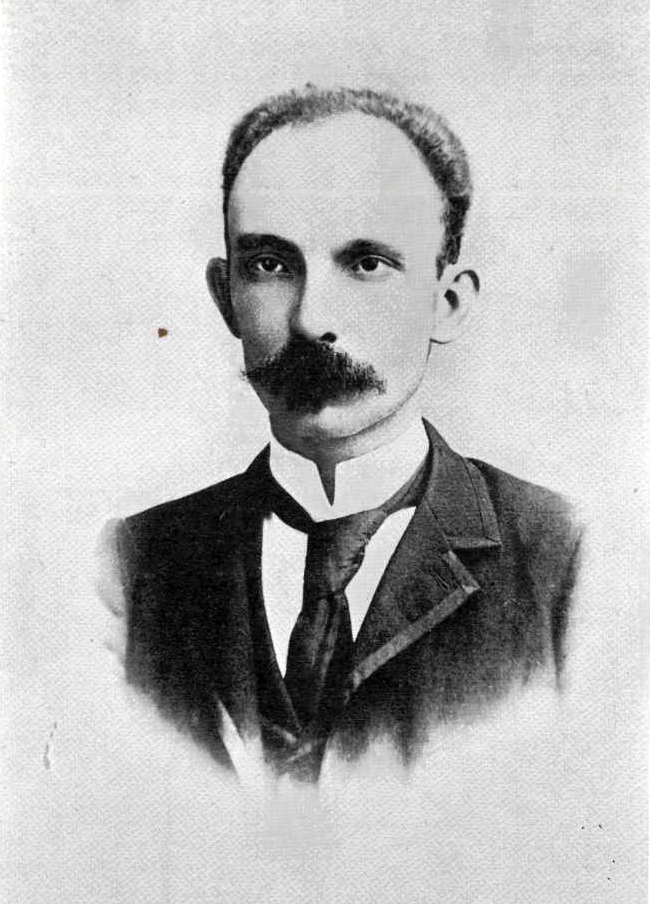
José Martí
### Introduction: The Apostle of Antillean Freedom José Julián Martí Pérez (January 28, 1853 – May 19, 1895), revered across Latin America and the Caribbean as "El Apóstol" (The Apostle) and the National Hero of Cuba, was a monumental poet, essayist, journalist, philosopher, and political visionary whose brief life transformed the trajectory of the Americas [1]. Martí stood as the intellectual architect and moral conscience of Cuba’s final war of independence against the Spanish Empire. Beyond his tireless organizing on behalf of Cuban sovereignty, he was a pioneering literary master who ignited the Spanish-American *Modernismo* movement, an uncompromising champion of racial equality, and one of the most perceptive early critics of rising North American imperialism [2]. Martí envisioned an independent Cuba not merely as a sovereign state, but as an equitable, democratic republic founded upon universal human dignity—summarized in his eternal maxim: *"Con todos, y para el bien de todos"* ("With all, and for the good of all") [3].  > "I want the first law of our republic to be the love of Cubans for the full dignity of man. Every true man must feel on his own cheek the blow struck against the cheek of any other man." > — José Martí [1] ### Early Life, Mentorship, and the Crucible of Havana José Martí was born on January 28, 1853, on Calle Paula in Havana, Cuba, into a modest family during the twilight of Spanish imperial dominion in the West Indies. His father, Mariano Martí Navarro, was a Spanish artillery sergeant and petty customs officer from Valencia; his mother, Leonor Pérez Cabrera, was a native of Tenerife in the Canary Islands [2]. Growing up among seven younger sisters in the crowded streets of colonial Havana, Martí was acutely conscious of the vast social chasms that structured island society—an oppressive colonial bureaucracy, a deeply entrenched sugar oligarchy, and the brutal reality of African chattel slavery [3]. In 1865, at the age of twelve, Martí enrolled in the Escuela de Instrucción Primaria Superior Municipal de Varones, an institution directed by Rafael María de Mendive. Mendive was a distinguished poet, classical scholar, and fervent Cuban patriot who recognized Martí’s exceptional intellect and assumed financial responsibility for his secondary education at the Instituto de Segunda Enseñanza [1]. Mendive became far more than an academic instructor; he served as Martí’s spiritual mentor, introducing him to the ideals of freedom, universal justice, civic morality, and democratic governance. When the Ten Years' War (*Guerra de los Diez Años*) erupted in eastern Cuba on October 10, 1868, under the leadership of Carlos Manuel de Céspedes, Mendive’s home became a salon of patriotic fervor. The young Martí was permanently radicalized by these meetings, dedicating his emerging literary talents entirely to the cause of Antillean emancipation [4]. ### Political Awakening, Hard Labor in San Lázaro, and First Exile In January 1869, at just sixteen years old, Martí launched his journalistic career by publishing the satirical sheet *El Diablo Cojuelo* alongside his close friend and schoolmate Fermín Valdés Domínguez. Shortly thereafter, he founded the political newspaper *La Patria Libre*, in which he published his first major dramatic poem, *Abdala* [4]. Set in a fictionalized ancient Nubia facing foreign conquest, *Abdala* served as a transparent, passionate allegory for Cuba’s fight against Spanish rule, featuring a warrior-poet who declares that love of country is not a blind adoration of the land, but an invincible commitment to human justice. Martí’s open defiance provoked swift colonial retribution. In October 1869, Spanish paramilitary volunteers (*Voluntarios*) raided the home of Valdés Domínguez and intercepted a letter signed by Martí and Fermín that condemned a former schoolmate who had enlisted in the Spanish army, branding his service an act of treason to the fatherland. In March 1870, Martí was tried by a military court-martial. Rather than pleading for mercy or disavowing the document, the seventeen-year-old youth courageously accepted full authorship and reaffirmed his devotion to Cuban independence [1]. Convicted of sedition, Martí was sentenced to six years of hard labor in the horrific stone quarries of San Lázaro (*canteras de San Lázaro*) in Havana. At San Lázaro, Martí was subjected to backbreaking manual labor under the tropical sun, forced to break and haul limestone while bound in heavy iron shackles. The chains scarred his legs, producing chronic ulcers, suppurating wounds, and physical ailments that tormented him for the rest of his life [2]. Yet the experience deepened his empathy for the oppressed: in the quarries, he labored shoulder-to-shoulder with impoverished free Afro-Cubans, enslaved men, and young children condemned by the penal system. Alarmed by his deteriorating health, his parents and influential family friends successfully petitioned the colonial authorities to commute his sentence to internment on the Isla de Pinos (now Isla de la Juventud). In January 1871, the Spanish governor deported the eighteen-year-old Martí to Spain [3]. ### Intellectual Peregrinations: Spain, Mexico, and Guatemala Arriving in Madrid in early 1871, Martí published *El presidio político en Cuba* (*Political Imprisonment in Cuba*), a devastating first-person exposé that laid bare the barbarism and institutional cruelty of Spain's colonial penal system. The pamphlet was acclaimed by Spanish liberals and established his reputation as a formidable polemicist [1]. While in Spain, Martí continued his academic studies at the Central University of Madrid before transferring to the University of Zaragoza. In 1874, he graduated with advanced degrees in Civil and Canon Law (*Licenciado en Derecho*) and Philosophy and Letters (*Licenciado en Filosofía y Letras*) [2]. When the short-lived First Spanish Republic was declared in 1873, Martí published *La República Española ante la Revolución Cubana*, in which he argued with razor-sharp logic that a Spanish republic that claimed to champion human liberty could not morally maintain a despotic colonial empire in Cuba [4]. Following his graduation, Martí traveled across Europe, visiting Paris where he met the literary giant Victor Hugo, before sailing to Veracruz, Mexico, in early 1875 to reunite with his exiled family [1]. In Mexico City, Martí immersed himself in the vibrant cultural life of the post-reform Republic, writing extensively for *Revista Universal*, lecturing at the Liceo Hidalgo, and publishing theatrical works such as *Amor con amor se paga*. Mexico was also where Martí forged an enduring brotherhood with his lifelong confidant Manuel Mercado, and where he met and fell in love with Carmen Zayas-Bazán e Hidalgo, the daughter of an affluent Cuban exile family [2]. When the military coup of General Porfirio Díaz in late 1876 curtailed intellectual and political freedoms in Mexico, Martí departed for Guatemala in 1877. In Guatemala City, he was appointed professor of literature and philosophy at the prestigious Escuela Normal Central. Martí was revered by his students, among them María García Granados, the cultured daughter of former Guatemalan president Miguel García Granados. María fell deeply and unrequitedly in love with Martí. After Martí returned briefly to Mexico in December 1877 to marry Carmen Zayas-Bazán and brought his bride back to Guatemala, the heartbroken María tragically died of illness—an event that Martí immortalized years later in his celebrated elegy "La Niña de Guatemala" in *Versos sencillos* [4]. In 1878, when Guatemala’s liberal dictator Justo Rufino Barrios arbitrarily dismissed the Cuban director of the Normal School, Martí resigned his professorship in principled protest, refusing to compromise his intellectual autonomy under autocracy [1]. ### The New York Exile and the Modernist Literary Revolution With the conclusion of the Ten Years' War through the controversial Pact of Zanjón in 1878, Martí returned to Havana under a general amnesty. Working in legal clerkships, he joined patriotic conspiracies alongside Afro-Cuban intellectual and journalist Juan Gualberto Gómez, advocating for the underground insurrection known as the *Guerra Chiquita* ("Little War"), led by General Calixto García [3]. Spanish authorities soon detected Martí’s revolutionary oratory at the Liceo de Guanabacoa; in September 1879, he was arrested once more and expelled to Spain. Evading his captors, Martí sailed from Spain to France and then onward to New York City, arriving in January 1880 [2]. With the exception of a six-month sojourn in Caracas, Venezuela, in 1881—where he founded the influential *Revista Venezolana* before being banished by dictator Antonio Guzmán Blanco—New York would remain Martí's operational headquarters for the next fifteen years [1].  In New York, Martí worked as an international correspondent, translator, and diplomat, serving as consul for Uruguay, Paraguay, and Argentina [2]. His journalistic chronicles (*crónicas*), published across Latin America in landmark periodicals such as *La Nación* of Buenos Aires, *La Opinión Nacional* of Caracas, and *El Partido Liberal* of Mexico, established him as the continent's most admired prose stylist [1]. Martí revolutionized Spanish-language literature, stripping Castilian prose of its archaic rigidities and infusing it with muscular rhythms, luminous impressionistic imagery, and moral urgency. Alongside the Nicaraguan poet Rubén Darío, Martí is celebrated as the founding father of *Modernismo* [4]. Martí’s poetic innovations began with *Ismaelillo* (1882), a luminous, intimate collection dedicated to his infant son, José Francisco, written in tender, crystalline stanzas that signaled the birth of modernist lyricism [4]. In 1889, Martí created *La Edad de Oro* ("The Golden Age"), an illustrated monthly magazine written entirely for Latin American children. Through stories like "Los tres héroes" (celebrating Simón Bolívar, José de San Martín, and Miguel Hidalgo), *La Edad de Oro* taught younger generations the values of racial harmony, anticolonial courage, and continental solidarity [3]. In 1891, while recuperating from chronic illness in the Catskill Mountains, Martí penned his poetic masterpiece, *Versos sencillos* ("Simple Verses"). The collection’s opening quatrains—*"Yo soy un hombre sincero / de donde crece la palma..."*—would later be adapted into the lyrics of "Guantanamera", the world’s most recognized Cuban song [4]. ### "Nuestra América" and Anti-Imperialist Thought Martí’s intellectual maturity coincided with the emergence of the United States as an aggressive industrial empire. Observing American society from within, Martí admired its democratic dynamism and mechanical ingenuity, but he grew deeply alarmed by its predatory capitalist excess, pervasive racial violence against African Americans, and imperial ambition toward the Caribbean and Central America [1]. In January 1891, Martí published his seminal essay *"Nuestra América"* ("Our America") simultaneously in *La Revista Ilustrada de Nueva York* and Mexico's *El Partido Liberal* [5]. *Nuestra América* remains one of the foundational texts of decolonial and pan-American philosophy. In it, Martí issued an urgent wake-up call to the peoples stretching from the Rio Grande to Patagonia, urging them to shake off their intellectual subservience to European and North American models [1]. He argued that Latin American nations must govern themselves according to their own indigenous, African, and mestizo realities rather than adopting imported constitutions: *"With the oppressed, one had to make common cause, to secure the system against the interests and habits of the oppressor."* [5]. Above all, Martí warned of the northern colossus whose expansionist gaze threatened the sovereign future of the continent, insisting that a free, independent Cuba and Puerto Rico were the indispensable balance points protecting Latin America from annexation [1]. ### Mobilizing the Diaspora: Tampa, Key West, and the Cuban Revolutionary Party Martí understood that the failure of earlier Cuban rebellions stemmed from regional factionalism, distrust between civilian leaders and military commanders, and the alienation of the working class and Afro-Cubans [3]. Determined to build a modern, democratic liberation movement, Martí turned his attention to the Cuban diaspora in the United States, particularly the thousands of cigar makers (*tabaqueros*) in Tampa (Ybor City) and Key West (*Cayo Hueso*), Florida [2]. 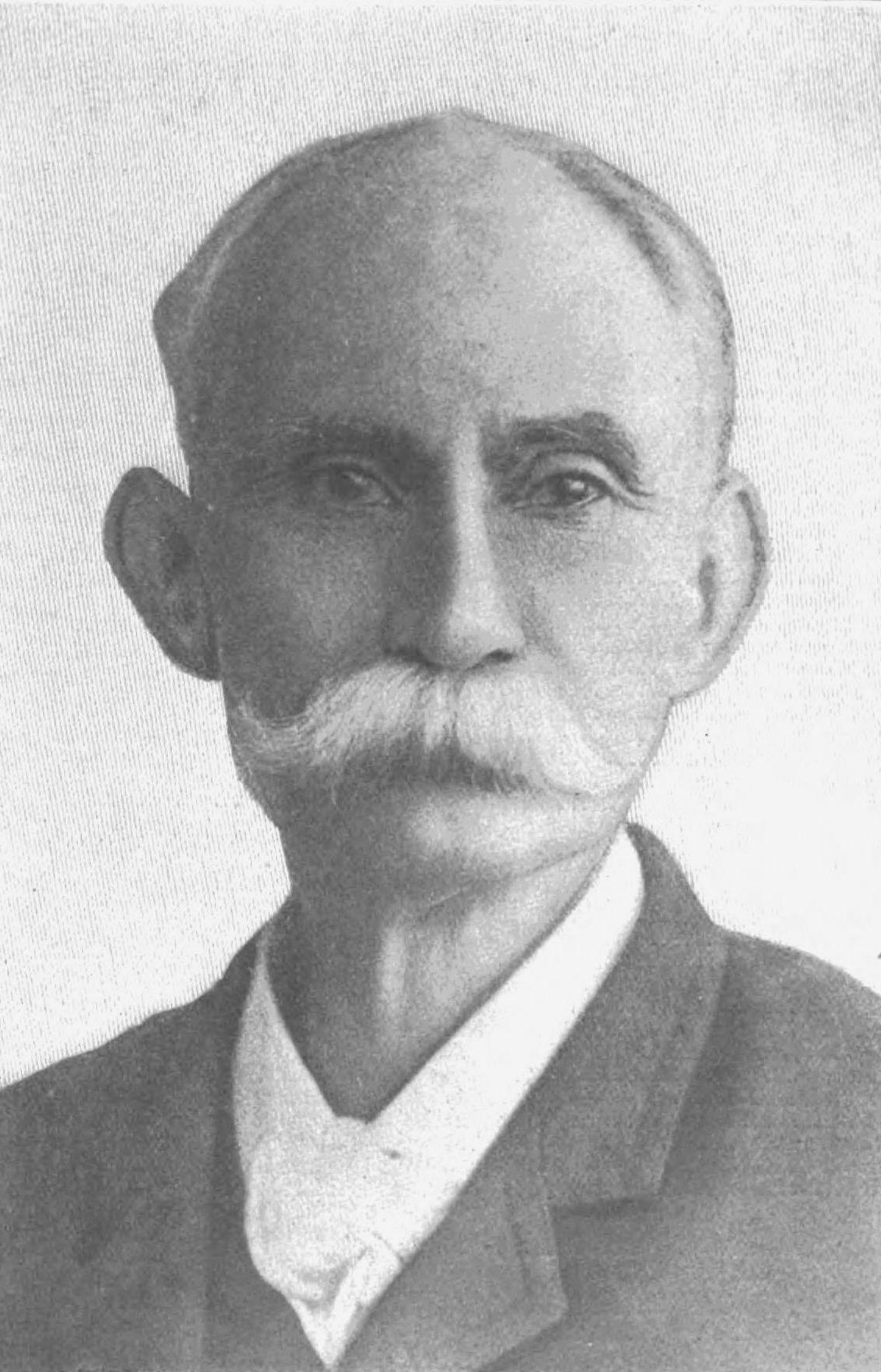 In November 1891, invited by the patriotic Club Ignacio Agramonte, Martí traveled to Tampa. In the union halls and cigar factories, where cigar rollers pooled their money to hire *lectores* (readers) to read aloud literature and politics during work shifts, Martí delivered two of the most electrifying orations in Latin American history: *"Con todos, y para el bien de todos"* on November 26, and *"Los pinos nuevos"* on November 27 [3]. The tobacco workers, both Black and white, embraced Martí as their spiritual brother. They instituted the "un día de haber"—donating one day’s wages every week to fund the coming revolution [2]. On January 5, 1892, in Key West, Martí drafted the statutes for the **Partido Revolucionario Cubano** (PRC, Cuban Revolutionary Party), officially proclaimed on April 10, 1892. Martí was democratically elected as its *Delegado* (Delegate), its chief executive officer [1]. The PRC was a revolutionary creation without historical precedent: an anti-colonial party founded in exile that operated under democratic principles, uniting all social strata, classes, and races. Crucially, Article 1 of the PRC charter declared that the party was established not only to achieve the absolute independence of Cuba, but also to aid in the liberation of Puerto Rico [1]. On March 14, 1892, Martí launched the newspaper *Patria* in New York, which served as the weekly ideological organ of the party, articulating the doctrine of a war fought without hatred, aimed at social justice rather than military despotism [3]. To ensure military victory, Martí orchestrated a historic alliance among the veteran generals of the Ten Years' War. He traveled to the Dominican Republic to recruit General [Máximo Gómez](/profiles/maximo-gomez), the brilliant Dominican-born tactician, convincing him to accept supreme military command of the Liberation Army [2]. He journeyed to Costa Rica to enlist General [Antonio Maceo](/profiles/antonio-maceo), the legendary "Bronze Titan" of Cuban arms, and General Flor Crombet. Martí also maintained close strategic coordination with regional anticolonial stalwarts, including the Puerto Rican independence leader [Ramón Emeterio Betances](/profiles/ramon-betances) in Paris and Dominican hero [Gregorio Luperón](/profiles/gregorio-luperon) [1]. ### The Montecristi Manifesto and the Expedition of 1895 By late 1894, Martí’s clandestine logistics reached fruition in the Fernandina Plan: three chartered merchant vessels (*Lagonda*, *Almadena*, and *Baracoa*) were loaded in Fernandina, Florida, with modern rifles, ammunition, and medical supplies to launch simultaneous amphibious landings in Cuba [2]. In January 1895, however, US federal authorities, acting on intelligence supplied by the Spanish legation, seized the vessels and impounded the weaponry. The loss was a staggering financial and logistical catastrophe. Yet Martí refused to yield; transforming defeat into resolution, he immediately dispatched the secret order to Havana authorizing the uprising across the island on February 24, 1895—sparking the historic *Grito de Baire* [3]. Martí slipped out of New York and joined General [Máximo Gómez](/profiles/maximo-gomez) at his home in Montecristi, Dominican Republic. There, on March 25, 1895, Martí and Gómez signed the **Manifesto of Montecristi** (*El Manifiesto de Montecristi*), the definitive ideological charter of the Cuban War of Independence [1]. In this masterpiece of political ethics, Martí affirmed that the war was not waged out of malice against the Spanish people, but against the archaic and extractive colonial system; that it would welcome Spaniards who chose to respect Cuban freedom; that it rejected racial prejudice and affirmed that Black and white Cubans were equal brothers in arms; and that it was designed to establish a civil republic free from the scourge of military caudillismo [1]. ### The Necessary War, Landing at Playitas, and the Final March On April 1, 1895, Martí, Gómez, and four companions sailed from Montecristi aboard a small schooner. After transferring to the German cargo steamer *Nordstrand*, they approached the southeastern coast of Cuba on a stormy, pitch-black night. Lowering a small wooden rowboat into towering breakers, the six men rowed through perilous surf and landed at **Playitas de Cajobabo**, near Baracoa, on April 11, 1895 [2]. Martí's wartime diary (*Diario de campaña*) recorded the exultant entry: *"Arribamos a Playitas. Salto. Llevo el remo de proa... Dicha grande."* ("We arrive at Playitas. I leap out. I take the bow oar... Great joy.") [3]. For five grueling weeks, Martí marched through the rugged mountains of the Sierra Maestra alongside the insurgent fighters (*mambises*). Despite his fragile frame, Martí carried his rifle, knapsack, and ammunition with unflagging stamina, tending to wounded soldiers, providing botanical remedies, and inspiring the troops with his speeches. On May 2, 1895, General [Máximo Gómez](/profiles/maximo-gomez) conferred upon Martí the official military rank of Major General of the Liberation Army [2]. On May 5, 1895, Martí, Gómez, and [Antonio Maceo](/profiles/antonio-maceo) met at the historic **Conference of La Mejorana** to settle the governance of the insurrection. Maceo, mindful of the political bickering that had crippled the Ten Years' War, argued for a military junta composed of generals until independence was won. Martí vehemently disagreed, insisting that a sovereign, civilian government must guide the revolution from its inception to prevent the rise of a military dictatorship [1]. Though tensions ran high, Martí’s civilian democratic framework ultimately prevailed in the subsequent assemblies of the Republic in Arms. ### Martyrdom at Dos Ríos and Immortal Legacy By mid-May 1895, the Cuban forces were encamped near the confluence of the Contramaestre and Cauto rivers at Dos Ríos. On the night of May 18, 1895, seated in his tent by candlelight, Martí penned his final, unfinished letter to his Mexican confidant Manuel Mercado—a document that serves as his definitive political testament: > "I am in daily danger of giving my life for my country and for my duty... of preventing in time, through the independence of Cuba, the United States from spreading across the West Indies and falling with that additional force upon our lands of America. All I have done up to this day, and all I shall do, is toward that end." > — José Martí to Manuel Mercado, May 18, 1895 [1] On the morning of May 19, 1895, Spanish infantry and cavalry commanded by Colonel José Ximénez de Sandoval launched a surprise assault on the Cuban camp. General [Máximo Gómez](/profiles/maximo-gomez) ordered Martí to stay behind with the reserves, knowing that Martí’s life was indispensable to the ideological and diplomatic survival of the revolution [2]. But Martí, driven by an acute sense of personal honor and refusing to remain shielded while Cuban soldiers shed blood, drew his revolver, mounted his white horse (a mount gifted to him by General José Maceo), and rode directly toward the Spanish line alongside a young courier, Ángel de la Guardia [3]. Veering through high brush toward a Spanish firing squad, Martí was struck by three bullets: one in the chest, one in the neck, and one in the leg. He fell mortally wounded from his saddle onto the Cuban earth, dying instantly at the age of forty-two [2]. Spanish troops recovered his body, transferred his remains under heavy guard to Santiago de Cuba, and interred him at the Santa Ifigenia Cemetery, where his mausoleum stands today, illuminated by a beam of sunlight in accordance with the verse from his *Versos sencillos*: > *"No me entierren en lo oscuro / A morir como un traidor; / ¡Yo soy bueno, y como bueno / Moriré de cara al sol!"* > ("Do not bury me in the dark / To die like a traitor; / I am good, and as a good man / I shall die facing the sun!") [4] José Martí’s death sent shockwaves through the Americas, instantly consecrating him as the supreme martyr of Cuban freedom. His sacrifice catalyzed the liberation struggle that culminated in the end of Spanish rule in 1898. More than a century after his death, Martí’s legacy endures as a beacon of artistic brilliance, ethical politics, and decolonial emancipation. His writings continue to inspire generations throughout the Caribbean, Latin America, and the world, cementing his eternal standing as "El Apóstol" of human dignity and freedom. ### References - [José Martí: Cuban Patriot - University of Florida Press](https://upf.com/book.asp?id=9780813001098) - [José Martí: National Hero of Cuba - Encyclopaedia Britannica](https://www.britannica.com/biography/Jose-Marti) - [Centro de Estudios Martianos - Vida y Obra de José Martí](http://www.josemarti.cu/) - [José Martí: Versos sencillos - Ediciones Cátedra](https://www.catedra.com/libro/letras-hispanicas/versos-sencillos-jose-marti-9788437618999/) - [Our America by José Martí: Writings on Latin America and the Struggle for Cuban Independence - Monthly Review Press](https://monthlyreview.org/product/our_america/)
View Profile →Joseph Zobel
### Historical Context: The Plantation Reality of Early 20th-Century Martinique To fully understand the life and literary genius of **Joseph Zobel**, one must examine the socio-economic framework of Martinique in the early decades of the twentieth century. Although formal chattel slavery had been abolished in 1848—thanks in large part to the tireless advocacy of abolitionists like [Victor Schoelcher](/profiles/victor-schoelcher)—the colonial structure of the French Caribbean remained deeply stratified and oppressive [1]. The agrarian economy was monopolized by a small elite of white descendants of colonizers known as the *békés*, who controlled the vast sugar cane plantations (*habitations*) and rum distilleries [2]. The vast majority of the Black population remained trapped in a cycle of generational poverty, performing grueling agricultural labor under conditions that closely mirrored the antebellum era. In rural towns such as Rivière-Salée and Petit-Bourg, agricultural workers resided in the *cases-nègres*—rickety rows of wooden shacks located on plantation grounds, devoid of basic utilities or labor protections [1]. It was into this harsh, sun-drenched world of exploitation and resilience that Joseph Zobel was born on April 26, 1915, in the village of Petit-Bourg, near Rivière-Salée [2]. Growing up during an era when Caribbean intellectual consciousness was beginning to stir through the works of early literary pioneers like [Paulette Nardal](/profiles/paulette-nardal) and [Jane Nardal](/profiles/jane-nardal), Zobel would later emerge as one of the most authentic chroniclers of the rural Antillean working class [3]. Alongside radical thinkers and contemporaries such as [Aimé Césaire](/profiles/aime-cesaire) and [René Ménil](/profiles/rene-menil), Zobel dedicated his creative life to dismantling colonial myths and restoring human dignity to the Black plantation worker [4].  ### Early Life and Upbringing in the Sugar Cane Alley Zobel’s early upbringing was defined by maternal sacrifice and communal solidarity. His mother, Manzè Tine (inspired by his real-life family structure), worked arduously as a domestic servant and wet nurse, leaving young Joseph primarily in the care of his maternal grandmother, Amélie [1]. Amélie was a fiercely proud agricultural laborer who toiled from sunrise to sundown in the cane fields, cutting and weeding sugar cane for meager wages to ensure her grandson could survive [4]. Zobel’s childhood observations of his grandmother’s calloused hands, exhausted body, and unwavering spirit formed the emotional core of his literary identity. Life in the *cases-nègres* exposed the young boy to both the brutalizing effects of plantation labor and the vibrant cultural traditions of rural Martinique. He listened intently to traditional storytelling, Creole oral histories, and folk wisdom shared among the elders after long days in the fields [2]. However, his grandmother recognized that the plantation system was a self-perpetuating trap. In rural Martinique, young children were routinely recruited into *petites bandes*—child labor gangs assigned to fertilize and weed cane fields for pennies [1]. Determined to save Joseph from this soul-crushing fate, Amélie made extraordinary financial and personal sacrifices to keep him in school, viewing education as the sole viable instrument of liberation. > "My grandmother had a singular, unshakeable dream: that I would never hold a cutlass in the sugar cane fields. School was our sanctuary, the only road leading out of the plantation mud toward human dignity." [4] ### Educational Awakening and the Lycée Schoelcher Zobel excelled academically at the local primary school in Rivière-Salée, displaying a remarkable command of the French language and a voracious appetite for reading [3]. Recognizing his intellectual giftedness, his teachers encouraged him to compete for a scholarship to attend the prestigious Lycée Schoelcher in Fort-de-France [2]. Earning this scholarship was a monumental achievement for a boy from the rural *cases-nègres*, bridging a massive socio-economic divide. Upon entering the Lycée Schoelcher, Zobel found himself immersed in an elitist institution designed to assimilate the Martinican middle and upper classes into classical French culture [3]. This elite secondary school was a crucial incubator for Antillean genius; it was the very same institution where legendary intellectuals like [Aimé Césaire](/profiles/aime-cesaire), [Frantz Fanon](/profiles/frantz-fanon), and later [Édouard Glissant](/profiles/edouard-glissant) developed their analytical foundations [5]. However, the urban educational environment also exposed Zobel to profound cultural alienation. Dark-skinned, rural bursary students were frequently subjected to classist prejudice by wealthier urban peers and colonial administrators [2]. Despite these obstacles, Zobel thrived academically. He immersed himself in classic European literature while simultaneously becoming attuned to the emerging Négritude movement, founded in Paris by [Aimé Césaire](/profiles/aime-cesaire), French Guianese poet [Léon-Gontran Damas](/profiles/leon-gontran-damas), and Senegalese philosopher [Léopold Sédar Senghor](/profiles/leopold-sedar-senghor) [5]. While Négritude focused heavily on overarching racial identity and African heritage, Zobel’s burgeoning literary perspective remained firmly anchored in the material realities, class struggles, and speech patterns of the Caribbean soil.  ### Professional Career, World War II, and Literary Emergence After graduating from the Lycée Schoelcher, Zobel faced limited professional avenues due to the racial glass ceilings of the colonial administration. He secured employment as an administrative assistant in the Department of Bridges, Waters, and Forests (*Ponts et Chaussées*), a role that required him to travel extensively across Martinique to municipalities such as Le Diamant and Saint-Esprit [2]. He also worked as a school supervisor (*répétiteur*), observing first-hand how the colonial educational curriculum systematically suppressed local Antillean history in favor of European indoctrination [3]. The outbreak of World War II dramatically altered life in Martinique. Following the fall of France in 1940, the island came under the authoritarian control of Admiral Georges Robert, representing the fascist Vichy regime [4]. The blockade imposed by Allied forces led to widespread economic devastation, severe food shortages, and heightened racial oppression enforced by French naval officers. During these dark years of isolation, cultural resistance flourished in Fort-de-France. Zobel began contributing short stories and journalistic pieces to local publications, honing a social-realist style that unflinchingly examined rural poverty and peasant solidarity [2]. In 1942, Zobel wrote his debut novel, *Diab'la*, although censorship regulations and wartime paper shortages delayed its official publication until 1946 [5]. The novel tells the compelling story of a plantation laborer who breaks away from sugar exploitation to cultivate an independent garden in a southern fishing village. Through *Diab'la*, Zobel championed self-reliance, agrarian reform, and collective empowerment, asserting that the Caribbean peasantry possessed the agency to reshape their destiny [3]. ### Exile in Paris and the Masterpiece: La Rue Cases-Nègres In 1946, seeking broader literary horizons and higher education, Zobel departed Martinique for Paris to study literature and drama at the Sorbonne [1]. In the post-war French capital, he entered a dynamic intellectual community of expatriate African and Caribbean writers, artists, and political figures. He formed friendships with intellectuals like [Léopold Sédar Senghor](/profiles/leopold-sedar-senghor) and Alioune Diop, the founder of the influential pan-African journal and publishing house *Présence Africaine* [5]. It was during this period of Parisian exile that Zobel composed his undisputed masterpiece, *La Rue Cases-Nègres* (translated into English as *Black Shack Alley* or *Sugar Cane Alley*), published in Paris in 1950 [6]. Written with lyrical beauty and sociological precision, the semi-autobiographical novel chronicles the journey of young José Hassam and his courageous grandmother, M'man Tine. The book exposes the dehumanizing mechanisms of the colonial sugar industry while celebrating the profound love, morality, and cultural wealth of the rural working class [6]. Unlike many colonial novels that depicted Black laborers as passive victims, Zobel portrayed his characters with complex psychological depth, heroic resilience, and profound philosophical insight. > "I wrote *La Rue Cases-Nègres* not merely to testify about our suffering, but to erect a permanent monument to the unsung black mothers and grandmothers of the Antilles whose sweat and love built our future." [6] The novel received widespread critical acclaim and solidified Zobel’s stature in international francophone literature [1]. Decades later, Zobel's literary masterpiece reached an even broader global audience when it was adapted into the classic 1983 motion picture *Sugar Cane Alley* (*La Rue Cases-Nègres*) by visionary Martinican director [Euzhan Palcy](/profiles/euzhan-palcy) [7]. Palcy's film won over four hundred international awards, including the prestigious Silver Lion at the Venice Film Festival and a César Award in France, immortalizing Zobel’s characters in global cinematic history [7]. ### The African Years in Senegal and Final Chapter Despite his literary success, Zobel often felt disconnected from the Parisian literary establishment. In 1957, following the advice and invitation of his close friend [Léopold Sédar Senghor](/profiles/leopold-sedar-senghor), Zobel relocated to Dakar, Senegal [5]. This move to West Africa represented a profound cultural homecoming, allowing Zobel to reconnect with the ancestral lands of the African diaspora. In Senegal, Zobel dedicated himself to public education and cultural broadcasting. He served as a high school headmaster and became a prominent producer and broadcaster for Radio Senegal, developing educational programs that bridged African and Caribbean cultural expressions [3]. His African residency inspired numerous acclaimed literary works, including the novel *La Fête à Paris* (1953, a sequel to his masterpiece) and short story collections such as *Et si la mer n'était pas bleue* (1982) and *Mas Badara* (1983) [5]. Zobel retired from public life in 1974, moving to the tranquil Cévennes region in southern France, ultimately settling in the village of Alès [2]. In his golden years, he expanded his creative pursuits beyond literature, becoming an accomplished potter, sculptor, painter, and poet—publishing the poetry collection *Le Soleil m'a dit* in 2002 [3]. Joseph Zobel passed away peacefully in Alès on June 17, 2006, at the age of 91 [2]. Today, secondary schools, public libraries, and cultural centers across Martinique bear his name, standing as enduring testaments to a foundational writer who gave an immortal, eloquent voice to the Caribbean working class [1].
View Profile →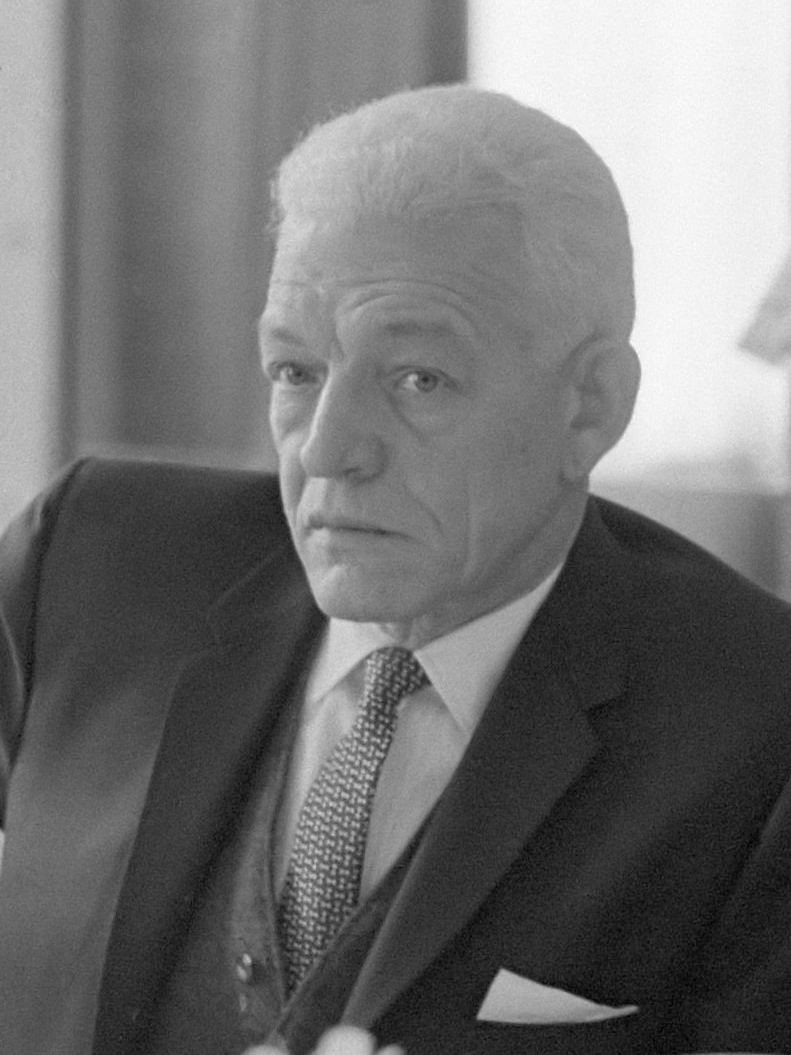
Juan Bosch
### Introduction and Dominican Context Juan Emilio Bosch Gaviño (1909–2001) stands as a towering titan of twentieth-century Latin American history, embodying a rare and profound synthesis of intellectual brilliance, literary mastery, and unwavering democratic activism [1]. As the first democratically elected president of the Dominican Republic following the assassination of the brutal dictator [Rafael Trujillo](/profiles/rafael-trujillo), Bosch marked the dawn of modern democratic governance in a nation scarred by decades of authoritarianism and foreign intervention [2]. Beyond his transformative political career—during which he founded two of the Dominican Republic's most dominant political parties, the Dominican Revolutionary Party (PRD) and the Dominican Liberation Party (PLD)—Bosch is universally celebrated as one of the finest short-story writers and social essayists in the Spanish-language literary canon [3]. Known affectionately throughout the hemisphere as *"El Profesor"*, his life was a relentless crusade for social justice, constitutionalism, and national sovereignty.  ### Early Life and Literary Awakening Juan Bosch was born on June 30, 1909, in the rural town of La Vega, located in the fertile Cibao Valley of the Dominican Republic [4]. His parents, José Bosch Subirats, a Spanish immigrant of Catalan descent, and Ángela Gaviño Costales, a Puerto Rican of Galician heritage, raised him in an environment that valued hard work and intellectual curiosity [5]. Growing up in La Vega during a period of profound socio-economic transformation—including the first United States military occupation of the Dominican Republic (1916–1924)—the young Bosch developed an acute awareness of the struggles endured by rural peasantry and urban laborers [1]. In his youth, Bosch moved to Santo Domingo to pursue formal education and soon immersed himself in the city's vibrant literary circles. By the early 1930s, he began publishing short stories and poems that captured the raw, unvarnished reality of Dominican rural life [6]. In 1933, at the age of twenty-four, he published his seminal short story collection *Camino Real*, which revolutionized Dominican literature through its introduction of social realism and mastery of vernacular speech [3]. Three years later, in 1936, he published his acclaimed novel *La Mañosa*, a gripping narrative detailing the destructive recurrent civil wars and revolutions that plagued the Dominican countryside prior to the Trujillo era [7]. Through these pioneering works, Bosch established himself as a literary luminary whose narrative precision and deep empathy won admiration across Latin America, earning praise from future Nobel laureates such as [Gabriel García Márquez](/profiles/gabriel-garcia-marquez) and Pablo Neruda [2]. ### Opposition to the Trujillo Dictatorship and Exile The defining political crucible of Bosch's life began with the rise of General [Rafael Trujillo](/profiles/rafael-trujillo), who seized power in 1930 and established one of the most ruthless and totalitarian dictatorships in modern Latin American history [8]. Recognizing Bosch's growing intellectual influence, the Trujillo regime attempted to co-opt the young writer by offering him a government post. Recognizing the moral compromise required to serve the dictatorship, Bosch made the courageous decision to leave his homeland in 1938, embarking on what would become a twenty-three-year exile [4]. Settling initially in Puerto Rico and later in Havana, Cuba, Bosch dedicated his exile to organizing political resistance against the Trujillo regime while simultaneously continuing his prolific literary output [5]. In 1939, alongside other prominent Dominican exiles in Havana, Bosch co-founded the Dominican Revolutionary Party (PRD) [9]. The party was constructed on a platform of democratic socialism, anti-imperialism, and direct advocacy for the working classes. Throughout the 1940s and 1950s, Bosch traveled extensively across Costa Rica, Venezuela, Chile, and Bolivia, serving as a professor, lecturer, and key organizer within the democratic anti-dictatorial movements of the Caribbean Basin [1]. During this dynamic period, he forged enduring democratic alliances with regional leaders and engaged in intellectual dialogues with revolutionary figures, including early encounters with [Fidel Castro](/profiles/fidel-castro) during the Cuban political struggles against Fulgencio Batista [6]. > "There is no more noble mission on earth than working for the freedom and dignity of our people. True democracy is not merely the right to vote; it is the right to live without fear, without hunger, and without exploitation." > — Juan Bosch, address to Dominican exiles [8] ### Triumphant Return and the Landmark 1962 Elections The geopolitical landscape of the Dominican Republic shattered on May 30, 1961, when [Rafael Trujillo](/profiles/rafael-trujillo) was assassinated by a conspiracy of dissidents, ending over thirty years of absolute despotic rule [10]. After more than two decades in exile, Juan Bosch returned to Santo Domingo in October 1961, receiving a tumultuous welcome from hundreds of thousands of citizens eager for a democratic rebirth [2]. As the presidential candidate for the PRD in the milestone December 1962 elections—the first free and fair multi-party elections held in the nation since 1924—Bosch conducted a revolutionary campaign [7]. Possessing exceptional oratorical skills and utilizing daily radio broadcasts, Bosch bypassed the traditional political elites and spoke directly to the impoverished masses, whom he famously popularized as the *"hijos de Machepa"* (the children of Machepa, representing the underprivileged peasants and workers) in contrast to the *"tutumpotes"* (the entrenched wealthy oligarchy) [4]. His message of social reconciliation, agrarian reform, and structural justice resonated deeply across the island. On December 20, 1962, Bosch won a decisive landslide victory, capturing nearly 60 percent of the popular vote and securing substantial democratic majorities in both chambers of the National Congress [9]. ### The Seven-Month Presidency and the Progressive Constitution of 1963 On February 27, 1963—the 119th anniversary of Dominican independence—Juan Bosch was inaugurated as President of the Dominican Republic amidst immense national optimism and international attention [1]. His administration immediately embarked on an ambitious program of structural modernization and social democratization. The crowning achievement of his brief presidency was the promulgation of the Constitution of April 1963, widely recognized by historians and legal scholars as the most progressive, democratic, and socially advanced charter in Dominican history [11]. The 1963 Constitution introduced unprecedented guarantees for civil and human rights. It enshrined constitutional labor protections, including the right to unionize and strike, guaranteed equal pay for equal work, and established profit-sharing mechanisms for agricultural and industrial workers [5]. Furthermore, the charter mandated secular public education, granted full legal equality to children born out of wedlock, prohibited monopolies, and initiated comprehensive agrarian reforms designed to redistribute fallow state and private lands to landless peasantry [8]. However, these sweeping progressive reforms deeply alarmed traditional centers of power. The conservative landed aristocracy, the hierarchy of the Roman Catholic Church, and reactionary factions within the military leadership—fueled by intense Cold War anti-communist hysteria—conspired systematically to destabilize the democratic government [10]. ### The 1963 Military Coup and the 1965 Revolution On September 25, 1963, after exactly seven months in office, President Juan Bosch was overthrown in a violent, reactionary military coup d'état led by right-wing generals supported by economic oligarchs [12]. The military junta abolished the progressive 1963 Constitution, dissolved Congress, and forced Bosch back into exile in Puerto Rico [3]. The ouster of the nation's first democratically elected leader plunged the Dominican Republic into severe political instability and popular indignation. The simmering public resentment erupted on April 24, 1965, sparking the Dominican Civil War [7]. Young, reform-minded military officers led by Colonel Francisco Caamaño Deñó, allied with civilian movements, launched a popular armed uprising known as the Constitutionalist Revolution [9]. Fighting under the slogan *"Vuelta a la Constitución sin Elecciones"* (Return to the Constitution without Elections), the Constitutionalists successfully defeated the right-wing military forces and stood on the verge of restoring Juan Bosch to the presidency [2]. Fearful that a constitutionalist victory would result in a "second Cuba" in the Caribbean, United States President Lyndon B. Johnson ordered the military invasion of the Dominican Republic on April 28, 1965, deploying over 42,000 U.S. troops under Operation Power Pack to suppress the pro-Bosch revolution [11]. > "They ousted us from power because we refused to govern for a privileged minority. But they could not oust us from the hearts of the Dominican people, nor can they kill the constitutional dream of justice." > — Juan Bosch, reflecting on the 1963 coup d'état [12] ### Ideological Rebuilding and Founding of the PLD Following the negotiated settlement of the 1965 conflict and the withdrawal of foreign troops, Bosch returned to contest the highly militarized 1966 presidential elections, which resulted in the ascension of conservative figure [Joaquín Balaguer](/profiles/joaquin-balaguer) under conditions of widespread state-sponsored intimidation [10]. Profoundly affected by the U.S. intervention and the limitations of representative democracy in a neo-colonial context, Bosch underwent a significant ideological evolution during the late 1960s [4]. He published landmark sociological texts, including *Pentagonism: A Substitute for Imperialism* (1968) and *Social Composition of the Dominican Republic* (1970), offering rigorous Marxist-influenced analyses of Latin American dependence and class structures [1]. In 1973, concluding that the PRD had abandoned its foundational principles and fallen under the control of populist factionalism led by figures like [José Francisco Peña Gómez](/profiles/jose-francisco-pena-gomez), Bosch resigned from the party he had created thirty-four years earlier [5]. In December 1973, he founded the Dominican Liberation Party (PLD), conceiving it as a disciplined, cadre-based organization dedicated to national liberation and ethical governance [6]. Bosch ran as the PLD presidential candidate in several subsequent elections, nurturing a new generation of Dominican political leaders, including future three-term president [Leonel Fernández](/profiles/leonel-fernandez) and Danilo Medina [9]. ### Literary Mastery and Enduring Legacy Throughout his extraordinary political journey, Juan Bosch never abandoned his literary vocation. Over the course of seven decades, he authored over fifty volumes of fiction, history, political theory, and biography, including celebrated studies such as *David: Biography of a King* (1963) and *Judas Iscariot: The Slandered One* (1955) [3]. His short stories remain mandatory reading in schools across the Spanish-speaking world, revered for their structural perfection, dramatic tension, and poignant humanism [8]. Juan Bosch passed away peacefully in Santo Domingo on November 1, 2001, at the age of ninety-two, receiving state honors and massive popular mourning [2]. He was interred in his hometown of La Vega. Today, Bosch is universally remembered as the moral conscience of modern Dominican democracy and an intellectual giant of the Americas [11]. In recognition of his indelible contributions, major national infrastructure—including the Juan Bosch Bridge, the Juan Bosch Metro Station in Santo Domingo, and the vast Ciudad Juan Bosch urban development—bears his name, standing as enduring monuments to a visionary educator who dedicated his life to teaching a nation how to read, how to think, and how to govern itself in freedom [7].
View Profile →
Julia de Burgos
Julia Constanza Burgos García, known universally as Julia de Burgos, stands as a titan of Caribbean literature and one of the most brilliant, uncompromising poets of the twentieth century. Born on February 17, 1914, in the barrio of Santa Cruz in Carolina, Puerto Rico, she emerged from crushing poverty to become a foundational figure in Latin American poetry, a fierce advocate for Puerto Rican independence, and a trailblazing feminist. Her legacy, far from being confined to the written word, is intimately woven into the complex history of the Puerto Rican diaspora, colonial resistance, and the early articulation of Afro-Caribbean and intersectional feminist identity. ### Early Life and the Crucible of Poverty The eldest of thirteen children born to Francisco Burgos Hance, a farmer and member of the National Guard, and Paula García de Burgos, Julia’s early life was marked by both the natural beauty of the island and the brutal realities of economic deprivation. The rural landscape of Carolina left an indelible mark on her imagination, providing the ecological imagery that would later define much of her poetic output. However, this idyllic environment was sharply contrasted by immense hardship. Tragically, six of her younger siblings succumbed to malnutrition and preventable diseases during childhood. This early encounter with mortality and the systemic inequalities of a colonized Puerto Rico profoundly shaped her worldview, instilling in her a lifelong commitment to social justice and the defense of the marginalized. Despite the formidable obstacles posed by poverty, de Burgos demonstrated an exceptional intellect and an insatiable hunger for learning. Recognizing her potential, her family pooled their meager resources to ensure she received an education. She attended elementary school in Carolina, where her academic brilliance quickly became apparent. By the age of fourteen, her talents earned her a scholarship to the prestigious University High School at the University of Puerto Rico (UPR) in Río Piedras. ### Education and the Formation of an Intellectual Entering the University of Puerto Rico in 1931 was a transformative experience for the young scholar. At UPR, de Burgos was exposed to a vibrant intellectual milieu teeming with anti-colonial sentiment and literary innovation. She immersed herself in the study of literature, philosophy, and history, refining the poetic voice that was already beginning to stir within her. In 1933, at the age of just nineteen, she completed her studies and earned her teaching certificate. Following graduation, she accepted a teaching position in the rural municipality of Naranjito. It was here, surrounded by the dramatic topography of the island's interior, that she found profound inspiration. The nearby Río Grande de Loíza became the subject of one of her most famous and revered poems. In "Río Grande de Loíza," the river ceases to be merely a body of water; it transforms into a potent metaphor for the Puerto Rican soul—a repository of the island's pain, its African heritage, and its enduring strength. The poem also reflects her burgeoning awareness of the deep scars left by slavery and colonialism, establishing her as an early voice of Afro-Antillean pride.  ### A Voice for Independence: The Puerto Rican Nationalist Party The 1930s in Puerto Rico were characterized by intense political upheaval, economic depression, and violent clashes between the U.S.-appointed colonial government and the Puerto Rican Nationalist Party, led by [Pedro Albizu Campos](/profiles/pedro-albizu-campos). De Burgos was deeply radicalized by these events. Refusing to remain a passive observer, she threw herself into the struggle for national liberation. She became the Secretary General of the *Hijas de la Libertad* (Daughters of Freedom), the women's branch of the Nationalist Party. Her activism was not confined to organizing; she used her pen as a weapon, writing fiery essays and delivering speeches that championed independence and condemned U.S. imperialism. Her political convictions were inseparable from her poetry. For de Burgos, the liberation of the Puerto Rican nation was intimately connected to the liberation of the Puerto Rican woman. ### The Feminist Poetics of Julia de Burgos Julia de Burgos’s poetry was revolutionary in its fierce rejection of the patriarchal constraints of her era. In a deeply conservative, Catholic society that expected women to be docile, domestic, and subservient, de Burgos demanded absolute autonomy over her body, her intellect, and her destiny. > "I am life, strength, woman. > I am the route of all my own liberation." > — *From "Yo misma fui mi ruta" (I Was My Own Route)* Her iconic poem, "Yo misma fui mi ruta," is a manifesto of self-emancipation. In it, she dismantles the traditional roles assigned to women, declaring herself the architect of her own path. She challenged the dual standards of morality and dared to write openly about female desire, romantic passion, and emotional turmoil. Her first two collections, *Poema en veinte surcos* (1938) and *Canción de la verdad sencilla* (1939), established her as a literary force, though her unapologetic boldness often alienated the conservative literary establishment of the island. ### Migration, Love, and Exile: The New York and Havana Years Seeking a broader intellectual horizon and fleeing the stifling social mores of Puerto Rico, de Burgos migrated to New York City in 1940. This move was partly motivated by her intense and tumultuous romance with Juan Isidro Jimenes Grullón, a Dominican physician and political exile. The couple soon relocated to Havana, Cuba, a city that was then a vibrant hub of Latin American arts and revolutionary politics. In Havana, de Burgos enrolled at the University of Havana, mingled with prominent intellectuals, and experienced a period of profound creative fertility. However, her relationship with Jimenes Grullón was fraught with difficulties. His aristocratic family reportedly rejected her due to her Afro-Caribbean ancestry and her lack of wealth. The eventual dissolution of their relationship was a devastating blow that triggered a deep depression. Heartbroken, she left Cuba in 1942 and returned to New York City alone. ### The Final Years: Struggle in El Barrio De Burgos’s return to New York marked the beginning of a tragic decline. While she found work as a journalist for *Pueblos Hispanos*, a progressive Spanish-language newspaper, she struggled to survive in a city that was often deeply hostile to Puerto Rican migrants. She faced the dual burdens of racism and sexism, and her economic situation became increasingly desperate. During this period, she wrote some of her most haunting and melancholic poetry, reflecting the alienation, displacement, and existential despair of the migrant experience. She turned to alcohol to numb the pain of her broken heart, her poverty, and her physical ailments, which included cirrhosis of the liver. Despite her profound suffering, her creative spirit endured, resulting in the poems that would later be collected in her posthumous volume, *El mar y tú: otros poemas* (1954). ### Tragedy and Posthumous Legacy The conclusion of Julia de Burgos’s life is one of the most heartbreaking chapters in literary history. On July 6, 1953, at the age of just thirty-nine, she collapsed on a sidewalk in East Harlem (El Barrio). Because she carried no identification, she was taken to a hospital where she passed away shortly after. Her body was transported to the city morgue and, remaining unclaimed, she was buried in a pauper’s grave on Hart Island under the name "Jane Doe." It was only through the tireless efforts of her friends and colleagues that her identity was eventually discovered. Her remains were exhumed and repatriated to Puerto Rico. In stark contrast to her lonely death, her return to the island was met with a hero's welcome. She was given a state funeral in her hometown of Carolina, honored as a martyr of the national culture. Today, Julia de Burgos is celebrated not just as a brilliant poet, but as a cultural icon and a fierce ancestor to the Nuyorican poetry movement that flourished in the 1970s. Writers like [Pedro Pietri](/profiles/pedro-pietri) and Giannina Braschi stand on the foundation she built. Her insistence on naming her intersecting identities—as a woman, a Puerto Rican, a person of African descent, and an anti-colonial subject—makes her work remarkably contemporary. Through her immortal verses, she transcended the tragedy of her final days, ensuring that her voice would echo across generations as a testament to the enduring power of the human spirit.
View Profile →Kamau Brathwaite
Edward Kamau Brathwaite (born Lawson Edward Brathwaite; May 11, 1930 – February 4, 2020) stands as one of the most monumental figures in Caribbean literature, history, and postcolonial cultural theory. Over the course of a career spanning more than six decades, Brathwaite single-handedly reshaped the literary landscape of the Caribbean. He was a visionary who rejected the colonial imposition of traditional European aesthetics and linguistic norms, instead elevating the oral traditions, rhythms, and languages of the African diaspora. Known for coining the term "nation language" to describe the authentic voice of the Caribbean people, Brathwaite’s influence extended far beyond poetry into the realms of academic history, where his theories of "creolization" provided a new framework for understanding the complex cultural dynamics of the region. ### Early Life and Formative Years Brathwaite was born into a modest, middle-class family in Bridgetown, Barbados. His father, Hilton Brathwaite, worked as a warehouse clerk, while his mother, Beryl (Gill) Brathwaite, managed the household and nurtured her son's early intellectual curiosity. Growing up in Barbados during the 1930s and 1940s meant coming of age in a deeply stratified, colonial society where British cultural norms were strictly enforced, and the island's African heritage was actively suppressed or marginalized in formal education. Despite these limitations, Brathwaite demonstrated an early and voracious appetite for learning. He attended the prestigious Harrison College, an elite secondary school in Barbados that traditionally groomed the island's brightest young men for roles in the civil service or the professions. While the curriculum at Harrison College was heavily Anglocentric, focusing on Latin, British history, and English literature, it provided Brathwaite with the rigorous academic foundation he would later use to dismantle colonial narratives. It was also during these years that he developed a profound passion for jazz music—an art form that he recognized as a powerful expression of Black diasporic identity and creativity. Jazz would later become a critical rhythmic and structural influence on his poetry.  In 1949, Brathwaite's exceptional academic performance earned him the highly coveted Barbados Island Scholarship, which allowed him to pursue higher education in the United Kingdom. He enrolled at Pembroke College, Cambridge, where he read history. His time at Cambridge was marked by both intellectual awakening and a profound sense of alienation. He was immersed in the canonical texts of Western civilization, but he acutely felt the absence of his own history and culture in the curriculum. He began publishing poetry, literary criticism, and short stories in *Bim*, the pioneering Barbadian literary magazine edited by [Frank Collymore](/profiles/frank-collymore). Through *Bim*, Brathwaite connected with a growing network of West Indian writers who were beginning to articulate a distinct regional consciousness. He graduated from Cambridge with honors in 1953, fully aware that his intellectual journey was just beginning. ### The African Connection and Transformation Perhaps the most pivotal period in Brathwaite’s life occurred shortly after he left Cambridge. In 1955, rather than returning immediately to the Caribbean, he took a position as an Education Officer on the Gold Coast (which would become independent Ghana in 1957). He spent eight transformative years in West Africa, an experience that fundamentally altered his worldview and his approach to art and history. In Ghana, Brathwaite was struck by the profound, undeniable cultural continuities between West Africa and the Caribbean. He observed the rhythms of daily life, the religious practices, the communal structures, and the musical traditions, realizing that the African heritage of the Caribbean had survived the trauma of the Middle Passage and the brutal suppression of the plantation system. It was in Africa that he was given the name "Kamau" by the grandmother of the Kenyan writer Ngũgĩ wa Thiong'o, a name he would eventually adopt legally in the 1970s as a symbol of his reclaimed African identity. This African sojourn provided the raw material for his seminal poetic work, *The Arrivants: A New World Trilogy* (comprising *Rights of Passage*, *Masks*, and *Islands*). In this sweeping epic, Brathwaite traced the historical trajectory of the Black diaspora—from the ancient kingdoms of Africa, through the horrors of the slave trade, to the complex, fragmented reality of the modern Caribbean. The trilogy was a groundbreaking achievement, blending historical narrative with deeply personal reflection and employing a dizzying array of poetic forms, from traditional English meters to the improvisational rhythms of jazz and the call-and-response structures of African oral traditions. ### The Caribbean Artists Movement (CAM) Upon leaving Ghana, Brathwaite returned briefly to the Caribbean, working for the Extra-Mural Department of the University of the West Indies in St. Lucia, before returning to the UK to pursue a PhD at the University of Sussex. It was during this period in London that he made one of his most significant contributions to regional culture: the co-founding of the Caribbean Artists Movement (CAM) in 1966. Alongside the Trinidadian activist [John La Rose](/profiles/john-la-rose) and the Jamaican writer [Andrew Salkey](/profiles/andrew-salkey), Brathwaite established CAM as a forum for West Indian writers, artists, and intellectuals living in the British diaspora. The movement provided a vital space for these creators to debate the nature of Caribbean art, to support each other's work, and to forge a collective identity in the face of British racism and indifference. CAM organized readings, exhibitions, and conferences, effectively launching the careers of numerous prominent figures and solidifying the concept of a unified "Caribbean literature" on the global stage. ### "Nation Language" and Literary Innovation Brathwaite is perhaps best known in literary circles for his theoretical articulation and practical application of "nation language." In his landmark 1984 essay *History of the Voice*, he argued that the language spoken by the descendants of enslaved Africans in the Caribbean was not merely a "dialect" or a degraded form of English, but a fully realized linguistic system with its own grammar, syntax, and expressive power. > "The hurricane does not roar in pentameter." With this famous declaration, Brathwaite asserted that the traditional forms of English poetry—such as the iambic pentameter, which was designed to capture the rhythm of walking through the English countryside—were inherently unsuited to describing the extreme environmental and emotional realities of the Caribbean. Instead, he championed a poetry that drew upon the cadence of calypso, the pulse of reggae, and the spontaneous energy of the spoken word. Later in his career, Brathwaite continued to push the boundaries of literary form with what he called "Sycorax video style." Utilizing early computer technology, he began experimenting with typography, font sizes, and spatial arrangements on the page to visually represent the fragmented, polyphonic nature of Caribbean history and consciousness. This highly visual, almost sculptural approach to poetry demonstrated his relentless drive to invent new modes of expression that could adequately contain the complexities of his heritage. ### Academic Contributions and "Creolization" While Brathwaite was revolutionizing Caribbean poetry, he was simultaneously making groundbreaking contributions as a professional historian. After completing his PhD at Sussex in 1968, he joined the faculty of the University of the West Indies (UWI) at Mona, Jamaica, where he taught for many years. His doctoral dissertation, published in 1971 as *The Development of Creole Society in Jamaica, 1770–1820*, remains a foundational text in Caribbean historiography. In this meticulously researched study, Brathwaite challenged the prevailing view that Caribbean societies were simply fractured, derivative outposts of European empires. Instead, he introduced the concept of "creolization"—a dynamic, ongoing process of cultural exchange and adaptation between the European colonizers and the enslaved Africans. Crucially, Brathwaite emphasized the agency of the enslaved population, demonstrating how they actively shaped the emerging culture, language, and social institutions of the island, rather than merely submitting to cultural erasure. ### Final Years and Enduring Legacy In the early 1990s, Brathwaite accepted a professorship at New York University (NYU), where he continued to teach, write, and inspire new generations of students until his retirement. His later life was marked by both immense global recognition and profound personal tragedy, including the sudden death of his first wife, Doris Monica, and the destruction of his extensive personal archives by a hurricane in Jamaica. These traumatic events found their way into his later, more elegiac poetry, such as *The Zea Mexican Diary* and *Born to Slow Horses*. Kamau Brathwaite passed away in Barbados on February 4, 2020, at the age of 89. His legacy is immeasurable. He received numerous international accolades, including the Neustadt International Prize for Literature, the Griffin Poetry Prize, and the W. E. B. Du Bois Award. But his true triumph lies in the fact that he fundamentally changed the way Caribbean people see themselves and their history. By validating the languages, rhythms, and spiritual traditions of the African diaspora, Kamau Brathwaite provided a region with the vocabulary it needed to claim its own soul.
View Profile →
Lasana M. Sekou
### Introduction: The Voice of St. Martin's Literary Renaissance Lasana M. Sekou stands as one of the most celebrated, prolific, and intellectually uncompromising poets, authors, journalists, essayists, and independent publishers in the modern Caribbean [1]. Born on January 12, 1959, in the constituent island of Aruba to parents hailing from St. Martin, Sekou returned to his ancestral homeland during his childhood, where he absorbed the complex linguistic, historical, and socio-political realities of an island divided between French and Dutch colonial powers [2]. Widely acknowledged as the towering architect of St. Martin's contemporary national literature, Sekou has dedicated over four decades to articulating the Caribbean experience through a revolutionary aesthetic that merges rigorous historical inquiry with lyrical brilliance [3]. Positioned firmly in the pantheon of literary luminaries alongside giants such as [Aimé Césaire](/profiles/aime-cesaire), [Derek Walcott](/profiles/derek-walcott), [Kamau Brathwaite](/profiles/kamau-brathwaite), and [George Lamming](/profiles/george-lamming), Sekou has continuously challenged colonial hegemony and intellectual subservience [4]. His multi-genre body of work explores the enduring trauma of chattel slavery, the dignity of working-class labor, environmental resilience, and the imperative of regional decolonization. Through his writings and his pioneering work as the co-founder of House of Nehesi Publishers, Sekou has not only given voice to the aspirations of the people of St. Martin but has also established a vital cultural bridge uniting the global Caribbean diaspora [1]. ### Early Life, Formative Education, and Anti-Colonial Awakening Sekou’s formative years on St. Martin deeply informed his consciousness regarding cultural identity and territorial sovereignty [2]. Growing up in a bi-national society where European languages and curricula dominated official institutions while traditional Caribbean multilingualism—comprising English Lexifier Creole, French, Dutch, and Papiamento—thrived in the streets, Sekou recognized early on the profound disconnect between official colonial structures and authentic lived culture [5]. This awareness propelled his pursuit of higher education in the United States during the late 1970s and early 1980s. He attended Stony Brook University in New York, graduating with a Bachelor of Arts in Political Science and International Relations [3]. At Stony Brook, he immersed himself in the intellectual currents of Pan-Africanism, Third World liberation movements, and student activism. He subsequently pursued advanced graduate studies at the prestigious Howard University in Washington, D.C., earning a Master of Arts in Mass Communication [1]. At Howard, an intellectual mecca for Black scholarship, Sekou refined his journalistic voice and studied the philosophical legacies of anti-colonial theorists and radical writers such as [Marcus Garvey](/profiles/marcus-garvey), [C.L.R. James](/profiles/clr-james), and [Claude McKay](/profiles/claude-mckay) [6]. This rigorous multidisciplinary academic foundation equipped Sekou with analytical clarity and rhetorical power, convincing him that political liberation must be preceded and sustained by cultural and literary independence.  ### Founding House of Nehesi Publishers: A Platform for Caribbean Sovereignty In 1982, while still an undergraduate student at Stony Brook University, Lasana M. Sekou took a historic step that transformed the Caribbean literary landscape: working alongside co-founders including Khalfani Sekou and devoted cultural collaborators, he founded House of Nehesi Publishers (HNP) directly from his dormitory room [3]. Named after the ancient Egyptian designation for the Nubian people, symbolizing antiquity, enlightenment, and self-mastery, HNP was established to disrupt the entrenched Eurocentric publishing monopoly that forced Caribbean authors to seek validation and publication in London, Paris, or New York [5]. Relocating operations to St. Martin, Sekou built HNP into a premier, non-governmental literary institution dedicated to researching, publishing, and distributing Caribbean literature from an authentic Caribbean perspective [1]. Over the past four decades, House of Nehesi Publishers has published over 150 books, serving as the primary incubator for St. Martin’s homegrown literary talent while also producing critically acclaimed editions by world-renowned authors, including Amiri Baraka, [George Lamming](/profiles/george-lamming), Kamau Brathwaite, Chiqui Vicioso, and Nisi Shawl [4]. Furthermore, working in tandem with independent cultural organizers, Sekou co-founded the annual St. Martin Book Fair, an internationally celebrated festival that brings together authors, poets, scholars, and thousands of grassroots community members to celebrate regional literature, intellectual exchange, and storytelling [6]. > "Publishing our own stories is an act of sovereign reclamation. Through House of Nehesi, we established that the Caribbean voice does not need permission from Paris, London, or The Hague to articulate its own genius." ### Poetic Works, Aesthetics, and Major Literary Themes As an author, Lasana M. Sekou has produced an extraordinary bibliography comprising more than twenty books of poetry, short stories, essays, and political drama [1]. His literary works have transcended linguistic barriers, being translated into Spanish, Dutch, French, German, Italian, Turkish, and Chinese, earning critical acclaim across academic and literary institutions globally [2]. Sekou's poetics are characterized by an explosive, incisive rhythm that blends classical verse structures with the oral rhythms of Caribbean speech, calypso cadence, and historical discourse. Among his seminal works is *The Salt Reaper – poems from the flats*, a profound collection that excavates the grueling history of salt extraction in St. Martin’s Great Salt Pond [3]. In this work, Sekou elevates the enslaved laborers and working-class salt pickers into heroic architects of Caribbean wealth and identity, paralleling the historical excavations of labor history undertaken by scholars like [Walter Rodney](/profiles/walter-rodney) [5]. His major poetry collections, including *37 Poems*, *Nativity and monologues for today*, *Book of the Dead*, and *Brotherhood of the Spurs*, explore diverse themes ranging from spiritual resurrection and neo-colonial resistance to visceral human intimacy and global solidarity [4]. Following the catastrophic landfall of Hurricane Irma in September 2017, Sekou authored *Hurricane Protocol*, a masterpiece of disaster literature that captures the raw psychological shock, ecological devastation, and unyielding human solidarity of islanders navigating extreme environmental collapse [6]. His literature resonates deeply with the foundational Caribbean philosophy of relational poetics articulated by [Édouard Glissant](/profiles/edouard-glissant), demonstrating that island histories are interconnected nodes of universal human resistance. ### Advocacy for St. Martin Unification and National Symbols Beyond his purely literary achievements, Lasana M. Sekou is widely recognized as the foremost intellectual champion of the reunification and total political independence of St. Martin [3]. For over three centuries, the island has functioned under an artificial colonial division that splits 37 square miles between French and Dutch administration. Sekou has utilized his journalistic essays, public lectures, and poetry to argue systematically that the people of St. Martin share a single, indivisible historical, cultural, and blood heritage that cannot be severed by European treaties [2]. In his capacity as editor and lead researcher, Sekou spearheaded the landmark publication of *National Symbols of St. Martin – A Primer*, an exhaustive cultural and historical text that documented, codified, and popularized shared national symbols across the entire island [1]. This groundbreaking primer introduced and educated generations about the St. Martin flag, the national anthem ("O Sweet Saint Martin's Land"), national bird (the Brown Pelican), and national flower (the Yellow Sage), providing the cultural iconography necessary to foster collective national consciousness [5]. His steadfast advocacy for Caribbean self-determination draws direct inspiration from revolutionary regional patriots such as [José Martí](/profiles/jose-marti) and [Robert Llewellyn Bradshaw](/profiles/robert-llewellyn-bradshaw), positioning unified self-governance as the ultimate fulfillment of post-emancipation liberty [4].  > "St. Martin is one island, one people, and one destiny. Artificial borders drawn by 17th-century colonial empires cannot divide the cultural and blood unity of the Caribbean spirit." ### International Recognition, Awards, and Enduring Global Legacy Lasana M. Sekou’s monumental contributions to literature, cultural publishing, and Caribbean decolonization have earned him prestigious recognition on the regional and world stage [1]. In recognition of his distinguished literary excellence and lifelong service to Caribbean cultural unity, he was awarded a Knighthood in the Order of Orange-Nassau by the Dutch Crown, an honor acknowledging his stature as a national treasure [3]. His international literary fellowships include being named a James Michener Fellow at the University of Miami and an International Writers Workshop Visiting Fellow at Hong Kong Baptist University [2]. He has been honored with the Caribbean Tourism Organization Award of Excellence, the Culture Time Literary Artist of the Decade recognition, and the prestigious 2022 Sage Cultural Award for his lifetime dedication to heritage preservation [6]. His literary texts are required reading in university faculties across the Caribbean, North America, Europe, and Asia, cementing his reputation as a canonical voice in post-colonial literature [5]. As he continues to mentor emerging generations of Caribbean authors and guide House of Nehesi Publishers into its fifth decade, Lasana M. Sekou remains an unshakeable pillar of intellectual integrity, artistic virtuosity, and radical cultural sovereignty in the Americas [4].
View Profile →
Lola Rodríguez de Tió
### Introduction Dolores "Lola" Rodríguez de Astudillo y Ponce de León, known to history as Lola Rodríguez de Tió (September 14, 1843 – November 10, 1924), was a defining figure in the intellectual, political, and cultural landscape of the Caribbean. A revolutionary poet, pioneering feminist, and fierce advocate for the independence of both Puerto Rico and Cuba, her life was a testament to the power of words in the struggle against colonial oppression. In an era when women were largely confined to the domestic sphere and deprived of formal intellectual agency, Rodríguez de Tió defied all expectations. She shattered the restrictive gender norms of nineteenth-century Spanish colonial society, emerging as a paramount voice for liberation, human rights, and Caribbean solidarity. Her legacy is etched into the very soul of Puerto Rico, most notably through her authorship of the original, revolutionary lyrics to "La Borinqueña"—a fiery call to arms that became the anthem of the independence movement. Beyond her nationalist fervour, she was a dedicated abolitionist and an early champion of women's education, believing deeply that political liberation was impossible without the social and intellectual emancipation of women. ### Early Life and Defiance of Social Norms Born on September 14, 1843, in the southwestern town of San Germán, Puerto Rico, Lola was raised in a privileged and aristocratic environment. Her father, Sebastián Rodríguez de Astudillo, was a prominent lawyer and magistrate, while her mother, Carmen Ponce de León, was a descendant of the island's early Spanish colonizers. Despite their elite status, her family cultivated an environment that valued intellectual curiosity and humanist ideals. Home-tutored by her parents and private instructors, the young Lola demonstrated a precocious intellect and an insatiable appetite for literature, history, and political philosophy. Even in her youth, she exhibited a fiercely independent spirit that challenged the restrictive customs imposed on women of her class. In a profound act of personal rebellion, she demanded to cut her hair short—an unheard-of stylistic choice for a woman of her standing in the 1850s. This cropped hairstyle became a lifelong personal trademark, serving as a visible, daily rejection of the superficial expectations of femininity and a bold assertion of her autonomy. > "She famously defied expectations regarding appearance and behavior, demanding to wear her hair short—a life-long personal trademark that symbolized her refusal to conform to anti-women social norms." Her early life was also shaped by the oppressive reality of Spanish colonial rule. Puerto Rico in the mid-19th century was a society deeply stratified by class and race, reliant on the brutal system of chattel slavery, and governed by authoritarian dictates from Madrid. Growing up in this environment, Rodríguez de Tió developed a profound empathy for the marginalized and a burning resentment against colonial tyranny. ### Literary Awakening and "Mis Cantares" In 1863, she married Bonocio Tió Segarra, a prominent journalist and poet who shared her liberal and abolitionist views. Their home quickly transformed into a vibrant intellectual salon, a clandestine gathering place where writers, politicians, and dissidents congregated to discuss art, philosophy, and the forbidden topic of independence. Her literary career blossomed during this period. In 1876, she published her first collection of poetry, *Mis Cantares* (My Songs), in Mayagüez. The book was a critical success, selling out rapidly and establishing her as a formidable voice in Latin American literature. *Mis Cantares* was deeply romantic in style, yet heavily infused with patriotic undertones. Through her verses, she captured the lush beauty of the Puerto Rican landscape while subtly weaving in themes of liberty, identity, and the yearning for self-determination. Her poetry was not merely artistic expression; it was a political instrument designed to awaken the national consciousness of her people. ### The Anthem of a Revolution: La Borinqueña Rodríguez de Tió's most enduring contribution to the Puerto Rican independence movement occurred in 1868, in the fervent build-up to the *Grito de Lares*—the first major revolt against Spanish rule on the island. Inspired by the revolutionary spirit sweeping the Caribbean, she penned original lyrics to the melody of a popular danza, transforming it into a revolutionary anthem known as "La Borinqueña." Her lyrics were a direct, unabashed call for armed insurrection. They rejected passivity and demanded that Puerto Ricans take up their machetes to fight for freedom, drawing direct inspiration from the ongoing liberation struggles in neighboring Cuba: > ¡Despierta, borinqueño, que han dado la señal! > ¡Despierta de ese sueño, que es hora de luchar! > A ese llamar patriótico ¿no arde tu corazón? > ¡Ven! Nos será simpático el ruido del cañón. > > Mira, ya el cubano libre será; > le dará el machete su libertad... > > ...Ya no queremos déspotas, caiga el tirano ya, > las mujeres indómitas también sabrán luchar. *(Awake, Borinqueño, they have given the signal! / Awake from that sleep, it is time to fight! / To this patriotic call, does your heart not burn? / Come! The roar of the cannon will be music to our ears... / Look, the Cuban will soon be free; / the machete will give him his liberty... / We no longer want despots, let the tyrant fall now, / the unconquerable women will also know how to fight.)*  The *Grito de Lares* ultimately failed to secure independence, but Rodríguez de Tió's words lived on, becoming the sacred hymn of Puerto Rican patriotism. Her inclusion of the line "las mujeres indómitas también sabrán luchar" was particularly revolutionary, seamlessly integrating the feminist struggle into the broader fight for national liberation. ### Exile and Caribbean Solidarity Because of her subversive writings and her family's active support for the independence movement, the Spanish authorities branded Lola Rodríguez de Tió an enemy of the state. She and her husband were subjected to intense surveillance, harassment, and ultimately, repeated banishments from their homeland. Their first exile took them to Caracas, Venezuela, in 1877, where they were warmly received by the local intellectual community. However, the pull of the Caribbean independence struggle drew them to Cuba, and later to New York City in the 1890s. New York was the epicenter of the Antillean exile community, a hotbed of revolutionary activity where dissidents plotted the downfall of the Spanish empire. Here, Rodríguez de Tió cemented her alliance with the towering figure of the Cuban independence movement, [José Martí](/profiles/jose-marti). Martí deeply respected her intellect and political acumen, viewing her as an equal partner in the struggle. She became highly active in the Cuban Revolutionary Party, organizing fundraising efforts and serving as president of the "Rius Rivera" political club in 1896, a rare leadership role for a woman at the time. It was during this period of exile that she penned the immortal lines that forever bound the destinies of Cuba and Puerto Rico: > *Cuba y Puerto Rico son* > *de un pájaro las dos alas,* > *reciben flores y balas* > *sobre el mismo corazón.* > > (Cuba and Puerto Rico are / the two wings of one bird, / they receive flowers and bullets / over the same heart.) This poignant stanza from her poem "A Cuba" encapsulated the shared history, cultural affinity, and mutual suffering of the two islands under Spanish colonialism. It remains one of the most widely quoted verses in Caribbean literature, a timeless symbol of Antillean solidarity. ### Pioneering Caribbean Feminism While her contributions to nationalism are legendary, Rodríguez de Tió was equally radical in her feminism. She recognized that the liberation of a nation was hollow if half its population remained subjugated by patriarchal customs. She was a fierce critic of the religious and social doctrines that sought to keep women uneducated and confined to domestic servitude. In 1884, during the inauguration of a school for young women in Mayagüez, she delivered a groundbreaking speech titled "La educación de la mujer" (The Education of Women). In this speech, she articulated a progressive vision where women were granted equal access to intellectual and academic resources. She argued that denying women education was a deliberate mechanism of control, and that an educated female populace was essential for the advancement of modern society. She viewed education not just as a tool for personal enlightenment, but as a political necessity. In 1908, she urged her fellow citizens to embrace global knowledge, declaring: "We should be a pueblo that can understand itself in all languages!" Her feminism was intrinsically linked to her anti-colonialism; she understood that breaking the chains of empire required breaking the chains of gender inequality. ### Later Years and Enduring Legacy Following the Spanish-American War of 1898, Puerto Rico transitioned from Spanish colonial rule to American military occupation. Deeply disillusioned by the United States' refusal to grant Puerto Rico its independence, Rodríguez de Tió chose not to return to her homeland permanently. Instead, she and her family relocated to a newly independent Cuba in 1899, settling in Havana. In Cuba, she was treated as a national hero. She continued her literary and cultural work, helping to found the Cuban Academy of Arts and Letters in 1901 and serving as a vital bridge between the intellectual communities of Havana and San Juan. She lived out the remainder of her days in Cuba, remaining an outspoken advocate for social justice until her death on November 10, 1924, at the age of 81. Today, Lola Rodríguez de Tió is revered as a founding mother of Puerto Rican nationalism and Caribbean feminism. Her original lyrics to "La Borinqueña" continue to be sung by those who dream of a free Puerto Rico. Her life stands as a powerful testament to the indomitable spirit of Caribbean women, proving true her own prophetic words: the unconquerable women will always know how to fight.
View Profile →
Louise Bennett-Coverley
### Introduction Louise Simone Bennett-Coverley (1919–2006), affectionately and universally known as "Miss Lou," stands as a colossal figure in the cultural history of Jamaica and the broader Caribbean. As a pioneering poet, folklorist, writer, educator, and cultural ambassador, she single-handedly transformed the perception of Jamaican Patois (or Creole) from a marginalized dialect into a globally recognized language of profound literary expression. Through her poetry, performances, and public advocacy, Miss Lou gave a voice to the ordinary Jamaican, capturing the wit, wisdom, and resilience of the island's working classes. She is widely regarded as the "mother of Jamaican culture," laying the foundation for modern Jamaican literature, music, and performance art by embracing the "nation language" long before it was socially acceptable to do so. ### Early Life and The Colonial Context Born on September 7, 1919, in Kingston, Jamaica, during the height of British colonial rule, Louise Bennett grew up in a society deeply divided by race, class, and language. Her father, Augustus Cornelius Bennett, was a bakery owner who tragically passed away when Louise was only seven years old. Following his death, she was raised primarily by her mother, Kerene Robinson, a resilient dressmaker who instilled in her daughter a deep sense of pride and self-worth. Growing up in Kingston, Louise attended Ebenezer and Calabar Elementary Schools before moving on to St. Simon's College and Excelsior College. In the 1920s and 1930s, the educational system in Jamaica was strictly modeled after British institutions. Students were taught to revere the "Queen's English" and European literature, while the local language—Patois—was heavily stigmatized. It was often derided as "broken English" or the language of the uneducated. However, the young Louise possessed a keen ear for the cadences, idioms, and vibrant storytelling of the people around her. She was fascinated by the market women, the street vendors, and the rural migrants who navigated their daily struggles with humor and sharp linguistic ingenuity. ### Awakening of a Literary Voice It was during her time at Friends College in Highgate, St. Mary, that Miss Lou's deep and abiding interest in Jamaican folklore was formally ignited. Exposed to the rich oral traditions of the island—including Anansi spider stories, digging songs, and proverbs—she began to realize that the Jamaican language possessed its own unique syntax, rhythm, and poetry. She began writing poetry at a young age, penning her first dialect poem when she was just fourteen. > "I was raised in a society where the language of the people was suppressed, but I knew that our Patois was the beating heart of our nation. It is the language of our soul." By 1943, her work started gaining traction. Her poems were first published in the *Sunday Gleaner*, a major milestone that introduced her work to a broader audience. These early writings often focused on everyday Jamaican life, satirizing the pretentions of the colonial elite while celebrating the shrewdness of the common folk. Her ability to capture the authentic voice of the Jamaican people quickly made her a household name. ### Breaking Barriers: London and RADA In 1945, Miss Lou achieved a historic breakthrough by becoming the first Black student to attend the prestigious Royal Academy of Dramatic Art (RADA) in London, after winning a British Council Scholarship. This was a transformative period for her. While in London, she did not assimilate into the expected British theatrical molds; instead, she boldly showcased her Jamaican heritage. She hosted radio programs for the BBC, including *Caribbean Carnival* and *West Indian Night*, broadcasting the sounds and stories of the Caribbean back to the region and to the growing West Indian diaspora in the UK. She also gained invaluable stage experience performing with repertory companies in Coventry, Huddersfield, and Amersham.  Her time in England solidified her understanding of the global significance of Caribbean culture. She rubbed shoulders with other expatriate Caribbean intellectuals and artists, contributing to the burgeoning pan-Caribbean consciousness that was beginning to challenge colonial hegemony. ### Return to Jamaica and the Little Theatre Movement Returning to Jamaica, Miss Lou threw herself into the cultural revitalization of the island. She became an indispensable force within the Jamaican Little Theatre Movement, particularly through her involvement in the annual national pantomime. She helped to indigenize this traditionally British theatrical form, replacing European fairy tales with Jamaican folklore, Anansi stories, and local historical narratives. She married Eric Winston Coverley, an impresario and early promoter of Jamaican talent, in 1954. Together, they formed a formidable cultural partnership, raising one son, Fabian, and several adopted children. Miss Lou’s career expanded into education and social work. She taught drama, lectured on folklore at the University of the West Indies, and worked tirelessly with the Jamaica Social Welfare Commission, traveling across the island to collect oral histories, folk songs, and proverbs that might otherwise have been lost to time. ### Championing Jamaican Patois At the core of Miss Lou's enduring legacy is her fierce defense of Jamaican Patois. During an era when the educational system actively discouraged the use of dialect, she used her platform to demonstrate that Patois was a valid, sophisticated medium for poetry and social commentary. She argued that the language was a creative linguistic adaptation forged in the crucible of the transatlantic slave trade, blending English vocabulary with West African grammar and syntax. By writing and performing exclusively in Patois, she validated the lived experiences of millions of Jamaicans. Her most famous poems, such as "Colonization in Reverse" and "Noh Lickle Twang," offered biting, humorous critiques of post-colonial migration, identity, and cultural imperialism. She paved the way for future generations of Caribbean writers, dub poets, and reggae lyricists—from [Mutabaruka](/profiles/mutabaruka) to Bob Marley—who would take the "nation language" to the global stage. ### Later Years, International Reach, and Legacy In her later years, Miss Lou lived in Toronto, Canada, where she continued to serve as a cultural ambassador for Jamaica, beloved by the vast West Indian diaspora. She remained active in the arts until her passing on July 26, 2006. Her passing was mourned globally, but her legacy was permanently enshrined in the cultural bedrock of the Caribbean. She was awarded the Order of Merit (OM), the Order of Jamaica (OJ), and the Order of the British Empire (MBE) for her monumental contributions to literature and the arts. Today, she rests in the National Heroes Park in Kingston, a fitting tribute to a woman who taught a nation to love its own voice. Louise Bennett-Coverley did not just record Jamaican culture; she legitimized it, ensuring that the proverbs, songs, and language of her ancestors would echo for generations to come.
View Profile →Martin Carter
### Introduction Martin Wylde Carter (1927–1997) was a towering figure of Caribbean literature and political activism, whose life and poetry were inextricably bound to the anti-colonial struggle, the fight for national sovereignty, and the complex post-independence realities of British Guiana (later Guyana). Widely known as "Guyana’s poet of resistance," [1] Carter’s voice was uniquely powerful. Unlike many of his contemporaries who sought the safety of exile, Carter chose to remain in his homeland, witnessing and recording the painful transition from colonial domination to national autonomy. His work combined a passionate commitment to social justice with an intensely private, reflective lyricism, making him one of the most distinctive and influential poets in the Anglophone Caribbean [2].  ### Early Life and Education Born on June 7, 1927, in the colonial capital of Georgetown, British Guiana, Carter was raised in a middle-class family that reflected the diverse cultural mosaic of the colony [3]. His parents, Victor and Violet Carter, were of mixed African, Indian, and European ancestry, a background typical of Georgetown's urban middle class. His father worked as a public servant, and the household was one where reading and intellectual inquiry were encouraged. In the 1930s and 1940s, British Guiana was a strictly stratified colonial society, dominated by British administrative officials and sugar plantation owners. Racial and social hierarchies dictated daily life. Carter attended the prestigious Queen's College in Georgetown, an institution known for producing the colony's intellectual elite. It was here that he developed a profound love for the English literary tradition, as well as the classics. However, he also began to perceive the deep injustices of the colonial system. After graduating from Queen's College, Carter entered the colonial civil service, working first in the Post Office and later as a secretary to the superintendent of the Camp Street Prison in Georgetown [3]. This latter role was highly ironic, as it gave Carter a direct, close-up look at the penal system that he would later inhabit as a political detainee [4]. ### Political Awakening and the People's Progressive Party By the late 1940s, British Guiana was experiencing a wave of political radicalism. Returning soldiers from World War II and organized sugar workers were demanding reform. In 1946, a Marxist dentist named [Cheddi Jagan](/profiles/cheddi-jagan) and his wife Janet Jagan founded the Political Affairs Committee (PAC) to agitate for workers' rights and self-determination. Martin Carter was drawn into this intellectual circle, alongside other young radical thinkers such as [Eusi Kwayana](/profiles/eusi-kwayana) (then known as Sydney King) and [Forbes Burnham](/profiles/forbes-burnham) [5]. In 1950, the PAC evolved into the People's Progressive Party (PPP), British Guiana’s first modern, multi-ethnic political party. The PPP united the two largest ethnic groups in the colony: the Indo-Guyanese (represented by Jagan) and the Afro-Guyanese (represented by Burnham). Carter became an active member of the PPP, writing articles and political poetry for the party's organ, *Thunder*. His poetry during this period was marked by an intense revolutionary zeal, aimed at awakening the consciousness of the working class and defying the colonial authorities [6]. ### The 1953 Constitutional Crisis and Detention at Atkinson Field In April 1953, British Guiana held its first elections under universal adult suffrage, established by the new Waddington Constitution. The PPP won a landslide victory, taking 18 of the 24 seats in the Legislative Council. Cheddi Jagan became the leader of the government. However, the PPP's radical platform, which included labor reforms and land redistribution, deeply alarmed the British colonial establishment and the sugar barons. On October 9, 1953—just 133 days after the PPP government took office—the British government, led by Prime Minister Winston Churchill, suspended the constitution, dispatched British troops to Georgetown, and deposed the elected government, claiming that the PPP was plotting a communist coup. The colonial authorities declared a state of emergency and began arresting and detaining PPP leaders and activists without trial. Among those arrested was Martin Carter. He was detained by the British military at Atkinson Field, a military airport facility (built by the United States during World War II) located outside Georgetown [7]. This experience of detention was a turning point in Carter's life and resulted in his most famous collection, *Poems of Resistance from British Guiana*, published in London in 1954. It was during this period of confinement that Carter wrote the verses that defined a generation. His poetry from Atkinson Field was not merely political rhetoric; it was a visceral, highly artistic response to confinement and the crushing of democratic hope. In his poem "Looking at Your Hands," he wrote: > "I do not sleep to dream, but dream to change the world." [8] This line became a rallying cry for anti-colonial activists across the Caribbean. Another poem from this period, "This is the Dark Time, My Love," captured the heavy atmosphere of military occupation: > "This is the dark time, my love, / All round the land brown beetles crawl about. / The shining sun is hidden in the sky / Red flowers bend their heads in awful sorrow." [9] The "brown beetles" were the iron-clad vehicles of the British troops patrolled the streets of Georgetown, and the poem reflected the collective trauma of a nation under occupation. Carter was released from detention in January 1954 but was arrested again later that year for participating in an illegal political demonstration. ### Post-Detention Dissension and the Split of the Nationalist Movement Upon his release, Carter found a political landscape that was rapidly deteriorating. In 1955, the fragile multiracial alliance that had powered the PPP fractured. Personal and ideological rivalries between [Cheddi Jagan](/profiles/cheddi-jagan) and [Forbes Burnham](/profiles/forbes-burnham) led to a split in the party. This split quickly took on racial dimensions, with the Indo-Guyanese supporting Jagan's PPP and the Afro-Guyanese supporting Burnham's new party, the People's National Congress (PNC). This political fracture deeply disillusioned Carter, who believed that racial division was a colonial trap that would undermine genuine independence and social progress. He distanced himself from the formal party structures of both the PPP and the PNC, refusing to align himself with either ethnic camp. His poetry during the late 1950s reflected this shift, moving from the triumphant, collective voice of *Poems of Resistance* to a more introspective, philosophical style. In collections like *Poems of Shape and Motion* (1955), he explored themes of individual isolation, the limitations of language, and the difficulty of maintaining integrity in a corrupted society. ### Post-Independence Service and Disillusionment Guyana finally achieved independence from Great Britain on May 26, 1966, under a coalition government led by [Forbes Burnham](/profiles/forbes-burnham). In 1967, Burnham, seeking to bolster the intellectual and cultural credibility of his government, invited Carter to serve as the Minister of Information and Culture. Believing that he could contribute to national development and foster cultural unity in the newly independent nation, Carter accepted the post. As Minister, Carter represented Guyana at international forums, including the United Nations, and worked to establish national cultural institutions. However, he soon grew uncomfortable with the authoritarian direction of Burnham’s administration. The government began using state resources to consolidate power, suppress dissent, and manipulate the press. Realizing that he was being used as a progressive facade for an increasingly repressive regime, Carter resigned his ministerial post in 1970. Upon his resignation, Carter published the poem "A Mouth Is Always Muzzled," a blistering critique of the compromising nature of political power: > "a mouth is always muzzled / by the food it eats to live." [10] The poem was a public declaration of his refusal to remain silent in exchange for the privileges of office.  ### Later Years, Resistance under Authoritarianism, and Lasting Legacy After leaving government, Carter returned to his quiet life in Georgetown, dedicating himself to writing and teaching. He became a writer-in-residence at the University of Guyana, where he mentored generations of young writers. Throughout the 1970s and 1980s, Guyana descended into economic stagnation and political repression. The Working People's Alliance (WPA), led by the brilliant historian [Walter Rodney](/profiles/walter-rodney), emerged to challenge Burnham’s dictatorship, advocating for multiracial working-class solidarity. Carter supported the WPA's struggle. In 1978, during a public protest against a government-sponsored referendum designed to concentrate power in Burnham's hands, Carter was physically assaulted by government-backed thugs. The sight of the country's national poet being beaten on the streets of Georgetown shocked the nation and galvanized the opposition. Carter's later poetry collections, including *Poems of Succession* (1977) and *Selected Poems* (1989), reflected the dark years of the Burnham dictatorship. His verse became more fragmented, elliptical, and somber, yet it never lost its moral authority. He remained a symbol of intellectual and moral integrity in a society fractured by political violence and racial distrust. Martin Carter died on December 13, 1997, in Georgetown, and was buried at the Seven Ponds Monument in the National Park, a resting place reserved for national heroes. He was posthumously awarded the Order of Roraima, Guyana’s second-highest national honor, for his contributions to literature and the struggle for freedom. Today, his work is studied globally, and he is remembered not only as a master of Caribbean poetry but as a voice that refused to be silenced by either colonial masters or post-colonial dictators.
View Profile →
Mary Prince
### Born Into Chains: Bermuda in the Age of Slavery **Mary Prince** was born around **1788** at Brackish Pond, in the parish of Devonshire, **Bermuda** — a small British colonial archipelago whose economy, though distinct from the plantation-driven islands of the wider Caribbean, was nonetheless thoroughly embedded in the institution of slavery. Unlike the sugar-producing islands of Jamaica, Barbados, or Trinidad, Bermuda's enslaved population was primarily employed in domestic service, maritime labor, and the harvesting of salt from the island's pans. This did not make the institution less brutal; it simply gave brutality a different face. Mary Prince was born into bondage, the property of Charles Myners and later the Darrell and Williams families. From her very earliest years, she existed in the condition that defined so many thousands of lives across the British Caribbean: legally invisible, economically exploited, physically vulnerable, and without recourse to any law or institution that recognized her humanity. Yet the story of Mary Prince is not simply a story of victimization. It is, above all, a story of **voice** — of a woman who refused to let the machinery of slavery silence her, and who found a way, against enormous odds, to force the world to hear her testimony. [1]  *The front page of the first edition of* The History of Mary Prince, *published in London in 1831. Public domain, via Wikimedia Commons.* ### Childhood and the First Rupture Mary Prince spent her earliest years in relative proximity to her family, serving in the household of Captain and Mrs. Williams, who treated her with what she later described as comparative kindness. But this tenuous stability shattered when she was approximately **twelve years old**: she was sold away from her mother and siblings in a public auction, a scene she recounted in her narrative with harrowing specificity. The separation was not merely an economic transaction; it was a deliberate severing of human bonds that the slave economy required in order to function, and it inflicted psychological wounds that Mary Prince carried for the rest of her life. > *"I was soon surrounded by strange men, who examined and handled me in the same manner that a butcher would a calf or lamb he was about to purchase."* > — Mary Prince, *The History of Mary Prince* (1831) She was sold to Captain John Ingham, whose household became the site of the first of many sustained regimes of violence. She and the other enslaved people in his care were subjected to regular physical beatings, psychological cruelty, and overwork — experiences that she documented in her narrative with a directness that shocked Victorian readers. [2] ### The Salt Ponds of Turks Island Perhaps the most physically devastating chapter of Mary Prince's enslavement came when she was taken to **Turks Island** — a salt-producing dependency in what is now the Turks and Caicos Islands — by her then-owner, Mr. D— (widely understood to be Mr. Darrel). The labor on the salt ponds was grueling beyond description. Enslaved workers stood in brine for hours at a time, raking and carrying salt under a tropical sun, their skin cracked and bleeding from the corrosive salt water. The conditions caused permanent damage to Mary Prince's joints and health, injuries from which she never fully recovered. This period represents one of the most significant chapters in her narrative, because it reveals the overlooked geography of Caribbean slavery. When people in Britain imagined slavery, they imagined sugar plantations in Jamaica or Barbados — not the brutal salt industry of smaller, less celebrated islands. Mary Prince's testimony placed these overlooked sites of suffering onto the map of the abolitionist imagination. [3] ### Antigua: Marriage and a Sharpening Resistance After years of suffering in Bermuda and Turks Island, Mary Prince was eventually taken to **Antigua**, where she was enslaved by John Adams Wood, a merchant, and his wife. In Antigua, despite continuing to endure physical abuse and overwork, Mary Prince found space for two important developments in her interior life: she joined the **Moravian Church**, finding in its communal religious practice a form of dignity and community that slavery sought to extinguish; and she entered into a marriage with **Daniel James**, a free Black man, whom she wed in 1826. [4] The Woods refused to allow her to purchase her freedom, a denial that was not uncommon but that represented, in Mary Prince's case, a particular cruelty, because the law technically allowed enslaved people in some circumstances to buy their way out of bondage. Her growing awareness of both her legal rights and of the abolitionist movement sharpened her determination to find freedom by another means. ### London and the Path to Freedom In **1828**, John and Mary Wood brought Mary Prince to London as their domestic servant, a decision that would prove to be a crucial miscalculation. While slavery was still perfectly legal in British Caribbean colonies, the legal status of enslaved people on English soil was far more ambiguous following the Somerset case of 1772, which had established that an enslaved person could not be compelled to return to a colony against their will. [5] Mary Prince exploited this legal grey zone. After enduring continued mistreatment in London, she left the Woods' household — not without enormous courage, given that departure meant losing any chance of returning to her husband in Antigua as a free woman, since the Woods refused to grant her manumission. She sought refuge first with the **Moravian Church** and then made contact with the **Anti-Slavery Society**, whose secretary, **Thomas Pringle**, took her into his household and became her advocate. ### The Autobiography: Dictating a Life into History Because Mary Prince was illiterate — a direct consequence of the deliberate policy of keeping enslaved people uneducated — she could not write her own story. Instead, she dictated it to **Susanna Strickland** (later Susanna Moodie), a writer residing in Pringle's home. Strickland transcribed Prince's words, and Pringle edited the manuscript, adding a preface and supplementary materials. The resulting book, ***The History of Mary Prince, a West Indian Slave, Related by Herself***, was published in **London in 1831**. [6] It was the **first autobiography by a Black woman ever published in Britain** — a fact whose significance cannot be overstated. In an era when enslaved people were legally classified as property, when their testimony was inadmissible in court and their personhood unrecognized by law, Mary Prince's narrative broke through the silence with the force of an indictment. The book ran through **three editions in its first year**, a testament to its explosive impact on a British public already primed by decades of abolitionist organizing. ### Legal Battles and Parliamentary Petitions The publication of the narrative was not without consequence. John Wood, furious at the portrait of him in the book, brought a **libel suit** against Pringle, claiming the narrative was false and defamatory. Mary Prince appeared as a witness in the proceedings — making her, in a profound historical irony, a subject of law who had never been recognized as a legal person. The court ultimately ruled against some of the narrative's allegations, but the legal battles only amplified public attention on the book and on the cause of Caribbean emancipation. [7] Mary Prince also acted in her own name: she **petitioned the British Parliament** directly — making her arguably the **first woman in Britain to petition Parliament** in her own right — calling for the freedom of herself and all enslaved people in the British Caribbean. Though her personal petition for freedom was unsuccessful (the Woods refused to sell her, and she could not return to Antigua without being re-enslaved), her political action was part of a rising tide of pressure on Parliament that could not be ignored. [8] ### The Abolition Act and an Unknown Ending The **Slavery Abolition Act was passed in 1833**, just two years after the publication of Mary Prince's narrative. While no single document or action can be credited with passing such landmark legislation, historians consistently recognize her autobiography as one of the most powerful catalysts of the final phase of the British abolitionist movement. It gave the abstract arguments of politicians and philosophers a human face, a human voice, and a catalogue of human suffering rendered in precise and unflinching detail. What happened to Mary Prince after 1833 is not known. The historical record falls silent, and she disappears from documentation. Whether she was able to return to Antigua, whether she was reunited with her husband Daniel James, whether she lived to see Emancipation fully enacted — all of this remains unknown. This silence is itself historically significant: it reflects the structural invisibility of enslaved and formerly enslaved women, whose lives were considered worth recording by official institutions only when they were useful to larger causes. ### A Legacy Across Two Centuries In the two centuries since its publication, *The History of Mary Prince* has never been out of print. It is studied in universities across the English-speaking world as a foundational text in the literatures of slavery, women's autobiography, and Caribbean writing. Bermuda has honored her with a **national monument** and commemorations, and her story has been adapted for theater, film, and documentary. She is widely recognized as one of the most important figures in the history of Caribbean resistance to slavery and in the history of women's political action in the British Empire. [9]
View Profile →
Maryse Condé
### Introduction: The Literary Titan of the African Diaspora Maryse Condé stands as one of the most monumental, visionary, and intellectually fearless voices in world literature and modern Antillean thought [1]. A Guadeloupean novelist, playwright, critic, and academic, Condé dedicated her extraordinary six-decade career to interrogating the complex legacies of colonialism, transatlantic slavery, racial identity, and gender across the global African diaspora [2]. Refusing to be confined by dogmatic ideologies or romanticized notions of Black history, she crafted sweeping historical epics and intimate psychological portraits that exposed the triumphs, contradictions, and traumas of Black populations from seventeenth-century West Africa and colonial New England to contemporary Paris and the Caribbean [3]. Alongside fellow Antillean luminaries such as [Aimé Césaire](/profiles/aime-cesaire), [Frantz Fanon](/profiles/frantz-fanon), and [Édouard Glissant](/profiles/edouard-glissant), Condé revolutionized the literary landscape of the francophone world, ultimately elevating Caribbean historical fiction onto the international stage and earning global veneration as a guardian of diasporic memory [1]. ### Early Life in Pointe-à-Pitre and the Awakening of Antillean Identity Born Maryse Liliane Appoline Boucolon on February 11, 1934, in Pointe-à-Pitre, Guadeloupe, Condé was the youngest of eight children in a prosperous, highly educated bourgeois family [1]. Her father, Auguste Boucolon, was a prominent bank founder, and her mother, Jeanne Quidal, was a pioneering school teacher [2]. Growing up in an affluent household that strictly assimilated into French cultural norms, young Maryse was insulated from the harsh realities of working-class Antillean life and the deeper African roots of Caribbean folklore. In her autobiography, *Tales from the Heart: True Stories from My Childhood*, she recalled how her family celebrated French literature and customs while harboring ambivalent feelings toward their own Caribbean heritage [2]. It was not until she read the radical works of Martinican intellectual [Aimé Césaire](/profiles/aime-cesaire) during her adolescence that Condé experienced a profound political and cultural awakening, realizing the deep fractures inflicted by colonial alienation and igniting her lifelong quest to explore the Black identity [1].  ### Student Years in Paris, Political Awakening, and Exile in West Africa In 1953, at the age of nineteen, Condé left Guadeloupe for Paris to attend the prestigious Lycée Fénelon and the Sorbonne, majoring in English literature [1]. Her arrival in the French capital exposed her to intense racism and the turbulent political currents of the anti-colonial era. In Paris, she became actively involved with Caribbean and African expatriate circles, engaging deeply with the anti-colonial philosophy of [Frantz Fanon](/profiles/frantz-fanon) and the Marxist liberation movements sweeping the Global South [2]. Following her marriage to African actor Mamadou Condé in 1958, she embarked on a transformative twelve-year sojourn across West Africa, living and teaching in Côte d'Ivoire, Guinea, Senegal, and Ghana during the heady era of post-independence African nationalism [2]. While teaching in Ghana during the regime of Kwame Nkrumah, she formed friendships with influential diaspora writers such as [C. L. R. James](/profiles/c-l-r-james), African American Maya Angelou, and Malcolm X [3]. However, experiencing first-hand the political corruption, deportation, and social turmoil of emerging African states stripped Condé of any naive romanticism regarding the African continent, a profound disillusionment that would decisively shape her literary realism [3]. ### Academic Career and Return to the Caribbean Returning to France in 1970, Condé pursued rigorous academic scholarship, earning her doctorate in comparative literature from the Sorbonne in 1976 with a groundbreaking dissertation on Black stereotypes in francophone literature [1]. Establishing herself as a formidable scholar and literary critic, she embarked on an illustrious academic career that bridged the Atlantic. Over the following decades, she held prestigious professorships at Columbia University—where she founded the Center for French and Francophone Studies—as well as UC Berkeley, UCLA, the University of Virginia, and the University of Maryland [2]. Despite her extensive travels and academic commitments in North America and Europe, Condé maintained an umbilical connection to the Caribbean. She frequently returned to Guadeloupe, fostering local Antillean literature and engaging in vibrant dialogues with regional writers like [Simone Schwarz-Bart](/profiles/simone-schwarz-bart), [Patrick Chamoiseau](/profiles/patrick-chamoiseau), and Haitian novelist [Jacques Roumain](/profiles/jacques-roumain) [1]. > "I don't write to please anybody. I write to say what I think is true... We must not hide the fractures and failures of our history; we must confront them with unflinching honesty if we are ever to truly understand our freedom." — Maryse Condé ### Masterworks of Historical Fiction: *Ségou* and *I, Tituba, Black Witch of Salem* Condé’s literary genius achieved worldwide acclaim with the publication of her monumental two-volume historical masterpiece, *Ségou* (1984–1985) [1]. Set in the Bambara Empire of Mali between 1797 and 1860, the epic chronicle traces the generational saga of the Traoré family as their proud civilization collapses under the simultaneous pressures of the Islamic holy wars, the European slave trade, and French colonial conquest [2]. Praised by critics as the African equivalent of *One Hundred Years of Solitude*, *Ségou* became an instant bestseller, celebrated for its astonishing historical research, narrative sweep, and psychological complexity [3]. Following this triumph, Condé published *I, Tituba, Black Witch of Salem* (*Moi, Tituba, Sorcière... Noire de Salem*, 1986), a brilliant feminist revisionist novel that reclaims the lost voice of Tituba, the enslaved Afro-Barbadian woman accused of witchcraft during the 1692 Salem witch trials [1]. Condé endowed Tituba with spiritual agency, humor, and sensuality, intertwining her story with historical figures and highlighting the intersection of racial oppression and misogyny in puritanical America [2].  ### Exploring Intersectional Themes: Colonialism, Gender, and Diaspora Throughout her prolific output of over twenty novels, numerous plays, and critical essays, Condé consistently dismantled monolithic narratives of race and gender [1]. In works such as *Crossing the Mangrove* (*Traversée de la mangrove*, 1989), she utilized a multi-voiced narrative structure reminiscent of William Faulkner to dissect the tight-knit, often suffocating social fabric of a rural Guadeloupean village [2]. Her 1995 novel *Windward Heights* (*La Migration des cœurs*) offered a daring Caribbean reinterpretation of Emily Brontë's *Wuthering Heights*, relocating the tragic tale of obsessive love to late nineteenth-century Cuba and Guadeloupe following the abolition of slavery [3]. Condé’s fiction deeply resonated with African American Caribbean writers like [Paule Marshall](/profiles/paule-marshall), as both authors explored the diasporic search for home and the resilience of Black women facing patriarchal and colonial structures [2]. Condé refused to portray Black characters merely as passive victims; instead, she illuminated their moral ambiguities, internal conflicts, and fierce capacity for survival [3]. ### Global Recognition, the Alternative Nobel Prize, and Immortal Legacy Maryse Condé’s profound contributions to global letters earned her the highest honors bestowed in the literary world. She was named a Commandeur de l'Ordre des Arts et des Lettres and a Grand Officier de la Légion d'honneur by the French government [1]. In 2018, when the Swedish Academy postponed the traditional Nobel Prize in Literature due to internal controversy, the global literary community organized the New Academy Prize in Literature—widely recognized as the Alternative Nobel Prize—and awarded it to Condé [3]. The judging panel praised her for describing the ravages of colonialism and the postcolonial chaos in a language that is both precise and overwhelming [3]. Even in her final years, battling degenerative neurological illness, she continued to dictate masterful works such as *The Gospel According to the New World* (2023), which was shortlisted for the International Booker Prize [2]. When Maryse Condé passed away on April 2, 2024, at the age of ninety, she left behind an imperishable literary legacy that enriched Caribbean civilization and permanently transformed how the global African diaspora understands its past, present, and future [1].
View Profile →Merle Collins
### Early Life and Caribbean Roots Born on September 29, 1950, in Aruba, Merle Collins was the child of Grenadian parents who had temporarily migrated in search of work, a common reality for many Caribbean families in the mid-20th century. Shortly after her birth, the family returned to Grenada, and it was on this lush, mountainous island, often referred to as the "Isle of Spice," that Collins spent her formative years. Growing up in Grenada during the twilight of British colonial rule, Collins was immersed in a vibrant culture deeply enriched by oral storytelling, folk traditions, and the rhythmic cadences of Grenadian Creole. Her childhood was profoundly shaped by the political and social awakenings sweeping through the Caribbean. The 1950s and 1960s were characterized by fierce anti-colonial struggles and the burgeoning quest for independence. It was in this dynamic environment that Collins began to appreciate the immense power of language and history. She attended primary and secondary schools in Grenada, where her intellectual curiosity and love for literature were nurtured, even as she grappled with an educational curriculum that often prioritized European history over the Caribbean lived experience. ### Academic Pursuits and Political Awakening Seeking higher education, Collins left Grenada to attend the University of the West Indies (UWI) at the Mona campus in Jamaica. UWI in the early 1970s was a crucible of radical Caribbean thought, teeming with debates about post-colonial identity, Black Power, and regional integration. In 1972, she graduated with a dual degree in English and Spanish, fully equipped with a deep linguistic appreciation that would later define her literary voice. Her academic journey continued abroad. She earned a master’s degree in Latin American Studies from Georgetown University in Washington, D.C., in 1981, and later achieved a Ph.D. in Government from the prestigious London School of Economics. This rigorous academic background in political science and regional studies provided her with the analytical tools to dissect the socio-political realities of the Caribbean, seamlessly blending her scholarly acumen with her artistic sensibilities. ### The Grenada Revolution: A Crucible of Hope and Tragedy The trajectory of Collins's life and work was irreversibly altered by the Grenada Revolution (1979–1983). Led by [Maurice Bishop](/profiles/maurice-bishop) and the New Jewel Movement, the revolution was a watershed moment in Caribbean history, representing a bold, grassroots attempt to forge a socialist, anti-imperialist path independent of traditional Western hegemony. Collins returned to Grenada during this period of immense optimism and sweeping social reform. She actively served the revolutionary government as a coordinator for research on Latin America and the Caribbean. During these heady years, Collins was not merely an observer but an active participant in a movement that sought to empower the Grenadian working class, expand education, and reclaim national dignity. However, the dream was violently shattered in 1983. Internal political fracturing led to the tragic assassination of [Maurice Bishop](/profiles/maurice-bishop) and several of his cabinet members, followed swiftly by the military invasion of Grenada by the United States. The abrupt and bloody collapse of the revolution left a profound, lingering trauma on the Grenadian psyche. > "The revolution was a time when the impossible seemed within reach, a brief, shining moment when we dared to author our own destiny. Its collapse broke our hearts, but it also compelled us to pick up the pen and ensure our history was not erased." In the painful aftermath of 1983, Collins, like many of her compatriots, chose exile. She moved to England, a decision that marked the beginning of her long and distinguished career as a writer and an educator in the global diaspora. ### Literary Ascendance: Giving Voice to the Voiceless It was in the crucible of exile that Merle Collins's literary voice truly blossomed. Her writing is characterized by an unwavering commitment to authentic Caribbean expression. Rejecting the rigid constraints of standard English, Collins heavily incorporates Grenadian Creole and oral storytelling structures—such as call-and-response and proverbial wisdom—into her prose and poetry. She champions the vernacular as a legitimate, powerful vehicle for complex narrative.  Her debut poetry collection, *Because the Dawn Breaks* (1985), captured the raw emotions of the Grenadian political struggle, articulating both the fervent hopes of the revolution and the devastating grief of its destruction. This was followed by her critically acclaimed first novel, *Angel* (1987). A sweeping, multi-generational saga, *Angel* chronicles the lives of Grenadian women from the labor riots of 1951 through the traumatic events of 1983. The novel was celebrated for its nuanced portrayal of the island's political evolution viewed intimately through the domestic and communal lives of its female protagonists. Collins continued to explore the intricacies of memory, history, and identity in her subsequent works. Her 1995 novel, *The Colour of Forgetting*, delved into the mythical and historical past of a fictionalized Grenada, emphasizing how unhealed generational wounds continue to shape the present. Her poetry collections, including *Rotten Pomerack* (1992) and *Lady in a Boat* (2003), further solidified her reputation as a lyrical historian of the Caribbean soul. ### The Educator and Diaspora Intellectual Parallel to her literary achievements, Collins forged an illustrious career as an educator. Her teaching career in the United Kingdom eventually led her to the United States, where she joined the faculty at the University of Maryland. For many years, she served as a Professor of English and Comparative Literature, profoundly impacting countless students. She also held the pivotal role of Director of the Latin American and Caribbean Studies Center. As an academic, Collins was instrumental in bringing Caribbean literature from the margins to the center of global academic discourse. She insisted that the Caribbean must be understood not as a peripheral, passive region, but as a central, dynamic space where the modern world—forged through colonization, enslavement, and resistance—was violently birthed and fiercely contested. > "To write in the language of our mothers and grandmothers is an act of profound political defiance. It is how we rescue our humanity from the archives of colonialism." ### Recent Triumphs and Lasting Legacy Even in her later years, Collins's creative output remains formidable. In 2023, she published *Ocean Stirrings: A Work of Fiction in Tribute to Louise Langdon Norton Little, Mother of Malcolm X and Seven Siblings*. This monumental work of biographical fiction resurrected the life of another Grenadian daughter—the mother of Malcolm X—weaving a masterful narrative of Pan-Africanism, Garveyism, and the enduring strength of Caribbean immigrant women. The novel garnered widespread critical acclaim, earning a shortlist nomination for the prestigious Orwell Prize for Political Fiction and winning the Caribbean Studies Association's Barbara Christian Award. Merle Collins’s legacy is multifaceted. She is a guardian of Grenadian memory, ensuring that the stories of its people, its triumphs, and its tragedies are preserved with dignity and nuance. Through her novels, poetry, and academic stewardship, she has provided the Caribbean diaspora with a profound sense of home, proving that even when islands are left behind geographically, their rhythms, languages, and histories can be carried, fiercely guarded, and brilliantly illuminated through the power of the written word.
View Profile →
Nicolaas "Cola" Debrot
### Introduction Nicolaas "Cola" Debrot (1902–1981) stands as a monumental figure in the intellectual, literary, and political history of the Caribbean. A Renaissance man of the Dutch Antilles, Debrot seamlessly combined the vocations of medical doctor, jurist, philosopher, diplomat, and statesman with his enduring legacy as the founding father of Antillean-Dutch literature [1]. His 1935 masterpiece novella, *Mijn zuster de negerin* ("My Sister the Negro"), shattered the literary conventions of the colonial era by confronting the complex realities of race, culpability, and shared humanity on a Caribbean plantation [2]. Beyond his literary achievements, Debrot made profound historical strides in governance, serving as the first native-born Governor of the Netherlands Antilles from 1962 to 1970 [3]. Throughout his life, Debrot navigated the delicate intersections between European cultural heritage and Antillean national identity, formulating a distinct philosophical outlook known as "tropic existentialism." His life's work laid the institutional and imaginative groundwork for modern Caribbean self-representation across the Dutch-speaking islands.  > 'We Antilleans are born at the crossroads of the world. Our blood carries the memory of Europe, Africa, and the Americas, but our soul belongs strictly to the rocks and the sea of our islands.' — Nicolaas 'Cola' Debrot [1] ### Early Life, Plantation Roots, and Island Heritage Nicolaas Debrot was born on May 4, 1902, in Kralendijk on the island of Bonaire [1]. At the turn of the twentieth century, Bonaire was a tranquil, sparsely populated Dutch dependency characterized by salt pans, rugged arid landscapes, and a deeply entrenched plantation economy. Debrot was born into an affluent colonial family; his father, Jean Joseph Debrot, was a prominent plantation owner of Swiss-French descent, while his mother, Marie Antoinette Bouré, was the daughter of a Venezuelan general who had relocated to the islands [2]. This rich synthesis of European and Latin American lineages exposed the young Cola from birth to a cosmopolitan worldview. When Debrot was just two years old, his family moved across the water to the larger neighboring island of Curaçao, settling in the capital city of Willemstad [3]. Growing up in colonial Curaçao, Debrot was immersed in a vibrant, multilingual environment. Within the household and on the streets, Papiamento—the indigenous Creole language forged from Portuguese, Spanish, Dutch, and African tongues—was the daily medium of communication, while Spanish was spoken with visiting South American relatives and Dutch served as the formal language of schooling and colonial administration. This linguistic fluidity instilled in Debrot an acute sensitivity to voice, cadence, and cultural hybridity. Yet, despite his family's privileged social standing, the young Debrot was profoundly observant of the stark racial and economic hierarchies that divided the white planter elite from the Afro-Antillean majority—observations that would later fuel his most celebrated literary creations. ### European Exile: Legal Studies, Medicine, and the Avant-Garde In 1916, at the age of fourteen, Debrot was sent across the Atlantic to the Netherlands to pursue secondary education, continuing a longstanding tradition among the Antillean elite [2]. He attended secondary school in Utrecht before enrolling at Utrecht University, where he initially pursued a degree in law. After successfully earning his doctorate in jurisprudence in 1928, Debrot made a surprising intellectual pivot: driven by a profound humanitarian impulse and an insatiable curiosity about human physiology and psychology, he relocated to Amsterdam to study medicine at the University of Amsterdam [3]. During his extended decades of European exile in the interwar period, Debrot became deeply integrated into the Dutch literary avant-garde. He frequented boisterous intellectual salons and forged lasting friendships with some of the most influential writers and critics of the era, including Martinus Nijhoff, Jan Engelman, and Menno ter Braak [1]. Debrot became an active contributor to the seminal literary journal *Forum*, a movement that prioritized the authentic psychological integrity and moral force of the individual writer over superficial stylistic ornamentation. It was within this stimulating atmosphere that Debrot began drafting poetry, essays, and prose that sought to bridge the intellectual traditions of Europe with the visceral, sun-drenched memory of his Caribbean homeland. ### *Mijn zuster de negerin*: Masterpiece of Tropic Existentialism In 1935, Debrot published his seminal novella, *Mijn zuster de negerin* ("My Sister the Negro"), a work universally acknowledged as the foundational text of modern Dutch-Antillean literature [2]. Set on a brooding, decaying plantation in Curaçao, the narrative follows Frits Alfons, a white Antillean who returns to his native island after years of schooling in Europe. Yearning to overcome his existential loneliness and reconnect with the authentic soil of his homeland, Frits seeks romantic union with Maria, a dignified, dark-skinned Afro-Antillean woman living on the estate. The narrative reaches a dramatic and poignant climax when Frits discovers that Maria is, in fact, his paternal half-sister—the biological daughter of his own plantation-owning father. Rather than degenerating into melodrama, Debrot’s novella uses the revelation of incestual blood brotherhood to dismantle the artificial racial boundaries erected by colonial society. Through Frits and Maria, Debrot posited that white and Black Antilleans are inextricably bound by shared historical trauma, kinship, and mutual destiny. Literary scholars subsequently coined the term "tropic existentialism" to describe Debrot's unique thematic style—a philosophical exploration of alienation, guilt, and identity set against the stark, glaring light and oppressive heat of the Caribbean landscape [4]. > 'To write in the Antilles is to confront the silence of colonial history. We do not write merely to entertain; we write to construct an identity out of the fragments scattered across our tropical ocean.' — Nicolaas 'Cola' Debrot [3] By daring to humanize Afro-Antillean characters and expose the hidden genealogical entanglements of plantation slavery, Debrot revolutionized Caribbean letters. His work paved the way for future generations of literary giants across the region, heavily inspiring writers such as [Boeli van Leeuwen](/profiles/boeli-van-leeuwen), [Tip Marugg](/profiles/tip-marugg), and [Frank Martinus Arion](/profiles/frank-martinus-arion) to explore the psychological depths of Antillean society. ### Medical Practice, WWII Resistance, and Marriage While his literary reputation soared, Debrot remained dedicated to medical science. Having completed his medical training, he established a general medical practice in Amsterdam in the late 1930s [3]. During this period, he married Estelle Reed, a celebrated American-born modern dancer and choreographer who had captivated European audiences. Their marriage was a vibrant artistic partnership that endured for over four decades, shielding both of them throughout the darkest chapters of the twentieth century. When the outbreak of World War II led to the brutal Nazi occupation of the Netherlands in 1940, Debrot refused to collaborate with the fascist regime. Maintaining his medical practice under perilous conditions, he bravely used his professional status to assist the Dutch underground resistance [1]. He provided secret medical treatment to wounded resistance fighters, forged health certificates to save Jewish citizens from deportation, and hid clandestine publications. His courageous conduct during the occupation demonstrated a profound moral alignment between his philosophical writings and his tangible actions in defense of human dignity.  ### Return to the Caribbean: Politics and the Charter of 1954 Following the liberation of Europe, Debrot returned to Curaçao in 1948, eager to contribute to the postwar reconstruction and political evolution of his homeland [2]. Resuming his medical practice in Willemstad, he witnessed an Antillean society undergoing rapid industrialization driven by massive oil refineries, alongside a burgeoning working-class demand for political autonomy. Drawing on his legal training and stature as a public intellectual, Debrot entered the political arena. In 1952, Debrot was appointed as the Plenipotentiary Minister of the Netherlands Antilles in The Hague, representing the island federation at the seat of the Dutch government [3]. Serving in this critical diplomatic role until 1962, he was a key negotiator during the historic Round Table Conferences. Working alongside visionaries such as [Moises Frumencio da Costa Gomez](/profiles/moises-frumencio-da-costa-gomez) and [Efraín Jonckheer](/profiles/efrain-jonckheer), Debrot helped draft the Charter for the Kingdom of the Netherlands (*Statuut*), enacted in 1954. This landmark constitutional document officially dissolved colonial rule, establishing the Netherlands Antilles as an autonomous, equal partner within the Kingdom. ### First Native-Born Governor of the Netherlands Antilles (1962–1970) In September 1962, Cola Debrot reached the pinnacle of public service when he was sworn in as Governor of the Netherlands Antilles [1]. His appointment was a watershed historical moment: he was the very first native-born Antillean to be elevated to the governorship, a post that had been exclusively occupied by European-born Dutch colonial administrators for over three centuries. As Governor, Debrot served as the constitutional representative of the Dutch Crown while embodying the self-governing dignity of the Antillean people. Debrot’s tenure (1962–1970) coincided with one of the most turbulent and transformative decades in Caribbean history. Throughout the 1960s, the islands faced severe economic readjustments due to automation in the petroleum sector, rising unemployment, and intense social awakening inspired by international civil rights and Black Power movements. This ideological ferment paralleled developments across the Francophone and Anglophone Caribbean, resonating with the anti-colonial critiques articulated by figures such as [Aimé Césaire](/profiles/aime-cesaire) and [Frantz Fanon](/profiles/frantz-fanon). The crisis culminated on May 30, 1969, during the historic *Trinta di Mei* uprising in Willemstad [3]. What began as a labor strike by refinery workers erupted into massive civil unrest, riots, and widespread conflagration across the capital, driven by deep-seated racial grievances and economic disparity. Navigating this explosive crisis with supreme calmness and wisdom, Governor Debrot resisted calls for oppressive martial retaliation. Instead, he facilitated constructive political dialogue, accepted the resignation of the incumbent cabinet, and called for new elections, effectively allowing the popular mandate to reshape the social contract. His leadership ensured that the transformation of Antillean society proceeded through democratic reform rather than prolonged bloodshed. ### Retirement, Literary Legacy, and the Cola Debrot Prize Upon completing his gubernatorial term in 1970, Debrot retired from active politics and returned to the Netherlands, dedicating his remaining years to literature, cultural philosophy, and mentorship [2]. He continued to publish profound essays examining the multicultural fabric of the Caribbean archipelago until his peaceful passing in Amsterdam on December 3, 1981, at the age of 79 [1]. In recognition of his unrivaled stature, the island government established the **Cola Debrot Prize** (*Cola Debrot-prijs*) in 1968 [1]. Awarded annually, it remains the most prestigious cultural and artistic distinction in the Dutch Caribbean, celebrating outstanding achievements in literature, music, fine arts, and theater. Today, a prominent bust of Debrot watches over Willemstad at Plasa Gobernador Cola Debrot. Nicolaas "Cola" Debrot is eternally revered not merely as a colonial pioneer, but as the intellectual compass of the Netherlands Antilles—a visionary who taught his people that true sovereignty begins with the emancipation of the cultural imagination.
View Profile →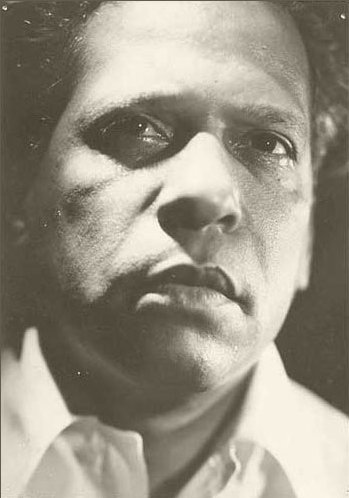
Nicolás Guillén
### Early Life in Camagüey Nicolás Cristóbal Guillén Batista was born on **July 10, 1902**, in the provincial city of Camagüey, Cuba — a place steeped in colonial architecture, racial hierarchy, and the lingering wounds of the independence wars. Cuba at the dawn of the twentieth century was a nation technically free from Spain but caught in the suffocating embrace of North American economic imperialism and its own deeply entrenched racial stratification. The island's Afro-descendant population, though numerically significant and culturally vital, was largely consigned to poverty, denied political representation, and subjected to the everyday humiliations of a social order that continued to prize European ancestry above all else. Nicolás Guillén was born into this charged environment as the son of **Argelia Batista** and **Nicolás Guillén Urra**, a journalist and liberal senator who was a man of mixed African and European heritage. His father's prominence in civic life gave young Nicolás an early exposure to the world of ideas, journalism, and political struggle — but also to its brutal consequences. In **1917**, when Guillén was just fifteen years old, his father was murdered by government forces, a political assassination that left the family in economic precarity and emotionally devastated. This loss was, by Guillén's own account, an "emotional catastrophe" that would permanently shape the urgency and grief woven into his poetry. [1]  *Nicolás Guillén, photographed in 1942. Public domain, via Wikimedia Commons.* ### From Typesetter to Poet In the aftermath of his father's death, Guillén took on work as a **typesetter** to help support his family — a role that placed him directly in the world of the printed word, with ink on his hands even before he found his own literary voice. He enrolled at the **University of Havana** in 1921 to study law, following a path that seemed to promise respectability and stability, but he abandoned his studies after only a single year. The pull of journalism and literature was too strong. Throughout the 1920s, he contributed articles and poems to local Camagüey publications, finding his footing as a writer while developing his acute social conscience. [2] Havana in the 1920s was a city in ferment — politically volatile, culturally experimental, and racially divided. The *negrismo* movement, a literary and artistic trend that celebrated Afro-Hispanic cultural expressions, was sweeping through Cuba and the broader Caribbean. Poets and intellectuals were grappling with questions of national identity: what did it mean to be Cuban, and could that identity honestly be constructed while ignoring the African roots of so much of the island's music, language, religion, and labor? ### The Birth of a Distinctive Voice: *Motivos de son* (1930) Guillén's answer came in **1930** with the publication of *Motivos de son*, a slender but explosive debut collection that sent shockwaves through Cuban literary culture. The book drew its form and spirit from the ***son*** — the Afro-Cuban music and dance tradition that blended African percussion and rhythm with Spanish melody and verse. Guillén translated the *son*'s syncopated pulse directly into poetry, capturing the vernacular speech, the humor, the tragedy, and the dignity of Black life in Havana's working-class neighborhoods. [3] Poems such as *"Negro bembón"* and *"Mulata"* were neither exoticizing nor sentimental — they were precise, rhythmically alive, and politically pointed. Guillén did not write *about* Afro-Cubans as objects of curiosity; he wrote *from within* that world, with full knowledge of its textures. The collection was celebrated and debated in equal measure, signaling the arrival of a writer who refused to confine Cuban literature to the Eurocentric palate. ### *Sóngoro cosongo* (1931) and the Creole Manifesto A year later, Guillén published **Sóngoro cosongo** (1931), a collection whose very title was drawn from an onomatopoeic phrase evoking the rhythms of Afro-Cuban drumming. In its famous prologue, Guillén issued what amounted to a literary manifesto: he argued forcefully that any authentic Cuban national poetry *must* incorporate the African element — that to pretend otherwise was to falsify the nation's very soul. He wrote of the need for a poetry that reflected the "criollo" spirit, one that synthesized Spain and Africa into something entirely new. [4] The book marked a decisive shift. Guillén's poetry was no longer content to celebrate Afro-Cuban culture in isolation; it was now insisting on that culture's central place in the definition of Cuban nationhood. This was a radical claim in 1931, and it established Guillén as the pre-eminent voice of the Afro-Cuban literary movement. > *"Cuba is not European, nor is it African. It is something original, something unto itself, born from the encounter of two worlds."* > — Nicolás Guillén, reflecting on Cuban cultural identity ### Toward Social Protest: *West Indies, Ltd.* (1934) By 1934, Guillén's lens had widened from Cuba to the entire Caribbean basin. **West Indies, Ltd.** was his most explicitly anti-imperialist collection to date, indicting the entire colonial and neo-colonial apparatus that kept the Caribbean poor, racially stratified, and economically dependent on foreign capital. The title itself was a bitter irony — the Caribbean rendered as a corporate entity, its peoples reduced to labor costs on a balance sheet. [5] This work established Guillén's international credentials as a poet of the Third World avant la lettre — a voice for the colonized and dispossessed wherever they existed. His poetry began to be translated into multiple languages and read across Latin America, Africa, and Europe. ### The Spanish Civil War and Communist Commitment In **1937**, Guillén formally joined the **Communist Party of Cuba** (at the time organized as the Popular Socialist Party) and traveled to **Spain**, where he participated in the Congress of Anti-Fascist Writers in Valencia and reported from the front lines of the Spanish Civil War, supporting the Republican cause against Franco's nationalist forces. The experience profoundly deepened his political commitments and inspired his collection **España: Poema en cuatro angustias y una esperanza** (1937), a searing elegiac tribute to the Republic's struggle and to the international community of writers and fighters who rallied to its defense. [6] Back in Cuba, Guillén continued to write and agitate, producing **Cantos para soldados y sones para turistas** (1937) and **El son entero** (1947), which cemented his reputation as the singular voice of Cuban poetry. He ran for political office as a communist candidate in 1940 and was a constant thorn in the side of successive Cuban governments. ### Exile and Return Under the authoritarian rule of **Fulgencio Batista**, Guillén's political activities made him a marked man. In **1953**, upon returning from a trip to Chile, he was denied re-entry into Cuba and spent the next several years in exile, moving between Latin American countries and Europe, maintaining his literary output and his political solidarity with leftist and anti-colonial movements worldwide. [7] The triumph of the **Cuban Revolution in January 1959** brought him home. Guillén returned to Cuba as a celebrated figure, his decades of struggle now aligned with the revolutionary government. In **1961**, he was a founding force behind the **Unión Nacional de Escritores y Artistas de Cuba (UNEAC)** — the National Union of Writers and Artists of Cuba — and served as its **president for over 25 years**, until his death, shaping Cuba's entire cultural apparatus and its relationship to world literature. [8]  *The province of Camagüey, Cuba — birthplace of Nicolás Guillén.* ### Awards and International Recognition Guillén received some of the highest honors available to a poet and intellectual of the twentieth century. In **1954**, he was awarded the **Stalin Peace Prize** (later renamed the Lenin Peace Prize) by the Soviet Union in recognition of his contributions to the international peace and anti-fascist movements. In **1976**, he received the **International Botev Prize** from Bulgaria. And in **1983**, he became the inaugural recipient of Cuba's own **National Prize for Literature**, recognizing his foundational role in shaping Cuban letters. [9] His poetry was translated into dozens of languages and was read, recited, and sung across Africa, Asia, and Latin America. In the Spanish-speaking world, he became synonymous with the idea that poetry could be both artistically sophisticated and politically engaged — that the rhythms of the street and the concert hall could carry the weight of history. ### Death and Legacy Nicolás Guillén died on **July 16, 1989**, in Havana, just six days after his 87th birthday. He was mourned across the Spanish-speaking world and honored in Cuba as the nation's **Poeta Nacional** — National Poet. His body of work, spanning more than sixty years, had transformed Latin American literature and given the African diaspora one of its most powerful poetic voices. His legacy endures not only in the study of literature but in the ongoing conversations about race, identity, and decolonization in Cuba and across the Caribbean. He demonstrated that *son*, the most vernacular of cultural forms, could become a vehicle for profound historical witness — and that the voices of the dispossessed, rendered with artistry and precision, could resonate across continents and generations.
View Profile →Nilda Pinto
### Introduction and Socio-Linguistic Landscape In the first half of the twentieth century, the educational and cultural landscape of Curaçao was defined by a rigid colonial hierarchy that systematically suppressed the native indigenous culture of the island. Under the governing policies of the Netherlands Antilles, formal Dutch was strictly enforced as the sole legitimate language of government, administration, and public instruction [1]. Meanwhile, Papiamentu—the melodic, expressive creole language born from the synthesis of African, Portuguese, Spanish, Dutch, and indigenous Arawak linguistic elements—was spoken by virtually the entire local population in their daily domestic and communal lives. Despite its universality, colonial authorities and elite institutions dismissed Papiamentu as an ungrammatical 'street language' or dialect unfit for formal education or literary expression [2]. Children entering elementary schools were subjected to a jarring pedagogical alienation, forbidden from speaking their mother tongue on school grounds and forced to learn reading and arithmetic in a European language many had never heard at home. It was within this restrictive, culturally oppressive environment that Nilda Maria Geerdink-Jesurun Pinto emerged as a revolutionary educational pioneer, folklore preservationist, and beloved author [1]. Working alongside early cultural visionaries and contemporaries such as [Pierre Lauffer](/profiles/pierre-lauffer), [Elis Juliana](/profiles/elis-juliana), and [Guillermo Rosario](/profiles/guillermo-rosario), Pinto dedicated her brief but extraordinarily impactful life to shattering colonial educational taboos. By pioneering children's literature in Papiamentu and systematically preserving the island's rich Afro-Caribbean folklore, she restored cultural dignity to Antillean youth and laid the foundation for the modern linguistic emancipation of Curaçao. ### Childhood in Otrobanda and Pedagogical Calling Nilda Maria Jesurun Pinto was born on December 12, 1918, in the vibrant working-class quarter of Otrobanda in Willemstad, Curaçao [1]. Located across the St. Anna Bay from the administrative center of Punda, Otrobanda was a bustling, culturally dynamic neighborhood where traditional Afro-Curaçaoan customs, music, and oral storytelling flourished in the courtyards and alleys. Growing up surrounded by this rich oral heritage, young Nilda developed an acute sensitivity to the beauty, rhythm, and expressive nuance of Papiamentu. She received her primary and secondary education at the St. Martinus Gesticht (St. Martin School), a prestigious girls' academy operated by the Franciscan Nuns of Roosendaal [2]. Demonstrating exceptional academic brilliance and a natural affinity for teaching, she chose to pursue a career in education—one of the few professional avenues open to ambitious Antillean women of her generation. In the late 1930s, she traveled across the Atlantic to the Netherlands to complete advanced pedagogical studies and obtain her formal teacher certification [1]. Upon successfully securing her teaching credentials, Pinto returned to Curaçao in 1939 and was immediately hired as a faculty member at her alma mater, the St. Martinus Gesticht [2]. Stepping into the classroom as a fully certified instructor, Pinto witnessed firsthand the profound emotional and cognitive toll that the exclusive use of Dutch imposed on young Antillean children. She observed how bright, eager students became mute, intimidated, and disengaged when forced to navigate foreign Dutch vocabulary, while their rich inner imaginations and cultural references remained entirely ignored [1]. Refusing to accept this pedagogical injustice, Pinto resolved to transform the classroom from a site of cultural erasure into a sanctuary of native self-expression.  ### Pioneering Papiamentu Literacy and Song Driven by a deep conviction that true intellectual development must be anchored in a child's native language, Nilda Pinto embarked on a fearless campaign to introduce Papiamentu into formal youth culture and education. Recognizing that music was one of the most powerful pedagogical tools for children, she began collecting, composing, and transcribing traditional children's songs that had been passed down orally for generations. In 1944, she achieved a historic breakthrough with the publication of *Corsouw ta kanta* (Curaçao Sings) [2]. This seminal volume was the first published collection of local children's songs presented entirely in Papiamentu, accompanied by musical notation. For the very first time, Antillean schoolchildren could open a published book and sing songs that reflected their own tropical environment, local customs, and mother tongue. The book was an instant sensation, bringing immense joy to classrooms and homes across the island and challenging the colonial assumption that local culture lacked formal educational value. Building upon this success, Pinto recognized the urgent need for formal linguistic tools to bridge the gap between Dutch and Papiamentu. In 1947, she authored and published *Nos dushi Papiamento* (Our Sweet Papiamento), a groundbreaking grammar and reading textbook [1]. Designed both to help native speakers understand the formal structure of their language and to assist Dutch educators and expatriates in learning the vernacular, the book represented a major milestone in the intellectual legitimization of Papiamentu. Pinto's work boldly asserted that Papiamentu was not a corrupt dialect, but a sophisticated, rule-governed language deserving of respect and academic study. > "A child cannot truly soar in the classroom if their mother tongue is clipped at the schoolhouse door. Our sweet Papiamento is not merely language; it is the soul of our children." ### Reclaiming Anansi: Cuentanan di Nanzi and Oral Preservation While her contributions to classroom literacy were profound, Nilda Pinto's most monumental achievement in Caribbean cultural history came with her pioneering work as a folklore preservationist. For over two centuries during the brutal era of plantation slavery in Curaçao, enslaved Africans had preserved their spiritual resilience and communal identity through oral storytelling. At the center of this oral tradition were the tales of Kompa Nanzi (Anansi the Spider), the mythical trickster hero brought across the Middle Passage from West Africa [3]. In the context of Caribbean slavery, Nanzi evolved into a profound symbol of subversive resistance: a physically small, vulnerable spider who relied on superior intellect, wit, and cunning to consistently outsmart, humiliate, and survive the powerful, greedy master figure known as Shon Arei [3]. By the mid-twentieth century, as modernization and Western media spread across Curaçao, these invaluable oral tales were in imminent danger of being lost forever with the passing of elderly storytellers. Recognizing this cultural emergency, Pinto undertook a rigorous ethnographical mission. She traveled extensively across urban barrios and rural districts, sitting on porches with elderly Curaçaoans to record, transcribe, and meticulously edit dozens of traditional Nanzi stories [2]. In 1952, she published her magnum opus, *Cuentanan di Nanzi* (Stories of Nanzi) [3]. This landmark publication gathered twenty-five classic Nanzi stories written in vibrant, authentic Papiamentu, specifically adapted for young readers while retaining the subversive humor and moral complexity of the original oral traditions [3]. By transforming unwritten folk heritage into a classic work of written children's literature, Pinto single-handedly rescued the Afro-Curaçaoan narrative tradition from oblivion. Her book cemented Kompa Nanzi as an immortal national icon and provided Antillean children with a profound literary link to their African ancestry. Fellow luminaries such as [Elis Juliana](/profiles/elis-juliana) and [Frank Martinus Arion](/profiles/frank-martinus-arion) would later build upon Pinto's foundational folkloric preservation to construct modern Antillean literary identity.  ### Broadcasting Pioneer: The Curom Radio Broadcasts and Youth Choirs Nilda Pinto understood that achieving true cultural emancipation required reaching families beyond the traditional classroom. With the advent of mass broadcasting in the Netherlands Antilles, she quickly seized upon radio as a revolutionary medium for public education and cultural pride. Beginning in 1943, she produced, directed, and hosted a weekly children's radio program on Curom (Curaçaosche Radio Omroep, which later evolved into radio Z86) [1]. Her program made broadcast history as one of the very first radio shows conducted entirely in Papiamentu. Every week, thousands of families across Curaçao, Aruba, and Bonaire gathered around their radio sets to listen to 'Juffrouw Nilda' read stories, recite poetry, discuss moral virtues, and celebrate island traditions [2]. Her gentle, authoritative voice became a beloved fixture in Antillean households, democratizing access to literature and instilling deep linguistic pride in working-class youth. To accompany her broadcasts, Pinto founded and conducted a specialized youth choir named *De Kanariepietjes* (The Canary Peeps) [1]. Composed of local schoolchildren, the choir performed traditional folk songs and Pinto's original compositions live on the airwaves and at major civic events across the island. Through *De Kanariepietjes*, Pinto nurtured the artistic talents of generations of young musicians and demonstrated that Antillean youth could execute choral performances of the highest artistic excellence using their native creole tongue. > "Through the tales of Kompa Nanzi and the melodies of our island songs, Nilda Pinto gave the children of Curaçao the greatest gift of all: the right to see themselves as the heroes of their own stories." ### Tragic Untimely Death and Enduring National Legacy In the early 1950s, Nilda Pinto married a Dutch civil engineer and health official named Geerdink, adding Geerdink to her surname [1]. Following her husband's professional reclassification, she relocated with him to the town of Hengelo in the eastern Netherlands. Despite the physical distance from her beloved Caribbean homeland, she remained tirelessly devoted to Antillean literary projects, working on new collections of folklore and educational materials. However, her brilliant journey was cut tragically short. On April 17, 1954, Nilda Pinto suffered severe complications during pregnancy and passed away suddenly in Hengelo at the young age of 35 [1]. The news of her untimely death sent shockwaves of profound grief across Curaçao and the entire Netherlands Antilles. Flags were flown at half-mast, radio stations broadcast solemn tributes, and thousands mourned the loss of the young teacher who had given the nation's children their voice. Later that year, her final posthumous work, *Corsouw ta konta* (Curaçao Tells, 1954), was published, further enriching the island's folkloric treasury [2]. Despite her brief life, Nilda Pinto's structural and cultural impact on Curaçao remains immeasurable. In 1962, recognizing her profound contributions to youth education, the island government inaugurated the *Nilda Pinto Huishoudschool* in Willemstad, a premier vocational training institute that continues to thrive today as the *Nilda Pinto SBO* [2]. Her name graces streets and public squares across Curaçao, and in 2023, the municipality of Amsterdam unveiled a dedicated street and historical marker in Amsterdam-Zuidoost—*Nilda Pintostraat*—honoring her as a pioneering hero of Antillean cultural heritage within the Kingdom [2]. Most importantly, her literary works have achieved immortality. *Cuentanan di Nanzi* has been continually republished, translated, and adapted into modern bilingual editions (Papiamentu-Dutch, Papiamentu-English, and Papiamentu-Spanish), serving as mandatory foundational reading in Caribbean curricula [3]. Today, Nilda Pinto is universally revered not only as the mother of Papiamentu children's literature, but as a courageous cultural emancipator whose vision ensured that the stories, songs, and soul of the Caribbean would endure for generations to come.
View Profile →Nydia Ecury
### Introduction: The Voice of the Dutch Caribbean Nydia Maria Enrica Ecury (February 2, 1926 – March 2, 2012) stands as one of the most formidable literary and cultural figures in the history of the Dutch Caribbean [1]. A celebrated poet, pioneering dramatist, masterful actress, and tireless cultural translator, Ecury dedicated her life to championing the artistic dignity of the ABC islands (Aruba, Bonaire, and Curaçao). Operating in a complex colonial sociolinguistic landscape where European norms often sought to marginalize indigenous cultural expression, Ecury became a fiercely eloquent advocate for **Papiamentu**—the native creole language of the islands [2]. Through her groundbreaking theatrical productions, multilingual poetry collections, and profound literary translations, she bridged linguistic divides and granted immortal literary voice to the Antillean experience.  ### Early Life and Heritage in Rancho, Oranjestad Born on February 2, 1926, in the vibrant neighborhood of Rancho in Oranjestad, Aruba, Nydia Ecury was the tenth of thirteen children born to Nundis "Dudu" Ecury and his wife [1]. The Ecury family was prominent, industrious, and deeply respected within Aruban society. Their family residence—a magnificent architectural blend of traditional Dutch colonial structure and Caribbean verandas—was a bustling center of intellectual discourse, familial warmth, and communal gathering. Today, this historic estate has been preserved as the **National Archaeological Museum Aruba**, standing as a permanent monument to the family's enduring legacy on the island [1]. Unlike many of her siblings who were sent across the Atlantic to pursue formal secondary and university education in the Netherlands, Nydia's educational trajectory took a distinct path that exposed her to the broader Anglophone world. She traveled to Canada to attend Havergal College in Toronto, where she immersed herself in English literature, journalism, and the performing arts [1]. This intensive exposure to world literature outside the strict confines of the Dutch colonial curriculum broadened her worldviews and honed her sensibilities as a communicator. It cultivated in her an acute appreciation for linguistic nuance—a skill that would later define her career as the region's foremost cultural translator. ### The Shadow of War and the Legacy of Boy Ecury The formative years of Ecury's young adulthood were profoundly shaped by the global tragedy of World War II and a devastating personal loss that would forever mark her family's consciousness. While Nydia studied in North America, her elder brother, [Boy Ecury](/profiles/boy-ecury) (Segundo Jorge Adelberto Ecury), was attending university in the Netherlands when the Nazi occupation began [3]. Driven by an unshakeable moral compass and fierce fierce defiance against tyranny, Boy joined the Dutch resistance movement. He carried out sabotage missions, sheltered persecuted Jews and Allied pilots, and became a celebrated resistance leader [3]. Tragically, in November 1944, [Boy Ecury](/profiles/boy-ecury) was betrayed, captured by the Gestapo, subjected to brutal interrogation without breaking, and executed by firing squad on the Waalsdorpervlakte [3]. The heroic martyrdom of her brother instilled in Nydia a profound sense of existential purpose and moral duty. It taught her that cultural identity, freedom of expression, and human dignity were precious values worth fighting for against any oppressive system. This unwavering resistance to cultural subjugation became the philosophical bedrock of her subsequent literary crusade on behalf of Caribbean identity. > "To speak and write in Papiamentu is not merely a communicative act; it is a declaration of spiritual liberation, giving voice to the very soul of our mother earth and honoring the bloodline that binds our scattered Antillean history." [2] ### Relocation to Curaçao and the Sociolinguistic Awakening In 1957, following her education and early career experiences, Ecury relocated from Aruba to Willemstad, Curaçao, which would become her permanent home and the primary stage for her cultural activism for the next five decades [1]. At the time of her arrival, Curaçao was undergoing a profound sociopolitical transition. While the oil refineries had brought rapid modernization and economic influx, colonial hierarchies still dominated cultural institutions. Dutch remained the exclusive language of government, formal administration, and elite schooling, while **Papiamentu**—the vibrant tongue spoken by the vast majority of the population—was routinely dismissed by colonial authorities as an unrefined "dialect" unfit for high literature or serious dramatic art [2]. Ecury rejected this linguistic apartheid with intellectual ferocity. Alongside visionary peer luminaries such as [Cola Debrot](/profiles/cola-debrot) and [Frank Martinus Arion](/profiles/frank-martinus-arion), she recognized that true self-determination required linguistic emancipation [2]. She set out to prove that Papiamentu possessed the lyrical elegance, emotional depth, and dramatic flexibility required to stand alongside the classical languages of Europe. ### Revolutionizing Caribbean Theater: The Co-Founding of Thalia In 1967, Ecury took a monumental step in redefining Caribbean performing arts by co-founding **Thalia**, a groundbreaking theater group in Curaçao [4]. Established alongside peers such as [Pacheco Domacassé](/profiles/pacheco-domacasse), Thalia was conceived as a revolutionary platform for indigenous dramatic expression. Prior to Thalia, theater in Willemstad largely consisted of visiting Dutch troupes performing European plays for expatriate audiences. Ecury and her collaborators shattered this mold by creating high-caliber theatrical productions performed entirely in Papiamentu, featuring local actors and addressing themes directly relevant to Antillean society [4]. Within Thalia, Ecury wore every conceivable hat: she was a lead actress, director, scriptwriter, and translator. Utilizing her mastery of English, Dutch, Spanish, and Papiamentu, she embarked on an ambitious project of translating world dramatic masterpieces into the local language [4]. She translated complex works by William Shakespeare, Federico García Lorca, Tennessee Williams, Edward Albee, and Arthur Miller into Papiamentu [1]. Her translation of Molière's classical comedies and George Bernard Shaw's dramas did not merely convert words literally; she transposed cultural idioms, ensuring that the biting social satire and emotional resonance of the originals struck deep chords within Antillean audiences. > "Through translation and masterful stagecraft, Nydia Ecury did not merely adapt European dramas for Caribbean audiences; she transformed world literature into the authentic, rhythmic heartbeat of the Antillean people." [4] Her commanding stage presence was legendary. In 1980, she mesmerized audiences with her celebrated one-woman theatrical performance *Luna di Papel* (Paper Moon), a tour de force of storytelling, poetry recitation, and dramatic monologue accompanied by live musical improvisations [1]. She also expanded her dramatic repertoire to cinema, delivering a haunting and memorable performance in the acclaimed 1986 Antillean film *Almacita di Desolato*, directed by Felix de Rooy [1]. ### Literary Contributions and Poetic Masterpieces While theater was her public pulpit, poetry was Ecury’s intimate sanctuary. Over her prolific career, she published six major collections of poetry that cemented her status as one of the premier literary voices of the Caribbean [1]. Her debut collection, *Tres rosea* (Three Breaths, 1972), co-authored with Mila Palm and Guillermo Rosario, signaled the arrival of a bold new poetic consciousness. This was followed by her celebrated solo collections, including *Bos di Sanger* (Voice of Blood, 1976), *Na mi kurason mará* (Tied to My Heart, 1995), and the seminal bilingual collection *Kantika pa Mama Tera* (Song for Mother Earth, 1984) [2]. Ecury’s poetry is characterized by its remarkable thematic breadth and linguistic dexterity. She wrote fluidly across three languages—Papiamentu, Dutch, and English—often choosing the language that best matched the emotional texture of the poem [2]. Her verse explored the complexities of modern womanhood, the sacred tenderness of maternal bonds, the pain of historical displacement, and the joyous celebration of Caribbean resilience. She wrote with unflinching honesty about love, grief, aging, and social injustice, utilizing sensory imagery drawn directly from the Aruban desert flora and the rhythmic cadence of Curaçaoan waves. ### International Ambassador and Enduring Legacy Beyond her domestic achievements, Ecury served as an eloquent cultural ambassador for the Netherlands Antilles on the global stage. She represented the islands at more than twenty prestigious international literary festivals across Europe, the Americas, and the Caribbean, mesmerizing international audiences with her bilingual readings and impassioned lectures on creole linguistics [1]. Her immense contributions to literature and society were recognized with numerous prestigious honors. She was knighted by the Dutch Crown as a Knight in the **Order of Orange-Nassau**, received the prestigious **Chapi di Plata** cultural award, and was honored three times with Netherlands Royal Decorations [1]. In a touching tribute to her artistic inspiration, the renowned Curaçaoan classical composer Wim Statius Muller composed a graceful waltz dedicated entirely to her, simply titled *Nydia* [1]. Nydia Ecury passed away peacefully in Willemstad on March 2, 2012, having just celebrated her 86th birthday [1]. Her passing provoked widespread mourning across the Dutch Caribbean and the Kingdom of the Netherlands. Today, her legacy endures not only in the standardized textbooks of Papiamentu literature but in the vibrant cultural pride of a people whose voices she elevated to eternal artistic beauty. ### References [1] Wikipedia Contributors, "Nydia Ecury," Wikipedia, The Free Encyclopedia. [2] Rutgers, Wim, "De Caribische jeugdliteratuur van Nydia Ecury," Werkgroep Caraïbische Letteren. [3] Lago Colony Historical Archives, "The Life and Sacrifice of Boy Ecury." [4] Theater Encyclopedie, "Thalia Toneelgroep Curaçao and Nydia Ecury."
View Profile →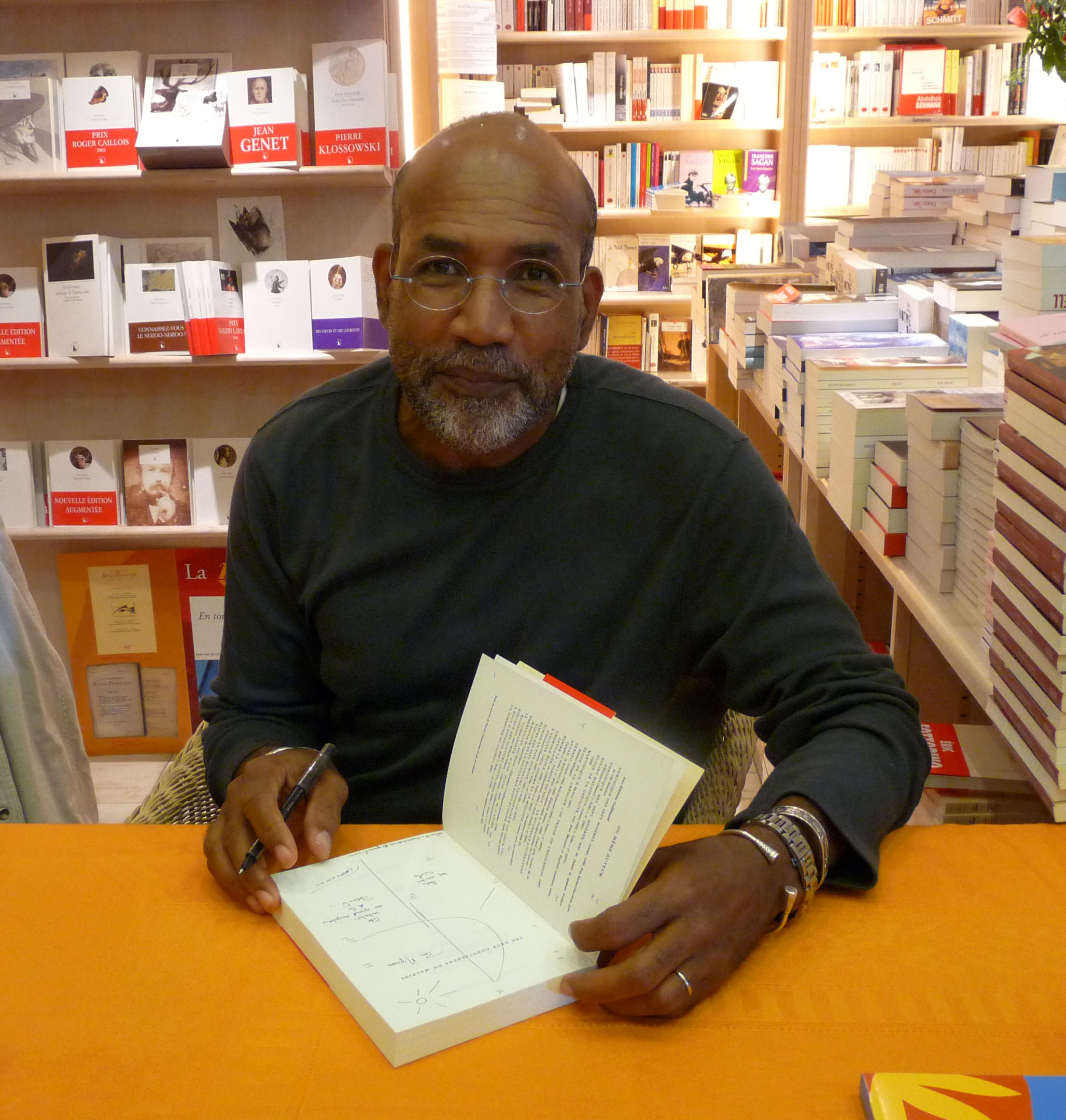
Patrick Chamoiseau
## Patrick Chamoiseau: Chronicler of Creole Memory and Literary Revolutionary ### Introduction and Historical Context In the aftermath of World War II, the French Caribbean island of Martinique underwent a profound political and structural transformation. In 1946, under the Departmentalization Law promoted by visionary statesman and poet [Aimé Césaire](/profiles/aime-cesaire), Martinique transitioned from a colony to an overseas department (*département d'outre-mer*) of France. While departmentalization brought undeniable improvements in social security, healthcare, and infrastructure, it simultaneously unleashed an intense wave of assimilationist pressure. The centralized administrative machinery of Paris sought to impose metropolitan French educational standards, language norms, and cultural frameworks, often relegating the island's vibrant Antillean heritage to the shadows. In this fraught climate of cultural alienation, where traditional Creole oral history was systematically marginalized in schools and public institutions, Martinique became a fertile ground for intellectual revolt. From the pioneering Négritude movement championed by [Aimé Césaire](/profiles/aime-cesaire) and the anti-colonial radicalism of [Frantz Fanon](/profiles/frantz-fanon), to the expansive philosophical vision of Antillanité (*Antillean-ness*) articulated by [Édouard Glissant](/profiles/edouard-glissant), Martinican thinkers fought to reclaim their collective identity. It was within this rich intellectual lineage that Patrick Chamoiseau emerged. Born into a changing society caught between colonial legacy and departmental assimilation, Chamoiseau would become one of the most towering novelists, essayists, and cultural philosophers in the francophone world, fundamentally redefining Caribbean literature and championing the global movement of Créolité.  ### Early Life, Formative Years, and the Crucible of Social Work Patrick Chamoiseau was born on December 3, 1953, in Fort-de-France, the bustling capital city of Martinique. Unlike the rural plantation landscapes that dominated earlier West Indian fiction, Chamoiseau grew up in the vibrant, chaotic urban milieu known locally as the *en-ville*. Raised in a working-class neighborhood around Rue François-Arago, his childhood was steeped in the sensory kaleidoscope of traditional Creole life. He spent his formative years listening to the hypnotic cadences of traditional Creole storytellers—the *conteurs*—who preserved centuries of collective memory, resistance against enslavement, and folktales featuring trickster figures like Anansi and Compère Lapin. This rich linguistic environment, characterized by the dynamic interplay between formal spoken French and the expressive, rhythmic syntax of Martinican Creole, would later serve as the foundational bedrock of his literary aesthetic. His early experiences in the *en-ville* were lovingly immortalized in his celebrated autobiographical trilogy, *Une enfance créole* (*A Creole Childhood*), comprising *Antan d'enfance* (1990), *Chemin d'école* (1994), and *À bout d'enfance* (2005). After completing his secondary education at the Lycée Schoelcher in Fort-de-France—an institution that educated generations of Martinican leaders—Chamoiseau relocated to metropolitan France to pursue higher education. He studied law and social economics in Paris, gaining a formal understanding of institutional structures and legal frameworks. However, rather than entering traditional legal practice, Chamoiseau chose a path dedicated to public service and social rehabilitation. He became a probation officer and social worker within the French justice system, serving first in mainland France and subsequently returning to Martinique to work with incarcerated youth and marginalized communities. This professional crucible profoundly shaped his worldview. Navigating the penal system exposed Chamoiseau to the stark realities of poverty, systemic exclusion, and the psychological trauma inflicted by socio-economic disenfranchisement. His daily encounters with individuals living on the fringes of society reinforced his deep empathy for the dispossessed and instilled in him a moral imperative to use literature as a vehicle for restoring human dignity and giving voice to silenced narratives. ### Co-Founding the Créolité Movement and Philosophical Revolution During the late 1980s, Chamoiseau joined forces with fellow Martinican novelist [Raphaël Confiant](/profiles/raphael-confiant) and renowned linguist [Jean Bernabé](/profiles/jean-bernabe) to ignite a cultural and intellectual revolution. While acknowledging the profound debt owed to [Aimé Césaire](/profiles/aime-cesaire)'s Négritude, which had successfully restored racial pride and challenged colonial supremacy, Chamoiseau and his peers argued that Négritude's focus on African essentialism overlooked the complex reality of Caribbean society. Drawing heavily on the theoretical groundwork of [Édouard Glissant](/profiles/edouard-glissant), they sought to articulate an identity born specifically from the historical collision and cross-fertilization of diverse civilizations in the plantation archipelago. In 1989, the trio published their seminal manifesto, *Éloge de la créolité* (*In Praise of Creoleness*), a fierce literary declaration that shook the francophone academic world [1]. > "Neither Europeans, nor Africans, nor Asians, we proclaim ourselves Creoles. Creoleness is the interactional or transactional aggregate of Caribbean, European, African, Asian, and Levantine cultural elements, united on the same soil by the yoke of history." — Jean Bernabé, Patrick Chamoiseau, and Raphaël Confiant, *Éloge de la créolité* [1] The manifesto proclaimed that Caribbean identity was not a static racial category, but an open, evolving mosaic—a kaleidoscopic totality shaped by centuries of migration, struggle, and cultural hybridization. Chamoiseau advocated for an interior attitude of vigilance against imitation and cultural homogenization. Crucially, the Créolité movement championed the revolution of language within literature. Chamoiseau insisted that francophone Caribbean writers must break free from the rigid grammatical constraints of metropolitan Parisian French. He pioneered a revolutionary literary style that subverted traditional French prose by infusing it with the vocabulary, rhythms, proverbs, and oral syntax of Martinican Creole. This linguistic alchemy created a vibrant, polyphonic literary voice that reflected the true lived reality of the islands, inspiring a wider regional dialogue with literary contemporaries such as Guadeloupean author [Maryse Condé](/profiles/maryse-conde) and Haitian intellectual [Jacques Stephen Alexis](/profiles/jacques-stephen-alexis). ### Literary Triumph: Texaco and the Goncourt Prize Chamoiseau's philosophical theories achieved their most breathtaking artistic realization in his 1992 masterpiece, *Texaco*. Widely regarded as one of the most important novels of 20th-century world literature, *Texaco* is an epic historical tapestry that spans nearly two centuries of Martinican history [2]. The novel is narrated by Marie-Sophie Laborieux, the matriarch and founder of a sprawling, precarious shantytown built around the Texaco oil refinery storage tanks on the periphery of Fort-de-France. Through Marie-Sophie's mesmerizing voice, which channels the memories of her father Esternome—a formerly enslaved man who lived through emancipation—Chamoiseau traces the epic trajectory of the Martinican people from the horrors of plantation slavery to the collective migration into urban settlements. The novel explores the fundamental tension between the rigid, orderly, stone-built colonial city (the *centre-ville*) and the organic, chaotic, wooden and corrugated-iron shantytown (the *quartier populaire*). Chamoiseau elevates the shantytown from a symbol of urban blight into a monument of Creole resilience, cultural invention, and survival. Within the novel, Chamoiseau even writes himself into the narrative as a character—a scribe referred to as "the Oiseau" or "the Marker of Words" (*marqueur de paroles*)—who sits at Marie-Sophie's feet to record her oral history, thereby humbling the formal authority of written literature before the power of Creole oral memory. > "Warm up your words before speaking them. Speak from your heart. Knowing how to speak means knowing how to hold back your words. Truly speaking means first polishing silence. True silence is a place of The Word. Listen to the true Storytellers." — Patrick Chamoiseau, *Texaco* [2] Upon its publication, *Texaco* took the literary world by storm. In November 1992, the novel was awarded France's highest and most prestigious literary honor, the Prix Goncourt [2]. Chamoiseau became only the second Antillean author to win the prize, following René Maran's historic victory in 1921. The award signaled the unequivocal triumph of the Créolité movement, forcing the metropolitan French literary establishment to recognize the creative vitality and linguistic innovation emerging from the Caribbean periphery.  ### Later Works, Global Humanism, and Enduring Legacy Following the monumental success of *Texaco*, Chamoiseau continued to produce a staggering body of work encompassing novels, essays, plays, screenplays, and children's literature. In gripping novels such as *Solibo Magnifique* (1988), which centers on the mysterious death of a master Creole storyteller, and *L'Esclave vieil homme et le molosse* (1997), a profound philosophical meditation on marronage and flight from enslavement, Chamoiseau deepened his exploration of Caribbean memory and existential freedom. He also engaged intensely with visual media, collaborating with filmmakers and artists to document the architectural and cultural heritage of Martinique. Throughout the 21st century, Chamoiseau expanded his philosophical focus beyond the Caribbean to address pressing global crises. Working closely with his lifelong mentor [Édouard Glissant](/profiles/edouard-glissant), Chamoiseau co-authored several manifestos addressing globalization, immigration, and ecological interdependence, notably framing the concept of the *Tout-Monde* (the Whole-World). In major essays such as *Frères migrants* (2017), Chamoiseau delivered a passionate humanistic plea for global solidarity and the protection of refugees, arguing that in an interconnected world, all human beings are nomads wandering through a shared planetary ecosystem. Today, Patrick Chamoiseau stands as a towering literary colossus whose work has emancipated Caribbean speech and permanently enriched the global literary canon.
View Profile →
Paulette Nardal
# Paulette Nardal ### Introduction Paulette Nardal remains one of the most vital yet historically overlooked figures in the development of modern Black intellectualism. Born in the late 19th century in the French colony of Martinique, she emerged as a pioneering journalist, an impassioned feminist, and the undisputed "godmother" of the Négritude movement. Long before the term *Négritude* was formally coined by [Aimé Césaire](/profiles/aime-cesaire), [Léopold Sédar Senghor](/profiles/leopold-sedar-senghor), and [Léon Gontran Damas](/profiles/leon-gontran-damas), Nardal was cultivating the fertile intellectual soil from which the movement would ultimately blossom. Through her groundbreaking bilingual journal, *La Revue du monde noir*, and her legendary Sunday salons in Paris, Nardal constructed a vital trans-Atlantic bridge connecting Francophone intellectuals from the Caribbean and Africa with the vibrant, radical minds of the American Harlem Renaissance. Despite her central role in awakening an international Black consciousness, her contributions were heavily marginalized by patriarchal narratives. Only in recent decades has her foundational legacy been rightfully restored, securing her place in the pantheon of global civil rights pioneers and Caribbean luminaries. ### Early Life and The pursuit of Excellence Félix-Jeanne Paulette Nardal was born on October 12, 1896, in Le François, a commune on the eastern coast of Martinique. She was the eldest of seven daughters in a distinguished and highly educated Afro-descendant family that embodied the island's emerging Black bourgeoisie. Her father, Paul Nardal, was a trailblazer in his own right, becoming the first Black public works engineer in Martinique. He was instrumental in building vital infrastructure on the island and received a scholarship to train in France. Her mother, Louise Achille, was an accomplished music teacher and pianist who instilled in her daughters a deep appreciation for the arts, culture, and academic rigor. Growing up in a colonial society structured by strict racial hierarchies and colorism, the Nardal household became a sanctuary of intellectual ambition. Paul and Louise raised their seven daughters—Paulette, Émilie, Alice, Lucy, Jane, Andrée, and Cécile—with an unwavering commitment to education, expecting them to excel in a world that would inevitably place barriers in their path due to both their race and their gender. Paulette was a voracious reader, displaying an early talent for languages and literature. After completing her early education at the Colonial Boarding School for Girls in Fort-de-France, she initially worked as a schoolteacher, one of the few respectable professions available to educated Martinican women of her era. However, her intellectual appetite yearned for a larger stage, prompting her to set her sights on the academic capital of the francophone world. ### A Parisian Pioneer at the Sorbonne In 1920, at the age of 24, Paulette Nardal embarked on a transatlantic journey to France, marking a profound turning point in her life. She achieved historic distinction by becoming the first Black student to enroll at the prestigious Sorbonne (the University of Paris). This achievement shattered the racial and gender barriers of the French academy. In Paris, she immersed herself in the study of English language and literature, a choice that would prove essential to her future role as a cultural conduit. At the Sorbonne, her academic focus turned toward the African diaspora. Her thesis examined Harriet Beecher Stowe's seminal anti-slavery novel, *Uncle Tom's Cabin*. Delving into Stowe's work, Nardal developed a profound understanding of the historical struggles of African Americans and the broader implications of the transatlantic slave trade. This research ignited her lifelong passion for bridging the cultural and political gaps between Black populations across the globe. She began to recognize the interconnected struggles of Black people in the Americas, the Caribbean, and Africa, laying the ideological groundwork for a unified global Black consciousness.  ### The Clamart Salon: Birthplace of Négritude By the late 1920s, Paulette was joined in Paris by her sisters, notably Jane and Andrée. Together, they transformed their apartment at 7 Rue Hébert in the Parisian suburb of Clamart into a vibrant cultural and intellectual epicenter. This space, widely known as "Le Salon de Clamart," became a sanctuary for Black expatriates, students, artists, and thinkers from across the global diaspora. Inspired by the literary salons of the French Enlightenment and the vibrant gatherings of the Harlem Renaissance, the Nardal sisters hosted weekly Sunday meetings. Here, the air buzzed with debates on colonialism, racial identity, the psychological impact of assimilation, and the urgent need for a cohesive Black cultural awakening. Crucially, Paulette leveraged her fluency in English to invite African American luminaries who were visiting or living in Paris, including [Alain Locke](/profiles/alain-locke), [Claude McKay](/profiles/claude-mckay), Mercer Cook, and Countee Cullen. > "We were but women, real pioneers—let's say that we blazed the trail for them." — Paulette Nardal, reflecting on how she and her sisters laid the groundwork for the male founders of the Négritude movement. It was within the walls of the Clamart Salon that the young students [Aimé Césaire](/profiles/aime-cesaire) (from Martinique), [Léopold Sédar Senghor](/profiles/leopold-sedar-senghor) (from Senegal), and [Léon Gontran Damas](/profiles/leon-gontran-damas) (from French Guiana) first met and mingled with Harlem Renaissance writers. Nardal's salon provided them with the critical vocabulary and cross-cultural solidarity that they would later synthesize into the philosophical framework of *Négritude*—a movement dedicated to reclaiming and celebrating Black identity, heritage, and pride in the face of French colonial assimilation. ### La Revue du Monde Noir To amplify the discourse flourishing in her salon, Paulette Nardal co-founded the bilingual journal *La Revue du monde noir* (The Review of the Black World) in 1931, alongside the Haitian scholar Dr. Léo Sajous. Nardal served as the journal's primary editor, translator, and a frequent contributor. Published in both French and English, the journal was a groundbreaking publication that explicitly aimed to create an intellectual and moral tie among Black people worldwide, without distinction of nationality. Though it only ran for six issues before running out of funding, *La Revue du monde noir* was profoundly influential. It published essays, poetry, and cultural critiques that championed African art, highlighted the brutalities of colonialism, and celebrated the resilience of the Black spirit. Through her meticulous translations, Nardal introduced the francophone world to the poetry of the Harlem Renaissance, allowing the revolutionary ideas of the "New Negro" movement to cross the language barrier. Her own essays in the journal explored themes of Black female identity, challenging the intersectional oppression faced by women of color long before the term "intersectionality" was coined. ### War, Tragedy, and Resilience The late 1930s brought turbulent geopolitical shifts, and the outbreak of World War II interrupted Nardal's intellectual ascendancy in Paris. In 1939, sensing the imminent danger of the Nazi invasion, she boarded a ship to flee Europe and return to Martinique. Tragically, her vessel was torpedoed by a German submarine off the coast of England. In the chaotic evacuation, Nardal leapt from the sinking ship into a lifeboat, fracturing both of her patellas (kneecaps). She spent nearly a year in a British hospital, surviving the ordeal but suffering a lifelong disability that required her to use a cane for the rest of her life. > "Despite physical trauma and the encroaching shadows of war, Nardal's spirit remained unbroken. She returned to her homeland not as a defeated exile, but as a seasoned visionary ready to ignite a new wave of social progress." Returning to Martinique during the oppressive Vichy regime, Nardal refused to let her physical limitations curtail her activism. She transitioned into a new phase of her life, deeply committed to feminism, social work, and civic education. ### Feminist Activism and International Diplomacy In Martinique, Nardal recognized the urgent need to uplift local women, many of whom were marginalized and disenfranchised by both colonial rule and entrenched patriarchal norms. In 1944, when French women were finally granted the right to vote, she founded *Le Rassemblement Féminin*, a grassroots organization aimed at encouraging Martinican women to exercise their new political rights and participate actively in civic life. To further this mission, she established the journal *La Femme dans la Cité* (Woman in the City) in 1945. The publication focused on women's education, political awareness, and social welfare, making the compelling case that the advancement of Martinique depended entirely on the empowerment of its women. Nardal also spearheaded initiatives to improve the working conditions of domestic workers and established a choir, *La Joie de Chanter*, celebrating Afro-Caribbean musical traditions and European classical works, reflecting her enduring love for music inherited from her mother. In 1946, Nardal's international expertise and unyielding advocacy earned her a historic appointment. She became the first Black woman to hold an official post in the newly formed United Nations, working in the Division of Non-Self-Governing Territories. There, she utilized her extensive knowledge of colonial dynamics and her diplomatic acumen to advocate for the rights and eventual self-determination of colonized peoples worldwide. ### Legacy and Belated Recognition Paulette Nardal passed away on February 16, 1985, in Fort-de-France, Martinique, at the age of 88. For decades, her immense contributions to global Black intellectual history were heavily eclipsed by the celebrated male figures of the Négritude movement. History books frequently heralded Césaire, Senghor, and Damas as the solitary architects of francophone Black consciousness, relegating Nardal to a mere footnote or defining her simply as a "hostess." However, modern scholarship has systematically corrected this historical erasure, rightfully re-centering Paulette Nardal as the indispensable *initiatrice* (initiator) of the movement. Without the Clamart Salon, without her meticulous translations, and without *La Revue du monde noir*, the ideological fusion required for Négritude might never have occurred. Today, Nardal is celebrated as a titanic figure of Pan-Africanism, a pioneer of intersectional feminism, and a proud daughter of Martinique. In 2018, a promenade in Paris was named in her honor, and calls have grown to induct her into the Panthéon, France's highest posthumous honor. Paulette Nardal's life stands as a testament to the power of cross-cultural solidarity, the resilience of the Black female intellectual, and the enduring truth that the most profound revolutions often begin in the living rooms of visionary women.
View Profile →
Pedro Henríquez Ureña
## Pedro Henríquez Ureña: The Intellectual Architect of Latin America ### Introduction and Early Context Pedro Henríquez Ureña (June 29, 1884 – May 11, 1946) stands as a monumental figure in the history of Latin American thought, literary criticism, and philology. Born in Santo Domingo, Dominican Republic, he lived through an era of profound transformation and turbulence in the Caribbean and Latin America. His life was characterized by a relentless pursuit of knowledge and a deep commitment to identifying and articulating a cohesive cultural identity for Hispanic America. He believed that despite the political fragmentation of the continent, there existed a unifying cultural thread that bound the nations of Latin America together. ### Formative Years in the Dominican Republic Henríquez Ureña was born into an exceptional environment of intellectual rigor and patriotic fervor. His mother, Salomé Ureña, was one of the Dominican Republic's most celebrated poets and an early advocate for women's education. His father, Francisco Henríquez y Carvajal, was a prominent physician, intellectual, and eventually a President of the Dominican Republic. Growing up in a household where literature, politics, and philosophy were daily topics of conversation, young Pedro was deeply influenced by the Caribbean intellectual currents of the late 19th century. He was particularly affected by the educational reforms introduced by Eugenio María de Hostos, a Puerto Rican thinker who sought to modernize the educational systems of the Caribbean. The Hostosian philosophy emphasized rationalism, secular education, and civic duty, elements that became foundational to Henríquez Ureña's worldview. Furthermore, the presence of exiles and revolutionaries, such as the Cuban patriot José Martí, who frequently interacted with his family, instilled in him a pan-American vision early in life. > "There is only one America, and it is our duty to discover its profound, unifying spirit beneath the varied surface of its nations." ### Exile and the Pursuit of Knowledge The political instability of the Dominican Republic often forced intellectuals into exile, and Henríquez Ureña's life was marked by extensive travel and residence in several countries. His transnational existence became one of his greatest assets, allowing him to absorb diverse cultural influences and synthesize a broader understanding of Hispanic America. His journey took him first to Cuba, where he immersed himself in the island's vibrant literary scene. Later, he moved to Mexico, a country on the brink of a monumental revolution. In Mexico, he became a key figure in the Ateneo de la Juventud, a group of young intellectuals who rebelled against the positivist philosophy that dominated the educational system under the Porfirio Díaz dictatorship. The Ateneo sought to reintroduce humanism, classical studies, and an appreciation for Hispanic culture into the Mexican intellectual sphere. During this period, Henríquez Ureña's reputation as a formidable scholar and critic began to solidify.  ### Academic Pursuits in the United States and Spain Seeking to deepen his academic credentials, Henríquez Ureña traveled to the United States, enrolling at Columbia University in New York. There, he engaged with contemporary Anglo-American thought while continuing to reflect on the distinctiveness of Latin American culture. His time in the United States highlighted the contrasts between Anglo and Hispanic America, further fueling his desire to articulate the unique essence of his native culture. He also spent significant time in Spain, the former colonial power. In Spain, he worked closely with the eminent philologist Ramón Menéndez Pidal at the Centro de Estudios Históricos. Under Menéndez Pidal's guidance, Henríquez Ureña honed his skills in philology and literary history, acquiring the rigorous methodological tools that would characterize his later scholarship. He delved deeply into the study of the Spanish language, its evolution in the Americas, and the distinct literary traditions that emerged in the New World. ### The Argentine Years: A Hub of Intellectual Activity In 1924, Pedro Henríquez Ureña settled in Argentina, a country that would become his primary residence for the remainder of his life. Argentina, particularly Buenos Aires, was a major cultural capital with a dynamic intellectual life. He became a professor at the University of Buenos Aires and the National University of La Plata, influencing a generation of Argentine students and scholars. In Argentina, he collaborated with leading figures such as the philosopher Alejandro Korn and the philologist Amado Alonso. Together with Alonso, he founded and directed the influential *Instituto de Filología*, which became a leading center for the study of the Spanish language and literature in Latin America. His work in Argentina was incredibly prolific; he published numerous essays, books, and articles that established him as the foremost authority on Latin American culture. ### Major Works and Intellectual Contributions Henríquez Ureña's bibliography is vast, but several works stand out as foundational texts in the study of Latin American literature and cultural history. His 1928 work, *Seis ensayos en busca de nuestra expresión* (Six Essays in Search of Our Expression), is perhaps his most famous. In these essays, he grapples with the challenge of defining a genuine Latin American literary voice, free from mere imitation of European models but acknowledging the indelible influence of the Spanish heritage. He argued that true expression arises from the synthesis of indigenous, African, and European elements, shaped by the unique geography and history of the Americas. In the academic year 1940–1941, he was invited to deliver the Charles Eliot Norton Lectures at Harvard University, a prestigious honor. These lectures formed the basis of his book *Literary Currents in Hispanic America* (1945), a comprehensive overview of the region's literary evolution from the colonial period to the 20th century. This work brought Latin American literature to the attention of a broader English-speaking audience and remains a classic text in the field. His posthumously published *Historia de la cultura en la América Hispánica* (1947) is a masterful synthesis of the cultural development of Latin America, covering art, literature, philosophy, and social history. It reflects his lifelong belief in the underlying unity of Hispanic American culture. > "To study the history of our America is to trace the continuous struggle for a culture that is both universal and profoundly our own." ### A Legacy of Unity and Humanism Pedro Henríquez Ureña's legacy is characterized by his unwavering humanism and his vision of Latin America as a unified cultural entity, a concept he referred to as the 'Magna Patria.' He rejected both narrow nationalism and uncritical cosmopolitanism, advocating instead for a deep engagement with the region's diverse roots. His rigorous scholarship laid the intellectual groundwork for subsequent generations of Latin American writers and thinkers, including the authors of the 'Latin American Boom' in the 1960s and 70s. Writers like Jorge Luis Borges and Ernesto Sábato acknowledged their profound debt to his teachings and his example. Henríquez Ureña died suddenly on May 11, 1946, while traveling by train from Buenos Aires to La Plata to teach a class. His death was mourned across the continent, but his ideas continue to resonate. He remains a guiding spirit for anyone seeking to understand the complex, rich, and unified cultural tapestry of Latin America and the Caribbean. Through his life's work, he proved that the true wealth of the Americas lies not in its natural resources, but in its profound and enduring intellectual heritage.
View Profile →Phyllis Shand Allfrey
### Phyllis Shand Allfrey: The Socialist Rebel of the Caribbean Plantocracy Phyllis Shand Allfrey (October 24, 1908 – February 4, 1986) was a pioneering novelist, poet, political activist, and cabinet minister whose life defied the rigid class and racial structures of the mid-twentieth-century Caribbean. Born into a wealthy, long-established white Creole planter family in Dominica, Allfrey rejected the conservative values of her class to become a passionate Fabian socialist, fighting for the political emancipation and economic upliftment of the black working class and peasantry. In 1955, she co-founded the Dominica Labour Party, the island’s first modern political party. Her activism reached a regional stage when she was elected to the Federal Parliament of the short-lived West Indies Federation in 1958, where she served as the Minister of Labour and Social Affairs—the only woman to hold a cabinet portfolio in the Federation's history. Alongside her political legacy, Allfrey was a literary figure of international renown; her 1953 masterpiece, *The Orchid House*, remains a classic of West Indian literature, capturing the decline of the colonial plantocracy and the early stirrings of nationalist consciousness in Dominica. [1] ### A Privileged Heritage and a Radical Awakening Phyllis Shand Allfrey was born on October 24, 1908, in the capital city of Roseau, Dominica. Her family, the Shands, was a prominent white Creole dynasty that had held land and political power in the British West Indies since the seventeenth century. Her father, Francis Byam Berkeley Shand, was a crown attorney and an influential colonial official, while her mother, Elfreda Millicent Nicholls, belonged to another elite planter family. [1] Despite the family's high social standing, the fortunes of the plantocracy were in terminal decline during Allfrey’s youth. The collapse of the sugar economy and the rise of peasant agriculture had eroded the wealth of the traditional estates. Growing up in a grand but decaying estate house, Allfrey was educated privately at home, spending her childhood exploring the lush, wild landscape of Dominica. This environment—characterized by the contrast between colonial privilege and economic decay—deeply influenced her artistic and political sensibilities. [2] Unlike her peers, Allfrey was keenly observant of the social injustices that surrounded her. She witnessed the grinding poverty of the black laborers who worked on the family's estates and the rigid racial stratification enforced by the colonial administration. This early exposure to inequality sparked a quiet rebellion in Allfrey, who grew to reject the Eurocentric, conservative values of the Roseau elite and developed a deep empathy for the island's working class. [2] ### The Fabian Connection and Literary Beginnings In the late 1920s and 1930s, Allfrey lived in the United States and England, a period that would crystallize her political and literary ambitions. On January 1, 1930, she married Robert Edward Allfrey, an English engineer. The couple settled in London, where Allfrey became deeply involved in British socialist politics. [1][3] She joined the Fabian Society, an influential socialist organization that advocated for gradual social reform and democratic socialism. Through the Fabians, Allfrey worked closely with leading figures of the British Labour Party, including Sir Stafford Cripps. She campaigned for labor rights, social welfare, and the decolonization of the British Empire. This experience provided her with a sophisticated understanding of socialist organizing and constitutional reform, which she resolved to bring back to the Caribbean. [2] Alongside her political activism, Allfrey pursued her passion for writing. In London, she published several collections of poetry, including *In Circles* (1940) and *Palm and Oak* (1950). Her poems explored themes of exile, nostalgia for the Caribbean landscape, and the complexities of colonial identity. She also wrote short stories for various British publications, establishing herself as an emerging voice in the West Indian literary diaspora. [2]  ### *The Orchid House*: A Masterpiece of Colonial Decline In 1953, Allfrey published her only completed novel, *The Orchid House*, which was released to critical acclaim in London and New York. The novel is a highly autobiographical work that captures the decline of the white Creole plantocracy in an unnamed Caribbean island that is clearly Dominica. [1][2] The narrative is unique: it is told from the perspective of Lally, an elderly black nurse who has spent her life caring for three sisters of a once-wealthy white family. Through Lally's observant eyes, the reader witnesses the return of the three sisters from abroad, each bringing new ideas and attempting to confront the physical and moral decay of their childhood home and the changing political consciousness of the island's population. Lally's voice represents the quiet dignity, wisdom, and resilience of the black working class, serving as a moral anchor for the novel. [2] *The Orchid House* is celebrated for its lyrical beauty, its complex portrayal of race and class, and its prophetic anticipation of the end of the colonial era. It challenged the prevailing literary tropes of the West Indian Renaissance, which were predominantly male and focused on the urban working class. Allfrey’s novel offered a rare, nuanced insider's view of the white Creole experience, depicting it not as a static symbol of oppression, but as a decaying, vulnerable class that had to adapt to a new, democratic Caribbean. Decades later, in 1991, the novel was adapted into a highly acclaimed television miniseries by the pioneering filmmaker Horace Ové. [1][2] ### Return to Dominica and Co-Founding the Dominica Labour Party Equipped with the lessons of British Fabian socialism and the literary success of her novel, Allfrey returned to Dominica in 1954. She found an island on the brink of political transformation. The introduction of universal suffrage in 1951 had created a new, massive electorate of black peasants, but the island lacked a structured political organization to represent their interests. [2] In May 1955, Allfrey co-founded the Dominica Labour Party (DLP) alongside Emmanuel Christopher Loblack, a charismatic black trade unionist and leader of the Dominica Trade Union. This partnership was historic: it united a member of the white plantocracy with a leader of the black working class in a shared struggle against colonial rule. [1][2] Allfrey drafted the party's first constitution, which was modeled on the principles of the British Labour Party, emphasizing democratic socialism, land reform, social welfare, and self-government. She funded much of the party's early operations from her own pocket and used her home as a headquarters. Allfrey traveled across the island, campaigning in remote villages, advocating for the rights of peasant farmers, and building a grassroots base for the party. [2] ### The West Indies Federation: A Historic Cabinet Role In 1958, the British Caribbean colonies established the West Indies Federation, a political union intended to transition into an independent federal state. Allfrey, recognizing the potential of regional integration, contested the federal elections of 1958 as a DLP candidate. [1] She won her seat in the Federal House of Representatives and relocated to the federal capital in Trinidad. In the federal government led by Prime Minister [Sir Grantley Adams](/profiles/grantley-adams) of Barbados, Allfrey was appointed Minister of Labour and Social Affairs. This appointment was historic: Allfrey was the first, and ultimately the only, woman to serve in a cabinet position in the history of the West Indies Federation. [1] As minister, Allfrey worked tirelessly to establish regional labor standards, protect the rights of agricultural workers, and develop social security frameworks across the islands. She collaborated with regional leaders such as [Eric Williams](/profiles/eric-williams) of Trinidad and Tobago, advocating for a federal policy that prioritized social development. However, her tenure was short-lived. The Federation collapsed in 1962 due to intense rivalries between the larger islands, leaving Allfrey's regional work unfinished. [1] ### Collapse of the Federation and Political Expulsion Following the collapse of the Federation, Allfrey returned to Dominica in 1962, hoping to resume her leadership role within the Dominica Labour Party. However, the local political climate had changed dramatically. During her absence, the DLP had come under the control of [Edward Oliver LeBlanc](/profiles/edward-leblanc), a charismatic populist who had successfully mobilized the rural peasantry. [2][4] LeBlanc’s political strategy was built on an assertive black populism that championed the "small man." In this new political landscape, Allfrey’s background was a severe liability. Despite her years of socialist activism, her white skin, elite ancestry, and associations with the old planter class made her a target for the rising black nationalist sentiment. [2] In late 1962, tensions between Allfrey and LeBlanc erupted. Under LeBlanc's direction, the DLP executive expelled both Allfrey and her co-founder, Emmanuel Loblack, from the party they had established. The expulsion was a painful betrayal that effectively ended Allfrey’s aspirations for electoral politics. In a famous reflection, she wrote: [2][4] > "Politics ruined me as a writer, and literature ruined me as a politician. I was too much of a writer for the politicians, and too much of a politician for the writers." — Phyllis Shand Allfrey [2] ### *The Dominica Star*: Fearless Journalism and Political Criticism Although excluded from electoral politics, Allfrey refused to be silenced. In 1959, she and her husband Robert had founded *The Dominica Star*, a weekly newspaper. Following her expulsion from the DLP, Allfrey became the full-time editor and primary writer for the paper, transforming it into a powerful voice for the political opposition and independent journalism. [2] For the next two decades, the *Star* was a thorn in the side of successive administrations. Allfrey used her editorials to expose government corruption, critique LeBlanc’s policies, and advocate for press freedom and civil liberties. Under her editorship, the paper campaigned against authoritarian tendencies and championed the rights of the Kalinago (Carib) population, one of whose children, David, she had adopted. [2] In 1968, Allfrey’s house became the birthplace of the Dominica Freedom Party (DFP). She collaborated with a young lawyer named [Eugenia Charles](/profiles/eugenia-charles) to establish the new party, which aimed to challenge LeBlanc's DLP. Allfrey used the *Star* to promote Eugenia Charles, helping to lay the groundwork for Charles to eventually become Dominica’s—and the Caribbean's—first female Prime Minister in 1980. [2]  ### Late Years, Artistic Regrets, and Posthumous Redemption In her final years, Allfrey lived in relative poverty and isolation in a small, rustic cottage in the hills of Dominica, surrounded by her beloved gardens. Her life was marked by personal tragedies, most notably the death of her brilliant daughter Phina in a motor accident in Botswana in 1977. [1][2] She continued to write, working on a second novel titled *In the Cabbin*, which drew on her political experiences, but it remained unpublished at the time of her death. She frequently expressed regret that her dedication to political reform had distracted her from her literary career, leaving her with an unfinished body of work. [2] Phyllis Shand Allfrey passed away on February 4, 1986, at the age of 77. At the time of her death, her political and literary contributions were largely overlooked in a Dominica that was focused on modern development. However, in the decades following her passing, her legacy has undergone a significant reassessment. Literary scholars have reclaimed *The Orchid House* as a foundational classic of Caribbean literature, and historians have recognized her as a pioneer of Caribbean social democracy. In 2007, the Government of Dominica posthumously awarded Allfrey the Dominica Golden Medal of Honour, the nation’s highest award, cementing her place in the history of the island she loved and fought to transform. [1]
View Profile →Pierre Lauffer
### Introduction: The Voice of Curaçaoan Identity Pierre Lauffer (August 22, 1920 – June 14, 1981) stands immortalized as the "National Poet of Curaçao," a literary visionary whose transformative works validated and elevated Papiamentu to an internationally recognized artistic language [1][2]. Working during an era when Eurocentric colonial norms dismissed the island's native Creole tongue as mere vernacular unfit for formal literature or education, Lauffer embarked on a lifelong cultural crusade. Through his masterful poetry, lyrical prose, and cultural activism, he demonstrated the profound emotional resonance, philosophical depth, and rhythmic beauty of Papiamentu [3]. As a pioneer of indigenous Caribbean literature and co-founder of the influential *Di-Nos* movement, Lauffer gave voice to the historical struggles, rural traditions, and soul of the Afro-Curaçaoan people, firmly anchoring language at the very heart of Antillean national identity [2]. ### Early Life and Linguistic Awakening Born on August 22, 1920, in Curaçao, Pierre Lauffer grew up immersed in the duality of island life during the early 20th century [1]. While the bustling port of Willemstad was rapidly industrializing under the influence of the international oil trade, the *Bandabou* countryside preserved rich, centuries-old oral traditions, folktales, and musical idioms rooted in the island's African and working-class heritage. Educated within the Dutch colonial school system, Lauffer was subjected to strict educational policies that mandated the exclusive use of Dutch and actively discouraged the speaking of Papiamentu on school grounds [5]. Despite these restrictions, young Pierre developed a voracious appetite for world literature, absorbing classical poetry and dramatic forms. Yet, as he listened to the vivid storytelling of local elders and the cadence of daily street life, he realized that imported European languages could never truly capture the psychological reality or tropical nuance of his homeland [6]. This early realization ignited his ambition to forge a sophisticated, indigenous literary canon that reflected the authentic consciousness of Curaçao. ### Creative Rebellion: The 'Julio Perrenal' Trio The outbreak of World War II brought profound isolation and internal reflection to the Caribbean. Serving in the military police during the war years, Lauffer formed an intimate intellectual fellowship with two brilliant fellow writers, [René de Rooy](/profiles/rene-de-rooy) and [Jules de Palm](/profiles/jules-de-palm) [6]. Lamenting the pervasive dominance of imported American tunes and Latin American boleros on local radio, the trio recognized that cultural colonization was eroding Antillean self-esteem. In 1944, they devised a bold artistic intervention: pooling their talents under the collective pseudonym **Julio Perrenal**, they composed and published a groundbreaking collection of original secular songs written entirely in Papiamentu [6]. Combining infectious local rhythms with sophisticated poetic lyrics, the Julio Perrenal songbook was an instant cultural sensation. This collaborative triumph proved that Papiamentu could captivate the popular imagination while maintaining artistic elegance, emboldening Lauffer to take his most daring literary step.  > "To speak and write in Papiamentu is to breathe the authentic soul of Curaçao; our language is the repository of our history, our sorrow, and our unconquerable joy." [1] ### The Revolution of *Patria* In 1944, Pierre Lauffer published *Patria* ("Homeland"), a seminal volume universally celebrated as the very first collection of published poetry written exclusively in Papiamentu [2][5]. The release of *Patria* was nothing short of a cultural revolution. Prior to Lauffer, formal Antillean literature was almost exclusively composed in Dutch or Spanish by the colonial elite. With *Patria*, Lauffer boldly shattered this linguistic hierarchy, claiming the native mother tongue as a vehicle for sublime lyrical expression [4]. The poems within the collection explored themes of intense patriotism, deep adoration for the harsh, arid beauty of the Curaçaoan landscape, and an unapologetic celebration of the island's mixed cultural heritage. His verses captured the whispering of the trade winds through the *kwihi* trees and the vibrant dignity of the working class. Critics and readers alike were astounded by his vocabulary, rhythm, and structural innovation. *Patria* single-handedly legitimized Papiamentu in the eyes of the intelligentsia, igniting a literary renaissance that inspired an entire generation of Antillean writers to abandon colonial mimicry and write from their own indigenous reality. ### The *Di-Nos* Movement and Cultural Awakening Building upon the momentum of his literary debut, Lauffer became the philosophical anchor of the *Di-Nos* ("Of Ours" or "Ours") cultural movement [2][3]. The *Di-Nos* ethos championed the preservation, study, and elevation of indigenous Curaçaoan folklore, history, and artistic expression. Working in close intellectual synergy with renowned cultural anthropologist and fellow poet [Elis Juliana](/profiles/elis-juliana), Lauffer sought to decolonize the Antillean mind by instilling a profound sense of pride in local customs [7]. While Juliana became celebrated for his razor-sharp ironies and sociological documentation of Afro-Curaçaoan life, Lauffer earned the mantle of the "King of Melancholy," crafting introspective, deeply lyrical verses that explored the existential depths of the islander's soul [7]. Together, they formed an unstoppable cultural force. In 1971, Lauffer edited and compiled *Di nos: antologia di nos literatura*, a monumental anthology that chronicled the evolution of native literature and served as a foundational textbook for generations of students [3][8]. This work permanently codified the island's literary history and ensured that indigenous voices would never again be marginalized.  > "Through the rhythmic cadence of his verse and the unyielding courage of his advocacy, Pierre Lauffer transformed a suppressed vernacular into the defining monument of Antillean national pride." [3] ### Masterworks and Social Critique Throughout the 1950s, 60s, and 70s, Lauffer produced a prolific body of masterpieces across poetry and prose, including seminal volumes such as *Kumbu*, *Njapa*, and *Raspá* [1][8]. While celebrated for his romantic nature poetry, Lauffer was equally a fearless social critic who used his pen to expose the historical traumas and ongoing injustices of colonial society. Nowhere is this more powerful than in his epic masterpiece, *"Balada di Buchi Fil"* ("The Ballad of Buchi Fil") [2][10]. The poem tells the harrowing story of an enslaved man of immense physical and moral strength who faces sadistic brutality on a colonial plantation. When the master vengefully sells Buchi Fil's beloved wife, the tragic hero chooses defiance and death over broken submission. Recited across the Caribbean, *"Balada di Buchi Fil"* stands as one of the most searing indictments of slavery in Caribbean literature, channeling the unyielding revolutionary spirit of historical freedom fighters like [Tula](/profiles/tula). Through such evocative works, Lauffer compelled Antillean society to confront its painful past as a necessary step toward collective healing and true liberation. ### Educator and Immortal Legacy Beyond his creative writing, Pierre Lauffer was a dedicated public servant, educator, and linguistic scholar. Recognizing that cultural longevity depended on the youth, he authored numerous foundational textbooks and pedagogical guides that made the formal teaching of Papiamentu possible in primary and secondary schools [5]. His tireless lexicographical work helped standardize grammar and spelling, paving the way for Papiamentu to eventually gain official language status alongside Dutch and English. Following his passing on June 14, 1981, his family, friends, and fellow intellectuals established the *Fundashon Pierre Lauffer* to safeguard his extensive archives, promote literary awards, and publish posthumous collections [1][9]. Today, schools, streets, and cultural monuments across Curaçao bear his name. Pierre Lauffer remains the undisputed architect of modern Papiamentu literature, an enduring cultural symbol who taught an entire nation to love, speak, and write their truth in their own voice.
View Profile →
René Ménil
### Introduction René Ménil (October 26, 1907 – October 28, 2004) stands as one of the most formidable intellectual forces of the 20th-century Caribbean. A philosopher, essayist, poet, and political militant, Ménil was a foundational figure in the Négritude movement and a relentless critic of French colonialism. Alongside [Aimé Césaire](/profiles/aime-cesaire) and Suzanne Césaire, he co-founded the legendary journal *Tropiques*, which radically transformed the cultural and political landscape of [Martinique](/islands/martinique) during the oppressive years of the Vichy regime. While often remembered alongside his more internationally famous contemporaries, Ménil’s deeply Marxist, materialist approach to Caribbean aesthetics and identity provided the critical anchor that prevented Négritude from drifting into mere racial essentialism. ### Early Life and the Paris Years Ménil was born in the rural commune of Gros-Morne, [Martinique](/islands/martinique), but he spent his formative years in Fort-de-France. Between 1920 and 1927, he was a student at the prestigious Lycée Schœlcher, an institution that would become deeply intertwined with his life's work. Excelling in his studies, Ménil traveled to Paris in the late 1920s to pursue a degree in philosophy. In Paris, the young Martinican intellectual found himself immersed in a vibrant, turbulent metropolis where anti-colonial activists, Black artists from the Harlem Renaissance, and radical French thinkers converged. It was here that Ménil encountered Surrealism, a movement spearheaded by André Breton that sought to liberate the human mind from the constraints of bourgeois rationality. For Ménil and his Afro-Caribbean peers, Surrealism was not merely an aesthetic experiment; it was a political weapon. It offered a vocabulary to dismantle the psychological alienation imposed by centuries of colonial assimilation. > "We are suffocating in this capitalist, Christian, bourgeois world. We reject it with all our strength, and we are armed with the poetry of revolt." [1] In 1932, Ménil, along with Étienne Léro, Jules-Marcel Monnerot, and others, co-founded the radical journal *Légitime Défense*. Though it only published a single issue, the journal is widely considered the first explicit anti-colonial manifesto by French West Indian students. It attacked the conservative Martinican bourgeoisie for blindly mimicking French culture and declared an urgent need for an authentic, proletarian-aligned Black consciousness. This explosion of radical thought laid the intellectual bedrock for what would soon become the Négritude movement. ### The Foundation of *Tropiques* and the Vichy Era Returning to [Martinique](/islands/martinique) in the late 1930s, Ménil took up a position as a philosophy professor at his alma mater, the Lycée Schœlcher. By 1940, the geopolitical situation had devolved into catastrophe. France fell to Nazi Germany, and [Martinique](/islands/martinique) came under the control of the collaborationist Vichy government, administered locally by the authoritarian Admiral Georges Robert. The island was blockaded, food became scarce, and a heavy-handed regime of racist censorship and cultural suffocation was enforced [2]. It was within this suffocating atmosphere that Ménil collaborated with his colleague [Aimé Césaire](/profiles/aime-cesaire) and Césaire's brilliant wife, Suzanne Césaire, to launch the cultural journal *Tropiques* in 1941. Operating under the watchful eye of Vichy censors, the founders employed surrealist poetics as a sophisticated form of camouflage. To the censors, the essays and poems appeared to be harmless, esoteric musings on local flora, fauna, and folklore. In reality, *Tropiques* was a powerful vehicle for cultural resistance, urging Martinicans to reject French assimilation and reconnect with their suppressed African heritage.  Ménil’s contributions to *Tropiques* were characterized by a rigorous philosophical inquiry into the nature of the "Antillean condition." He argued that the true tragedy of the colonized was not just political subjugation, but the colonization of the mind. By dissecting the psychological alienation of the Martinican people, Ménil helped articulate the core tenets of Négritude. However, the Vichy authorities eventually saw through the journal's surrealist veil. In 1943, the chief censor banned *Tropiques*, denouncing its creators as "racists, sectarians, and revolutionaries." Ménil, alongside the Césaires, responded with a defiant letter that cemented their legacy as uncompromising intellectuals, proudly accepting the censor's accusations as a badge of honor. ### A Marxist Critique of Négritude Following the end of World War II, Ménil's political and philosophical trajectory diverged from some of his peers. While Négritude had successfully awakened Black consciousness, Ménil grew increasingly wary of the movement's tendency to idealize a mystical, essentialist "African soul." Deeply committed to Marxist dialectics, Ménil believed that identity was not a static biological or spiritual inheritance, but a dynamic product of historical, economic, and social forces [3]. He argued that the Antillean identity was forged in the crucible of plantation slavery, capitalism, and colonial violence. To liberate themselves, Martinicans needed more than poetry and nostalgia; they needed a concrete political struggle against economic exploitation. This materialist perspective led Ménil to become a driving force in left-wing politics. In 1957, he was a key figure in the creation of the Parti Communiste Martiniquais (PCM). For decades, he was a tireless political journalist, writing for the communist organ *Justice* and directing the journal *Action*. > "The alienation of the colonized is not merely an abstraction; it is written in the sugarcane fields, in the economy of dependence, and in the very language we are forced to speak. Liberation requires dismantling the base as well as the superstructure." [4] ### Teaching and Later Works Beyond his writing and political activism, Ménil was a profoundly influential educator. For generations, he taught philosophy at the Lycée Schœlcher, shaping the minds of thousands of Martinican youth. His classroom was a space of rigorous intellectual freedom, where students were encouraged to question authority, analyze their society, and engage with global philosophical currents. In his later years, Ménil finally collected his life's work into two monumental volumes. *Tracées: Identité, négritude, esthétique aux Antilles* (1981) gathered his most important critical essays from the 1930s through the 1970s. The book serves as a vital record of the evolution of Caribbean thought, offering brilliant critiques of literature, aesthetics, and political economy. Nearly two decades later, at the age of 92, Ménil published *Antilles déjà jadis* (1999). This profound reflection on his life, his island, and the long struggle for emancipation was met with widespread acclaim and was awarded the prestigious Prix Frantz Fanon. The book reaffirmed Ménil’s status not merely as a relic of the past, but as a continuously relevant thinker whose insights into neo-colonialism remained as sharp as ever. ### Death and Legacy René Ménil passed away on October 28, 2004, at the age of 97, in Sainte-Luce, [Martinique](/islands/martinique). As one of the last living founders of the Négritude movement and the *Tropiques* circle, his death marked the end of an extraordinary era of Caribbean intellectual history. Today, Ménil is remembered as the indispensable philosophical anchor of Martinican radicalism. While poets sang of liberation, Ménil provided the rigorous analytical framework necessary to achieve it. In recognition of his massive contribution to the island’s intellectual heritage, the municipality of Fort-de-France named the traffic circle in front of his beloved Lycée Schœlcher the "Giratoire René Ménil." His works, particularly *Tracées* and *Antilles déjà jadis*, remain essential reading for anyone seeking to understand the complex interplay of race, class, and identity in the French West Indies. ### References 1. [René Ménil - Wikipedia](https://en.wikipedia.org/wiki/Ren%C3%A9_M%C3%A9nil) 2. [René Ménil : Le philosophe martiniquais de la Négritude et de l'identité](https://www.patrimoines-martinique.org/) 3. [Tropiques - French Literary Journal](https://fr.wikipedia.org/wiki/Tropiques_(revue))
View Profile →Rev. Dr. Philip Rahming
### Early Life and Origins Born on January 28, 1933, in Nassau on the island of [New Providence](/islands/new-providence), Rev. Dr. Philip A. Rahming would rise to become one of the most consequential religious and civic figures in modern Bahamian history. Though his roots were firmly planted in the historic village of Fox Hill—a community renowned for its deep cultural heritage and proud lineage tracing back to emancipated enslaved Africans—his work, ministry, and influence would reverberate across the entire archipelago, creating lasting bonds with the Family Islands, particularly [Andros](/islands/andros). The Bahamas of the 1930s was a British colony deeply divided along racial and socioeconomic lines. Growing up in this environment, Rahming developed an acute awareness of the structural inequalities that defined Bahamian society, as well as a profound appreciation for the resilience, faith, and unity of his people. His early years in Fox Hill exposed him to a community that placed an immense value on spiritual fortitude and collective upliftment. The church was not just a place of worship; it was the epicenter of social life, education, and political discourse. It was in these foundational years that Rahming began to cultivate a deep sense of calling. After completing his early schooling, he entered the workforce, securing employment at The Bahamas Telecommunications Department. This role provided him with practical experience and a broader view of the infrastructural development of [The Bahamas](/islands/the-bahamas), yet his heart remained drawn toward a higher, spiritual vocation. ### Theological Awakening and Academic Pursuits Driven by a desire to serve his community and country at a deeper level, Rahming made the pivotal decision to leave his secular career and pursue theological studies. He traveled first to Jamaica, a regional hub for theological education in the Caribbean, where he immersed himself in biblical studies and pastoral training. This period was crucial in shaping his worldview, allowing him to interact with other Caribbean scholars and theologians who were also grappling with the legacies of colonialism and the approaching dawn of national independence movements across the region. Seeking further academic rigor and a broader theological perspective, Rahming subsequently relocated to the United States. He enrolled at the prestigious Southern Baptist Theological Seminary in Louisville, Kentucky. There, he distinguished himself as a dedicated scholar, eventually earning both a Master of Divinity and a postgraduate Master’s degree in Theology. His time in the United States during the late 1960s and early 1970s coincided with the height of the American Civil Rights Movement—a period of intense social upheaval and transformation that undoubtedly influenced his perspectives on justice, equality, and the role of the church in societal change. > "I pledge my allegiance to the flag and to the Commonwealth of The Bahamas, for which it stands, one people united in love and service." > — *The Bahamas Pledge of Allegiance, authored by Rev. Dr. Philip Rahming* ### The Road to Independence: Forging National Symbols While studying in Kentucky in February 1970, Rahming's thoughts were firmly fixed on his homeland. The Bahamas was steadily marching toward independence from Great Britain, a monumental transition that required the forging of new national symbols to unite the archipelagic nation. Inspired by a deep sense of patriotism and a vision of a unified Bahamaland, Rahming penned the words to what would become the Bahamian Pledge of Allegiance. He encapsulated the hopes of a nascent nation, emphasizing unity, love, and service as the foundational pillars of the new Commonwealth. During this same period of intense creative and patriotic fervor, Rahming authored the lyrics to a stirring national song, "God Bless Our Sunny Clime." He later noted that both the Pledge and the song emerged from the same "thought, tone, and beat." As The Bahamas prepared for its official independence in 1973, a national competition was held to select the country's national anthem. Rahming's "God Bless Our Sunny Clime," set to music composed by the legendary [Timothy Gibson](/profiles/timothy-gibson) and [E. Clement Bethel](/profiles/e-clement-bethel), was submitted. Although Gibson's solo composition "March On, Bahamaland" was ultimately selected as the national anthem, "God Bless Our Sunny Clime" was honored as the first runner-up. It remains a beloved national song, frequently performed at state events, civic ceremonies, and school assemblies, serving as an enduring testament to Rahming's poetic brilliance and love for his country.  ### Religious Leadership and Nation Building Returning to The Bahamas in 1971, fully equipped with advanced theological degrees and a burning desire to contribute to national development, Rev. Dr. Rahming quickly established himself as a towering figure in both the religious and educational spheres. He recognized that true independence required not only political sovereignty but also the intellectual and spiritual emancipation of the Bahamian people. He joined the faculty of what is now the University of The Bahamas, where he played a critical role in shaping the minds of the nation’s future leaders. His classroom became a space for rigorous theological debate, historical inquiry, and the cultivation of civic responsibility. Concurrently, he answered the call to pastoral ministry, most notably serving as the pastor of Rehoboth Ministries. Under his leadership, the church grew not only in numbers but in its commitment to social outreach, community welfare, and the moral guidance of the youth. Rev. Dr. Rahming's influence extended far beyond the pulpit and the classroom. He was elected as the President of the Bahamas Christian Council, a position of immense national significance that allowed him to serve as the moral conscience of the nation. In this capacity, he facilitated dialogue between various religious denominations, promoted ecumenical unity, and provided wise counsel to political leaders on matters of national importance. His ability to bridge the gap between church and state was further exemplified by his service as Chaplain to the House of Assembly. In the halls of parliament, his prayers invoked divine guidance for lawmakers, continually reminding them of their duty to serve all Bahamians with integrity and compassion. ### Connection to the Family Islands and Andros While his immediate pastoral and academic work was centered in Nassau, Rev. Dr. Rahming's vision for The Bahamas was inherently inclusive of the entire archipelago. He understood that the true strength of the nation lay in the unique cultural and historical contributions of the Family Islands. Throughout his career, he championed educational and religious outreach programs that connected New Providence with islands like [Andros](/islands/andros). Andros, as the largest island in the Bahamian chain, held a special place in the narrative of national development. Rahming frequently collaborated with community leaders and politicians who represented the Family Islands, such as the renowned statesman [Clarence Bain](/profiles/clarence-bain). Through his work with the Bahamas Christian Council, Rahming ensured that the voices and needs of the Family Island congregations were not marginalized in national discussions. He frequently traveled to Andros and other islands to conduct revivals, educational seminars, and community empowerment workshops, reinforcing the message of national unity embedded in his Pledge of Allegiance: "one people united in love and service." ### An Enduring Legacy Rev. Dr. Philip Rahming is often described as an "eminence grise" within the Bahamian community—a respected elder statesman whose quiet wisdom and steadfast dedication have profoundly shaped the moral and cultural landscape of the nation. In recognition of his monumental contributions, he was named a Companion of the Order of The Bahamas (CB), one of the highest honors that the nation can bestow upon its citizens. His legacy is securely etched into the very fabric of Bahamian identity. Every time a Bahamian student places their hand over their heart to recite the Pledge of Allegiance, they are invoking the vision of Rev. Dr. Rahming. Every time a choir lifts its voices to sing "God Bless Our Sunny Clime," his poetic love for his homeland echoes across the islands. > "To understand the Bahamas is to understand the deep spiritual undercurrents that have sustained its people through centuries of hardship and into the light of sovereignty. Rev. Dr. Rahming was a principal architect of that spiritual foundation." > — *Reflections on Bahamian Independence* Beyond the symbols he created, his life's work stands as a testament to the power of faith-in-action. He did not merely preach about unity and service; he codified those values into the national consciousness. Whether ministering to his congregation in Fox Hill, teaching students in the halls of academia, or offering prayers in the House of Assembly, Rev. Dr. Philip Rahming remained unwavering in his commitment to the spiritual and social elevation of all Bahamians. He will forever be remembered as a true patriot, a brilliant theologian, and a foundational pillar of the modern Bahamian state. ### References 1. [Rev. Dr. Philip A. Rahming - Bahamas Portrait Gallery](https://www.bahamasportraitgallery.com/) 2. [National Symbols of The Bahamas](https://www.bahamas.gov.bs/symbols) 3. [History of the Bahamas Christian Council and National Pledge](http://www.bahamasuncensored.com/)
View Profile →Robert Lee
### Introduction Robert Lee (born 1948), officially known in Saint Lucia as John Robert Lee, is one of the most distinctive and influential voices in contemporary Caribbean literature. As a poet, librarian, information manager, journalist, and pastor, Lee has dedicated over five decades to documenting, preserving, and celebrating the cultural landscape of his native Saint Lucia. Standing at the vanguard of the generation of writers who emerged in the wake of Nobel Laureate [Derek Walcott](/profiles/derek-walcott), Lee has been described by critics as a "caretaker of the files in the archive of the Saint Lucian soul" [1]. His poetry is characterized by a unique blending of deep Christian faith, an intimate relationship with the geography of his island home, and a masterful use of Creole linguistic rhythms. Unlike many of his contemporaries who sought exile in metropolitan centers, Lee has remained in Saint Lucia, providing a crucial anchor for the island’s literary community and helping to build institutions like the Msgr. Patrick Anthony Folk Research Centre.  > "Robert Lee has been a scrupulous poet; that's the biggest virtue that he has, and it's not a common virtue in poets, to be scrupulous and modest in the best sense, not to over-extend the range of the truth of his emotions, not to go for the grandiose. He is a Christian poet obviously. You don't get in the poetry anything that is, in a sense, preachy or self-advertising in terms of its morality." > — [Derek Walcott](/profiles/derek-walcott), 1993 [2] ### Early Life and Family Background Born in Castries, Saint Lucia, in 1948, Robert Lee grew up in a society undergoing profound social and political shifts. During his childhood, Saint Lucia was still a British crown colony, heavily dominated by colonial administration, sugar plantations, and a rigid class system that divided the English-speaking elite from the Kweyol (Creole)-speaking majority. Lee’s family background was defined by a rich mixture of regional roots and religious traditions. His parents were first-generation Saint Lucians, but both of his grandfathers were from Barbados, connecting him to the wider Anglophone Caribbean diaspora from birth [3]. Crucially, his father was a devout Anglican, while his mother was a Roman Catholic [4]. In a society where religious divisions were often sharp, growing up in a household that bridged these two major Christian denominations had a profound effect on the young Lee. He attended Anglican primary schools but was also regular in his attendance at Catholic services, experiencing both the liturgy of the Book of Common Prayer and the Roman Catholic mass [4]. This dual religious exposure instilled in him a deep appreciation for liturgical language, biblical imagery, and spiritual reflection, which would later become the cornerstone of his poetry. ### Educational Foundations and St. Lucia Arts Guild In 1960, Lee entered Saint Mary’s College, the premier secondary school for boys on the island. Saint Mary's was a crucible for Saint Lucia's intellectual and political elite, numbering among its alumni the Nobel Laureate economist [Arthur Lewis](/profiles/arthur-lewis) and the island's first Prime Minister, [John Compton](/profiles/john-compton). During his seven years at the college (1960–1967), Lee excelled academically, developing a passion for literature, history, and languages. After leaving Saint Mary's College, Lee took a job at the Royal Bank of Canada in Castries [3]. It was during this period that his creative impulse began to take shape. In his spare time, he began writing poetry, compiling his first verses in simple school exercise books. More importantly, he became active in the St. Lucia Arts Guild. The St. Lucia Arts Guild had been founded in 1950 by [Derek Walcott](/profiles/derek-walcott), his twin brother Roderick, and a circle of friends who were determined to create an authentic Caribbean theatre and art movement. By the late 1960s, the Guild was the center of Saint Lucian cultural life. Under the guidance of Roderick Walcott and other senior members, the Guild staged plays, organized art exhibitions, and held literary readings. For Lee, the Arts Guild was a formative university of the arts. It was here that he was exposed to the idea that Caribbean experiences, landscapes, and language were worthy subjects for high art. The Guild’s search for a synthesis between European forms and Creole realities became the guiding principle of Lee's own emerging aesthetic. ### Academic Journey and Regional Consciousness In 1969, Lee left Saint Lucia to pursue higher education at the University of the West Indies (UWI), enrolling at the Cave Hill campus in Barbados. At UWI, he immersed himself in the study of English and French literature, history, and sociology [3]. The late 1960s and early 1970s were a period of intense intellectual ferment at UWI, marked by the rise of Black Power, the decolonization movement, and a passionate debate about Caribbean integration and identity. After completing his initial studies in Barbados, Lee transferred to the UWI campus at Mona, Jamaica to finish his degree. Living and studying in both the Southern Caribbean (Barbados) and the Northern Caribbean (Jamaica) broadened his perspective, helping him transition from a local Saint Lucian writer to a regional Caribbean intellectual. UWI exposed him to the works of pioneering Caribbean writers such as Edward Kamau Brathwaite and [Martin Carter](/profiles/martin-carter), whose experiments with "nation language" and political engagement deeply influenced his own understanding of a writer's responsibility. Lee graduated with a first-class honors degree in English, French, and Sociology, returning to Saint Lucia in 1974 [3]. ### Return to Saint Lucia: Teaching, Broadcasting, and the FRC Upon his return, Lee accepted a teaching position at his alma mater, Saint Mary’s College, where he taught English literature and creative writing. He quickly realized, however, that his cultural mission extended beyond the classroom. He became heavily involved in Saint Lucia’s media landscape, embarking on a broadcasting career that would last for over three decades [5]. Through his radio and television programs, Lee interviewed local artists, reviewed books, and provided critical commentary on cultural developments, making literature and arts accessible to the general public. Simultaneously, Lee found his true professional calling in librarianship and information management. He became a professional librarian, dedicated to the cataloging and preservation of Saint Lucian and Caribbean literature. His most significant institutional contribution was his work with the Msgr. Patrick Anthony Folk Research Centre (FRC), which had been established in 1973.  The FRC was a pioneering institution founded to research, document, and promote Saint Lucia's rich Creole culture, which had long been marginalized by colonial authorities and the light-skinned elite. Lee served as the FRC’s Information Manager and Librarian for many years, building its research library and organizing its extensive archives. Under his stewardship, the FRC library became a vital repository for oral histories, Creole linguistic studies, folk music recordings, and Saint Lucian literary manuscripts. Through his archival work, Lee helped rescue Saint Lucian oral culture from obscurity, ensuring that future generations of researchers and artists would have access to their cultural heritage. ### Spiritual Transformation and Christian Poetics The mid-1970s marked a turning point in Lee’s personal and creative life. He underwent a profound spiritual conversion, embracing evangelical Christian faith. In a Caribbean literary landscape where many intellectuals viewed Christianity as an instrument of colonial oppression and either rejected it or turned toward African-derived religions (such as Rastafari or Vodou), Lee’s embrace of orthodox Christianity was unusual. However, Lee’s faith was never dogmatic or detached from his Caribbean reality. Instead, he developed what critics call an "incarnational poetics"—a theological framework that sees the divine reflected in the everyday struggle, beauty, and pain of Caribbean life. In 1997, he was ordained as an Elder of the Calvary Baptist Church in Castries, where he has served as a pastor and community leader for decades [4]. His poetry reflected this spiritual journey. In collections like *Sighting* (2013) and *After Poems, Psalms* (2025), he used the structures of the biblical psalms and Christian liturgy to grapple with post-colonial politics, historical trauma, and personal mortality. Rather than preaching, Lee’s poems offer honest, scrupulous meditations on faith, doubt, and grace within a Caribbean context. ### Literary Career, Style, and the Archetype of the Pierrot Over a career spanning fifty years, Lee has published numerous poetry collections, beginning with *Vocation and Other Poems* in 1975. This was followed by *Translations* (1993), *elemental* (2008), *Collected Poems 1975–2015* (2017), *Pierrot* (2020), *Belmont Portfolio* (2023), and *IKONS* (2024). Lee’s style is characterized by its quiet intensity, precise imagery, and what Walcott called "scrupulous modesty" [2]. He frequently juxtaposes classical European literary references and Christian theology with the sounds of jazz, reggae, and the Creole language. One of his most important stylistic contributions is his engagement with the Kweyol language. Rather than writing entirely in Creole, he infuses his English poetry with Kweyol rhythms, syntax, and vocabulary, reflecting the bilingual reality of Saint Lucian life. In his late collection *Pierrot* (2020), Lee utilizes the figure of the Pierrot (derived both from the European commedia dell'arte "sad clown" and the Caribbean Carnival figure "Pierrot Grenade") as a central metaphor. For Lee, the Pierrot is the "holy fool" or the "witness" who stands on the margins of society, observing its follies and testifying to the truth. The collection represents a culmination of his career, exploring themes of aging, mortality, and the role of the artist as an archivist of a vanishing world. ### Legacy and Honors For his lifelong contribution to the arts and culture of Saint Lucia, Robert Lee was awarded the Saint Lucia Medal of Merit (Gold), the nation’s highest cultural honor [3]. His work is taught in universities throughout the Caribbean, North America, and Europe, and his poems have been widely anthologized in landmark collections such as *The Penguin Book of Caribbean Verse in English* and *The Oxford Book of Caribbean Verse*. Beyond his own writing, Lee’s legacy lies in his tireless advocacy for Saint Lucian literature. Through his editorial work, including co-editing *Saint Lucian Literature and Theatre: an anthology of reviews* with Kendel Hippolyte, and his decades of work at the Folk Research Centre, he has nurtured generations of younger writers and ensured that Saint Lucia's cultural archive remains vibrant and accessible. He remains a pillar of Saint Lucian letters, a quiet but powerful voice testifying to the spiritual and cultural depth of the Caribbean.
View Profile →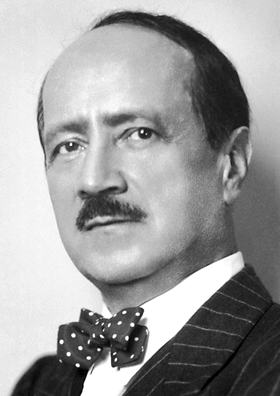
Saint-John Perse
### Introduction: The Diplomat-Poet of the Antillean Sea Alexis Léger (May 31, 1887 – September 20, 1975), globally celebrated by his literary pseudonym **Saint-John Perse**, remains one of the most enigmatic and luminous figures in twentieth-century world literature and international statecraft [1]. Born into the creole planter society on a small coral islet off the coast of Pointe-à-Pitre, Guadeloupe, Léger rose through intellect and administrative mastery to become the highest-ranking civil servant in French foreign policy—serving as Secretary-General of the Ministry of Foreign Affairs (*Secrétaire général du Quai d'Orsay*) during the harrowing geopolitical crises of the 1930s [2]. Concurrently, writing under a strict pseudonym to preserve the absolute neutrality and discretion demanded by his diplomatic office, he created a monumental body of epic, rhythmic verse that fundamentally revolutionized modern Francophone poetics. In 1960, he was awarded the Nobel Prize in Literature "for the soaring flight and the evocative imagery of his poetry which in a visionary fashion reflects the conditions of our time" [3]. Throughout his long life spanning global diplomacy, political exile in the United States, and worldwide acclaim, his poetic imagination remained eternally anchored in the marine horizons, tropical vegetation, and sensory brilliance of his native Caribbean. ### Childhood on the Islet: Guadeloupe and the Crucible of Memory Alexis Léger was born on May 31, 1887, on Îlet-à-Feuilles (later renamed Saint-Léger-les-Feuilles), a private family-owned coral islet nestled in the Petit Cul-de-Sac Marin near the harbor entrance of Pointe-à-Pitre, Guadeloupe [1]. His family belonged to the long-established French creole (*béké*) elite of the Lesser Antilles, tracing their ancestral presence in Guadeloupe back to 1815 [4]. His father, Amédée Léger, was an attorney of distinction who served as President of the General Council of Guadeloupe, while his mother, Marie Pauline Renée Dormoy, descended from a prominent lineage of colonial planters [2]. The family divided their existence between their elegant town residence in Pointe-à-Pitre, the tranquil seclusion of Îlet-à-Feuilles, and two vast agricultural estates: "La Joséphine," a coffee plantation nestled in the cool volcanic heights of Saint-Claude beneath the Soufrière volcano, and "Bois-Debout," an extensive sugarcane plantation situated along the windswept eastern coast of Capesterre-Belle-Eau [4]. For the first twelve years of his life, young Alexis was immersed in an island universe of extraordinary sensory intensity. He was surrounded by the rhythmic roar of the Atlantic surf, the vibrant turquoise shoals of the Caribbean Sea, the warm fragrance of crushed sugarcane and roasting coffee beans, and the lush biodiversity of equatorial rainforests, hummingbirds, and frigatebirds [5]. Raised largely by Afro-Guadeloupean nurses, domestic servants, and Creole sailors, the young boy developed an intimate reverence for the island's botanical life, oral traditions, and maritime culture [1]. He learned to sail small boats through treacherous coral reefs and absorbed the elemental cadences of tropical weather—from torrential equatorial downpours to the terrifying stillness that preceded tropical hurricanes. This immersion in Caribbean nature formed the foundational bedrock of his artistic sensibility. Decades later, the sights, textures, and rhythms of Guadeloupe would surge through his verses, providing the elemental metaphors of sea, salt, and trade winds that defined his mature poetry. > "Palms...! Then was the world for us a boundless space, where the winds had the scent of raw sugar and sea salt... A childhood nourished on fresh sap and sea spray, under the high command of the trade winds." — Saint-John Perse, *Pour fêter une enfance* [5]  ### Economic Ruin and Exile to Mainland France The idyllic world of Alexis Léger’s Antillean childhood came to an abrupt, traumatic end toward the close of the nineteenth century. In February 1897, a catastrophic earthquake rocked Pointe-à-Pitre, collapsing historic colonial residences and devastating the island's infrastructure [4]. This natural disaster coincided with a severe worldwide collapse in cane sugar prices, triggered by the industrial expansion of European sugar beet production. Simultaneously, escalating socio-political tensions and labor unrest undermined the economic viability of the traditional plantation system [1]. The Léger family's estates were heavily mortgaged, and within a few short years, their ancestral wealth evaporated. Faced with financial ruin, the Léger family made the agonizing decision to liquidate their remaining holdings and depart Guadeloupe permanently in March 1899 [4]. Alexis, then eleven years old, watched the emerald peaks of Basse-Terre sink beneath the Atlantic horizon—a voyage into exile from which he would never return to live in the Caribbean [1]. The family settled in the southwestern French city of Pau, in the shadow of the Pyrenees. For the young boy who had known only the boundless warmth, light, and freedom of the tropics, provincial France felt damp, confining, and emotionally frigid. He was enrolled at the Lycée de Pau, where he excelled academically, finding solace in classical Greek and Latin literature, botany, and maritime navigation [2]. ### Literary Awakening in Bordeaux and the Publication of *Éloges* In 1904, Léger moved to Bordeaux to pursue studies in law, political economy, and medicine at the University of Bordeaux [2]. During his university years, he began circulating his first experimental prose poems among avant-garde literary journals. His extraordinary linguistic gift, marked by majestic cadences, incantatory rhythms, and rare botanical and nautical vocabulary, caught the attention of prominent writers, including Francis Jammes, Paul Claudel, André Gide, Jacques Rivière, and Valery Larbaud [6]. Claudel, himself a distinguished diplomat and devout Catholic poet, recognized in Léger a kindred spirit possessing a cosmic, architectural vision of language. In 1911, Léger published his debut poetry collection, *Éloges* (Praises), under the name Saint-Léger Léger [5]. The collection, which featured the celebrated cycles "Images à Crusoé" and "Pour fêter une enfance," was an astonishing celebration of his lost Antillean childhood. Unlike the melancholic nostalgia typical of romantic exile poetry, *Éloges* re-created Guadeloupe through an objective, ritualistic feast of the senses—cataloging native fruits, sea breezes, coral shoals, and domestic plantation scenes with aristocratic elegance and linguistic precision [5]. *Éloges* immediately established him as one of the most original and formidable poetic voices in modern French literature. ### The Diplomatic Ascendance: China, Aristide Briand, and the Quai d'Orsay Despite his immediate literary success, Léger possessed no desire to live as a Parisian bohemian or commercial man of letters. Believing that poetry was a sacred interior vocation that should never be compromised by financial dependence or public exhibitionism, he resolved to pursue a career in statecraft [1]. In 1914, on the eve of World War I, he successfully sat for the competitive entrance examinations for the French diplomatic service, supported by his mentor Philippe Berthelot, the powerful Secretary-General of the Ministry of Foreign Affairs [2]. In 1916, Léger received his first major foreign assignment as secretary of the French legation in Beijing (Peking), China [2]. He spent five transformative years in China during the turbulent warlord era, traveling extensively through the Gobi Desert, Mongolia, and the Chinese interior. He rented an isolated, abandoned Taoist temple in the Western Hills outside Beijing (Tianjie), where he immersed himself in Eastern philosophy, equestrian expeditions, and poetic composition [1]. It was in this mountain hermitage that he composed *Anabase* (Anabasis), a sweeping epic poem chronicling the conquests, migrations, and spiritual yearnings of human civilizations across desolate landscapes [7]. Published in 1924 under the newly adopted pseudonym **Saint-John Perse**—a pen name designed to shield his diplomatic identity from public scrutiny—*Anabase* became an international literary milestone, translated into English by T.S. Eliot in 1930 and into German by Rainer Maria Rilke and Walter Benjamin [7]. In 1921, Léger accompanied the French delegation to the Washington Naval Conference in the United States [2]. There, his razor-sharp analytical mind and profound grasp of Asian and international affairs caught the attention of French Prime Minister and Foreign Minister Aristide Briand. Briand was so impressed that he appointed Léger his *chef de cabinet* (chief of staff) at the Quai d'Orsay [1]. For the next decade (1921–1932), Léger served as Briand's closest advisor, confidant, and principal foreign policy architect. He collaborated intimately on the Locarno Treaties of 1925, which sought post-war reconciliation with Weimar Germany, and the 1928 Kellogg-Briand Pact, which outlawed war as an instrument of national policy [2]. Crucially, Léger was the primary drafter of the historic 1930 "Briand Memorandum on the Organization of a Regime of European Federal Union"—the first official diplomatic proposal in modern history advocating for a unified European community [2]. In February 1933, at the age of forty-five, Léger reached the absolute summit of the French diplomatic hierarchy when he was appointed Secretary-General of the Ministry of Foreign Affairs [1]. As the highest permanent civil servant in French foreign policy, he directed the Quai d'Orsay through seven tumultuous years of escalating European crisis.  ### Defending the Republic: Resistance to Appeasement and Vichy Persecution Throughout the 1930s, Léger adopted an uncompromising, clear-eyed stance against the expansionist threat posed by Adolf Hitler’s Nazi Germany [1]. Unlike many contemporary politicians who favored appeasement, Léger warned repeatedly that concessions to Berlin would only embolden Nazi aggression. He advocated for a firm Franco-British alliance and sought diplomatic agreements with the Soviet Union and Central European states to encircle the German threat [2]. In September 1938, Léger accompanied Prime Minister Édouard Daladier to the fateful Munich Conference [1]. Although deeply opposed to the capitulation to Hitler’s demands regarding Czechoslovakia, he witnessed Daladier and British Prime Minister Neville Chamberlain sign the Munich Agreement. Léger regarded Munich as a catastrophic moral and strategic failure. His principled refusal to endorse further appeasement earned him bitter enemies among French political defeatists, pro-fascist factions, and German diplomats, who labeled him an obstacle to peace [2]. When World War II erupted in September 1939, Léger worked tirelessly to coordinate the Allied war effort. However, in May 1940, as the German military breached French defenses, political intrigues brought about his downfall. Prime Minister Paul Reynaud, influenced by appeasement-leaning advisors, abruptly dismissed Léger from his post as Secretary-General [1]. When the collaborationist Vichy regime was installed under Marshal Philippe Pétain in June 1940, Léger refused all offers of compromise or cooperation. Recognizing that his life was in immediate danger, he boarded a ship for England, eventually finding refuge in the United States in July 1940 [2]. The Vichy government retaliated against Léger with vindictive fury. In October 1940, Pétain issued an official decree stripping Léger of his French citizenship, revoking his membership in the Legion of Honor, and confiscating all his personal assets [1]. Concurrently, the Gestapo ransacked his apartment on Avenue de Camoëns in Paris, seizing his private papers and destroying several unpublished epic poetic manuscripts—an irreplaceable literary loss that haunted the poet for the remainder of his life. ### Exile in America and the Resurgence of Song Arriving penniless and dispossessed in Washington, D.C., Léger found a crucial sanctuary through the intervention of the American poet and Librarian of Congress, Archibald MacLeish [1]. MacLeish secured for him an appointment as an honorary consultant in French literature at the Library of Congress, providing Léger with a modest income, a quiet office, and access to the world’s greatest collection of books [2]. Surrounded by exile and the catastrophe of war, the diplomat Alexis Léger fell silent, allowing the poet Saint-John Perse to reclaim his voice after nearly two decades of administrative restraint. In the United States, Perse entered the most prolific creative period of his life. During a stay on the wind-battered coast of Long Beach Island, New Jersey, in the summer of 1941, he composed *Exil* (Exile), a towering metaphysical meditation on homelessness, temporal dislocation, and the enduring power of language [7]. This was followed by a sequence of sweeping masterworks written in rhythmic versets: *Pluies* (Rains, 1943), *Neiges* (Snows, 1944), and *Vents* (Winds, 1946)—a monumental epic inspired by the vast geography, winds, and spiritual energies of the North American continent [7]. In 1957, he published *Amers* (Seamarks), a transcendent oceanic hymn celebrating the sea as the cradle of civilization, love, and human renewal [7]. > "Poetry is not merely a way of knowing; it is even more a way of living—of living entirely, in one’s entirety, and with one’s whole being." — Saint-John Perse, Nobel Banquet Speech, 1960 [3] Following the liberation of France in 1944, the provisional French government under General Charles de Gaulle formally restored Léger’s citizenship, diplomatic rank, and honors, offering him senior ambassadorial posts [2]. However, deeply wounded by his wartime betrayal, Léger declined to re-enter active diplomatic service. He chose to remain in Washington, D.C., until 1957, when American benefactors and French admirers presented him with a coastal estate, "Les Vigneaux," on the Giens peninsula in southern France [1]. For the remainder of his life, he divided his seasons between the United States and the Mediterranean shore of Provence. ### The 1960 Nobel Prize in Literature In October 1960, the Swedish Academy awarded Saint-John Perse the Nobel Prize in Literature [3]. The citation celebrated his poetic grandeur, honoring him "for the soaring flight and the evocative imagery of his poetry which in a visionary fashion reflects the conditions of our time" [3]. On December 10, 1960, at the Nobel banquet in Stockholm's City Hall, Perse delivered one of the most revered acceptance speeches in the history of the prize [3]. In an era dominated by rapid scientific and technological advancement, he articulated a profound defense of poetry, arguing that poetic intuition and scientific inquiry were complementary paths toward human truth. He declared that poetry was not an idle luxury or decorative amusement, but a fundamental spiritual necessity—an act of moral conscience that upheld human dignity amid material uncertainty [3]. The award cemented his position alongside Paul Valéry, Stéphane Mallarmé, and Arthur Rimbaud in the pantheon of modern French poets. ### The Antillean Heritage and Caribbean Literary Dialogue Although Saint-John Perse lived and died thousands of miles from the island of his birth, his Caribbean origins remained the beating heart of his artistic identity [4]. Unlike contemporary European poets whose imagery drew upon urban life or classical ruins, Perse’s verse was saturated with the primal dynamics of the tropical environment: the seasonal pulse of trade winds (*les alizés*), the blinding light of the tropics, mangrove swamps, torrential cloudbursts, and the immensity of the ocean [5]. His relationship to the Caribbean was complex, mirroring the historical contradictions of his era. As a descendant of the white planter oligarchy, Perse celebrated an aristocratic memory of the pre-modern plantation world, viewing it through an idealized, timeless prism [4]. Yet, his work served as a crucial catalyst for modern Caribbean literature. In his historic 1992 Nobel Lecture, Saint Lucian poet and dramatist [Derek Walcott](/profiles/derek-walcott) delivered a nuanced tribute to Perse in *The Antilles: Fragments of an Epic Memory*, acknowledging that despite the social divisions of colonial history, Perse had captured the genuine light, foliage, and elemental majesty of the archipelago [8]: > "Saint-John Perse’s poetry was formed by the dazzle of the Caribbean light, the salt spray of its trade winds, and the deep, elegiac memory of an island childhood that never ceased to haunt his exile." — Derek Walcott [8] Similarly, Martinican philosopher and writer Édouard Glissant engaged extensively with Perse's work, analyzing how Perse’s poetic nomadism and oceanic imagination anticipated modern Caribbean concepts of relation and exile [9]. While Aimé Césaire articulated the revolutionary voice of Negritude and African resistance, Perse voiced the profound experience of Caribbean displacement and the eternal call of the sea [9]. In Pointe-à-Pitre, Guadeloupe, his legacy is officially preserved at the **Musée Saint-John Perse**, established in 1987 in the historic Maison Souques-Pagès—an exquisite 19th-century metal-framed colonial mansion designed by the workshops of Gustave Eiffel [10]. The museum displays archival documents, personal artifacts, first editions, and family photographs, celebrating the enduring bond between the Nobel laureate and his native island. ### Final Years and Eternal Rest In his late years, Perse continued to write, publishing *Chronique* (1960), *Oiseaux* (Birds, 1962, illustrated by Georges Braque), and *Chant pour un équinoxe* (Song for an Equinox, 1971) [7]. In 1958, he married Dorothy Milburn Russell, an American with whom he shared his final peaceful years between Georgetown and Provence [2]. On September 20, 1975, Alexis Léger passed away at his home in Giens at the age of eighty-eight [1]. He was laid to rest in the small cemetery on the Giens peninsula, perched on a cliff overlooking the azure waters of the Mediterranean Sea [2]. To the very end, he remained a poet of the horizon—a Guadeloupean child whose memory of a small coral islet expanded into a universal song of human dignity, exile, and oceanic beauty.
View Profile →
Salomé Ureña
### Salomé Ureña: The Poetic Voice of a Rising Nation #### Introduction Salomé Ureña de Henríquez remains one of the most towering intellectual figures of the nineteenth-century Caribbean. As the national poet of the Dominican Republic and a radical pioneer of women's education, she forged a new path for her country during a period of intense political fragmentation and post-colonial anxiety [1]. Writing at a time when the Dominican Republic was struggling to define its sovereignty, Ureña’s verse provided a moral compass and a vision of democratic progress [2]. Her subsequent dedication to education transformed the social landscape of her country, establishing the first institution of higher learning for women and training a generation of female teachers who would champion the cause of intellectual liberation [3]. Her life represents the intersection of romantic patriotism, positivist reform, and a deep-seated belief in the power of the written word. #### Early Life and Foundations in a Turbulent Era (1850–1867) Born in the historic city of Santo Domingo on October 21, 1850, Salomé Ureña entered a world marked by political instability and national vulnerability [2]. Just six years prior, in 1844, the Dominican Republic had declared its independence from Haiti, led by patriotic visionaries like [Juan Pablo Duarte](/profiles/juan-pablo-duarte), [Francisco del Rosario Sánchez](/profiles/francisco-sanchez), and [Matías Ramón Mella](/profiles/matias-mella) [4]. However, the infant republic was immediately besieged by internal conflicts and authoritarian caudillos. The political landscape was dominated by the rivalries of Pedro Santana and Buenaventura Báez, both of whom sought foreign protectors to secure their rule [2]. This culminated in Santana's controversial decision to annex the country back to Spain in 1861, a move that sparked the bloody War of Restoration (1863–1865) and threw the nation into further turmoil [4]. Ureña was born to a family deeply embedded in the island’s intellectual and political life. Her father, Nicolás Ureña de Mendoza, was a prominent lawyer, politician, and poet who wrote *costumbrista* verse reflecting Dominican traditions [4]. Her mother, Gregoria Díaz de Castro, was a well-educated woman who instilled in her daughter a love of reading and a deep moral grounding [4]. Under her father’s tutelage, Ureña received an exceptional, if informal, education. She read the classics of Spanish literature, including Fray Luis de León, Garcilaso de la Vega, and San Juan de la Cruz, alongside contemporary French and English writers in translation [2]. The young Salomé showed an early genius for language, absorbing the formal structures of poetry and the political philosophies of the European Enlightenment [5]. This rich domestic environment served as a sanctuary from the civil wars and political violence raging outside her family home. #### The Literary Awakening and "Herminia" (1867–1879) By the age of fifteen, Ureña was composing her own verses. However, entering the male-dominated literary sphere of nineteenth-century Santo Domingo was a perilous endeavor for a young woman. To protect her identity and test the public reception of her work, she began publishing her poems in local periodicals in 1867 under the pseudonym "Herminia" [5]. This persona allowed her to write with a degree of freedom and authority that was otherwise denied to women of her social standing. Her early poems under this name focused on themes of nature, faith, and the domestic sphere, but they quickly began to incorporate broader social concerns [2]. As her confidence grew and her style matured, the political urgency of her writing became impossible to hide behind a pseudonym. In 1874, at the age of twenty-four, she abandoned the name Herminia and began publishing under her own name [5]. The transition marked her arrival as a mature, independent voice in Dominican letters. Her poetry resonated deeply with a public weary of civil conflict, and she was quickly adopted by the country’s liberal elite as a symbol of cultural renewal. In 1880, the prestigious literary society *Sociedad Amigos del País* published her first collected volume of poems, *Poesías de Salomé Ureña*, solidifying her reputation as the "national poetess" of the Dominican Republic [4]. #### The Politics of Poetry: Patriotism, Progress, and the Restoration (1870s) Ureña’s poetry from the 1870s is characterized by an intense, romantic patriotism that was closely aligned with the Liberal "Blue Party" (Partido Azul), led by the military hero [Gregorio Luperón](/profiles/gregorio-luperon) [2]. Unlike the conservative "Red Party" (Partido Rojo) of Buenaventura Báez, which favored foreign annexation and dictatorial rule, the Blues championed democratic progress, national sovereignty, and the secular modernization of the state. Ureña’s verse became the artistic vanguard of this liberal movement, urging her compatriots to lay down their arms and build a nation based on reason, industry, and education [1]. Her masterpiece from this era, "Ruinas" (1876), is a melancholic yet hopeful meditation on the ruins of Santo Domingo’s colonial past. She uses the crumbling stone monuments of the city—once the center of Spanish power in the Americas—as a metaphor for the intellectual and moral decay of her contemporary society [2]. Yet, rather than despair, the poem concludes with an urgent call to action, demanding that the Dominican people rebuild their nation not through military conquest, but through the cultivation of the mind [5]. > Memorias venerandas de otros días, > soberbios monumentos, > del pasado esplendor reliquias frías, > donde el arte vertió sus fantasías, > donde el alma expresó sus pensamientos. > > — Salomé Ureña, "Ruinas" In another landmark poem, "A la Patria" (1874), Ureña directly addresses the war-torn nation, urging it to shed its mantle of grief and embrace a future of peace and unity [1]. Her verses are characterized by a sense of civic duty and a belief that the Dominican Republic possessed a unique destiny that could only be realized through democratic stability. > Desgarra, Patria mía, el manto que vilmente, > sobre tus hombros puso la bárbara crueldad; > levanta ya del polvo la ensangrentada frente, > y entona el himno santo de unión y libertad. > > — Salomé Ureña, "A la Patria" Ureña’s patriotic poetry was not merely abstract rhetoric; it was a form of political activism. She used her position to criticize the militarism of local warlords and to advocate for a secular state where intellectual achievement was valued over military force. Her poem "La gloria del progreso" celebrated the arrival of science, technology, and industry, viewing them as tools of liberation that would lift the Dominican Republic out of its colonial legacy [2]. #### Love, Family, and Collaborative Ideals (1880–1897) On February 11, 1880, Ureña married Francisco Henríquez y Carvajal, a brilliant young intellectual, writer, and physician [4]. Their union was a meeting of minds, founded on a shared devotion to the progress of the Dominican Republic. Henríquez y Carvajal, who would later serve as President of the Republic in 1916 during the United States occupation, supported Ureña’s intellectual ambitions and collaborated with her in her educational projects [4]. Together, they established a household that became a major intellectual center in Santo Domingo. They had four children: Francisco, Pedro, Max, and Camila [2]. The family would become one of the most influential intellectual dynasties in Latin American history. [Pedro Henríquez Ureña](/profiles/pedro-urena) (1884–1946) became a world-renowned humanist, essayist, philologist, and literary critic whose work defined Latin American cultural identity [2]. Camila Henríquez Ureña (1894–1973) became a pioneering feminist, educator, and essayist who taught at Vassar College and in Cuba [2]. Max Henríquez Ureña (1885–1968) was an accomplished writer, diplomat, and literary historian. Despite her demanding domestic duties, Ureña continued to write and teach, demonstrating that women could balance family life with a significant public and professional career. #### Educational Revolution: The Instituto de Señoritas (1881–1893) While Ureña’s poetry brought her national fame, her most enduring contribution to Dominican society was her work in education. In the late nineteenth century, formal education for Dominican women was virtually non-existent, limited to basic literacy and domestic skills [1]. Ureña recognized that the nation could never achieve true progress or democratic stability while half of its population remained disenfranchised and uneducated [3]. In 1879, the Puerto Rican educator and philosopher [Eugenio María de Hostos](/profiles/eugenio-hostos) arrived in the Dominican Republic. Hostos initiated a radical reform of the country’s educational system, championing a scientific, secular, and positivist approach to pedagogy [5]. Ureña found in Hostos a kindred spirit, and she enthusiastically embraced his ideas [2]. On November 3, 1881, with the support of Hostos and her husband, she founded the *Instituto de Señoritas* (Young Ladies' Institute) in Santo Domingo [4].  The *Instituto de Señoritas* was the first institution of higher education for women in the Dominican Republic [1]. The curriculum was revolutionary, focusing on mathematics, natural sciences, history, geography, literature, and pedagogy, rather than the traditional domestic arts [2]. Ureña sought to prepare women not just to be better wives and mothers, but to be independent thinkers, professionals, and citizens. The school faced significant opposition from conservative sectors of society and the Catholic Church, which viewed secular female education as a threat to traditional family structures and religious authority. Despite these challenges, Ureña’s dedication kept the school open. The crowning achievement of the Institute came in 1887, when it celebrated the graduation of its first six normal school teachers: Leonor M. Feltz, Altagracia Henríquez Perdomo, Luisa Ozema Pellerano, Mercedes Laura Aguiar, and Ureña’s own sister, Ramona Ureña [4]. This event marked a watershed moment in Dominican history, establishing teaching as a respectable profession for women and creating a network of educated female leaders who would spread modern pedagogy throughout the country [3]. #### Declining Health, Exile, and Final Years (1893–1897) The relentless demands of running the *Instituto de Señoritas*, raising her children, and participating in public life took a severe toll on Ureña’s health. She had long suffered from respiratory issues, and by the early 1890s, she had contracted tuberculosis [2]. In 1893, facing failing health and financial difficulties, she was forced to close the Institute, a decision that caused her deep sorrow [4]. In search of a healthier climate, Ureña traveled to Puerto Rico, where her husband was pursuing medical work. She spent several years on the neighboring island, resting and corresponding with her family and friends. Despite her physical weakness, she continued to write and monitor the progress of her former students, who had taken up her educational mantle in Santo Domingo. Sensing that her death was near, Ureña returned to her beloved Santo Domingo in 1896. She passed away on March 6, 1897, at the young age of forty-six [2]. Her death was met with national mourning. The Dominican government ordered a state funeral, and her body was buried in the Church of the Mercedes, later moved to the National Pantheon of the Dominican Republic, where she rests alongside the founding fathers of the nation. #### Legacy and Lasting Impact Salomé Ureña’s legacy is woven into the very fabric of Dominican national identity. She is celebrated not only as a poet of exquisite lyrical beauty but also as the mother of Dominican feminism and modern education [1]. In recognition of her impact, her birthday, October 21, is celebrated annually in the Dominican Republic as National Poets' Day. Numerous educational institutions bear her name, most notably the *Instituto Superior de Formación Docente Salomé Ureña* (ISFODOSU), the country’s premier teacher-training university [3]. Her life and work continue to inspire generations of Caribbean writers and educators. In her poetry, she envisioned a nation of peace, progress, and intellectual light; in her educational work, she built the foundation to make that vision a reality.
View Profile →
Simone Schwarz-Bart
## Simone Schwarz-Bart: Voice of Antillean Resilience and Matriarchal Folklore ### Introduction and Literary Horizon Simone Schwarz-Bart stands among the most celebrated and visionary literary figures of the Francophone Caribbean [1]. Renowned as a novelist, playwright, and essayist, her luminous body of work has fundamentally reshaped the landscape of Antillean literature by elevating the voices, struggles, and profound spiritual resilience of Caribbean women [2]. Emerging during a vibrant literary Renaissance that saw the rise of global Caribbean intellectuals such as [Maryse Condé](/profiles/maryse-conde), [Aimé Césaire](/profiles/aime-cesaire), and [Édouard Glissant](/profiles/edouard-glissant), Schwarz-Bart carved out a uniquely incantatory narrative space [3]. Her prose seamlessly interweaves Creole oral traditions, rural folklore, historical memory, and poetic realism to chronicle the multi-generational survival of the descendants of enslaved Africans [4]. Through her masterpieces—most notably Pluie et vent sur Télumée Miracle (The Bridge of Beyond)—she transformed the historical trauma of the Guadeloupean peasantry into a universal celebration of human dignity, matriarchal strength, and cultural endurance [5]. ### Early Life, Heritage, and Creole Roots Simone Schwarz-Bart was born Simone Brumant on January 8, 1938, in the town of Saintes, located in the Charente-Maritime department of metropolitan France [1]. Her parents were natives of Guadeloupe; her father was a career military soldier serving in the French armed forces, and her mother was a dedicated schoolteacher [6]. When Simone was just three months old, her mother returned with her to Guadeloupe, where she spent her formative childhood and adolescent years deeply embedded in the island's lush landscape and vibrant Creole culture [3]. Growing up between the rural district of Goyave and the bustling urban port city of Pointe-à-Pitre, young Simone absorbed the rich oral traditions, proverbial wisdom, and storytelling rhythms of the Guadeloupean people [2]. In early mid-century Guadeloupe, daily life was shaped by the enduring legacies of the plantation economy, social stratification, and the quiet, unyielding strength of Antillean women who held families and communities together through severe economic hardship [5]. These women—grandmothers, mothers, and godmothers who carried historical memory through spoken tales and daily rituals—became the foundational inspiration for Schwarz-Bart’s future literary imagination [4]. Surrounded by the natural majesty of the island's rivers, sugarcane fields, and looming volcano, she developed a profound ecological and spiritual consciousness that paralleled the pioneering cultural investigations of earlier Antillean thinkers like [Paulette Nardal](/profiles/paulette-nardal) [3].  ### Education, Exile, and Meeting André Schwarz-Bart Simone Brumant completed her primary and secondary schooling in Guadeloupe, excelling as a brilliant and deeply inquisitive student [1]. Seeking to pursue higher education, she relocated to Paris in the mid-1950s to study at the Sorbonne [6]. The Parisian environment during this post-war period was a dynamic crossroads for students, artists, and activists from across the African and Caribbean diaspora, buzzing with debates on anticolonialism, Négritude, and existentialism inspired by intellectuals such as [Léon-Gontran Damas](/profiles/leon-gontran-damas) and [Frantz Fanon](/profiles/frantz-fanon) [3]. While navigating university life in the French capital, Simone experienced the poignant dualities of exile—an intense longing for her Caribbean homeland coupled with a broadening intellectual horizon [5]. It was during this transformative Parisian chapter that she met André Schwarz-Bart, a celebrated French writer of Polish-Jewish descent who had just won the prestigious Prix Goncourt in 1959 for his monumental Holocaust novel, The Last of the Just [2]. Their meeting sparked an extraordinary personal and artistic union. They married in 1963, forging a profound partnership built on mutual respect, deep empathy, and a shared dedication to exploring human suffering and historical survival [4]. Together, they recognized a profound historical parallel between the Jewish Holocaust and the centuries-long tragedy of the transatlantic slave trade and Caribbean enslavement [4]. This communion of historical traumas laid the philosophical groundwork for their subsequent literary collaborations. ### Collaborative Masterpieces and Literary Genesis The literary collaboration between Simone and André Schwarz-Bart produced some of the most ambitious historical narratives in modern French literature [6]. In 1967, they co-authored Un plat de porc aux bananes vertes (A Plate of Pork with Green Bananas), which marked the beginning of a projected multi-volume cycle entitled La Mulâtresse Solitude [1]. The novel told the harrowing story of a Caribbean woman ending her days in a Parisian asylum, exploring themes of historical displacement, alienation, and memory [3]. Through this joint effort, Simone began honing her distinctive literary voice, blending André's historical rigor with her own visceral connection to Caribbean sensory experience and Creole idioms [5]. Decades later, their collaborative spirit culminated in the publication of the monumental six-volume encyclopedic work Hommage à la femme noire (In Praise of Black Women), published between 1988 and 1989 [2]. This sprawling, highly acclaimed compendium meticulously documented the overlooked histories, heroic leadership, and cultural contributions of Black women from ancient African queens and heroines of the diaspora to contemporary political and artistic pioneers [4]. By writing Black women back into universal history, Schwarz-Bart solidified her commitment to feminist historiography and pan-African solidarity, elevating figures who had long been marginalized by colonial narratives [6]. ### Masterpiece: Pluie et vent sur Télumée Miracle Simone Schwarz-Bart achieved international literary immortality as a solo author with the publication of her 1972 novel, Pluie et vent sur Télumée Miracle (translated into English as The Bridge of Beyond) [1]. Widely hailed as a masterpiece of twentieth-century literature, the novel won the prestigious Grand prix des lectrices de Elle and established Schwarz-Bart as a premier voice in Francophone letters [6]. The novel chronicles three generations of Guadeloupean women from the proud Lougandor family—the revered grandmother Toussine (known affectionately as Reine-Sans-Nom), her daughter Victoire, and her resilient granddaughter Télumée, who narrates the epic saga [4]. Set against the lush, unforgiving backdrop of rural Guadeloupe in the decades following the abolition of slavery, the novel follows Télumée as she confronts crushing poverty, heartbreak, racial injustice, and social exploitation [3]. Rather than succumbing to despair, Télumée draws profound spiritual nourishment from the ancestral wisdom of Reine-Sans-Nom and the natural environment around her [5]. Schwarz-Bart crafted the novel's prose with an enchanting, lyrical cadence that mirrors the oral storytelling traditions of Creole culture, weaving local proverbs, metaphors, and folk beliefs directly into the French language [4]. The novel stands as a monumental tribute to the indomitable spirit of Caribbean women who, like bamboo reeds in a tropical hurricane, bend under the fierce winds of life but refuse to break [2]. > [!NOTE] > Pluie et vent sur Télumée Miracle is celebrated not merely as a work of fiction, but as a cultural scripture that restored dignity, philosophical depth, and poetic grace to the forgotten rural women of the French Antilles. > "Thus I have lived, thus I have been a woman... I stand here in my garden, sturdy and unshaken, like a towering tree that has weathered every storm, holding the memory of my people in the roots of my soul." — Pluie et vent sur Télumée Miracle [5] ### Playwriting and Dramatic Innovations Demonstrating her remarkable creative versatility, Schwarz-Bart later expanded her literary explorations into the realm of theatre [1]. In 1987, she published the widely acclaimed play Ton beau capitaine (Your Handsome Captain), a poignant one-act drama that explored the intimate human toll of economic migration in the contemporary Caribbean [6]. The play centers on Wilnour, a Haitian agricultural laborer working as a migrant cane cutter in Guadeloupe, and his wife Marie-Ange, who remains behind in impoverished Haiti [3]. Separated by the Caribbean Sea, the couple communicates exclusively through recorded cassette tapes sent back and forth across the water [5]. Through this minimalist and emotionally devastating theatrical framework, Schwarz-Bart illuminated the profound isolation, economic displacement, and relational fracturing caused by modern neocolonial labor systems [4]. Ton beau capitaine was performed to critical acclaim on stages across Europe, the Caribbean, and North America [4]. The play showcased Schwarz-Bart’s deep pan-Caribbean empathy, transcending island boundaries to express profound solidarity with the Haitian working class and reflecting the regional humanism advocated by contemporaries like [Edouard Glissant](/profiles/edouard-glissant) [3]. Her dramatic dialogue captured the nuances of longing, fidelity, and dignity under the weight of systemic economic oppression. ### Later Works, Global Nomadism, and Lasting Legacy Throughout her adult life, Simone Schwarz-Bart embraced a nomadic global existence, residing at various periods in Senegal, Switzerland, metropolitan France, and her beloved Guadeloupe [2]. In 1979, she published the enchanting novel Ti Jean L'horizon, a magical realist epic that incorporated Caribbean mythology, African ancestral memories, and science fiction elements to explore the quest for Antillean identity across time and space [6]. Following the passing of her husband André Schwarz-Bart in 2006, Simone dedicated herself to managing their shared literary estate and completing several unpublished manuscripts they had conceived together, including the novel L'Étoile du matin (2009) [1]. In recognition of her extraordinary contributions to literature and the preservation of Francophone cultural heritage, Schwarz-Bart was named a Commandeur des Arts et des Lettres by the French government and has received numerous lifetime achievement accolades across the globe [4]. Today, she resides primarily in Guadeloupe, where her home in Goyave—named La Soufrière—has long served as a cultural gathering place for writers, scholars, and artists [3]. Simone Schwarz-Bart’s literary legacy remains a towering monument in Caribbean letters [5]. By capturing the majestic folklore, linguistic beauty, and matriarchal power of Guadeloupe, she has ensured that the stories of Antillean women continue to resonate with timeless, universal brilliance across the world [5].
View Profile →
Sir Derek Walcott
# Biography of Sir Derek Alton Walcott ### Introduction Sir Derek Alton Walcott was a monumental figure in world literature, celebrated as one of the greatest poets and playwrights of the twentieth century. Awarded the Nobel Prize in Literature in 1992, Walcott's rich, luminous, and deeply historical body of work captured the complex identity of the postcolonial Caribbean [1]. Born on the small island of Saint Lucia, Walcott dedicated his life to giving voice to the region’s hybrid heritage, weaving together the classical traditions of Europe with the vibrant folklore, languages, and struggles of the West Indies. He was a poet of exile, memory, and landscape, whose verses resonated with the rhythms of the sea and the voices of the fishermen of his homeland [2]. Through his founding of the Trinidad Theatre Workshop and his masterly epic poem *Omeros*, Walcott established a distinct Caribbean aesthetic on the global stage, earning his place as a Knight Commander of the Order of Saint Lucia and a global literary icon. ### Early Life and Hybrid Heritage Derek Walcott was born on January 23, 1930, in Castries, Saint Lucia, along with his twin brother Roderick. The brothers grew up in a household steeped in artistic appreciation, managed by their mother, Alix Maarlin Walcott, a schoolteacher who loved music and literature [2][3]. Their father, Warwick Walcott, was a civil servant, amateur painter, and poet who died of mastoiditis when the twins were only one year old [3][4]. Despite his early death, Warwick’s presence lingered in the home through his paintings, books, and water-colors, which served as a silent invitation for the young twins to pursue the arts [4][5]. Roderick Walcott would go on to become a celebrated playwright and theater director in his own right, while Derek would scale the heights of both poetry and drama. Growing up in Saint Lucia during the 1930s and 1940s meant navigating a complex web of cultural and linguistic identities [5]. The island had been contested for centuries, changing hands between the British and the French fourteen times before finally becoming a British colony. As a result, the population spoke a French-based Creole (patois) in their daily lives, while the formal education system was strictly British. Furthermore, the Walcott family belonged to the Methodist minority in an island that was overwhelmingly Roman Catholic [5]. Derek's own ancestry was mixed, combining African, English, and Dutch roots [6]. This heritage of division and hybridity would become the cornerstone of Walcott's artistic inquiry. He famously articulated this search for identity in his poem "The Schooner Flight": > "I have Dutch, nigger, and English in me, / and either I'm nobody, or I'm a nation." > — Sir Derek Walcott [5] Rather than seeing this mixed heritage as a source of fragmentation, Walcott came to view it as a unique creative opportunity—a blank canvas upon which a new, distinctively Caribbean culture could be constructed. ### The Crucible of Mentorship: Harry Simmons and Dunstan St. Omer Walcott’s early artistic development was shaped by a close-knit group of young creatives and mentors in Castries. Foremost among them was [Harold Simmons](/profiles/harold-simmons), a local painter, ethnographer, and intellectual who became a father figure to the young Walcott and his close friend, the painter [Dunstan St. Omer](/profiles/dunstan-st-omer) [5][7]. Simmons's studio was a sanctuary where the young men studied painting, listened to classical music, and discussed literature and West Indian folklore. Simmons taught them to look at the Saint Lucian landscape not as a colonial outpost, but as a sacred and beautiful space worthy of the highest artistic representation [5]. Under Simmons’s guidance, Walcott and St. Omer spent their weekends painting the landscapes and people of Saint Lucia. This training as a visual artist deeply influenced Walcott's poetry, which is noted for its intense visual imagery, its attention to light and color, and its painterly descriptions of the sea and sky. At the age of fourteen, Walcott published his first poem in the local newspaper, *The Voice of Saint Lucia*. The poem, which expressed a youthful search for spiritual and artistic meaning, was heavily criticized by a local priest for its unconventional views, but this did not deter the young writer [3][5]. At nineteen, with the financial assistance of his mother—who gave him the significant sum of two hundred dollars from her modest teacher's salary—Walcott self-published his first collection, *25 Poems* (1948) [3][5]. He distributed the booklets by hand on the streets of Castries, determined to prove that a West Indian could write poetry equal in craft and depth to the great English masters [5]. ### Higher Education and Trinidad Theatre Workshop After completing his secondary education at St. Mary's College, where he was a contemporary of future political leader [Sir John Compton](/profiles/sir-john-compton) and economic reformer [Sir George Charles](/profiles/sir-george-charles), Walcott received a colonial scholarship to attend the newly established University College of the West Indies in Mona, Jamaica [7]. He graduated in 1953 with a Bachelor of Arts, having studied French, Spanish, and Latin [3][7]. During his time in Jamaica, Walcott continued to write, publish, and stage his first plays, solidifying his reputation as a rising star of the West Indian literary renaissance. In 1959, Walcott moved to Trinidad, where he worked as a journalist and art critic for the *Trinidad Guardian* [2]. It was in Port of Spain that Walcott co-founded the Trinidad Theatre Workshop (originally the Little Carib Theatre Workshop) alongside his twin brother [Roderick Walcott](/profiles/roderick-walcott) and a dedicated group of actors and dancers. Walcott served as the workshop's artistic director for seventeen years, transforming it into a legendary institution that laid the groundwork for a genuine Caribbean theatrical tradition [2]. In Trinidad and the wider region, Walcott's theatrical and literary work was part of a larger mid-century Caribbean intellectual movement, which included figures like the Trinidadian novelist [V.S. Naipaul](/profiles/v-s-naipaul), the Barbadian poet [Kamau Brathwaite](/profiles/kamau-brathwaite), and the Martinican writers [Aimé Césaire](/profiles/aime-cesaire) and [Frantz Fanon](/profiles/frantz-fanon). Together, they wrestled with the challenge of defining a postcolonial Caribbean consciousness. The mission of the Trinidad Theatre Workshop was to create a style of theater that reflected the reality of West Indian life [2]. Walcott rejected both the imitation of European drawing-room plays and the simple replication of local folklore. Instead, he sought to fuse the two. He trained his actors to use classical physical techniques while performing in the local English vernacular, incorporating Creole music, drumming, and dance [2]. The workshop produced many of Walcott's early plays, establishing a creative laboratory that influenced dramatists across the region [2]. ### The Masterpieces: *Dream on Monkey Mountain* and *Omeros* Throughout the 1960s and 1970s, Walcott produced a steady stream of poetry and drama. His play *Dream on Monkey Mountain* (1967) is widely regarded as his theatrical masterpiece. The play tells the story of Makak, an impoverished charcoal burner who lives in the mountains of Saint Lucia. In a series of hallucinatory dreams, Makak is visited by a white goddess who commands him to reclaim his royal African heritage. The play is a profound exploration of the psychological wounds of colonization, the search for identity, and the danger of replacing one colonial delusion with another. When the play was staged off-Broadway in 1971 by the Negro Ensemble Company, it won an Obie Award for Best Foreign Play, bringing Walcott international acclaim [2]. In his poetry, Walcott reached the peak of his career with the publication of *Omeros* in 1990 [1]. An epic poem of over eight thousand lines, *Omeros* is a modern-day reimagining of Homer’s *Iliad* and *Odyssey* set in the Caribbean [7]. The characters are simple Saint Lucian fishermen, taxi drivers, and housemaids: Achille, Hector, Helen, Philoctete, and Major Plunkett. Through their stories, Walcott explores the themes of historical displacement, the legacy of slavery and empire, and the healing power of the natural world. The character of Philoctete, a fisherman with a festering, smelly wound on his shin caused by a rusty anchor, serves as a metaphor for the historical trauma of the Middle Passage and colonization [5]. The wound is healed not by Western medicine, but by the traditional knowledge of Ma Kilman, who finds an African root in the forest [5]. *Omeros* was hailed as a literary triumph, with critics praising Walcott's ability to elevate the lives of ordinary West Indians to the level of classical myth. ### The Nobel Prize and "Fragments of Epic Memory" In October 1992, the Swedish Academy awarded Derek Walcott the Nobel Prize in Literature [1]. He was the second Saint Lucian to receive a Nobel Prize, following his schoolmate [Sir Arthur Lewis](/profiles/sir-arthur-lewis), who had won the prize in Economics in 1979 [7]. The Nobel Committee recognized Walcott for "a poetic oeuvre of great luminosity, sustained by a historical vision, the outcome of a multicultural commitment" [1]. In his acceptance speech, titled "The Antilles: Fragments of Epic Memory," Walcott delivered a powerful defense of Caribbean culture. He used the metaphor of a broken vase to describe the Caribbean identity: > "Break a vase, and the love that reassembles the fragments is stronger than that love which took its symmetry for granted when it was whole. The glue that fits the pieces is the sealing of its original shape. It is such a love that reassembles our African and Asiatic fragments, the cracked heirlooms whose restoration shows its white scars. This gathering of broken pieces is the care and pain of the Antilles." > — Sir Derek Walcott [1] For Walcott, the Caribbean was not a cultural void or a land of ruins, but a place of assembly and renewal, where the fragments of different cultures—African, European, Asian—were being put back together to create something new and beautiful [1]. His address was widely praised as one of the most eloquent Nobel lectures in history, cementing his status as the voice of the Caribbean. ### Later Life, Academic Career, and Death Following his Nobel victory, Walcott continued to write and teach. He spent more than two decades as a Professor of Poetry and Playwriting at Boston University, mentoring generations of young writers [2]. He also held academic posts at the University of Alberta and the University of Essex. He published several more collections of poetry, including *The Bounty* (1997), a tribute to his mother and his early mentor Harry Simmons, and *White Egrets* (2010), which won the prestigious T. S. Eliot Prize [2]. In 2016, Walcott was appointed a Knight Commander of the Order of Saint Lucia (KCNG) for his lifelong contribution to the arts. He returned to Saint Lucia in his final years, living at his home in Cap Estate, overlooking the sea. Sir Derek Walcott passed away on March 17, 2017, at the age of 87. He was given a state funeral and buried at Morne Fortune, near the graves of his childhood mentor [Harold Simmons](/profiles/harold-simmons) and Saint Lucia's other Nobel laureate, [Sir Arthur Lewis](/profiles/sir-arthur-lewis) [2]. His legacy survives in the Trinidad Theatre Workshop, the annual Derek Walcott Square in Castries, and, above all, in the timeless music of his verse, which gave the Caribbean its own epic voice.  
View Profile →Sir Howard Fergus
### Early Life and Humble Beginnings Sir Howard Archibald Fergus was born on **July 22, 1937**, in the village of **Long Ground**, on the eastern coast of Montserrat — a small British Overseas Territory nestled in the northern arc of the Lesser Antilles. He arrived into a world shaped by colonial rule, an agrarian economy built on the legacy of slavery, and a society where formal education was a precious and hard-won commodity. His parents, by his own account, possessed little wealth or formal schooling, yet they imbued in him a reverence for learning that would define the entire arc of his extraordinary life. From the red volcanic soil of Long Ground, a future knight, professor, poet, and national icon would emerge. Young Howard attended **Bethel Primary School** before progressing to the **Montserrat Secondary School** (also referred to as the Montserrat Grammar School), where he demonstrated an exceptional aptitude for language, literature, and history. At a time when secondary education for a working-class Montserratian boy was itself an achievement, Fergus pressed further still, earning a place at **Erdiston Teachers College** in Barbados, where he trained between 1955 and 1959. This was an era of mounting Caribbean nationalism — the West Indies Federation was forming, labour movements were reshaping political consciousness from Trinidad to Jamaica, and a new generation of educated Caribbean men and women was beginning to challenge the calcified structures of empire. Fergus absorbed these currents deeply, and they would feed his creative and intellectual work for decades to come.  ### The Making of a Scholar After completing teacher training in Barbados, Fergus returned to Montserrat to serve as an educator, but his intellectual hunger was far from satisfied. He enrolled at the **University College of the West Indies** between 1961 and 1964, deepening his engagement with Caribbean literature and history. He subsequently earned a **Certificate in Education from the University of Bristol** (1968) and a **Master of Education from the University of Manchester** (1974). These years abroad — spent in England's post-war, post-imperial academic environment — sharpened Fergus's critical eye and reinforced his commitment to telling the Caribbean story from within, on Caribbean terms. The pinnacle of his academic formation came in **1978**, when he was awarded a **PhD from the University of the West Indies** — a remarkable achievement for a man who had begun his formal journey at a primary school on a tiny volcanic island. His doctoral work was emblematic of a broader project: to recover, validate, and celebrate the history of a people long rendered invisible by the colonial archive. He would eventually serve the University of the West Indies as its **Professor of Eastern Caribbean Studies**, a position from which he retired in **2004** — but not before leaving an indelible mark on the region's intellectual landscape. ### The Historian Who Claimed Montserrat's Story Sir Howard Fergus is perhaps best known as the preeminent chronicler of Montserratian history. Over the course of his career, he wrote and edited **more than 40 books and monographs**, an astonishing output for a scholar who also served simultaneously in multiple public roles. His most celebrated work, ***Montserrat: History of a Caribbean Colony*** (first published in **1994**, with a revised edition in **2004**), remains the definitive historical account of the island. [1] It traces Montserrat's story from its Amerindian inhabitants — the Arawaks and the Kalinago — through the brutal era of European settlement and sugar plantation slavery, the upheaval of emancipation, the colonial twilight of the nineteenth and early twentieth centuries, and into the modern era of representative government. In this and many other historical works — including his *History of Education in the British Leeward Islands* — Fergus approached the past not as a detached academic exercise but as an act of cultural restitution. He believed that a people who did not know their own history were vulnerable to having it defined for them by others. His scholarship gave generations of Montserratians, and scholars across the region, a mirror in which to see themselves fully and with dignity. > *"He was a pillar of our community, a repository of our history, a voice for our culture, and a guardian of our heritage."* > — Government of Montserrat tribute, 2023 ### Poet of the Emerald Isle Alongside his historical scholarship, Fergus maintained a prolific and deeply personal literary life as a poet. His earliest collections — ***Cotton Rhymes; Green Innocence*** (1978) and ***Stop the Carnival*** (1980) — reflected an intimate engagement with the rhythms, landscapes, and social textures of Caribbean life. His poetry was grounded in the everyday: the smell of volcanic earth, the memories of plantation labour, the quiet dignities of village existence. [2] But it was the catastrophic eruption of the **Soufrière Hills volcano**, which began in **July 1995** and ultimately buried the capital city of Plymouth under metres of ash and pyroclastic debris, that drew forth some of his most powerful and affecting verse. The volcanic crisis — which displaced half the island's population and transformed Montserrat's landscape permanently — became, in Fergus's poetry, an occasion for grief, resilience, and reflection. His collections ***Lara Rains & Colonial Rights*** (1998), ***Volcano Song: Poems of an Island in Agony*** (2000), and ***Volcano Verses*** (2003) stand as searing literary testaments to the human dimension of a geological disaster.  His literary achievements were recognised with the **Caribbean Writer Poetry Prize** (1992) and the **David Hough Literary Prize** (2002). [3] Perhaps most enduringly, it was Fergus who wrote the lyrics to **"Motherland"** — a song originally composed in the 1970s as a patriotic anthem titled "O Emerald Isle" — which was officially adopted as the **Territorial Song of Montserrat** in 2013/2014, set to music by Dr. J. A. George Irish. That the words sung at official ceremonies across the island were penned by the boy from Long Ground speaks volumes about the depth and breadth of his cultural authority. ### Statesman and Public Servant Sir Howard Fergus's contributions were not confined to the library or the lecture hall. He served Montserrat's government and public institutions with extraordinary diligence across several decades. He held the position of **Chief Education Officer** from 1970 to 1974, overseeing the island's school system during a critical period of post-colonial reform. He also served as **Resident Tutor** at the UWI Extra-Mural Centre in Montserrat, bringing university-level education directly to the island's community. His most constitutionally significant role, however, was as **Speaker of the Legislative Council of Montserrat** — a position he held from **1975 to 2001**, a span of **26 years** that made him one of the longest-serving presiding officers in the Commonwealth. [4] In this capacity, he presided over some of the most consequential debates in Montserrat's political history, including the passage of the island's first written **Constitution Order in 1989** and the turbulent legislative sessions that followed Hurricane Hugo and the volcanic eruptions of the 1990s. As Speaker, he was the guardian of parliamentary order and procedure, a role that demanded not only legal knowledge but a commanding personal authority — qualities that Fergus possessed in abundance. He also served as the *de facto* **Deputy Governor of Montserrat** from **1976 to 2010**, frequently acting as Governor during periods when the position was vacant or the incumbent was absent. This role placed him at the apex of the island's constitutional hierarchy on multiple occasions, and he discharged its duties with the same quiet authority that characterised all his work. [5] ### Honours, Recognition, and Final Years The honours bestowed upon Sir Howard Fergus reflected the scale of his contributions to Montserrat and the wider region. He was appointed an **Officer of the Order of the British Empire (OBE)** in 1979, upgraded to a **Commander (CBE)** in 1995, and ultimately **knighted as a Knight Commander of the Order of the British Empire (KBE)** in **2001** — invested by His Royal Highness Prince Charles. In 2014, Montserrat awarded him its own highest civil decoration, the **Order of Excellence**. [6] In his final years, Sir Howard remained intellectually active, championing the **Alliouagana Festival of the Word**, an annual literary festival launched in 2009 that brought writers, poets, and readers together on the island he had served so faithfully. He continued to be a moral compass and beloved elder statesman of Montserratian civic life. Sir Howard Archibald Fergus passed away on **March 23, 2023**, at the age of **85**. The Government of Montserrat accorded him a **military funeral with full honours**, and the day of his interment was declared a **public holiday** — rare tributes for a man whose life had been one of rare distinction. From the volcanic earth of Long Ground to the hallowed halls of the University of the West Indies, from the Speaker's chair to the poet's desk, he had given his island everything he had. Montserrat — the Emerald Isle of the Caribbean — was immeasurably richer for it. > *"A great man of the soil who rose to become the conscience of his nation."* > — Tribute from the Montserrat Litfest, 2023
View Profile →Sir Novelle Richards
### Early Life and the Call to Service Sir Novelle Hamilton Richards (November 24, 1917 – 1986) was a quintessential Caribbean renaissance man—a statesman, labor leader, journalist, diplomat, and poet whose life’s work was inextricably linked to the birth of modern Antigua and Barbuda. Born during the twilight of the First World War in an Antigua strictly governed by British colonial rule, Richards grew up witnessing the extreme disparities between the privileged planter class and the disenfranchised black majority. Educational opportunities were scarce, but Richards possessed a profound intellectual curiosity and a deep sense of justice. In a society where the working class was systematically denied a voice, Richards realized early on that the pen and the podium were the most potent weapons for social emancipation. He threw himself into the burgeoning labor movement, which was rapidly becoming the vanguard of political change in the British West Indies. ### The Labor Movement and Journalism Richards' formal entry into public life was through the Antigua Trades and Labour Union (ATLU), the island's premier labor organization. He served with distinction for many years as the union's honorary treasurer, helping to build the financial and organizational stability necessary for the union to challenge the colonial establishment. The ATLU was not merely a union; it was a political incubator that birthed the Antigua Labour Party (ALP), and Richards was at the heart of this transformation. Recognizing the critical need to educate and mobilize the masses, Richards turned to journalism. From 1951 to 1958, he served as the editor of *The Workers' Voice*, the official newspaper of the ATLU and a crucial instrument for political sensitization. Under his editorship, the paper became a clarion call for workers' rights, self-determination, and regional solidarity. Richards used his editorial platform to expose the inequities of the colonial system and to articulate a vision for a free and prosperous Antigua. > "The destiny of our islands lies not in the hands of those who rule from afar, but in the calloused hands and awakened minds of our own people." ### Political Ascendancy and the West Indies Federation The year 1951 marked a watershed moment in Antiguan history with the introduction of universal adult suffrage. For the first time, the working class had the power to elect their representatives. Richards stood for election and was overwhelmingly victorious, securing a seat in the Antigua Legislative Council to represent the St. John's Rural South constituency. He held this seat until 1960, serving as a tireless advocate for agrarian reform, education, and infrastructural development. Richards was not only a staunch Antiguan nationalist but also a committed regionalist. He firmly believed that the future of the Caribbean lay in unity. When the West Indies Federation was established in 1958—a noble, albeit ultimately doomed, experiment in regional political integration—Richards was elected as a member of the Federal Parliament, representing Antigua alongside Bradley Carrott. During his tenure in the Federal Parliament (1958–1962), he was appointed as a cabinet minister in the federal government. He worked diligently to harmonize trade, transportation, and economic policies across the islands. Though the Federation collapsed in 1962, Richards’ commitment to Caribbean integration remained unwavering, and the experience broadened his political acumen on the international stage.  ### Diplomatic Service and the Senate Following the collapse of the Federation and as Antigua moved toward Associated Statehood with Britain (achieved in 1967), Richards' expertise was called upon in new capacities. He transitioned from active electoral politics to statecraft and diplomacy. In 1967, he was appointed President of the newly formed Antigua Senate, guiding the upper house of parliament with wisdom and decorum during a critical period of constitutional transition. Simultaneously, Richards embarked on a distinguished diplomatic career. He was appointed as the West Indies Association’s commissioner to Canada (1967–1972). In this role, he played a vital part in fostering bilateral relations, negotiating trade agreements, and representing the interests of the Caribbean diaspora in North America. He later served as a director of the Antigua Department of Tourism and Trade in Canada, laying the groundwork for the vital tourism links that sustain the Antiguan economy today. ### Cultural Legacy: The Voice of a Nation While his political and diplomatic achievements were formidable, Sir Novelle Richards’ most enduring legacy may be his contribution to the cultural and spiritual identity of Antigua and Barbuda. He was a gifted writer and poet, documenting the struggles and triumphs of his people. His literary prowess culminated in the composition of the lyrics for the national anthem, "Fair Antigua, We Salute Thee." When Antigua and Barbuda achieved full independence in 1981, it was Richards' words that echoed across the newly sovereign nation, encapsulating the pride, resilience, and aspirations of its people. He was also an accomplished historian and author, penning works such as *The Struggle and the Conquest, Pt. II: The Locust Years*, which serves as a vital historical record of the labor movement and political evolution in Antigua. Sir Novelle Richards passed away in 1986, leaving behind a legacy that permeates every facet of Antiguan society. He is the grandfather of Gaston Browne, the current Prime Minister of Antigua and Barbuda, ensuring that his political lineage continues to shape the nation. In recognition of his immense contributions to education and national development, the Sir Novelle Richards Academy, a prominent secondary school in Tomlinson, Antigua, was established in his honor. Sir Novelle remains a towering figure in Caribbean history—a man who quite literally wrote the song of his nation's freedom.
View Profile →Suzanne Césaire
### Historical Context and Introduction During the first half of the twentieth century, the French Caribbean colony of Martinique was entrenched in a rigid socio-racial hierarchy where the educated bourgeois elite were heavily conditioned to assimilate into metropolitan French culture. Within this colonial framework, intellectual production was expected to mimic European aesthetic standards, viewing local Caribbean reality through a lens of exoticism and colonial subservience. Challenging this oppressive conformity with unprecedented intellectual ferocity was Suzanne Césaire, born Suzanne Roussi on August 11, 1915, in the commune of Les Trois-Îlets, Martinique [1]. A brilliant writer, visionary feminist theorist, and pioneering cultural critic, Suzanne Césaire played an indispensable role in the genesis of anti-colonial surrealism and the foundational articulation of Caribbean identity. For decades overshadowed by the towering political and literary reputation of her husband, [Aimé Césaire](/profiles/aime-cesaire), modern scholarship has rightfully restored her as the vital ideological catalyst and intellectual anchor of the Martinican cultural revolution during World War II [2]. ### Early Life and Formative Education in Martinique Suzanne Roussi was raised in a progressive, educated household in Les Trois-Îlets, a vibrant agricultural region across the bay from the capital city of Fort-de-France. Her father, Benoît Roussi, worked as a sugar factory employee and schoolteacher, while her mother, Flore Roussi, was a dedicated primary school educator [2]. Growing up in an environment that deeply valued intellectual rigor, literature, and independent thought, young Suzanne witnessed firsthand the stark social inequalities between the predominantly white landowning plantation elite (békés) and the impoverished Black agricultural labor force. She demonstrated exceptional academic brilliance from an early age, attending the Lycée de Jeunes Filles in Fort-de-France. Her intellectual curiosity pushed past the boundaries of the standard colonial curriculum, fostering a profound appreciation for Martinique's lush tropical environment and complex racial history [3]. In 1933, having secured a prestigious academic scholarship, she departed Martinique for metropolitan France to pursue higher education, enrolling first at the University of Toulouse to study literature and philosophy before transferring to Paris [3].  ### The Parisian Milieu and the Genesis of Négritude In 1930s Paris, Suzanne entered a dynamic, electrifying intellectual milieu where Black students, writers, and activists from across the Americas and Africa converged to question the legitimacy of the colonial enterprise. She frequented the influential Parisian literary salons organized by Martinican sisters [Paulette Nardal](/profiles/paulette-nardal) and [Jane Nardal](/profiles/jane-nardal), whose journal La Revue du Monde Noir pioneered discussions on race consciousness and transatlantic Black solidarity [3]. In 1935, while continuing her rigorous studies at the École Normale Supérieure, she met fellow Martinican student [Aimé Césaire](/profiles/aime-cesaire). The two formed a formidable intellectual and romantic partnership, marrying in 1937. Together with Senegalese poet Léopold Sédar Senghor and Guianese writer [Léon-Gontran Damas](/profiles/leon-gontran-damas), they engaged in intensive philosophical debates that birthed the Négritude movement [4]. Suzanne brought an incisive philosophical and anthropological sharpness to these discussions. She urged her peers to move beyond romanticized notions of African pasts and instead engage in a radical, unapologetic deconstruction of colonial alienation and psychological subjugation [4]. > "Surrealism provided us with the necessary alchemy to explode the stifling confines of colonial rationality. It was never merely an aesthetic exercise; it was an indispensable weapon of liberation to resurrect our suppressed Caribbean consciousness." ### Return to Martinique and the Birth of Tropiques In 1939, on the eve of World War II, Suzanne and Aimé Césaire returned to Martinique, taking up literature teaching positions at the Lycée Schoelcher in Fort-de-France. At the lycée, Suzanne became an inspiring mentor to a new generation of Antillean thinkers, walking classrooms where future revolutionary luminaries such as [Frantz Fanon](/profiles/frantz-fanon) and [Édouard Glissant](/profiles/edouard-glissant) studied [5]. Following the fall of France to Nazi Germany in 1940, Martinique came under the authoritarian control of the Vichy regime, administered locally by the deeply racist Admiral Georges Robert. Thousands of French naval sailors were blockaded on the island, imposing severe economic deprivation, rigorous censorship, and an oppressive atmosphere of white supremacy. In courageous defiance of this cultural silencing, Suzanne Césaire co-founded the legendary socio-literary journal Tropiques in April 1941, collaborating closely with Aimé Césaire, philosopher [René Ménil](/profiles/rene-menil), and poet [Aristide Maugée](/profiles/aristide-maugee) [5]. While Tropiques functioned as a beacon of cultural resistance, it was Suzanne who served as the journal's primary managing editor and brave liaison with suspicious Vichy censors, ingeniously disguising radical anti-colonial critiques under the veil of folklore, regional botany, and surrealist poetry [6]. ### Weaponizing Surrealism: Landmark Essays and Theoretical Leadership Within the pages of Tropiques, Suzanne Césaire published a series of seven magnificent essays that provided the theoretical engine for the entire Martinican renaissance. When French surrealist leader André Breton visited Martinique in 1941 after fleeing Europe, he was astonished by the intellectual power of the Césaires. Suzanne recognized that European surrealism could be transformed into a revolutionary cultural weapon tailored to the Caribbean reality [6]. In her landmark 1943 essay, "1943: Le Surréalisme et nous" (Surrealism and Us), she articulated a fierce defense of surrealism not as escapist art, but as an active, revolutionary force capable of shattering the internalized mental chains of colonialism. She famously proclaimed that surrealism was the tightest rope helping Caribbean people free themselves from the abyss of cultural assimilation [7]. Her writings consistently urged Martinicans to shed their bourgeois pretensions and embrace their authentic historical identity forged through struggle, rebellion, and creative resilience [7].  > "The Martinican reality is neither a mute land nor an imitation of Europe. Our soil is charged with the volcanic energy of centuries of struggle, waiting for the authentic Caribbean spirit to erupt and claim its rightful place in world history." ### Feminist Ecopoetics and Caribbean Cultural Synthesis Long before the formal emergence of postcolonial feminist theory or ecocriticism, Suzanne Césaire pioneered an original philosophical synthesis of feminist cultural critique and environmental consciousness. In seminal essays such as "Léo Frobenius et le problème des civilisations" and "Le Grand Camouflage" (1945), she systematically dismantled the colonial gaze that depicted Caribbean landscapes as passive, exotic backdrops and Caribbean women as exoticized objects [8]. She argued passionately that Caribbean identity was an intricate, volcanic synthesis of African, European, and Indigenous Caribbean heritages bound deeply to the tropical landscape. Her concept of "cultural camouflage" analyzed how Caribbean people utilized apparent conformity to mask deep, subterranean resistance. Crucially, Suzanne positioned women at the very center of this cultural regeneration, depicting Martinican women not as silent victims of colonial history, but as active, vital custodians of ancestral memory, linguistic vitality, and revolutionary transformation [8]. ### Later Years, Literary Silence, and Enduring Legacy Following the end of World War II in 1945, Tropiques ceased publication, and Suzanne relocated back to France as Aimé Césaire embarked on his prominent political career as a French deputy and mayor of Fort-de-France. In France, Suzanne worked as a literature teacher and pursued dramatic writing, adapting André Schwarz-Bart’s novel La Mulâtresse Solitude for the theatrical stage [8]. However, the intense pressures of political life and personal estrangement led to her separation from Aimé in 1963. Tragically, much of her later personal correspondence and unpublished literary manuscripts were lost or destroyed prior to her untimely death from brain cancer on May 16, 1966, at the young age of 50 [8]. For decades following her passing, her immense contributions were unfairly relegated to footnotes in histories of Négritude. In the twenty-first century, however, groundbreaking scholarly rediscoveries and translations have catalyzed a global renaissance of her work. Writers and intellectuals across the Caribbean and the African diaspora, including [Maryse Condé](/profiles/maryse-conde), now universally celebrate Suzanne Césaire as one of the most brilliant, original feminist theorists and anti-colonial philosophers of the twentieth century [8].
View Profile →
Trefossa (Henri Frans de Ziel)
### Introduction and the Colonial Backdrop of Suriname In the early twentieth century, the colony of Dutch Guiana (Suriname) was deeply embedded within the rigid hierarchical structures of European colonial governance. Under Dutch administrative rule, the linguistic and cultural landscape of Paramaribo and the surrounding plantation districts was characterized by profound social stratification. Dutch was rigorously enforced by authorities as the exclusive language of social mobility, governance, jurisprudence, and formal instruction. Conversely, Sranan Tongo—the vibrant Creole language forged over centuries by enslaved Africans and later embraced across Suriname's diverse ethnic tapestry—was systematically marginalized. Colonial officials and European-oriented elites stigmatized Sranan Tongo as a "servant language" or *Takki-Takki*, strictly banning its use in classrooms and discouraging its vocalization in polite society. This linguistic hegemony engendered a deep psychological alienation among Surinamese youth, who were taught to associate their mother tongue with backwardness and a lack of sophistication. It was against this stifling cultural backdrop that nationalist figures began to assert their indigenous identity. While visionary political and social agitators such as [Anton de Kom](/profiles/anton-de-kom) fought valiantly against socio-economic exploitation and colonial repression, the realm of cultural and linguistic emancipation awaited a pioneering champion. That champion emerged in the person of Henri Frans de Ziel, known immortally to history by his poetic pseudonym, Trefossa. Through his pedagogical dedication and literary genius, Trefossa would revolutionize Surinamese self-perception, elevating Sranan Tongo from a despised vernacular into a respected medium of profound philosophical and artistic expression. [1] ### Early Life, Pedagogy, and Spiritual Foundations Henri Frans de Ziel was born on January 15, 1916, in Paramaribo, the bustling capital city of Suriname. Born into a society undergoing slow demographic and social transformations following the abolition of slavery in 1863 and the end of indentured labor systems, young Henri demonstrated an early and acute intellectual curiosity. Educated within the colonial school system, he excelled academically and pursued formal training as an educator (*onderwijzer*). Working as a teacher in Surinamese elementary schools during the 1930s and 1940s, De Ziel observed firsthand the detrimental impact of cultural assimilation on his students. He noted with deep sadness how children were disciplined for speaking the language of their homes and neighborhoods, fostering an internalized inferiority complex that stifled natural self-expression. De Ziel was also deeply rooted in the Protestant Moravian Church (*Evangelische Broedergemeente*), an institution that played a contradictory yet foundational role in Surinamese society; while preaching Christian orthodoxy, European Moravian missionaries had historically translated liturgical texts into Sranan Tongo to evangelize the enslaved and freed populations. This early exposure to biblical narrative and hymnody in Sranan Tongo ignited De Ziel's fascination with the lyrical cadence and expressive possibilities of his native tongue. Driven by an insatiable thirst for knowledge, he read voraciously across European philosophy, romantic poetry, and theological literature, constantly seeking ways to bridge universal themes of human existence with the specific Caribbean reality of his homeland. During these formative professional years, he began composing private verses, testing the flexibility of Sranan Tongo against complex emotional and philosophical concepts. [2]  ### The Birth of Trefossa and the Literary Revolution of *Trotji* In the mid-1950s, De Ziel spent extended periods in the Netherlands for advanced intellectual pursuit, professional work, and cultural exchange. It was during this creative exile that he officially adopted the pen name **Trefossa**. While the exact etymology of the pseudonym has been debated by literary scholars, it is widely interpreted through spiritual and philosophical lenses, representing a transformative force or a deeply rooted cultural grounding. In 1957, working in close collaboration with Surinamese intellectual circles in Amsterdam, Trefossa published his masterpiece: ***Trotji*** (meaning "Prelude" or "Introduction"). Published by the Bureau voor Land- en Volkenkunde, *Trotji* was an unprecedented cultural milestone—the first single-author poetry collection written entirely in Sranan Tongo. Prior to *Trotji*, texts in Sranan Tongo were primarily utilitarian, folkloric, or comedic. Trefossa shattered colonial prejudices by proving that the language possessed lyrical grandeur, nuanced metaphor, and intellectual sophistication capable of articulating the highest ideals of neoromantic poetry. His verses explored existential introspection, the transcendent beauty of Surinamese landscapes, and the quiet dignity of the human soul. Among the collection's most celebrated pieces is the poem *"Bro"* (Rest or Breath), which eloquently captures a profound yearning for inner peace and spiritual harmony amidst cultural turbulence. [3] > "Trefossa did not merely write poetry in Sranan Tongo; he rescued the soul of a nation from linguistic servitude, proving that our mother tongue could touch the divine." — Literary Critic upon the publication of *Trotji* [4] The publication of *Trotji* sent shockwaves through both Surinamese and Dutch literary communities. It galvanized a nascent generation of Surinamese writers and intellectuals, inspiring them to abandon colonial mimicry and embrace their authentic cultural heritage. Trefossa proved conclusively that true Surinamese literature did not need to rely on imported European idioms, establishing a vibrant literary foundation that mentored future luminaries. ### Composing the National Anthem: *God zij met ons Suriname* As Suriname navigated the complexities of self-government under the *Statuut voor het Koninkrijk der Nederlanden* (Charter for the Kingdom of the Netherlands) enacted in 1954, progressive leaders under Premier [Severinus Desiré Emanuels](/profiles/severinus-desire-emanuels) recognized the urgent need for national symbols that reflected the multi-ethnic reality of the country. The existing national hymn, written in 1893 by the Dutch pastor Cornelis Atses Hoekstra, was widely criticized for its patronizing colonial tone and negative nuances regarding the indigenous soil. In 1959, the Surinamese government commissioned Trefossa to revise the anthem and craft a new composition that would unite the nation's diverse ethnic populations—including Afro-Surinamese Creoles, Hindustanis, Javanese, Maroons, and Indigenous peoples. Approaching this sacred task with characteristic humility and poetic vision, Trefossa restructured the Dutch opening verse to emphasize positive national dedication and composed a completely new second stanza in Sranan Tongo. His immortal Sranan Tongo verse begins with a clarion call to collective civic duty: *Opo kondreman un' opo!* *Sranangron e kari un.* *Wans' ope tata komopo,* *wi mu' seti kondre bun.* Translated as: *"Rise, countrymen, rise! / Suriname's soil is calling you. / Wherever our ancestors came from, / we must take care of our country."* This brilliant bilingual structure—pairing the official Dutch language with the unifying Creole lingua franca—was unanimously approved by the Surinamese parliament on December 7, 1959. By embedding Sranan Tongo into the supreme musical symbol of the state, Trefossa achieved a monumental victory for cultural equality, ensuring that every Surinamese citizen could sing their patriotism in the language of their hearts. [5] ### Coining *Srefidensi* and Architectural Mentorship Beyond his lyrical contributions, Trefossa possessed an extraordinary gift for neologism, coining words that filled critical conceptual gaps in Sranan Tongo. As the political momentum toward full national sovereignty accelerated in the late 1960s and early 1970s under political figures like [Henck Arron](/profiles/henck-arron) and [Johan Ferrier](/profiles/johan-ferrier), Trefossa recognized that Sranan Tongo lacked an indigenous word for "independence." Refusing to borrow the Dutch term *onafhankelijkheid*, he constructed a profound new term: ***Srefidensi***. Formed by synthesizing *srefi* (self), *den* (them/plural), and *si* (to see or show), the word translates conceptually to "seeing oneself" or "demonstrating self-reliance." When Suriname officially achieved sovereign independence on November 25, 1975, *Srefidensi* became the rallying cry and official designation of national liberation. Throughout his later career, De Ziel served tirelessly as a cultural architect. He returned to Paramaribo to head the library of the Cultural Centre Suriname (CCS), transforming it into a vital intellectual hub. He served as an editor and driving force behind influential literary journals such as *Tongoni* and *Soela*, providing platforms for emerging nationalist poets like [R. Dobru](/profiles/r-dobru), [Corly Verlooghen](/profiles/corly-verlooghen), and [Shauné L. P. Robinson](/profiles/shaune-l-p-robinson). His mentorship instilled a fierce commitment to artistic integrity and cultural pride across the Caribbean region. [6] > "Language is the ultimate vessel of sovereignty. By giving us the word *Srefidensi*, Trefossa gave the Surinamese people the psychological vocabulary required to stand tall among the nations of the world." — Surinamese Cultural Historian [7] ### Final Years, Posthumous Honors, and Enduring Legacy In his final years, struggling with declining health, De Ziel resided in the Netherlands while maintaining his research work with the Royal Tropical Institute (*Koninklijk Instituut voor de Tropen*) in Amsterdam. Despite his physical separation from his beloved Paramaribo, his mind remained entirely devoted to Surinamese cultural studies and linguistic preservation. Henri Frans de Ziel passed away in Haarlem on February 3, 1975, at the age of 59, tragically just nine months before Suriname officially realized the *Srefidensi* he had so eloquently named. His posthumous honors reflect the immense debt owed to him by the Surinamese nation. His collected works were published posthumously in 1977 under the title *Ala poewema foe Trefossa* (All Poems of Trefossa). In 2012, a magnificent bronze bust sculpted by renowned artist Erwin de Vries was erected in his honor on the Kleine Combeweg near the entrance of the Palmentuin in Paramaribo, serving as a site of national pilgrimage. Furthermore, the Henri Frans de Ziel Foundation established the prestigious Trefossa Cultural Prize (*Henri Frans de Ziel Cultuurprijs*) and hosts an annual memorial lecture on his birthday, January 15. Today, Trefossa is celebrated globally as the spiritual father of Surinamese literature—a modest schoolteacher whose poetic genius shattered colonial chains and bestowed upon his people their anthem, their literary language, and their very name for freedom. [8]
View Profile →
V.S. Naipaul
### Early Life in a Polyglot Society Vidiadhar Surajprasad Naipaul was born on August 17, 1932, in the agricultural town of Chaguanas, Trinidad and Tobago. He was born into a world of profound cultural complexity and displacement. His grandparents had emigrated from northern India to the Caribbean as indentured laborers, part of a massive demographic shift orchestrated by the British Empire to replace the labor force on sugar plantations following the abolition of slavery. This heritage deeply informed Naipaul's entire worldview; he grew up in an insular, deeply traditional Hindu community that was, simultaneously, entirely uprooted from its ancestral homeland and marginalized within the broader, Creole-dominated colonial society of Trinidad. His father, Seepersad Naipaul, was a frustrated but ambitious journalist and aspiring creative writer who worked for the Trinidad Guardian. Seepersad's literary aspirations and his struggles against the confining expectations of his conservative Indian family served as the most significant early influence on young Vidiadhar. The family later moved to the capital, Port of Spain, exposing Naipaul to the vibrant, chaotic, and "polyglot" urban environment of mid-century Trinidad. He observed the hustlers, the eccentrics, the colonial administrators, and the simmering racial tensions that characterized the island. Naipaul proved to be a brilliant, highly disciplined student. He attended Queen's Royal College, the premier secondary school for boys in Trinidad, where his academic excellence offered him a tantalizing escape route. Driven by a desperate, almost obsessive desire to leave the limitations of island life—which he often viewed with a mixture of affection and intense claustrophobia—he won a highly competitive Trinidad Government scholarship in 1950. This scholarship afforded him the opportunity to study at any university in the British Commonwealth.  ### The Journey to Oxford and Early Dislocation At the age of eighteen, Naipaul boarded a ship for England, enrolling at University College, Oxford, to read English. The transition from the warm, colorful streets of Port of Spain to the gray, intimidating, and deeply class-bound environment of post-war Oxford was traumatic. Naipaul experienced profound feelings of isolation, inadequacy, and a debilitating sense of "placelessness." He suffered a severe nervous breakdown during his time at university, struggling with depression and a crisis of identity. He was neither fully Indian, nor fully West Indian, nor could he ever be English; he was a colonial subject navigating the heart of the fading Empire. During these dark years, he met Patricia Ann Hale, a fellow student. Patricia became his vital anchor, offering emotional support, encouragement, and editorial assistance that would prove crucial to his survival and subsequent success. They married in 1955, despite the disapproval of both of their families. After graduating with a Bachelor of Arts degree in 1953, Naipaul moved to London, living in a series of cramped, dingy flats and attempting to carve out a living as a writer. He found part-time work broadcasting for the BBC's "Caribbean Voices" program, which provided a meager income and kept him connected to West Indian literary circles, though he largely kept himself aloof from his contemporaries like [George Lamming](/profiles/george-lamming) or [Sam Selvon](/profiles/sam-selvon). ### Literary Breakthrough: The Comedy of Trinidad Naipaul's early attempts at writing were stilted and overly formal, burdened by his attempt to mimic classical English literature. His breakthrough came when he realized that his true subject matter was the world he had left behind. He began typing a story that opened with the line, "Every morning when he got up Hat would sit on the banister of his back-and-front steps and shout across, 'What happening there, Bogart?'" This line broke the dam, leading to a flood of memories and the creation of "Miguel Street" (published in 1959), a collection of linked short stories that captured the tragi-comic lives of the inhabitants of Port of Spain. His first published novels, "The Mystic Masseur" (1957) and "The Suffrage of Elvira" (1958), established him as a brilliant, satirical observer of Trinidadian society. These books were characterized by their sharp wit, perfect ear for dialect, and humorous but unsentimental depiction of the absurdities of colonial politics and social climbing. > "The only lies for which we are truly punished are those we tell ourselves." However, his undisputed early masterpiece arrived in 1961 with the publication of "A House for Mr Biswas." A massive, sweeping novel heavily based on the life of his father, it tells the story of Mohun Biswas, a tragicomic figure whose lifelong, desperate struggle to acquire a home of his own becomes a powerful metaphor for the search for autonomy, identity, and dignity in a chaotic world. The novel won universal acclaim and cemented Naipaul's reputation as one of the most important new voices in literature. ### A Darker Vision: The Post-Colonial World As Naipaul entered the 1970s, his writing underwent a significant thematic and tonal shift. The gentle, nostalgic comedy of his early Trinidadian novels evaporated, replaced by a bleak, cynical, and often devastatingly pessimistic assessment of the post-colonial world. Traveling extensively on assignment, he turned his unsparing gaze toward the newly independent nations of Africa, Asia, and the Caribbean. In novels like "In a Free State" (which won the Booker Prize in 1971), "Guerrillas" (1975), and "A Bend in the River" (1979), Naipaul explored societies in a state of violent breakdown. He depicted former colonies as places of mimicry, corruption, and terrifying instability, where liberation had merely replaced imperial oppression with indigenous tyranny. His famous opening line from "A Bend in the River"—"The world is what it is; men who are nothing, who allow themselves to become nothing, have no place in it"—encapsulated his increasingly unforgiving philosophy. His non-fiction travel writing, including "The Middle Passage" (1962), "An Area of Darkness" (1964) (a controversial account of his first visit to India), and "Among the Believers" (1981) (an exploration of non-Arab Islamic societies), further solidified his reputation as a brilliant but deeply polarizing figure. Critics from the Third World, notably scholars like Edward Said, accused him of being a reactionary, a purveyor of colonial stereotypes, and an "Uncle Tom" who pandered to Western prejudices. Admirers, however, praised his incorruptible honesty, arguing that he possessed the courage to document the failures and cruelties of the developing world without romantic illusions. ### Personal Controversies and Complex Legacy The brilliant clarity of Naipaul's prose often stood in stark contrast to the darkness and cruelty of his personal life, which became the subject of intense public scrutiny following the publication of Patrick French's authorized 2008 biography, "The World Is What It Is." The biography revealed a man who could be deeply callous and emotionally abusive. He was notoriously cruel to his devoted first wife, Patricia, carrying out a 24-year affair with an Anglo-Argentine woman, Margaret Murray Gooding, whom he also treated with alarming volatility. Shortly after Patricia's death from cancer in 1996—a decline Naipaul admitted was exacerbated by his public confession of his use of prostitutes—he abruptly ended his relationship with Gooding and married Nadira Khannum Alvi, a Pakistani journalist who remained fiercely protective of him until his death. Naipaul also deliberately cultivated a public persona of aristocratic arrogance, frequently making misogynistic comments—such as claiming no woman writer could ever equal his talent—and dismissing former friends and literary peers with biting contempt. Despite the severe damage to his personal reputation, his literary stature continued to grow. He was knighted by Queen Elizabeth II in 1990. In 2001, the ultimate validation of his career arrived when he was awarded the Nobel Prize in Literature. The Swedish Academy praised him for his "perceptive narrative and incorruptible scrutiny in works that compel us to see the presence of suppressed histories." Sir V.S. Naipaul died on August 11, 2018, in London at the age of 85. He leaves behind a legacy as complicated as the post-colonial world he chronicled: a man deeply flawed in his personal conduct, often politically reviled for his harsh conclusions, yet universally acknowledged as a master of English prose whose unflinching, unsentimental vision profoundly reshaped 20th-century literature.
View Profile →
Will Johnson
### Introduction and Overview William Christopher "Will" Johnson (born 1941) stands as one of the most consequential figures in the modern history of Saba and the broader Dutch Windward Islands. Revered across the Caribbean as Saba's "unofficial historian," Johnson combines a monumental fifty-year career in public service with an extraordinary lifetime dedication to literary journalism, historical preservation, and genealogical research. In an island community affectionately known as the "Unspoiled Queen" of the Caribbean—a five-square-mile volcanic peak towering out of the turquoise sea—Johnson has served not merely as a lawmaker and political architect, but as the primary guardian of the island's collective memory. Throughout the dramatic constitutional evolutions of the late twentieth and early twenty-first centuries, alongside prominent regional leaders such as [Claude Wathey](/profiles/claude-wathey) in Sint Maarten and [Moises Frumencio da Costa Gomez](/profiles/moises-frumencio-da-costa-gomez) in Curaçao, Johnson was an unwavering voice for Saban self-determination, socio-economic empowerment, and cultural dignity.  ### Early Life in Remote Saba Will Johnson was born in 1941 in a rugged, isolated Saba during the tumultuous years of World War II. At the time of his birth, Saba was a place of profound geographic and social isolation. There were no motor roads connecting the island's picturesque vertical villages—The Bottom, Windwardside, Hell's Gate, and St. John's. Instead, islanders traversed steep, hand-carved stone stairways that wound through mountainous rainforests and cliffsides. The Saban economy relied heavily on agriculture, renowned lacework drawn by Saban women, and the remittances of Saban men who maintained a legendary reputation as master mariners and navigators across the world's oceans. Growing up in this tight-knit, resilient environment instilled in Johnson a profound appreciation for the hardihood of his ancestors. Recognizable educational opportunities on the small island were limited, prompting his family to send the young Johnson to Curaçao, where he spent five formative years at a specialized "Boys Town" boarding institution. This immersion in the administrative and cultural heart of the Netherlands Antilles exposed him to a cosmopolitan Caribbean milieu. He became keenly observant of the linguistic, racial, and political diversity of the six-island federation, watching early constitutional debates led by figures like [Efraín Jonckheer](/profiles/efrain-jonckheer). At the tender age of thirteen, Johnson relocated to Sint Maarten, where he furthered his education and began building the networks that would serve him for decades to come. > "To understand where we are going as an island community, we must first unearth the footprints of those who climbed these mountains before us. Our history is not merely a record of dates; it is the living soul of the Saban people." ### Professional Beginnings and Political Awakening On October 10, 1960—a date that would carry uncanny synchronicity throughout his life—Johnson officially entered the civil service workforce in Sint Maarten. Working within the administrative apparatus of the Dutch Windward Islands (which administratively grouped Saba, Sint Eustatius, and Sint Maarten), he gained an intimate, ground-level perspective on the bureaucratic inequities and socio-economic neglect often felt by the smaller islands under the centralized governance of Willemstad, Curaçao. During the 1960s, the political landscape of the Caribbean was pulsing with anti-colonial sentiment, labor movements, and calls for regional autonomy. Inspired by grassroots activism and recognizing that Saba required fierce advocacy to secure its fair share of development funds, infrastructure, and educational investments, Johnson found his calling. His sharp wit, commanding eloquence, and deep empathy for the struggles of working-class islanders naturally propelled him toward public leadership. ### Founding the Windward Islands People's Movement (WIPM) In 1970, alongside visionaries and fellow community advocates, Johnson played a pivotal role in establishing the Windward Islands People's Movement (WIPM). Founded on a platform of social justice, local empowerment, and equitable representation within the Netherlands Antilles, WIPM quickly captured the imagination of the Saban electorate. By 1971, the party secured a dominant political position on the island, initiating an era of progressive transformation. As a leading strategist and standard-bearer for WIPM, Johnson articulated a bold vision for Saba. He championed infrastructure modernization—including the expansion of the island's perilous road network, improvements to the Juancho E. Yrausquin Airport (famous for having the shortest commercial runway in the world), and enhanced maritime access at Fort Bay. Throughout his political ascent, Johnson maintained a pragmatic, collaborative relationship with political titans across the water, negotiating skillfully with leaders like [Juancho Evertsz](/profiles/juancho-evertsz) and later [Maria Liberia-Peters](/profiles/maria-liberia-peters) to protect Saban interests in federal parliamentary negotiations. ### Five Decades of Distinguished Public Service Johnson's formal career in elected office is a marvel of longevity and sustained electoral trust. For nearly fifty continuous years, he served the people of Saba across every level of local and federal governance. His portfolio of public service includes extended tenures as a Member of the Island Council of Saba, dynamic periods as Island Commissioner responsible for critical municipal portfolios, and prestigious terms as Senator representing the Windward Islands in the Parliament of the Netherlands Antilles.  During periods of administrative transition, Johnson also served with distinction as Acting Lieutenant Governor of Saba. In parliamentary debates in Willemstad, he was celebrated for his formidable institutional memory and oratorical brilliance. Whenever federal proposals threatened to overlook the unique demographic and geographic realities of Saba, Johnson could instantly cite centuries of constitutional precedent, maritime law, and historical treaties to defend his island's autonomy. ### The Constitutional Dissolution of 10-10-10 The culmination of Johnson's political career coincided with one of the most profound constitutional restructurings in Caribbean history: the dissolution of the Netherlands Antilles federation. Throughout the early 2000s, as island referendums indicated a widespread desire for new political arrangements, Johnson was a guiding intellectual force. He helped navigate Saba through complex bilateral negotiations with the Dutch Kingdom government in The Hague. On October 10, 2010 (widely referred to as 10-10-10)—exactly fifty years to the day after he first entered the civil service—the Netherlands Antilles formally ceased to exist. Saba, alongside Sint Eustatius and Bonaire, transitioned into a special municipality (public body) directly integrated within the country of the Netherlands. Having reached this historic half-century milestone on the exact day of constitutional renewal, Johnson retired from active electoral politics. In recognition of his administrative wisdom, the Dutch government subsequently appointed him as a director of the Civil Servants Pension Fund, ensuring that his fiscal stewardship continued to benefit retirees across the islands. ### Literary Journalism and "The Saba Herald" While his political achievements alone guarantee him a place in Caribbean history, Johnson's enduring legacy is equally rooted in his ferocious dedication to journalism and the written word. In 1968, recognizing that Saba lacked an independent journalistic organ to scrutinize government action and celebrate local folklore, Johnson founded *The Saba Herald*. For twenty-five uninterrupted years, he served as publisher, editor, and principal investigator of this iconic publication. *The Saba Herald* was far more than a newspaper; it was the cultural mirror of the island. Within its pages, Johnson fearlessly exposed political corruption, debated public policy, and serialized captivating historical essays about Saba's pirate legends, colonial battles, and shipping dynasties. His journalistic reach extended regionally through frequent contributions to publications such as *The Labor Spokesman* and *The Windward Islands Opinion*, earning him widespread respect among Caribbean journalists and intellectuals. > "A community that does not honor its own stories will eventually be forced to live by the stories dictated to them by outsiders. Journalism and history are the twin shields of island sovereignty." ### The Unofficial Historian and "The Saba Islander" Following his retirement from active politics, Johnson devoted his formidable energies entirely to historical preservation and genealogical archiving. Widely acknowledged as Saba's "unofficial historian," he has authored a celebrated library of books that serve as essential reading for Caribbean scholars. His seminal works include *Tales from My Grandmother's Pipe*, a treasure trove of oral histories and folklore; *For The Love of St. Martin* and *The Diary of a St. Martin Salt Checker*, which explore the shared cultural heritage of the neighboring islands; *Caribbean Interlude*; and *Dreaming Big*, an exhaustive political history of Saba that chronicles the island's journey from colonial obscurity to modern democracy. To ensure that his vast repository of knowledge remains accessible to the digital generation, Johnson established *The Saba Islander*, a comprehensive web portal and historical blog. Updated regularly with meticulously researched monographs, rare archival photographs, and genealogical records, the site serves as an invaluable global resource for the Saban diaspora. Whether documenting the ancestry of early European settlers and enslaved African populations, or analyzing historical trade routes, Johnson's work bridges the past and the present with academic rigor and heartfelt storytelling. ### Enduring Legacy Today, Will Johnson remains an active elder statesman, cultural philosopher, and beloved mentor on Saba. His life story is woven inextricably into the fabric of the island he has served for over half a century. By fiercely defending Saba's political dignity in the halls of parliament and simultaneously preserving its folklore in the pages of books and digital archives, Johnson has achieved a rare immortality. He stands alongside the great Caribbean builders of the twentieth century, leaving behind a vibrant, self-assured community equipped with the deep historical roots required to navigate the future.
View Profile →Wilson Harris
## Introduction Sir Theodore Wilson Harris (1921–2018) stands as one of the most innovative and philosophically profound voices in 20th-century literature. Born in British Guiana (now Guyana), Harris rejected the conventions of the traditional, linear novel, opting instead for a visionary, mythic approach to storytelling. His writing transcends simple narrative, delving deeply into the psychic and historical wounds of colonialism, the blending of cultures, and the monumental, ancient presence of the South American landscape. Celebrated for his masterpiece, *Palace of the Peacock*, Harris carved a unique path in postcolonial literature, transforming the dense Guyanese rainforests into a complex metaphorical space where past, present, and future collide. ## Early Life and the Colonial Context Wilson Harris was born on March 24, 1921, in the coastal town of New Amsterdam, British Guiana. The territory at the time was a complex mosaic of ethnicities, cultures, and histories—a British colony built upon the violent displacements of indigenous Amerindian peoples, the enslavement of Africans, and the indentureship of East Indians and Portuguese. This multifaceted demographic reality became the foundational bedrock of Harris’s later literary explorations into "cross-culturalism." [1] Harris’s early life was marked by significant personal loss. His father passed away when he was merely an infant, and his stepfather, to whom he had grown close, later disappeared into the vast, unforgiving rainforests of the Guyanese interior. This tragic absence introduced Harris at a young age to the profound mysteries and dangers of the hinterland, a landscape that swallows people and histories whole. Despite these challenges, Harris received a premier colonial education, attending the prestigious Queen's College in the capital city of Georgetown between 1934 and 1939. There, he absorbed European literature, philosophy, and history, but he soon found that these Western frameworks were inadequate for capturing the hybrid reality of the Caribbean and South American experience. ## The Surveyor Years: Mapping the Mythic Landscape Perhaps the most defining period of Harris’s life began in 1942 when he embarked on a career as a government land and hydrographic surveyor. For sixteen years, until 1958, Harris mapped the vast, uncharted interior of British Guiana. He navigated the treacherous rapids of the Essequibo and Potaro rivers, hacked through dense, ancient rainforests, and traversed the sweeping Rupununi savannas. These expeditions were not merely scientific or topographical endeavors; they were profound psychic and spiritual journeys. As a surveyor, Harris came into intimate contact with the indigenous Amerindian communities whose ancestral knowledge of the land stood in stark contrast to the extractive, geometric worldview of colonial mapping. > "The landscape of the Guianas was not a static backdrop for human action; it was a living, breathing participant in the unfolding drama of consciousness and time, demanding a completely new architecture of the imagination." This deep immersion into the interior fundamentally altered his perception of time and space. The rainforest, with its hidden depths, ancient geological formations, and layers of decaying matter, became a metaphor for the human unconscious and the buried traumas of colonial history. Harris realized that the traditional realist novel—with its linear progression and clear distinctions between subject and object—could not possibly capture the overwhelming, immersive reality of the Guyanese jungle. His time alongside the rivers and trees shaped a conviction that history in the Americas was not a straight line of progress, but rather a complex web of intertwined fates. He shared this intellectual ferment with his contemporaries back in Georgetown, including prominent writers like [Martin Carter](/profiles/martin-carter) and [A.J. Seymour](/profiles/a-j-seymour), though Harris's vision would ultimately take a vastly different aesthetic direction.  ## Early Literary Endeavors Harris began articulating his complex vision through poetry and essays in the late 1940s and 1950s. He became a regular contributor to *Kyk-over-Al*, the pioneering Guyanese literary magazine founded by [A.J. Seymour](/profiles/a-j-seymour). Under the pseudonym "Kona Waruk," Harris published his first book, a poetry chapbook titled *Fetish*, in 1951. He followed this with a more substantial collection, *Eternity to Season*, in 1954. These early poetic works laid the groundwork for his later novels, exploring the mythic dimensions of the Guyanese landscape and beginning to deconstruct the rigid boundaries of language and narrative form. [2] However, Harris found the literary environment of British Guiana too restrictive for the expansive scope of his vision. Like many Caribbean writers of his generation—including figures like [George Lamming](/profiles/george-lamming) and [Samuel Selvon](/profiles/samuel-selvon)—he felt the necessity to migrate in order to find publishers and a broader readership. In 1959, he left Guyana for England, setting the stage for his emergence as a novelist of global importance. ## *Palace of the Peacock* and The Guyana Quartet In 1960, shortly after arriving in London, Harris published his debut and most celebrated novel, *Palace of the Peacock*. The book was a literary earthquake, radically distinct from the social realism that characterized much of Caribbean literature at the time. The novel follows a multiracial crew navigating a riverboat up a dangerous Guyanese river, led by the ruthless, colonizing figure of Donne. They are ostensibly pursuing an Amerindian workforce that has fled deeper into the jungle. However, as the journey progresses, it becomes apparent that the crew is actually dead—they are ghost figures trapped in a cyclical purgatory, doomed to repeat the traumas and violence of the colonial past. [3] Through this liminal space between life and death, Harris dismantles the "colonial ego" embodied by Donne. As the crew ascends the river and ultimately reaches a towering waterfall, they undergo a spiritual transformation. The "palace of the peacock" emerges as a dazzling symbol of transcendent unity, where the fragmented, antagonistic identities of the crew are reconciled in a profound, mystical vision. *Palace of the Peacock* served as the first installment of an ambitious four-part series known as *The Guyana Quartet*. It was followed by: * ***The Far Journey of Oudin* (1961):** An exploration of the indentured East Indian experience, examining class struggles, fate, and survival on the coastal plains. * ***The Whole Armour* (1962):** A narrative centered on the Pomeroon coast, focusing on themes of guilt, innocence, and the necessity of communal sacrifice. * ***The Secret Ladder* (1963):** A novel that directly draws upon Harris's surveying background, examining the conflict between the rational, scientific worldview and the deep, mythic realities of the indigenous and African descendant communities. Together, the *Quartet* mapped not only the geography of Guyana but its turbulent soul. ## Philosophy of Cross-Culturalism At the heart of Wilson Harris’s expansive bibliography, which includes over 20 novels and numerous volumes of critical essays, is his concept of "cross-culturalism." Harris vehemently rejected the idea of racial or cultural purity, which he viewed as a destructive legacy of colonialism. Instead, he argued that the Americas were defined by a profound, if often violent, cross-fertilization of peoples. > "A culture is a living organism; when it ceases to be cross-cultural, it begins to die in upon itself, locked in the static prisons of history." He believed that literature must reflect this fluidity. In his critical works, such as *The Womb of Space* (1983), Harris advocated for an "architecture of the imagination" that could collapse the binaries of oppressor and oppressed, colonizer and colonized, living and dead. By breaking down linear narratives, he invited readers into a space where true psychological healing and historical reconciliation could occur. His philosophical alignment puts him in dialogue with other monumental Caribbean intellectuals like [Edouard Glissant](/profiles/edouard-glissant), who also theorized on the complex, intertwined roots of Caribbean identity. [4] ## Later Life and Legacy Harris remained in England for the rest of his life, writing prolifically well into his twilight years. Despite the notorious difficulty of his prose—which demands that readers surrender their expectations of conventional plot and character development—he garnered widespread international acclaim. He was awarded the Guyana Prize for Literature on multiple occasions, received the Mondello International Literary Prize in 1992, and was granted honorary doctorates from numerous institutions, including the University of the West Indies. In 2010, at the age of 89, he was knighted by Queen Elizabeth II for his services to literature, an ironic but fitting tribute to a writer who had spent his life dismantling the psychic structures of the British Empire. [5] Sir Wilson Harris passed away on March 8, 2018, in Chelmsford, England, at the age of 96. His legacy is that of a literary titan who fundamentally expanded the possibilities of the English language. He did not merely describe the postcolonial world; he created entirely new mythologies for it, ensuring that the deep, resonant voices of the Guyanese interior would echo through the halls of global literature forever.
View Profile →
Zee Edgell
### Introduction and Historical Backdrop Zelma Inez Tucker, universally celebrated and immortalized in Caribbean letters as Zee Edgell, stands as the foundational pillar of modern Belizean literature and a towering intellectual figure across the post-colonial Americas. Born on October 21, 1940, in Belize City—then the administrative and commercial capital of the British crown colony of British Honduras—Edgell came of age during a period of profound socio-political transformation. The middle decades of the twentieth century witnessed the awakening of anti-colonial consciousness across the Caribbean basin, and British Honduras was no exception. Under the magnetic leadership of early nationalists such as [George Cadle Price](/profiles/george-cadle-price) and [Philip Goldson](/profiles/philip-goldson), the Belizean people began to challenge centuries of imperial exploitation, timber plantation hegemony, and cultural subjugation. It was amidst this electric atmosphere of nascent nationalism, labor strikes, and the quest for self-determination that young Zelma absorbed the complex rhythms, Creole linguistic nuances, and social stratifications of her homeland. Edgell would later harness these indelible childhood memories to craft literary masterpieces that gave birth to a distinct national literature, ensuring that Belize’s unique geographical and cultural identity—bridging the Anglo-Caribbean and Central American worlds—was vividly inscribed onto the global literary map.  ### Early Life and Formative Influences Born into a respected middle-class Creole family, Zelma Inez Tucker was the daughter of Clive Tucker, a dedicated printer and civil servant, and Veronica Tucker (née Symons). Her household was one steeped in community awareness, respect for education, and the rich storytelling traditions of Belize City. Growing up in wooden colonial-style houses elevated on stilts to survive the frequent tropical floods and hurricanes, Edgell observed the intricate social fabric of her community. She witnessed the daily triumphs and struggles of women who held families together amidst economic austerity. For her formal education, she attended St. Catherine’s Academy, a prestigious Roman Catholic girls' secondary school run by the Sisters of Mercy in Belize City. The convent school environment—characterized by strict academic discipline, religious orthodoxy, and intense peer dynamics across different racial and economic classes—left an enduring impression on her psyche. Years later, St. Catherine’s Academy would serve as the direct inspiration for the fictional convent school attended by the titular protagonist in her groundbreaking debut novel, *Beka Lamb* [1]. The education she received there instilled in her a formidable command of the English language and classical literature, yet it also made her acutely aware of the glaring absence of local Caribbean voices in the books she read. This realization planted the early seeds of her lifelong mission to write stories that reflected the reality of her own people. > "In writing *Beka Lamb*, I wanted to record the history of a pivotal time in Belize, to capture the voice, the humor, and the resilience of our people before the memory of that colonial struggle faded away into silence." — Zee Edgell [2] ### Journalism, International Travels, and Public Service Determined to pursue a career in writing, Edgell left British Honduras in the early 1960s to study journalism at the Polytechnic of Central London (now the University of Westminster) in the United Kingdom. Living in London during the height of post-war Caribbean migration exposed her to a broader pan-African and West Indian diaspora, bringing her into intellectual alignment with contemporaneous Caribbean thinkers and writers like [George Lamming](/profiles/george-lamming), [Stuart Hall](/profiles/stuart-hall), and [Una Marson](/profiles/una-marson). Following the completion of her journalistic training in 1965, she worked briefly as a reporter for *The Daily Gleaner* in Kingston, Jamaica, where she covered dynamic social and cultural developments across the region. In 1967, she returned to her homeland to serve as the founding editor of *The Reporter*, a vibrant weekly newspaper in Belize City. In this pioneering editorial role, Edgell provided crucial news coverage and fearless commentary during a time when Belizean political discourse was reaching a boiling point. Her work brought her into contact with emergent revolutionary intellectuals and activists, including [Evan X Hyde](/profiles/evan-x-hyde), whose Black Power movement was challenging traditional colonial structures. In 1968, she married Al Edgell, an American educator and international development administrator. Her marriage embarked her on an extraordinary global odyssey spanning over two decades. Accompanying her husband on diplomatic and humanitarian assignments, Zee Edgell lived and worked in diverse locales across Africa, Asia, and the Middle East, including extended residencies in Nigeria, Afghanistan, Bangladesh, and Somalia. Despite residing thousands of miles away from the Caribbean, her geographical displacement paradoxically sharpened her focus on Belize. The solitude of expatriate life provided her with the emotional distance and reflective quietude necessary to reconstruct her homeland in prose. Whenever she returned to Belize, she contributed directly to national building. Most notably, from 1981 to 1982—coinciding exactly with Belize achieving official independence from Great Britain on September 21, 1981—Edgell was appointed as the very first Director of the Women’s Bureau in the Government of Belize. In this historic public service role, she laid the foundational institutional framework for gender equality, women’s empowerment, and social welfare policies in the newly sovereign nation [3]. ### Literary Masterpieces and Thematic Explorations Zee Edgell’s literary debut, *Beka Lamb* (1982), altered the landscape of Caribbean literature forever. Published just months after Belize gained independence, the novel is set in 1950s British Honduras and chronicles the coming-of-age of a fourteen-year-old Creole girl, Beka Lamb, alongside the tragic downfall of her friend, Toycie Qualo. Masterfully intertwining personal maturation with political awakening, the novel mirrors Beka’s journey toward self-discipline and emotional maturity with the colony's tumultuous struggle for independence led by the People’s United Party. Through vibrant dialogue that seamlessly blends English with Belizean Creole, Edgell celebrated the matriarchal strength of Caribbean women, exemplified by the unforgettable character of Granny Ivy. *Beka Lamb* won the prestigious Fawcett Society Book Prize in the United Kingdom in 1982 and became the first Belizean novel to gain widespread international acclaim, eventually becoming a mandatory text on the Caribbean Examinations Council (CXC) syllabus for generations of students. > "Edgell gave Belize its first international literary voice, proving that the intimate, everyday triumphs of Caribbean women are inextricably tied to the destiny of the nation itself." — Contemporary Literary Review [4] Following the monumental success of her debut, Edgell continued to explore the complexities of Belizean history and identity through three additional critically acclaimed novels. Her second novel, *In Times Like These* (1991), confronted the agonizing political divisions and social upheaval of the late 1970s and early 1980s, as Belize navigated sovereignty negotiations amidst the menacing geopolitical threat of invasion from neighboring Guatemala. Through the protagonist Pavana Leslie, Edgell examined the intersection of female professional ambition, single motherhood, and political morality. Her third novel, *The Festival of San Joaquin* (1997), marked a courageous thematic and geographical departure. Set in the Mestizo village of San Joaquín in northern Belize, the protagonist, Luz Marina, is a woman returning home after serving a prison sentence for killing her abusive husband in self-defense. This pioneering feminist work tackled taboo subjects of domestic violence, economic dependency, and religious hypocrisy, demonstrating Edgell’s profound empathy for all ethnic communities within Belize’s multicultural tapestry. Finally, her fourth novel, *Time and the River* (2007), reached back into the early nineteenth century during the height of slavery in forestry plantations. Focusing on the life of Leah Lawson, a young enslaved woman who navigates the brutal hierarchies of mahogany extraction and slave rebellions along the Belize River, the novel provided a vital corrective to colonial historiography by placing Black women at the very center of resistance and survival [5]. Her body of work stands proudly alongside the great literary canons constructed by giants such as [Derek Walcott](/profiles/derek-walcott), [V. S. Naipaul](/profiles/v-s-naipaul), and [Kamau Brathwaite](/profiles/kamau-brathwaite). ### Academic Career and Lasting Legacy In 1993, Zee Edgell transitioned into academia, joining the faculty of the Department of English at Kent State University in Ohio, United States. As a tenured Professor of Creative Writing and Literature, she spent sixteen years mentoring aspiring writers, introducing students to post-colonial theory, and championing Caribbean literature until her official retirement as Professor Emerita in 2009. She also held visiting professorships and writer-in-residence positions at Old Dominion University and San Diego State University. Throughout her academic career, she remained fiercely devoted to her Belizean roots, regularly returning home to conduct writing workshops and participate in national literary festivals. In recognition of her unparalleled contributions to literature and community service, Queen Elizabeth II named Zee Edgell a Member of the Order of the British Empire (MBE) in the Queen’s Birthday Honours list of 2007. Two years later, in 2009, the University of the West Indies (UWI) conferred upon her an honorary Doctorate of Letters (DLitt), cementing her status as an intellectual titan of the Caribbean. Zee Edgell passed away peacefully on December 20, 2020, in St. Louis, Missouri, at the age of 80, leaving behind a grieving nation and a global community of admirers [6]. Today, her literary archives and personal papers are meticulously preserved, ensuring that scholars and future generations can study the evolution of her genius. As the undisputed "Mother of Belizean Literature," Zee Edgell’s legacy endures in every Belizean child who reads her words and recognizes their own voice, history, and dignity reflected on the printed page.
View Profile →